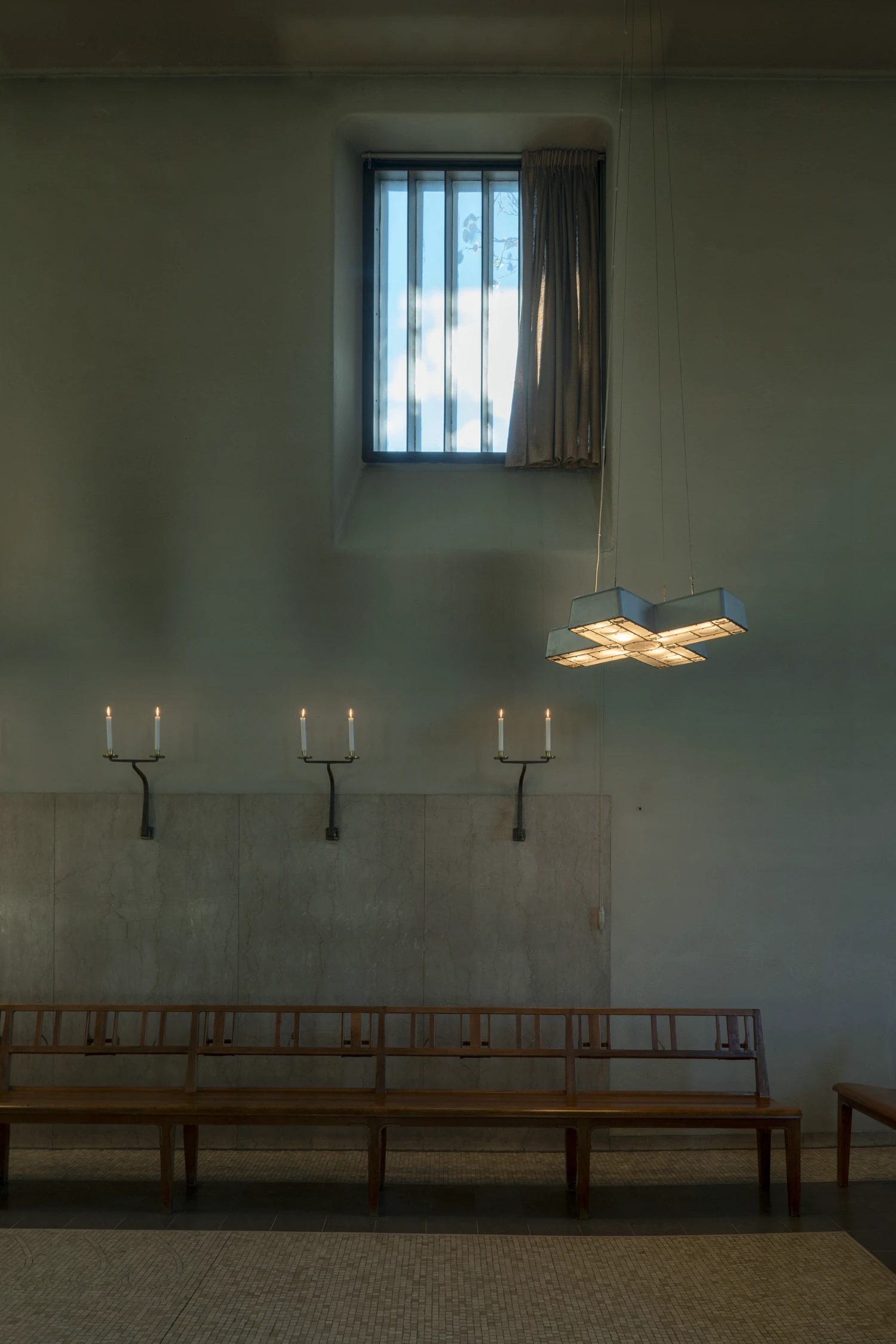
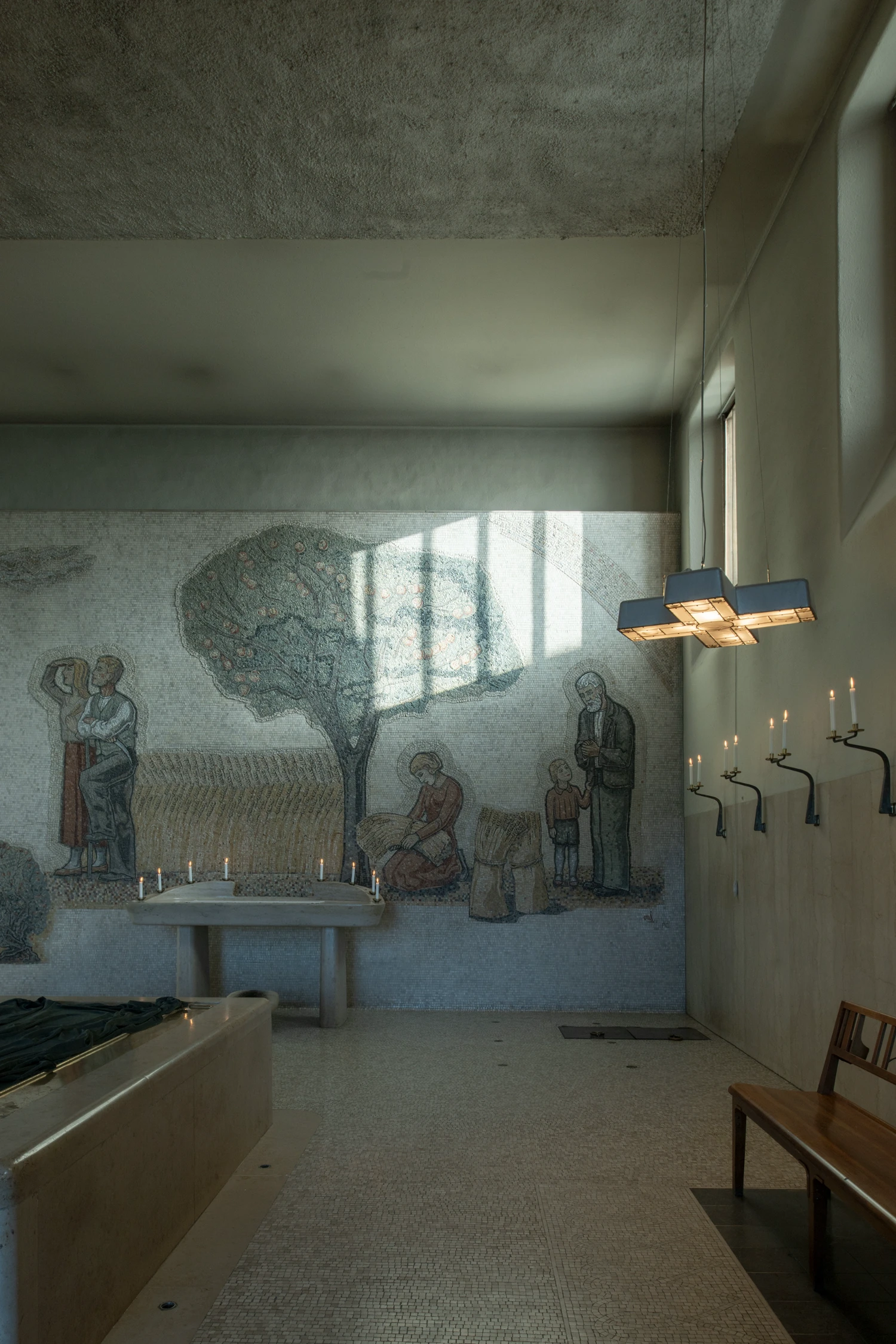
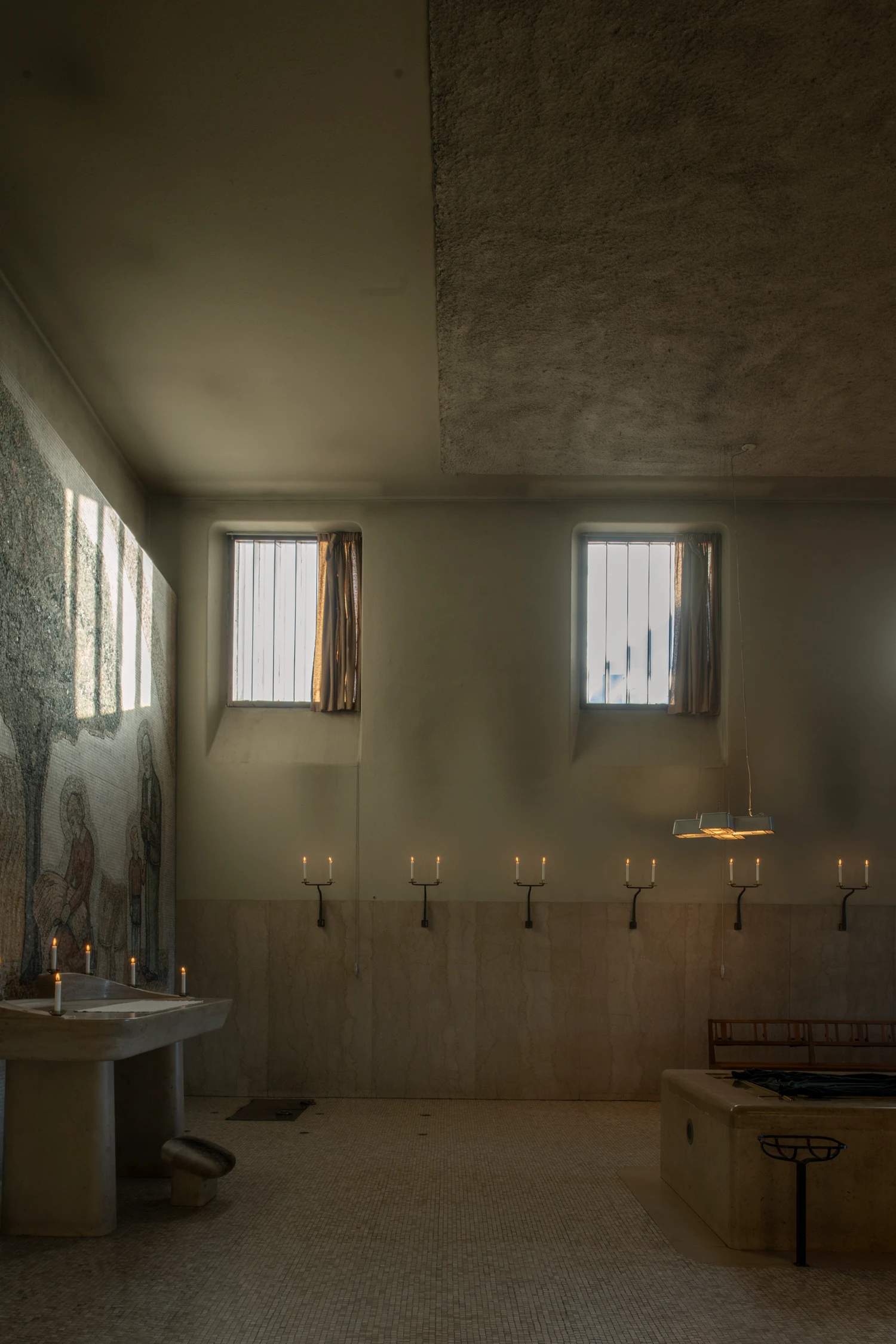
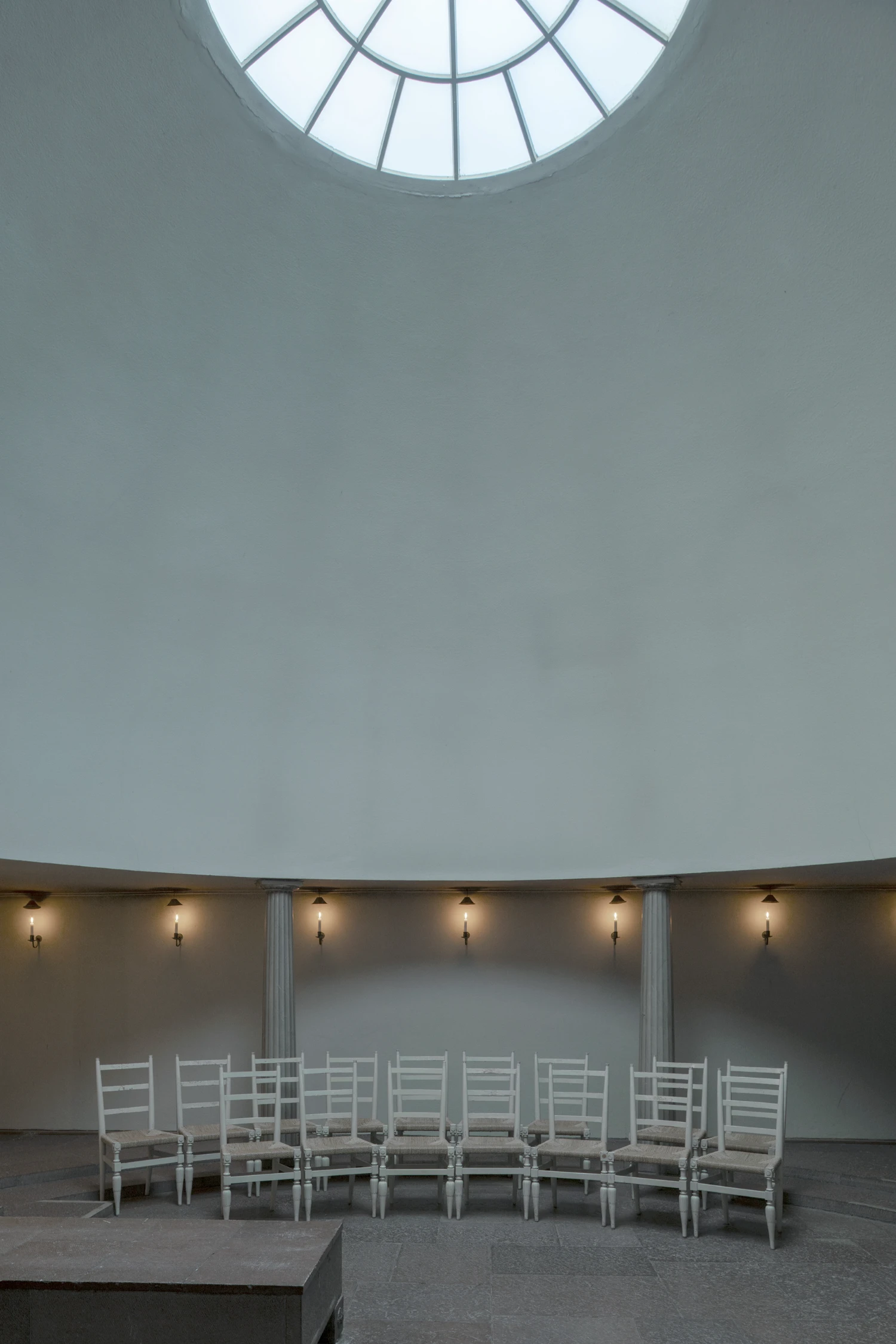
Photographer Andy Liffner revisits Stockholm’s Woodland Cemetery designed by Erik Gunnar Asplund & Sigurd Lewerentz, capturing its meditative stillness 100 years on.
Few landscapes fold time and space as deftly as Skogskyrkogården, Stockholm’s Woodland Cemetery, where nature, memory, and architecture cohere into an immersive spatial meditation. Conceived by the young but already lucid minds of Erik Gunnar Asplund and Sigurd Lewerentz, the cemetery’s genesis lies in a 1915 competition entry—strikingly named “Tallum”—that eschewed formal garden layouts for a reverent preservation of the existing Nordic forest. It was a radical gesture: to let the wilderness speak, and to place human intervention in quiet dialogue with it.
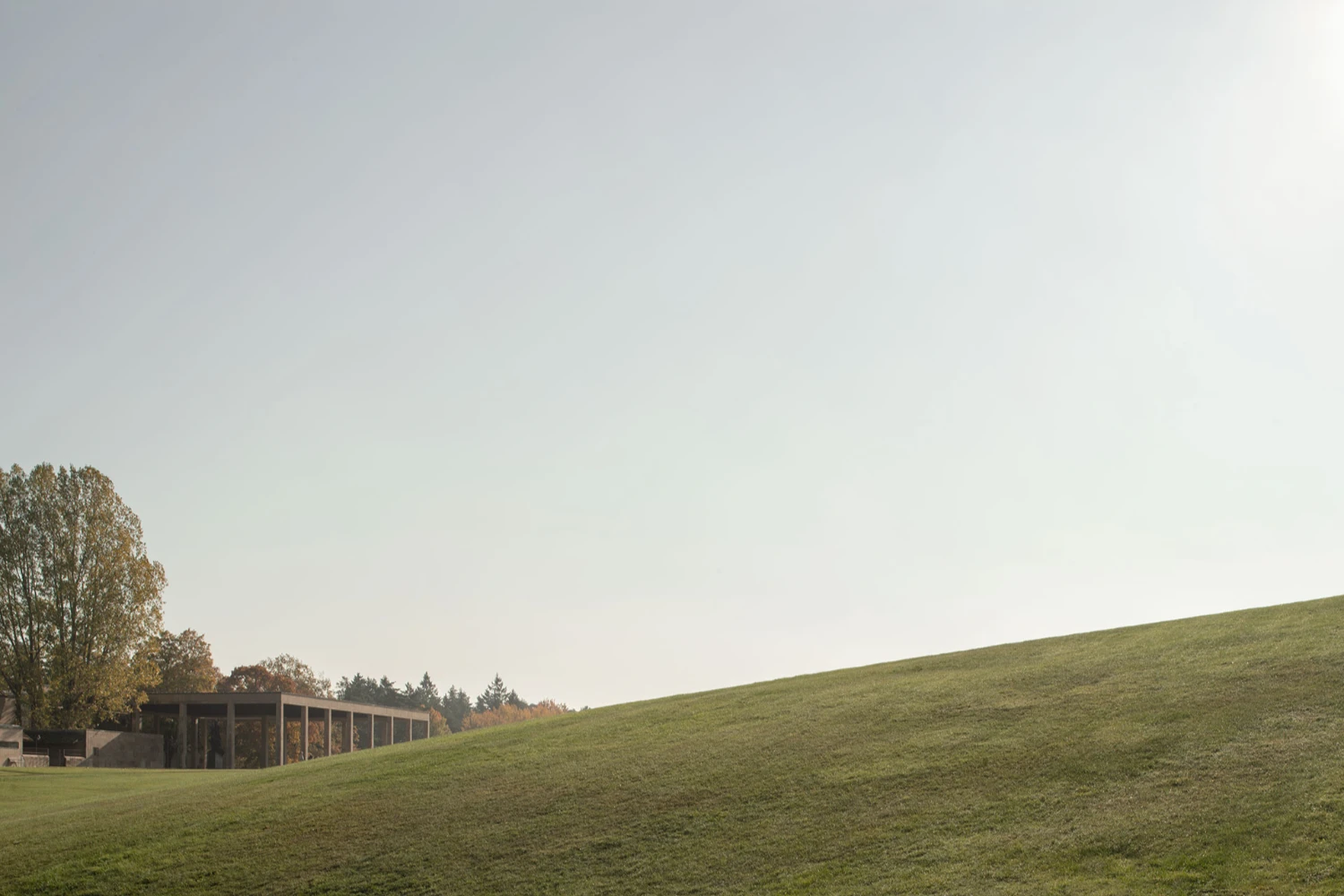
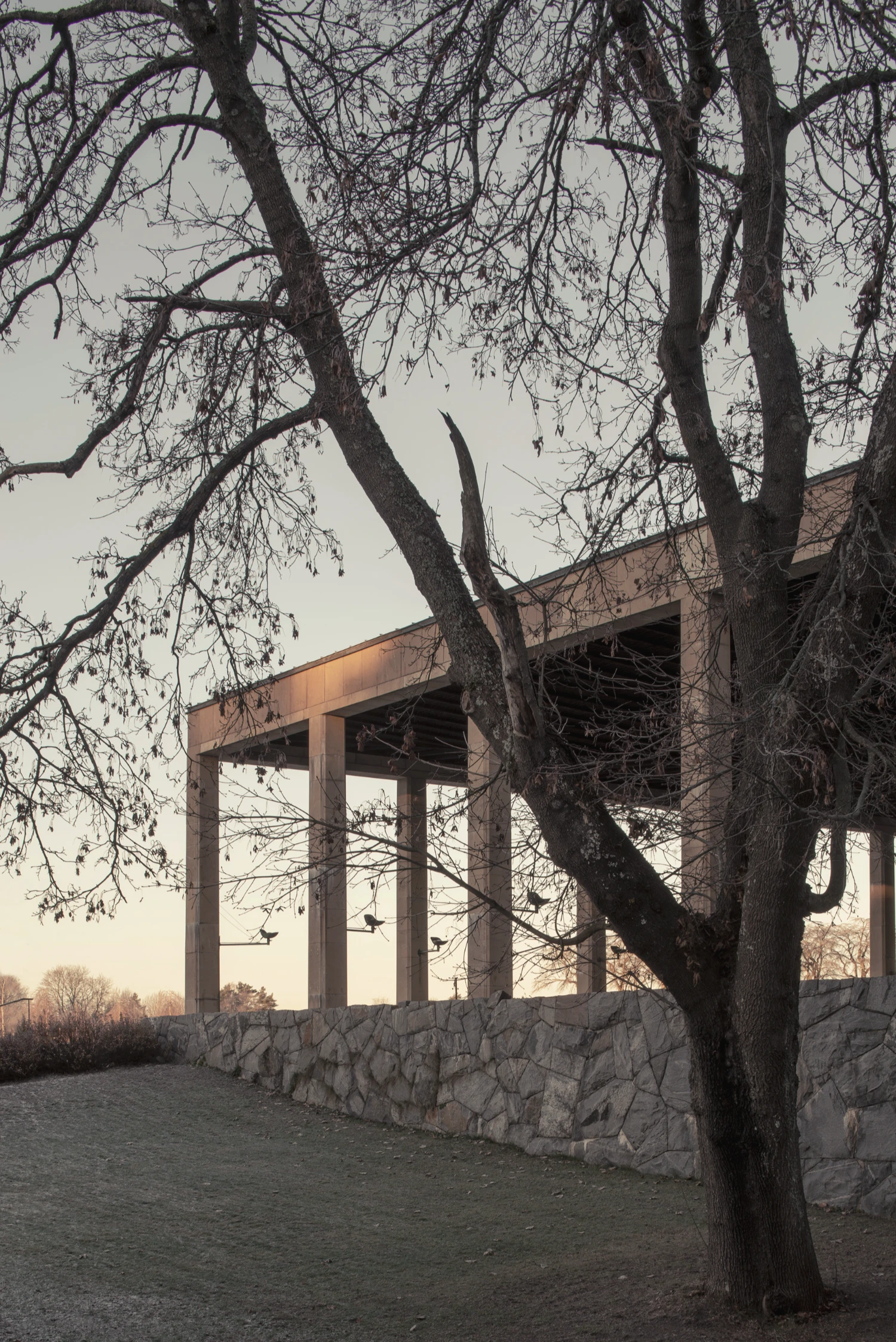
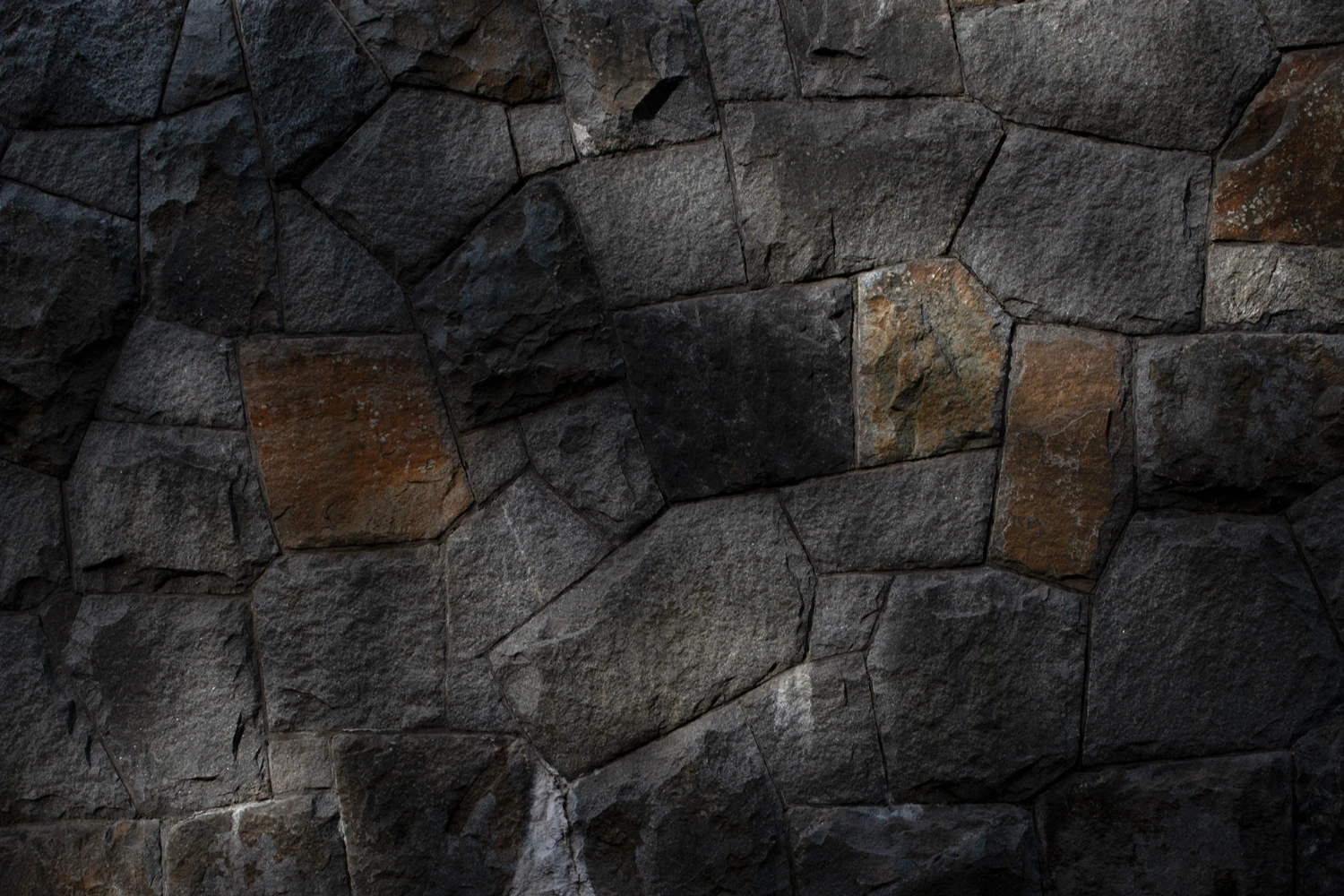
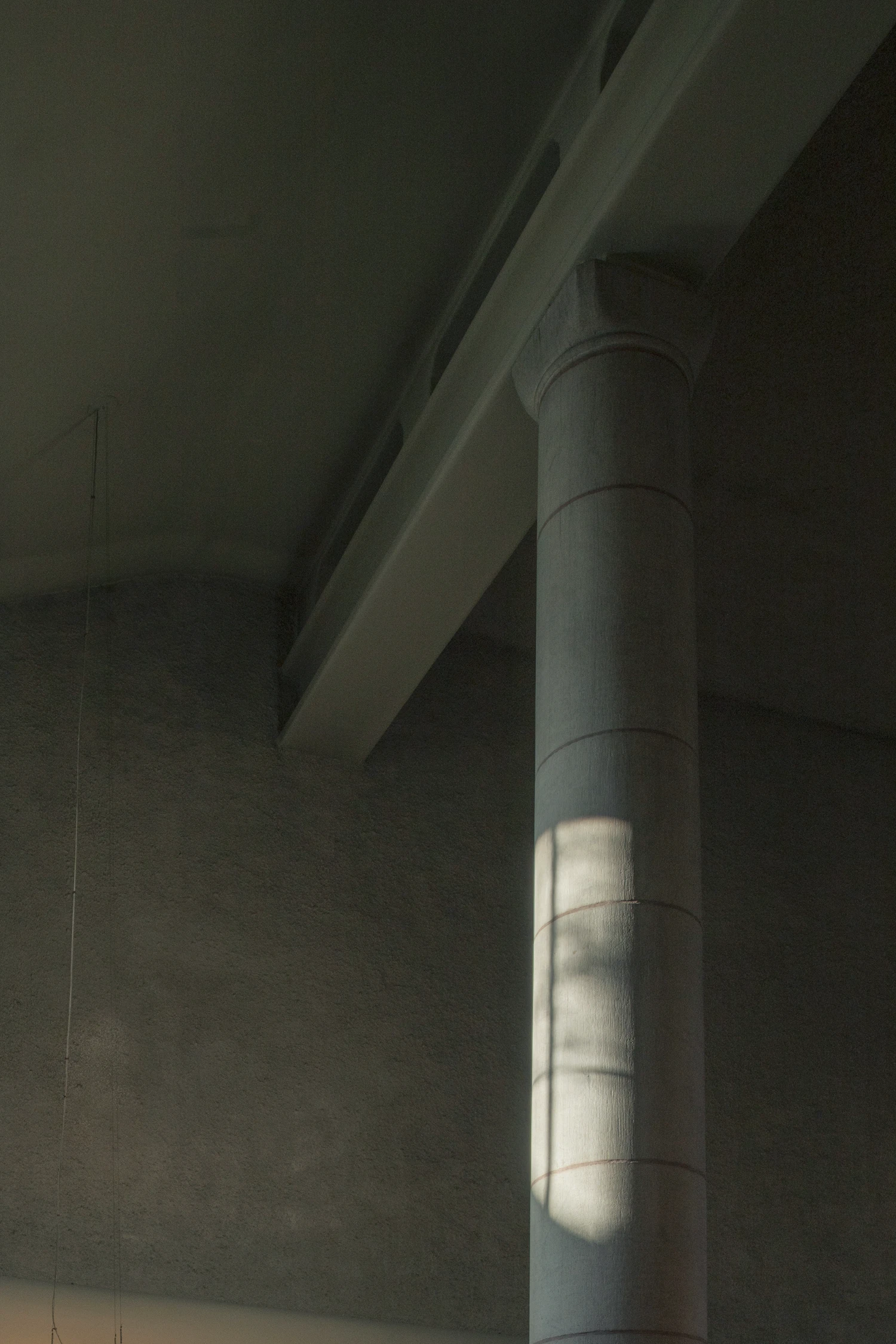
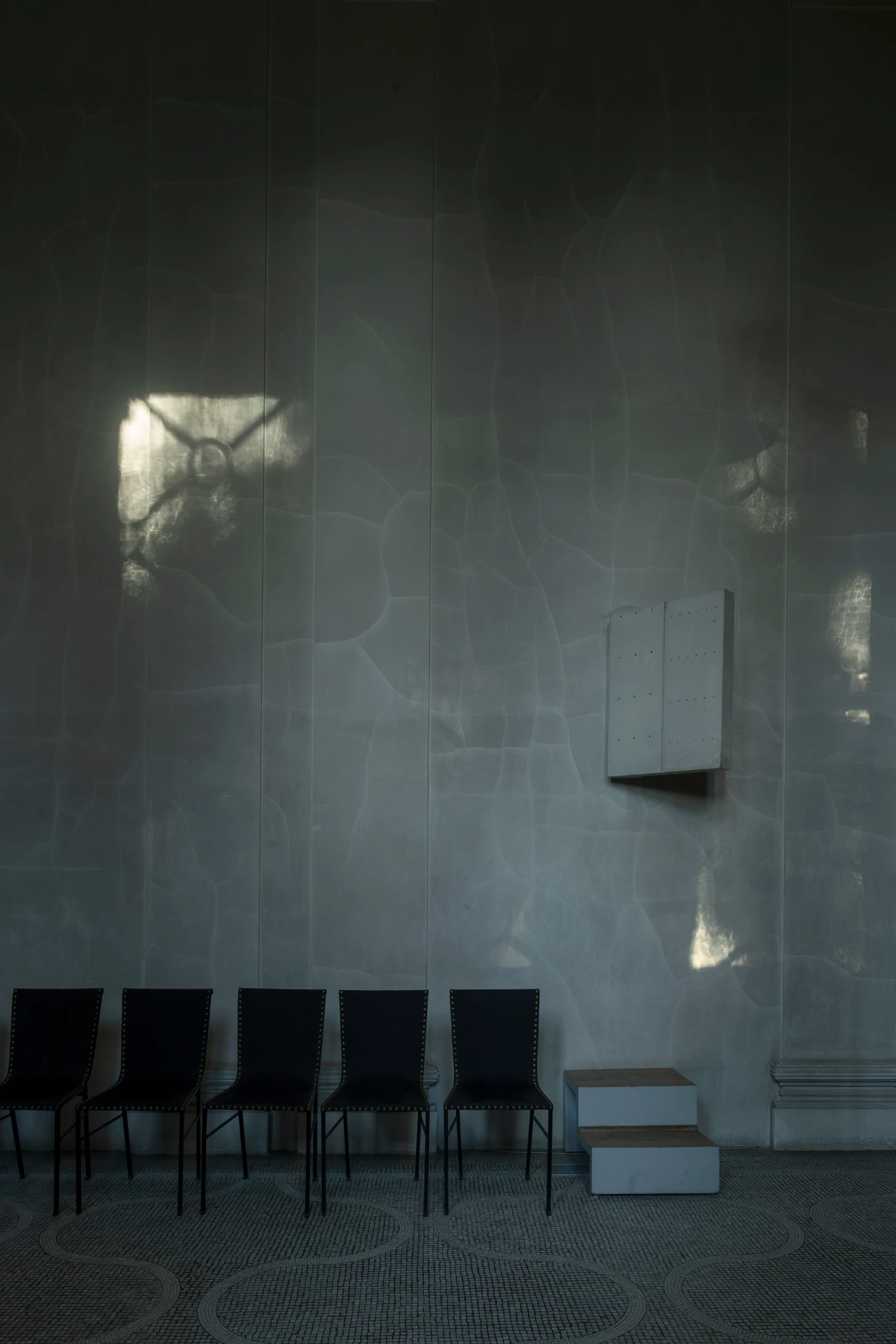
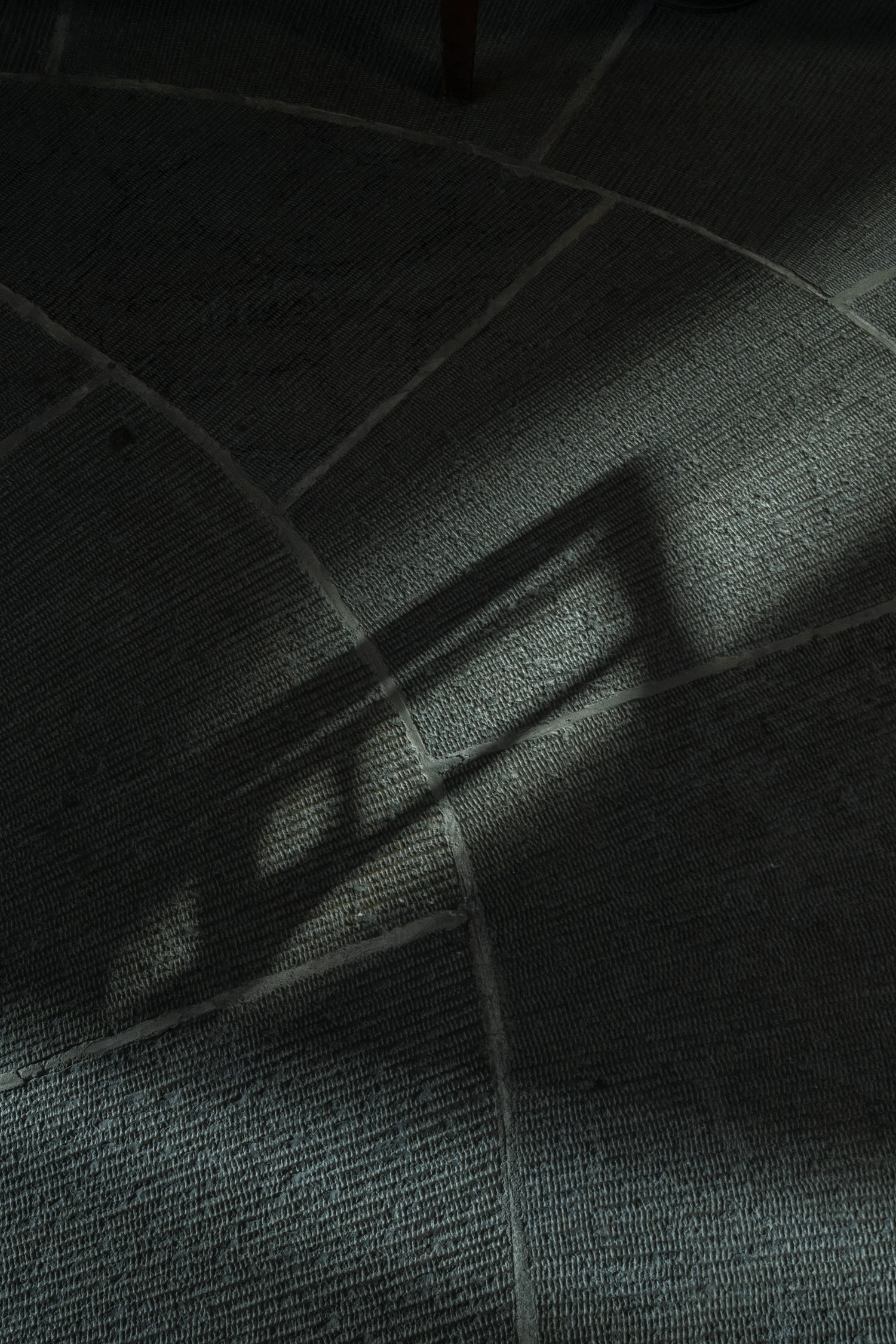
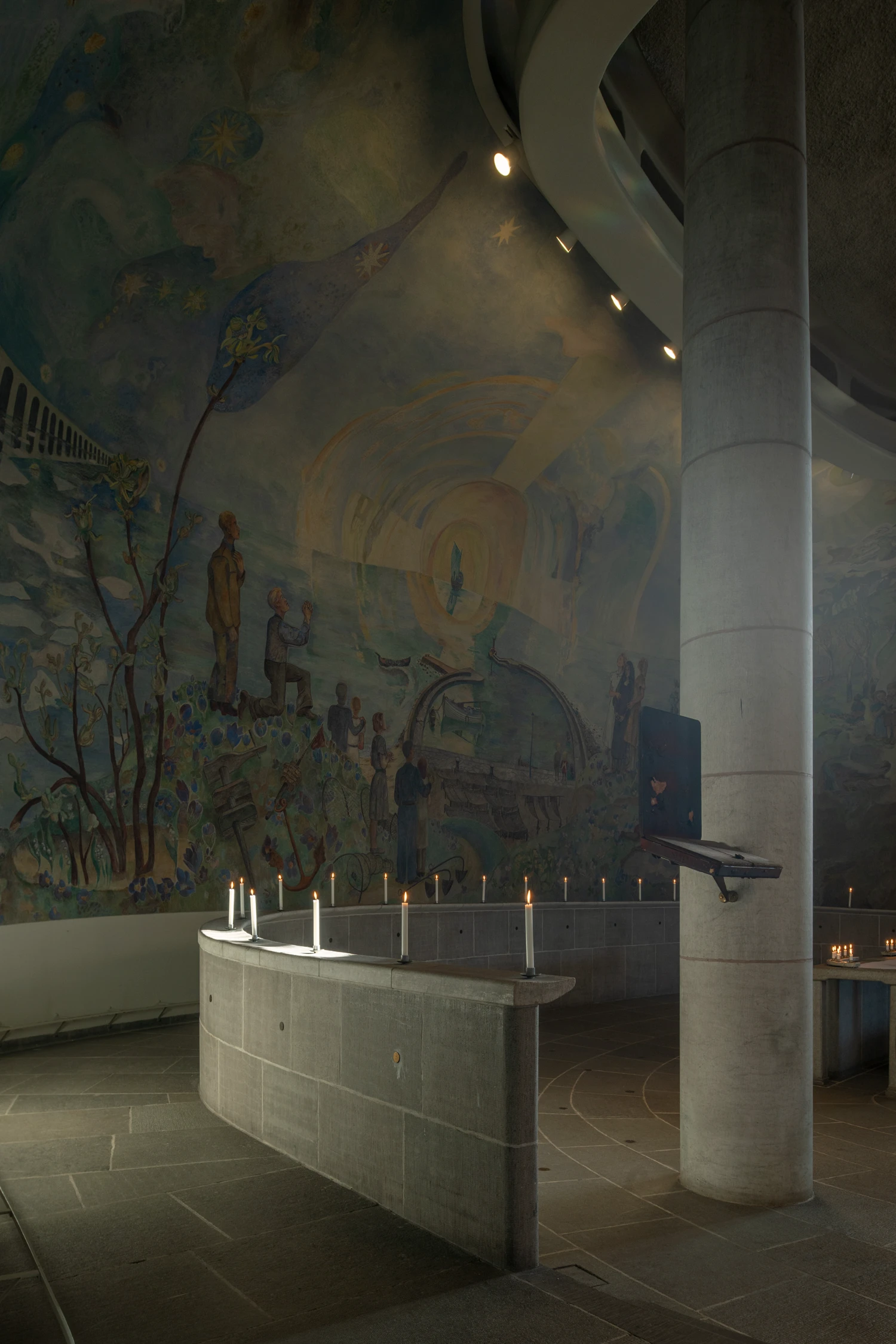
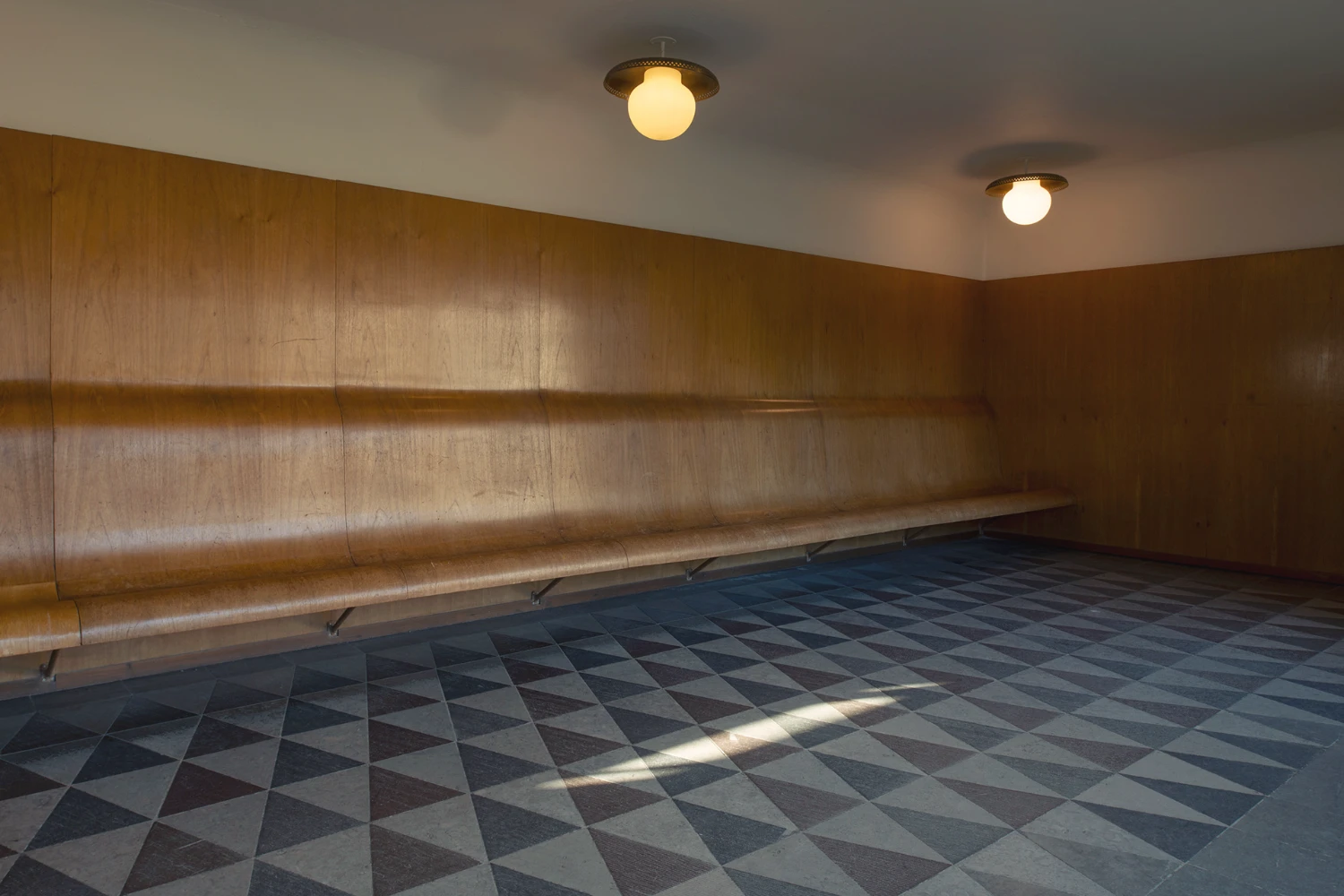
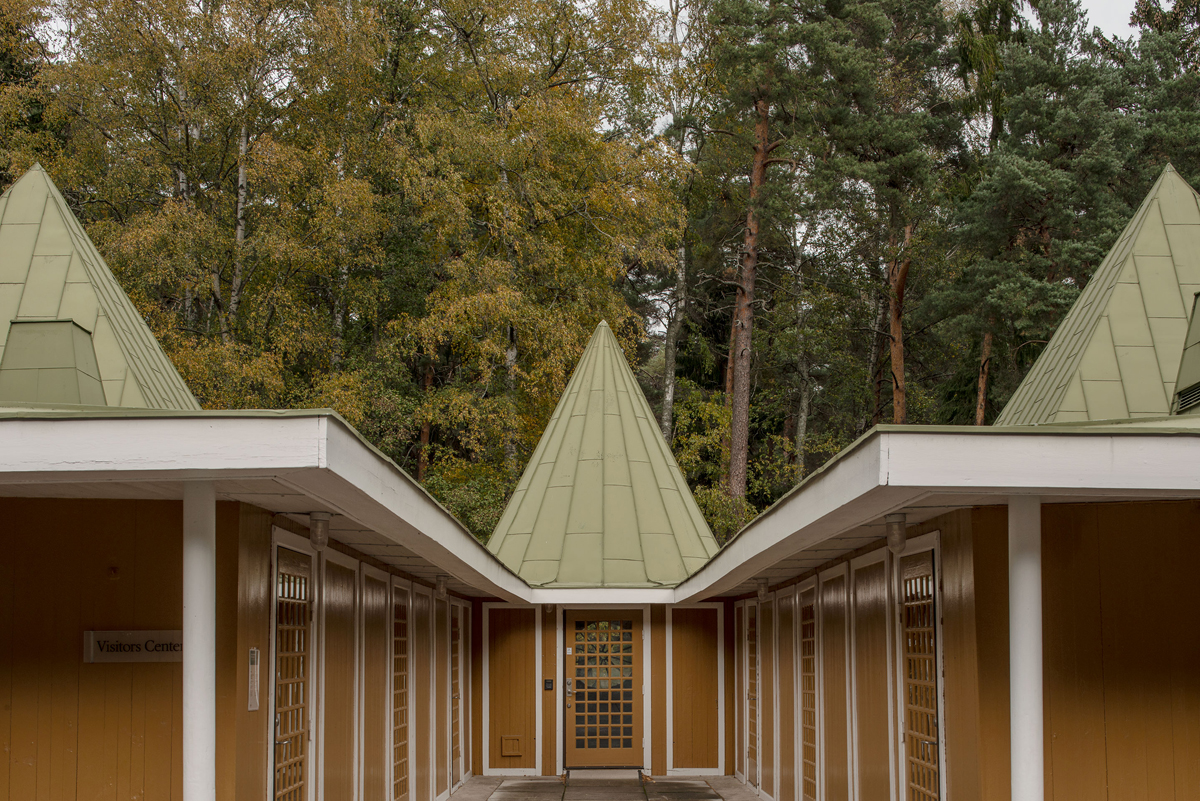
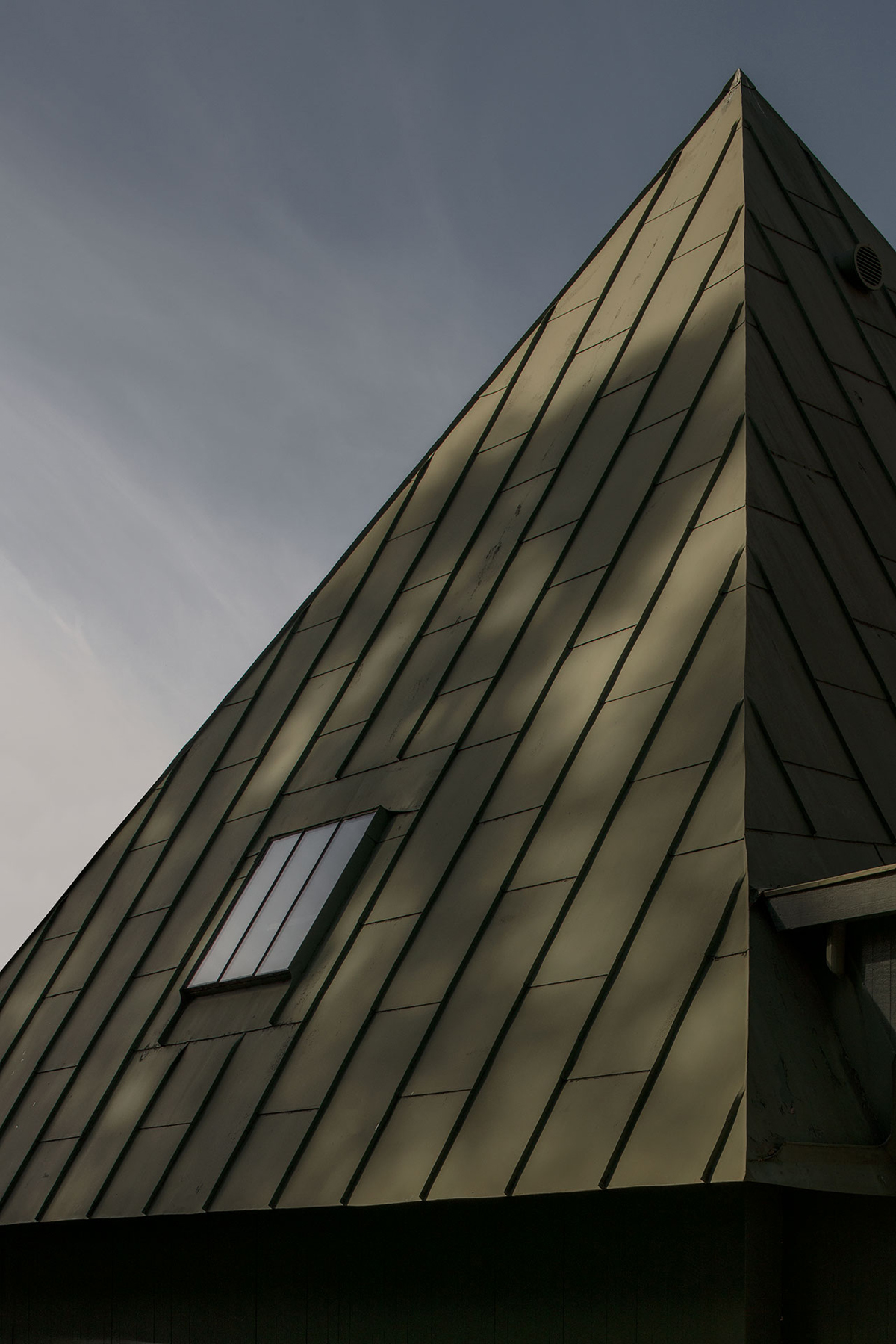
Andy Liffner’s photographic study of the cemetery, developed over a decade and especially during a full year in 2018, reveals this quiet conversation. His lens doesn’t just capture the structures, but the temporal shifts—the long shadows, the silent snow, the weight of dusk. Through Liffner’s eye, we see the cemetery not as a project completed between 1918 and 1940, but as a living organism: mutable, seasonal, and deeply spiritual.
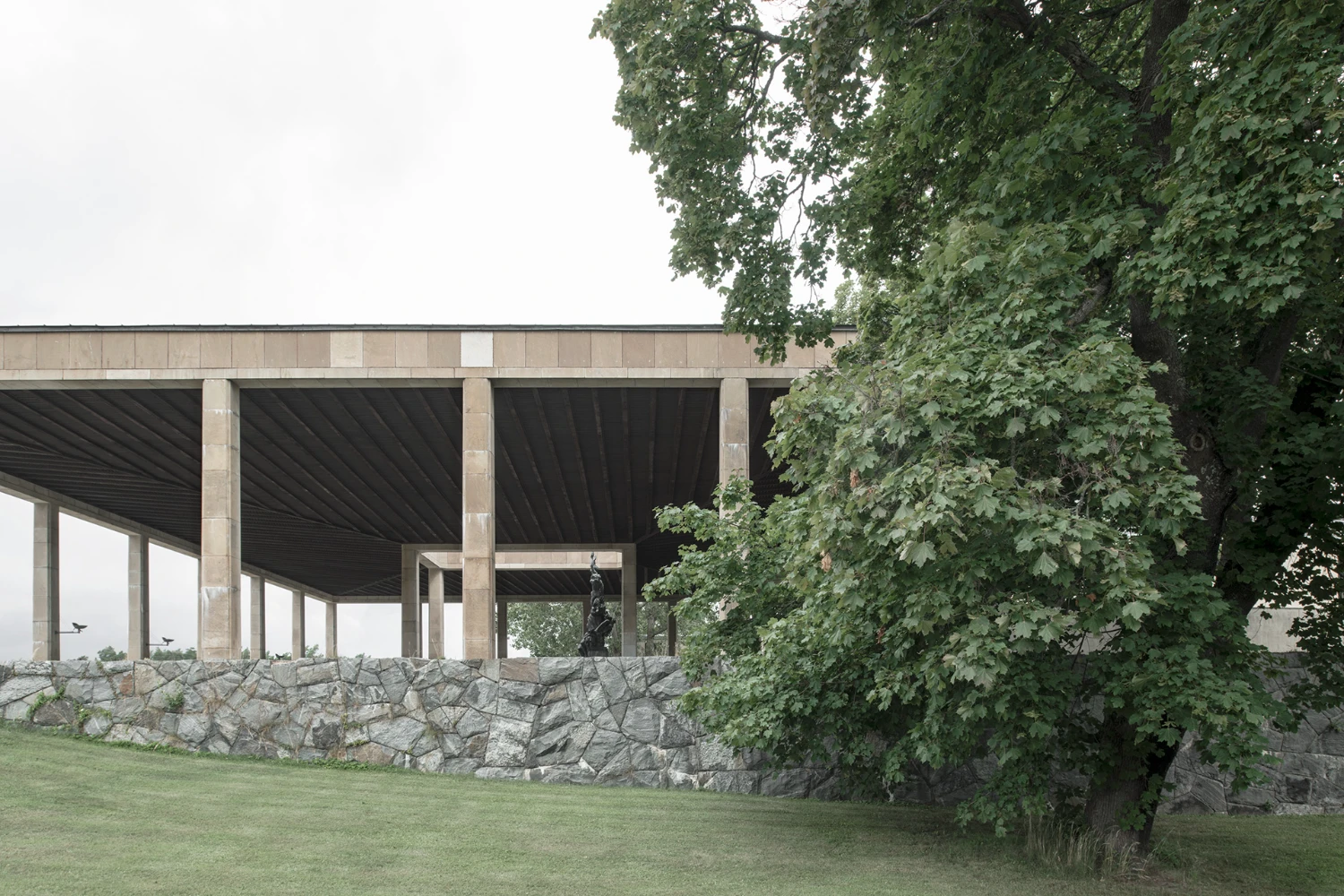
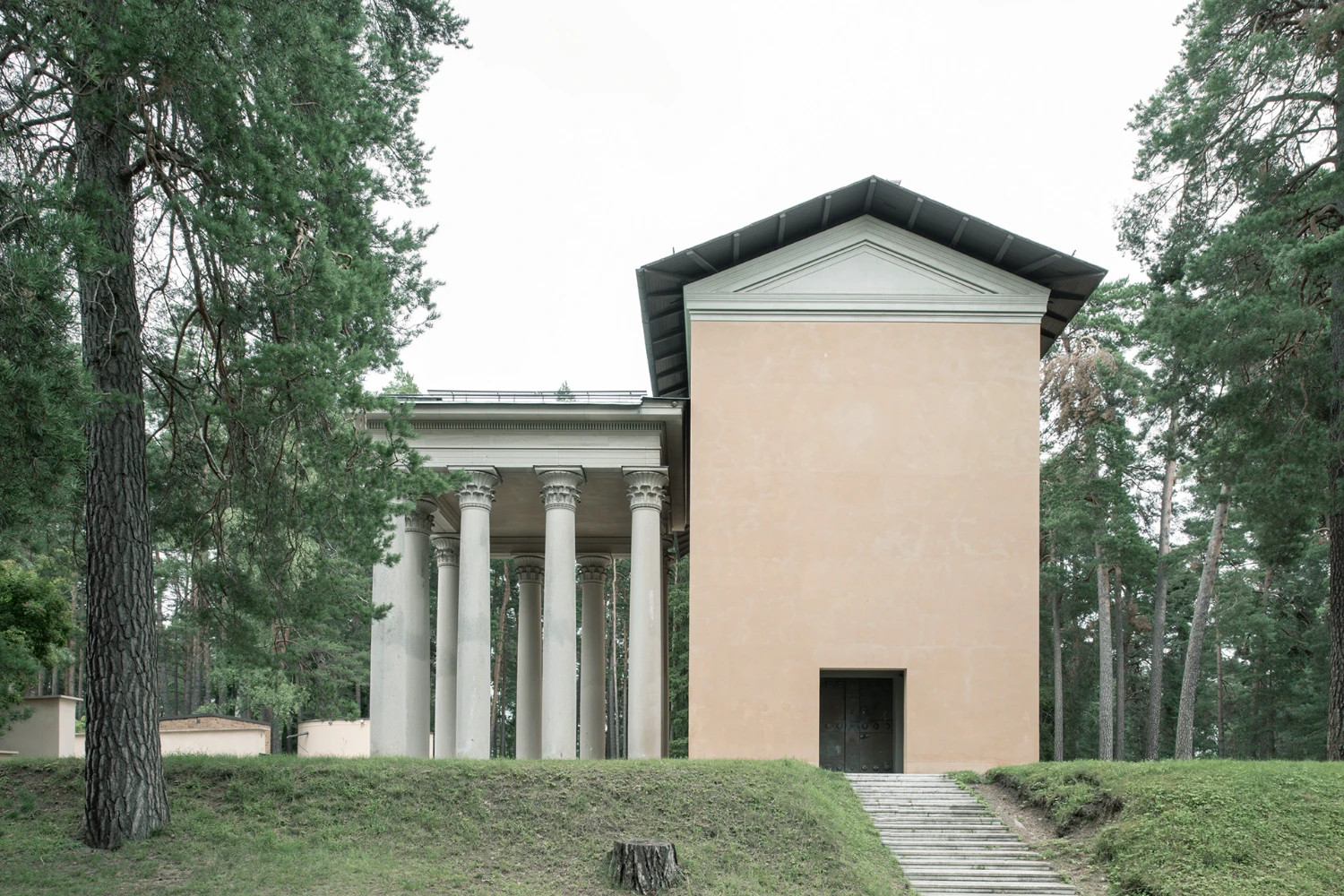
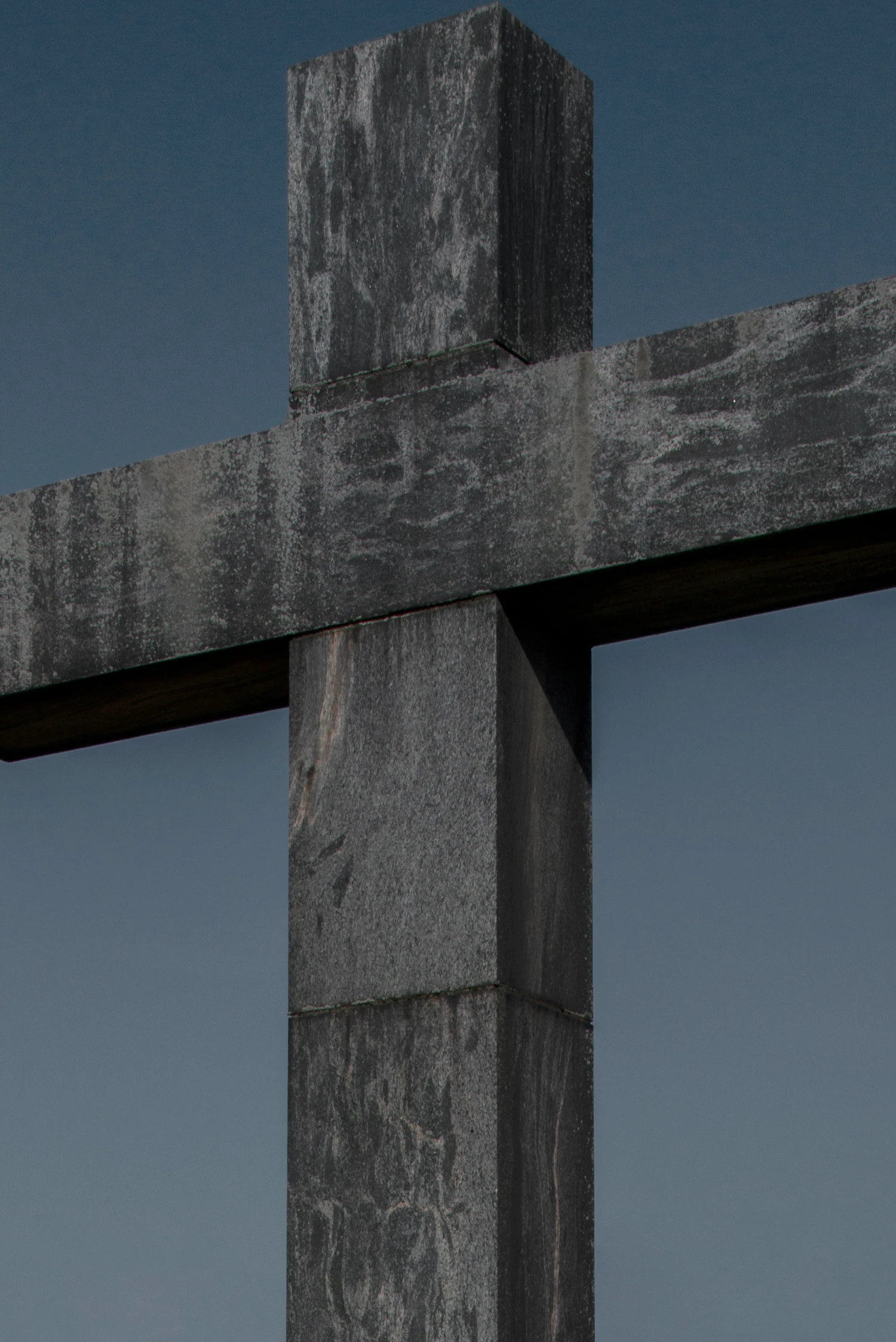
Asplund and Lewerentz’s architectural interventions were surgical in their restraint. A long axial route bifurcates the space, one path dissolving into pastoral light, the other ascending toward abstraction: a stark granite cross, the austere portico of the Chapel of the Holy Cross. These are not gestures of monumentality, but of emotional calibration. In resisting the symmetry and ornamental language of their contemporaries, the architects aligned instead with the primal sublime—where form is felt before it is understood.
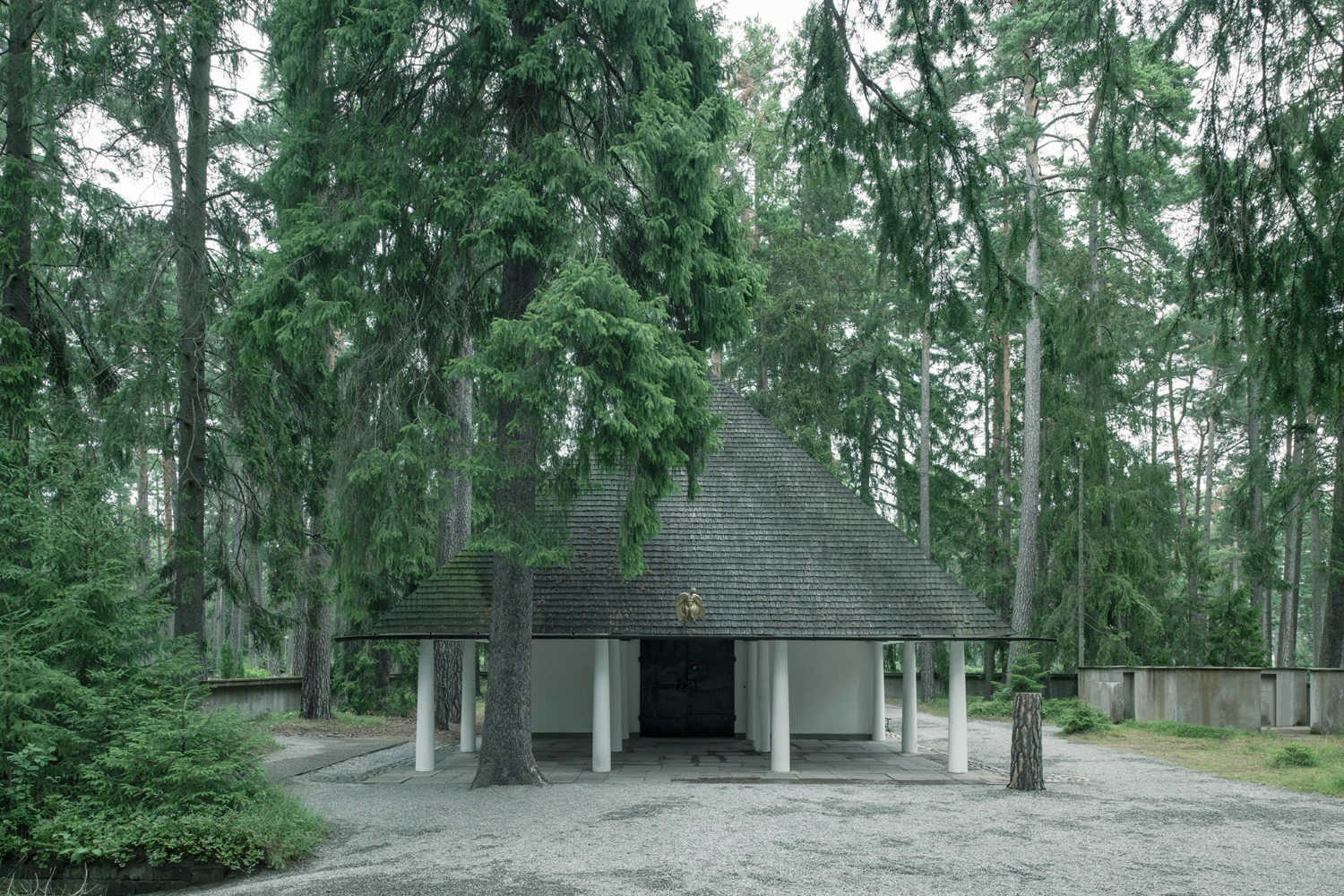
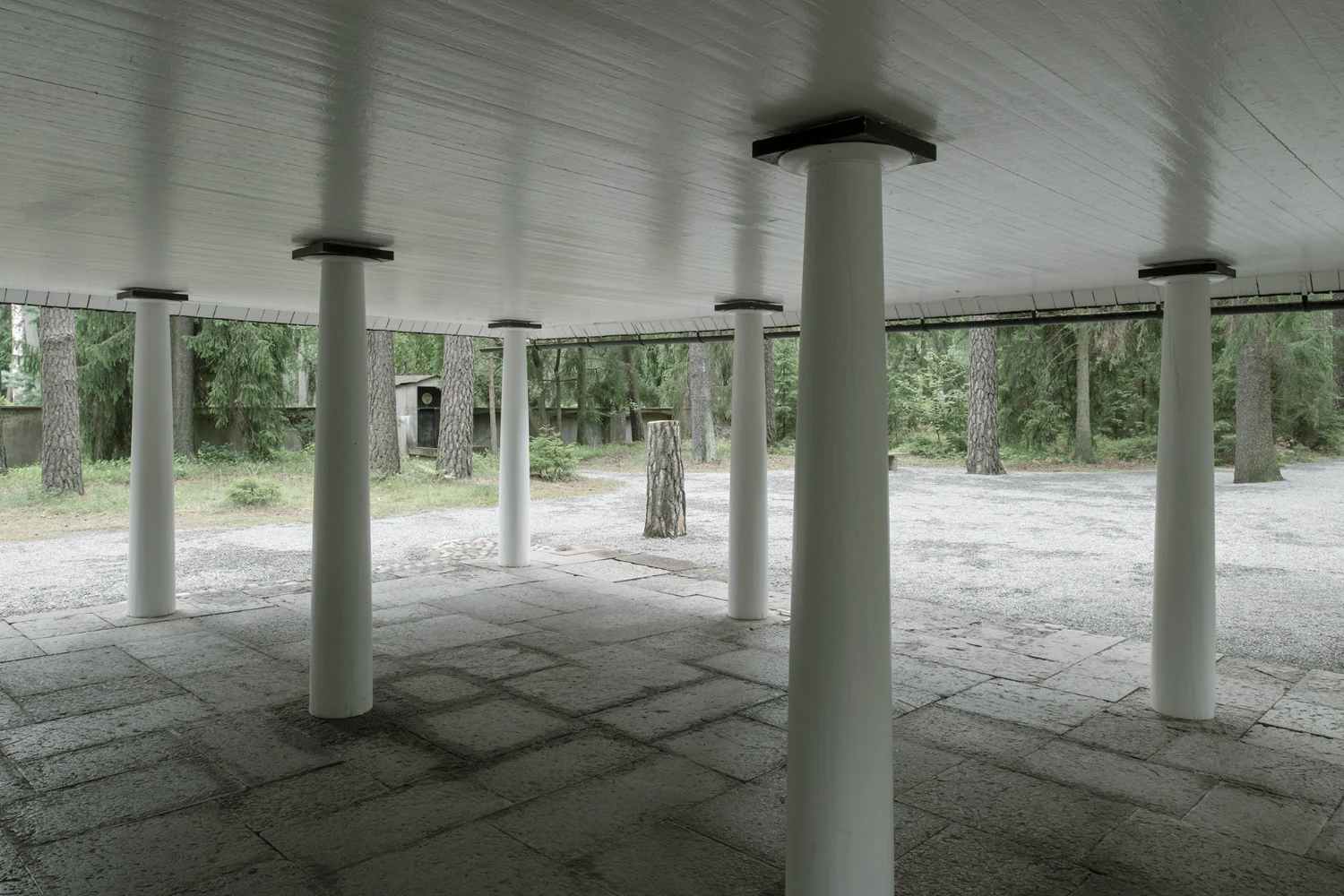
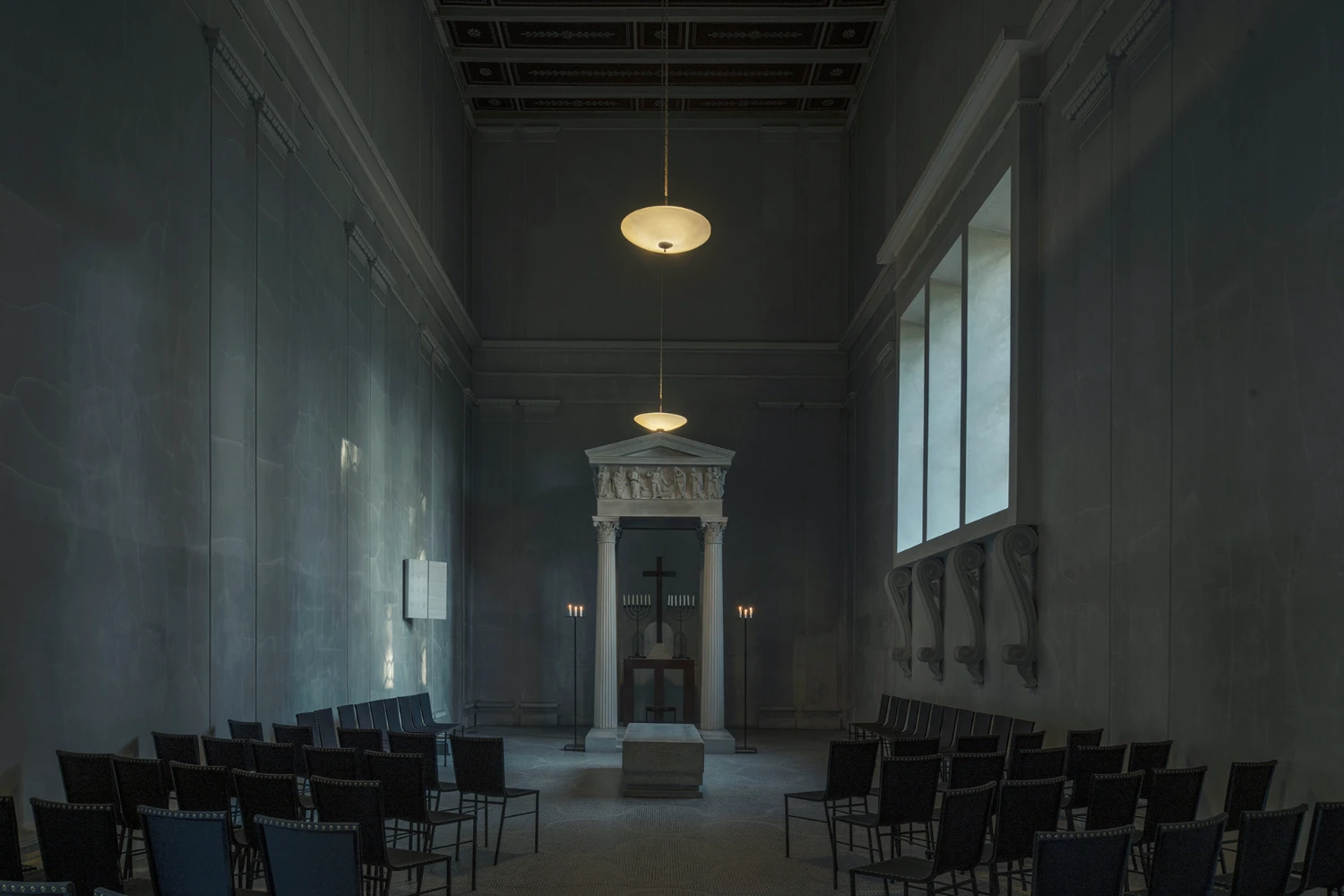
Nowhere is this synthesis more articulate than in the Resurrection Chapel, designed by Lewerentz and completed in 1925. It stands like a fragment of ancient memory—a neoclassical form camouflaged in pine forest quiet. The portico, mounted on twelve slender columns, leads not just into a chapel, but into an emotional threshold. Light filters in through a single tall window, while music descends unseen from a concealed organ loft. The experience is choreographed with a metaphysical grace.
Liffner’s images, especially those from his early sessions, distill what the Japanese call "Ma"—the space between things, the atmosphere that animates silence. His photographs are less about documentary than they are about attunement. In a place where memory is grounded in soil and sky, he captures the flickering line between architecture and afterlife. His affinity with Asplund is apparent—not just in the subject, but in the temperament of the gaze.