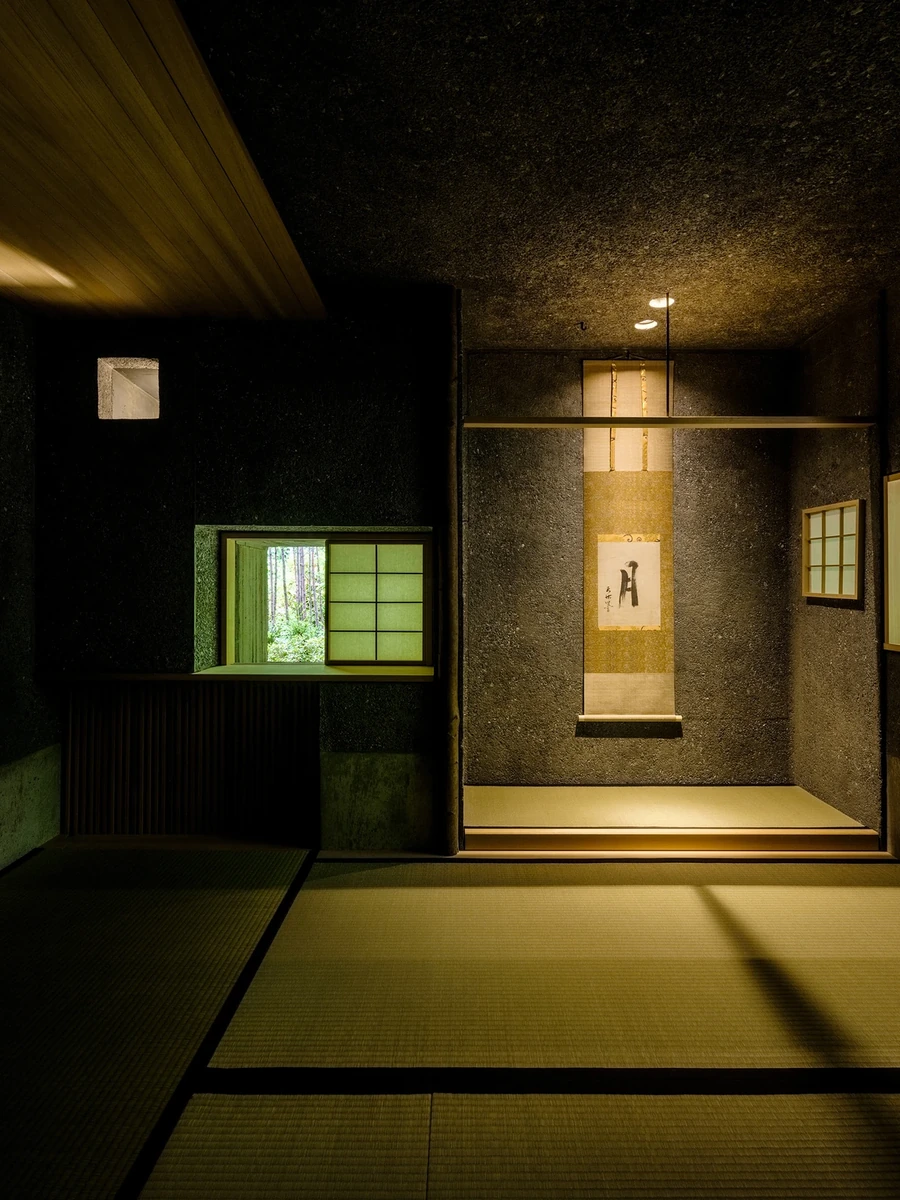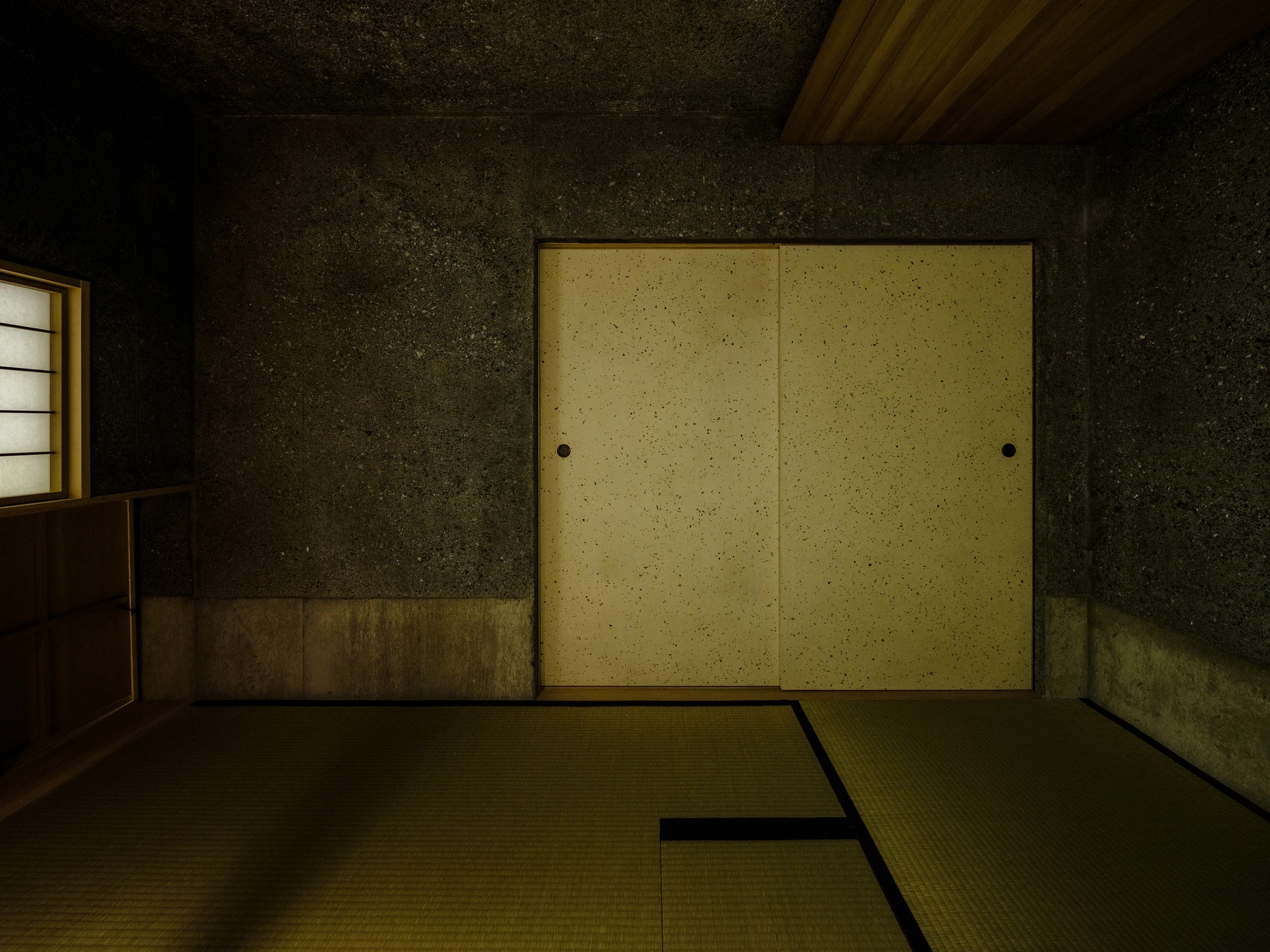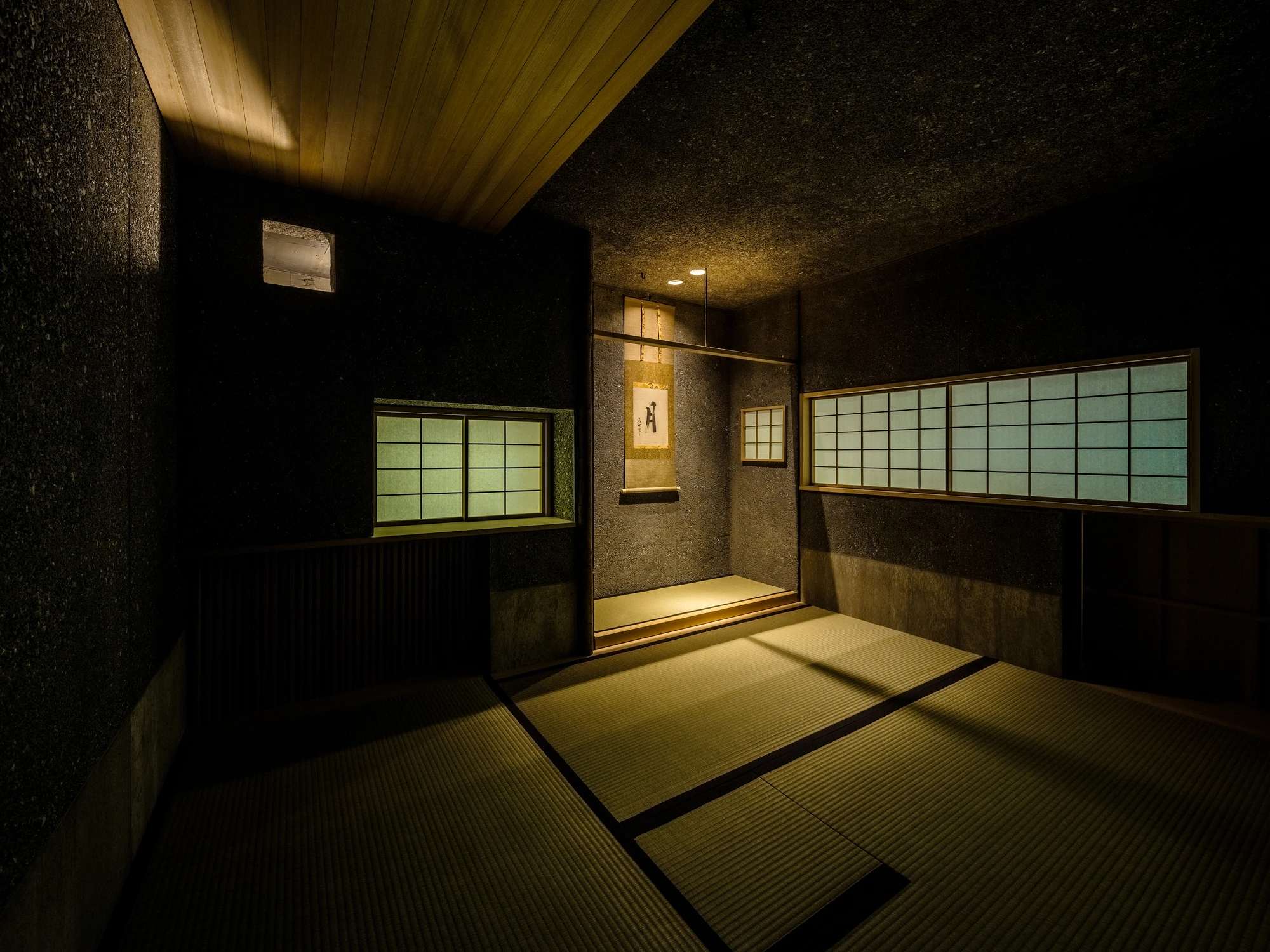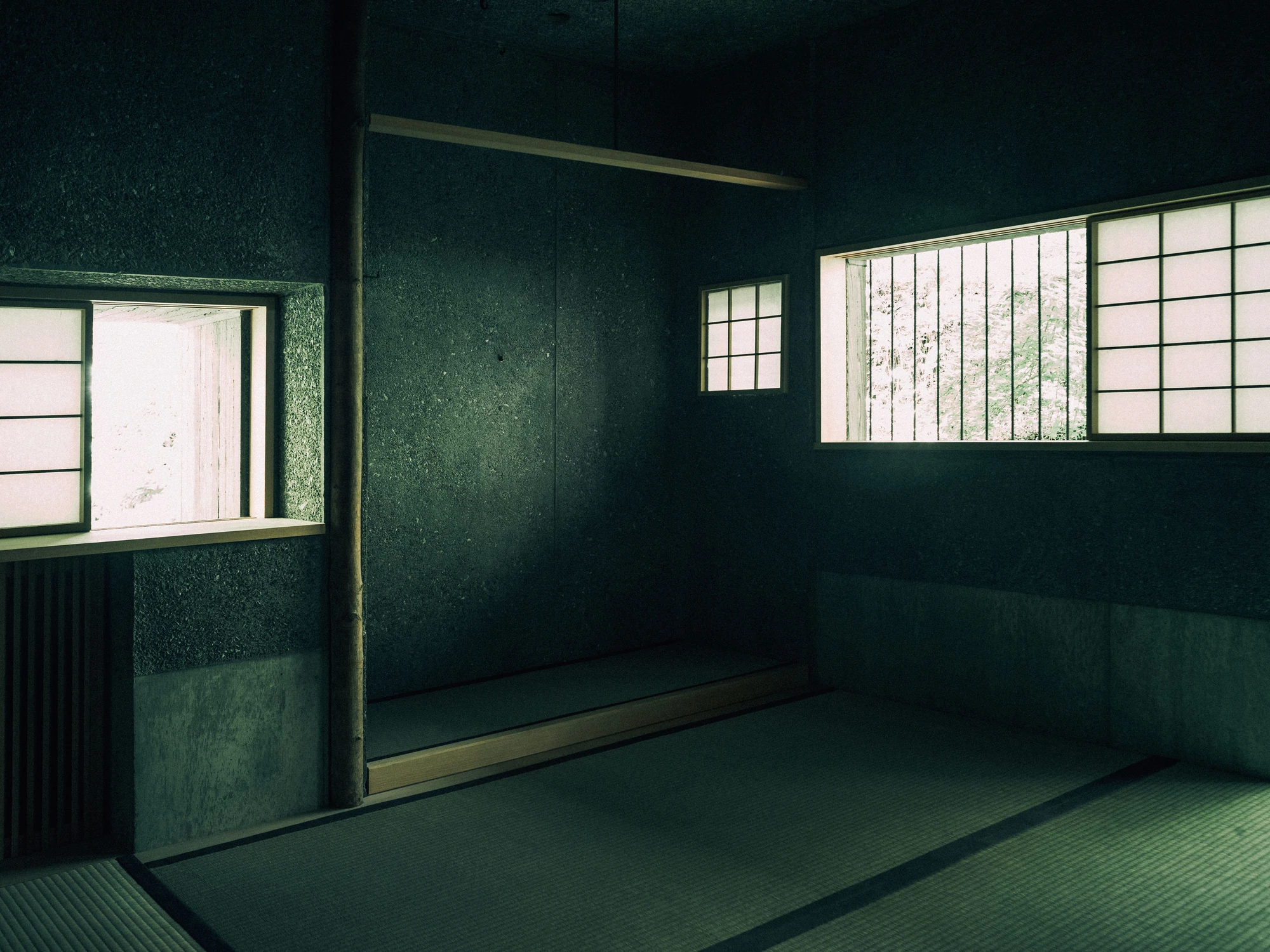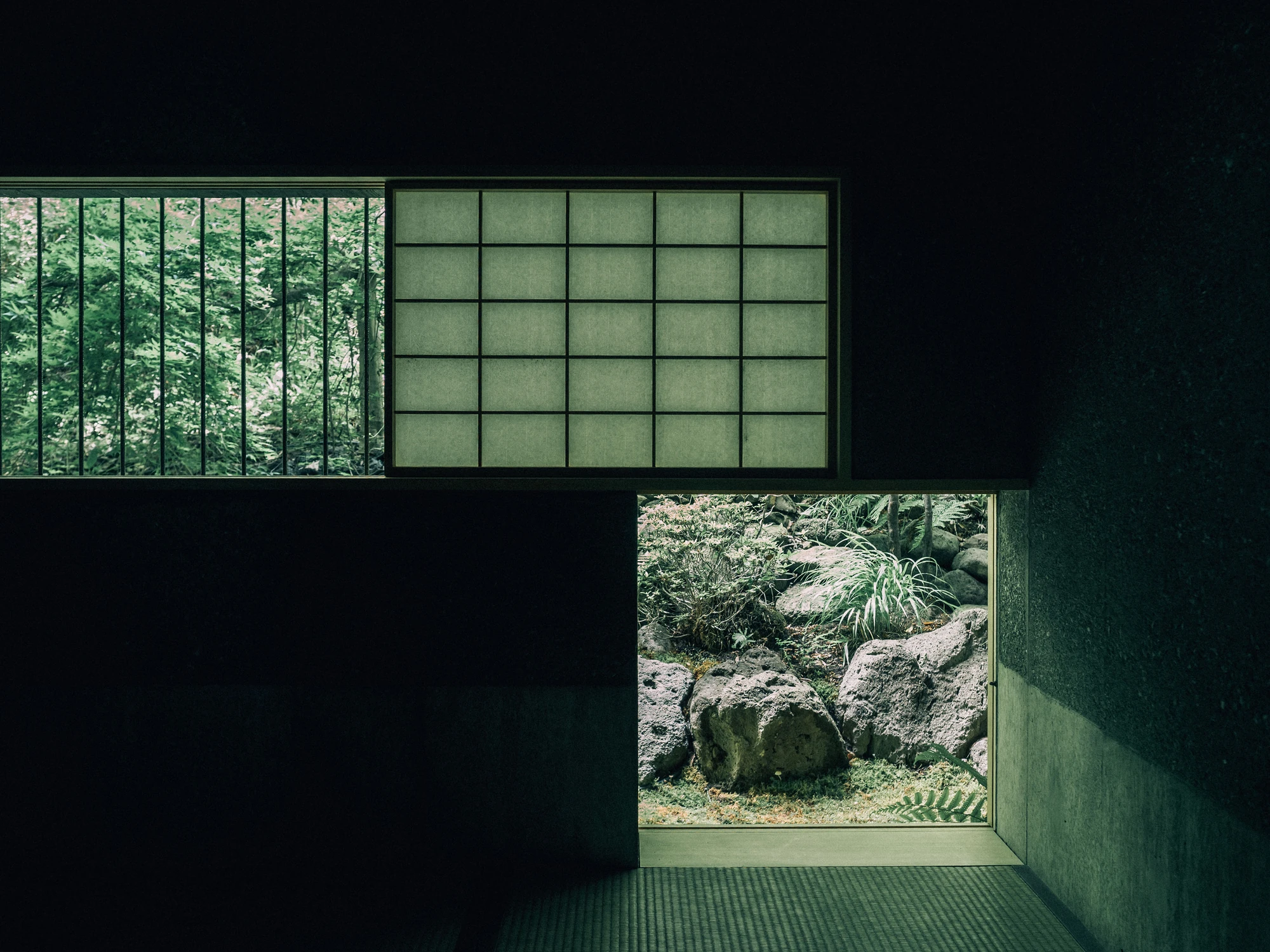
In a landslide warning zone in a Kamakura valley, Japan, Teitakusubako, Yusuke Igarashi Architects build Konkuri-an, a three-mat teahouse that rebuilds the sōan in high-pressure washed reinforced concrete.
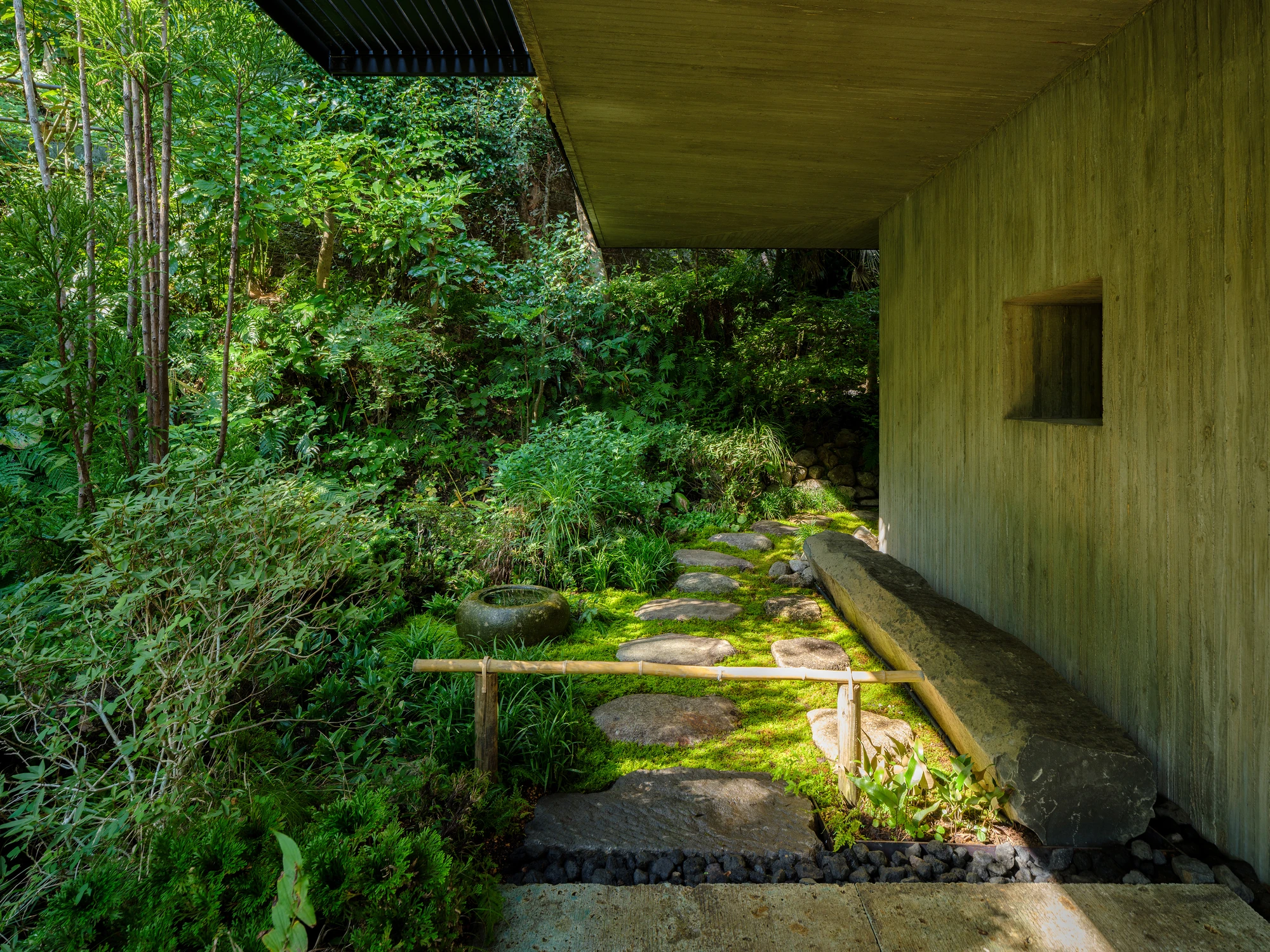
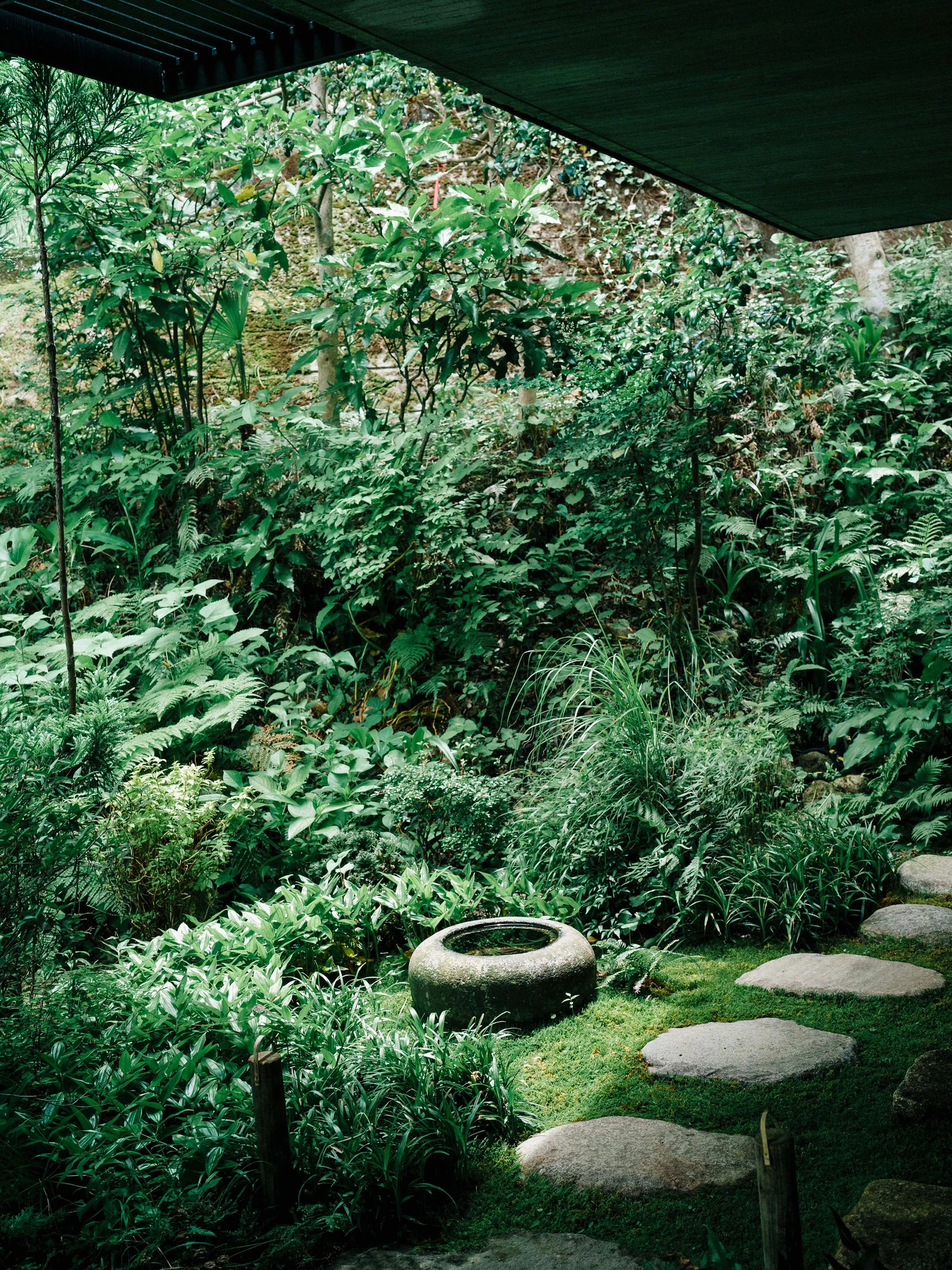
Konkuri-an occupies a valley in Kamakura, on ground the authorities have designated a landslide special warning zone. To stand safely against the hillside, the teahouse had to be built in reinforced concrete. The studio refused to read that requirement as a limitation. Instead it became a reason to reconsider the sōan, the rustic grass hut at the root of the Japanese tea tradition, through the materials and methods of the present.
The approach was to reinterpret principles rather than reproduce forms. Each element was reconsidered not by asking what material it had originally been made from, but by asking what role it played in shaping the spatial experience of the teahouse. A wall, a window, a lattice: each was kept for what it did, then rebuilt from what reinforced concrete could offer.
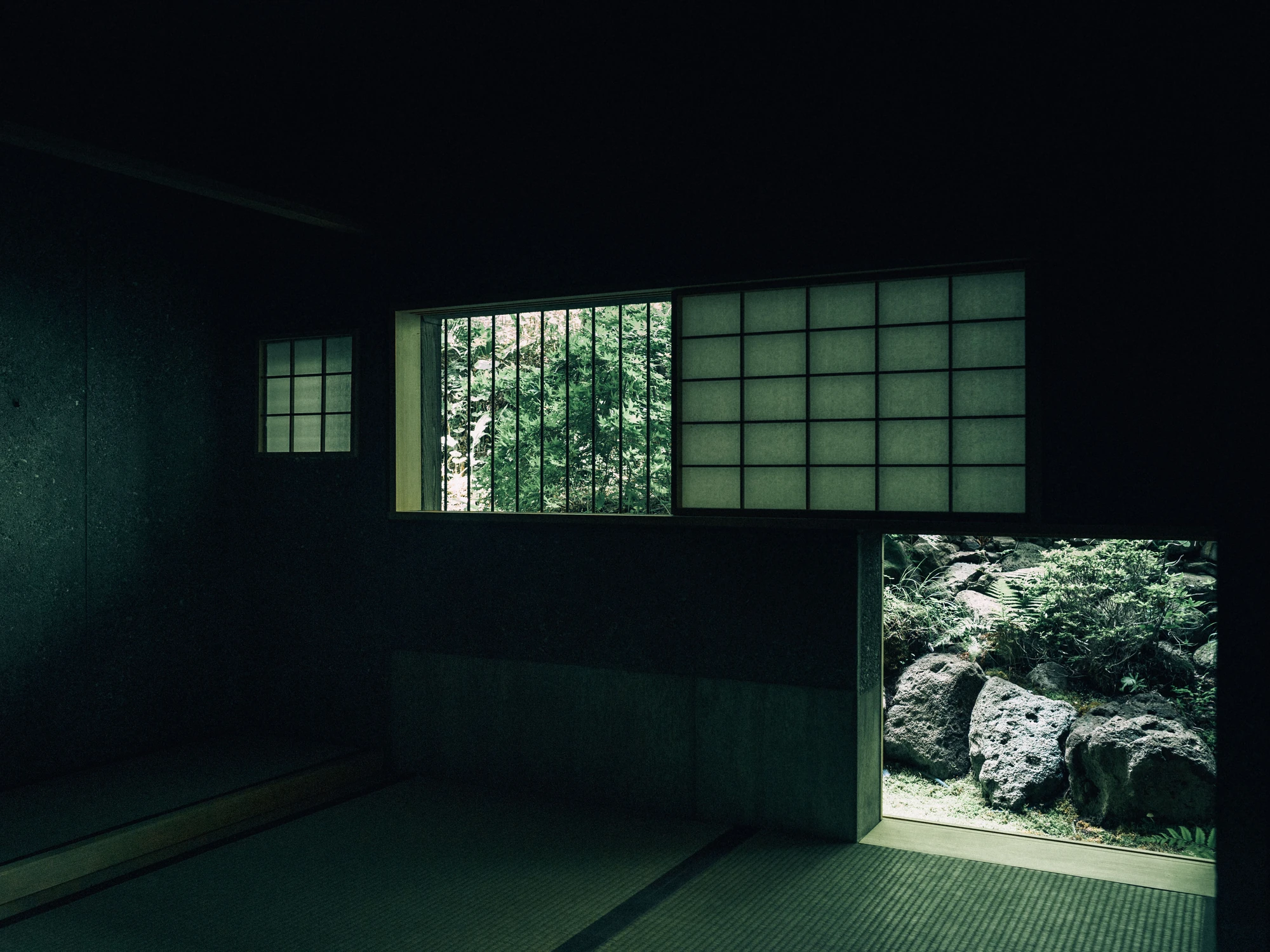
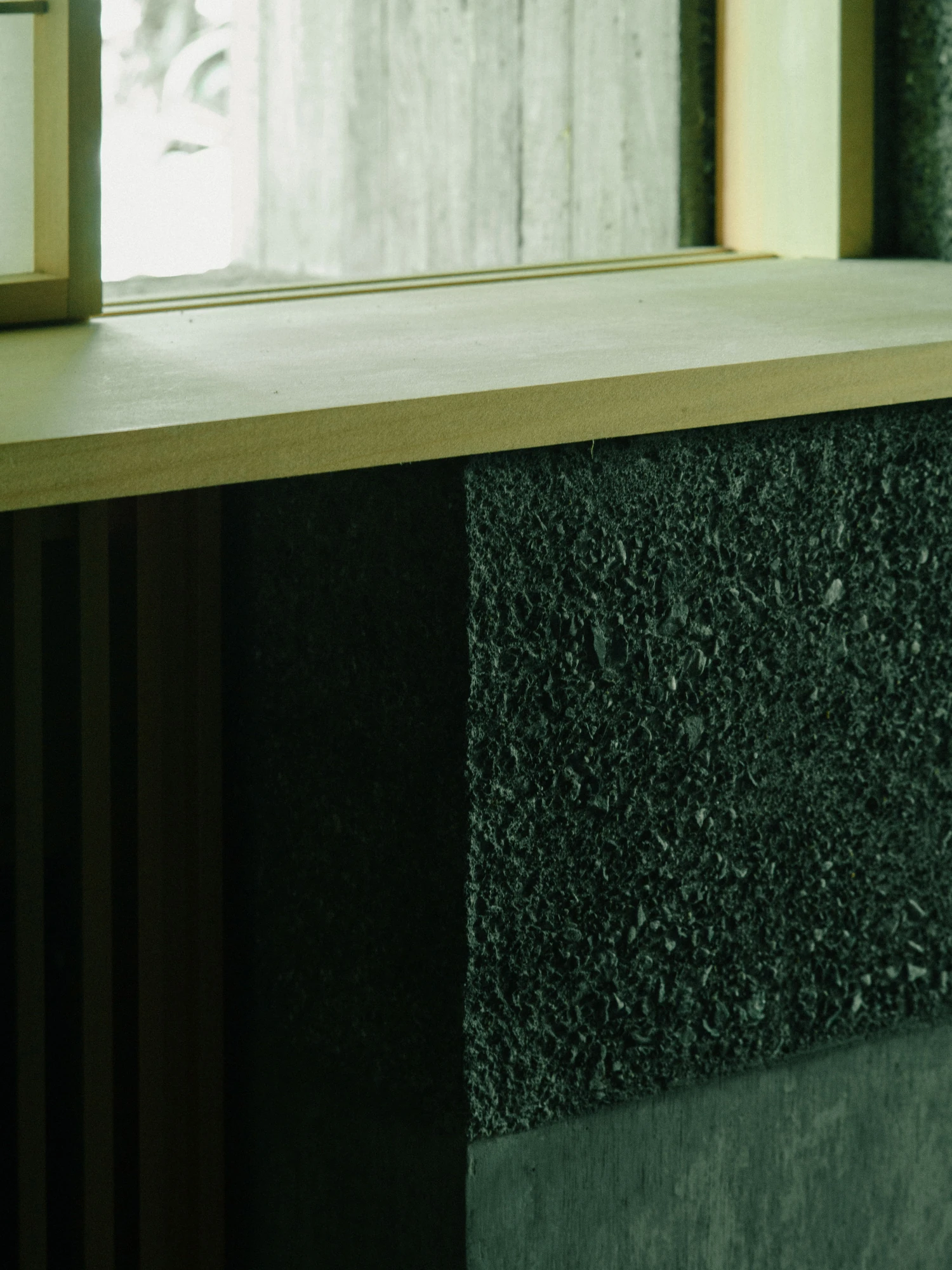
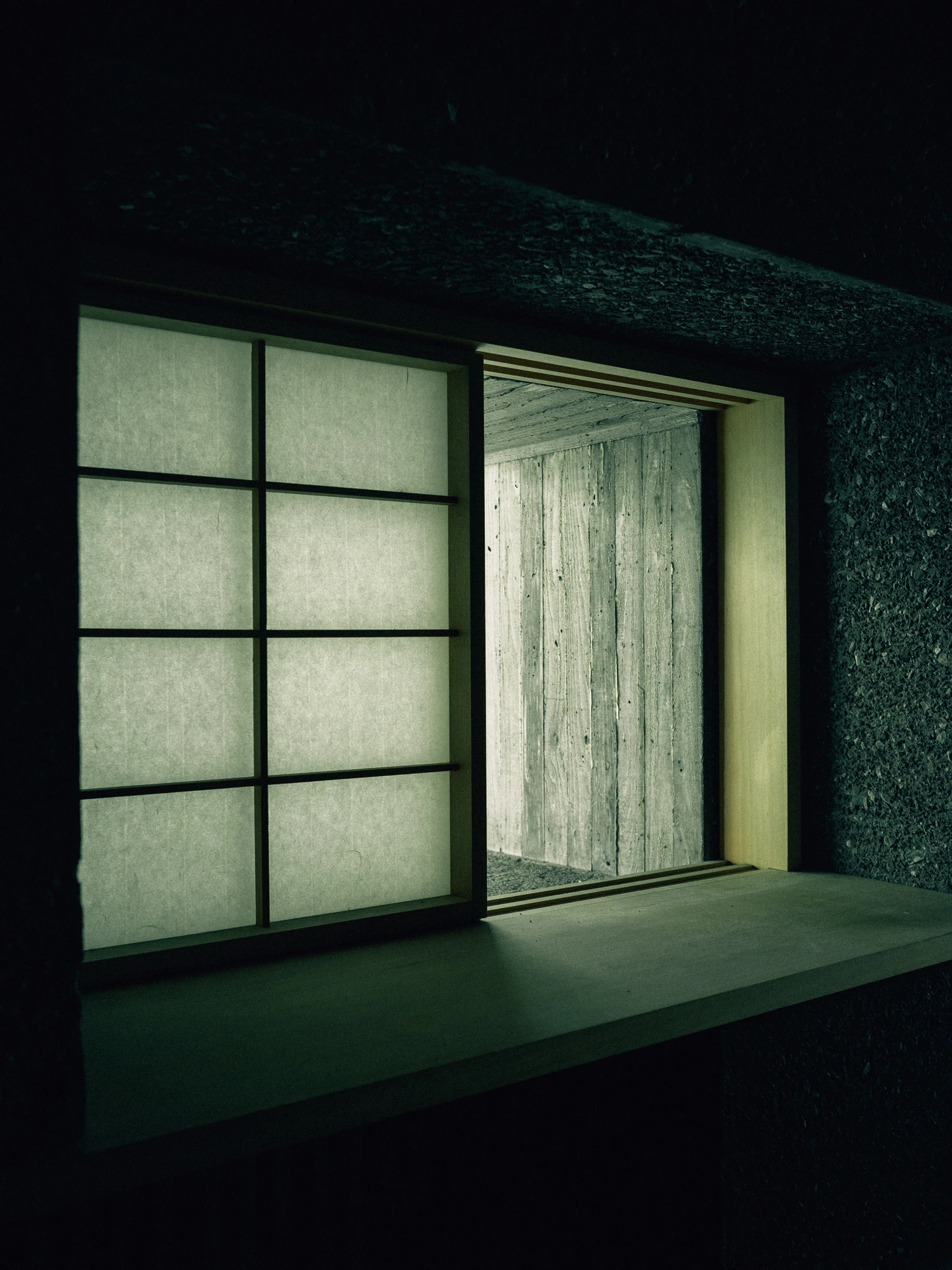
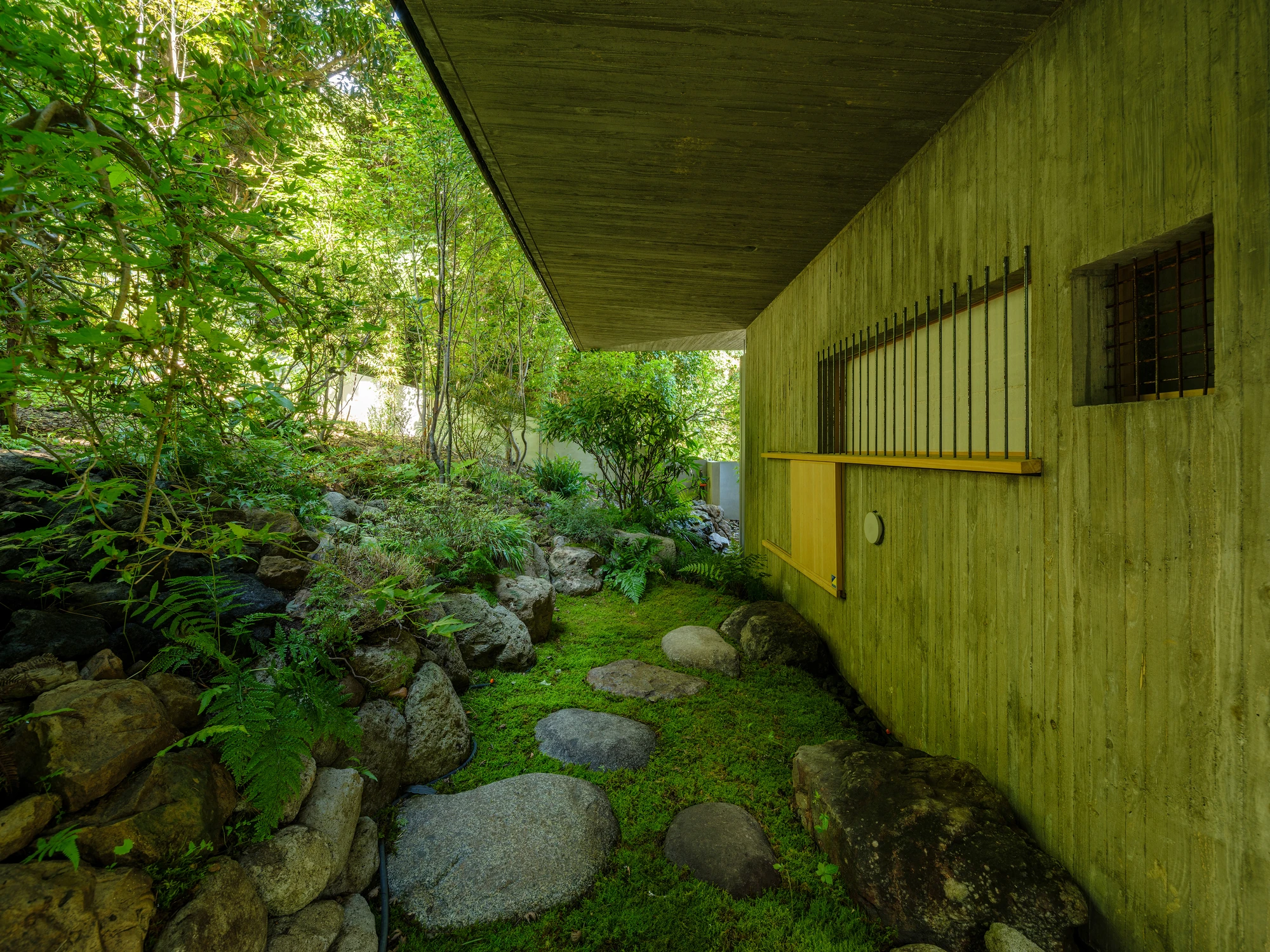
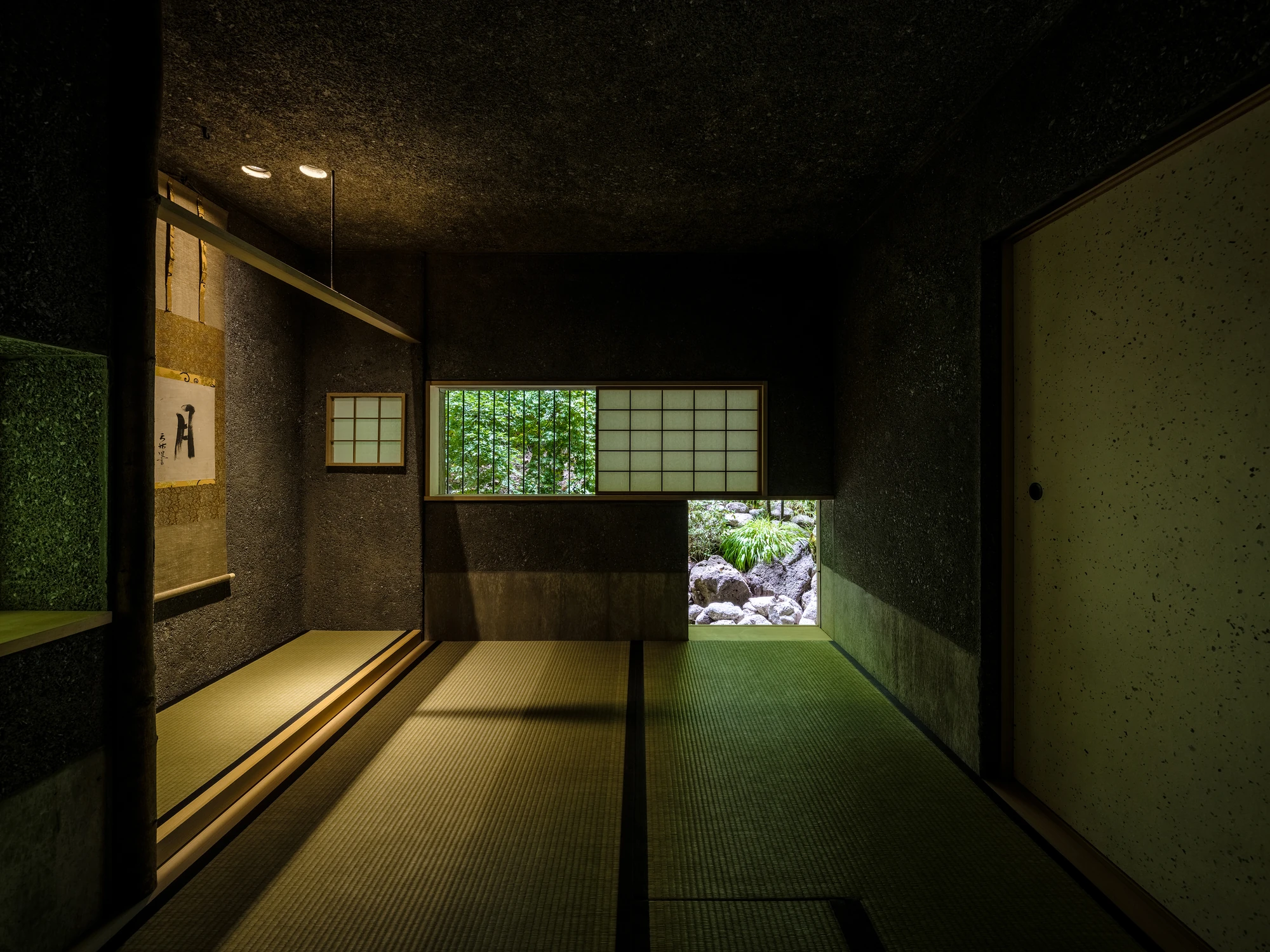
The exposed concrete walls were finished with high-pressure washing, their aggregate opened up to echo the coarse texture of traditional earthen walls. Lauan plywood served as formwork for the lower panels, so the timber grain stays legible in the cured surface. In the shitaji-mado, the small latticed opening of the tea room, reinforcing bars stand in for the usual bamboo, expressing the layered depth of the window through a material native to concrete construction.
The substitutions carry into the joinery. Agathis, a tropical hardwood, replaces the Yoshino cedar conventionally tied to teahouse carpentry. Rather than hold to a fixed historical palette, the project takes the freedom of contemporary supply while preserving the tactile character and spatial feeling of the sōan. Tatami still runs three mats deep, and the valley still presses in at the openings.
What results is a claim about where the sōan actually lives. The studio holds that “the essence of the sōan lies not in the specific use of earth, timber, or bamboo” but in a way of letting materials “reveal their inherent character without ornament or disguise.” Read that way, the grass hut stops being a fixed historical object and becomes a living typology, one that keeps expressing its principles through the materials of each era.