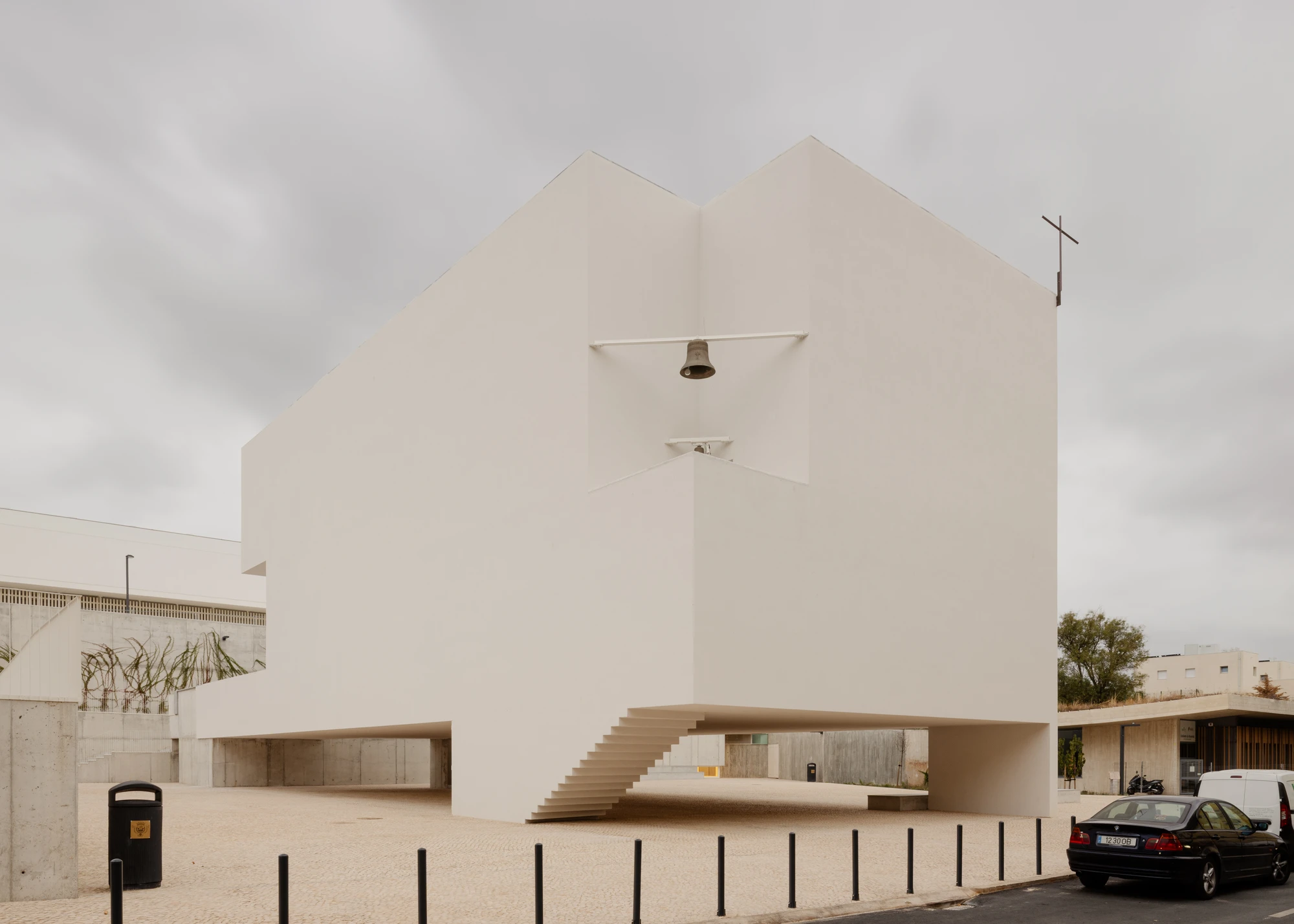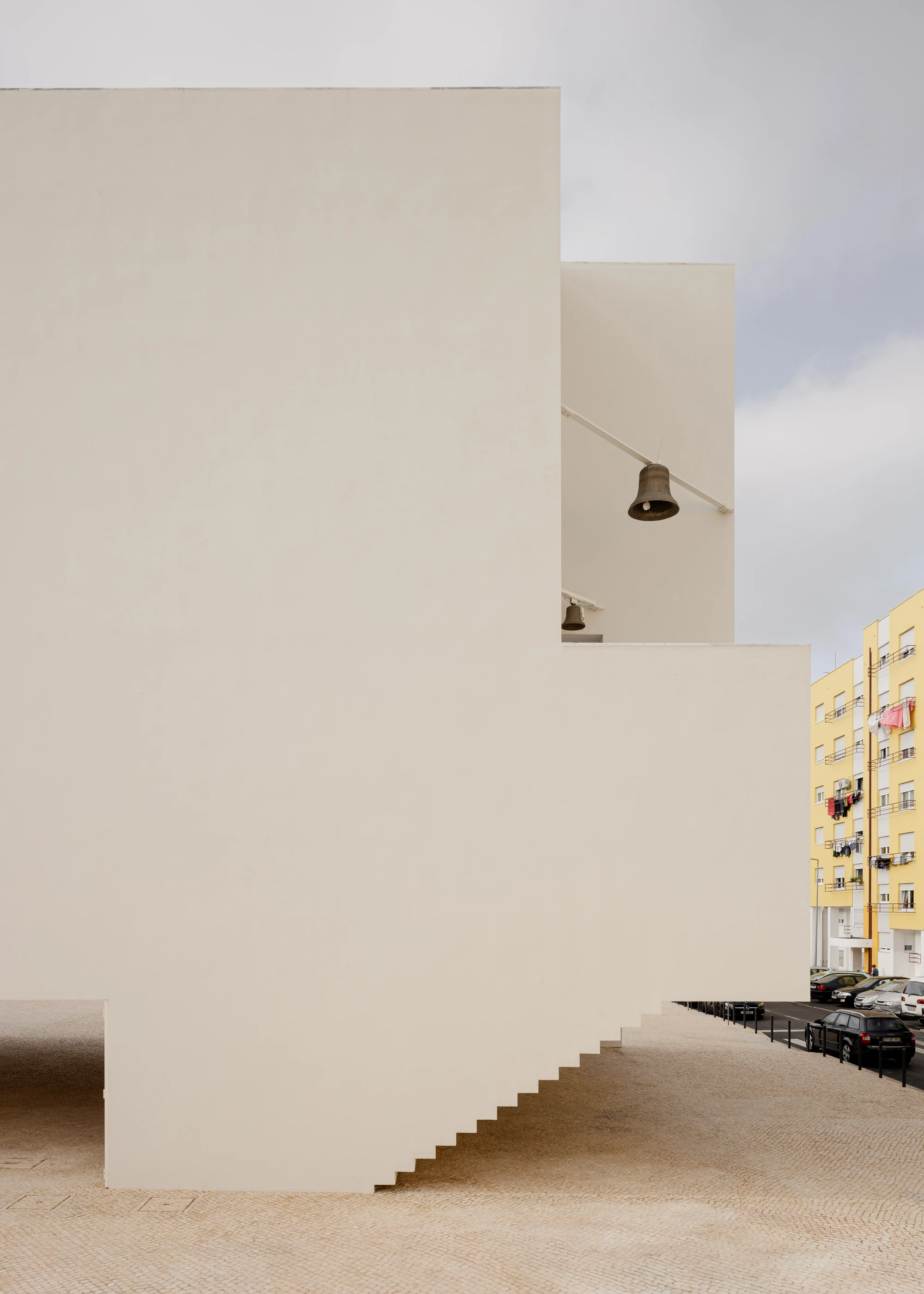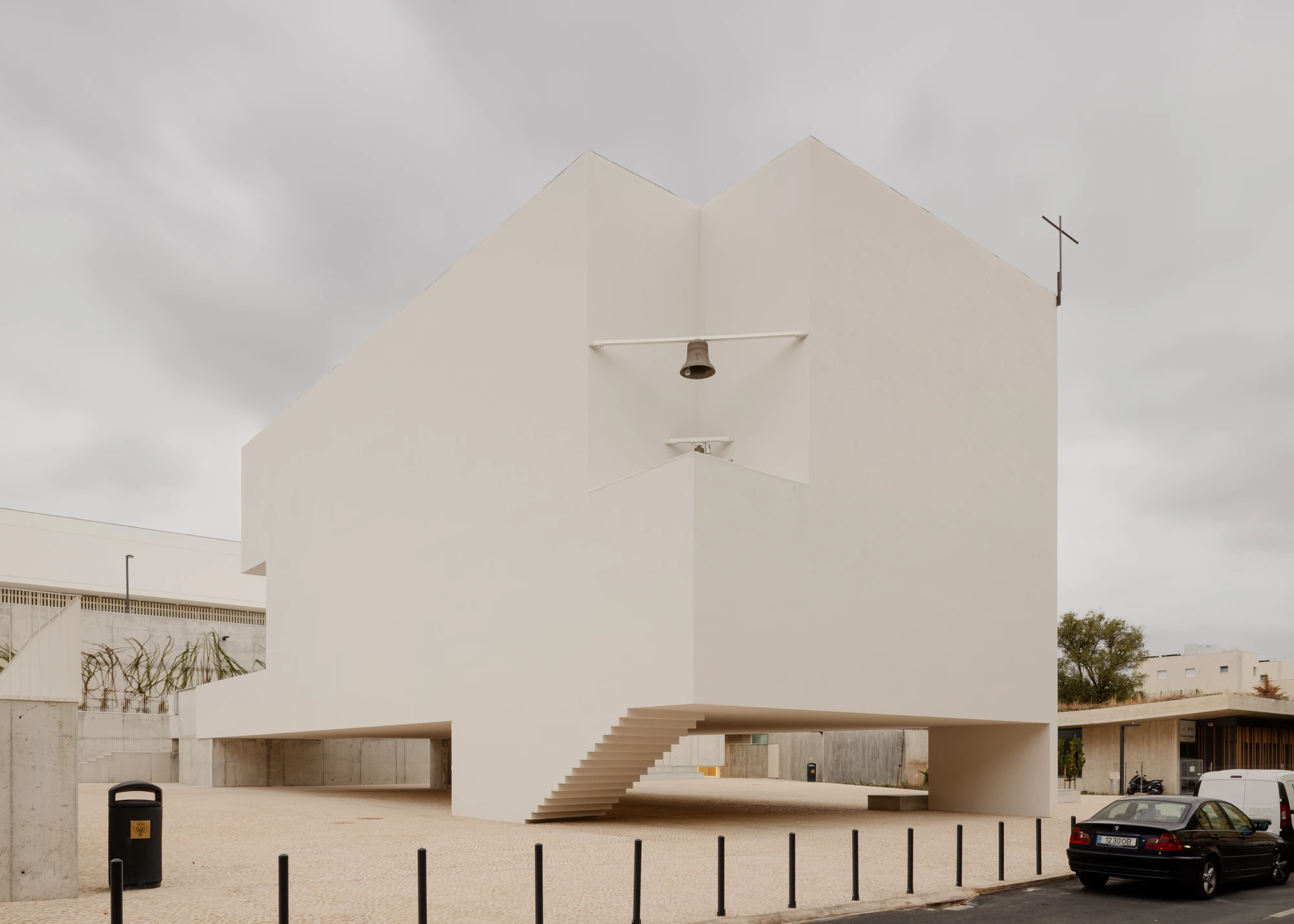
A new church and parish center for Bairro da Boavista in Lisbon by Matos Gameiro arquitectos + atelier bugio creates a central public space that connects the neighbourhood, with the church volume elevated between heaven and earth.
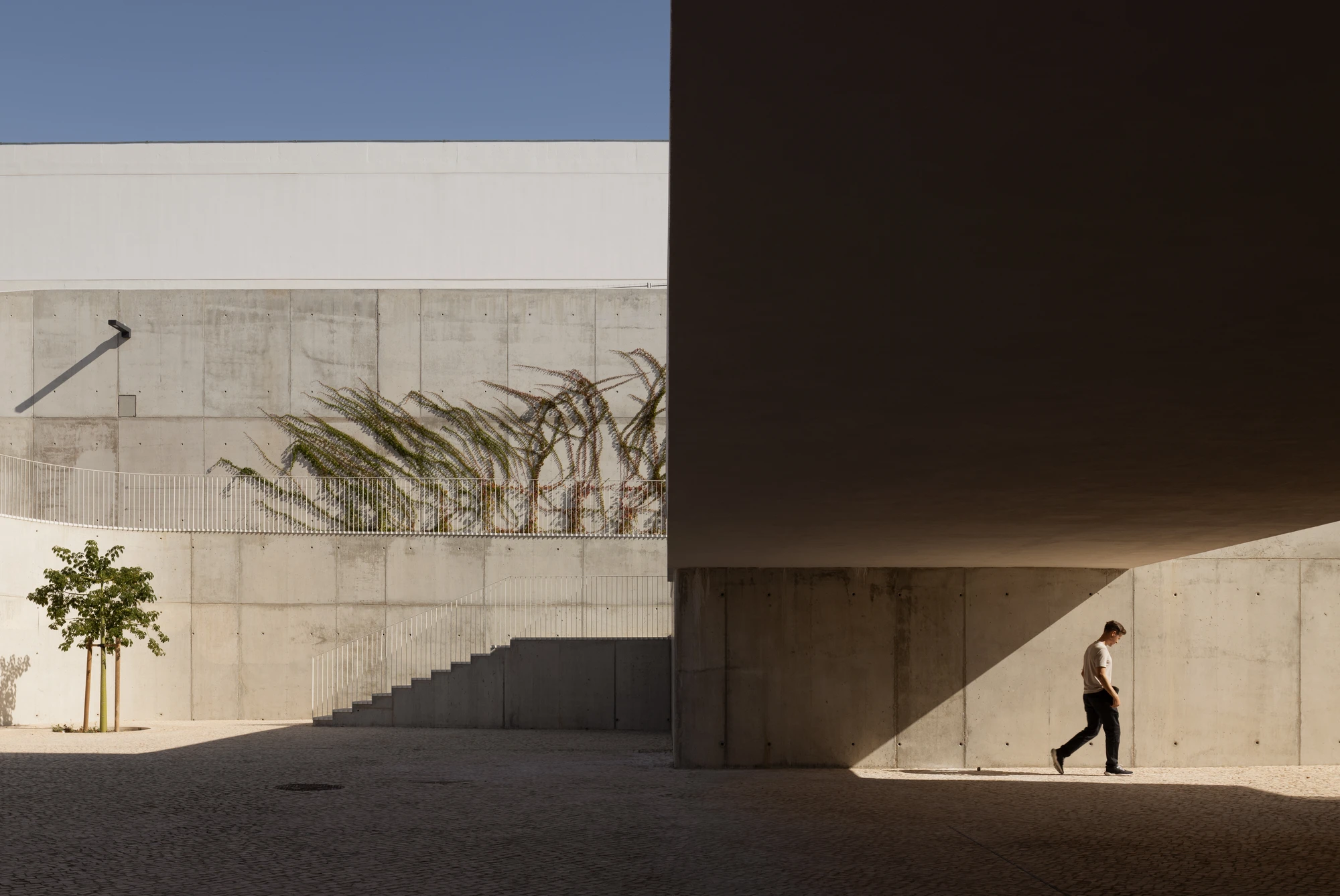
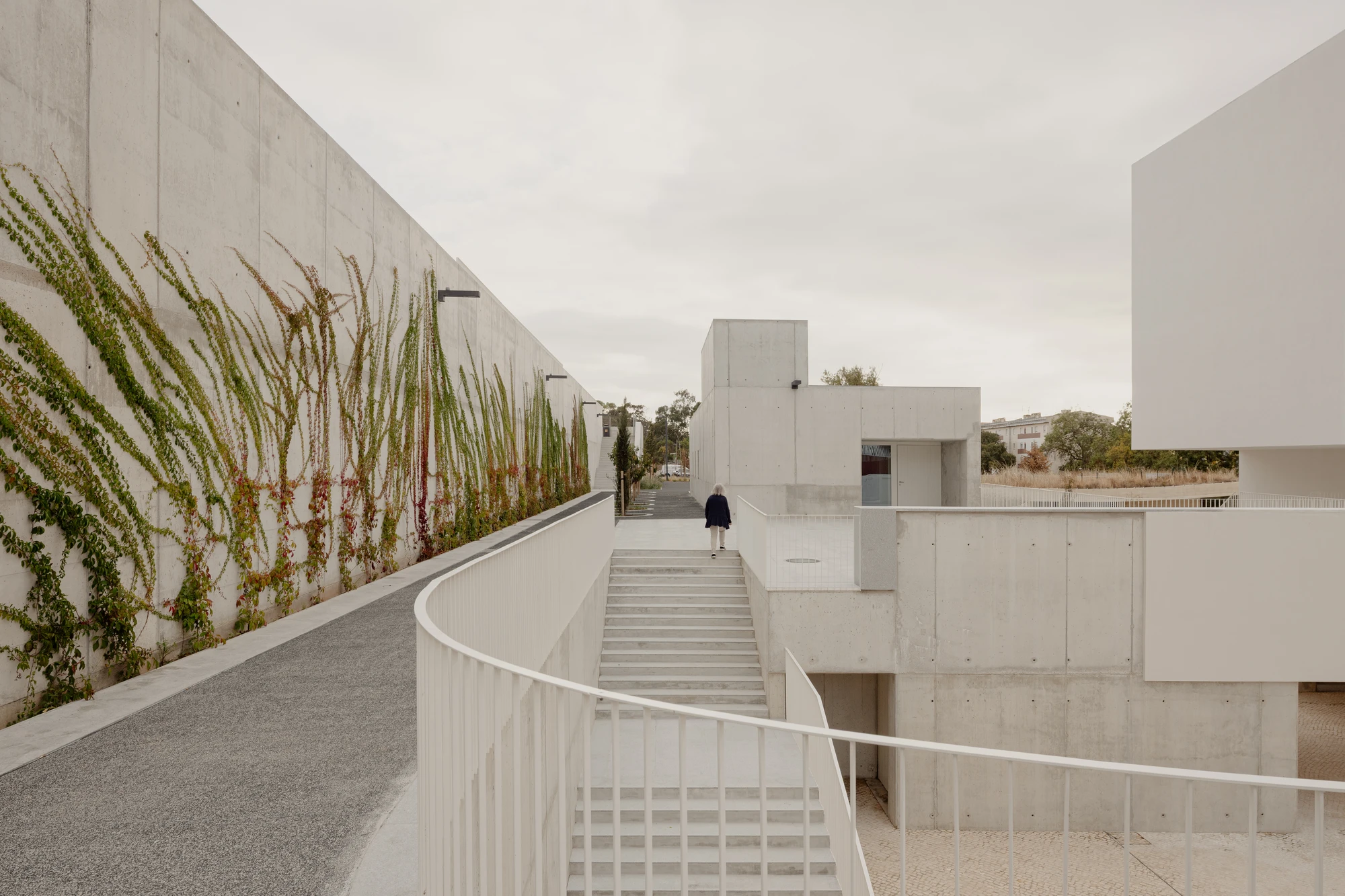
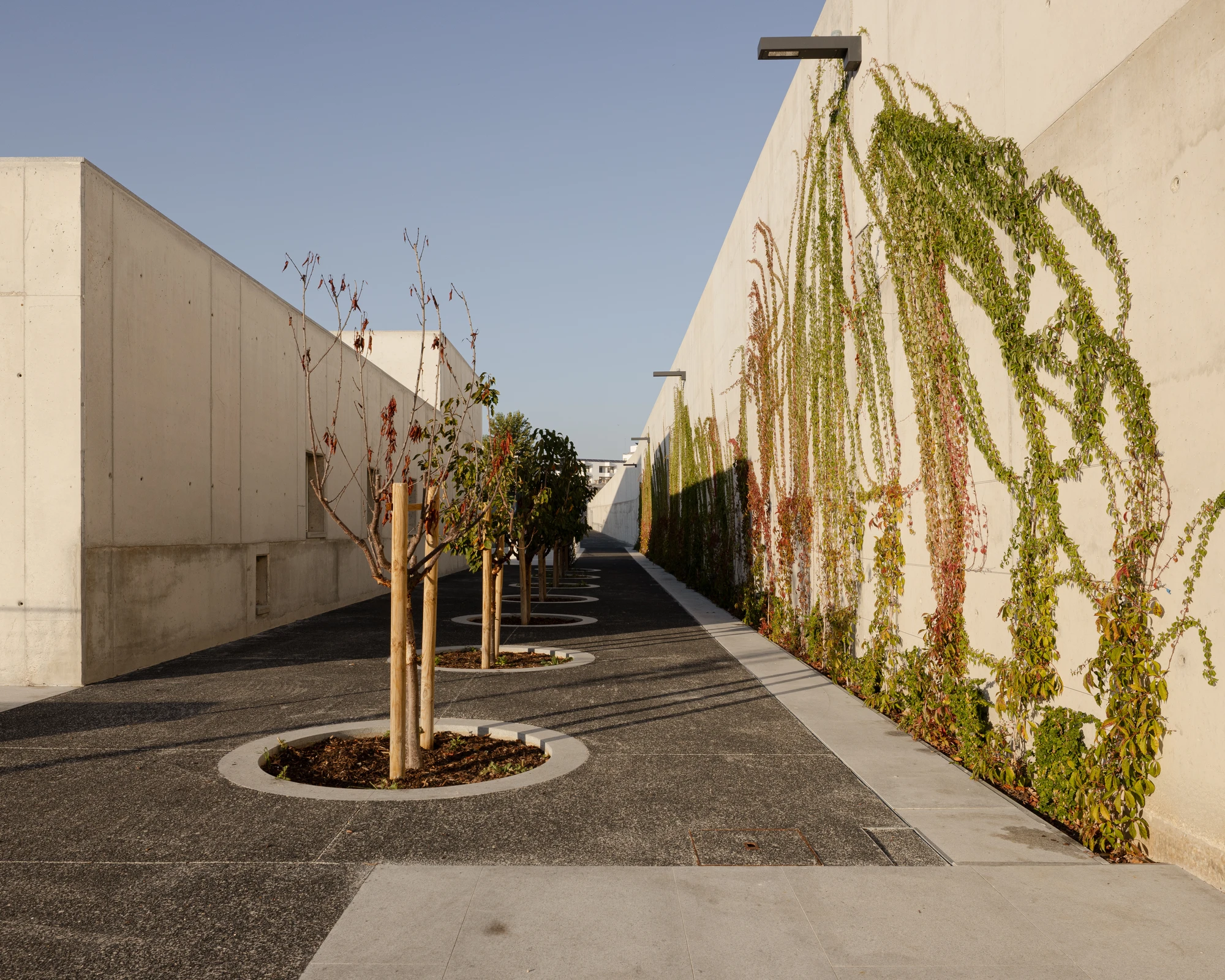
The aggregating vocation of the place gives rise to the creation of a public square formed by a wall-building that extends to the east. This single piece defines the limit through recesses and advances where stairs and ramps overcome the unevenness of the site, closing the north side. Through this element that adjusts to each circumstance, the square is established at street level and the spaces at a high level are ordered, enabling transition and housing an important part of the program in the process.
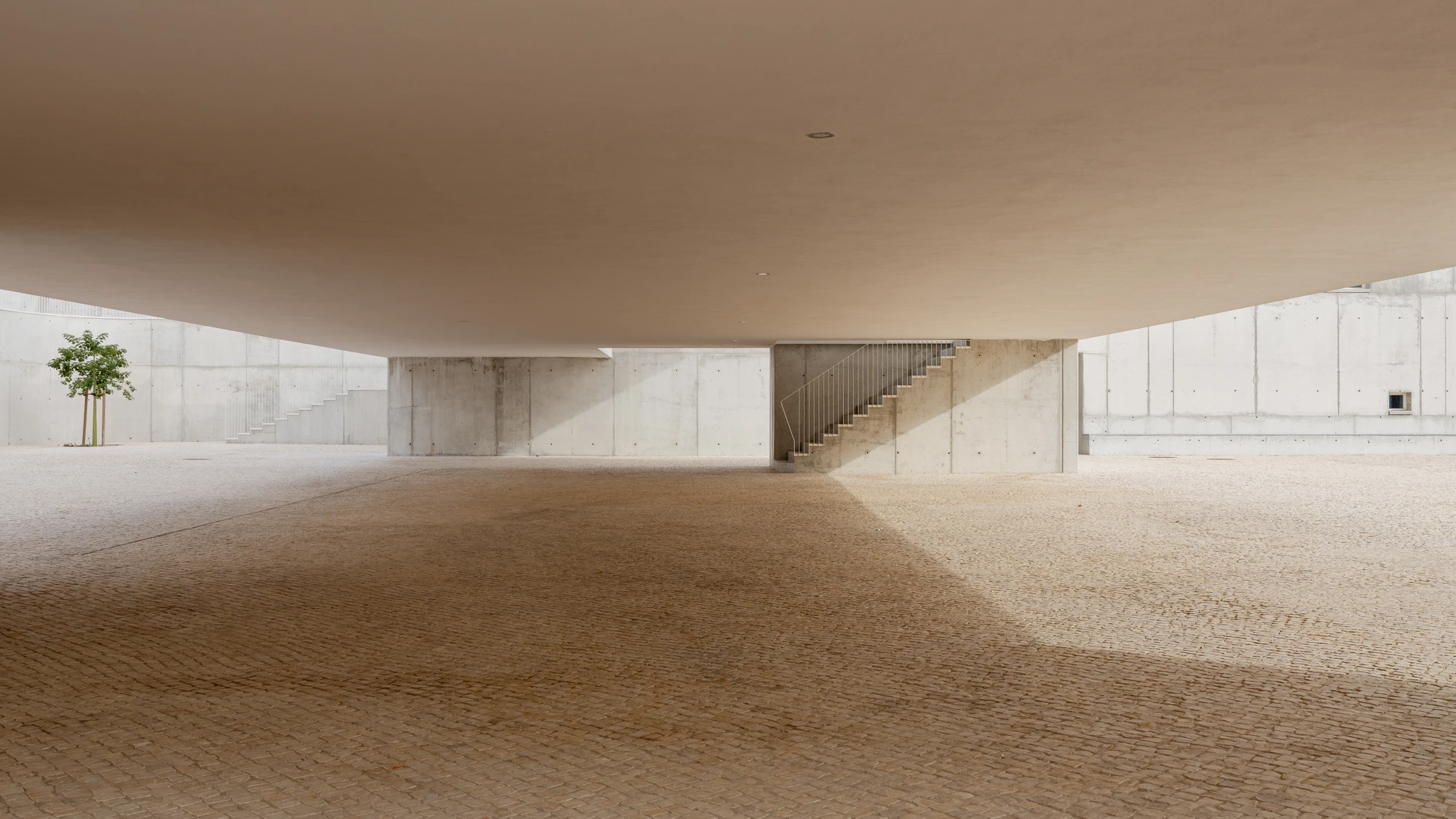
The volume of the church is placed at a central point of the new square, in an elevated position, loose from the ground—evoking God and ascension. Below it, a covered square forms a place of welcome and stay, an environment protected from excessive sun and rain. This gesture of suspension creates a double reading: the sacred is lifted above the everyday, yet the everyday is sheltered by the sacred. It is architecture that refuses to choose between public generosity and spiritual purpose.
Overlooking the square, beside the Parish Center's volume that stands out here, the churchyard establishes itself as an intermediate level that reserves a protected and proper place for the church, with a unique vocation. The spatial sequence—square, churchyard, nave—proposes a gradual ascent from the secular to the contemplative, each threshold marking a shift in register without imposing a hard boundary.
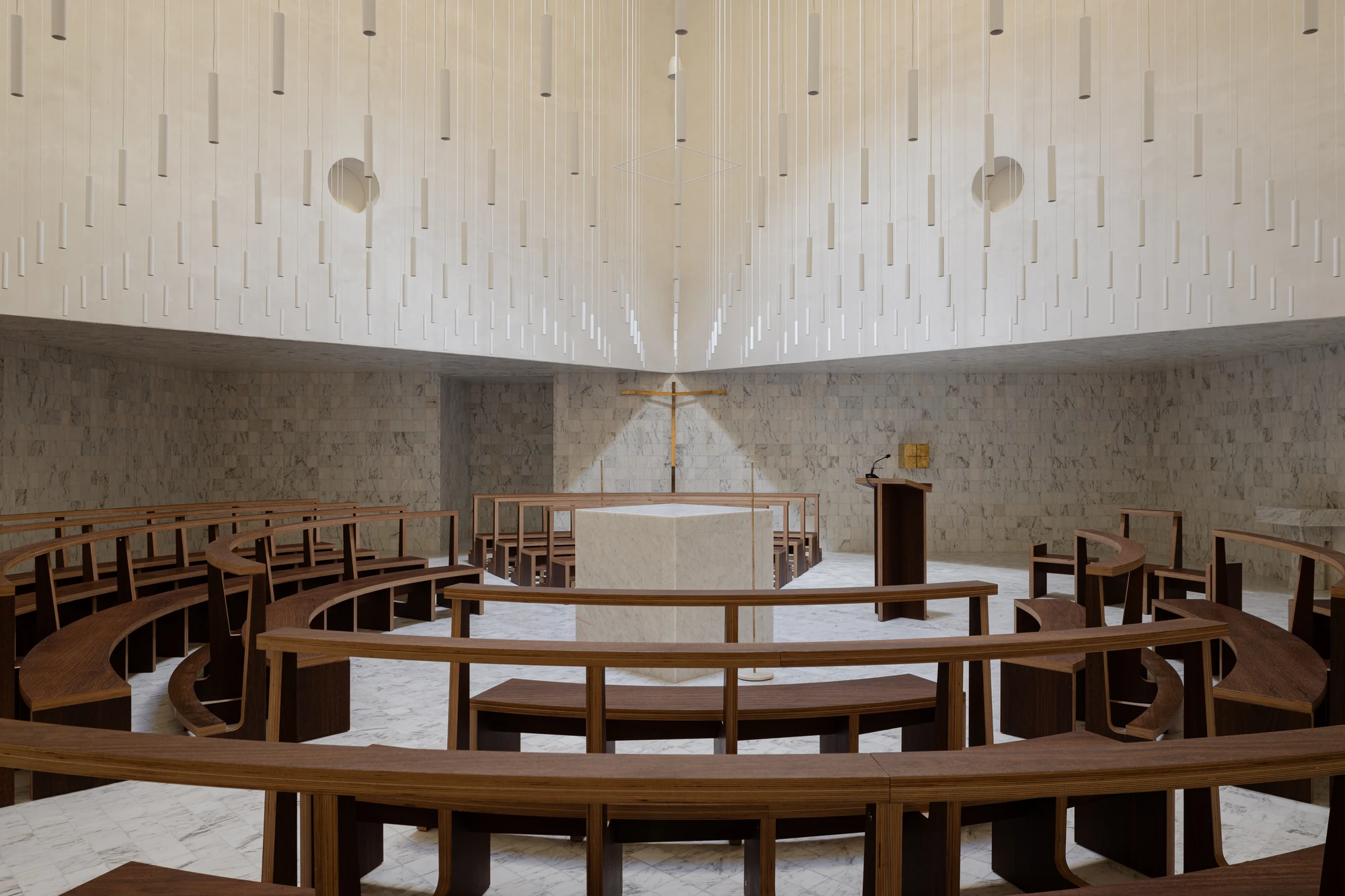
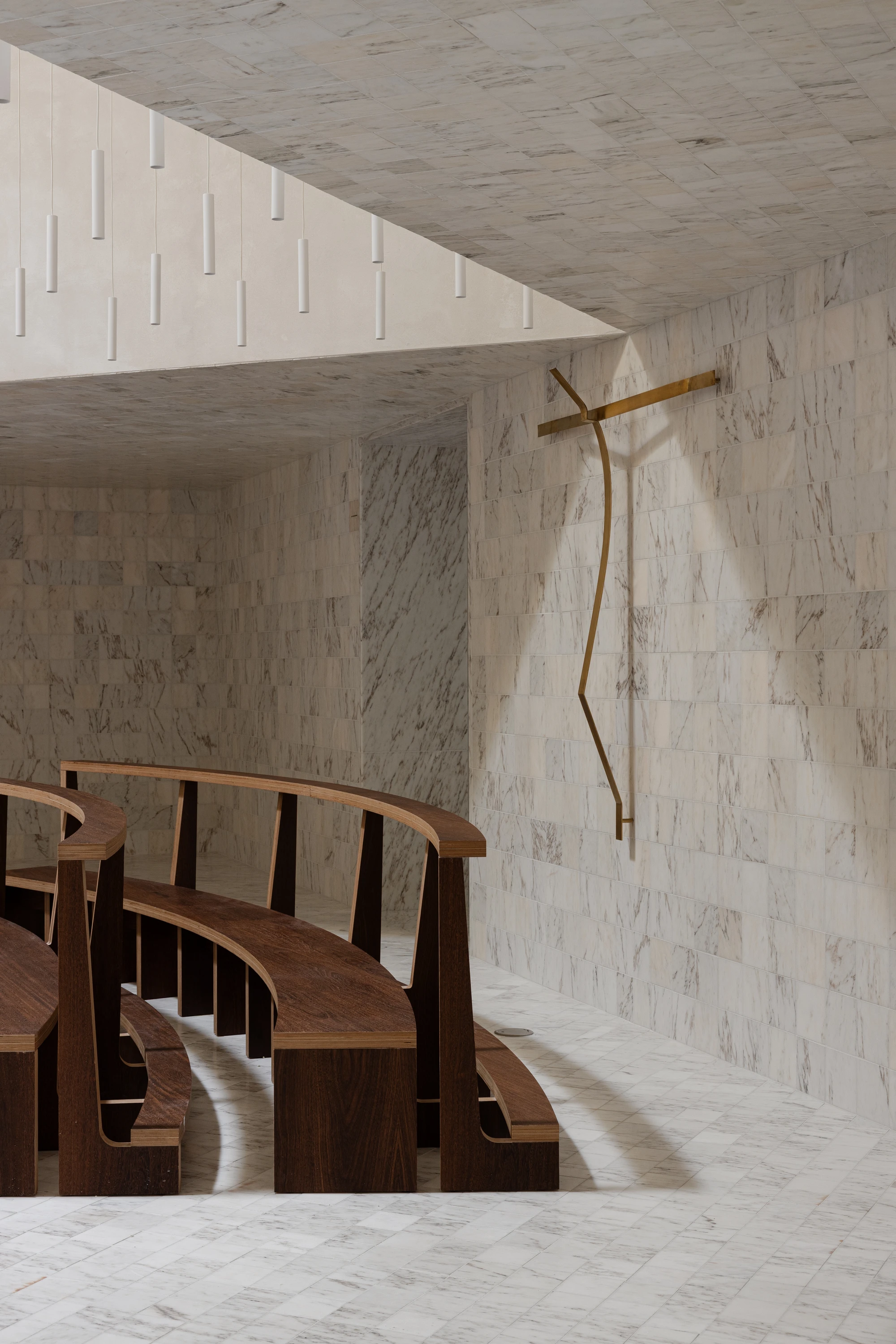
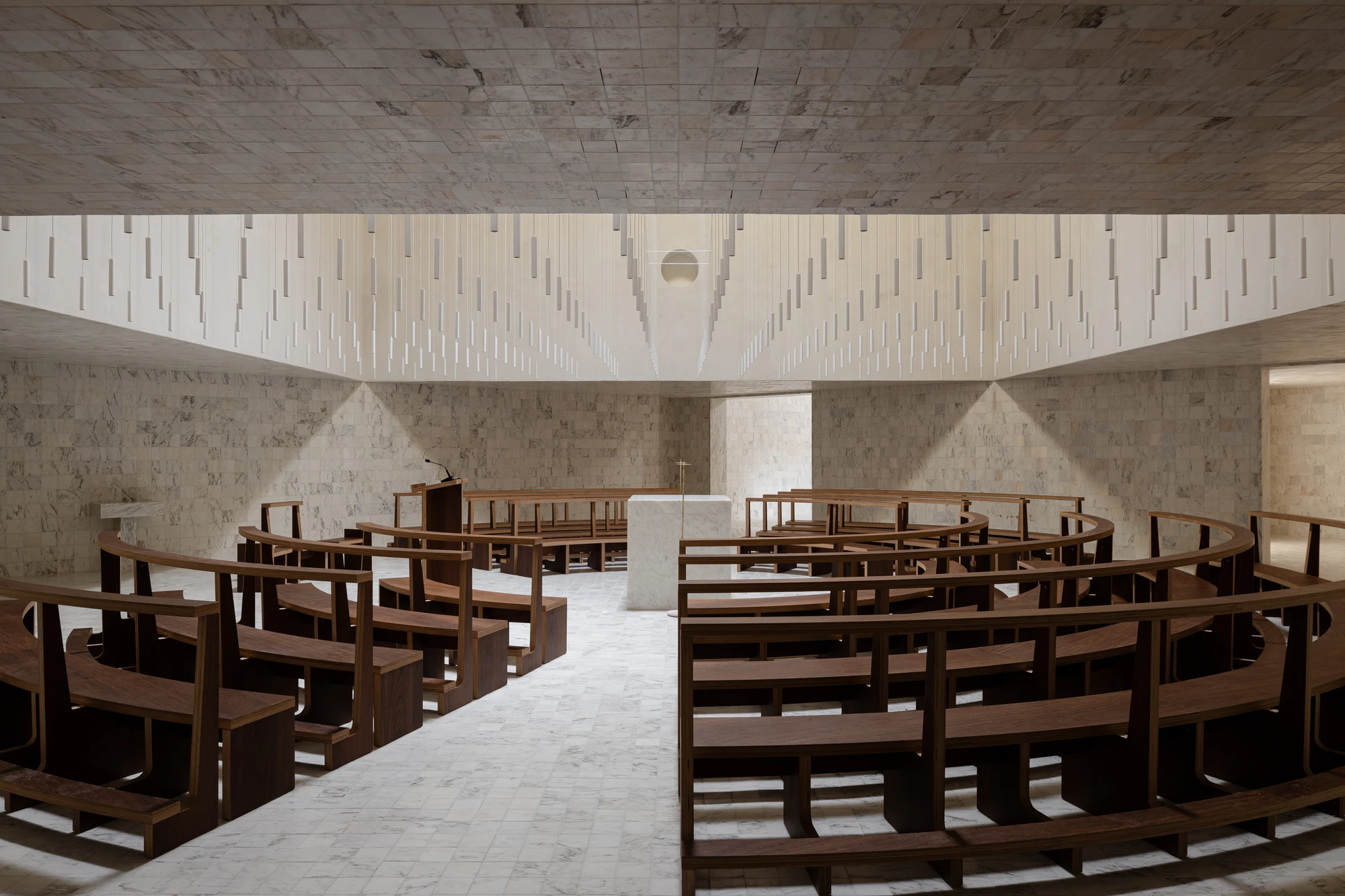
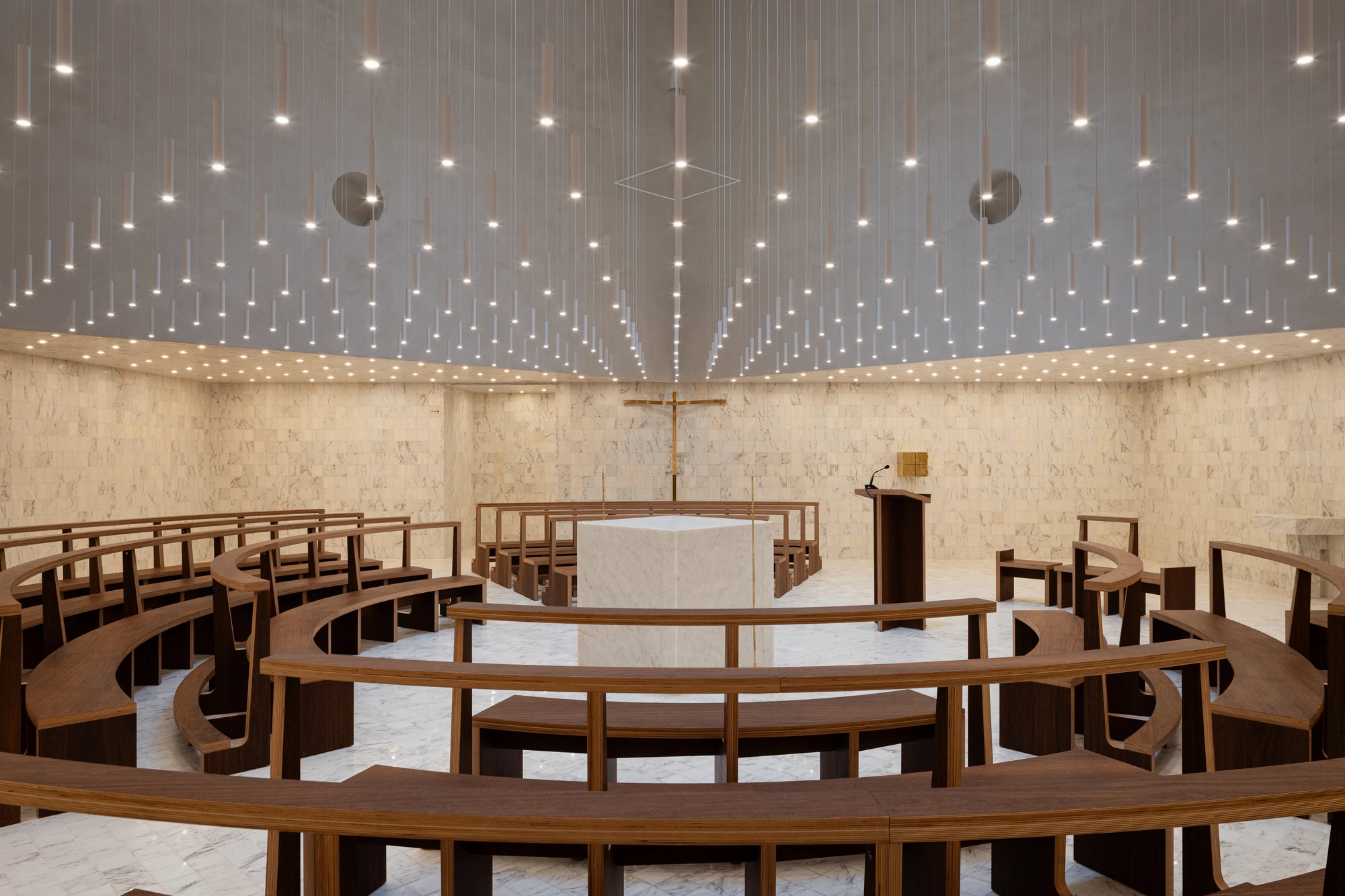
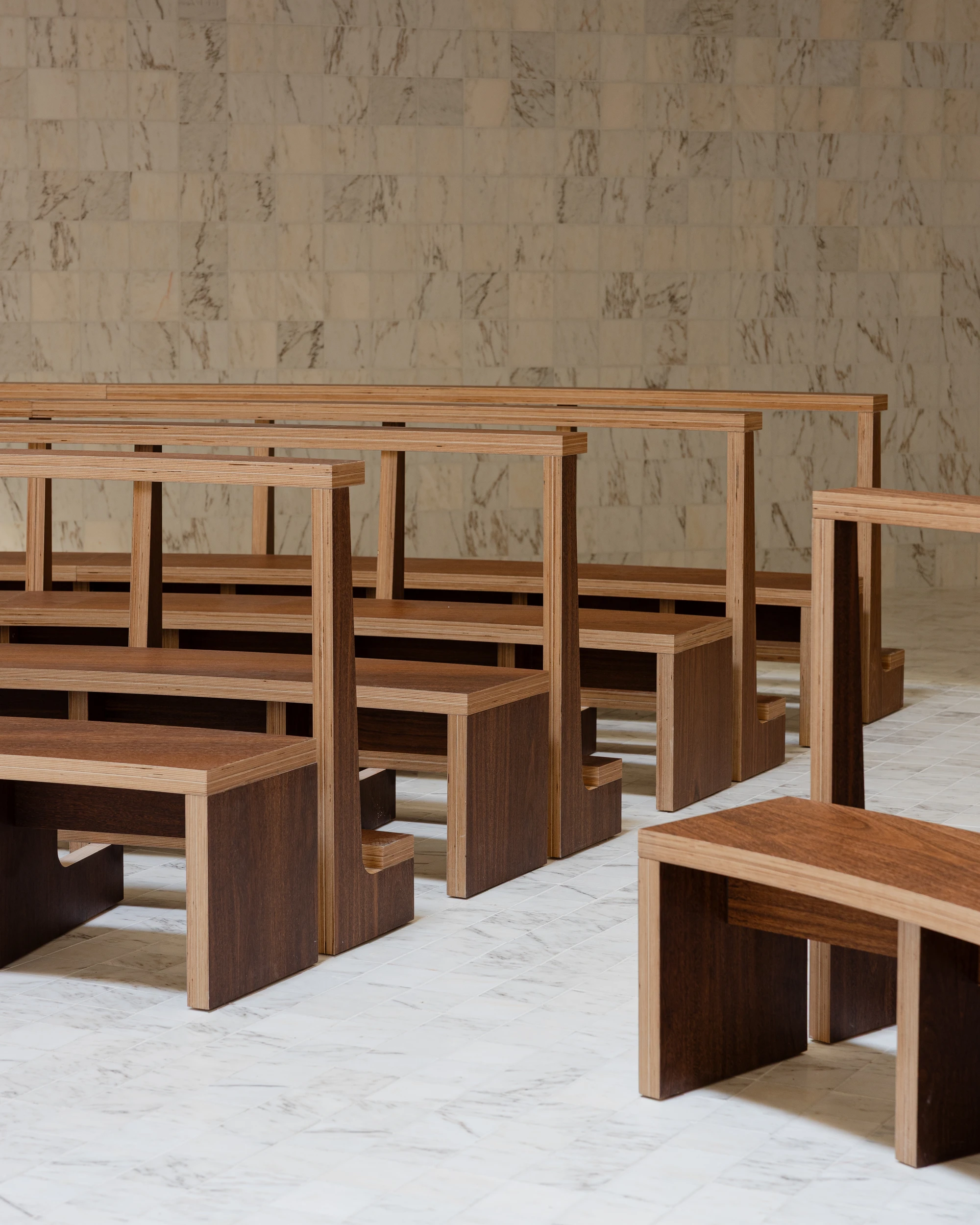
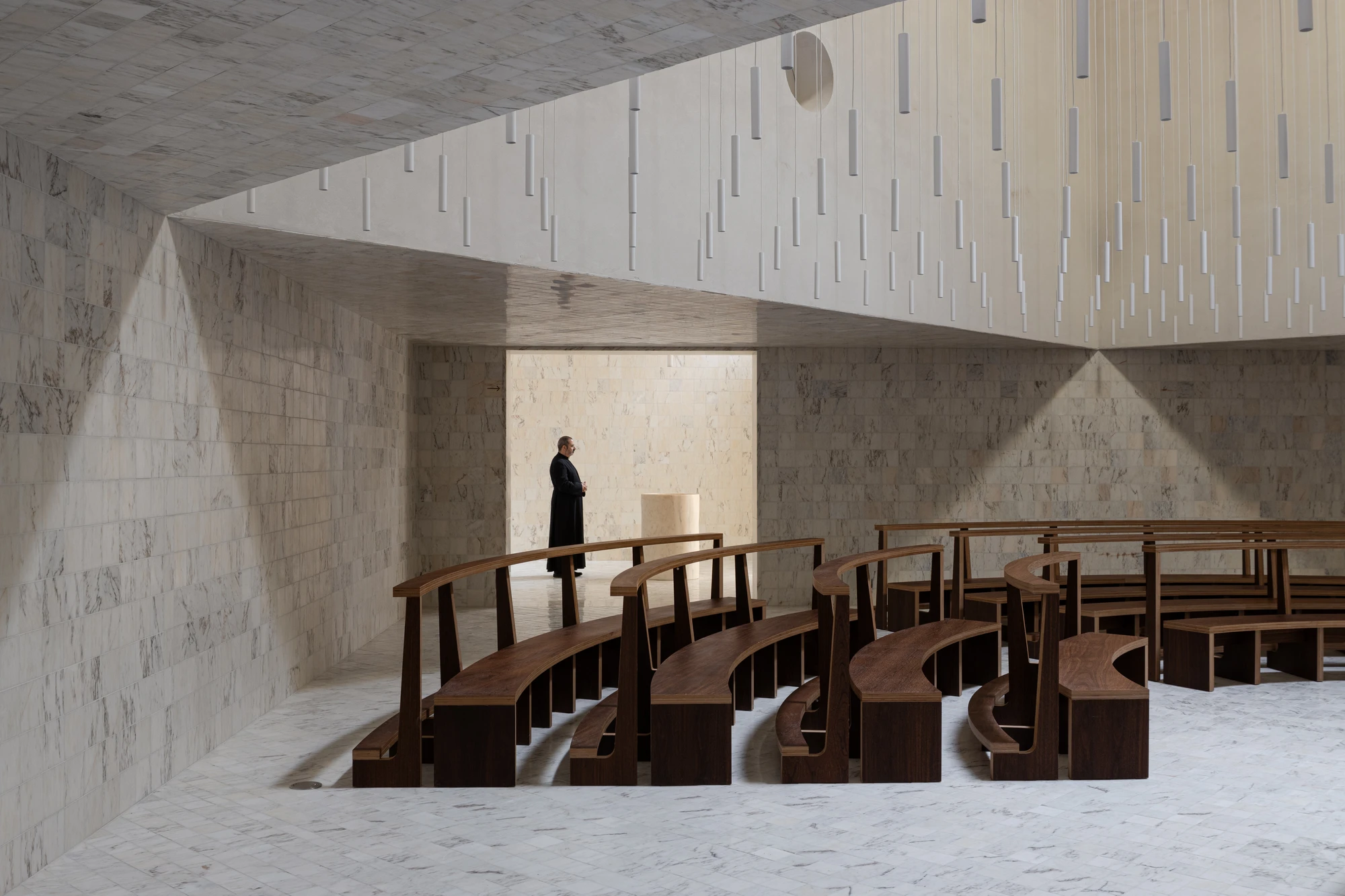
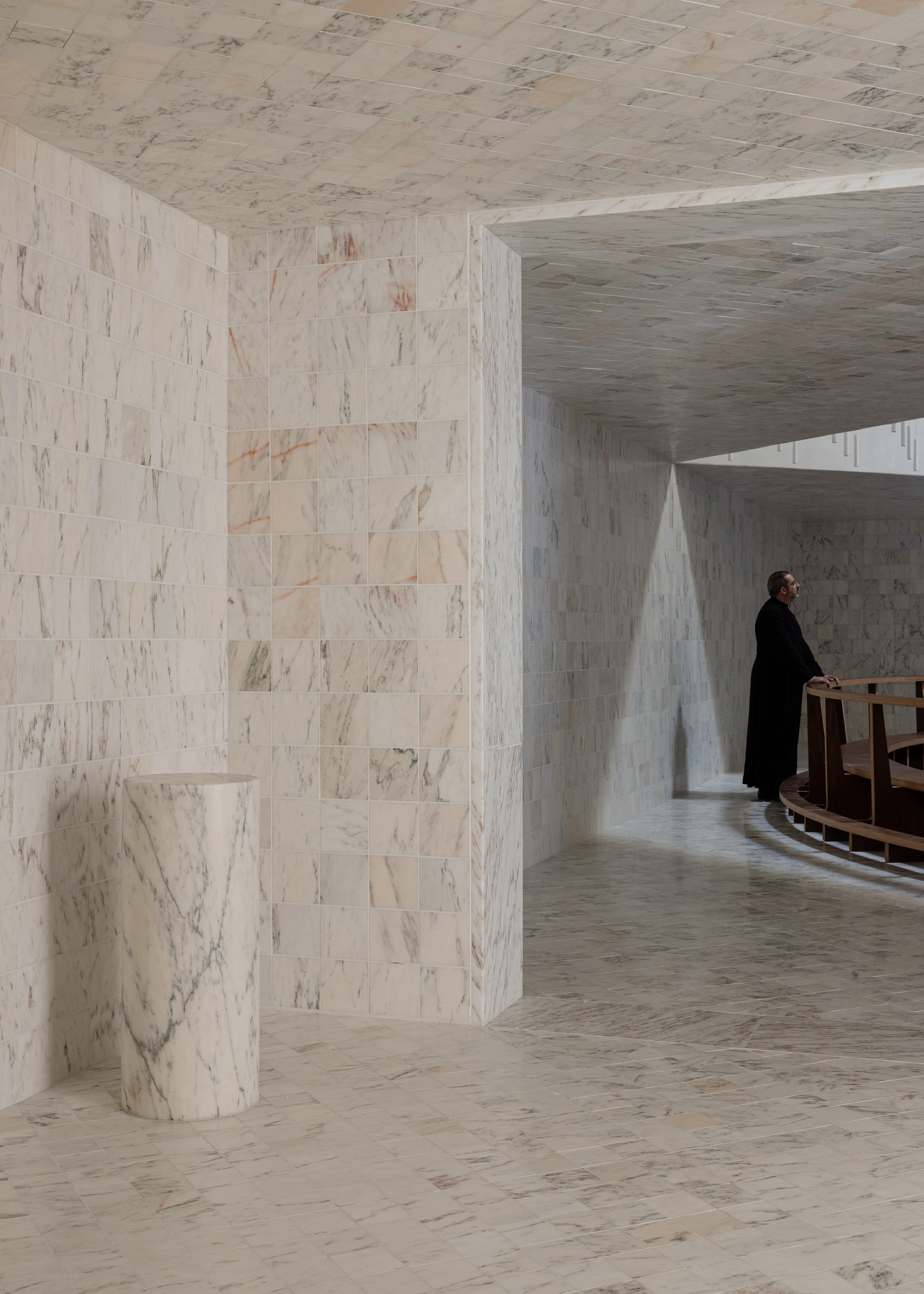
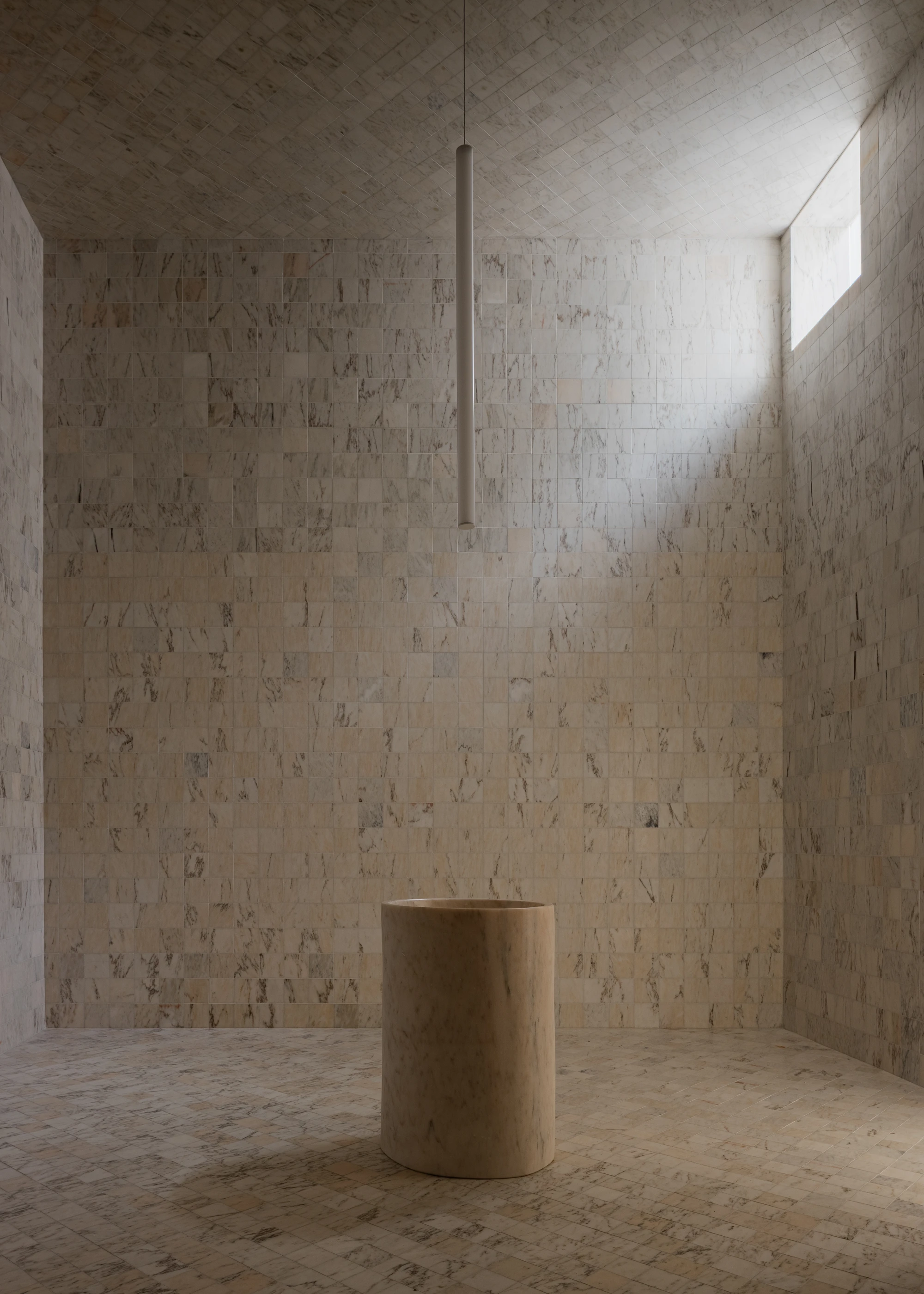
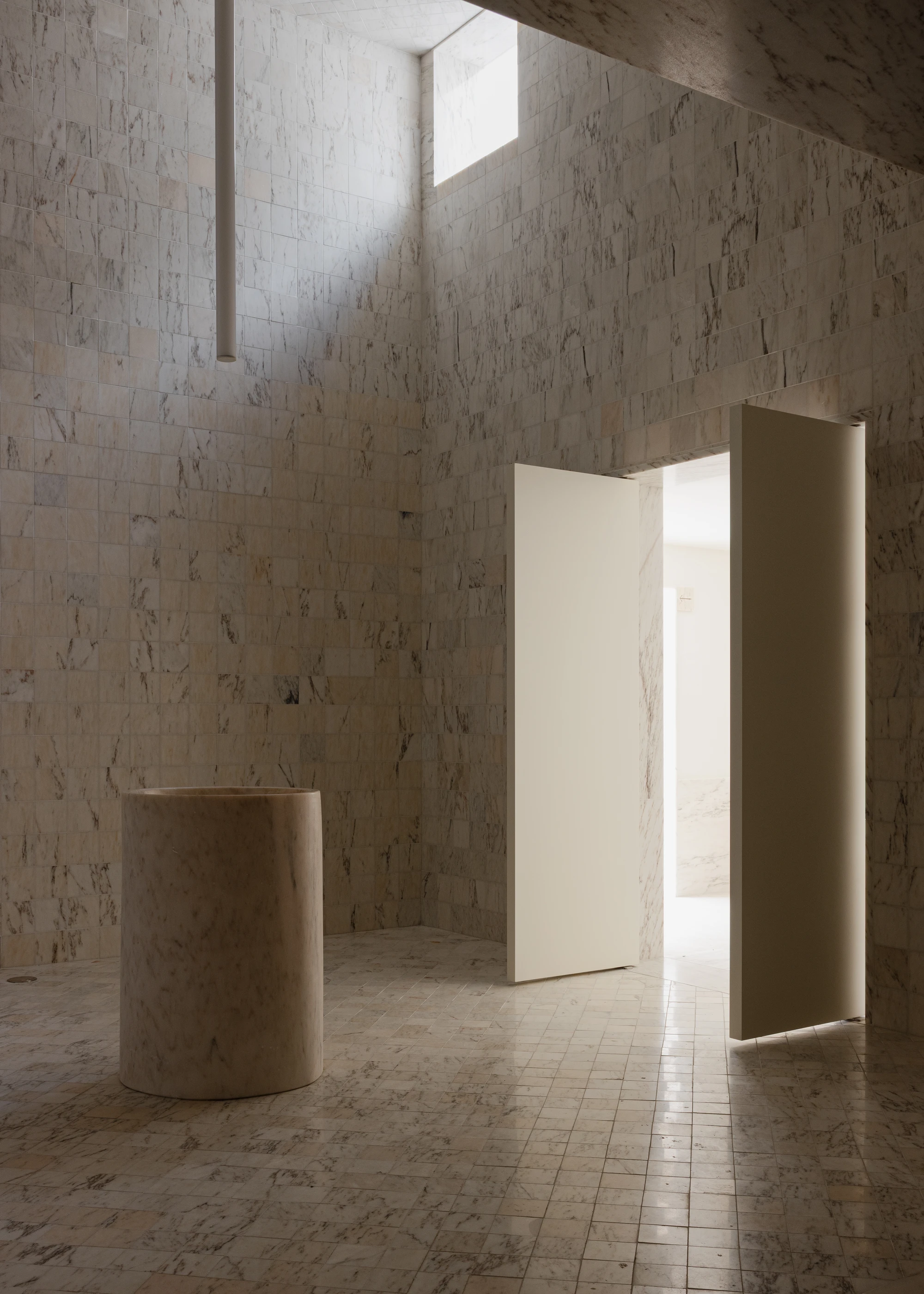
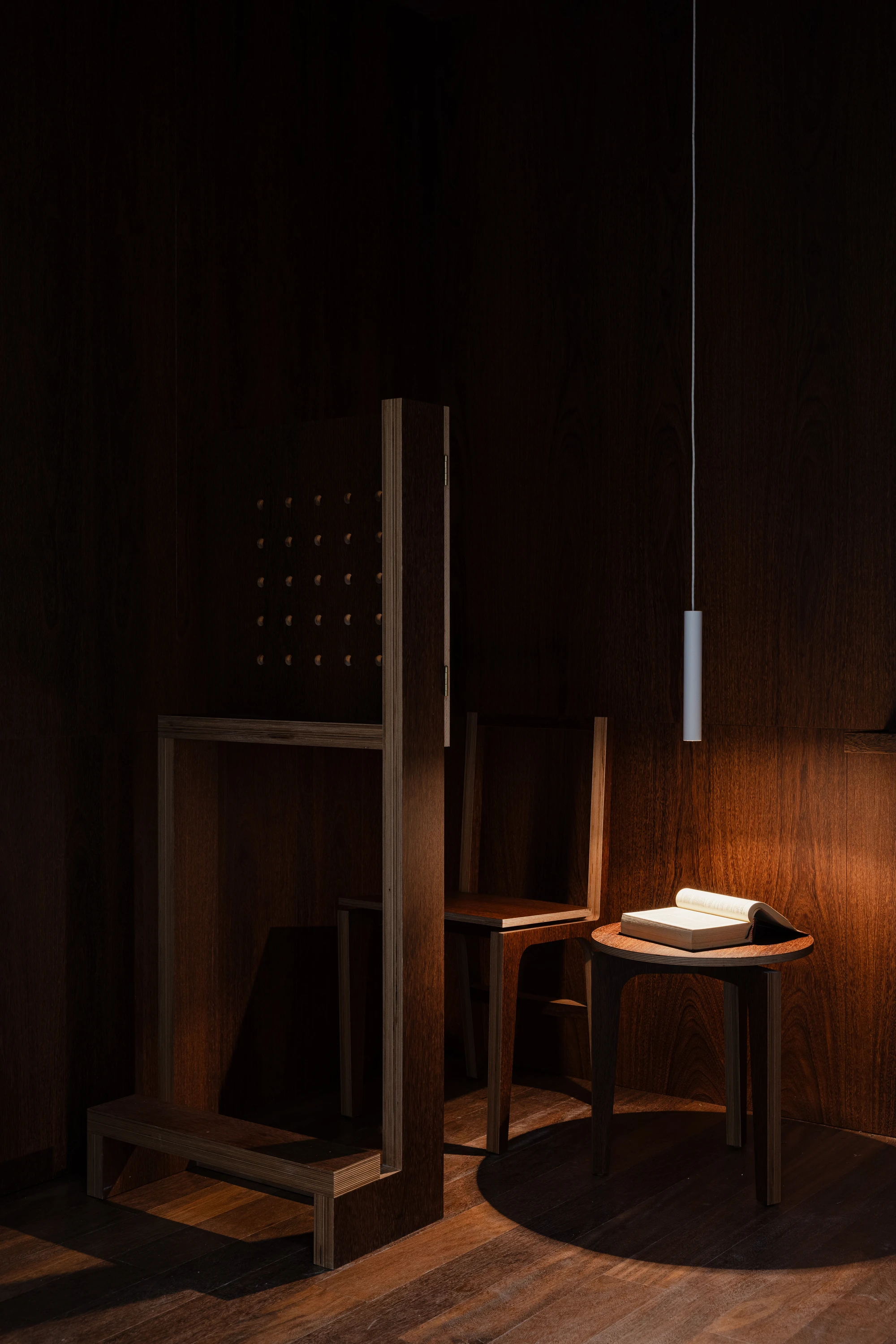
The church itself combines the traditional proportion of a single nave with the Vatican Council's guidelines of strict non-separation between the assembly and the presbytery. A predominant orientation is maintained while the shape of the assembly finds its liturgical center of reference on the altar. The aim is a certain spatial verticality paired with a clear hierarchy between the main nave and the side nave, which structures a more secluded space and organizes the places for the baptistery at the entrance and the confessional at the opposite end.
Designed 2020–2022 and constructed 2023–2025 in collaboration with João Favila Menezes of Atelier Bugio, the project proposes that contemporary sacred architecture in Portugal can hold tradition and openness in the same structure—a building that serves both the congregation within and the neighbourhood around it.