Out on the far reaches of Cape Cod, in Truro and Provincetown, Aperture republishes Joel Meyerowitz's preface to Cape Light, the book that came out of two summers and an 8-by-10-inch view camera.
In 1976 Joel Meyerowitz put down the 35 mm camera, left the streets of New York and drove out to the far end of Cape Cod with an 8-by-10-inch view camera. His own phrase for it is a leap in the dark in 1976, or as it turned out, a leap into the light. For a Bronx-born street photographer the trade was severe: the jazz-inflected rhythms and spontaneity of city life exchanged for what he describes as the shadow-free luminosity of the outer Cape.
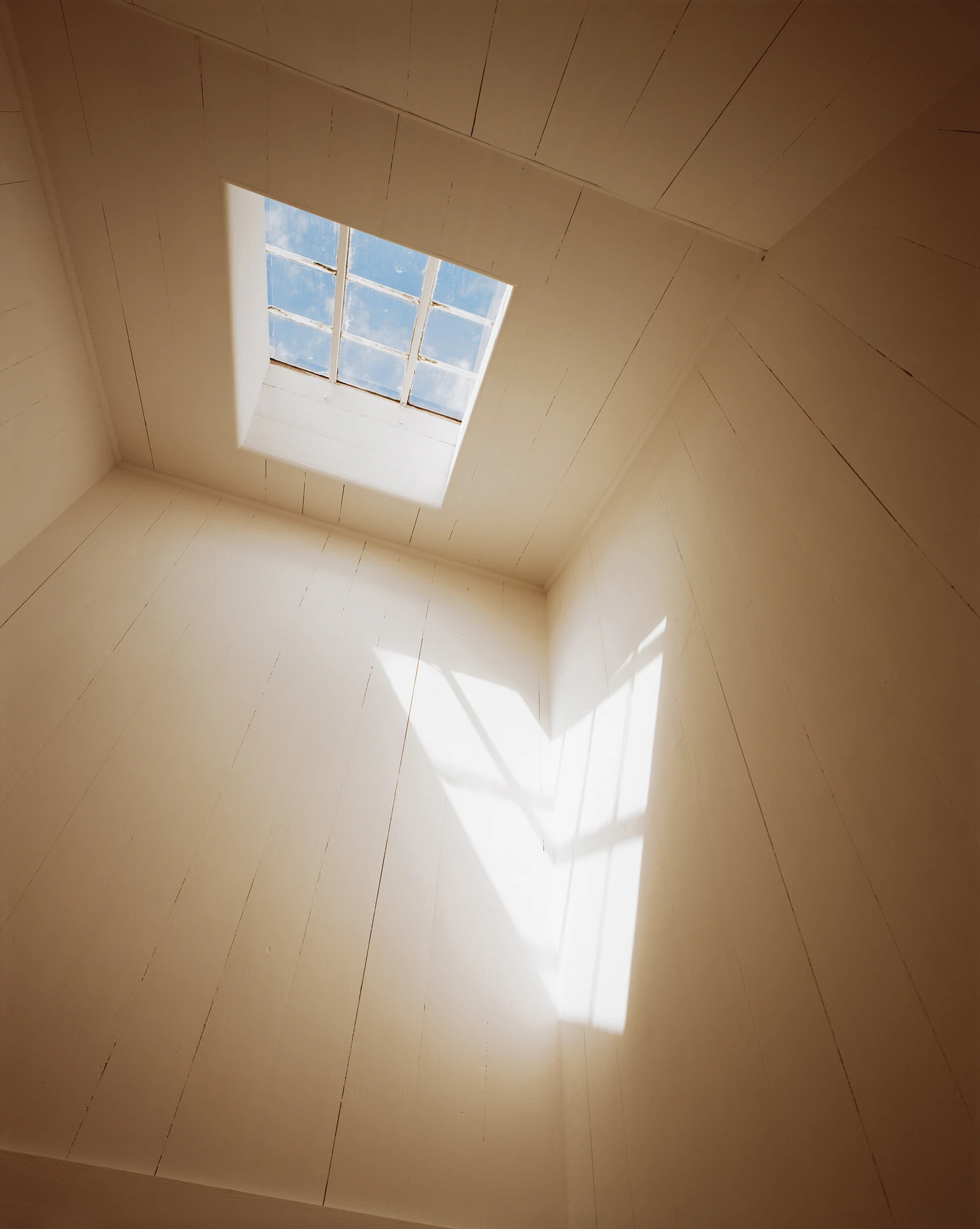
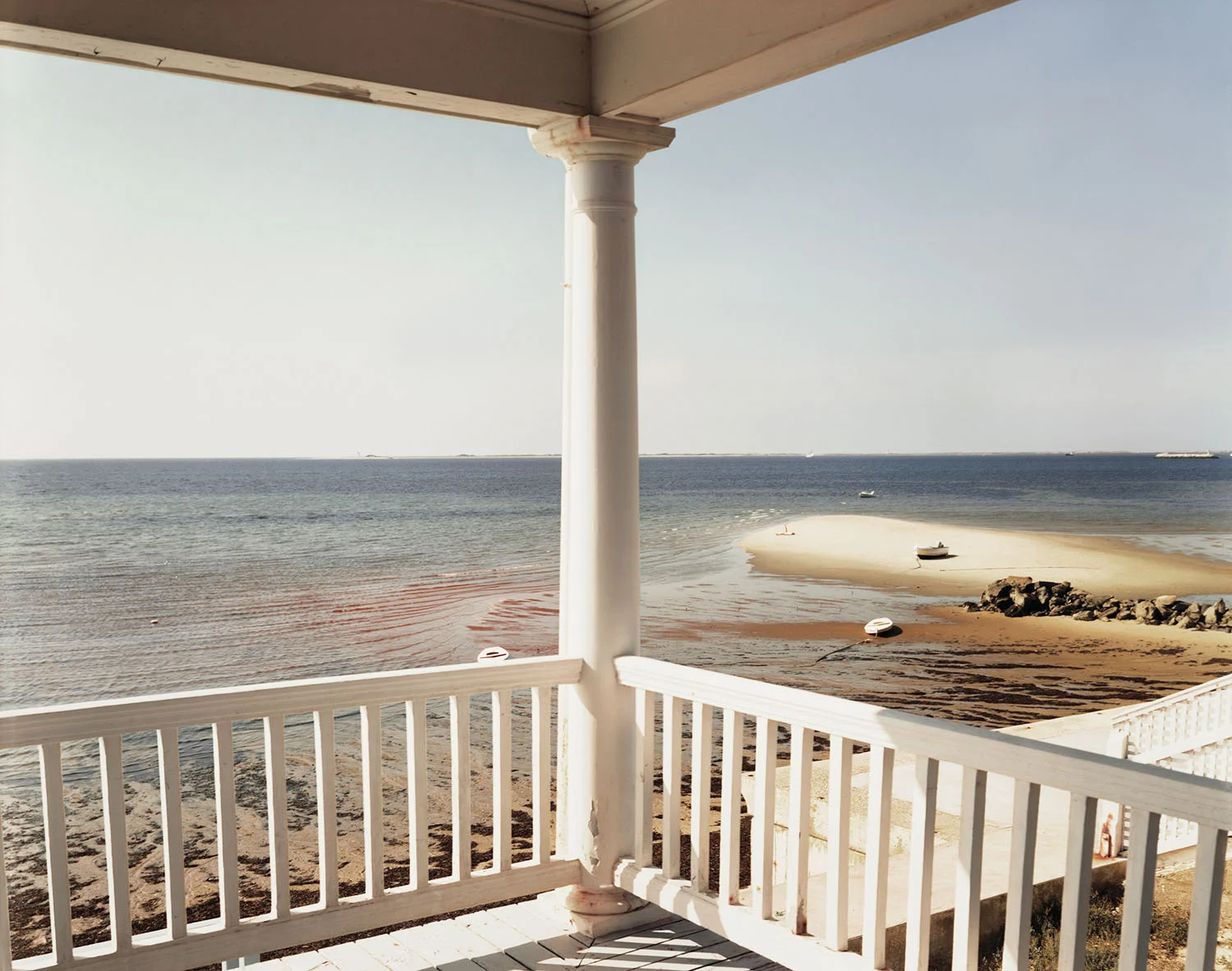
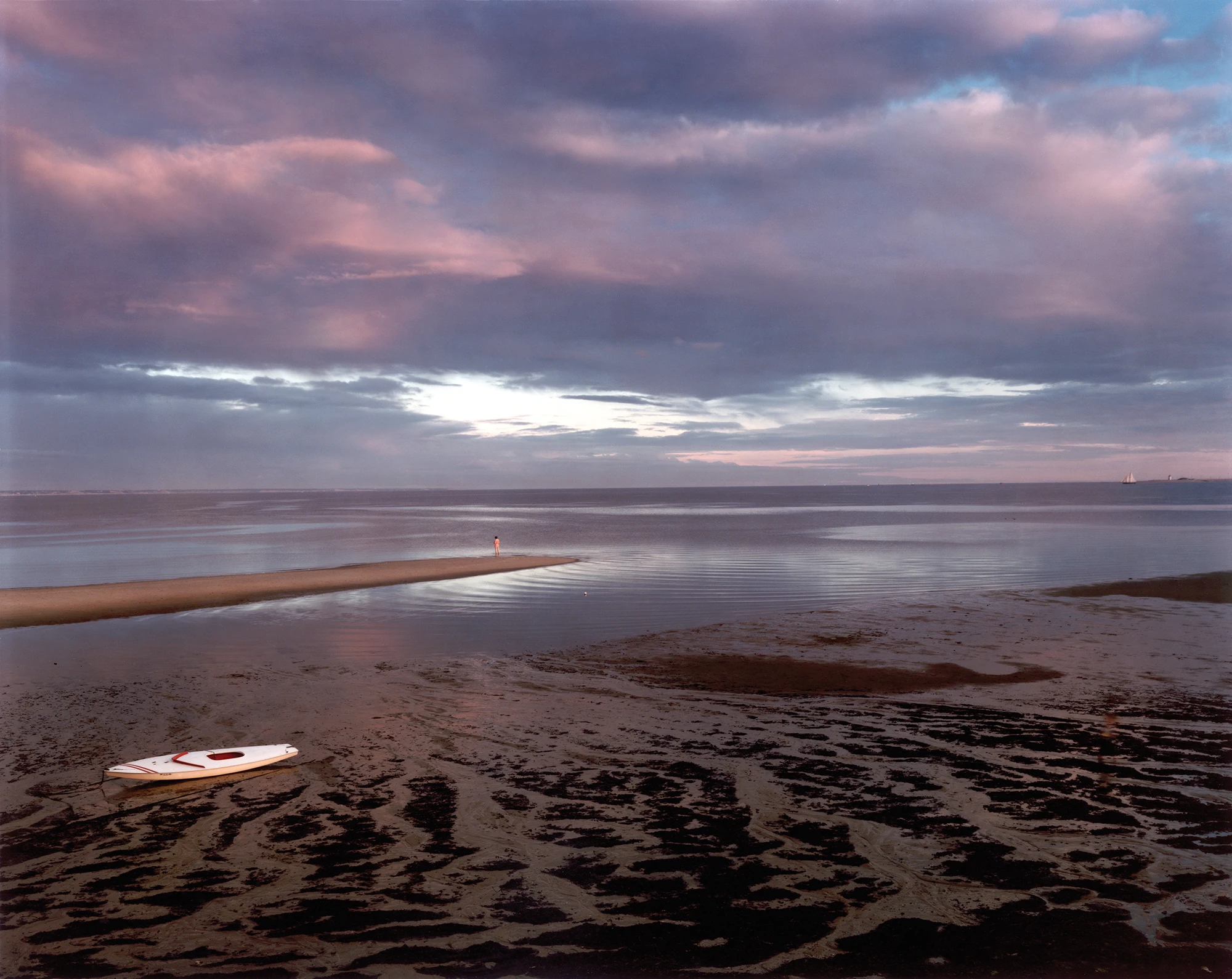
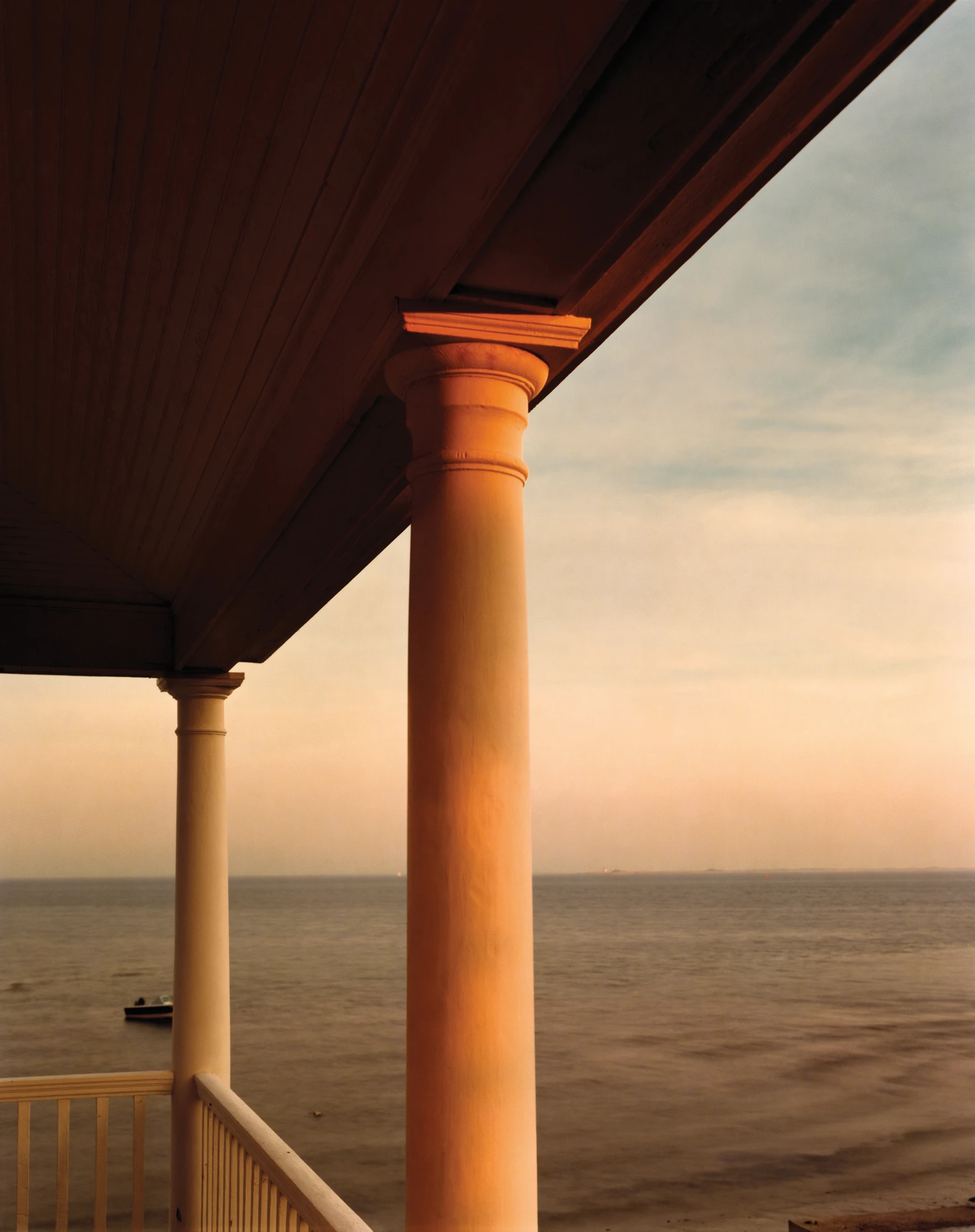
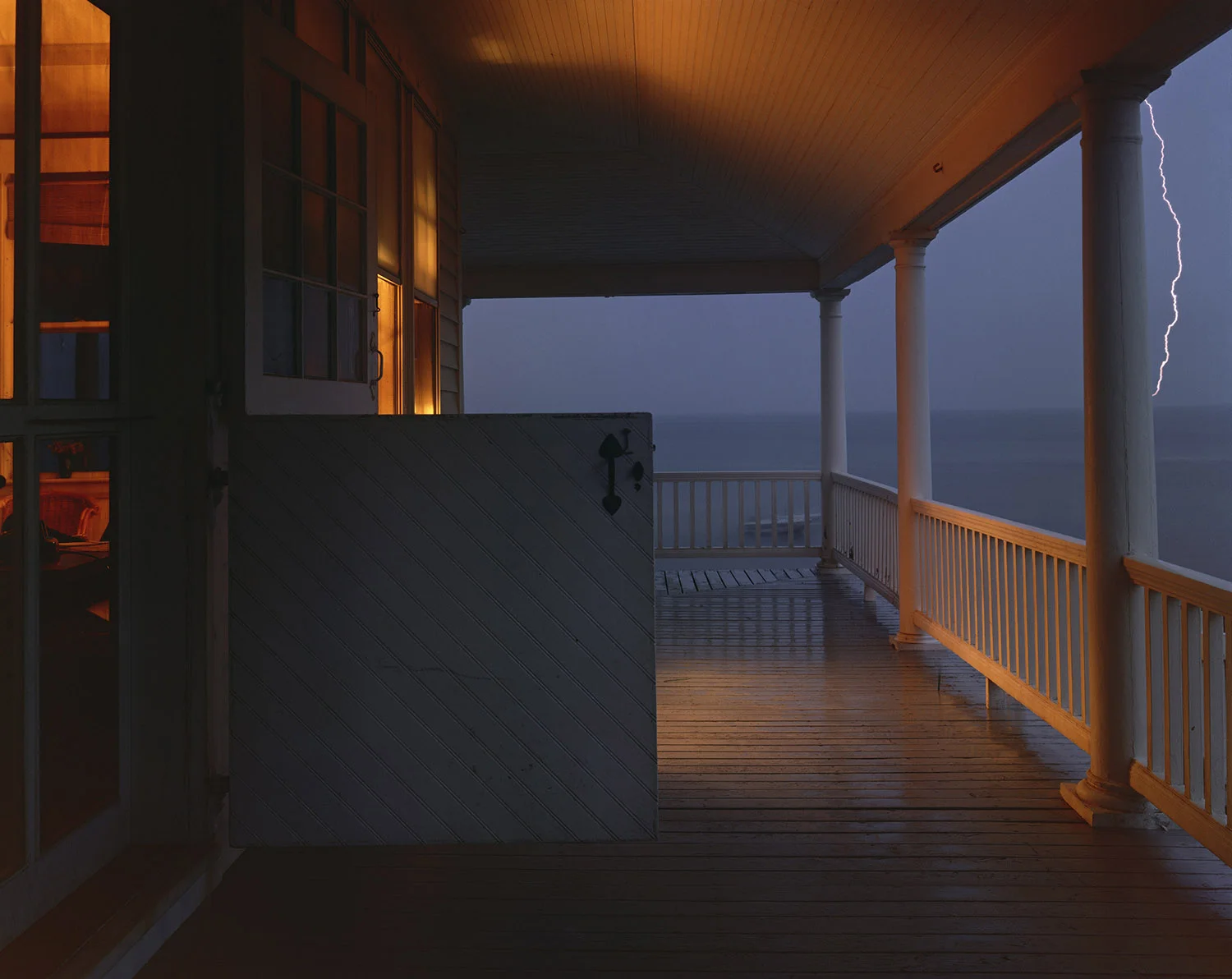
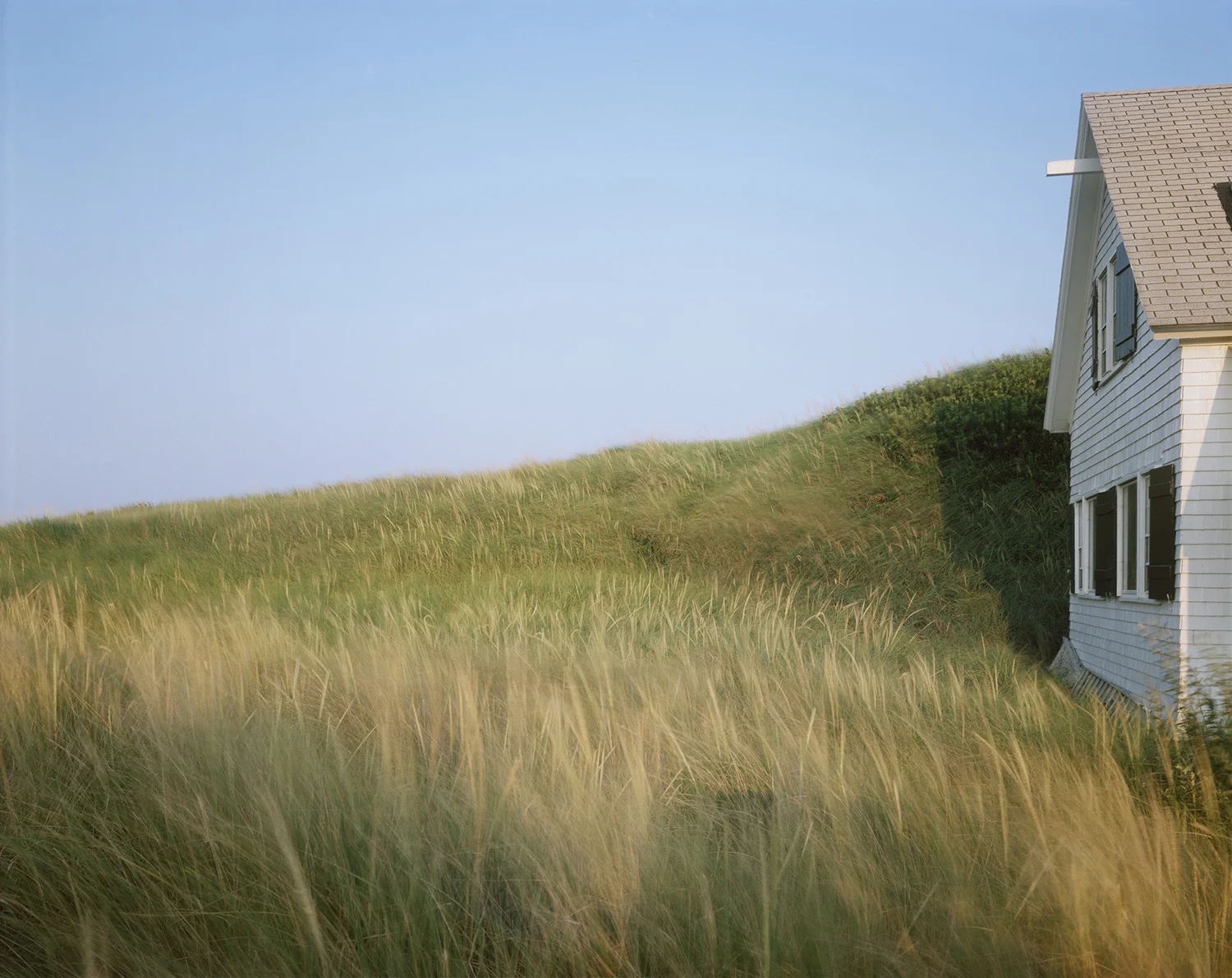
What followed were two summers of joyous and feverish seeing, and inside the fever a meditative state of grace. The pace changed first. Light moving across a sandbar in the ebbing tide, a grassy hill rippling in sea-blown wind, sun raking over clapboard siding. He invokes Edward Hopper, whose stated ambition was to paint sunlight on the side of a house, and the pictures take that literally. A skylight drops a single wedge of sun into an empty white-boarded room and nothing else happens in the frame.
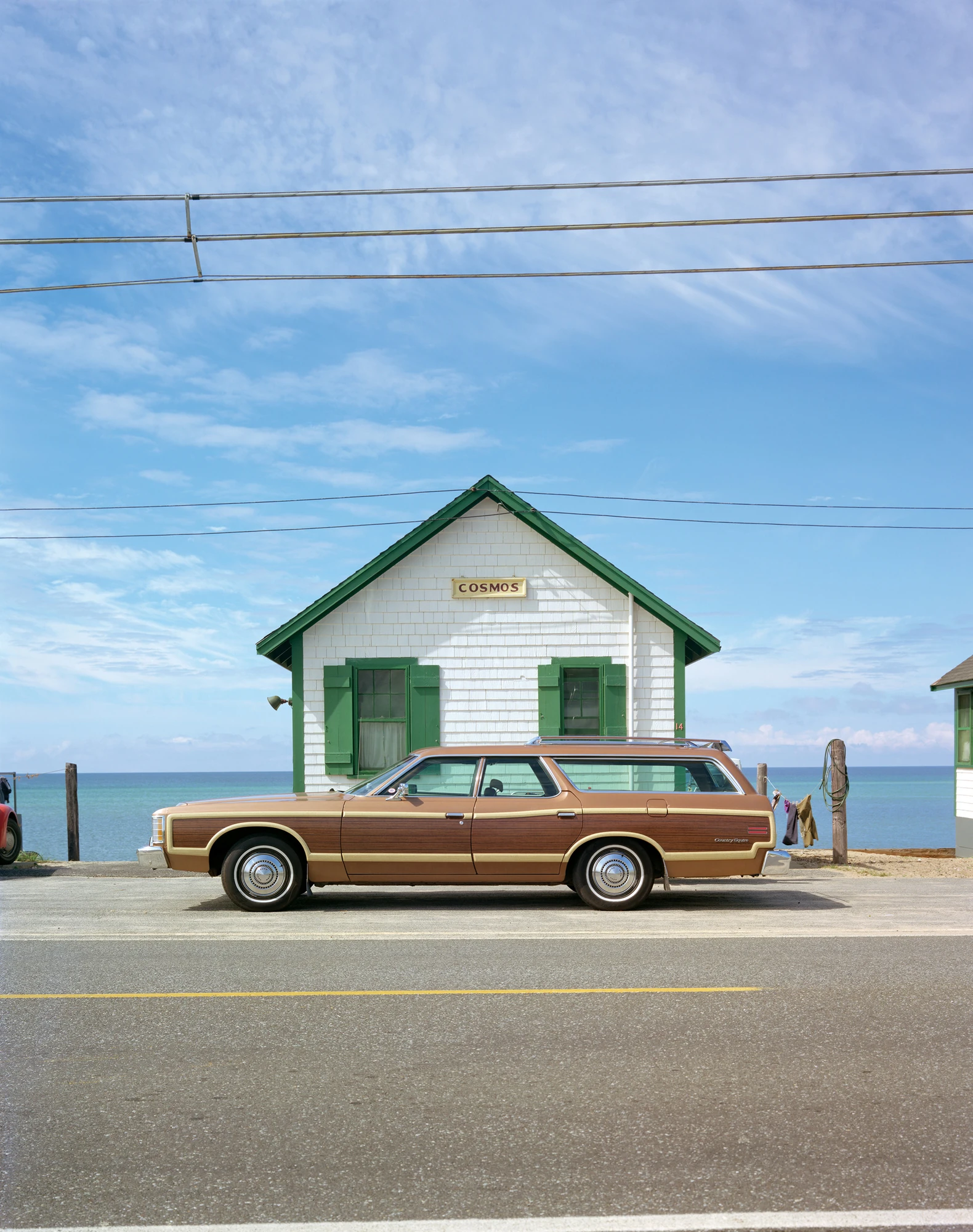
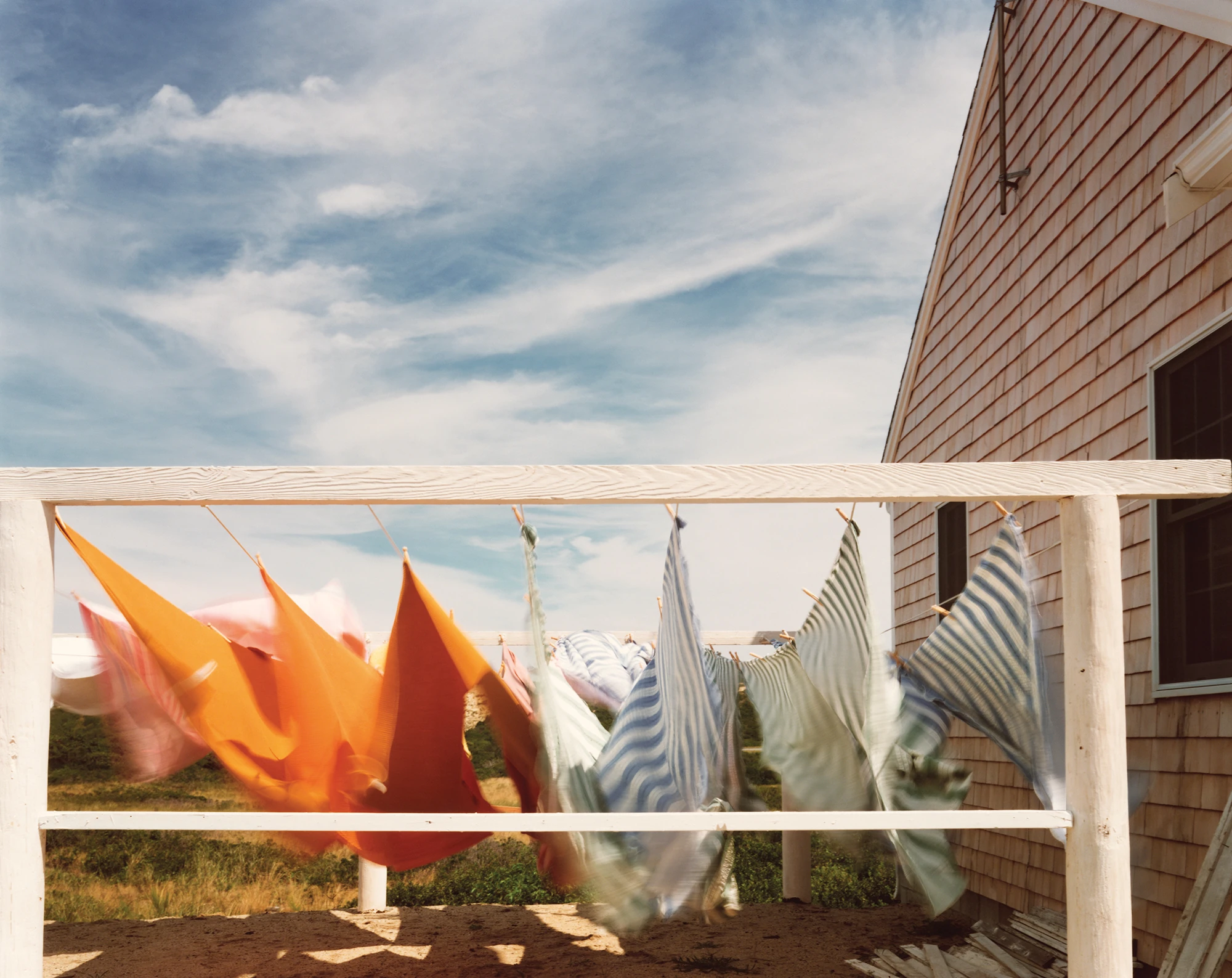
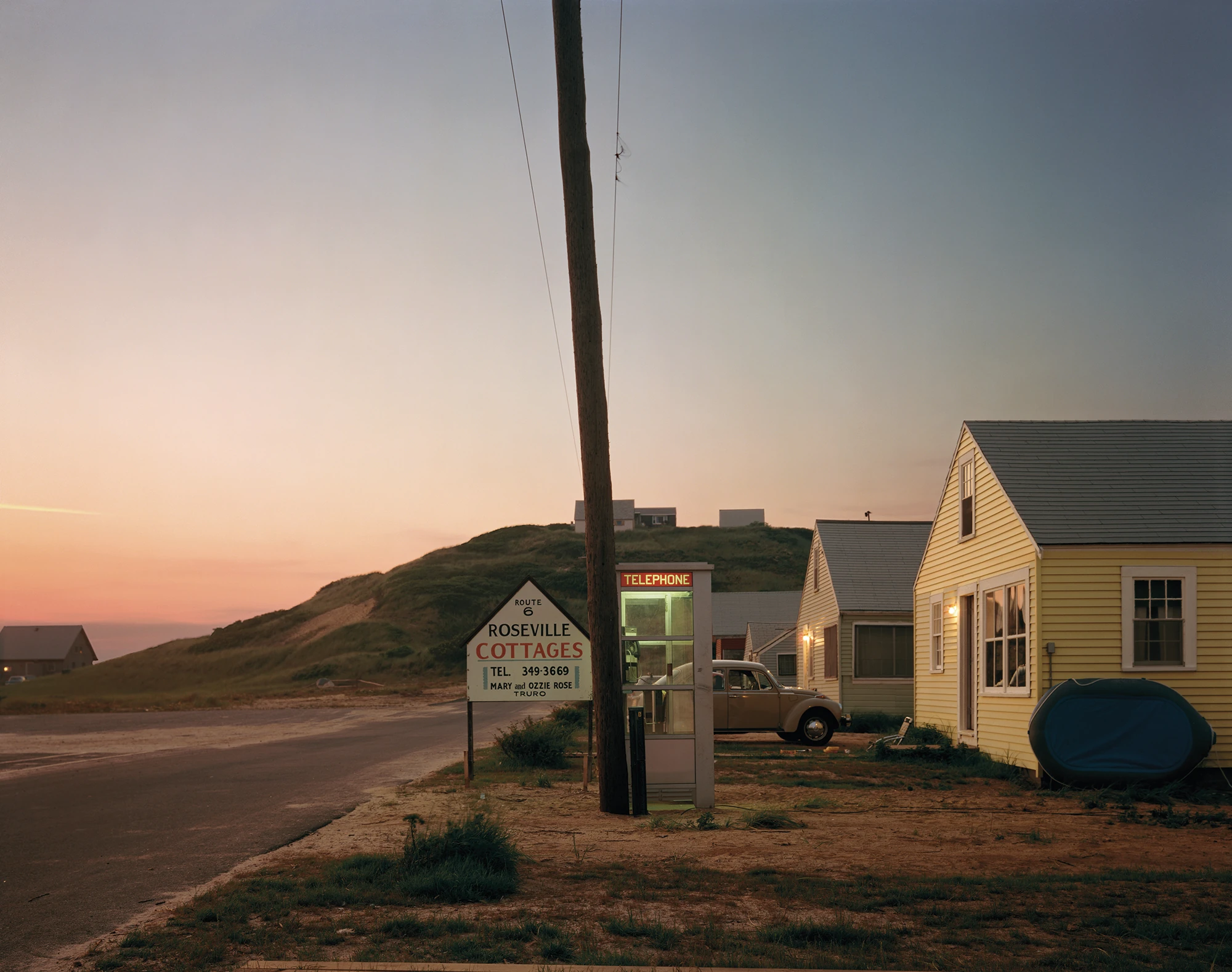
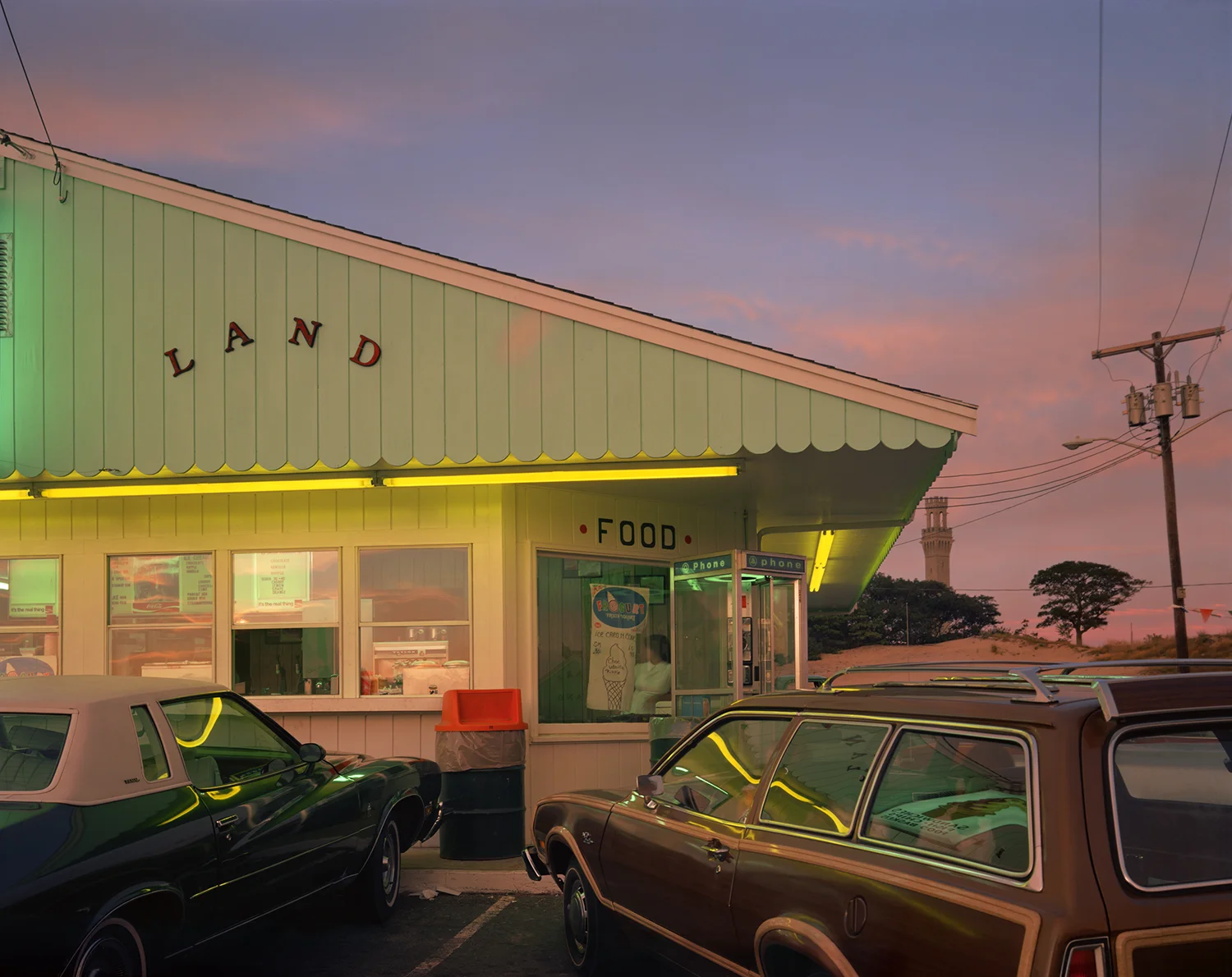
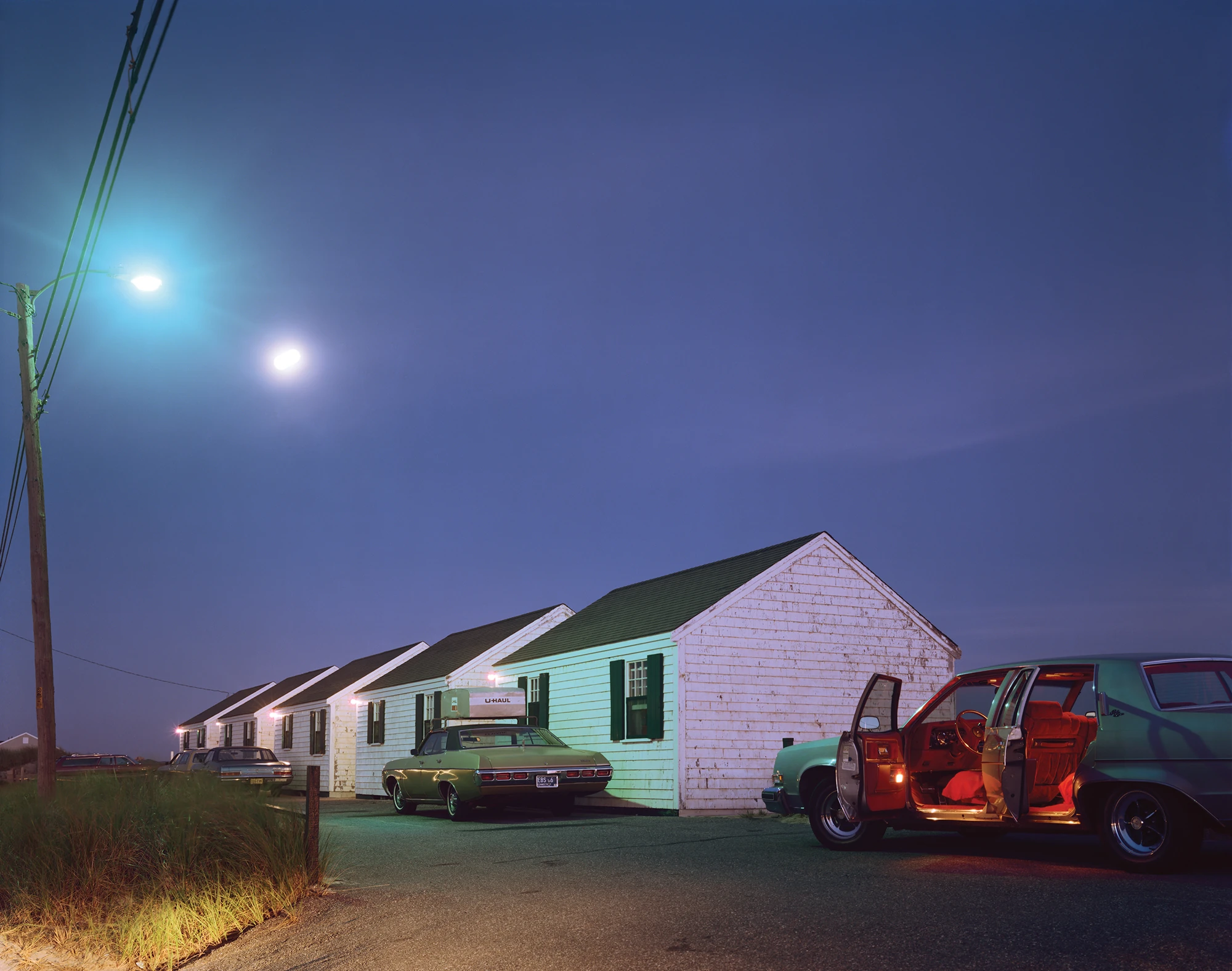
Colour is the argument, not the decoration. At Roseville Cottages in Truro a telephone booth burns green against a sky going from violet to salmon, the porch bulbs of the cabins just switching on. Laundry snaps on a line in Provincetown, orange and pink against striped blue, held long enough for the wind to smear it. A wood-panelled Country Squire sits parked in front of a shingled cottage named Cosmos with the flat blue Atlantic behind it. Nothing is staged and nothing is incidental.
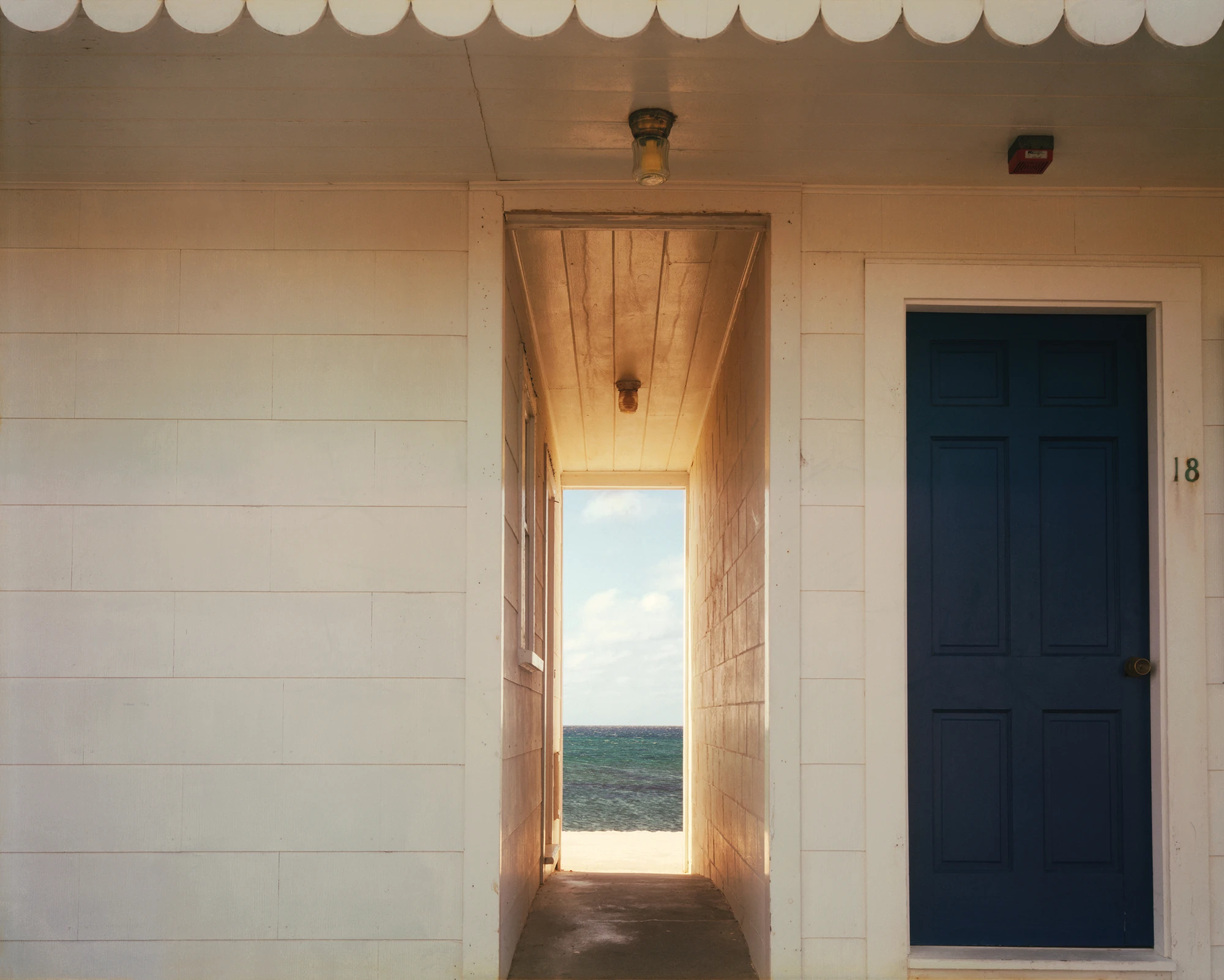
The first edition appeared in 1978, at a point when colour was only beginning to be admitted to the medium's history. The frames in circulation now reach past those two summers: Doorway to the sea, an ordinary passage between two cottages framing a rectangle of turquoise water, carries a 1982 date. The book has always been slightly wider than the story told about it.
The reissue arrives with an entirely remastered set of prints, scanned with equipment that did not exist when the pictures were made. Meyerowitz's claim for them is precise and worth testing against the page: a fidelity to the original moment of which no previous edition had been capable. Fifty years on from that first summer, the argument the book made about colour has been won so completely that it is easy to forget it was ever an argument.