Thisispaper Community
Join today.
Enter your email address to receive the latest news on emerging art, design, lifestyle and tech from Thisispaper, delivered straight to your inbox.
Oops! Something went wrong while submitting the form.
Instant access to new channels
The top stories curated daily
Weekly roundups of what's important
Original features and deep dives
Exclusive community features
Alexander Zaxarov
Mar 20, 2026

During an artist residency in Kyoto, the Italian photographer Nicolò Rinaldi pursues W.E.I.R.D. — a visual essay on biomimicry, artifice, and the uncanny frontier where nature ends and its simulation begins.

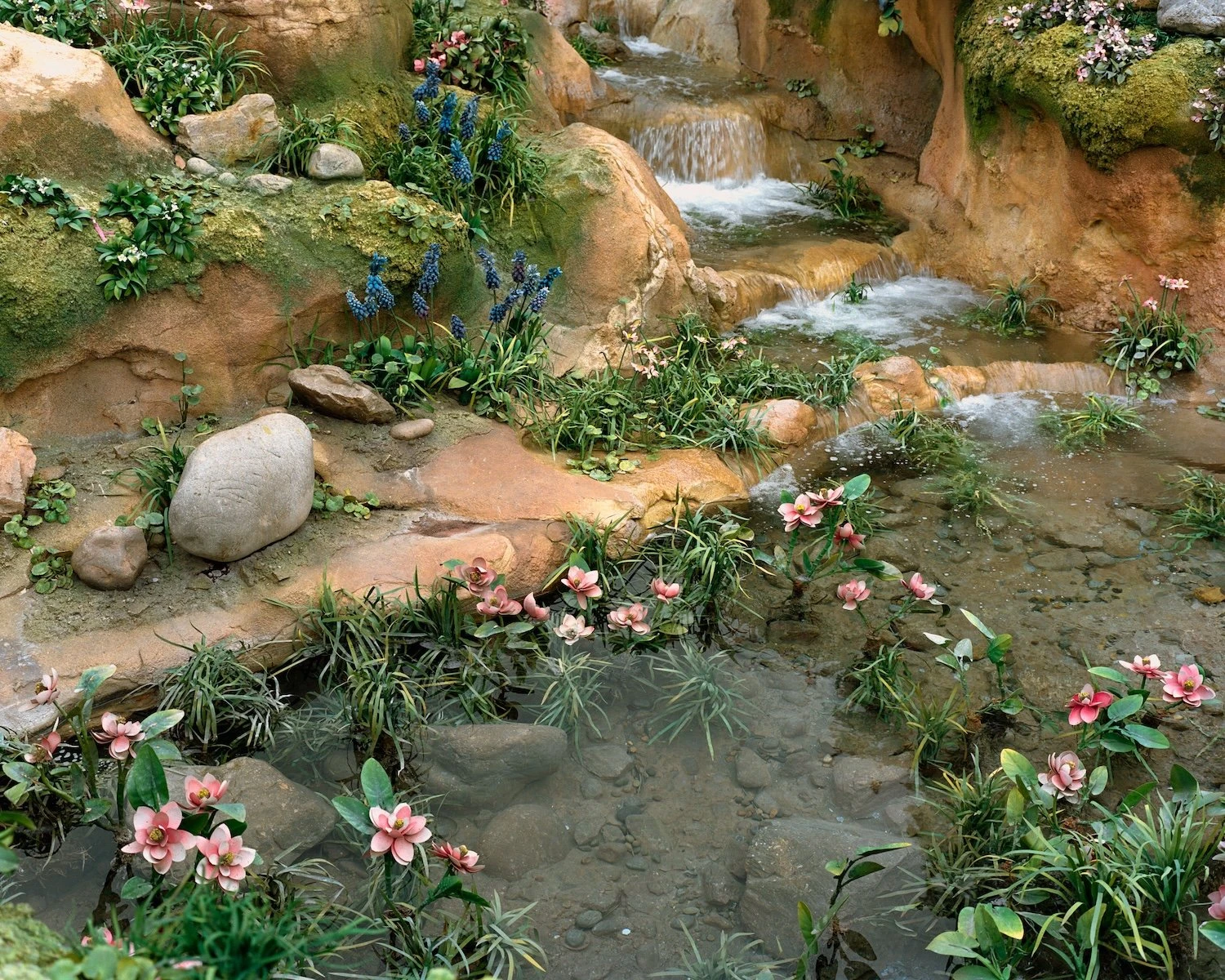
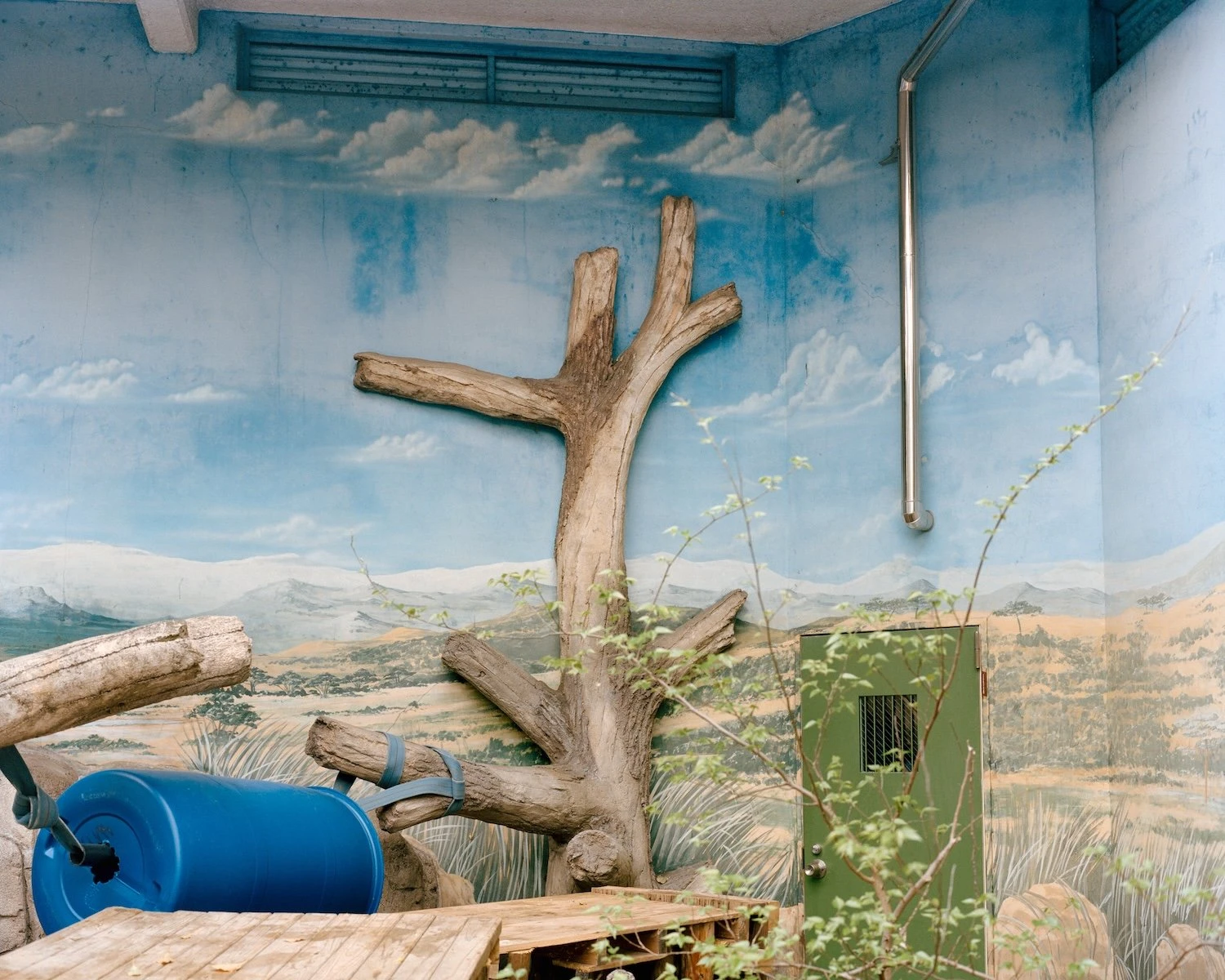
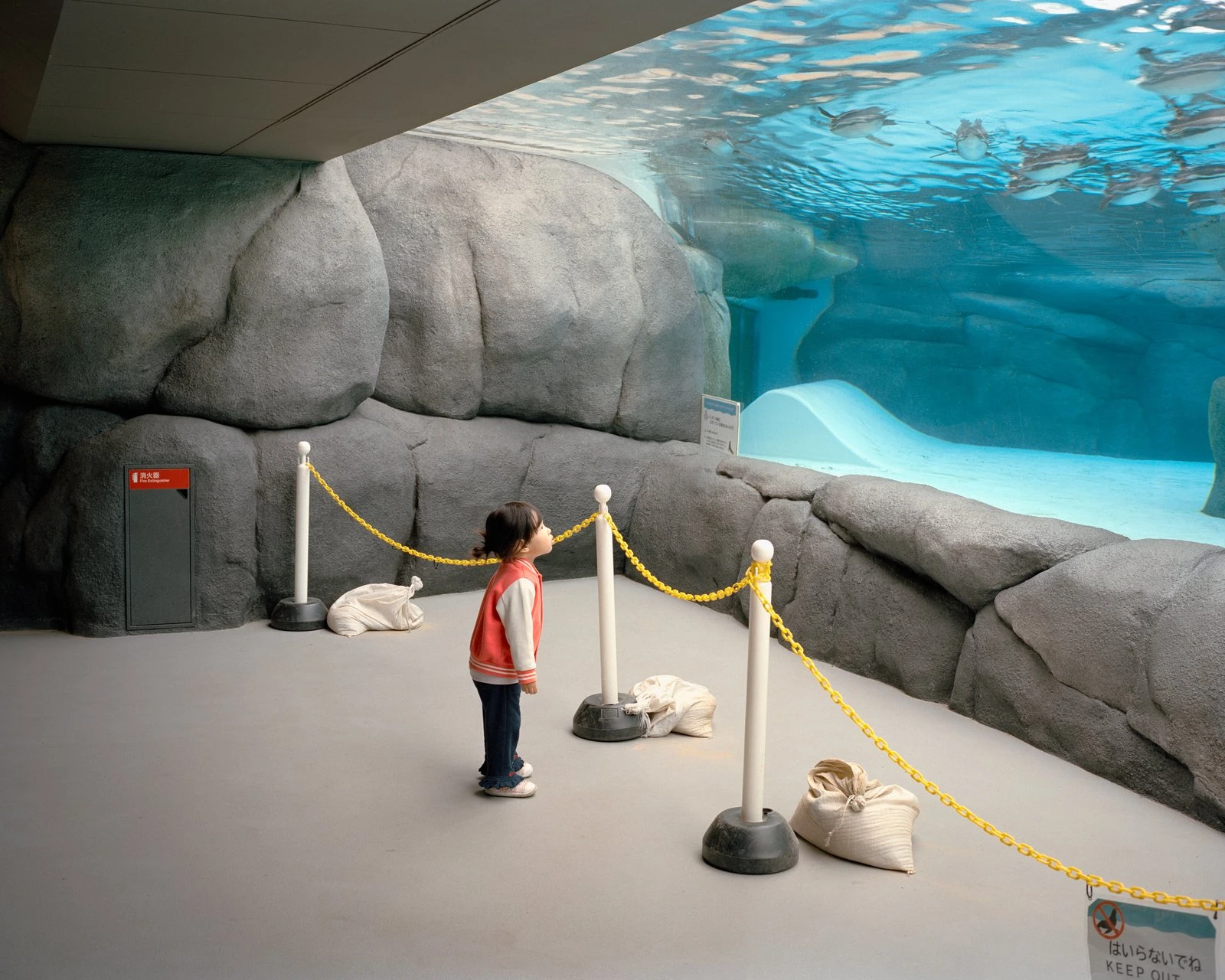
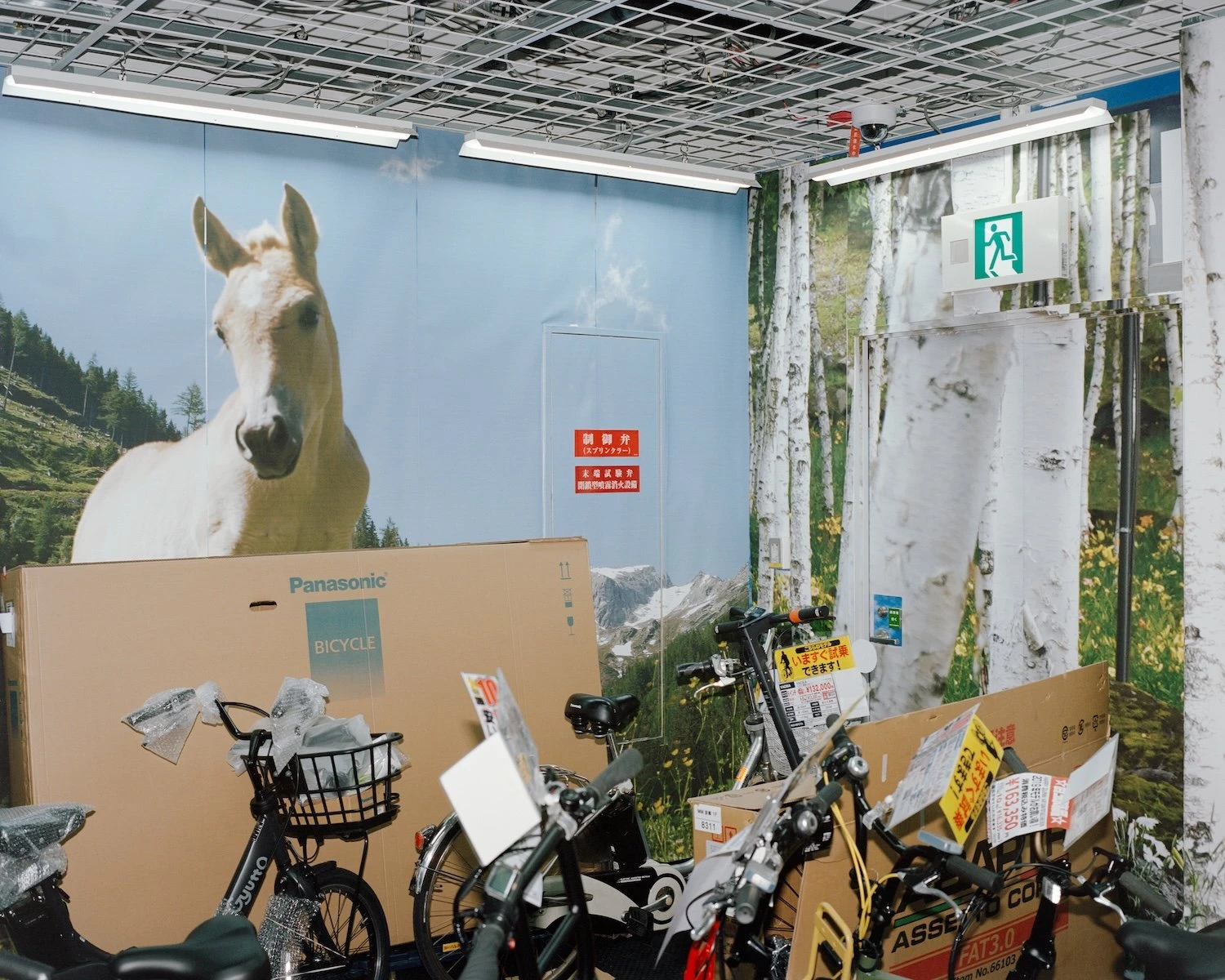
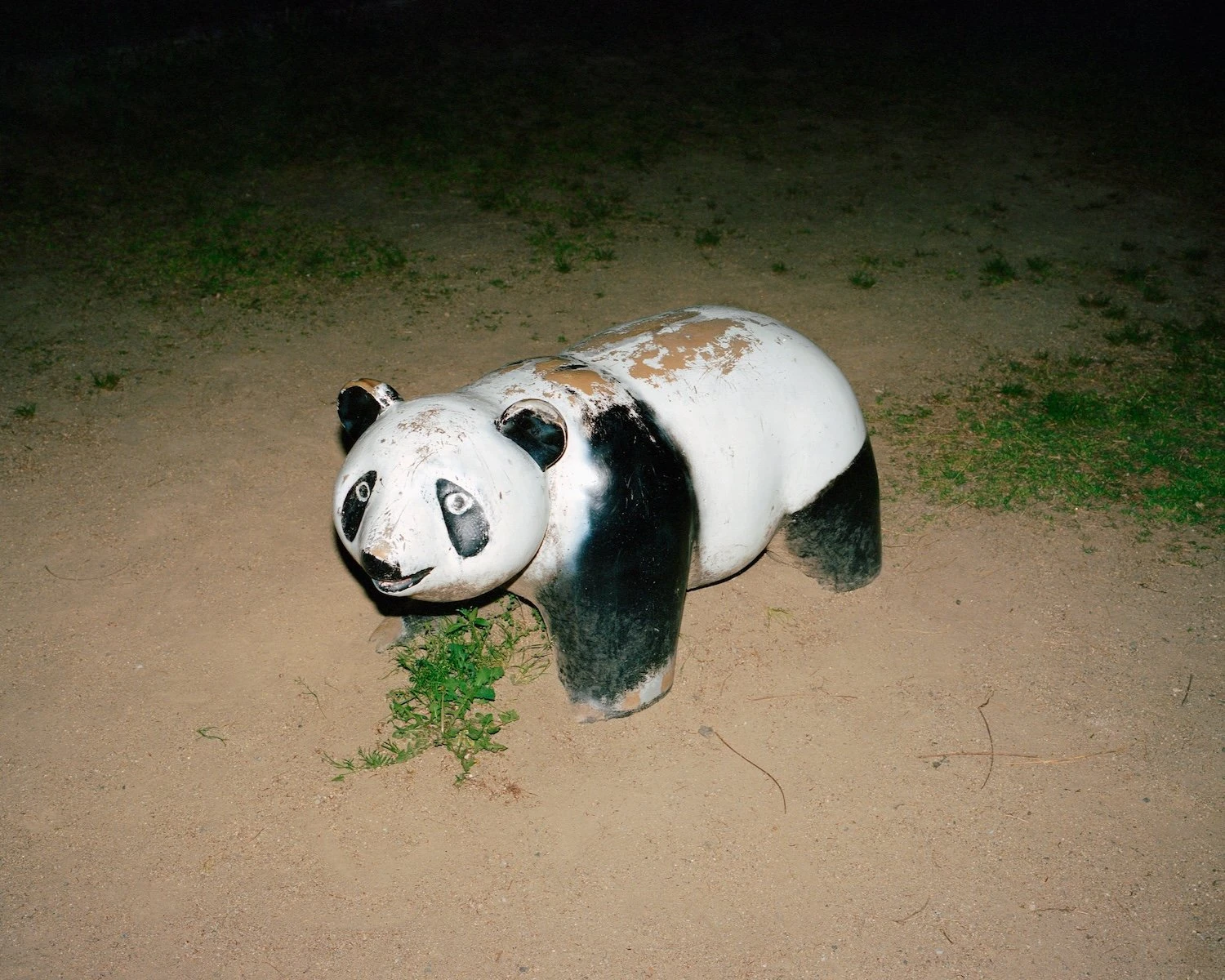
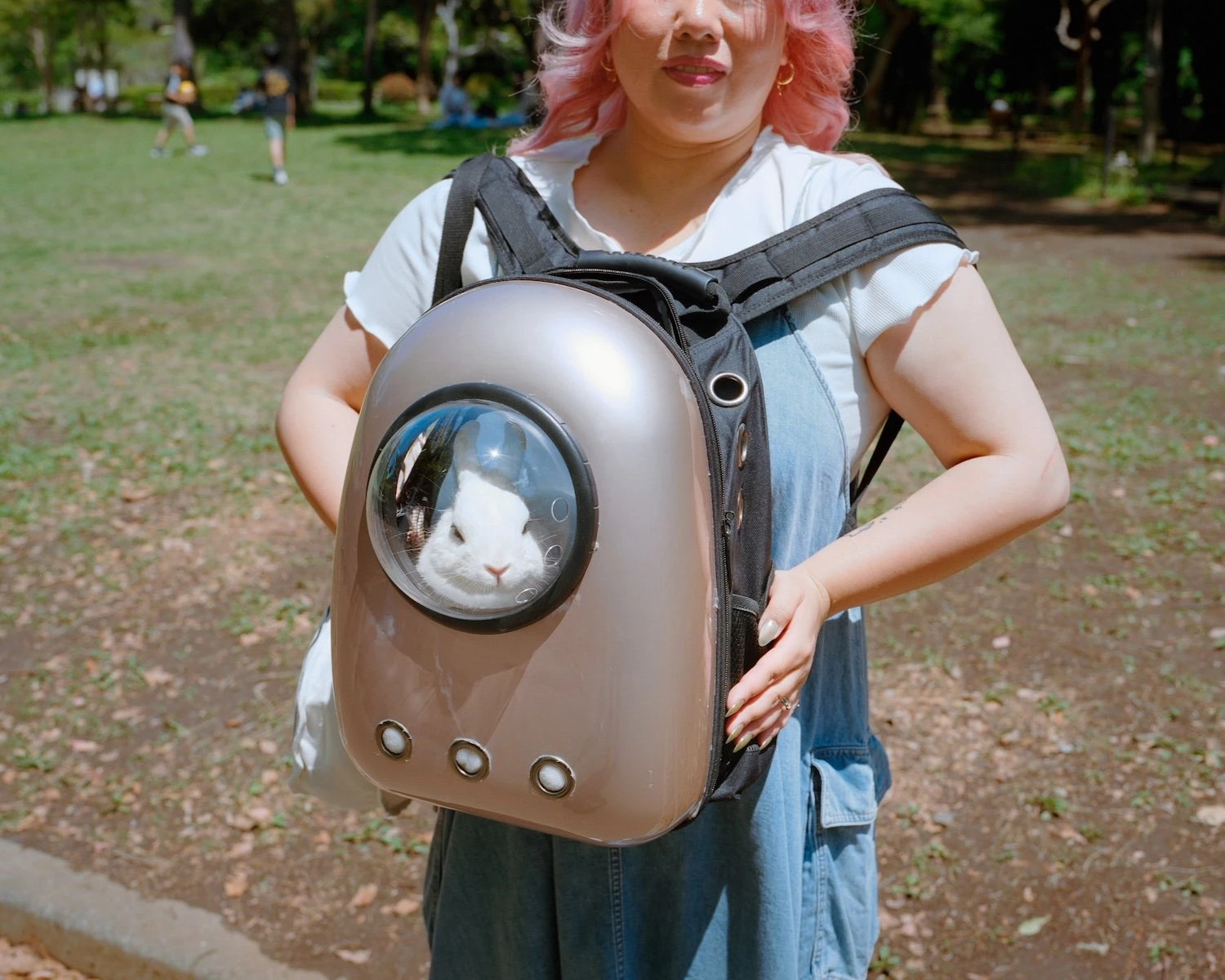
The title W.E.I.R.D. functions less as an acronym than as a diagnosis: a series of photographs that examines the various ways in which humans have set about replicating the natural world within artificial environments. The project draws on the scientific discipline of biomimicry — which analyses biological systems in order to reproduce their designs and processes for technological and industrial application — and asks, through images, what it feels like to inhabit the products of that ambition. "Everything you can imagine," reads the Einstein quotation that opens the series, "nature has already created." What Rinaldi investigates is the inverse: everything nature has created, humans have subsequently tried to imagine again.

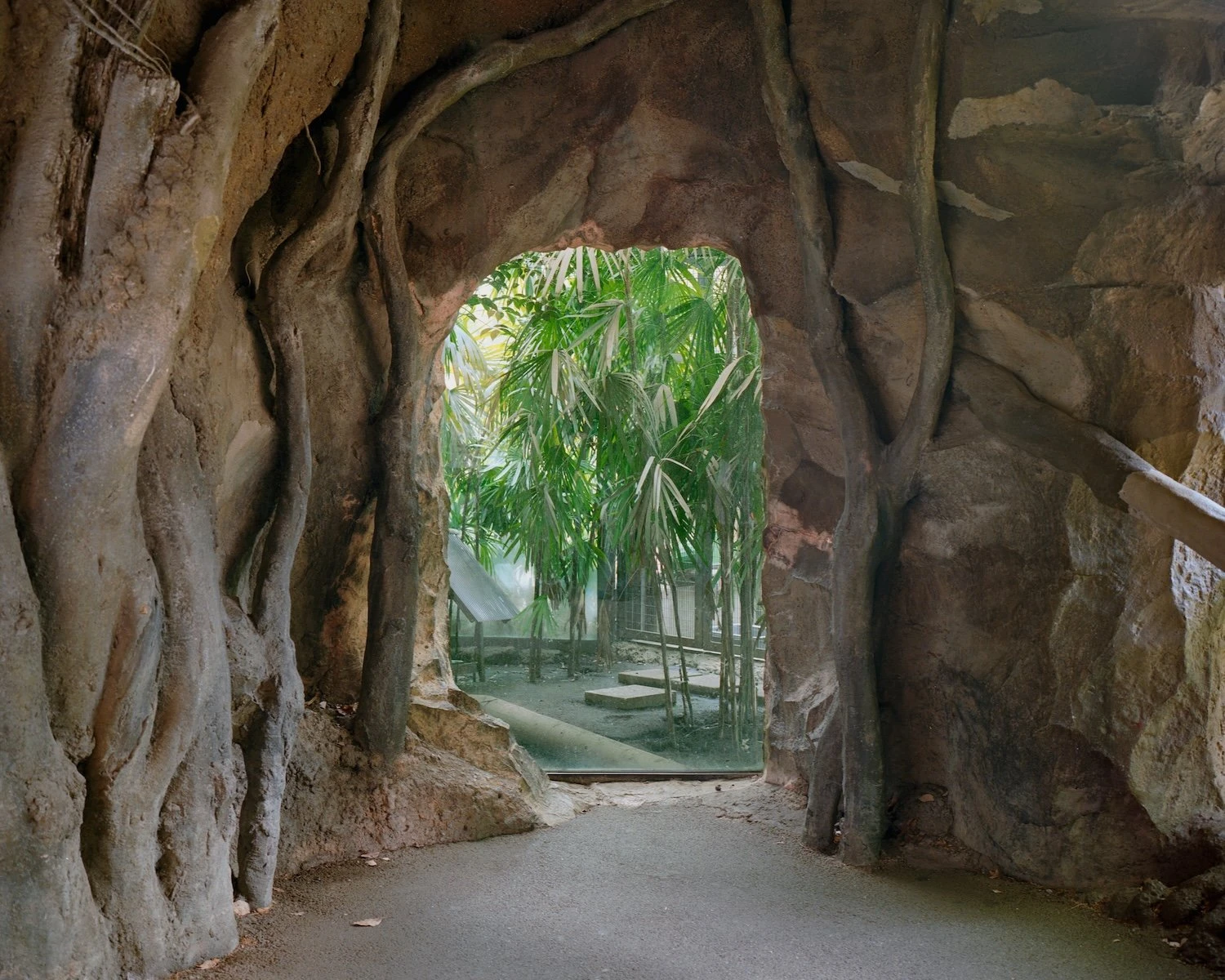
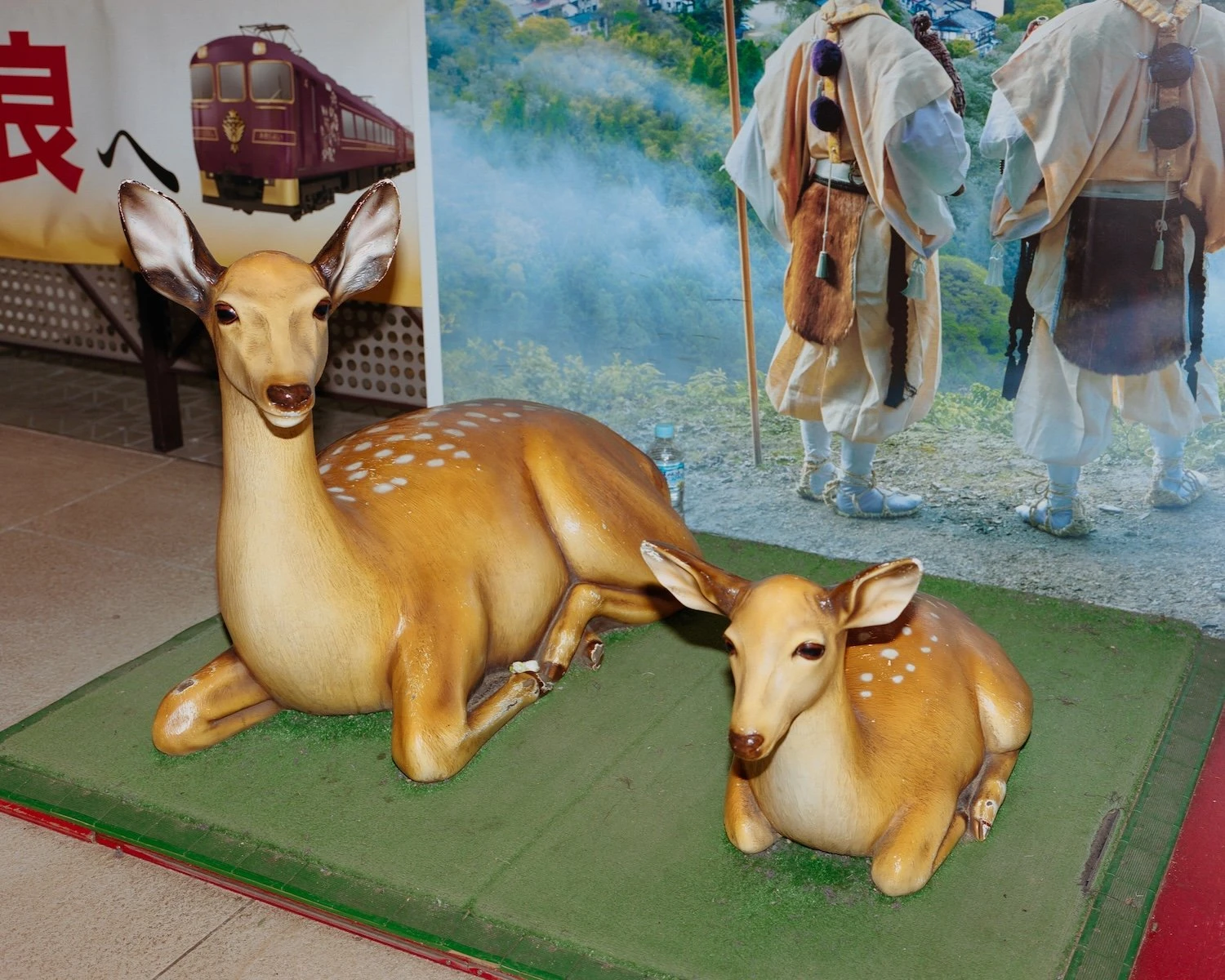
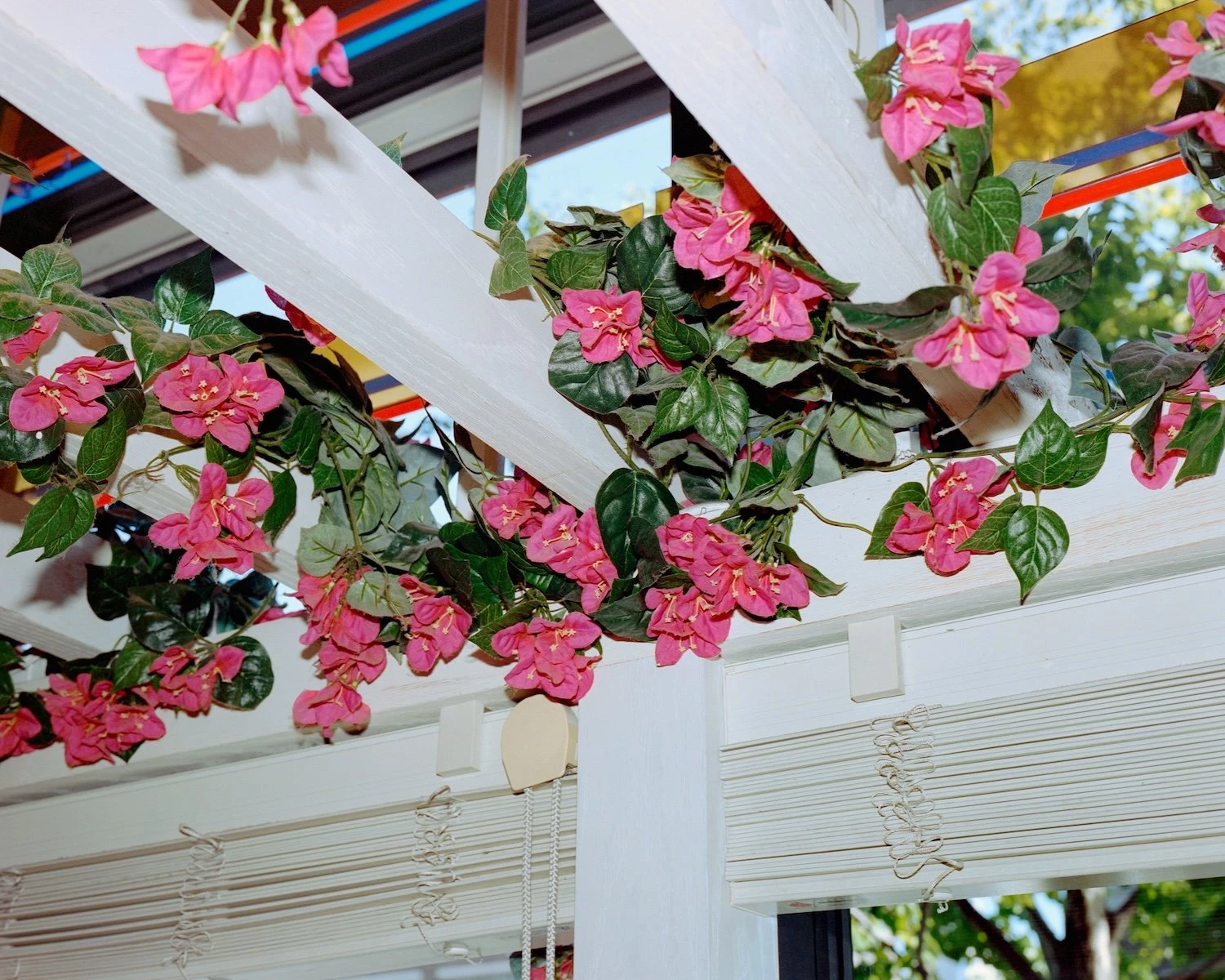
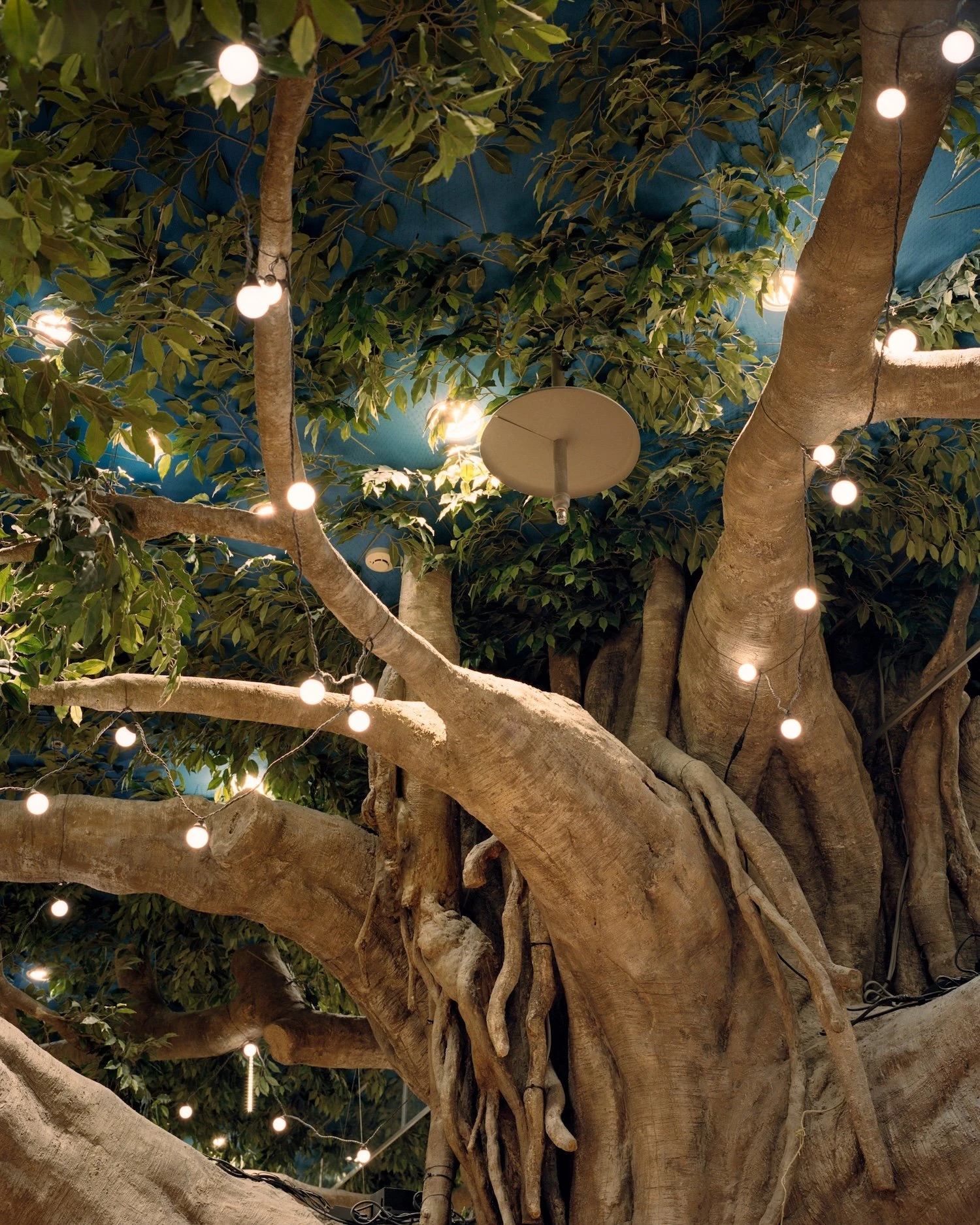
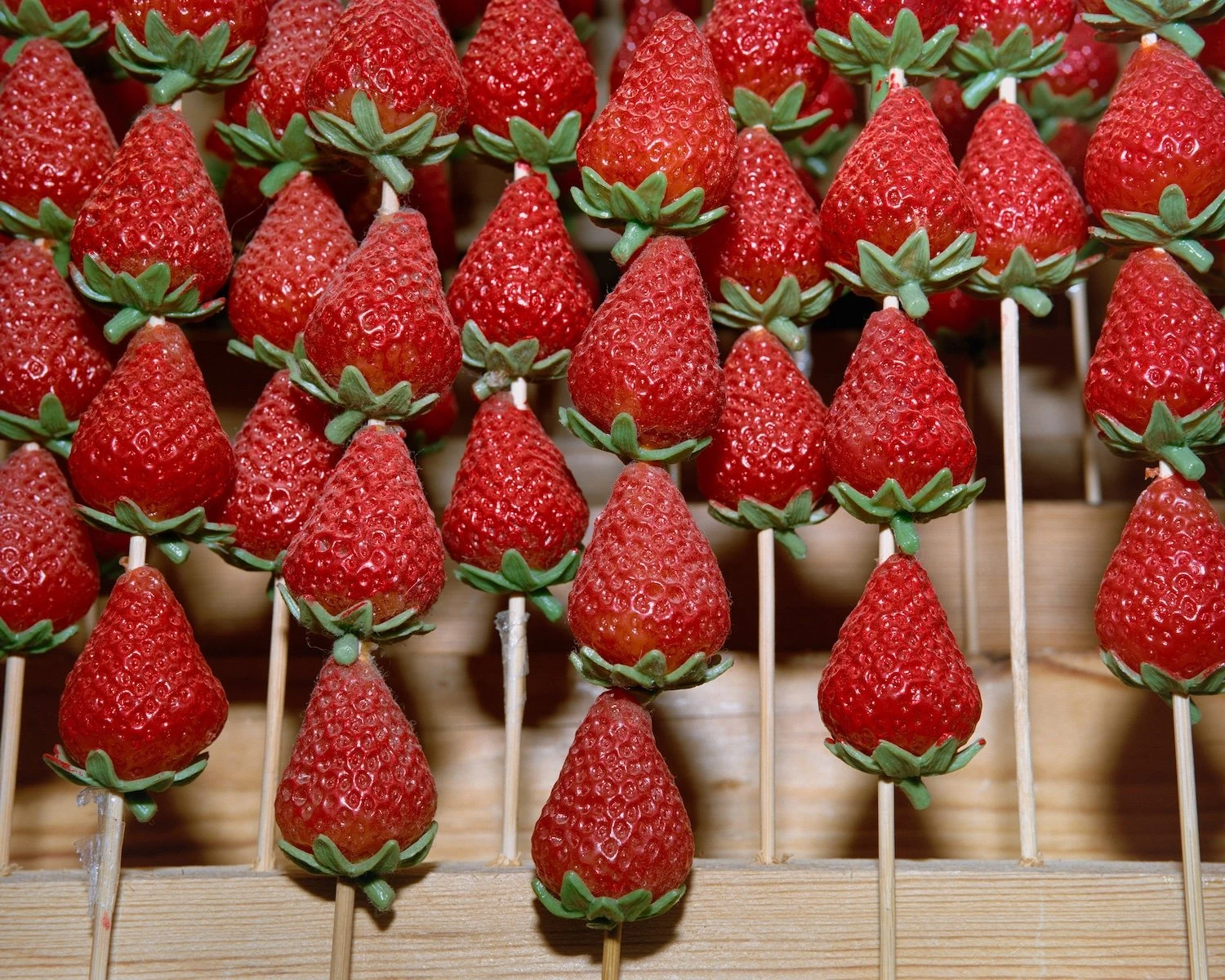
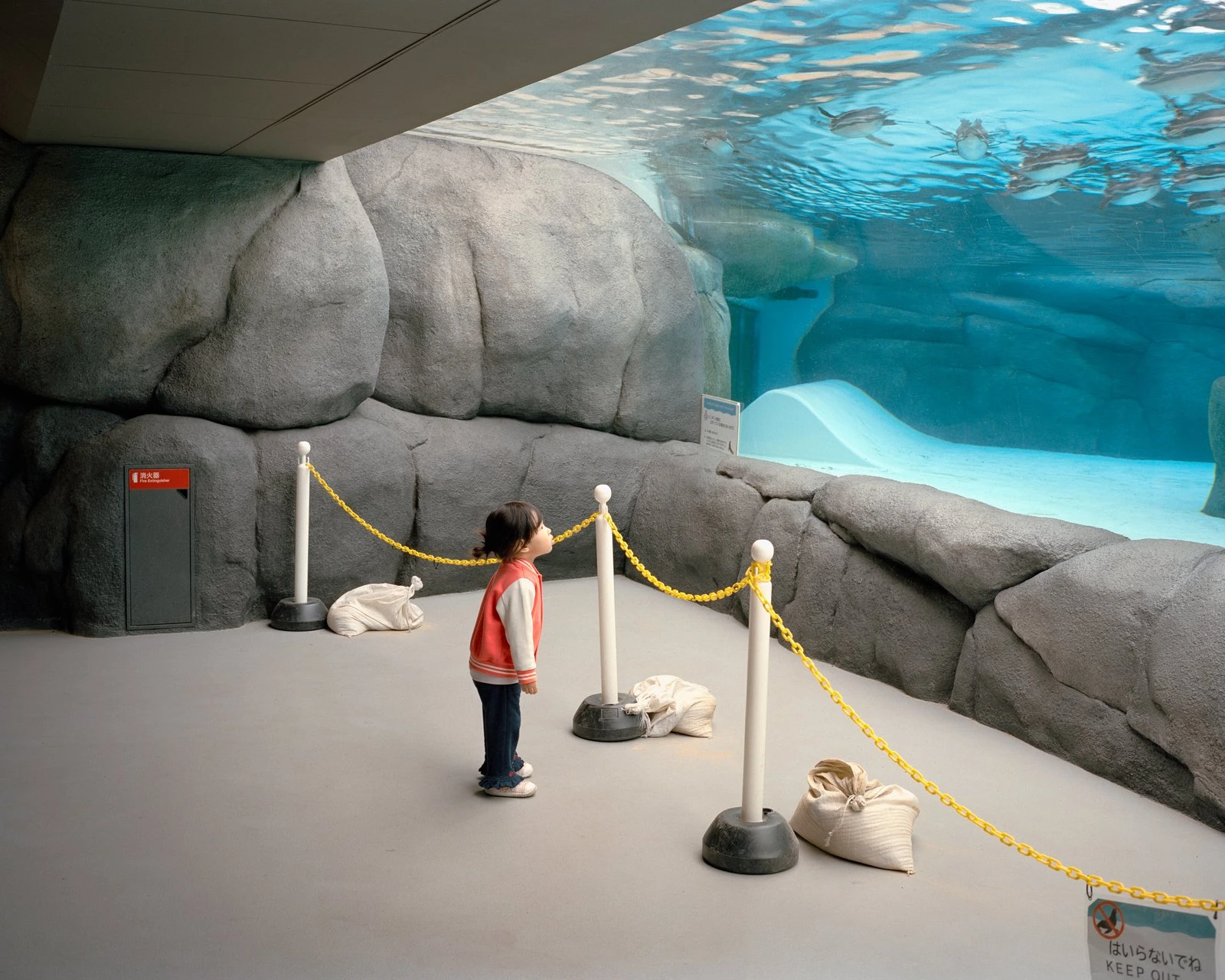
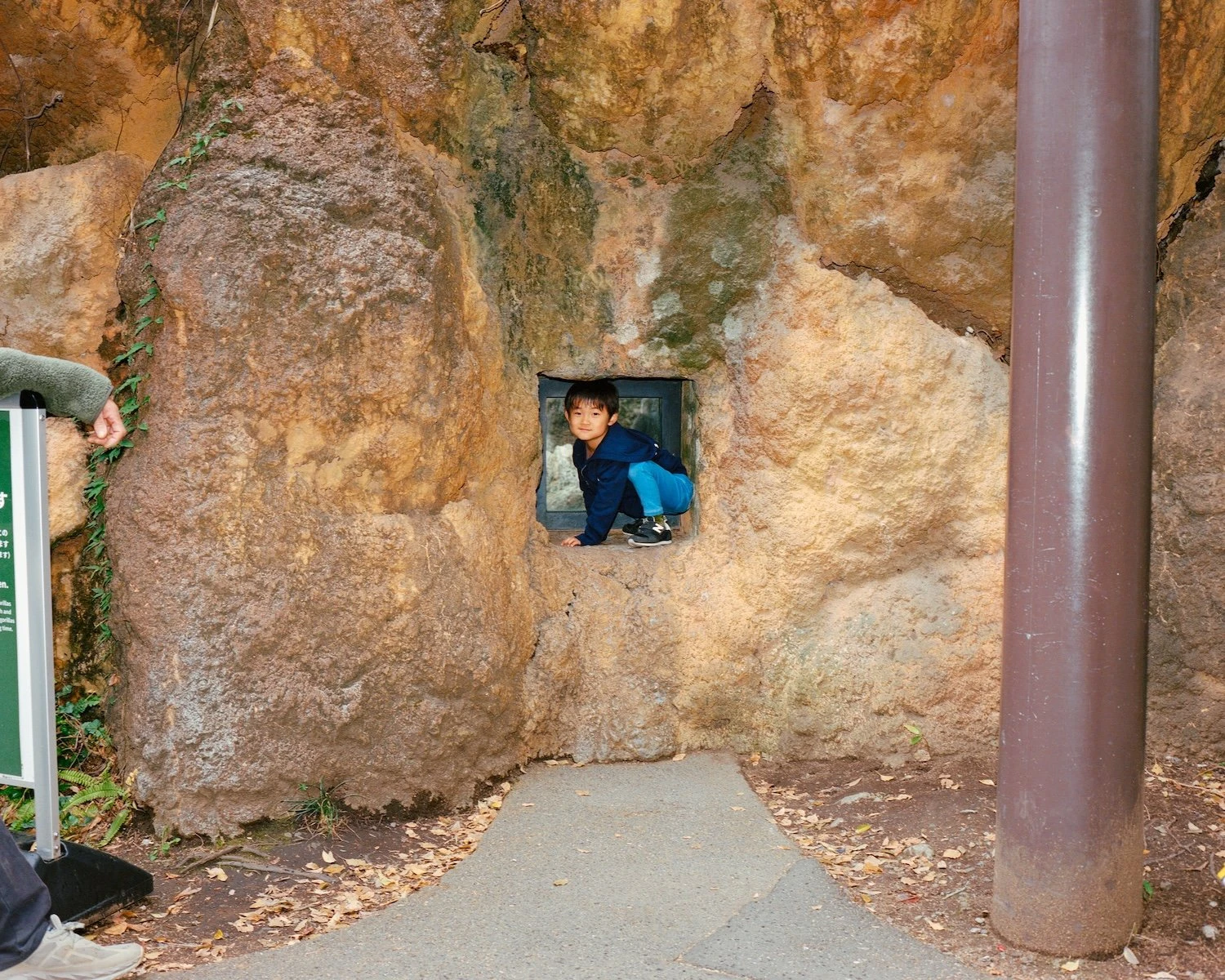
The myth that organises the series is that of Daedalus and Icarus: the engineer who built wings of wax so that his son might escape the labyrinth, and the son who flew too close to the sun. It is among the oldest formulations of the problem — that the human capacity to emulate nature contains within it the seeds of a particular kind of failure. Rinaldi does not illustrate the myth so much as locate it in the contemporary landscape: in the artificial rock formations at a Japanese tourist site through which a child clambers with easy delight; in the plastic deer displayed in a souvenir hall against a backdrop of printed mist; in the strawberries mounted on sticks, nature rendered as geometry, as commodity, as spectacle.

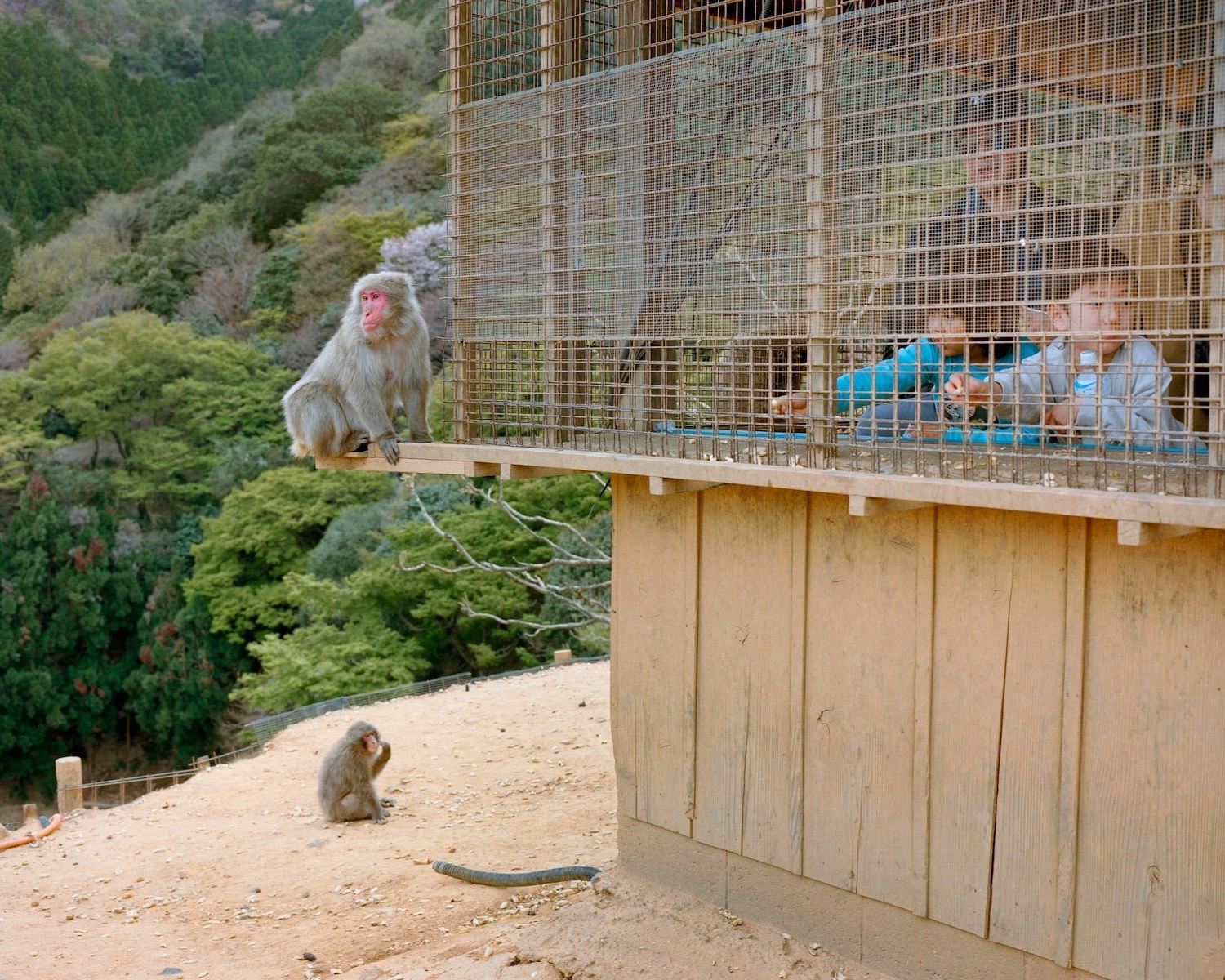
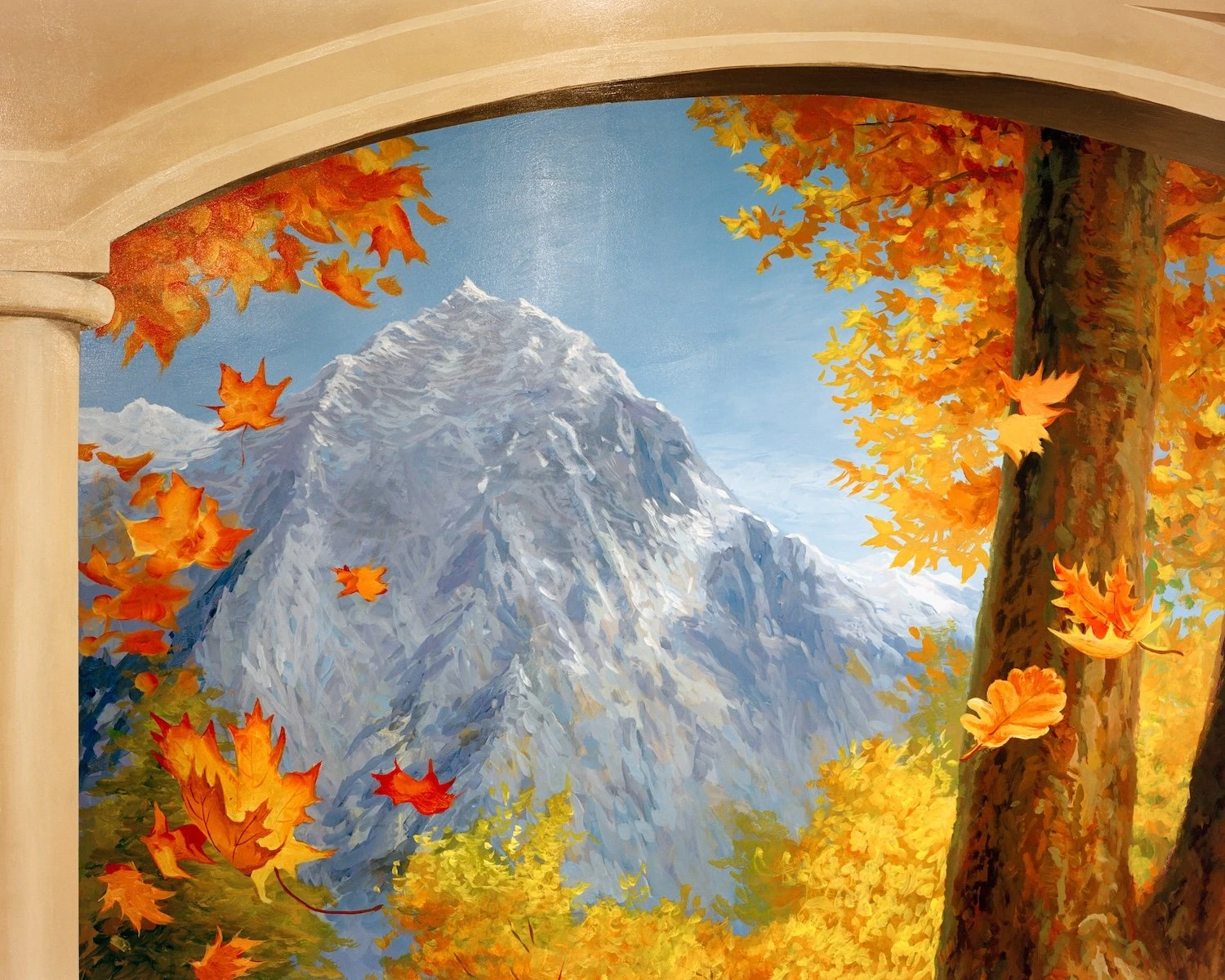
The images from Kyoto are characterised by a particular quality of estrangement. Japan's tourist industry has long perfected the art of the replica — of nature presented in mediated form, filtered through nostalgia, packaged for consumption. Rinaldi finds in this a subject that is at once specifically Japanese and broadly contemporary: a landscape in which the boundary between the organic and the simulated has become genuinely difficult to locate, and in which the difficulty itself has ceased to disturb anyone.

The project began in 2023 and was supported by the Strategia Fotografia 2024 fellowship, promoted by the Directorate-General for Contemporary Creativity of the Italian Ministry of Culture. The Kyoto residency followed, and in November 2025 the series was presented in a solo exhibition at the Palazzo Ducale in Genoa. Published on Phroom Platform, W.E.I.R.D. extends the logic of its title: the world it documents is not monstrous — it is familiar, carefully managed, commercially optimised — and that, precisely, is what makes it strange.
Interested in Showcasing Your Work?

If you would like to feature your works on Thisispaper, please visit our Submission page and sign up to Thisispaper+ to submit your work. Once your submission is approved, your work will be showcased to our global audience of 2 million art, architecture, and design professionals and enthusiasts.
No items found.
We love less
but there is more.
Become a Thisispaper+ member today to unlock full access to our magazine, advanced tools, and support our work.
Get two months FREE
with annual subscription
We love less
but there is more.
Become a Thisispaper+ member today to unlock full access to our magazine, advanced tools, and support our work.
Get two months FREE
with annual subscription
No items found.
Alexander Zaxarov
Mar 20, 2026

During an artist residency in Kyoto, the Italian photographer Nicolò Rinaldi pursues W.E.I.R.D. — a visual essay on biomimicry, artifice, and the uncanny frontier where nature ends and its simulation begins.

The title W.E.I.R.D. functions less as an acronym than as a diagnosis: a series of photographs that examines the various ways in which humans have set about replicating the natural world within artificial environments. The project draws on the scientific discipline of biomimicry — which analyses biological systems in order to reproduce their designs and processes for technological and industrial application — and asks, through images, what it feels like to inhabit the products of that ambition. "Everything you can imagine," reads the Einstein quotation that opens the series, "nature has already created." What Rinaldi investigates is the inverse: everything nature has created, humans have subsequently tried to imagine again.

The myth that organises the series is that of Daedalus and Icarus: the engineer who built wings of wax so that his son might escape the labyrinth, and the son who flew too close to the sun. It is among the oldest formulations of the problem — that the human capacity to emulate nature contains within it the seeds of a particular kind of failure. Rinaldi does not illustrate the myth so much as locate it in the contemporary landscape: in the artificial rock formations at a Japanese tourist site through which a child clambers with easy delight; in the plastic deer displayed in a souvenir hall against a backdrop of printed mist; in the strawberries mounted on sticks, nature rendered as geometry, as commodity, as spectacle.

The images from Kyoto are characterised by a particular quality of estrangement. Japan's tourist industry has long perfected the art of the replica — of nature presented in mediated form, filtered through nostalgia, packaged for consumption. Rinaldi finds in this a subject that is at once specifically Japanese and broadly contemporary: a landscape in which the boundary between the organic and the simulated has become genuinely difficult to locate, and in which the difficulty itself has ceased to disturb anyone.

The project began in 2023 and was supported by the Strategia Fotografia 2024 fellowship, promoted by the Directorate-General for Contemporary Creativity of the Italian Ministry of Culture. The Kyoto residency followed, and in November 2025 the series was presented in a solo exhibition at the Palazzo Ducale in Genoa. Published on Phroom Platform, W.E.I.R.D. extends the logic of its title: the world it documents is not monstrous — it is familiar, carefully managed, commercially optimised — and that, precisely, is what makes it strange.
Interested in Showcasing Your Work?

If you would like to feature your works on Thisispaper, please visit our Submission page and subscribe to Thisispaper+. Once your submission is approved, your work will be showcased to our global audience of 2 million art, architecture, and design professionals and enthusiasts.
No items found.

Join Thisispaper+
Unlock access to 2500 stories, curated guides + editions, and share your work with a global network of architects, artists, writers and designers who are shaping the future.
Get two months FREE
with annual subscription
Travel Guides
Immerse yourself in timeless destinations, hidden gems, and creative spaces—curated by humans, not algorithms.
Explore All Guides +
Submission Module
Submit your project and gain the chance to showcase your work to our worldwide audience of over 2M architects, designers, artists, and curious minds.
Learn More+
Curated Editions
Dive deeper into carefully curated editions, designed to feed your curiosity and foster exploration.
Off-the-Grid
Jutaku
Sacral Journey
minimum
The New Chair
Explore All Editions +
Atlas
A new and interactive way to explore the most inspiring places around the world.
Interactive map
Linked to articles
300+ curated locations
Google + Apple directions
Smart filters
Subscribe to Explore+
Become a Thisispaper+ member today to unlock full access to our magazine, submit your project and support our work.
Join Thisispaper+Join Thisispaper+
€ 9 EUR
/month
Cancel anytime
Get two months FREE
with annual subscription