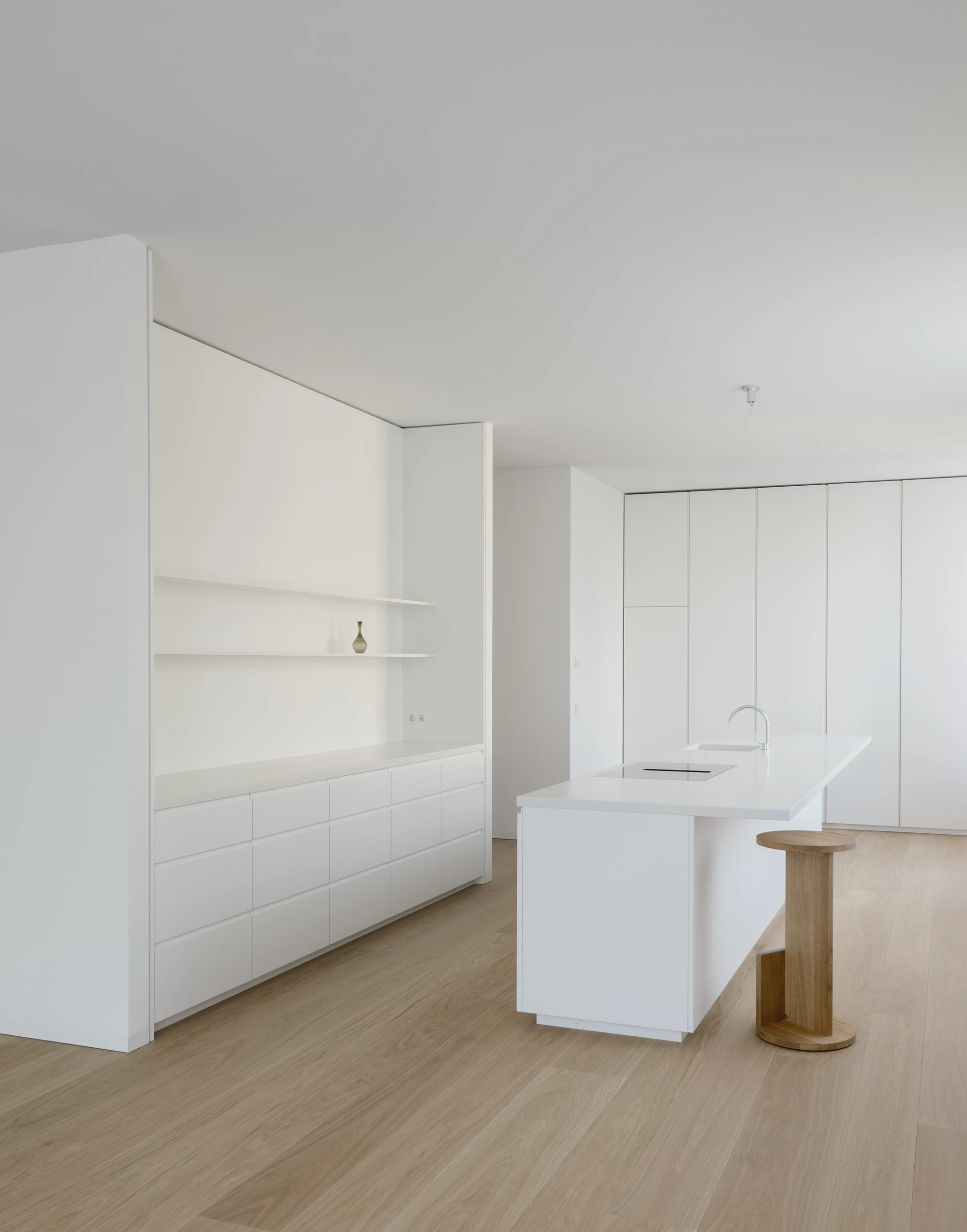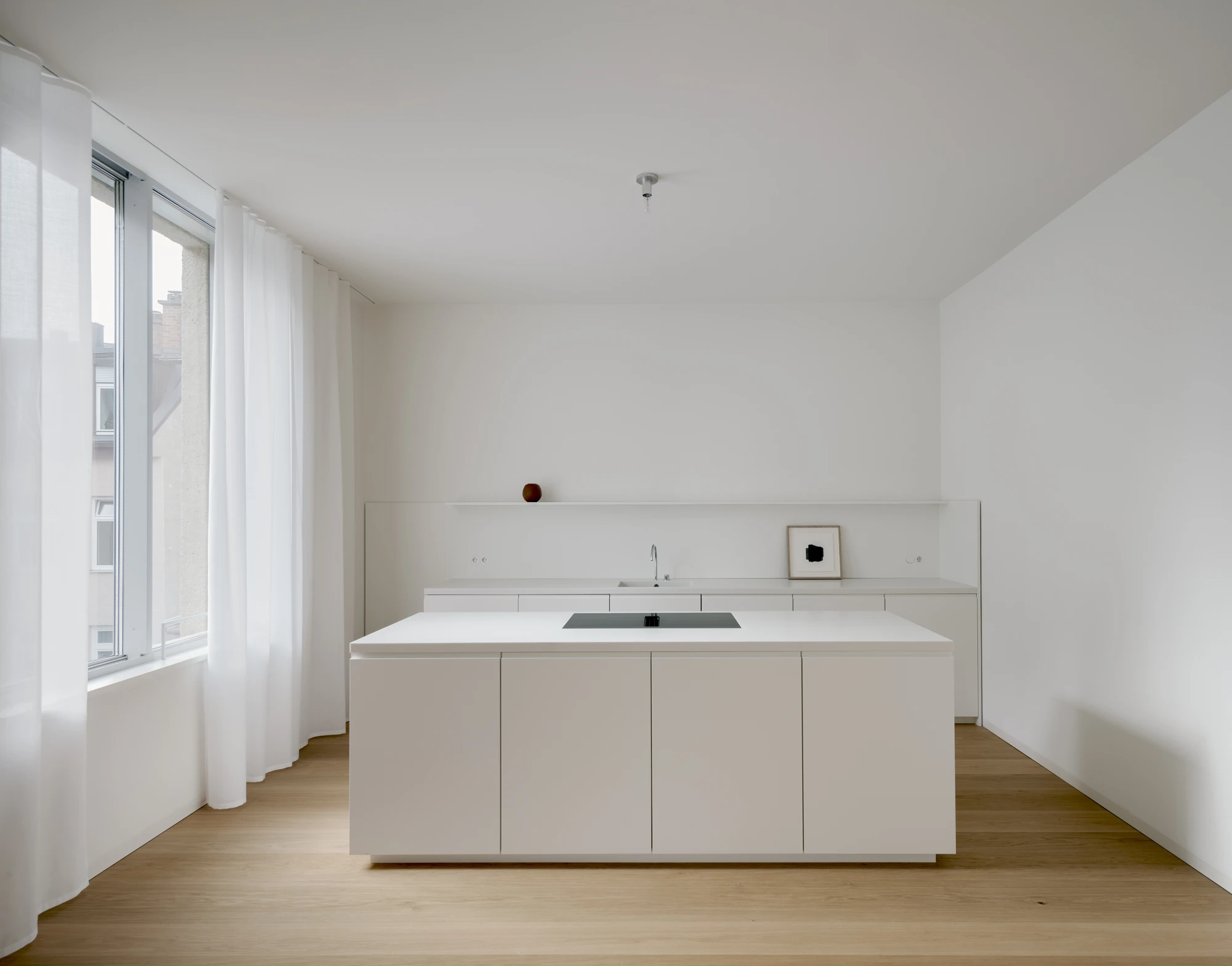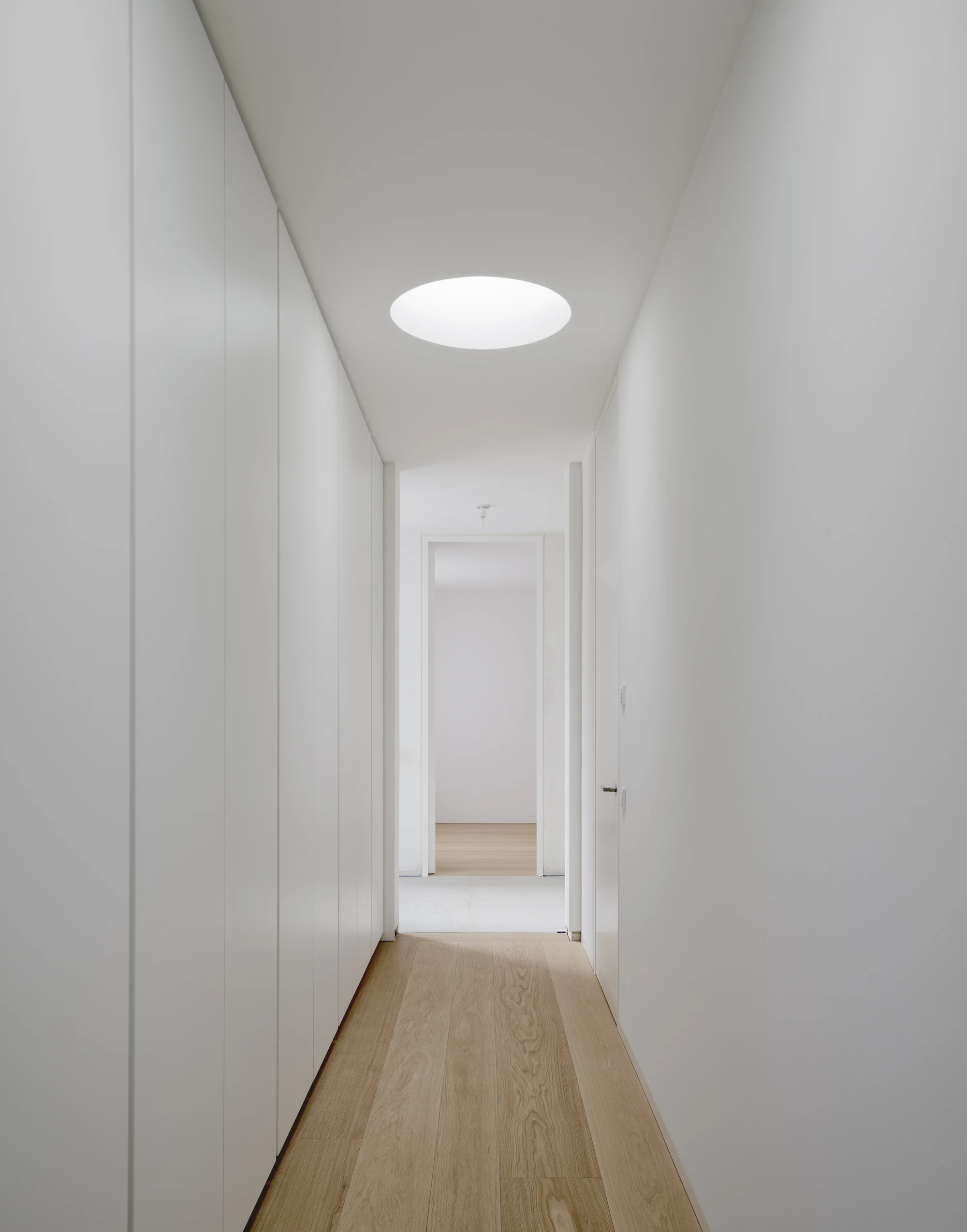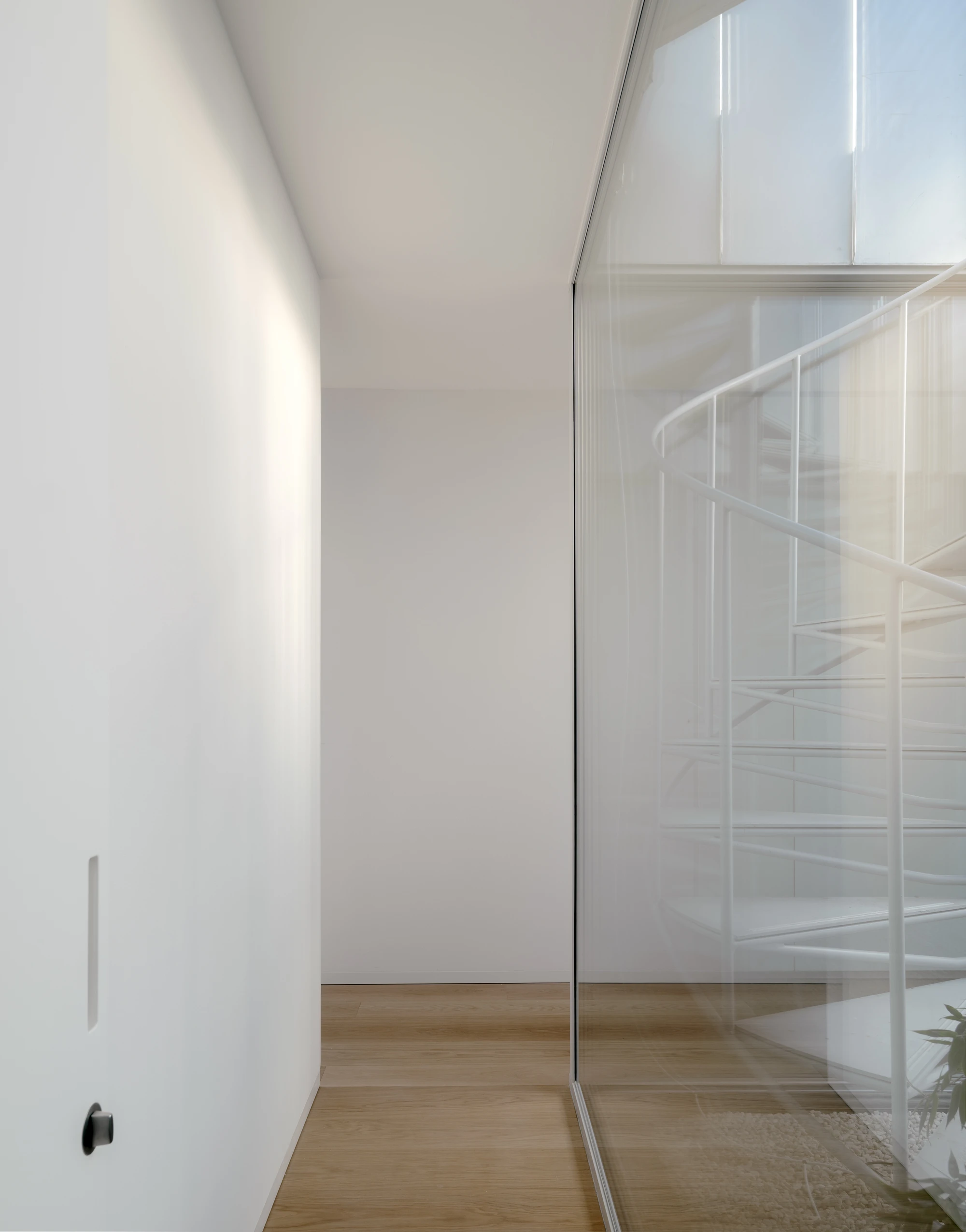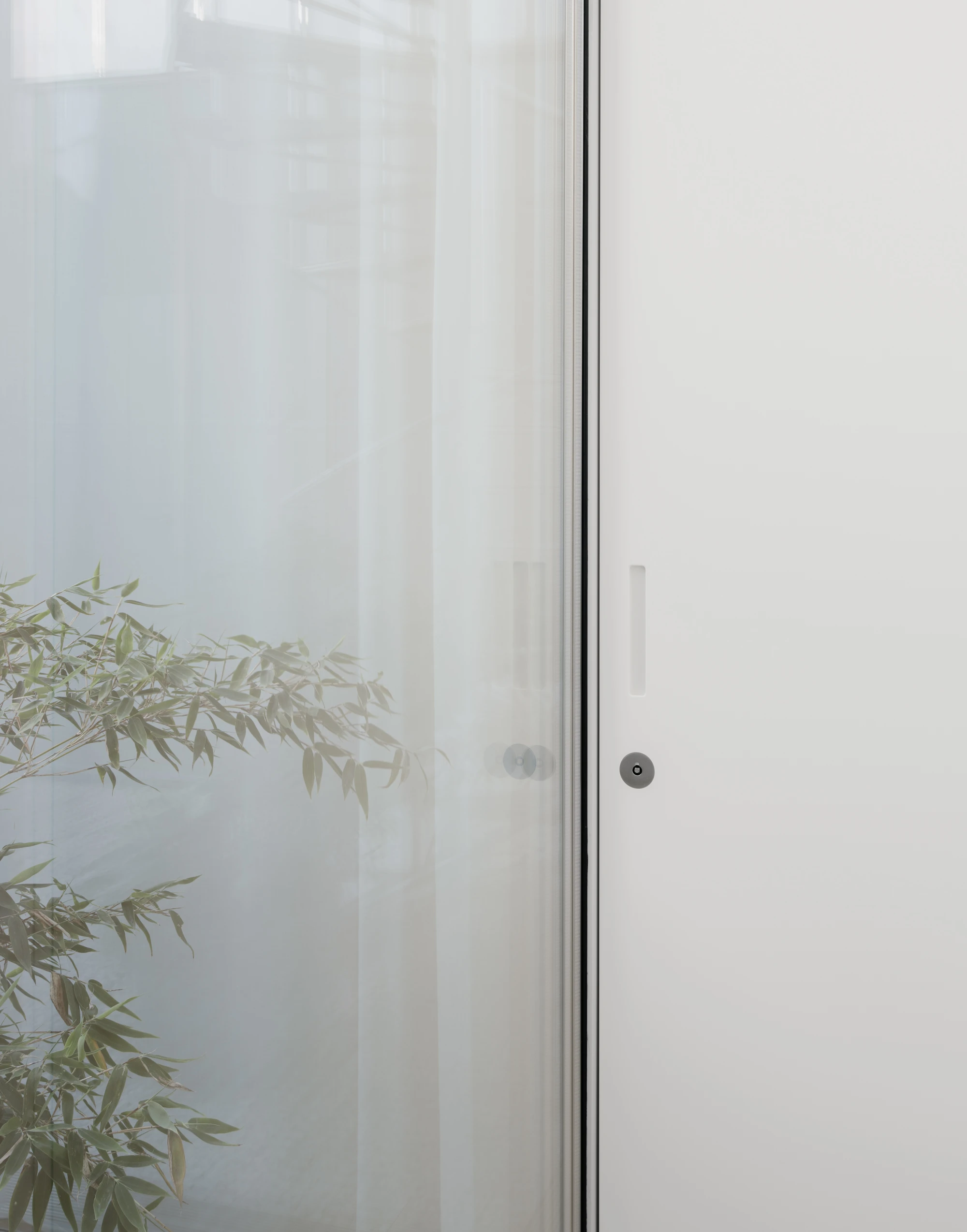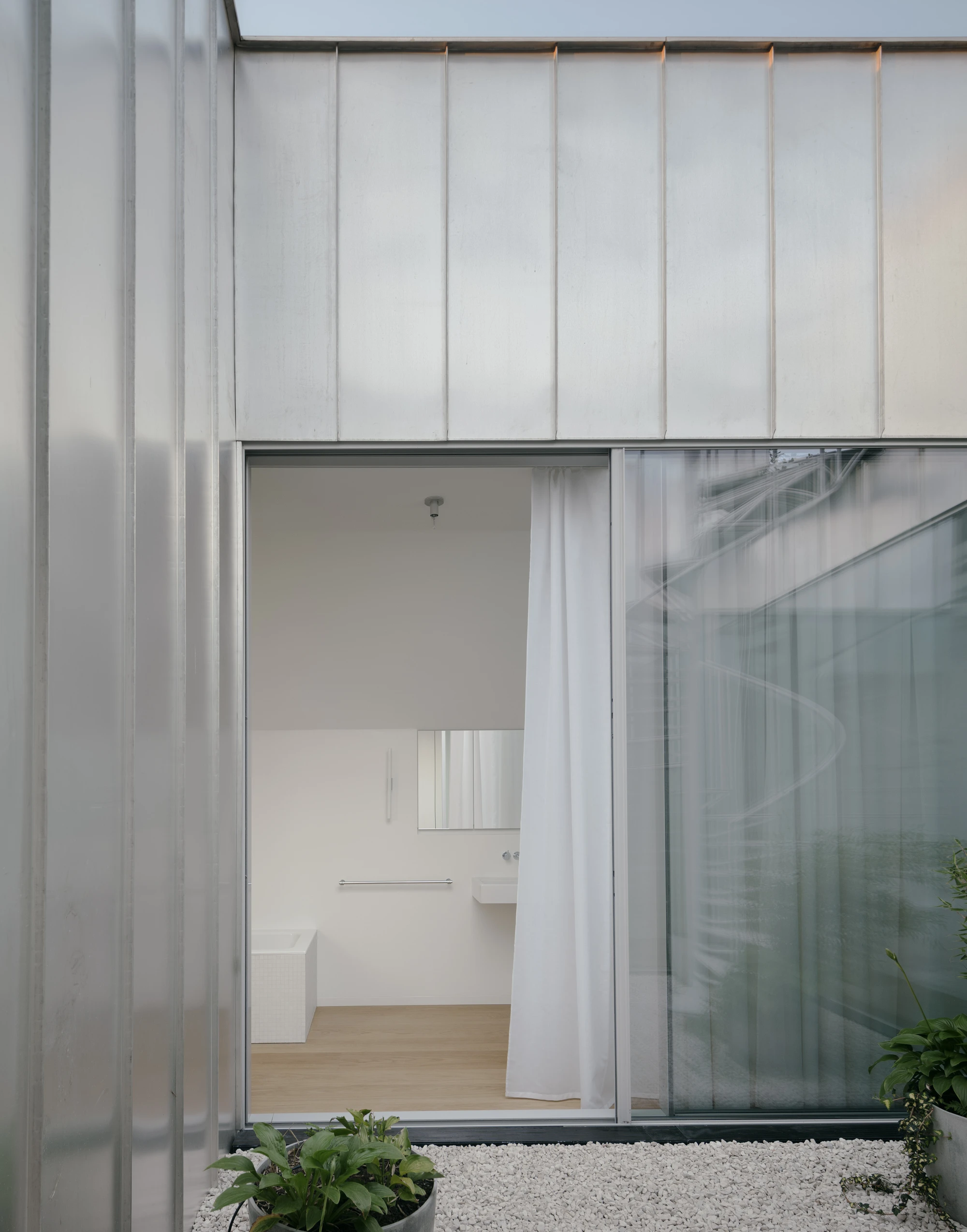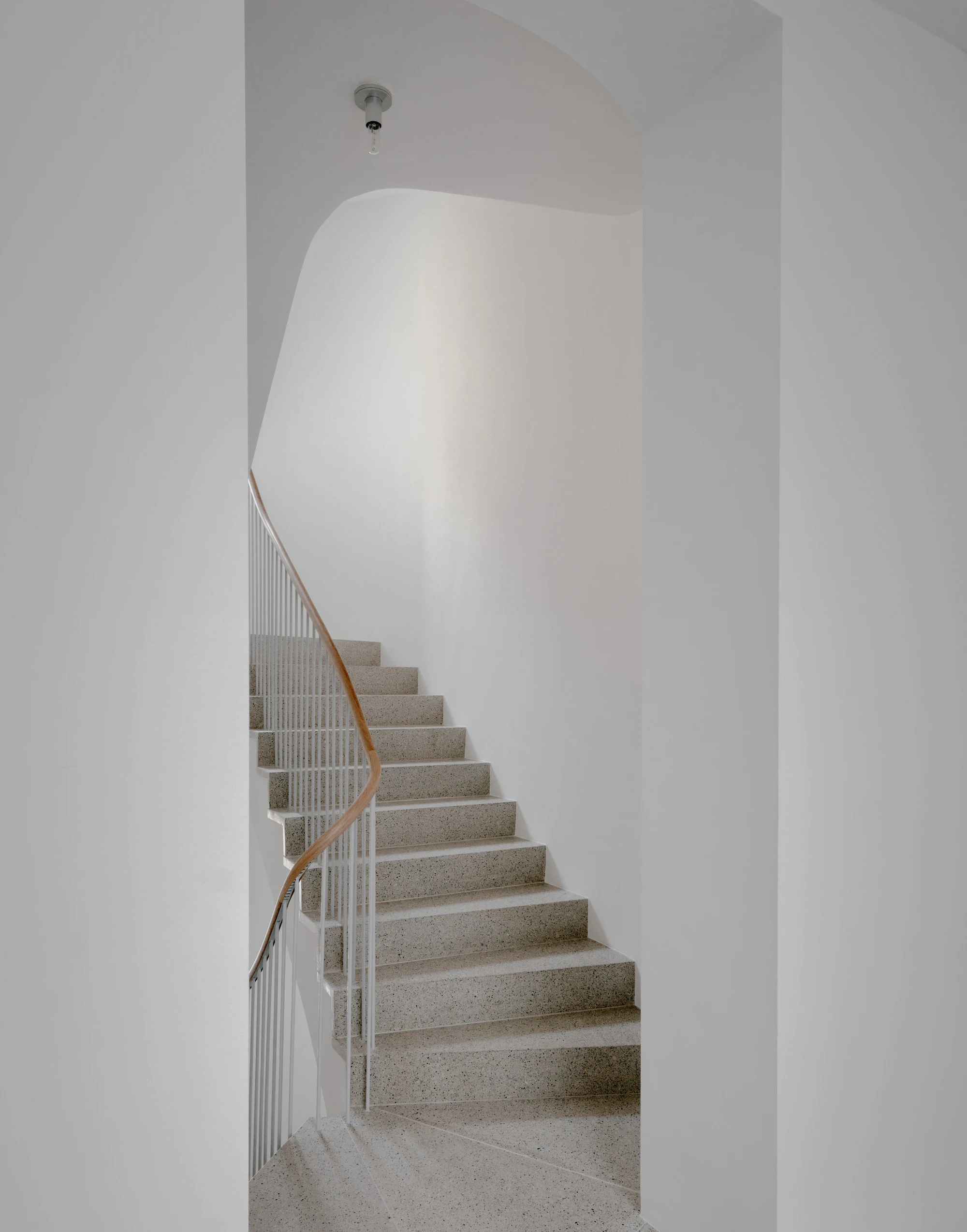
Ursulastraße 6 by Studio Mark Randel fulfils Theodor Fischer's century-old pavilion plan in Munich-Altschwabing—a residential building in bush-hammered concrete that completes an urban block with civic generosity.
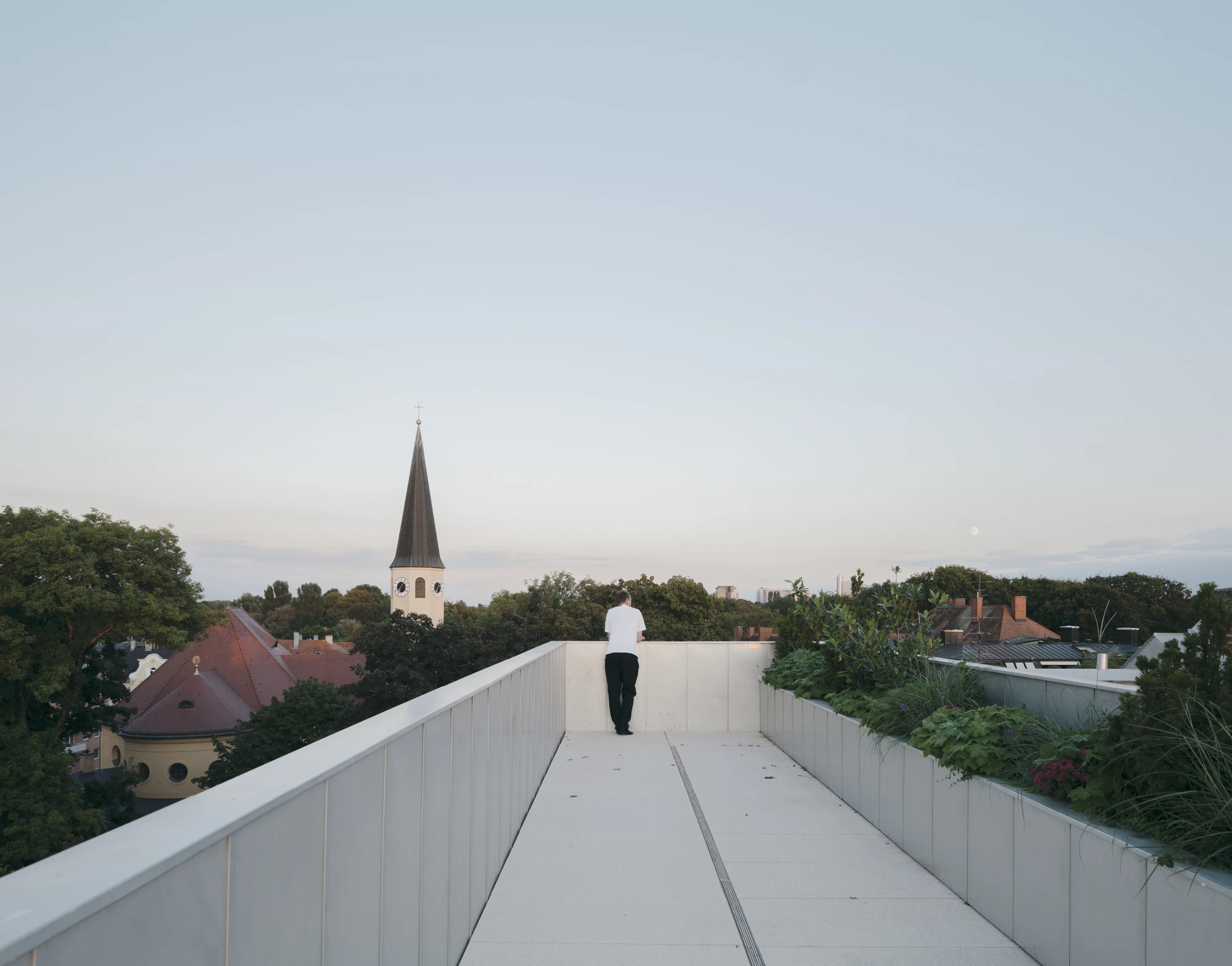
The street is short, cobblestoned, and quiet. Birdsong, children playing, the ringing of church bells—the background noise of a neighbourhood in Munich's Altschwabing that, for all its demographic shifts in recent decades, still holds onto an artistic and free-thinking atmosphere. The property sits between Münchner Freiheit and the Englischer Garten, extending from the street at the front to a small church park around the historic Sankt Silvester church at the back. When the client purchased the site with its atypical low-rise 1920s building, Studio Mark Randel, with the personal participation of David Chipperfield, saw an opportunity not just to build but to finish something that had been waiting over a hundred years.
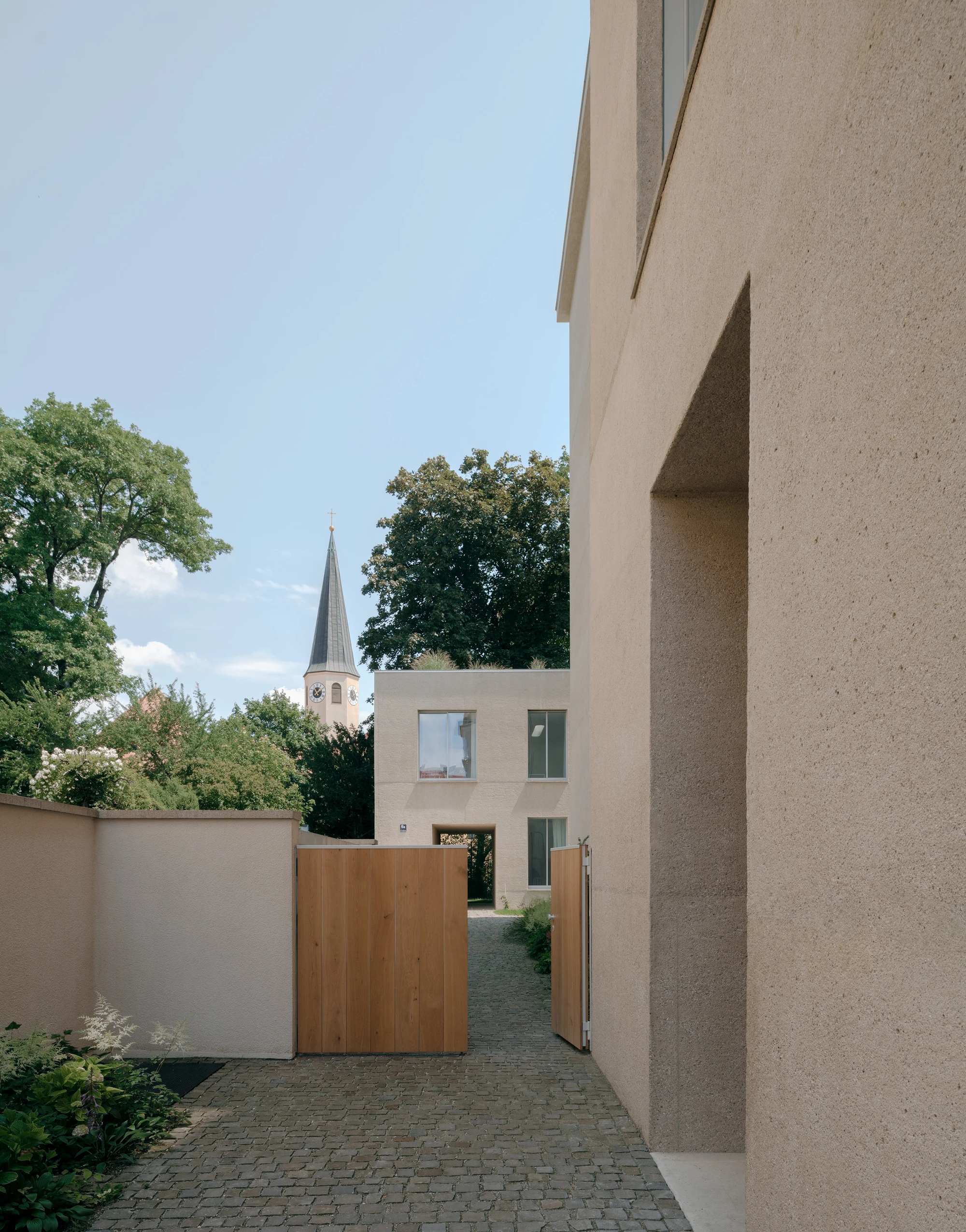
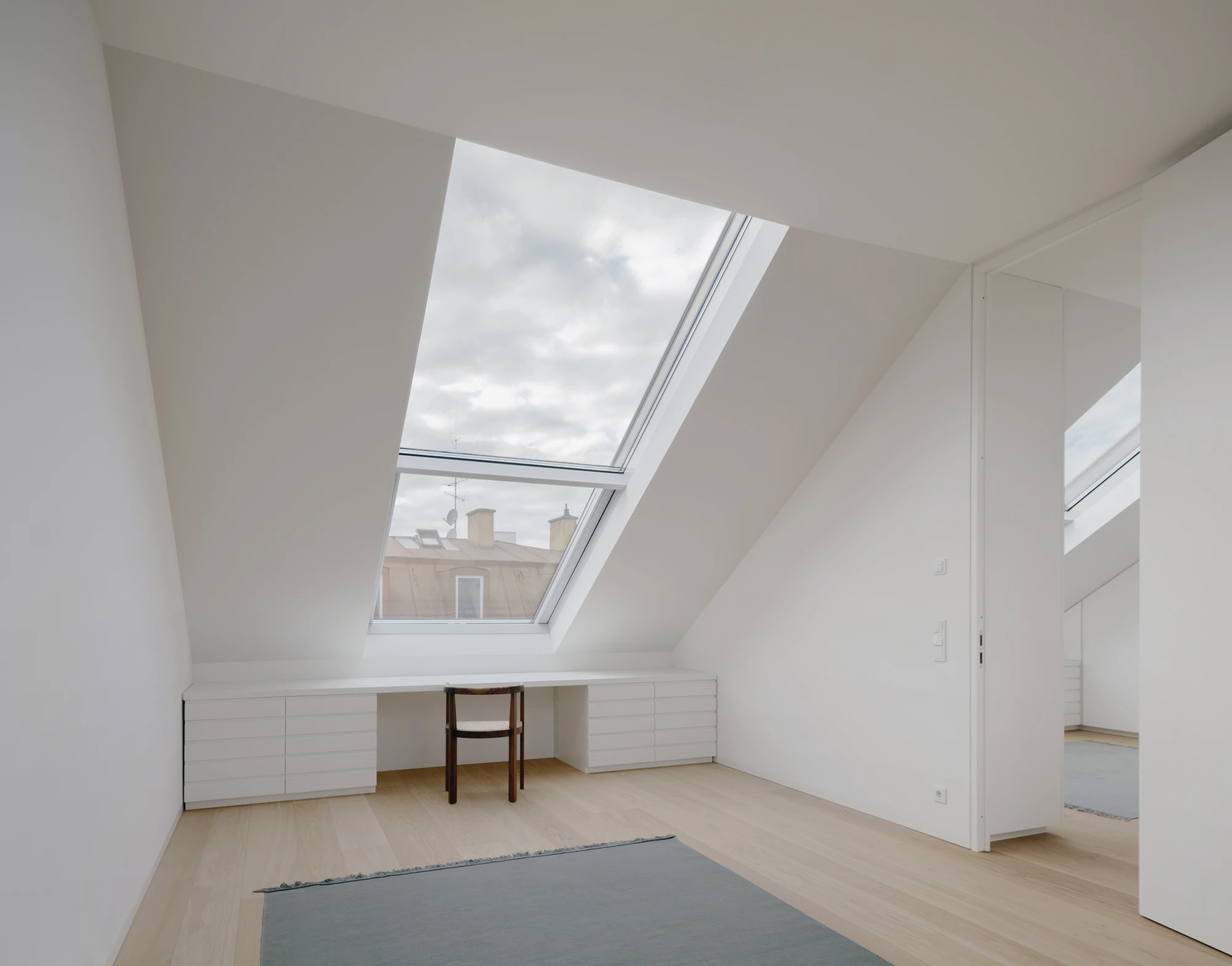
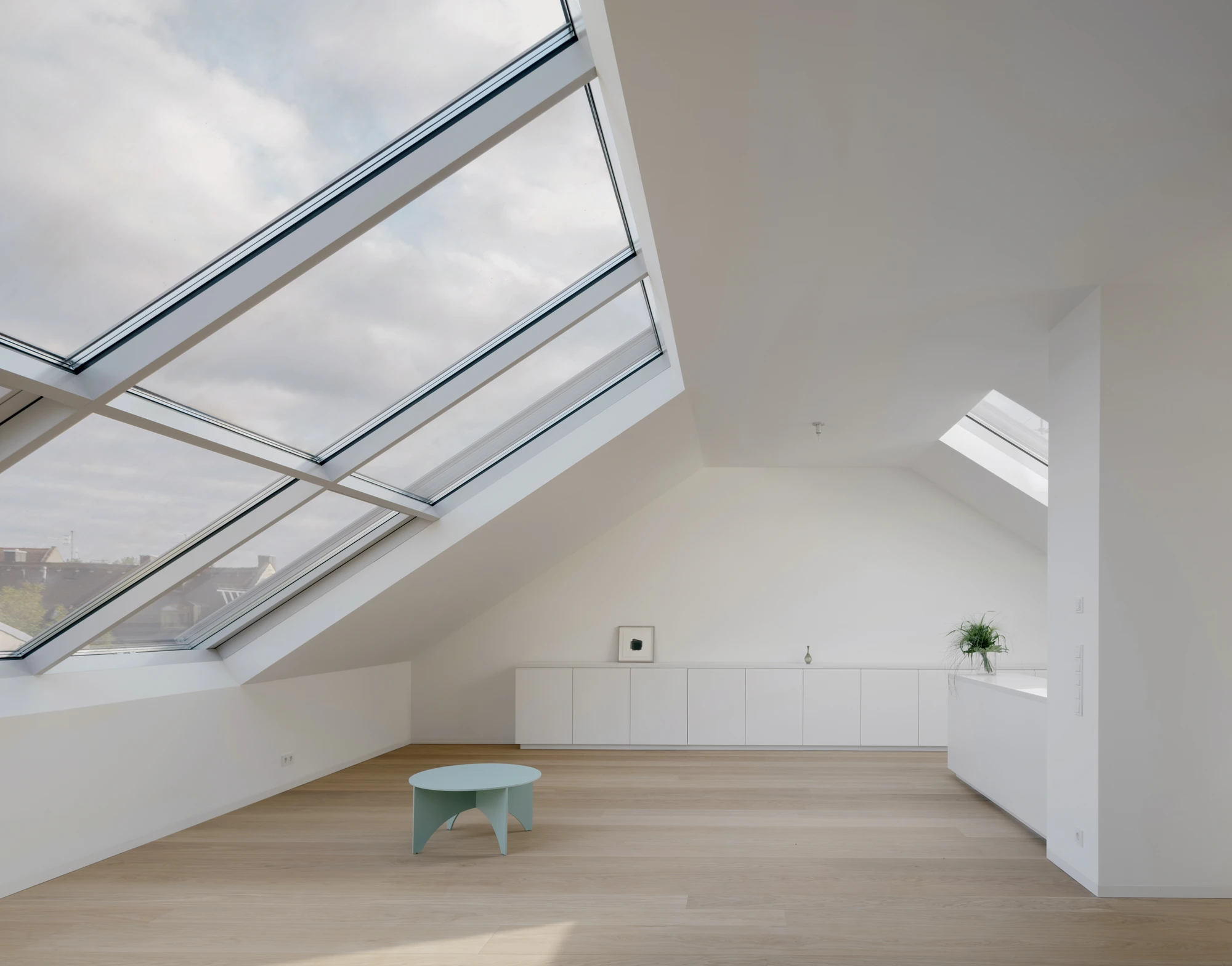
The starting point was Theodor Fischer's so-called pavilion plan, penned between 1893 and 1902, which envisages two U-shaped residential buildings forming a city block with a shared inner courtyard. Tree-lined driveways between the blocks and two-storey coach houses in the rear break up the roadside facades; views open up into semi-private spaces. Fischer's urban designs served as building regulations across much of Munich until the 1970s, but this particular block was never completed. Studio Mark Randel decided to fulfil the original vision—replicating the neighbouring building's floor plan and roof shape exactly, aligning floor heights and eaves to complete the urban form. "This could only work if we maintained the ceiling height of apartments built in the 18th and 19th centuries," they note. The client, to their credit, agreed, forgoing an additional floor.
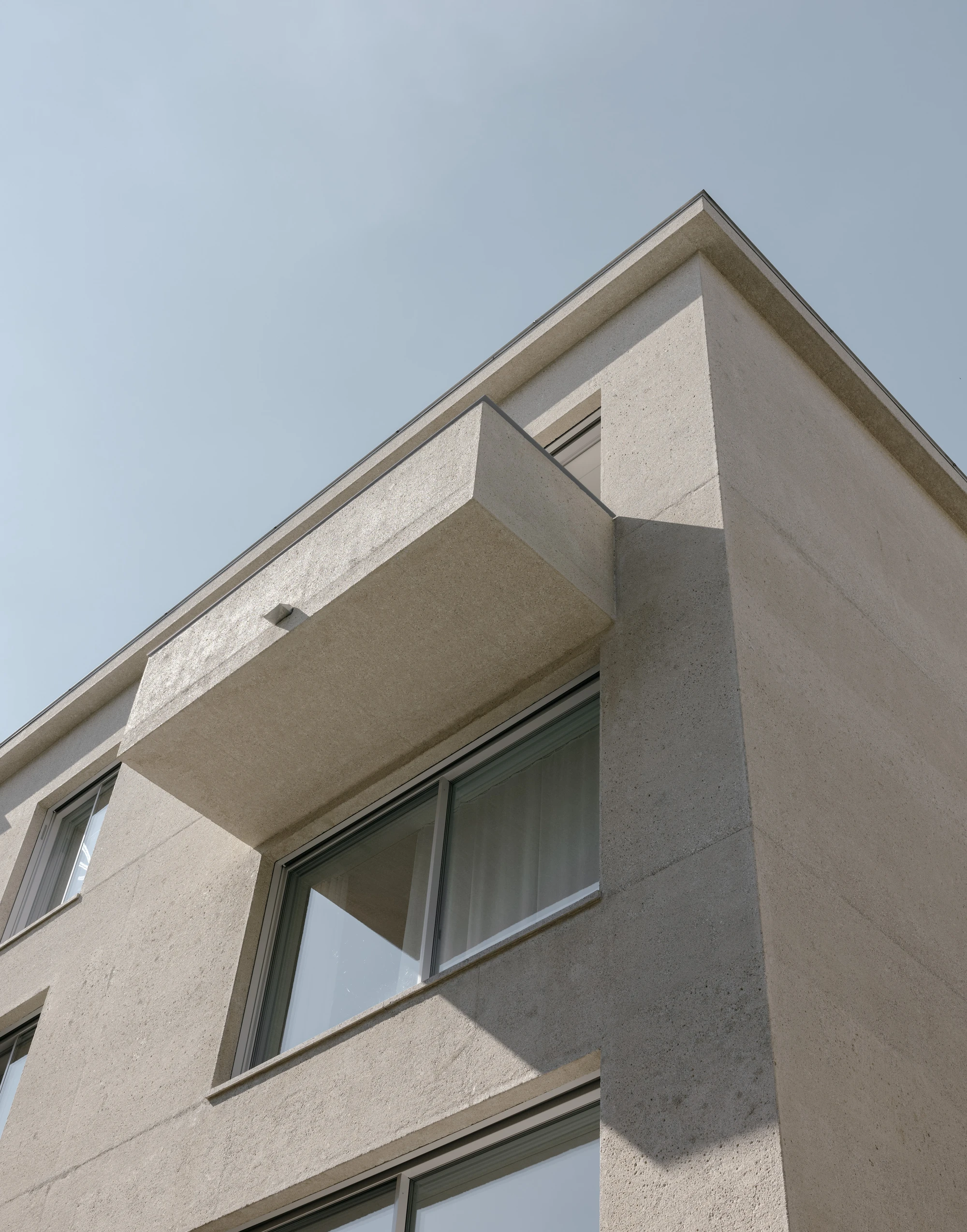
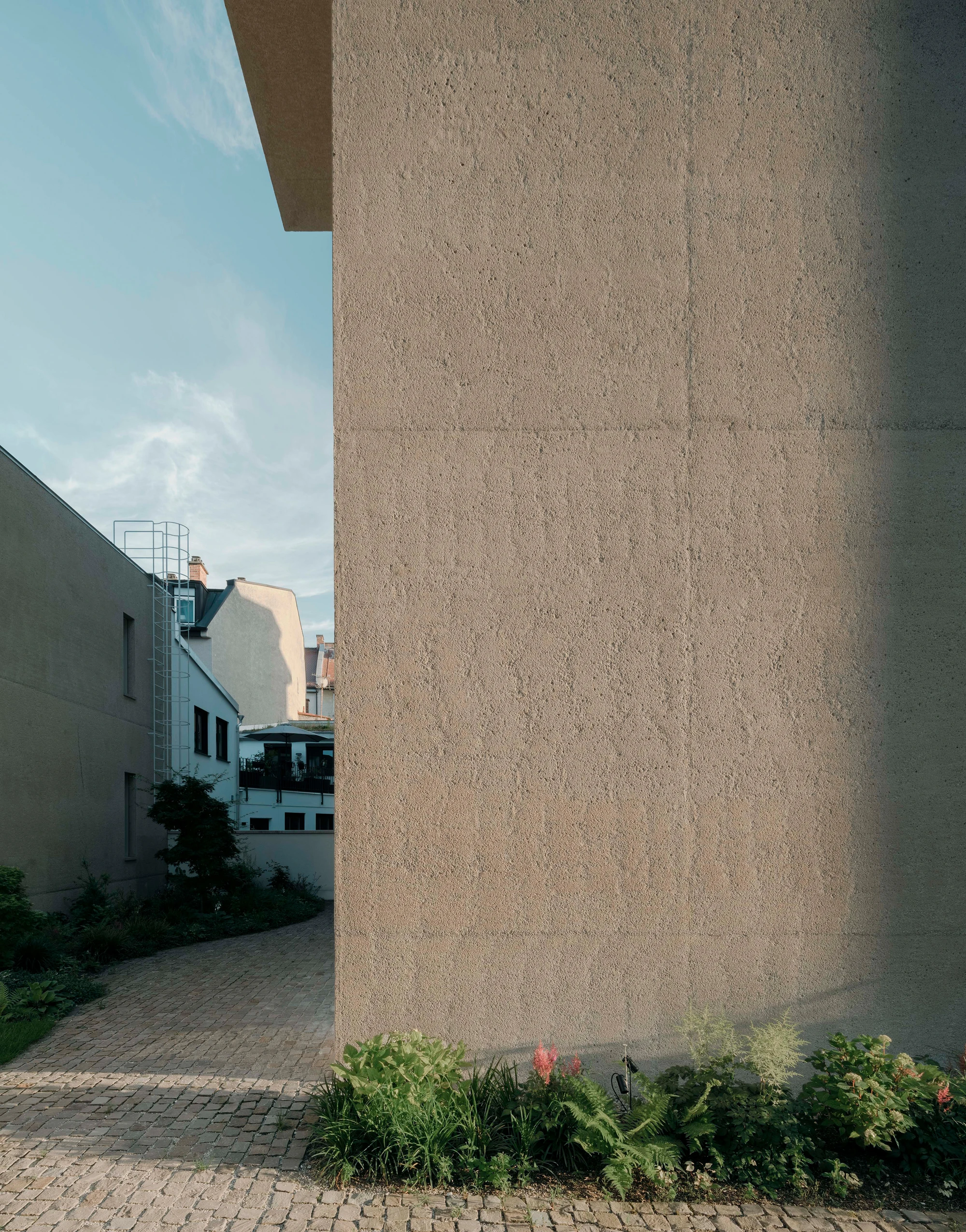
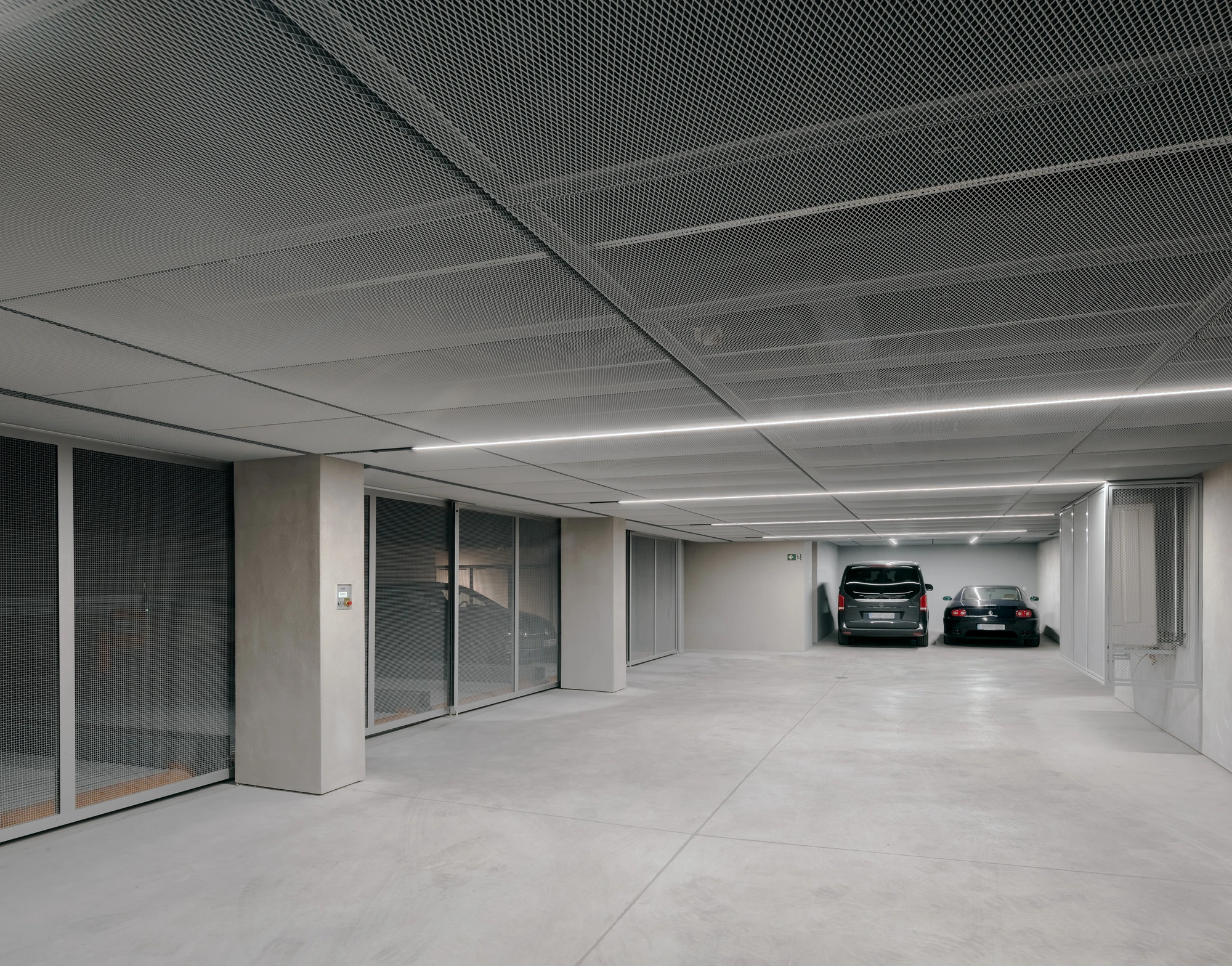
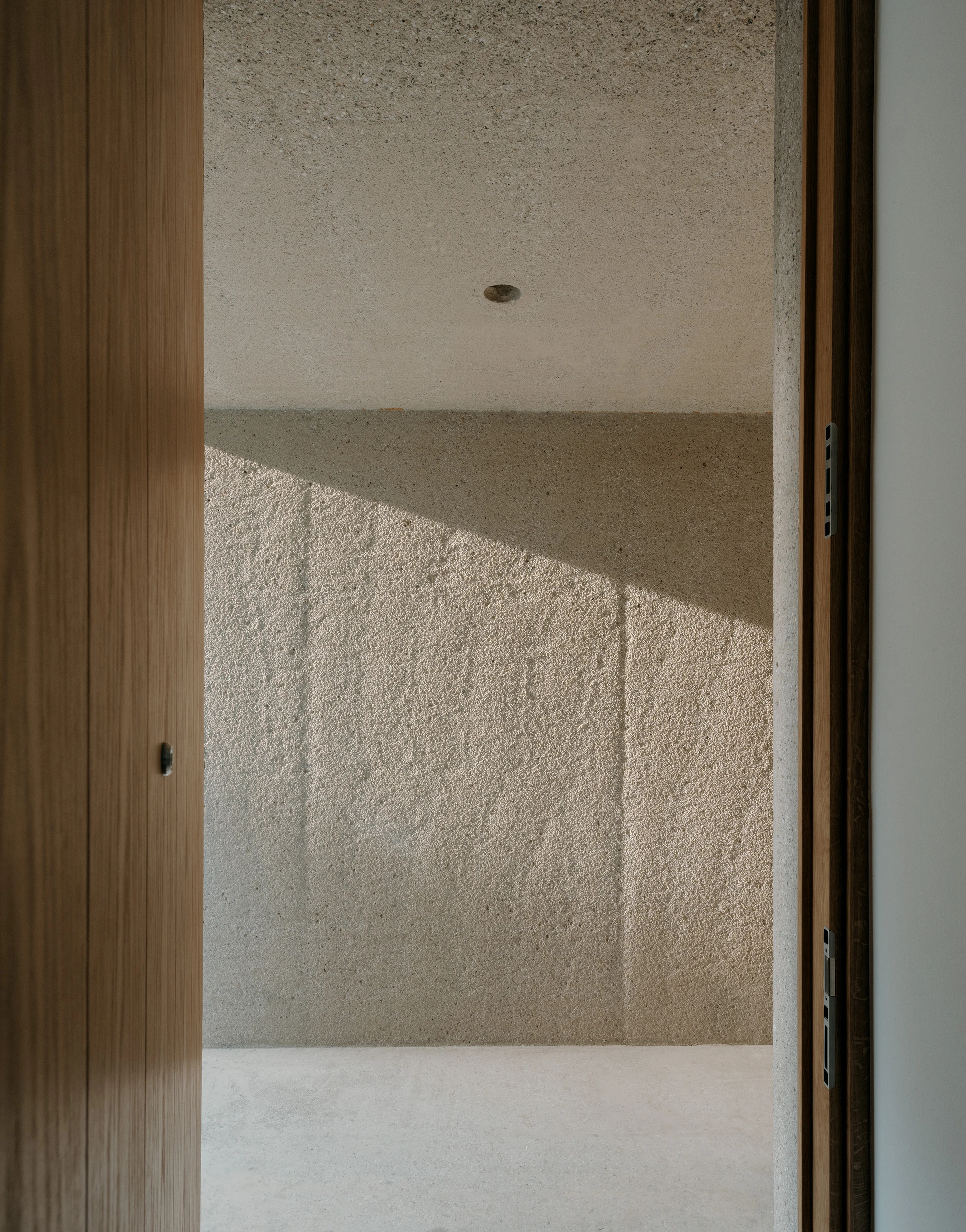
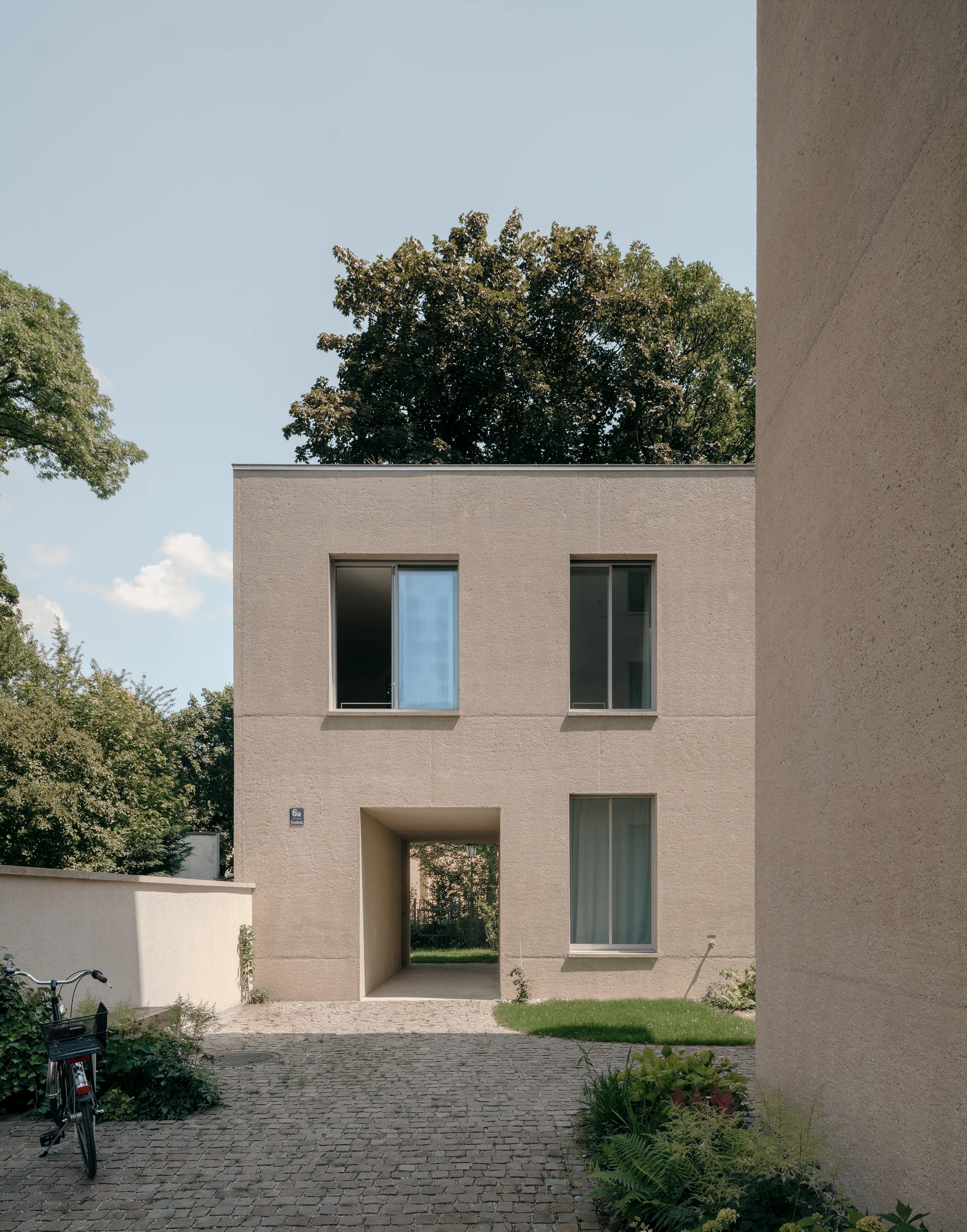
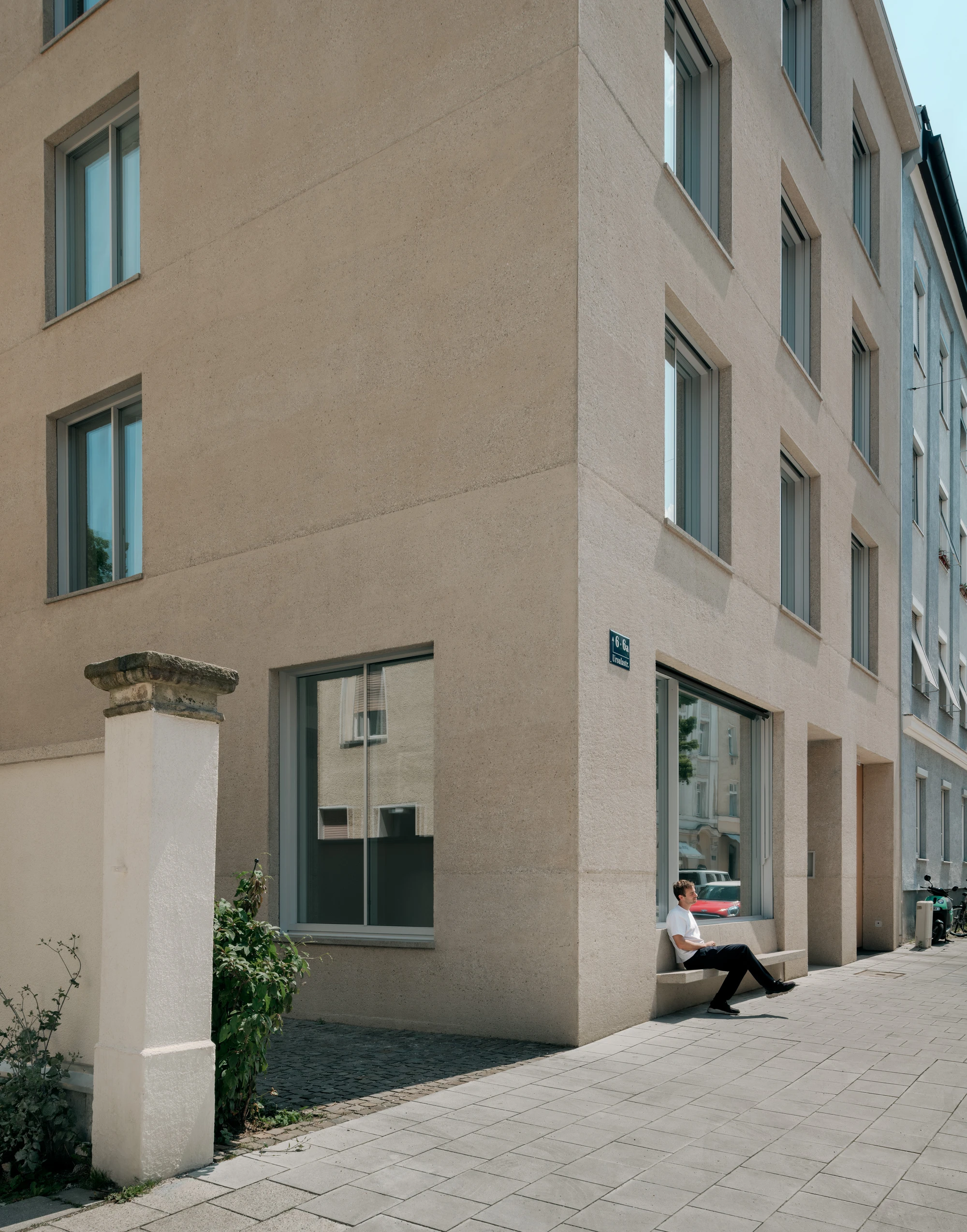
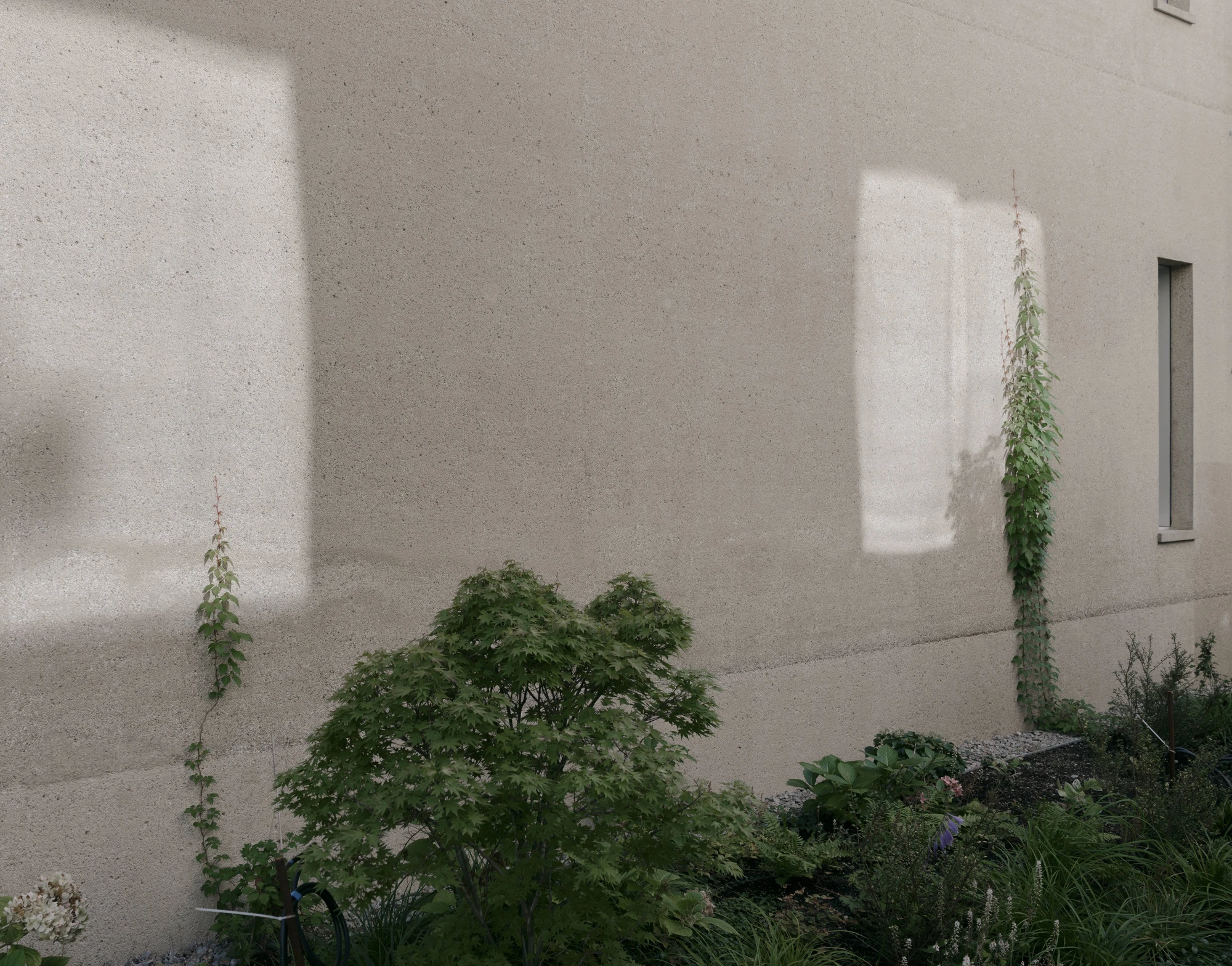
The facade conveys permanence and protection. Bush-hammered concrete, with its plasticity and perceived heaviness, blends with the roughly plastered buildings of the neighbourhood. The play of light and shadow in the old buildings is mirrored in the handcrafted irregularity of the concrete surface—traces of manual work visible in the grazing light give the building what the architects call "a special human touch." An underground garage, accessed via an inconspicuous car elevator, keeps the street free of automotive intrusion.
Two welcoming gestures on the ground floor anchor the building in its community. A café opens generously onto the street, becoming part of the street space and filling it with life. A permanently installed bench invites people to linger at all times of day and night, offering both passers-by and residents a spot in the evening sun. These are not programmatic additions but acts of urban courtesy—the building giving something back to the neighbourhood it joins.
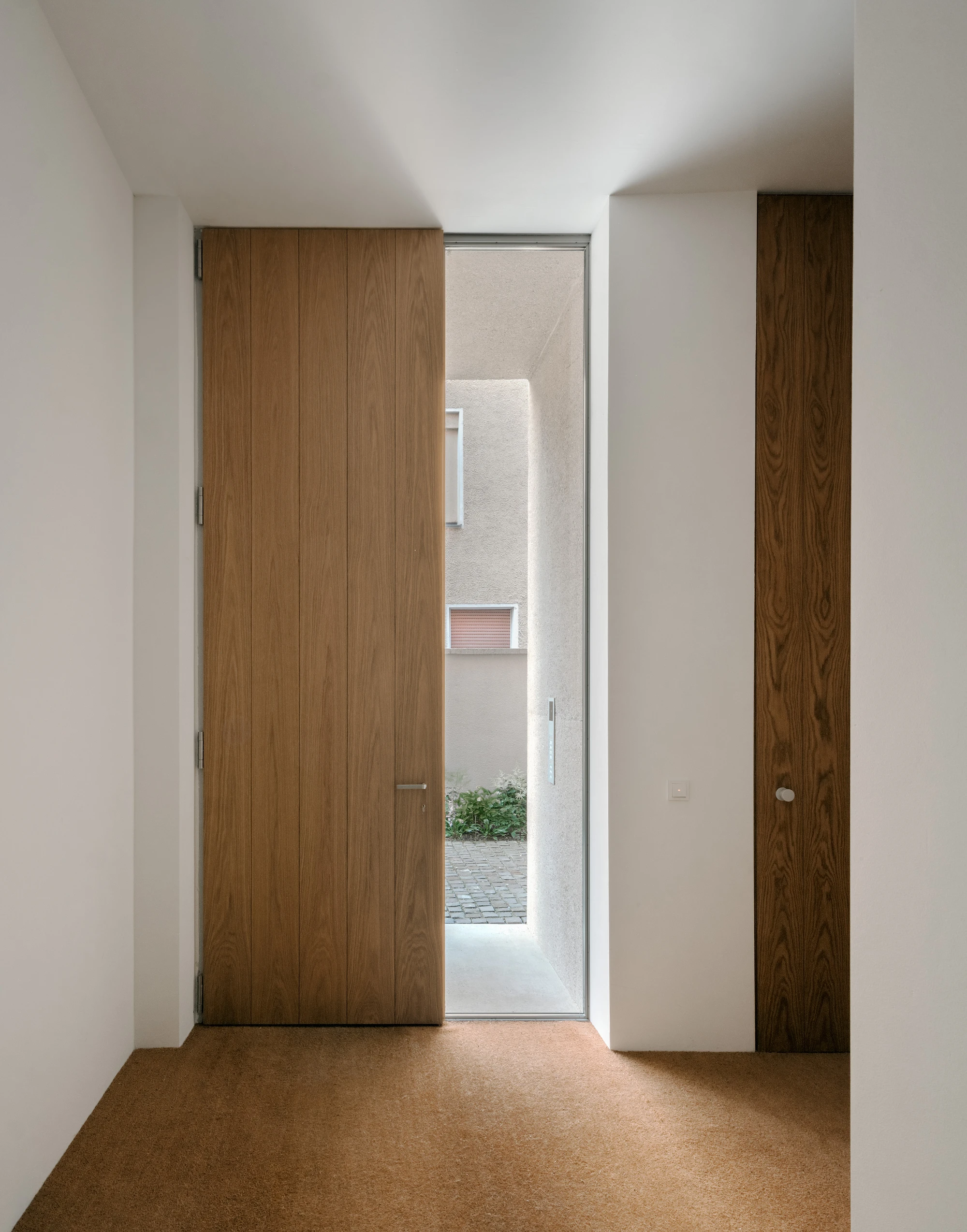
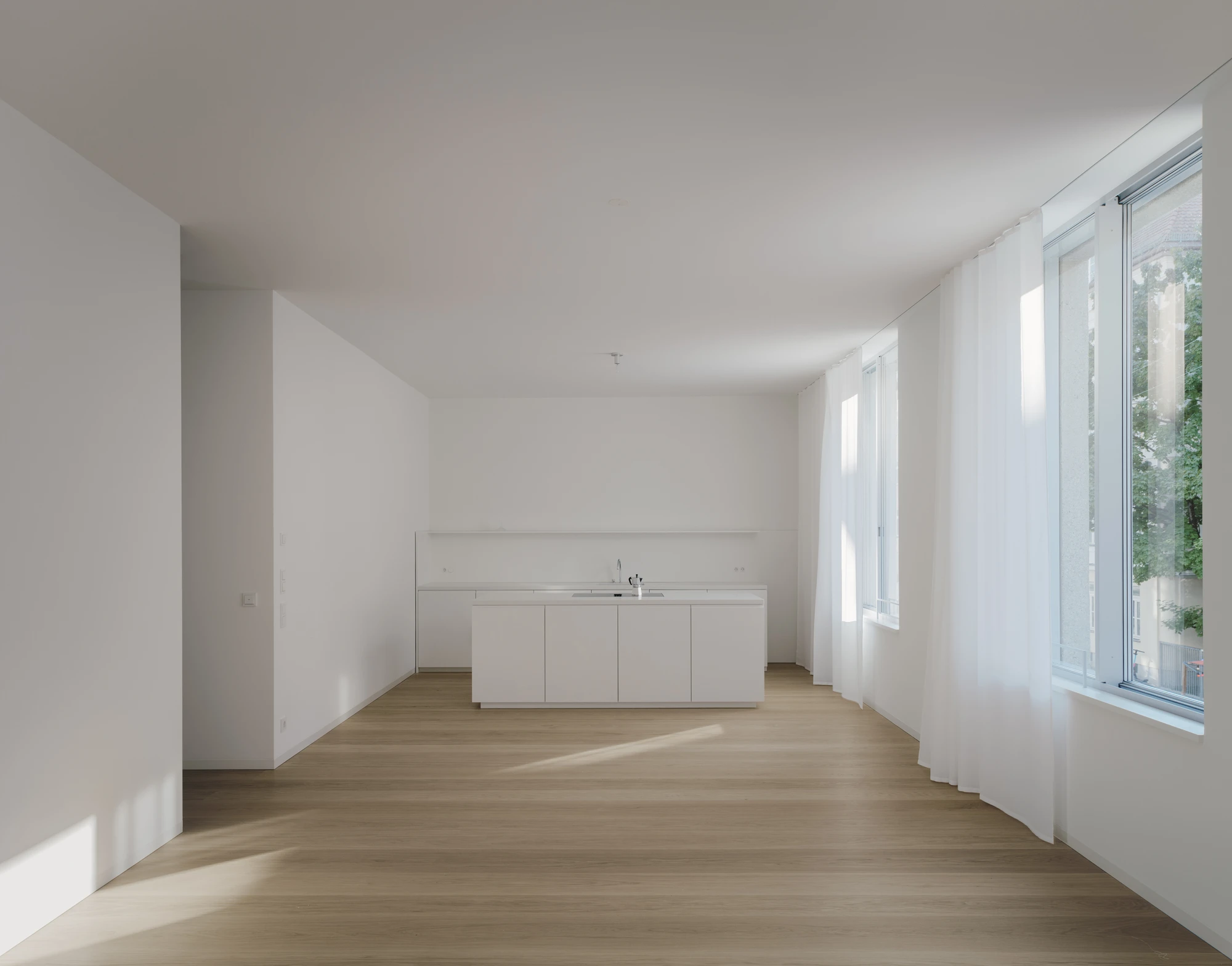
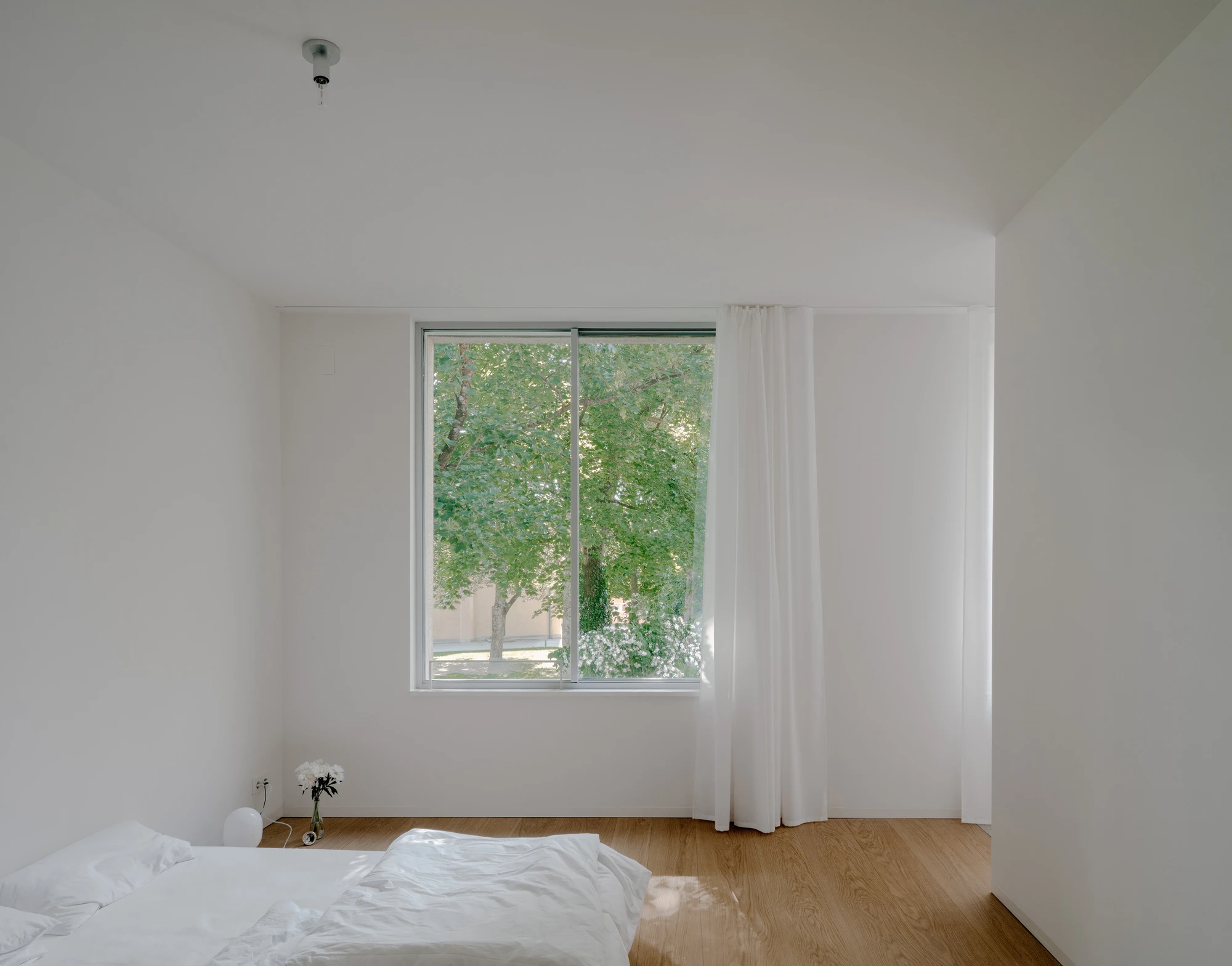
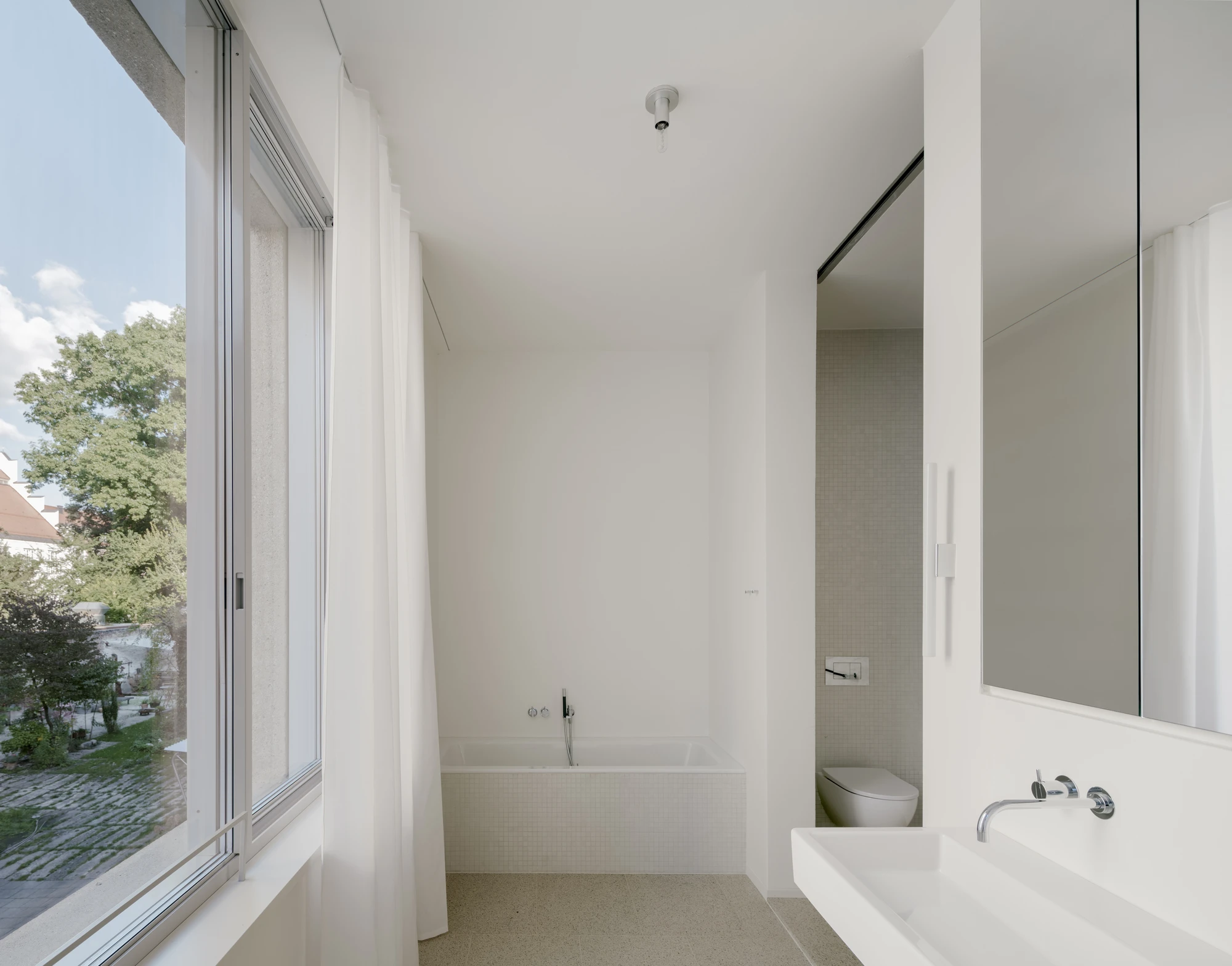
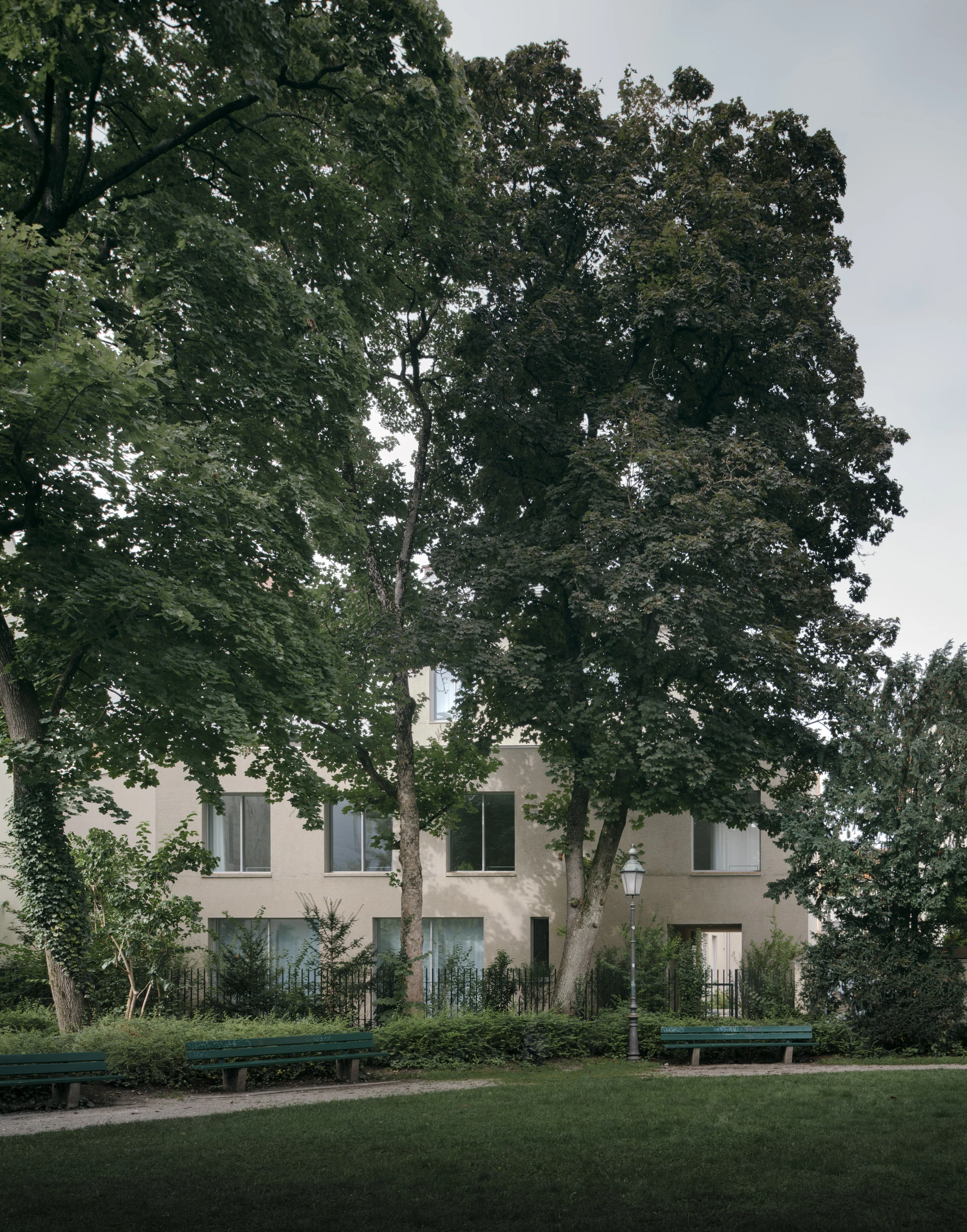
The windows deserve attention. While room heights correspond to the neighbouring building, the new windows are significantly larger—low balustrades and full room-height glazing increase the view outward so that the surroundings become a defining part of the interior. The proximity of opposite buildings and the mature trees reinforces a sense of connection with the area and its history, lending the living spaces what the architects describe as "a special atmosphere of tranquility." At the back, a sheltered two-storey coach house with its own garden and a passage connecting to the main entrance offers the possibility of someday entering the small church park via a garden gate.
Photographed by Simon Menges, Ursulastraße 6 is a rare thing: new architecture that completes rather than disrupts, that defers to a century-old urban plan not out of nostalgia but out of conviction that the plan was right. In a city where development pressure tends to maximize, the decision to build less—to honour a ceiling height, to skip a floor, to install a bench—is itself a form of architecture.