Thisispaper Community
Join today.
Enter your email address to receive the latest news on emerging art, design, lifestyle and tech from Thisispaper, delivered straight to your inbox.
Oops! Something went wrong while submitting the form.
Instant access to new channels
The top stories curated daily
Weekly roundups of what's important
Original features and deep dives
Exclusive community features
Alexander Zaxarov
Nov 3, 2026

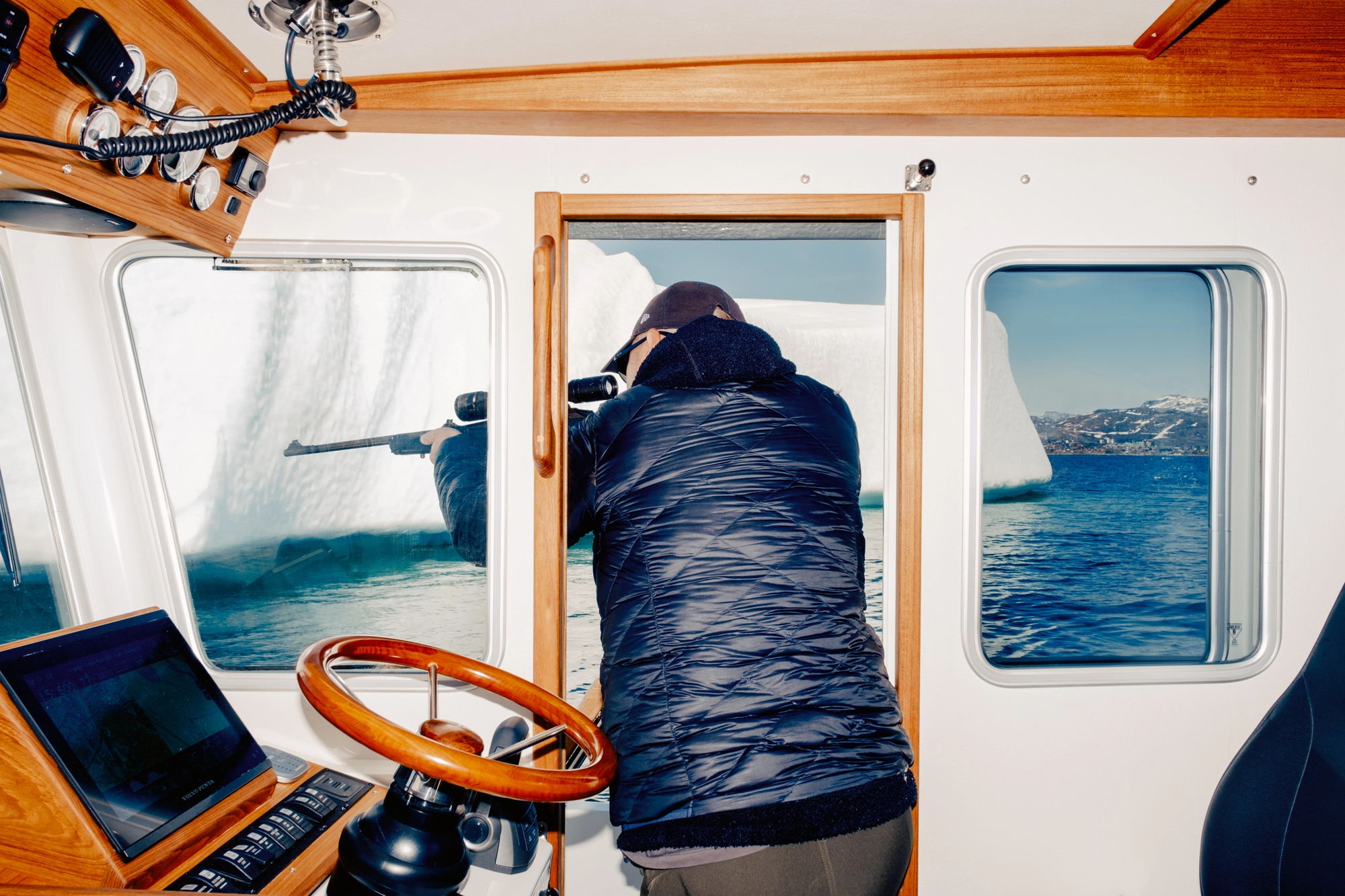
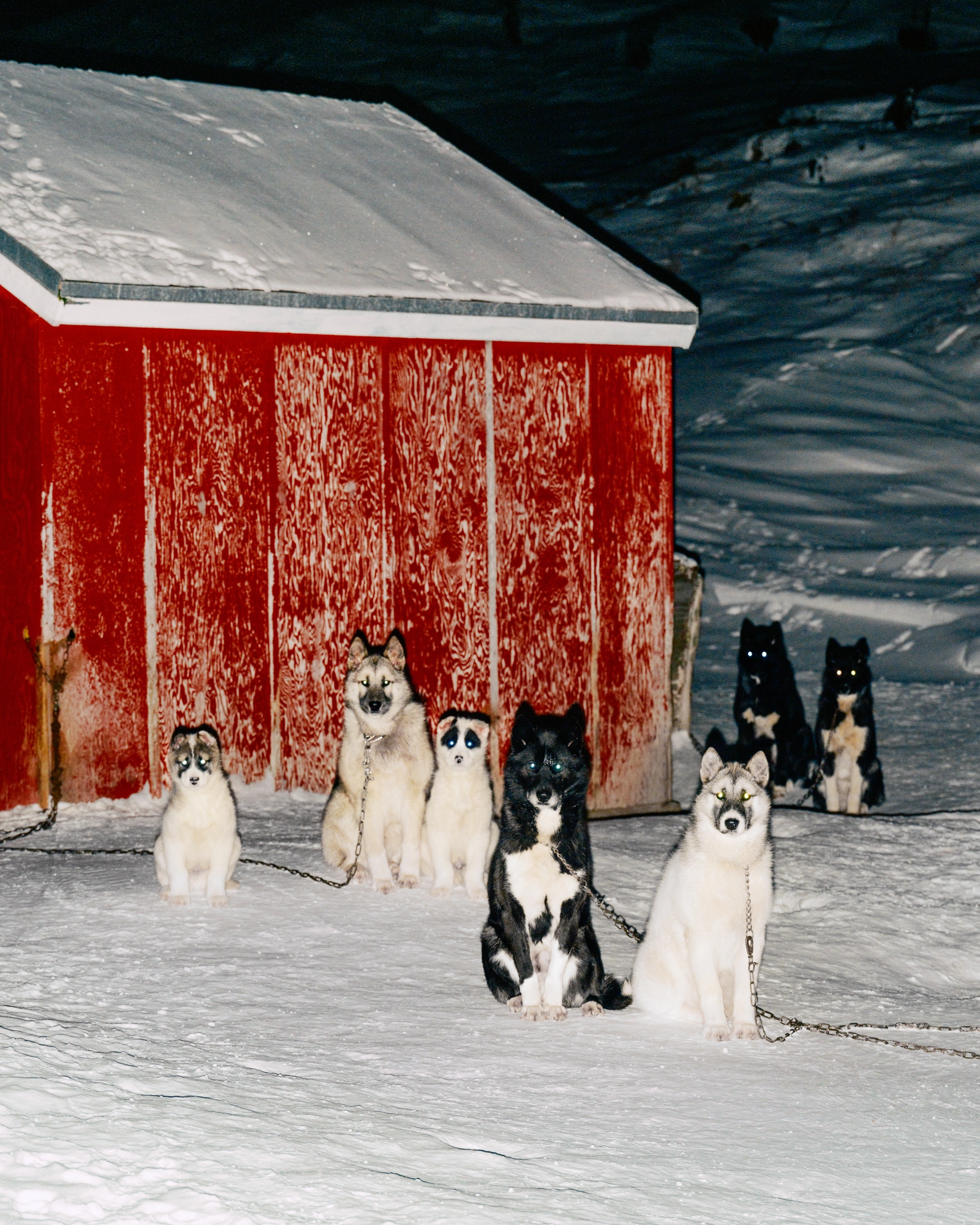
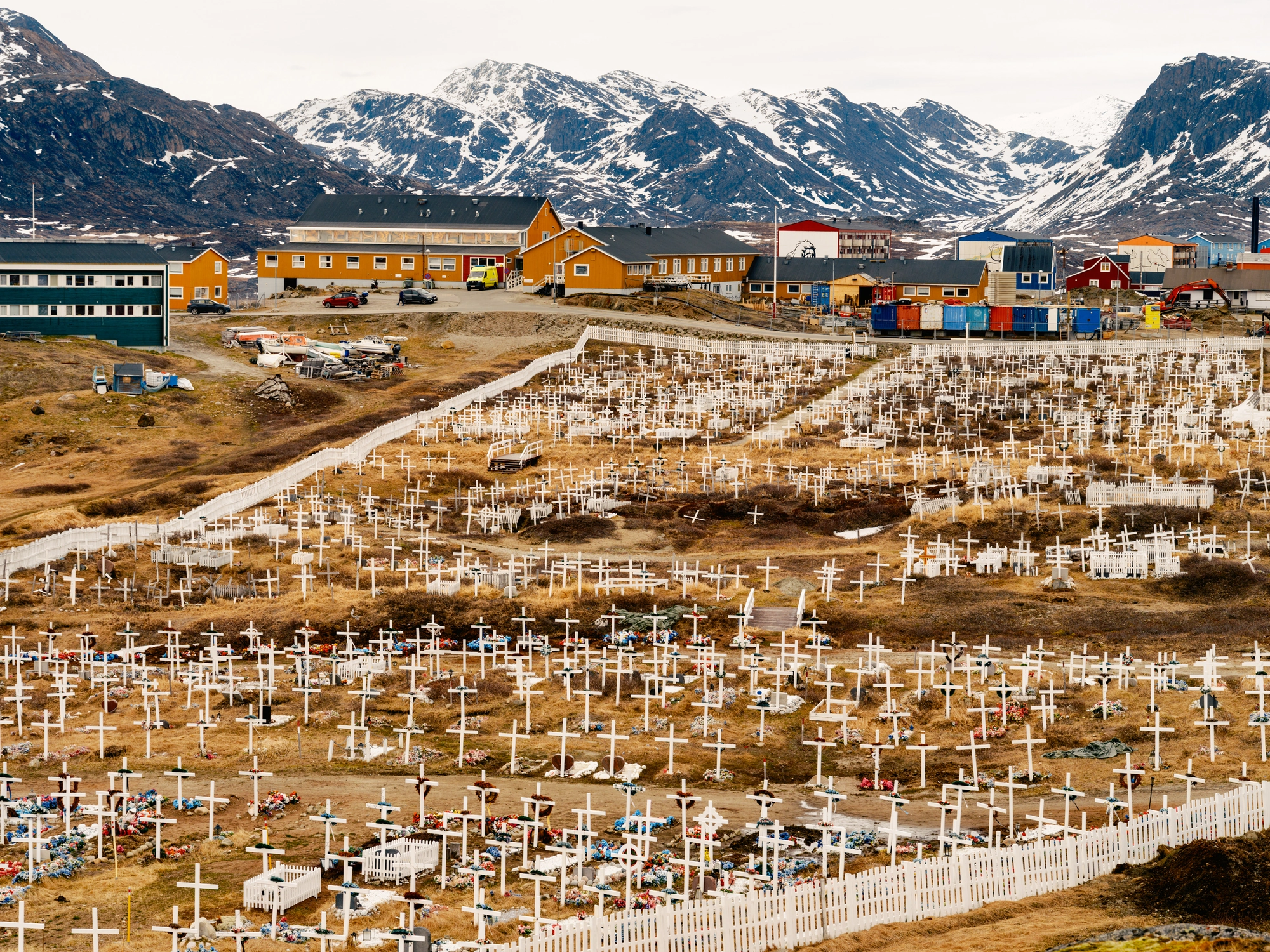
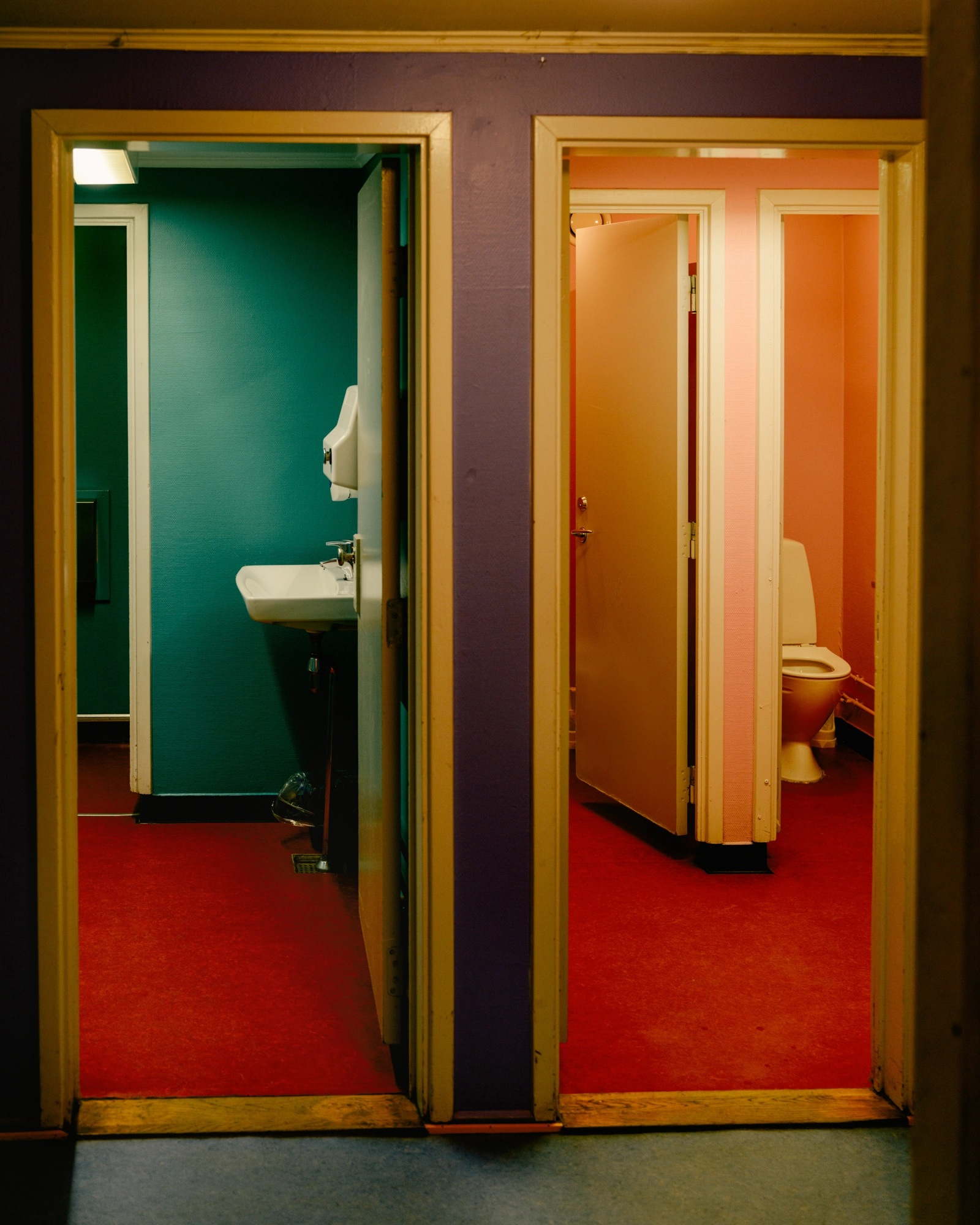
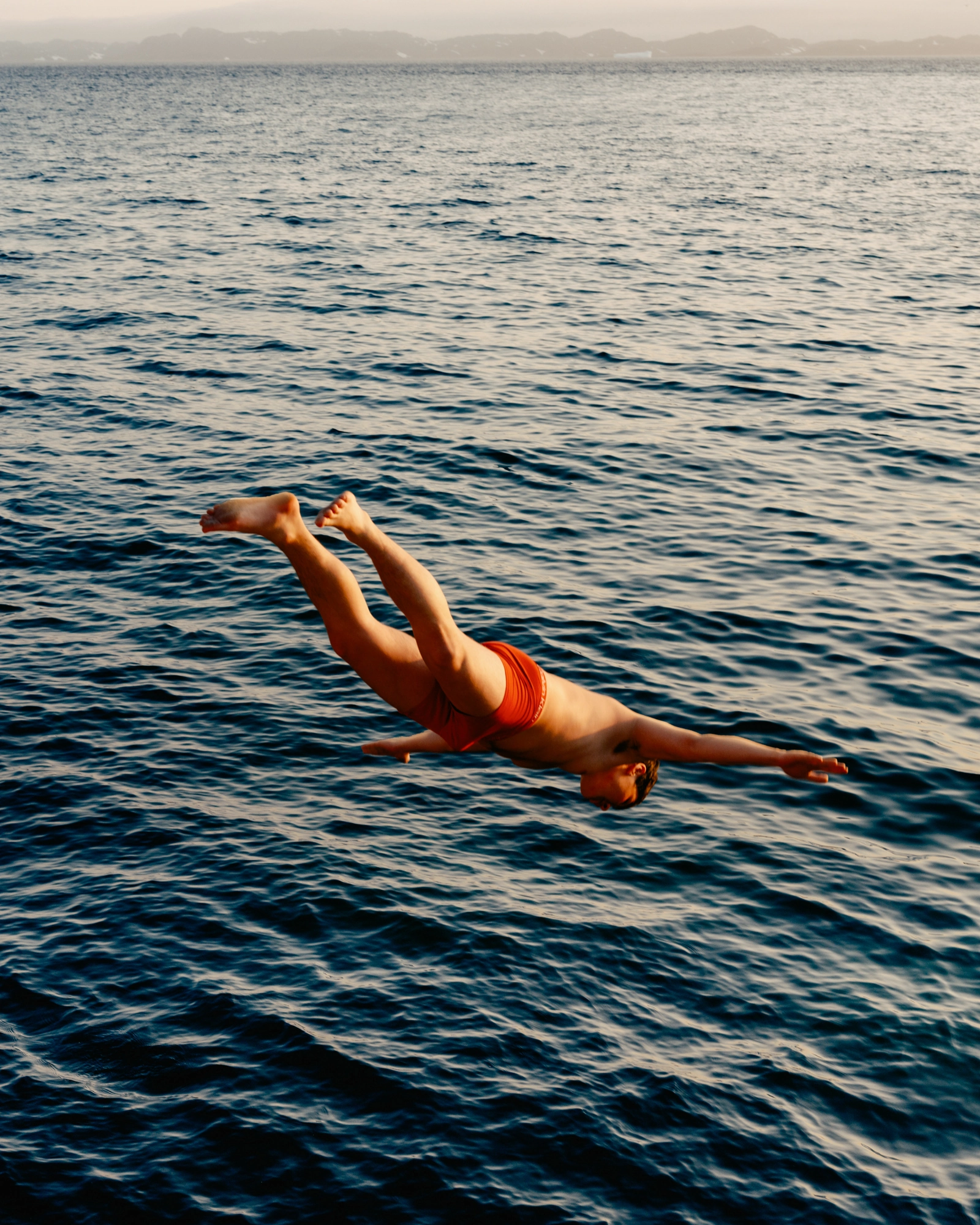
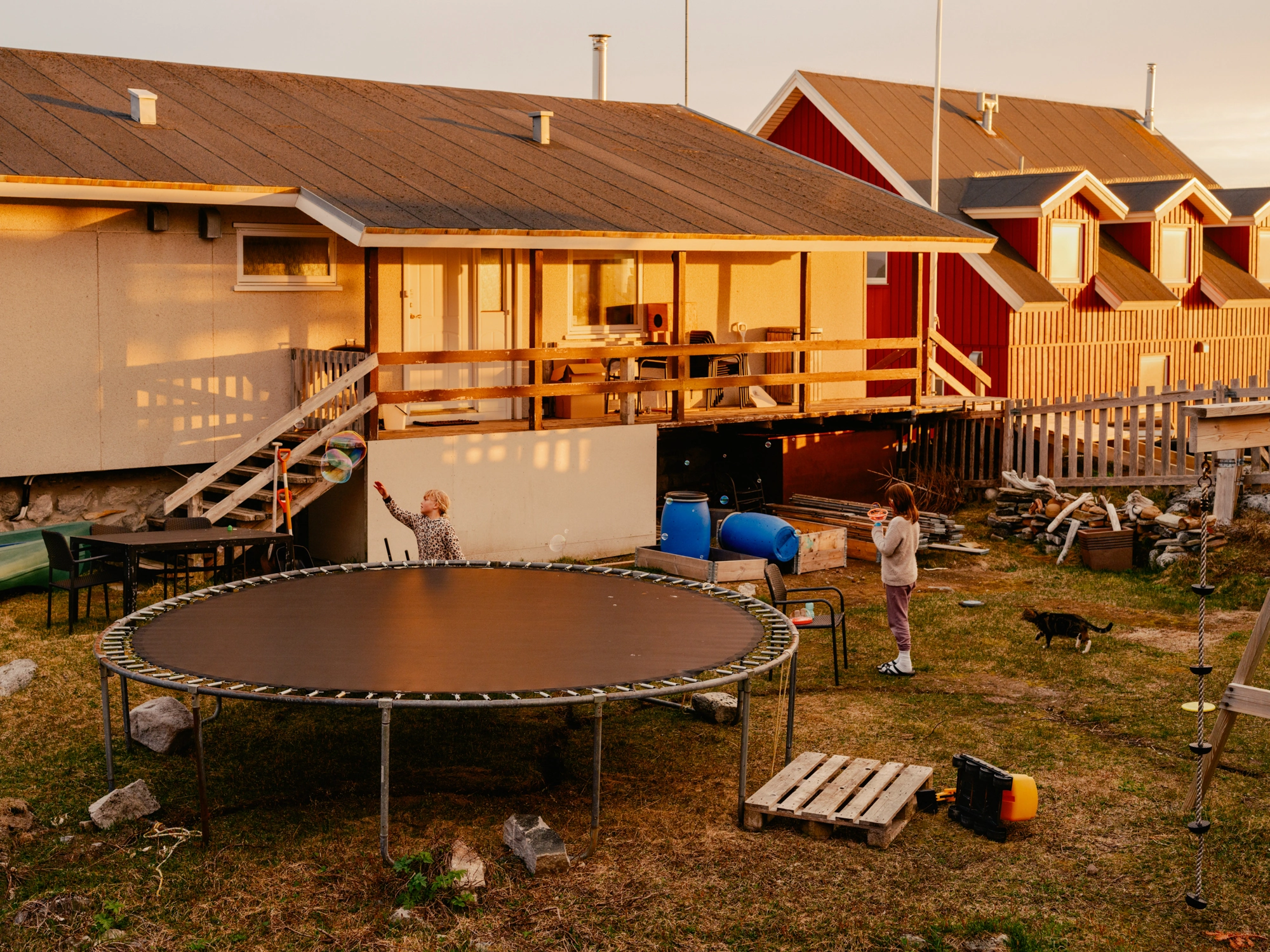
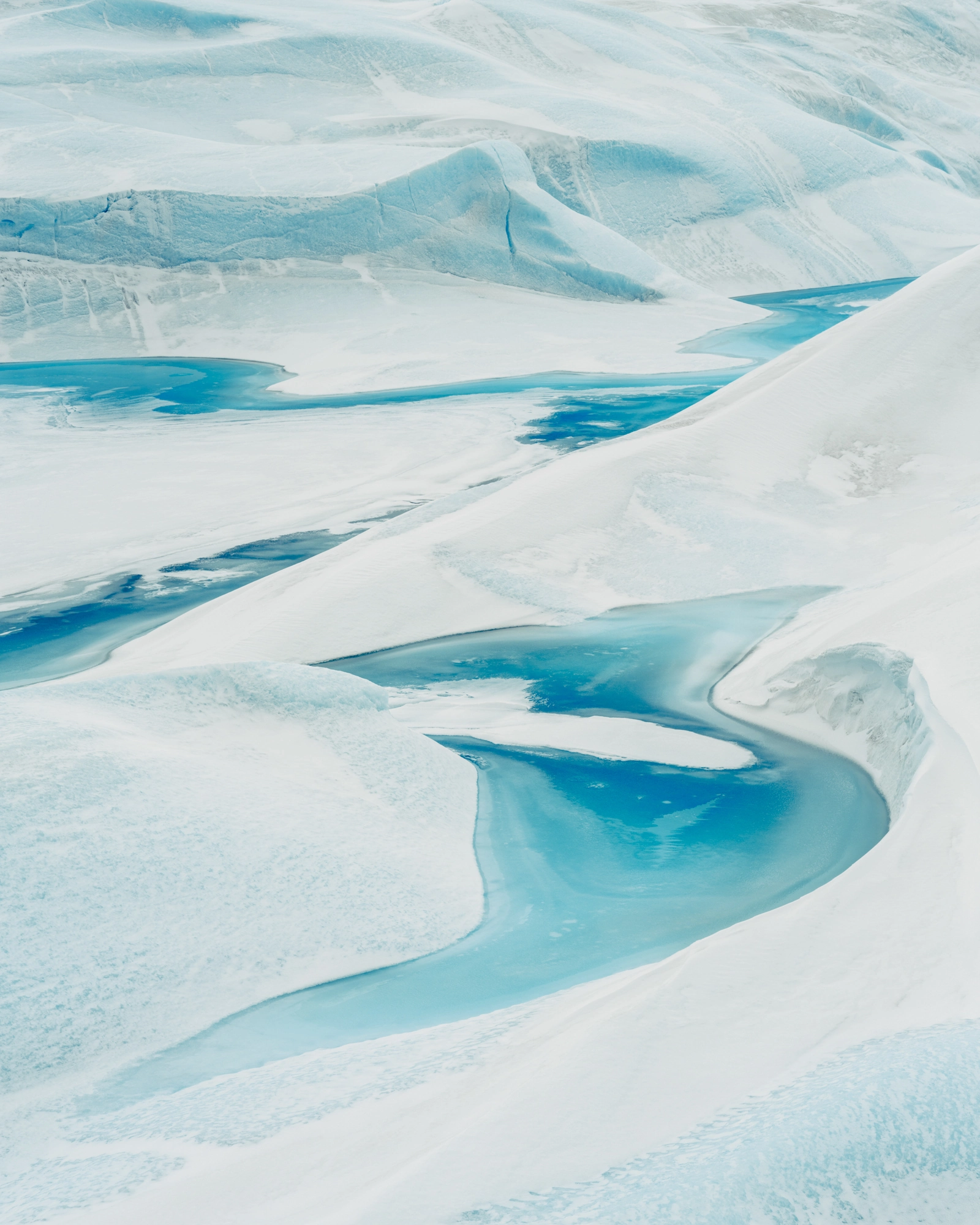
Much of the West pictures Greenland as a desolate field of ice; in To Skip a Sinking Stone, Daniel Dorsa photographs an island teeming with the life its ice sheet sustains.

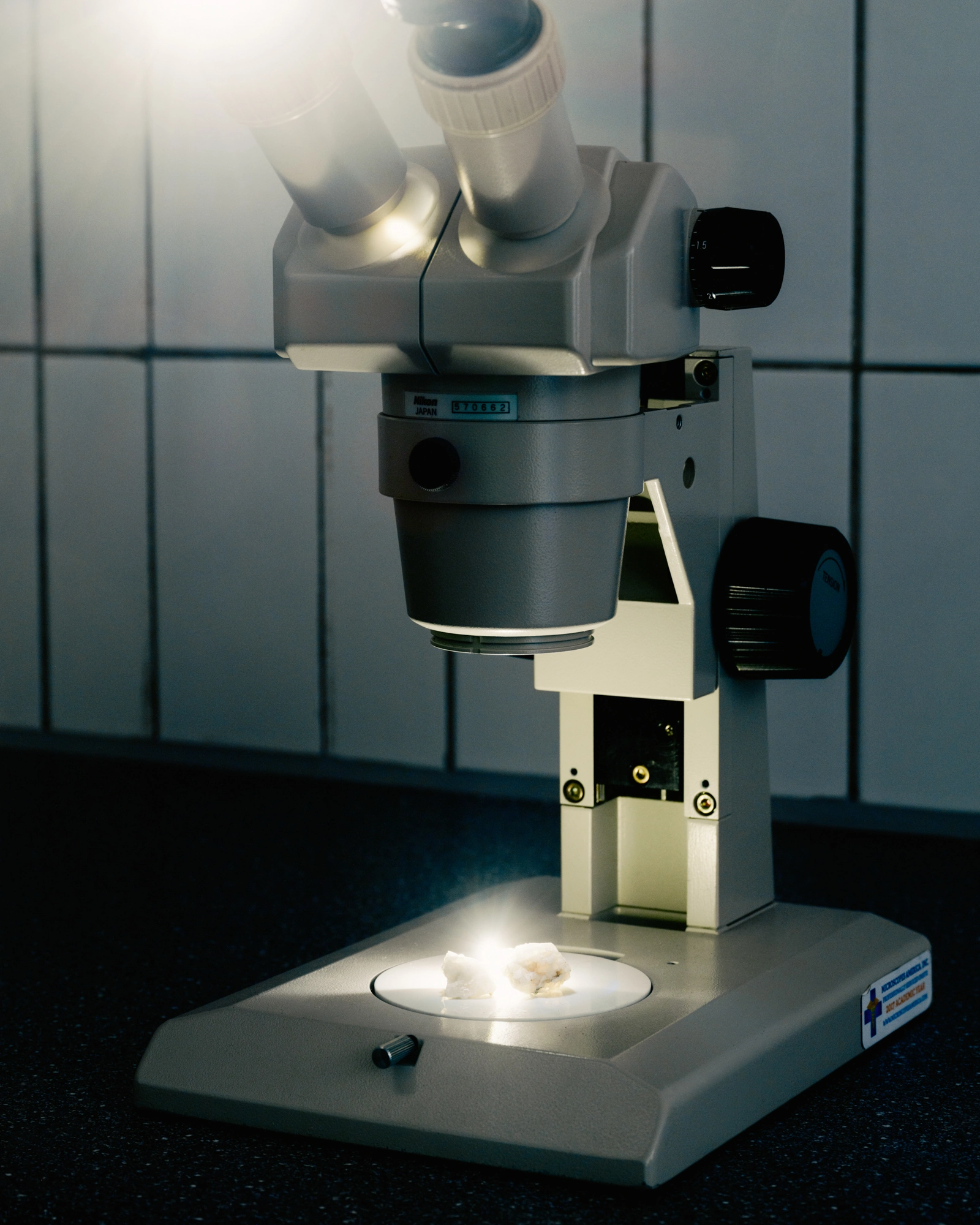
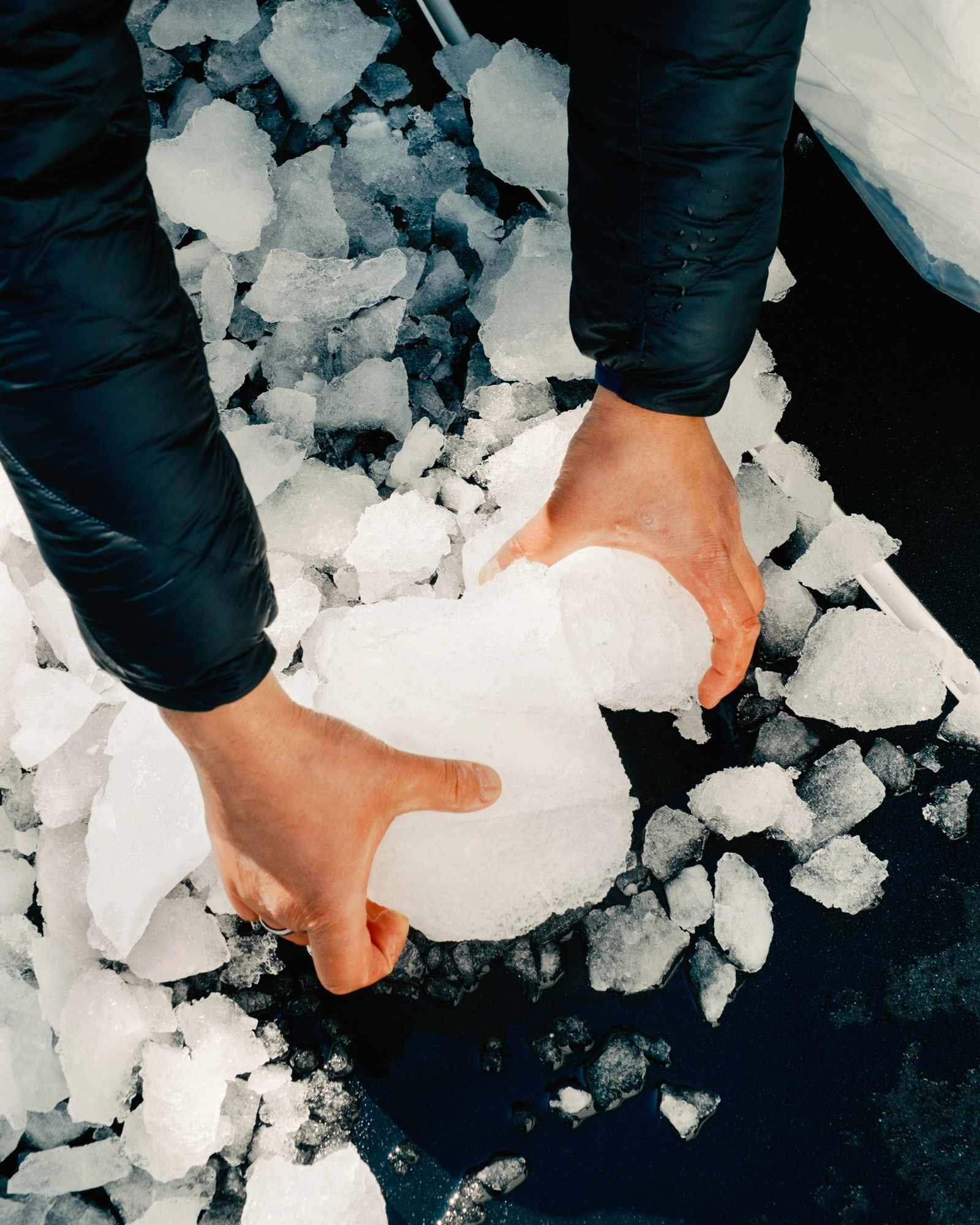
It started with someone else’s Instagram. In 2022 Dorsa’s high-school friend Chelsey Bomar was posting from Greenland, where she was working toward a PhD in microbiology with a research group on the melting ice sheet. The group’s initials, from Significance of Ice-Loss to Landscapes in the Arctic, spell Sila, an Inuit concept that covers the physical world and, in the same word, a spiritual sense of how to live within it; its scientists study what the melt changes downstream. Dorsa pitched a story about them, nobody picked it up, and he went anyway. The first trip, in 2023, lasted seven weeks.

He came home to Los Angeles unsure of what he had. For about six months he did morning pages, and they kept circling back to the ice sheet, which he began to treat as a living organism: it shifts weather patterns, erodes the landscape around it and, as it melts, reaches the rest of the world. Eventually he came to regard it as a demi-god. “It’s an entity to be respected,” he says. Across four trips between 2023 and 2025, the science gave ground and the work filled up with people.

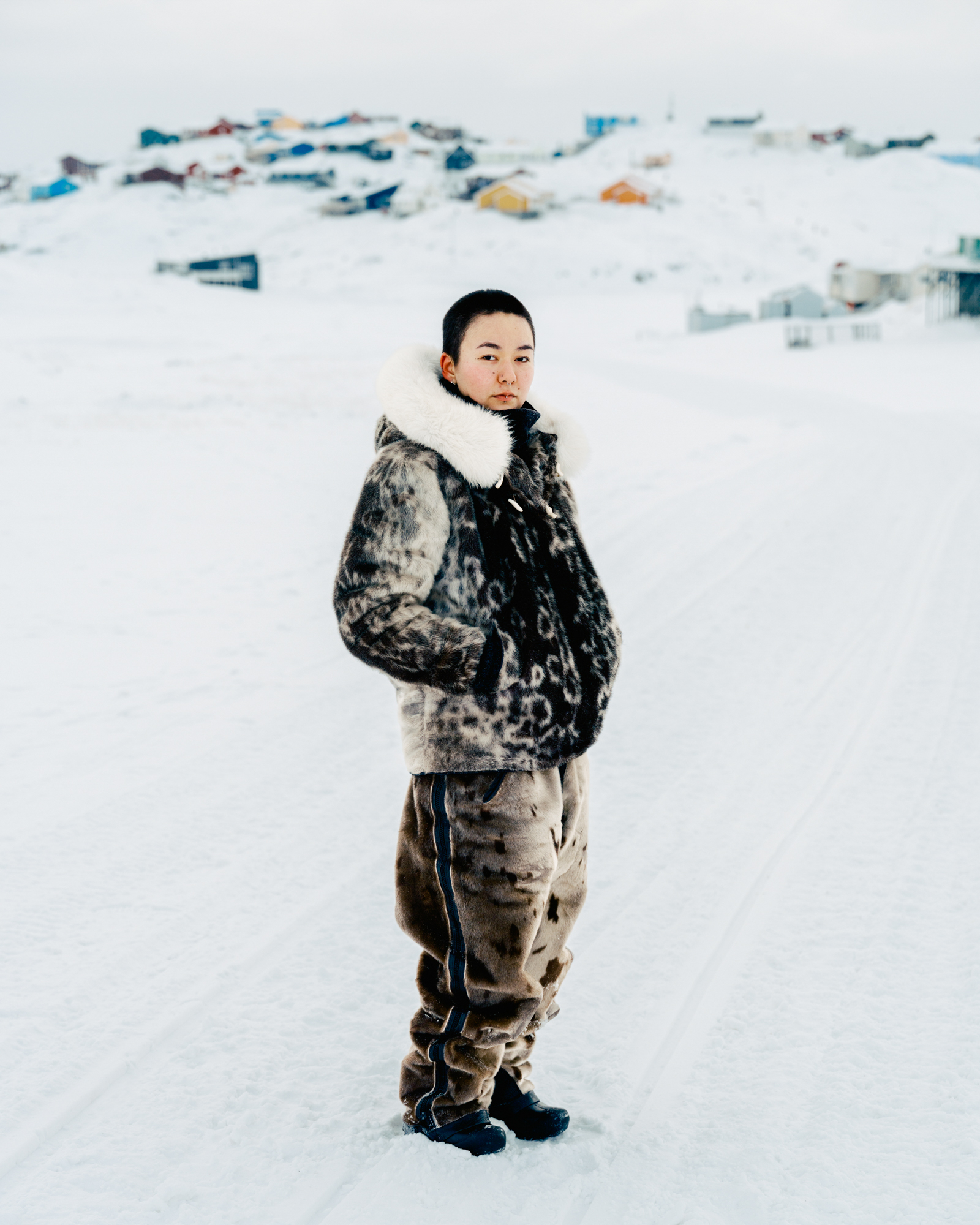
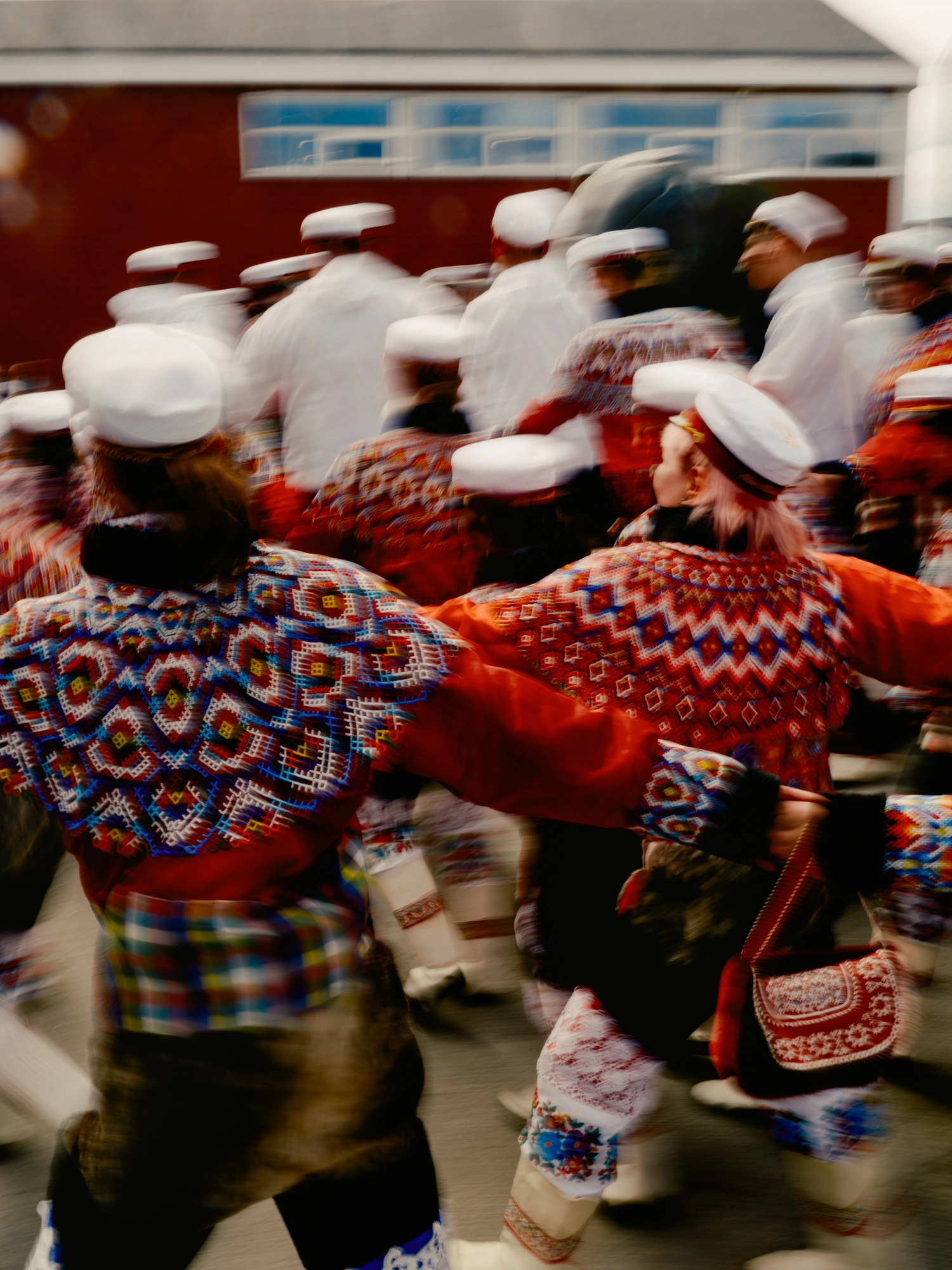
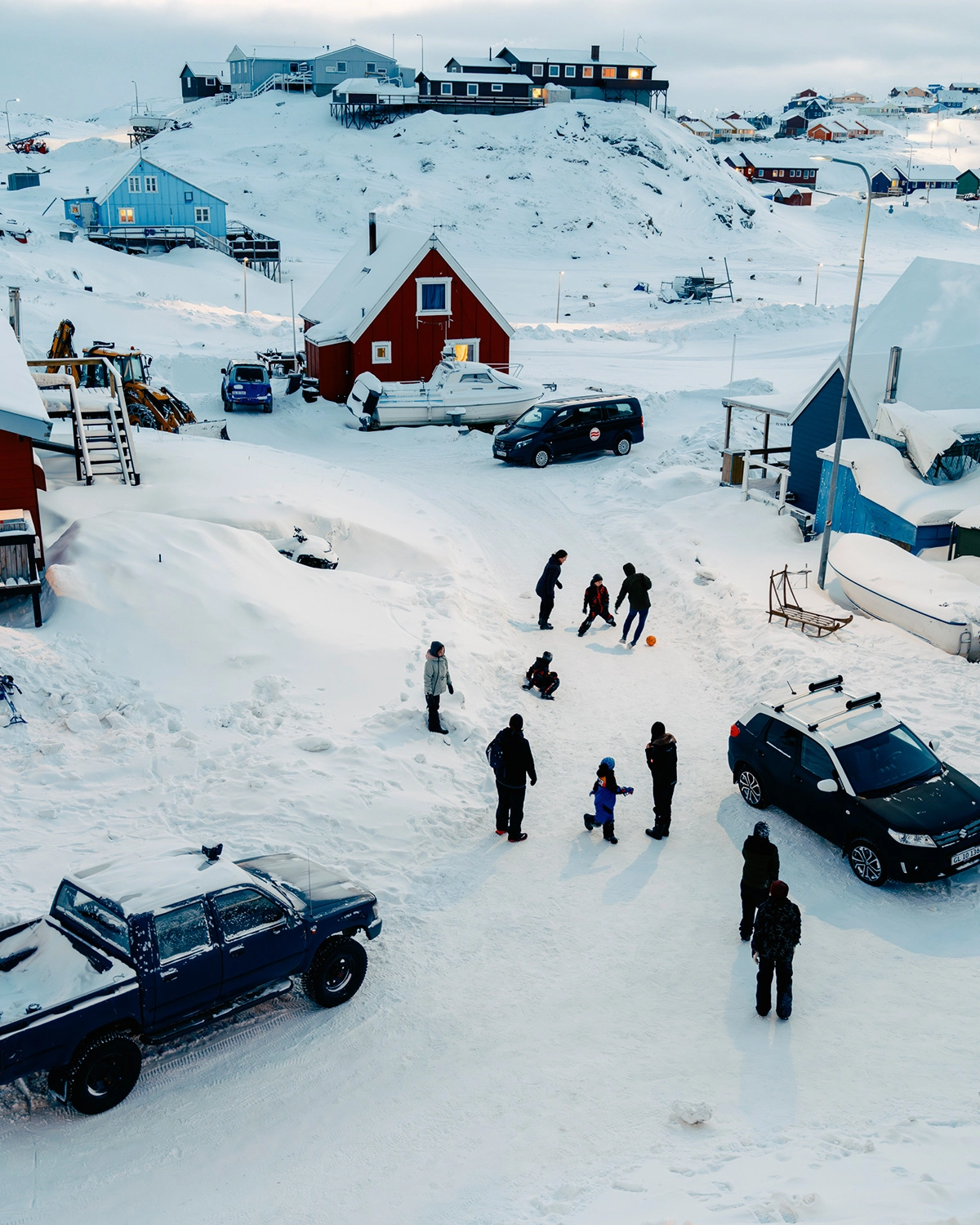
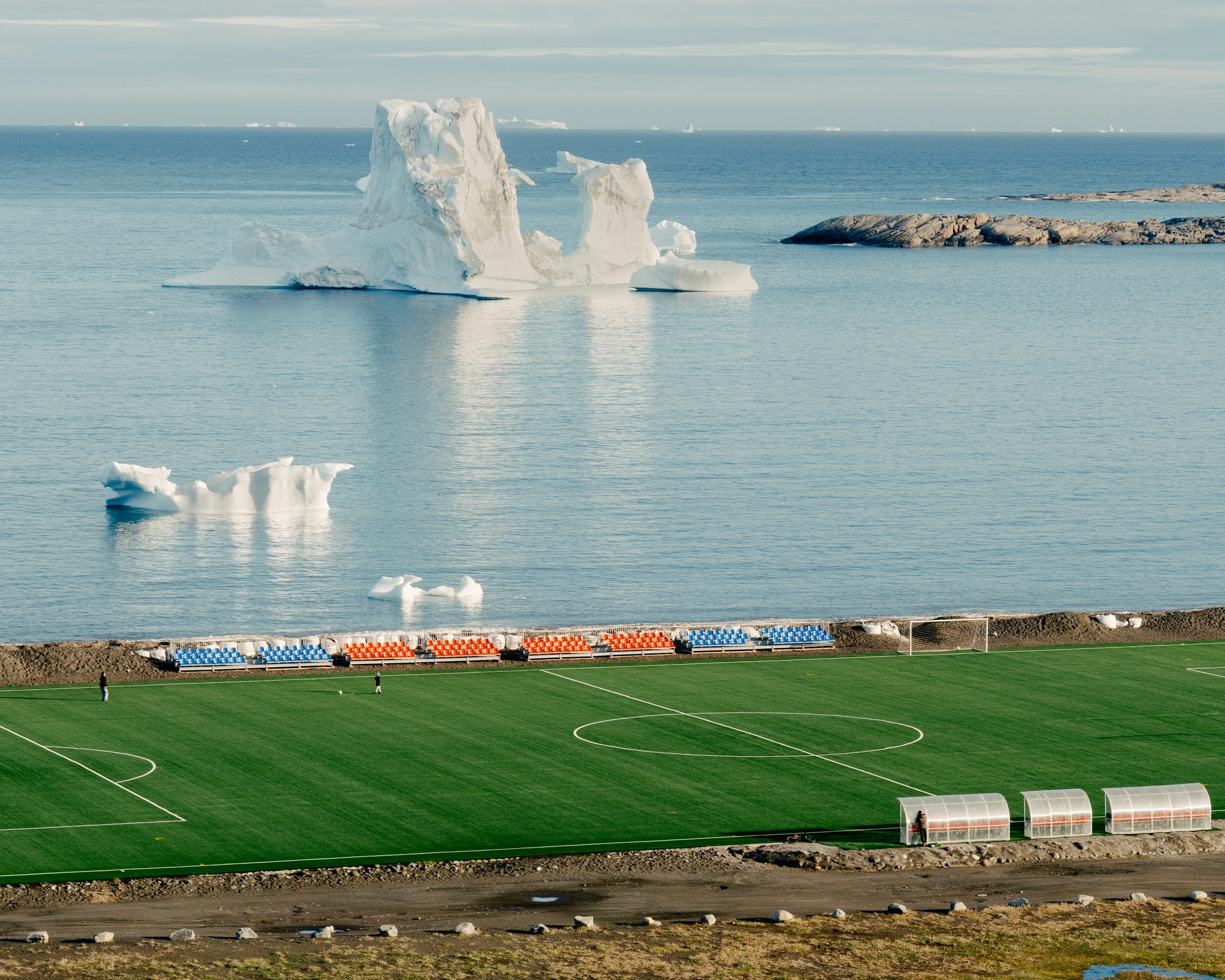
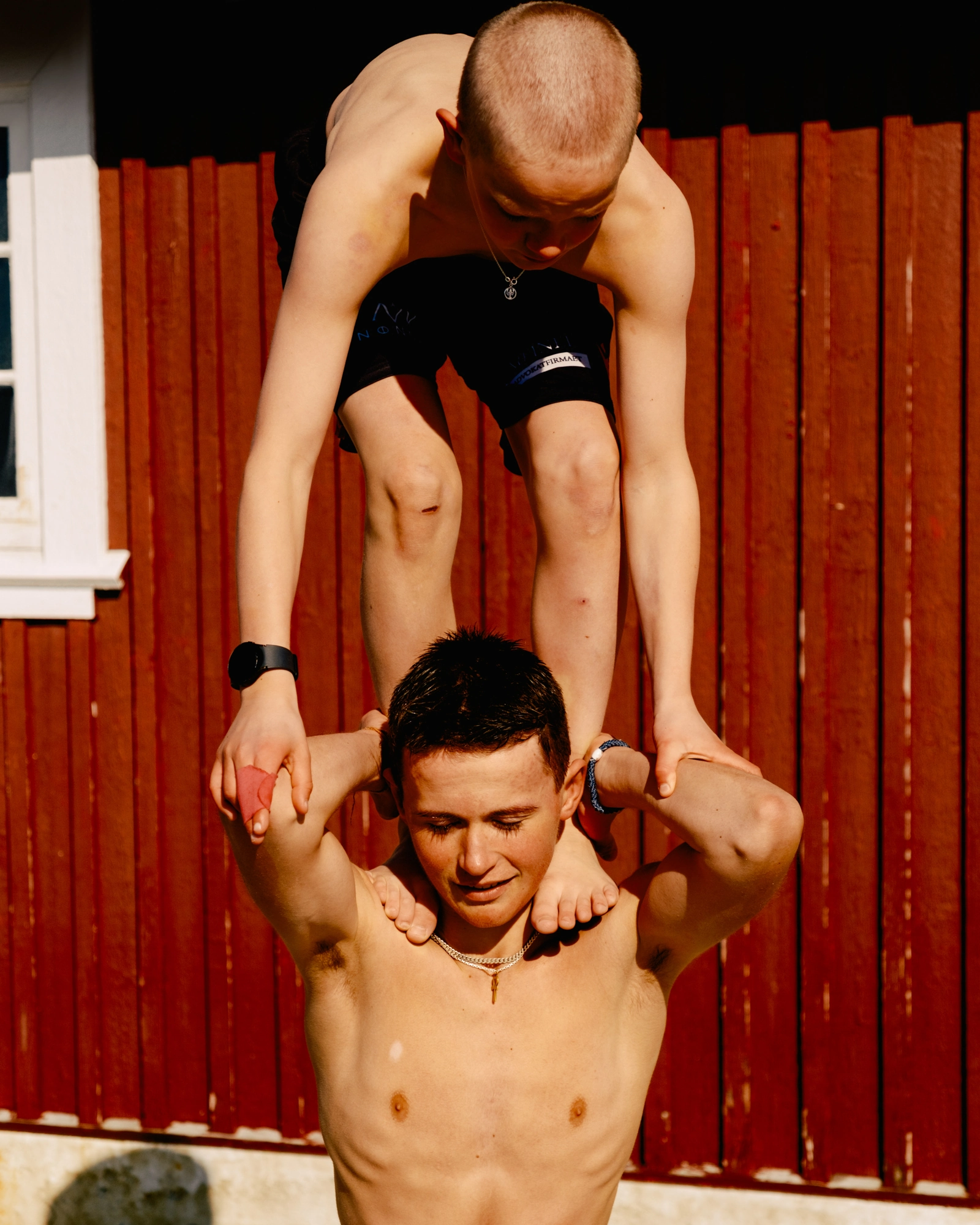
Those people carry the book as much as the ice does. Dorsa photographs the football pitch at Qeqertarsuaq on Disko Island, a chef named Aggu in Nuuk and, in Sisimiut, a young woman named Nava in her traditional furs, the portrait he counts as his favourite in the book. He is drawn to how people move between traditional ways of living and modern life, with the ice never far off. Even unseen, he writes, it makes clear that “adaptation is not a choice, but a condition of living here.”

The book keeps its contradictions together on purpose. Midway through the work, one arrived uninvited: the United States president threatened to seize Greenland, and strangers who heard Dorsa’s American accent began to question his intentions. He calls the result an atlas, in the original sense Gerardus Mercator gave the word: less a set of maps than an attempt to understand the universe and where people stand within it.

Published by Deadbeat Club of Los Angeles in 2026, the book is Dorsa’s fourth and his first with the press. It runs to 144 pages at 10 by 12.25 inches in five-colour offset, and the black-and-white frames, printed in duotone and empty of people, act as breaks in the sequence. The Swiss-bound softcover carries a half-toned silkscreen, and a vellum wrap holds his journal writings, so the text sits on the outside of the book.

The title is borrowed, with permission, from Skip a Sinking Stone, an album by Jordan Lee, who records as Mutual Benefit. It fits: a flat stone stays up only while it keeps moving. For Dorsa it speaks to climate change, a problem too big for any one person to solve without collective action, and to the joy people find regardless in a place with no choice but to adapt. Sooner or later, he writes, everyone will meet that condition. Greenland simply meets it first.

Interested in Showcasing Your Work?
‍

If you would like to feature your works on Thisispaper, please visit our Submission page and sign up to Thisispaper+ to submit your work. Once your submission is approved, your work will be showcased to our global audience of 2 million art, architecture, and design professionals and enthusiasts.
No items found.
Less, with more behind it.
Explore guides. Search the archive. Walk the atlas.
Become a Thisispaper+ member today to unlock full access to our magazine, advanced tools, and support our work.
Get two months FREE
with annual subscription
Less, with more behind it.
Explore guides. Search the archive. Walk the atlas.
Become a Thisispaper+ member today to unlock full access to our magazine, advanced tools, and support our work.
Get two months FREE
with annual subscription
No items found.
Alexander Zaxarov
Nov 3, 2026

Much of the West pictures Greenland as a desolate field of ice; in To Skip a Sinking Stone, Daniel Dorsa photographs an island teeming with the life its ice sheet sustains.

It started with someone else’s Instagram. In 2022 Dorsa’s high-school friend Chelsey Bomar was posting from Greenland, where she was working toward a PhD in microbiology with a research group on the melting ice sheet. The group’s initials, from Significance of Ice-Loss to Landscapes in the Arctic, spell Sila, an Inuit concept that covers the physical world and, in the same word, a spiritual sense of how to live within it; its scientists study what the melt changes downstream. Dorsa pitched a story about them, nobody picked it up, and he went anyway. The first trip, in 2023, lasted seven weeks.

He came home to Los Angeles unsure of what he had. For about six months he did morning pages, and they kept circling back to the ice sheet, which he began to treat as a living organism: it shifts weather patterns, erodes the landscape around it and, as it melts, reaches the rest of the world. Eventually he came to regard it as a demi-god. “It’s an entity to be respected,” he says. Across four trips between 2023 and 2025, the science gave ground and the work filled up with people.

Those people carry the book as much as the ice does. Dorsa photographs the football pitch at Qeqertarsuaq on Disko Island, a chef named Aggu in Nuuk and, in Sisimiut, a young woman named Nava in her traditional furs, the portrait he counts as his favourite in the book. He is drawn to how people move between traditional ways of living and modern life, with the ice never far off. Even unseen, he writes, it makes clear that “adaptation is not a choice, but a condition of living here.”

The book keeps its contradictions together on purpose. Midway through the work, one arrived uninvited: the United States president threatened to seize Greenland, and strangers who heard Dorsa’s American accent began to question his intentions. He calls the result an atlas, in the original sense Gerardus Mercator gave the word: less a set of maps than an attempt to understand the universe and where people stand within it.

Published by Deadbeat Club of Los Angeles in 2026, the book is Dorsa’s fourth and his first with the press. It runs to 144 pages at 10 by 12.25 inches in five-colour offset, and the black-and-white frames, printed in duotone and empty of people, act as breaks in the sequence. The Swiss-bound softcover carries a half-toned silkscreen, and a vellum wrap holds his journal writings, so the text sits on the outside of the book.

The title is borrowed, with permission, from Skip a Sinking Stone, an album by Jordan Lee, who records as Mutual Benefit. It fits: a flat stone stays up only while it keeps moving. For Dorsa it speaks to climate change, a problem too big for any one person to solve without collective action, and to the joy people find regardless in a place with no choice but to adapt. Sooner or later, he writes, everyone will meet that condition. Greenland simply meets it first.
Interested in Showcasing Your Work?
‍

If you would like to feature your works on Thisispaper, please visit our Submission page and subscribe to Thisispaper+. Once your submission is approved, your work will be showcased to our global audience of 2 million art, architecture, and design professionals and enthusiasts.
Thisispaper+
Climax
55+ Projects
Web Access
Link to Maps
Climate emergency photography fails when it tries to perform urgency at the speed of news. Climax collects work that does the opposite — Hatakeyama's return-photographs at Rikuzentakata, the slow record of thawing permafrost, salt lakes drying to outline, olive groves erased into parking, skies emptied of stars. Less argument than archive, less urgency than memory.
Witness, not manifesto. The long look against the burn.
Explore
Climax

Join Thisispaper+
Unlock access to 2500 stories, curated guides + editions, and share your work with a global network of architects, artists and designers who are shaping the future.
Get two months FREE
with annual subscription
Travel Guides
Immerse yourself in timeless destinations, hidden gems, and creative spaces—curated by humans, not algorithms.
Explore All Guides +
Submission Module
Submit your project and gain the chance to showcase your work to our worldwide audience of over 2M architects, designers, artists, and curious minds.
Learn More+
Curated Editions
Dive deeper into carefully curated editions, designed to feed your curiosity and foster exploration.
Off-the-Grid
Jutaku
Sacral Journey
minimum
The New Chair
Explore All Editions +
Atlas
A new and interactive way to explore the most inspiring places around the world.
Interactive map
Linked to articles
450+ curated locations
Google + Apple directions
Smart filters
Subscribe to Explore+
Become a Thisispaper+ member today to unlock full access to our magazine, submit your project and support our work.
Join Thisispaper+Join Thisispaper+
€9/month
Get two months FREE
with annual subscription