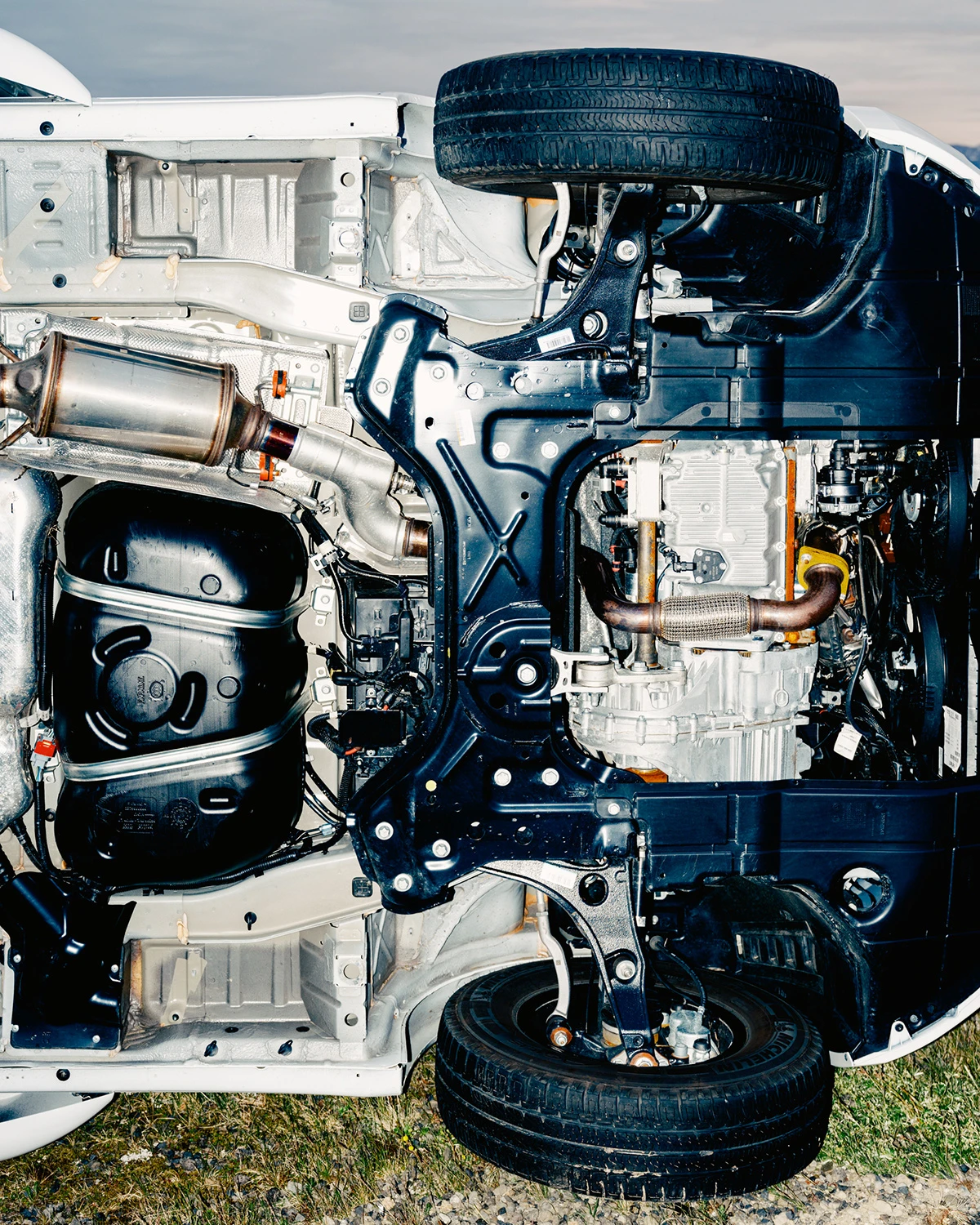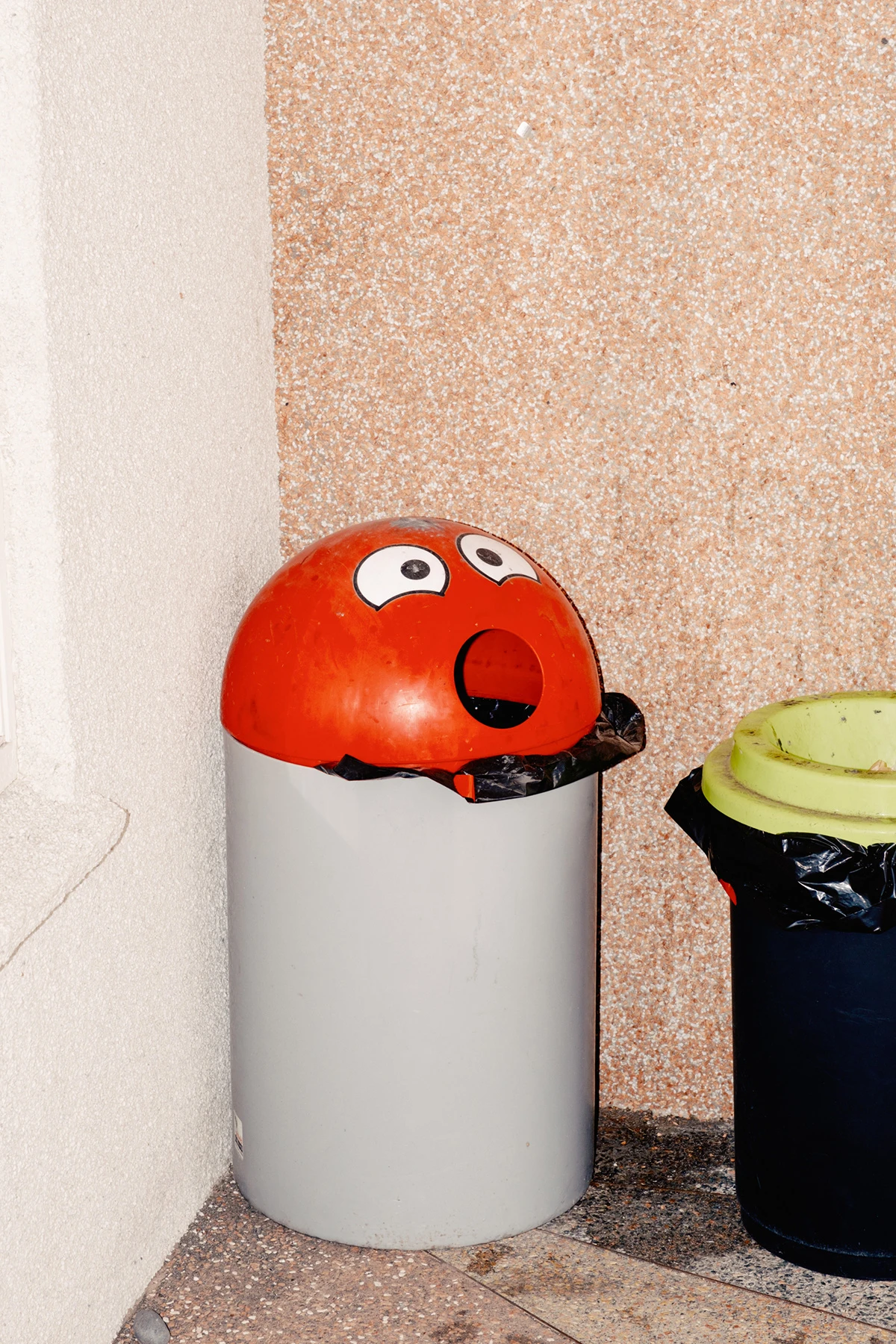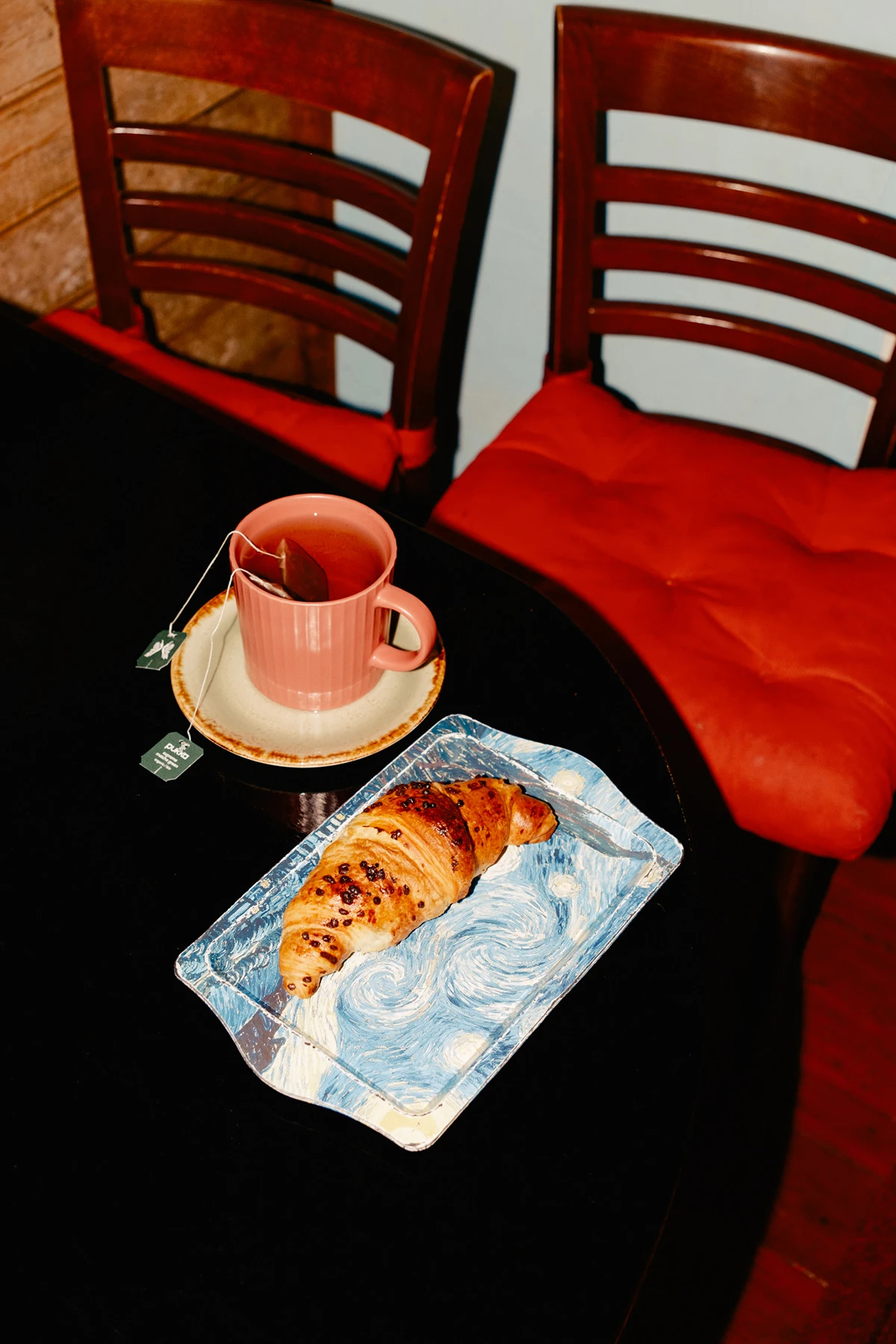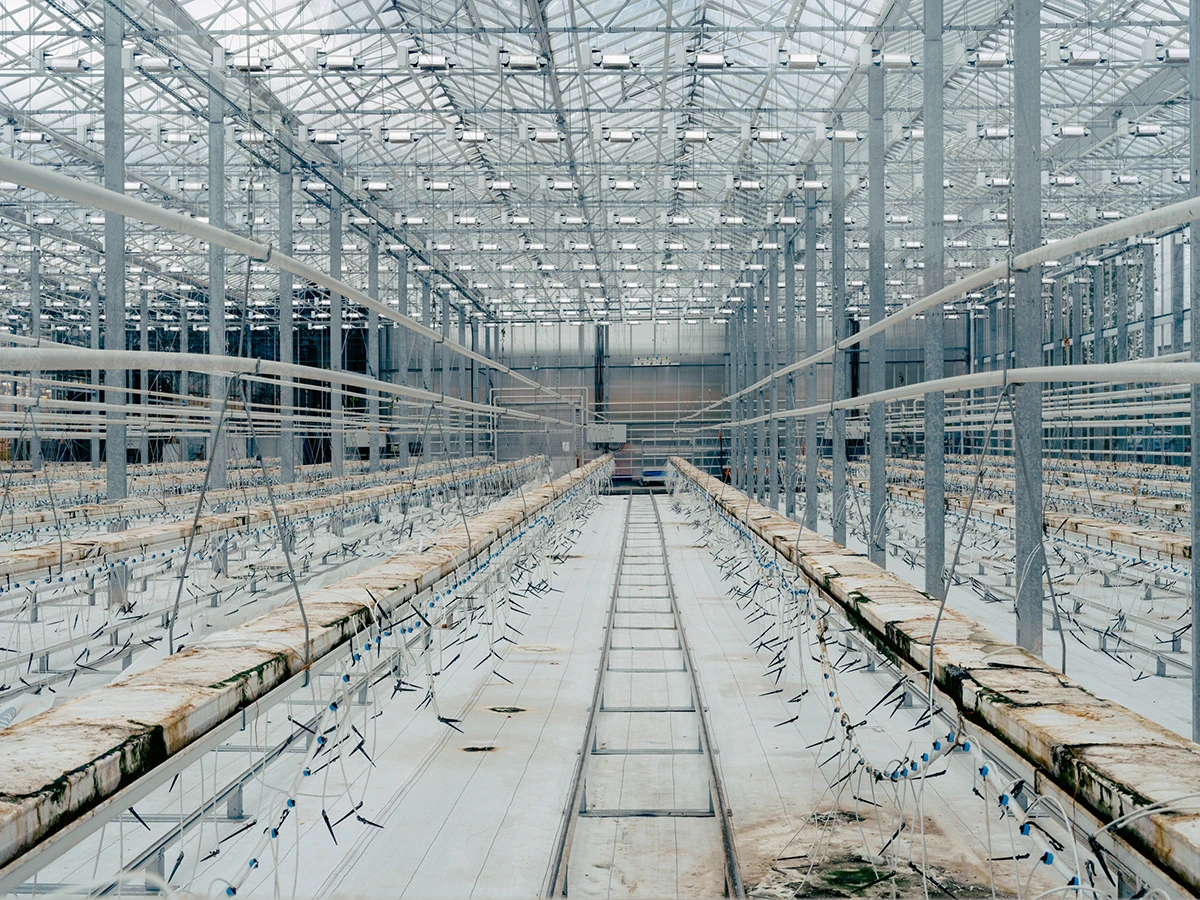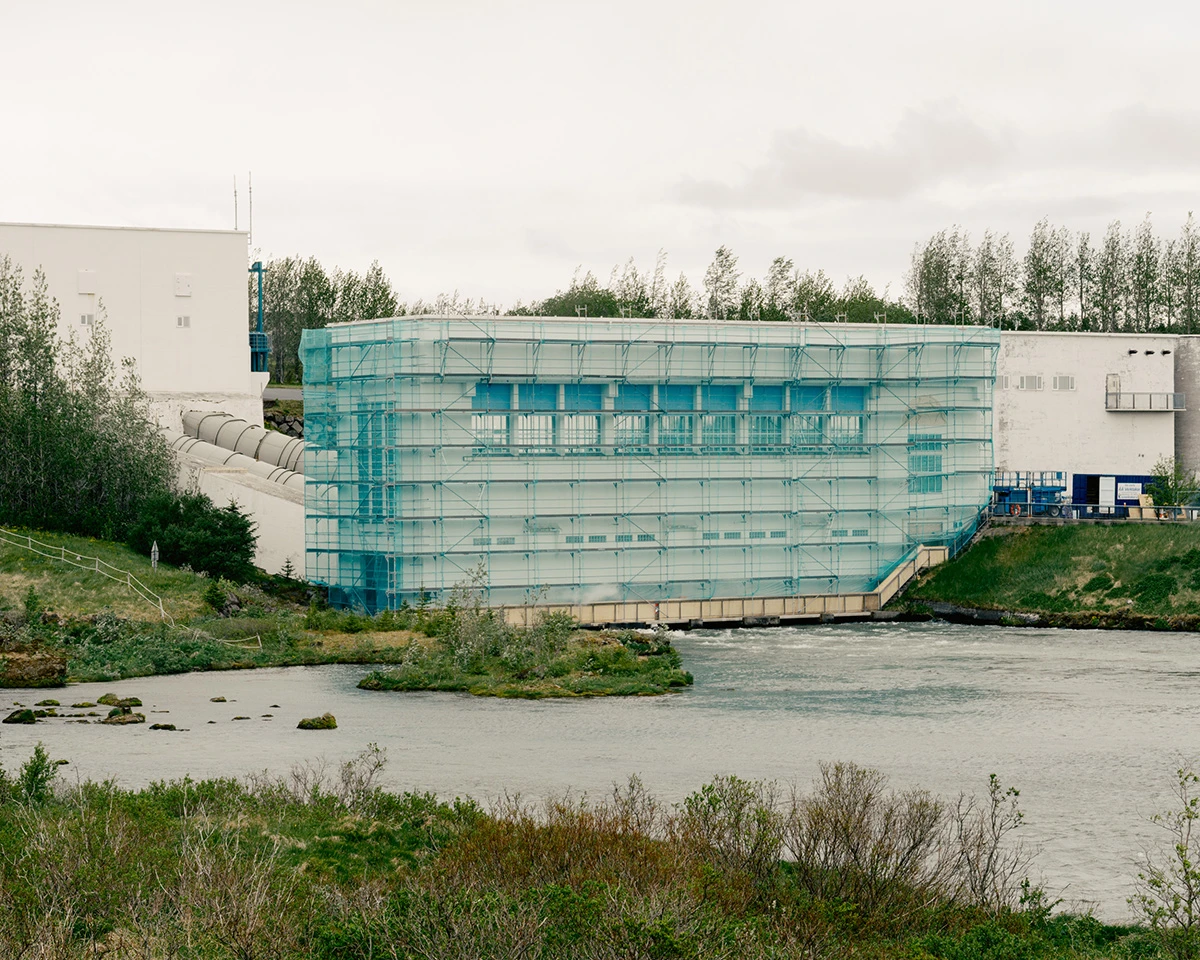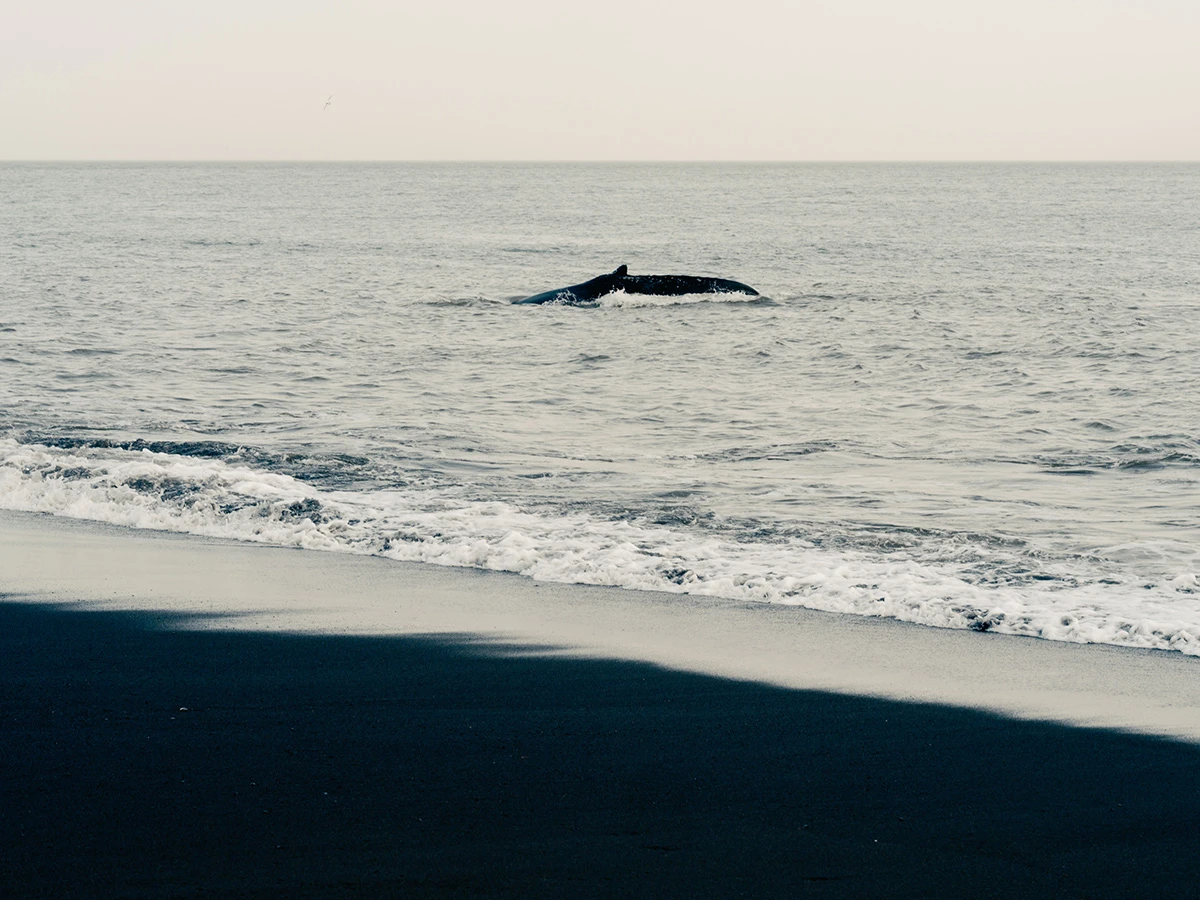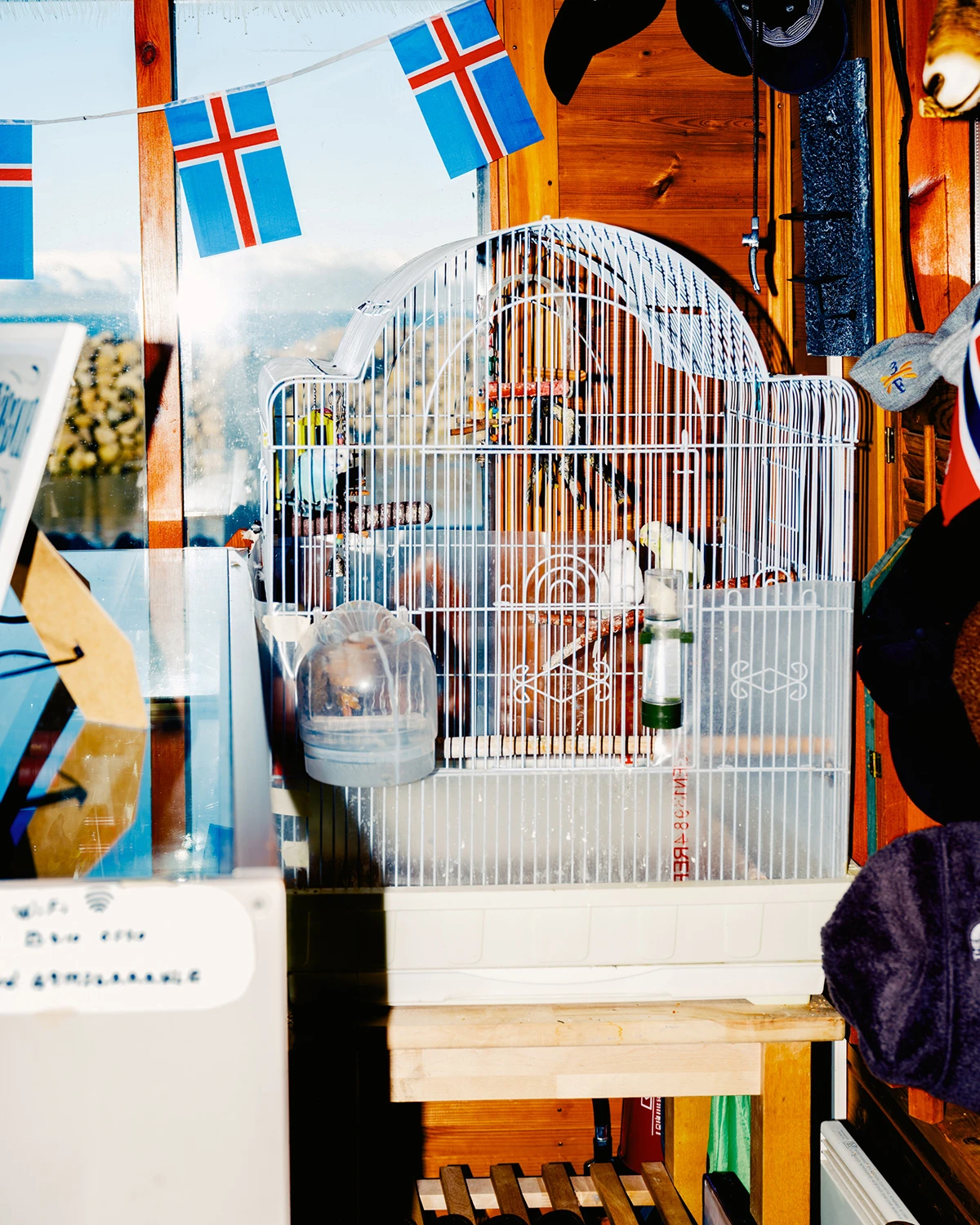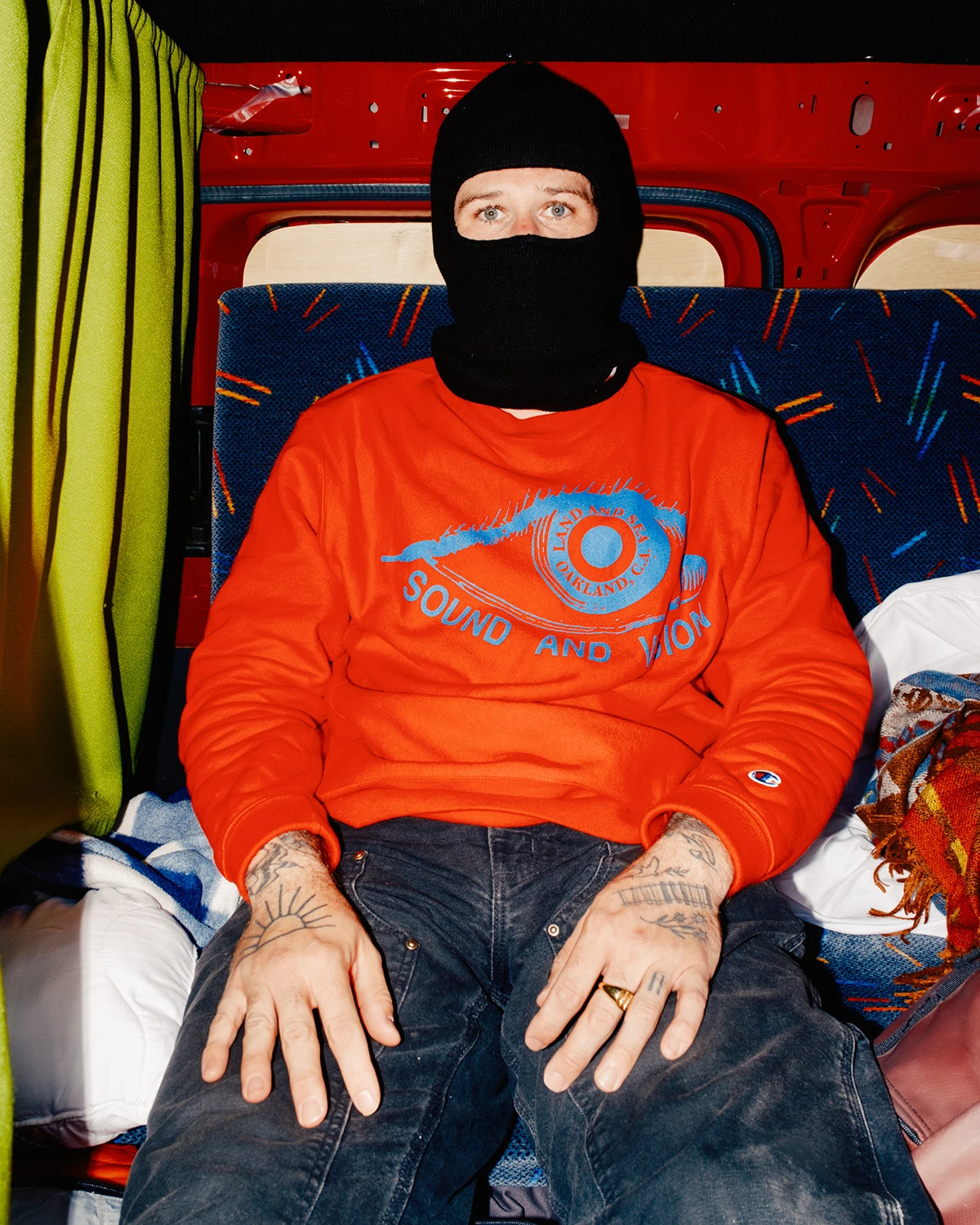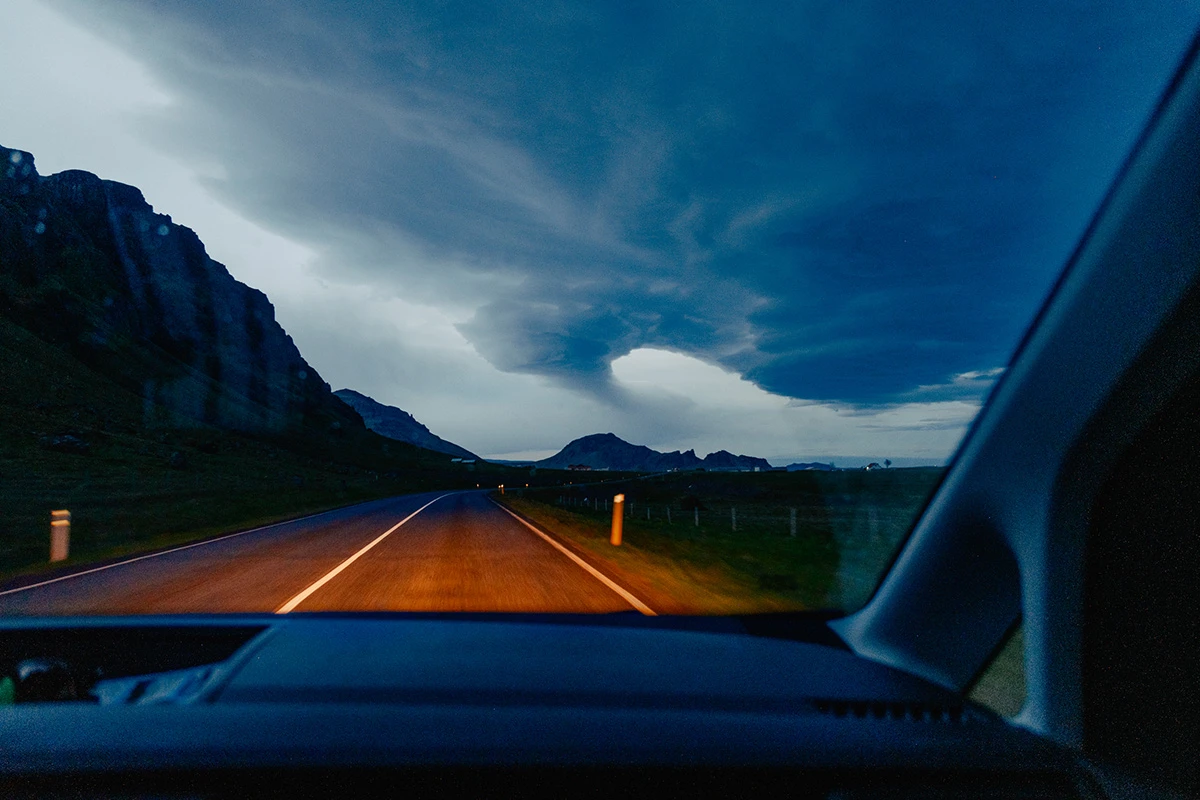
Lupine, a photographic exploration by Los Angeles-based Daniel Dorsa, examines grief, memory, and time's non-linear nature through a ten-day journey along Iceland's Ring Road.
The work serves as both personal elegy and a meditation on processing trauma. Rather than documenting place, the project uses landscape as a framework for introspection, suggesting that physical displacement can create pathways to emotional clarity and narrative reconstruction. Dorsa arrived in Iceland carrying the weight of a year defined by loss—his home destroyed indirectly by fires, emergency room visits that had become routine, and a personal loss whose enormity refuses to settle.
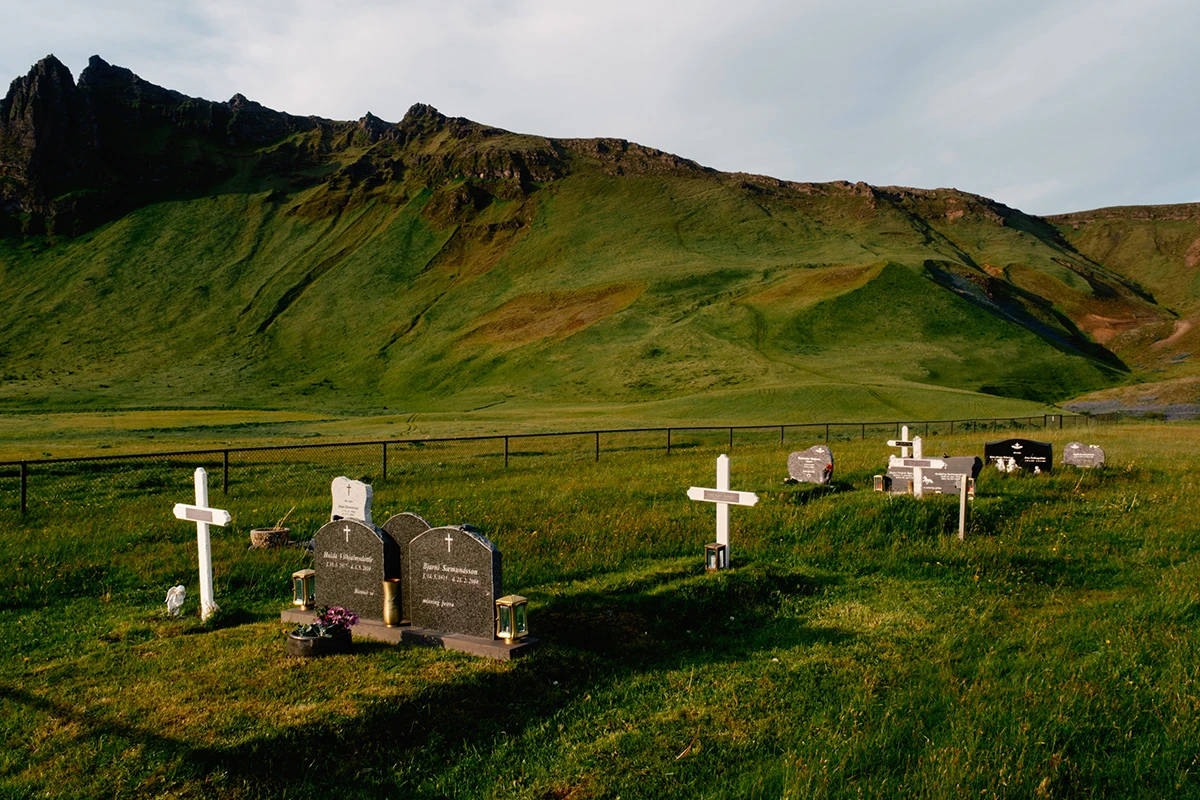
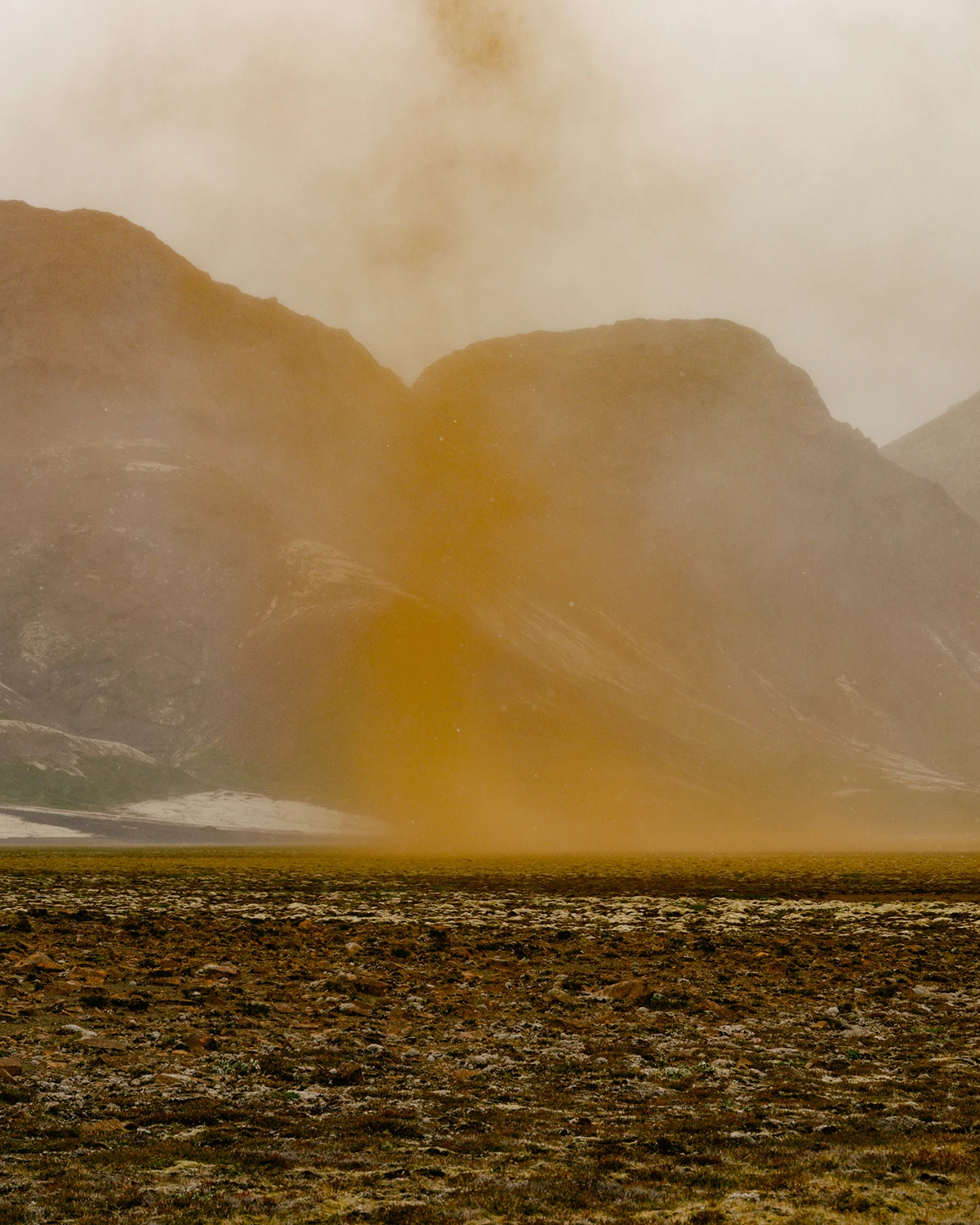
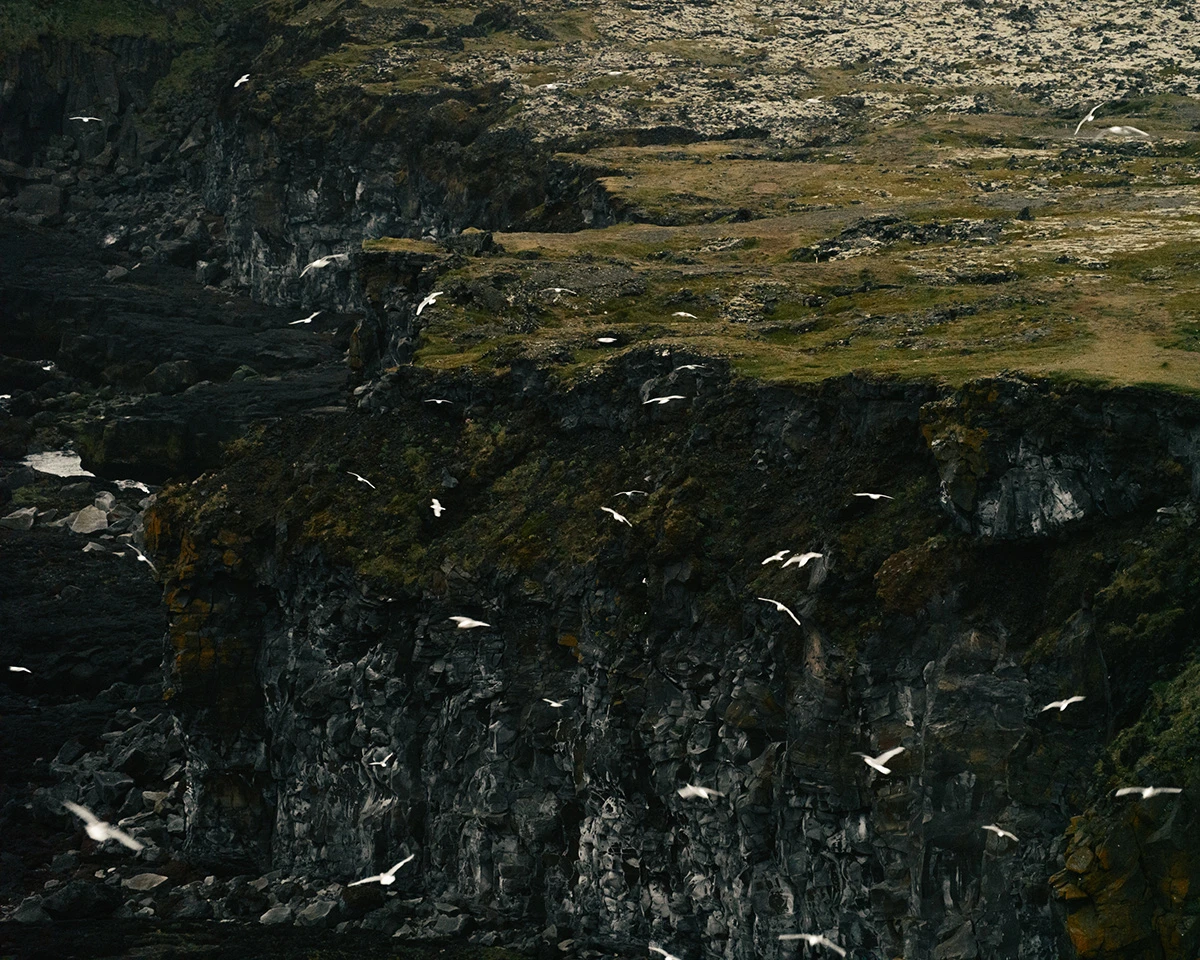
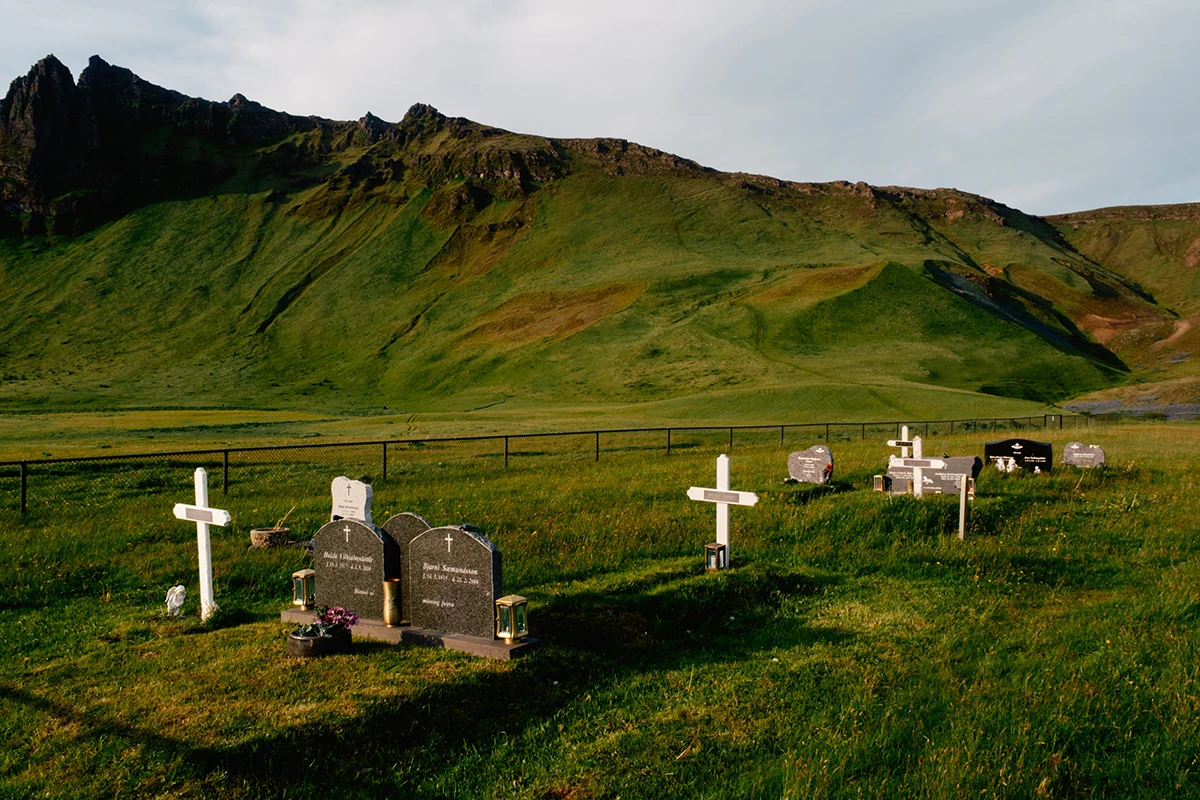
Iceland began as a challenge. Seemingly unrelated moments and twenty-four-hour daylight came together like a fever dream, revealing a mental state of chaos, disillusionment, and uncertainty. There was no start or finish, just an infinite loop. The photographs from these early days refuse the picturesque. They record graveyards with white crosses emerging from luminescent grass, moss-draped mountains dissolving into low cloud, geological formations that measure time in epochs rather than human experience.
The title references the lupine wildflower, an invasive yet beautiful plant that now blankets Iceland's summer landscape. Like the emotions explored in the work, the lupine holds a duality: healing yet disruptive, natural yet foreign. Dorsa recognized himself in that flower as they drove through the terrain—not native to this place, but slowly becoming grounded in its soil. The parallel is offered without sentimentality, as observation rather than metaphor.
As the journey neared its end, something shifted. The photographs begin to accumulate differently—not as narrative arc but as meditation, fragments of understanding that coexist without resolving into meaning. A sense of self began to return. Different from who he was before, but still himself. The photographs hold this transformation without illustrating it, allowing landscape and interior state to remain inseparable.
What distinguishes this work is its refusal of catharsis. The landscape does not console and does not offer lessons. Instead, it mirrors. The act of traveling, of being physically elsewhere while emotionally elsewhere, creates a doubled displacement that paradoxically opens space for clarity. Grief and geography become one and the same, and the camera becomes the instrument that makes this collapse visible.