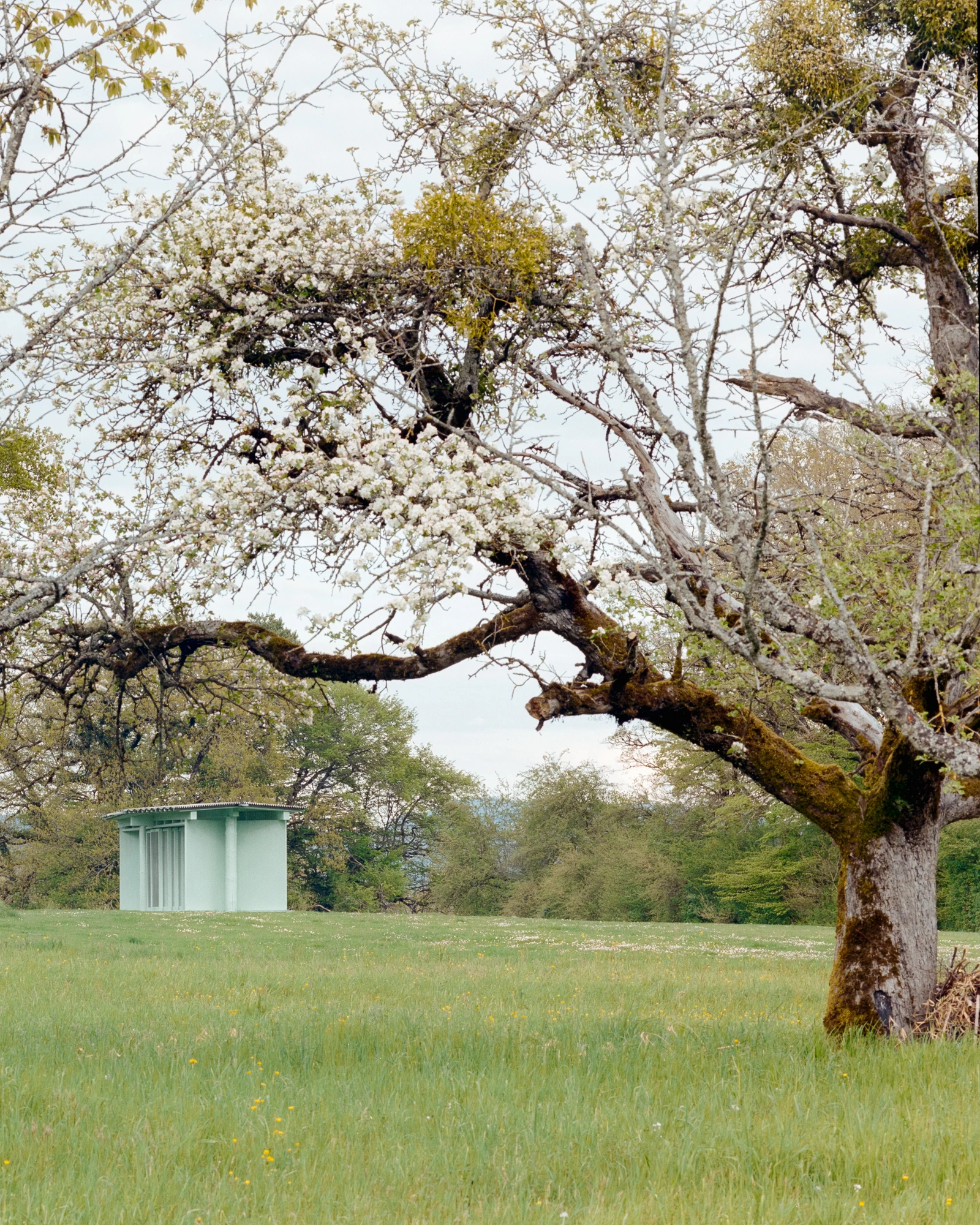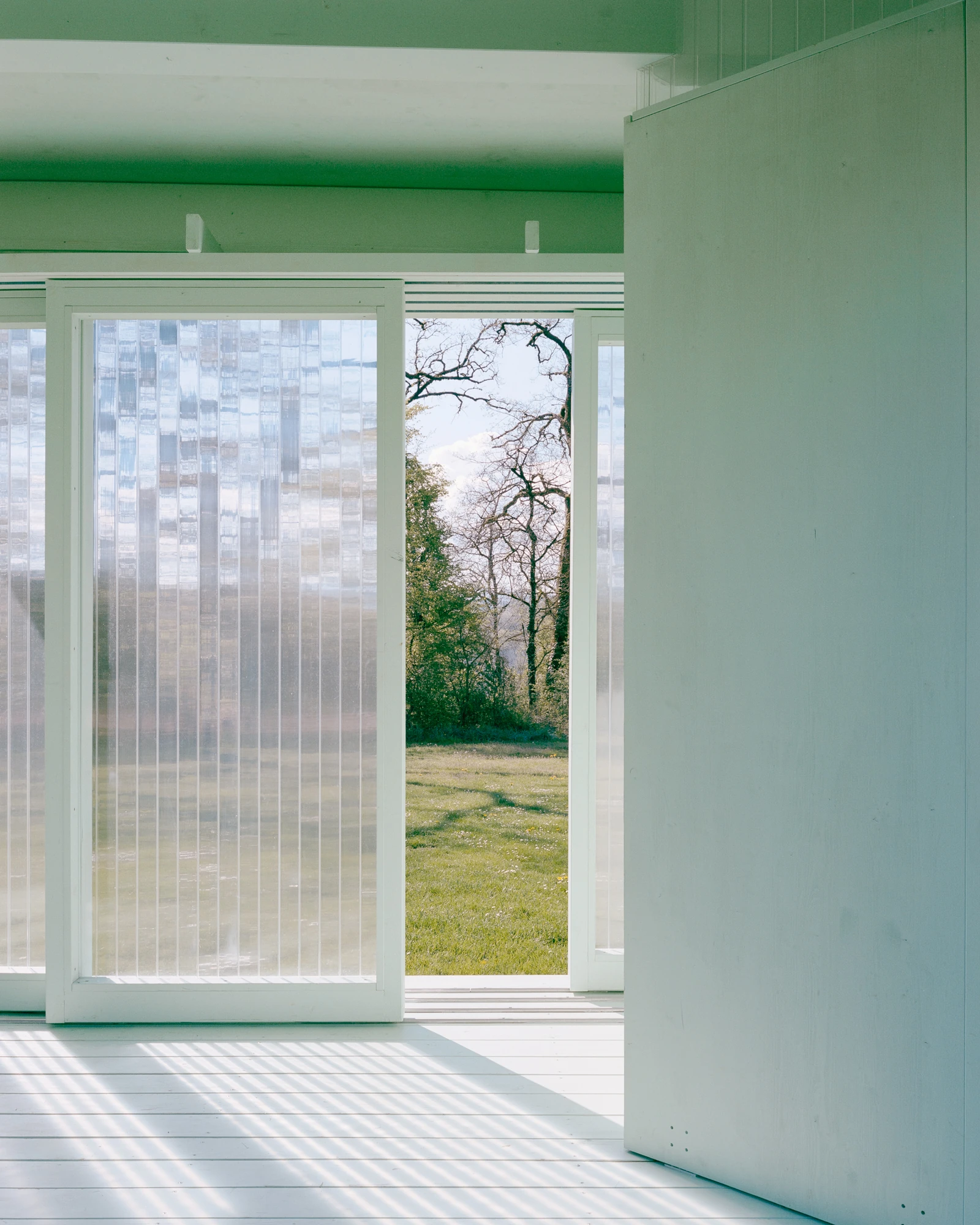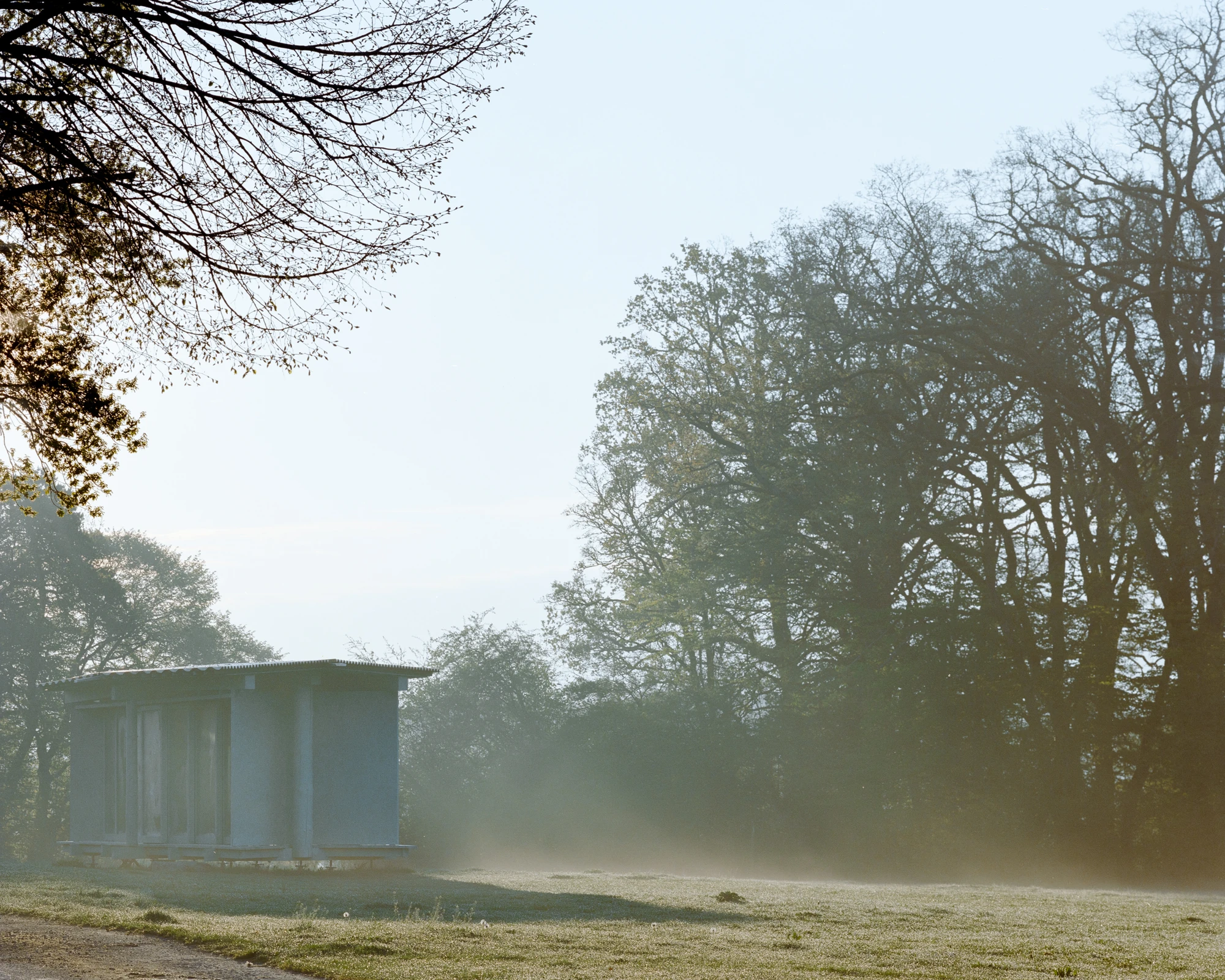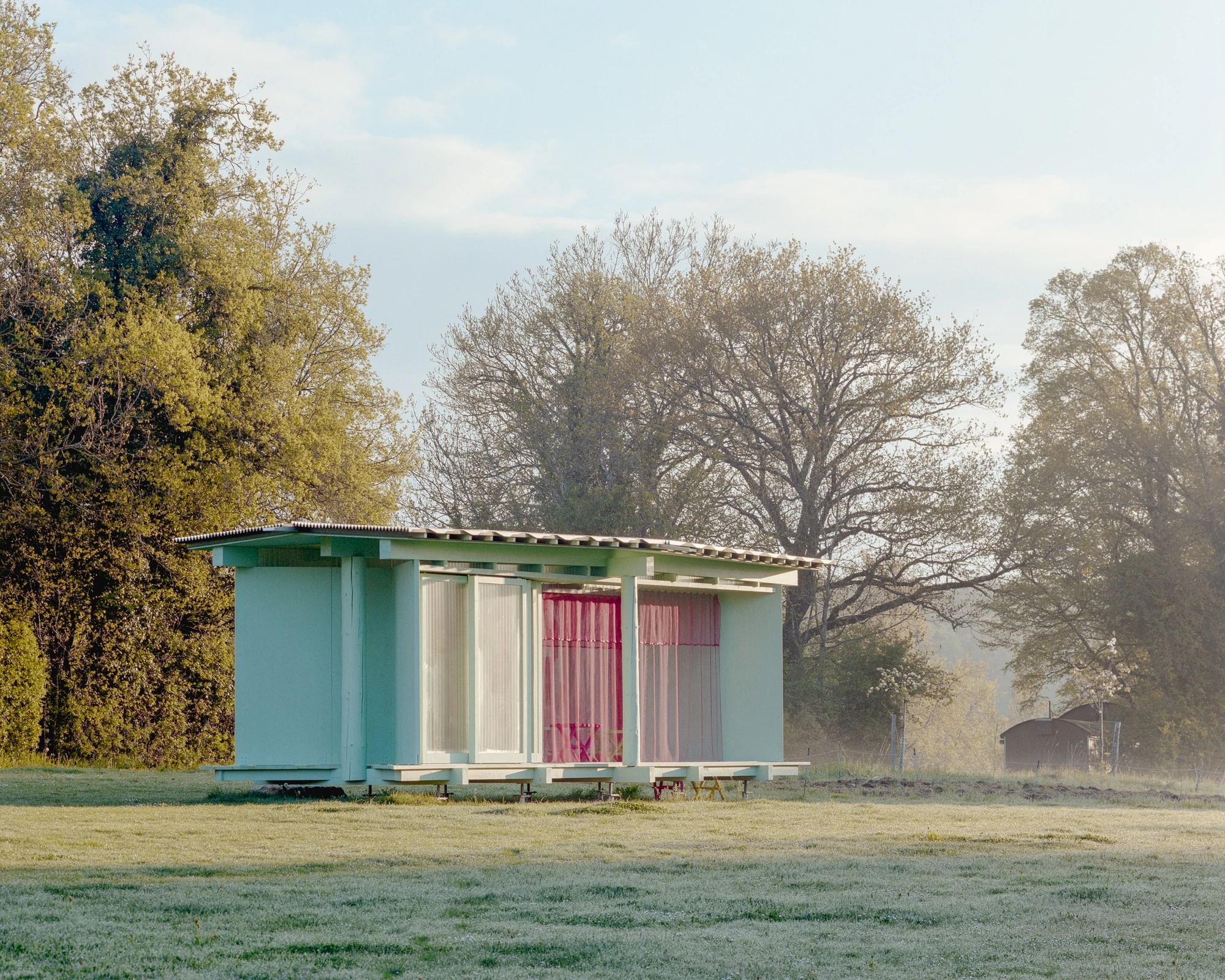
On a meadow just outside the village of Nuglar-St. Pantaleon in Switzerland, Piertzovanis Toews has built Pavilion of the Sliding Doors, a wooden frame that a community raised for itself out of donated materials.
It began with a letter to the local town council. A group of young people in Nuglar-St. Pantaleon wanted somewhere to meet. They had been gathering in spots around the village and it caused friction with residents, who often found them too loud. The council did not answer with a curfew. It formed a task group together with the young authors of the letter and asked them what they actually needed.
What followed was a collaborative process of meetings and workshops involving villagers and a long list of local stakeholders. The group set its conditions early: the structure should sit lightly in the landscape, cost as little ecologically as it did financially, and stay open to anyone who turned up. Out of that came the brief for a small, weather-protected pavilion on a meadow at the edge of the village.
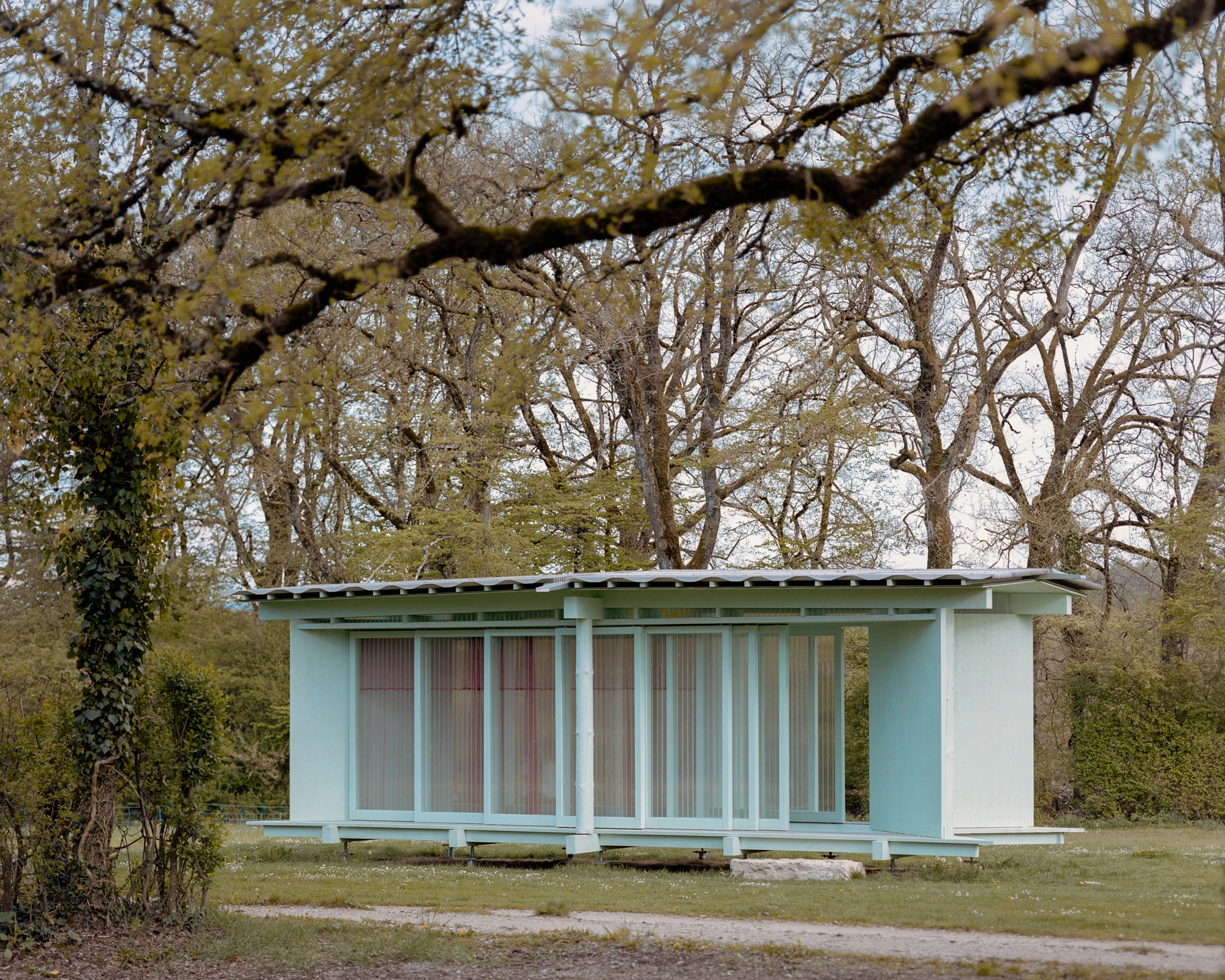
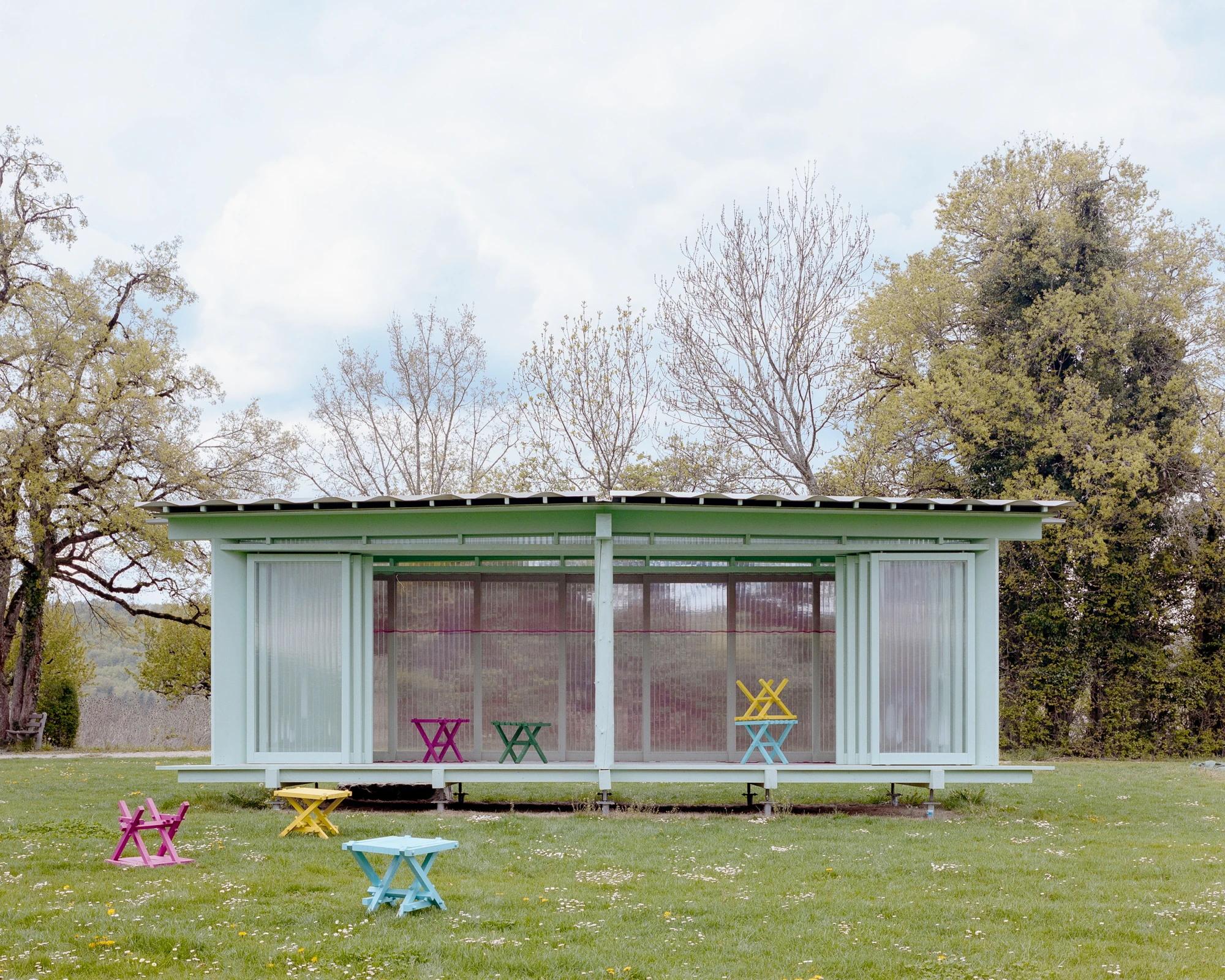
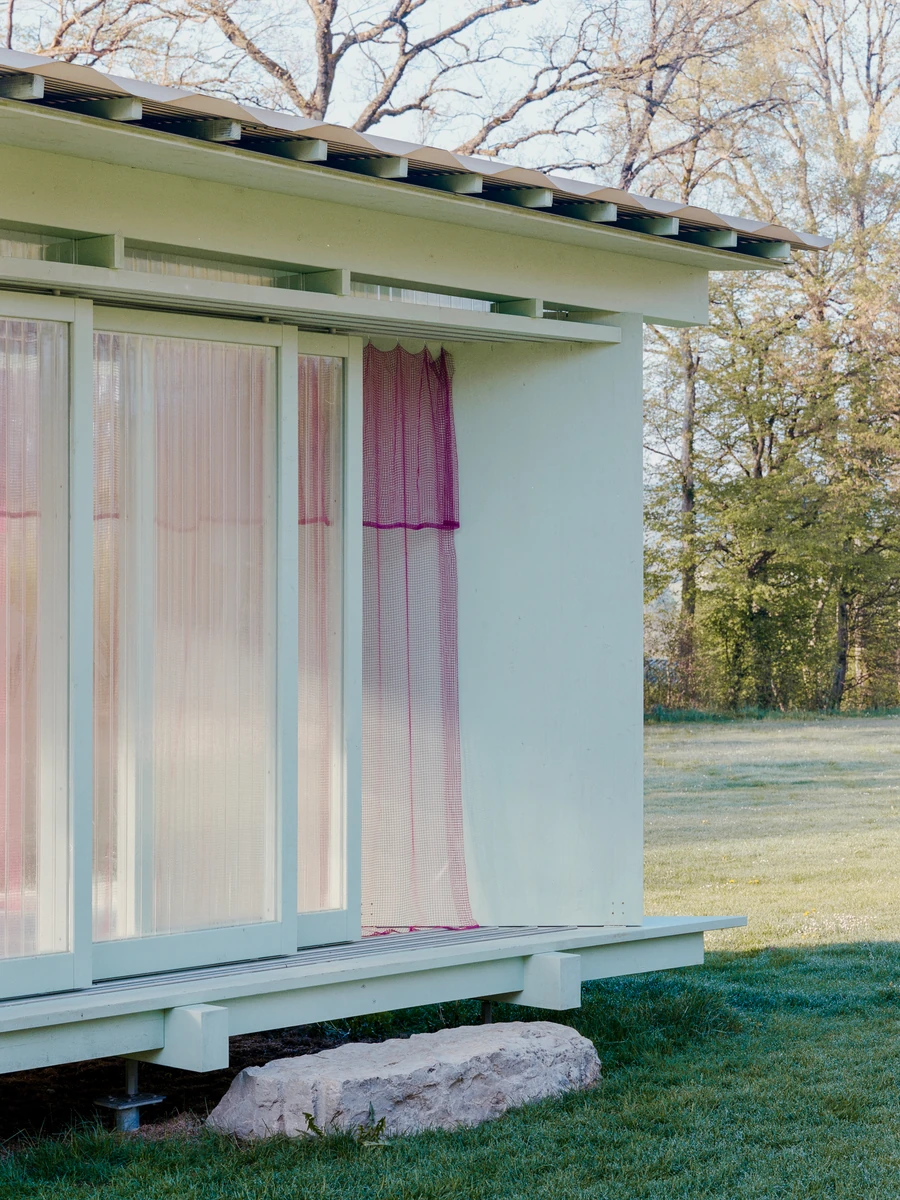
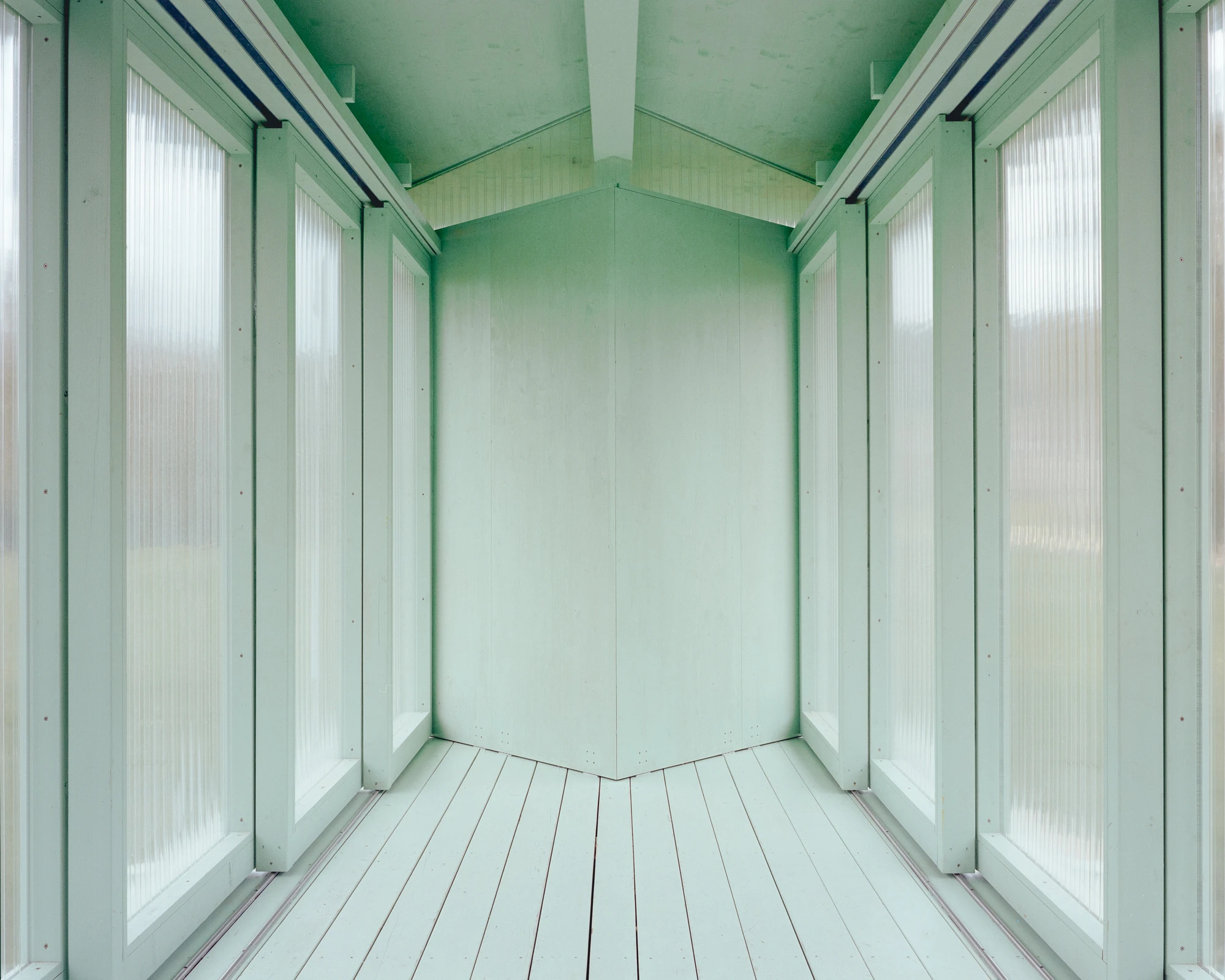
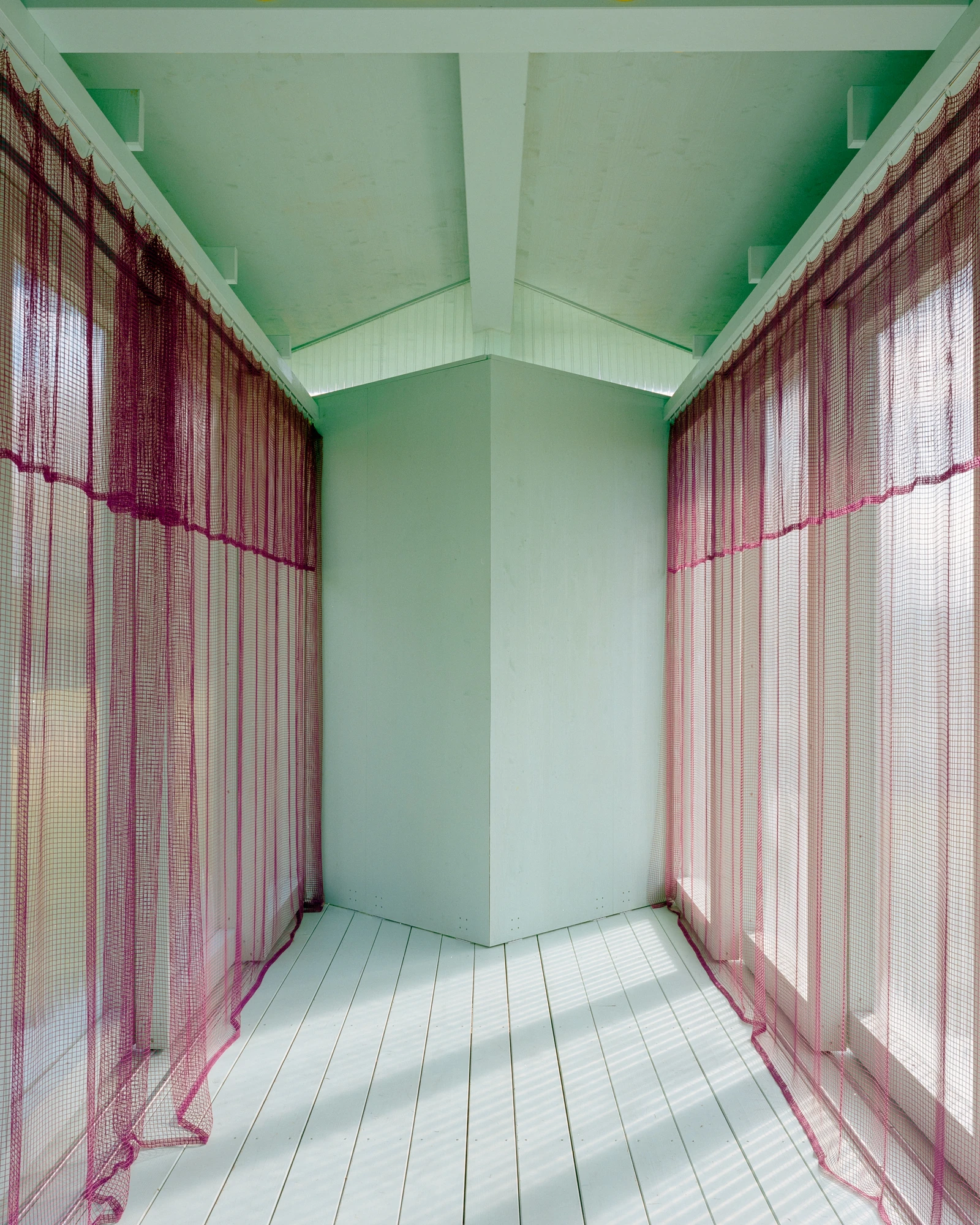
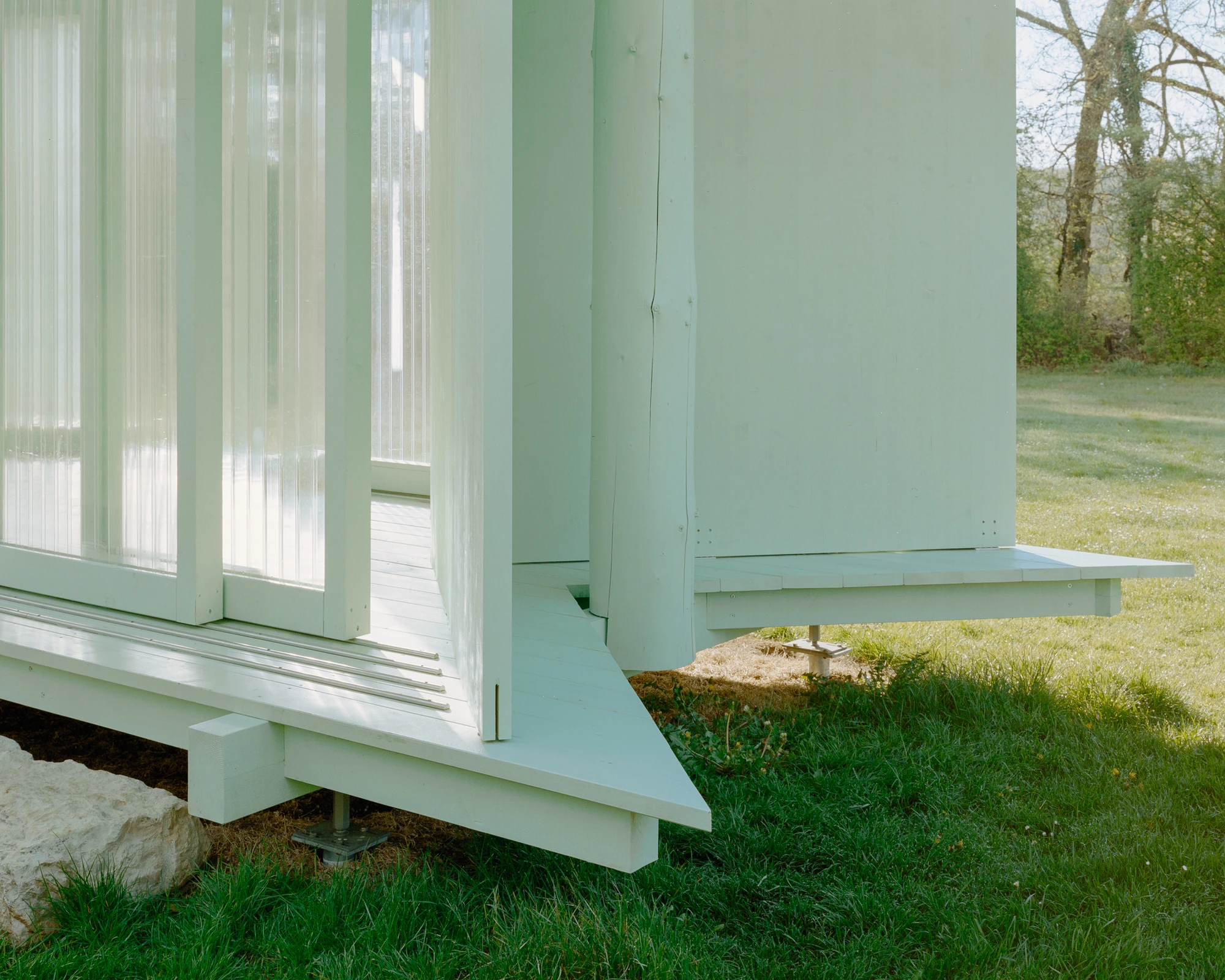
Piertzovanis Toews gave the brief its form. A light wooden frame floats above the meadow, closed along its sides by sliding panels that hold off wind and weather. There is no insulation and no electricity. What the pavilion offers is shelter and nothing beyond it, which turns out to be the whole point. Translucent glazing filters the daylight and throws changing patterns across the floor and the walls as the sun moves.
The panels are the working part of the design. Slid one way the space reads as a lounge, slid another it becomes a concert stage or a semi-open mini-theatre. Opening and closing the sides is how the building changes register, from a place to retreat to a place to celebrate, and it happens by hand, without a key or anyone's permission.
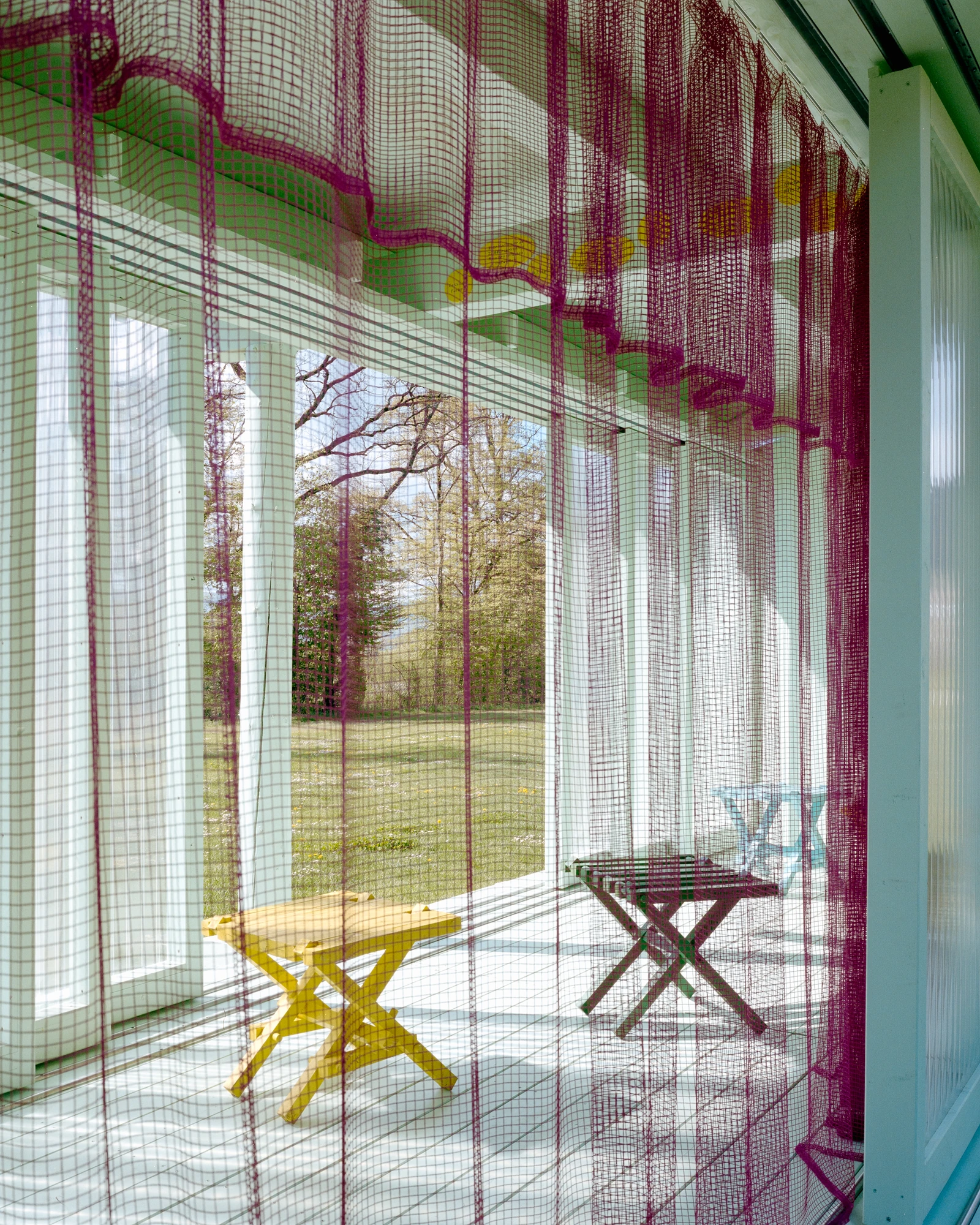
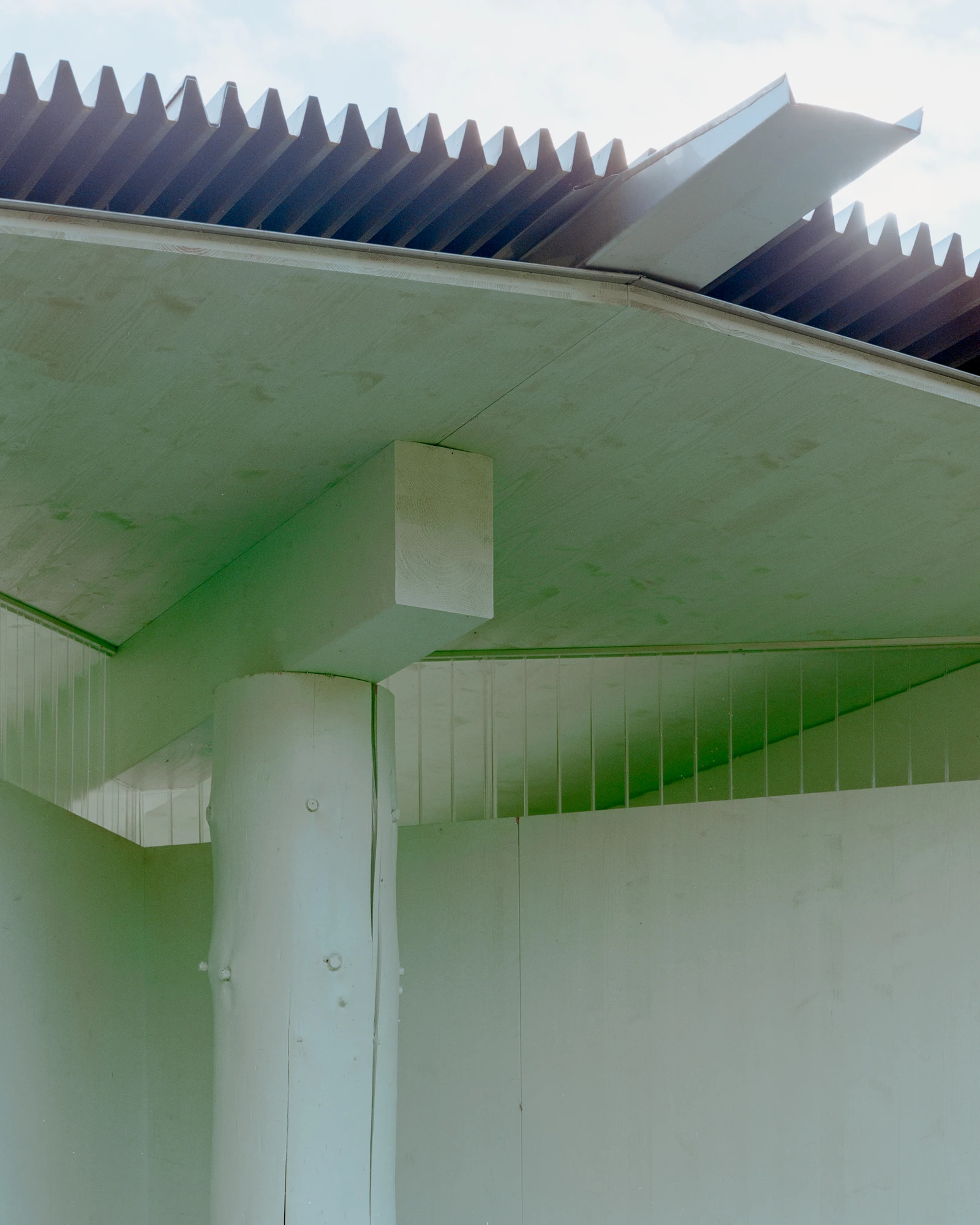
None of it was paid for in the usual way. Some budget existed but was nowhere near enough to realise the pavilion, so the practice took on the fundraising as part of the job. The story of the letter opened doors. Businesses donated used trapezoidal metal sheets and curtains, suppliers gave discounted polycarbonate panels along with paint, brushes and rollers, and contractors handed over much of their labour voluntarily.
Then the young people and other villagers built it. In workshops they painted the wooden elements and made stools that hold together without glue or screws. The timber came from the surrounding forests, the sheet metal and curtains are living a second life, and the screwed foundations can be unscrewed and used again, leaving the meadow undamaged. The structure could disappear from the landscape one day without a trace. What it has already put into the village will not.