Thisispaper Community
Join today.
Enter your email address to receive the latest news on emerging art, design, lifestyle and tech from Thisispaper, delivered straight to your inbox.
Oops! Something went wrong while submitting the form.
Instant access to new channels
The top stories curated daily
Weekly roundups of what's important
Original features and deep dives
Exclusive community features
No items found.
NATORU by Mit Borrás at Kunstverein Göttingen
Apr 16, 2026

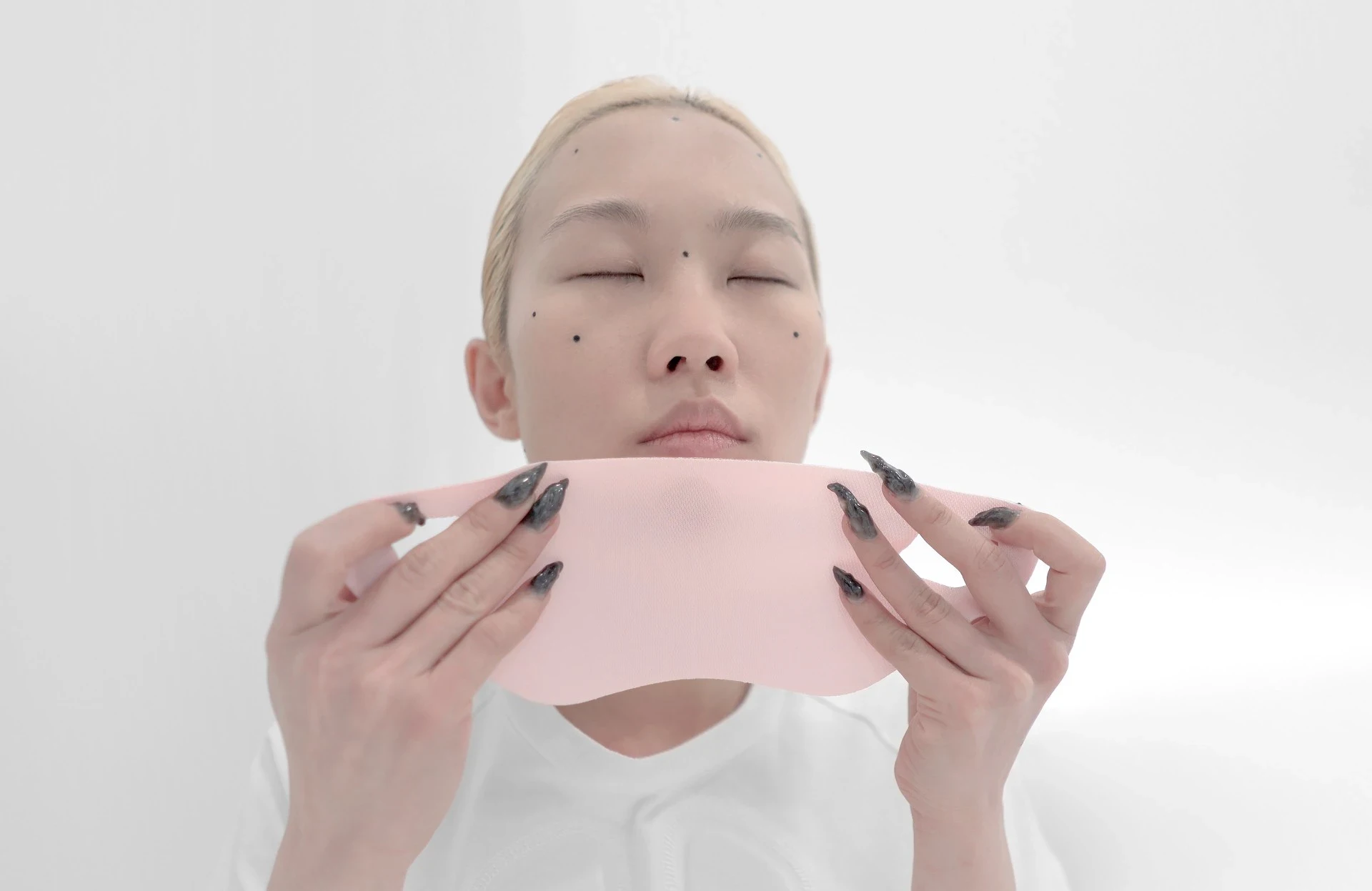
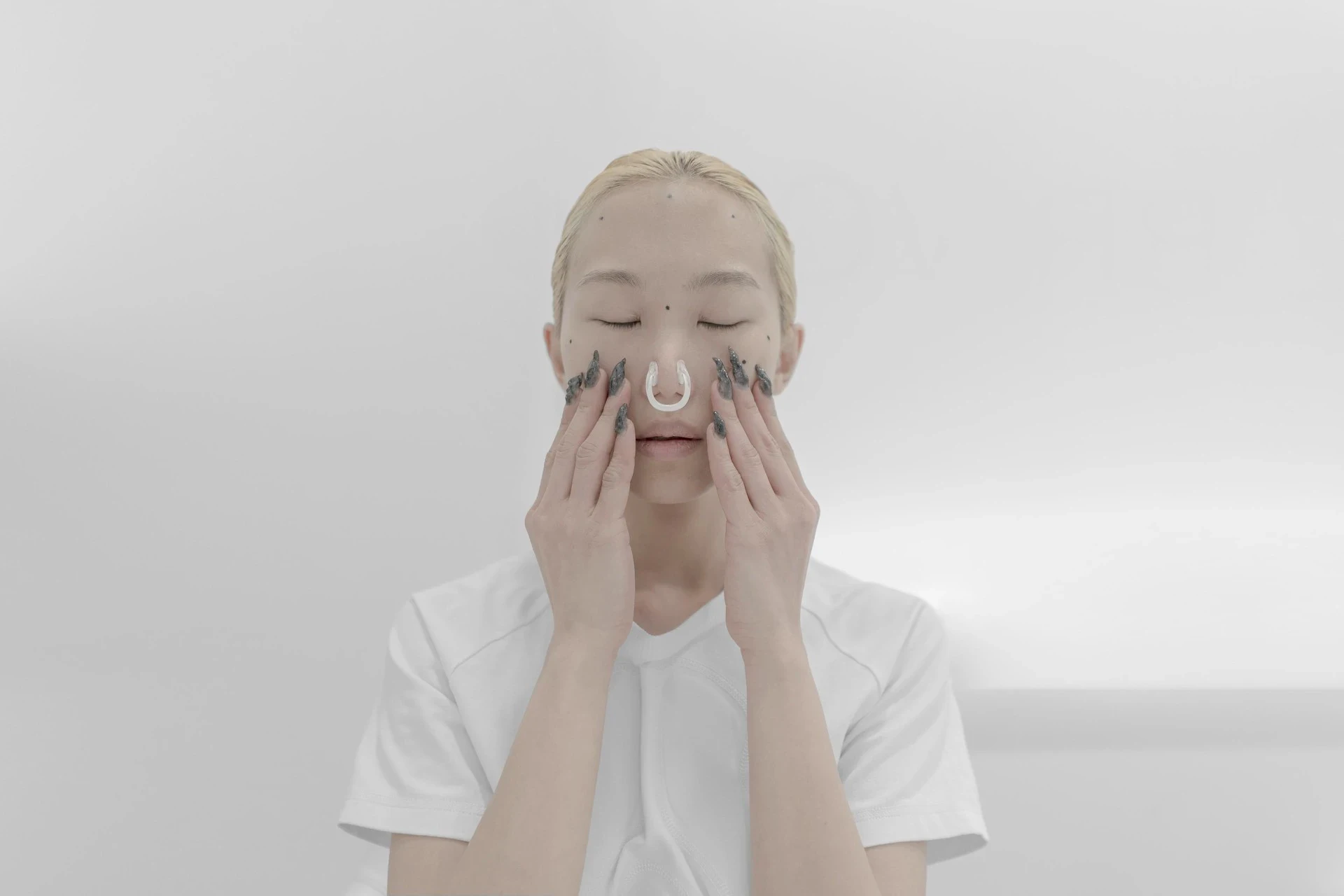
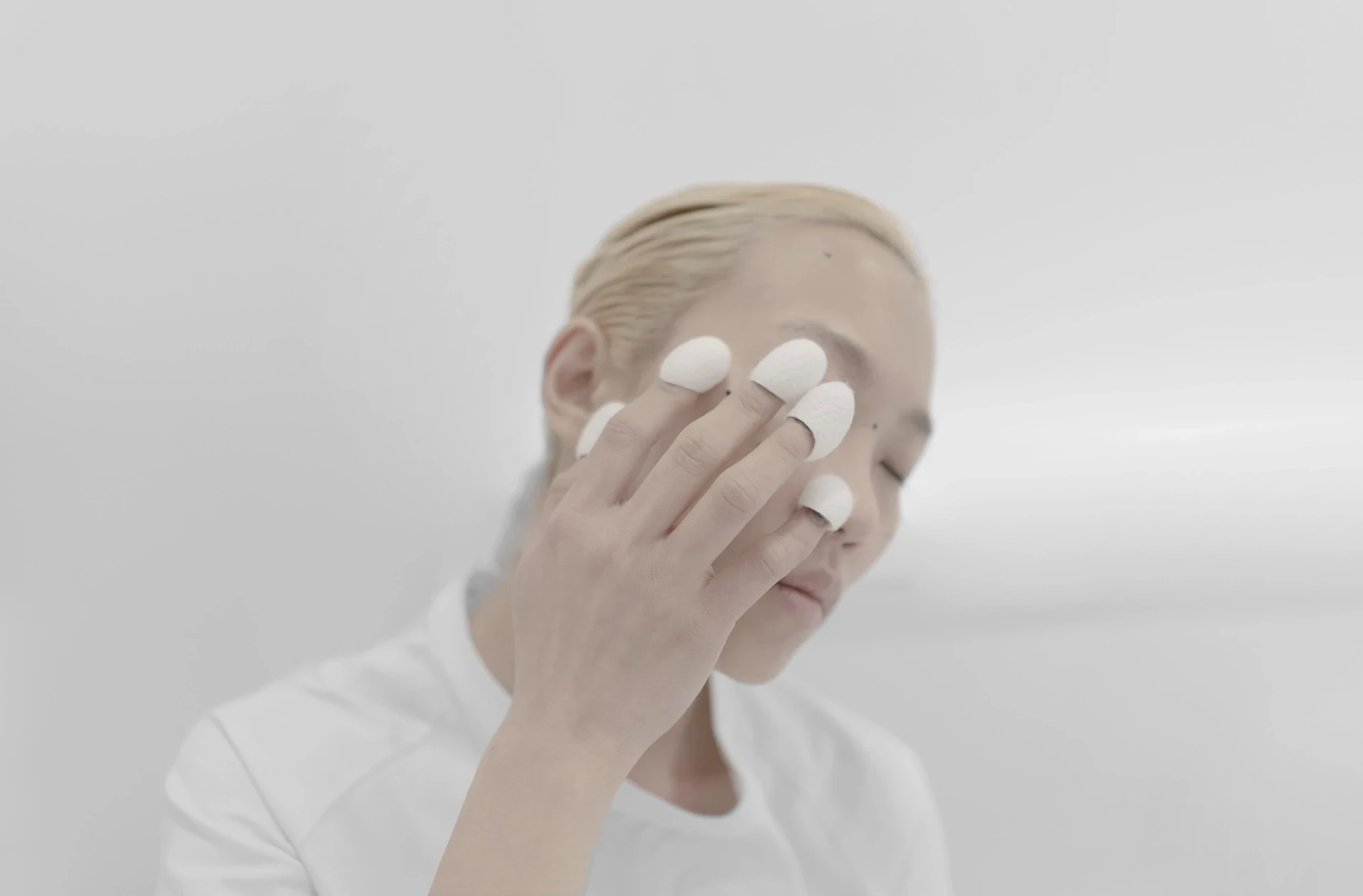
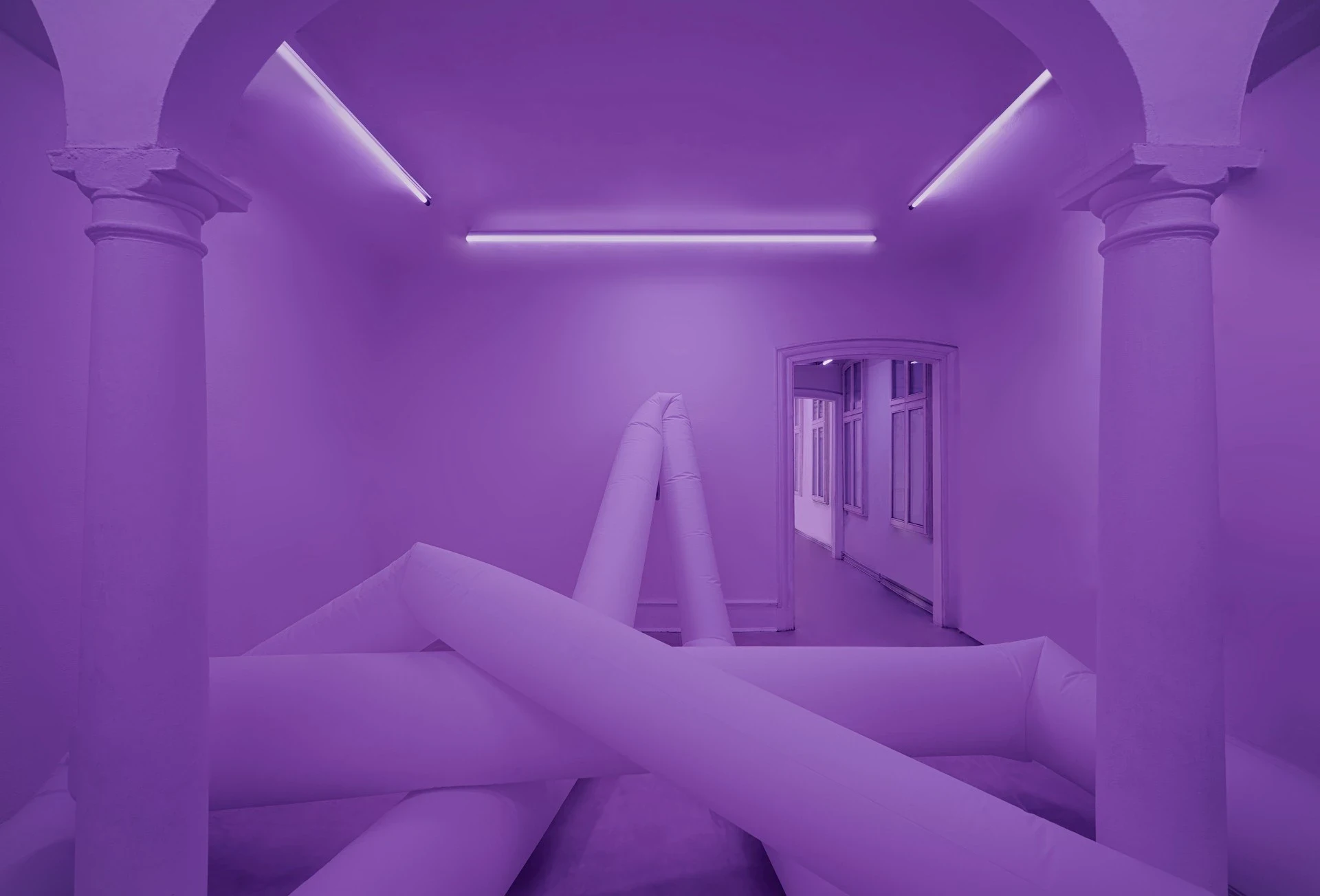
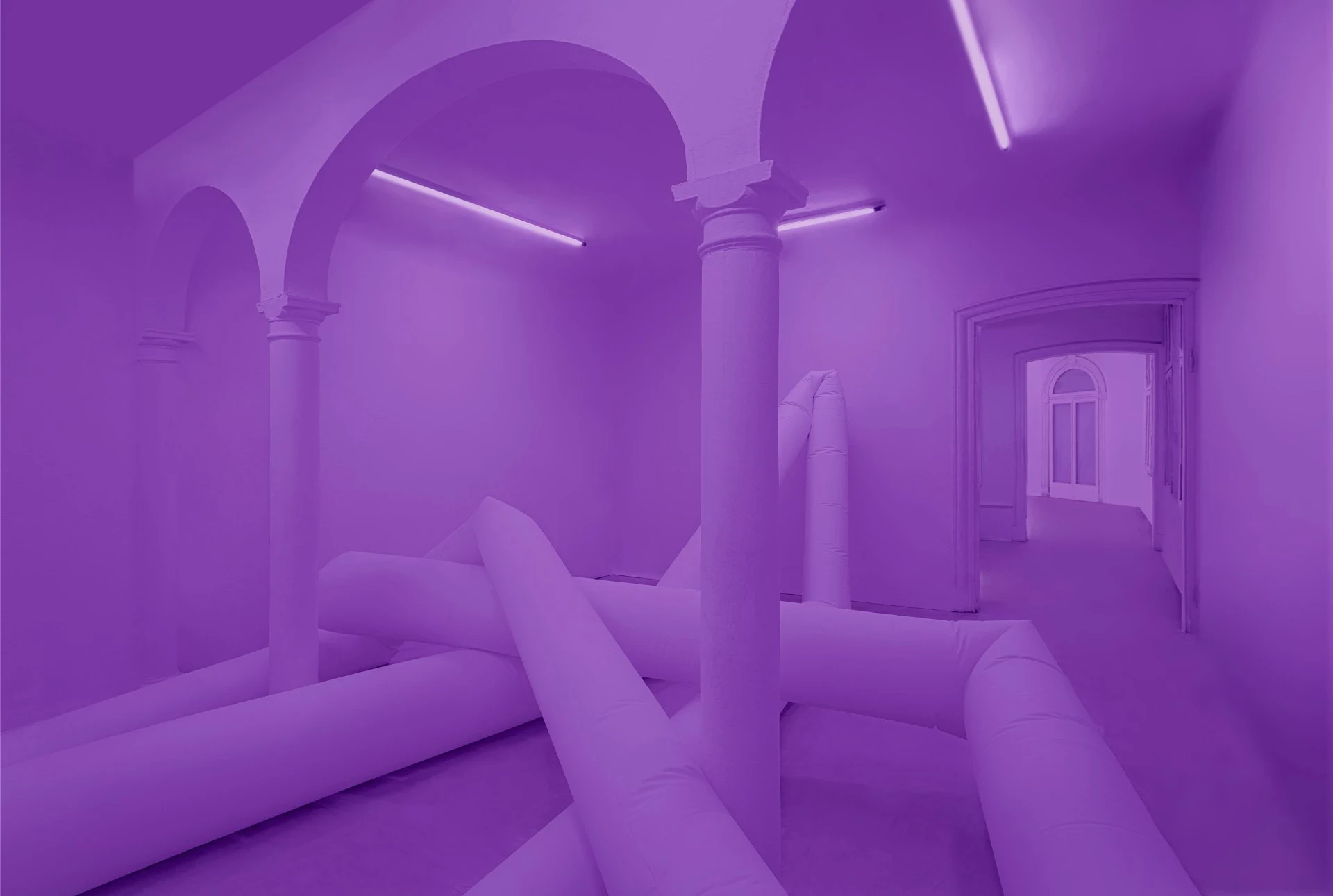
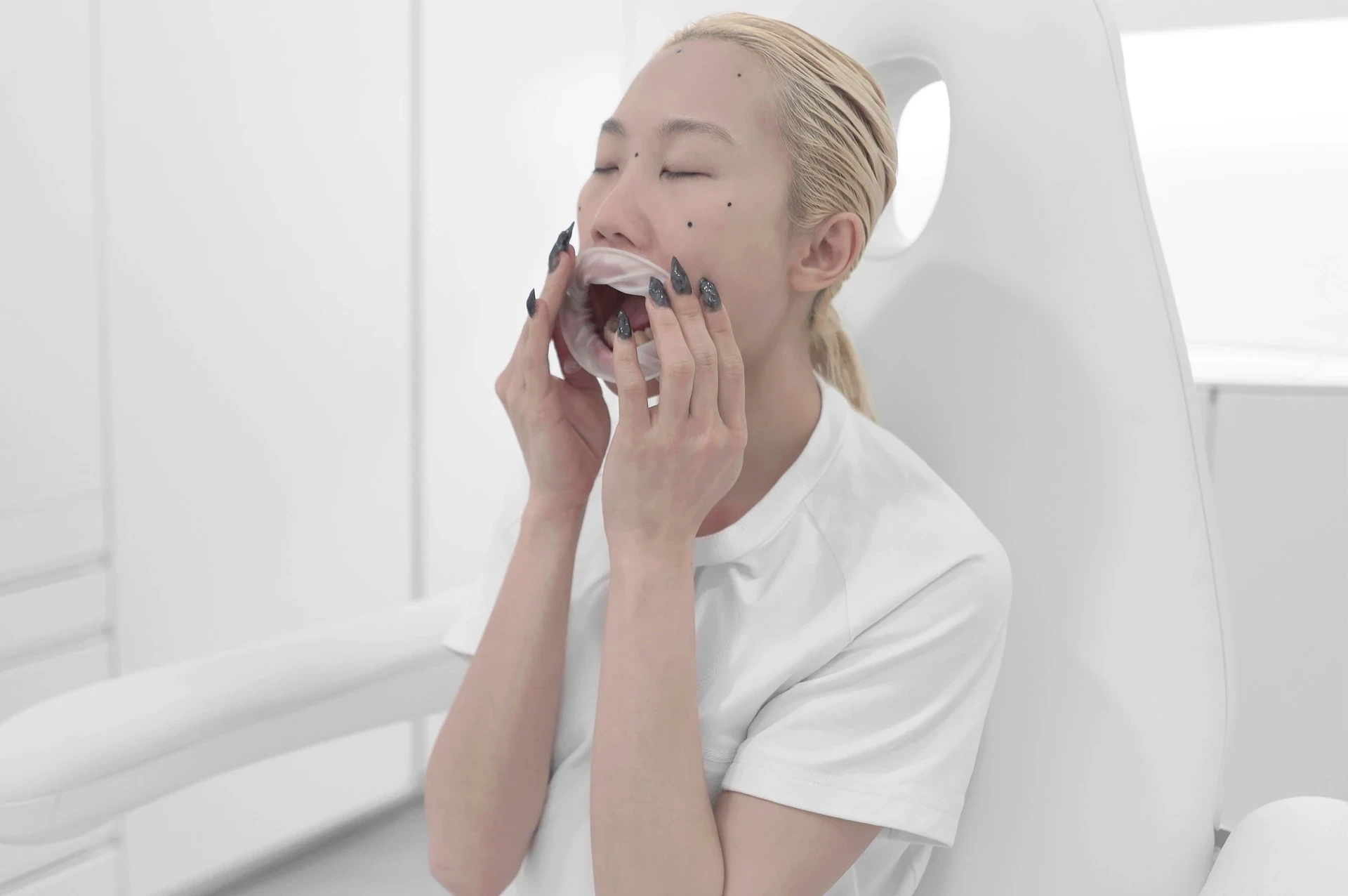
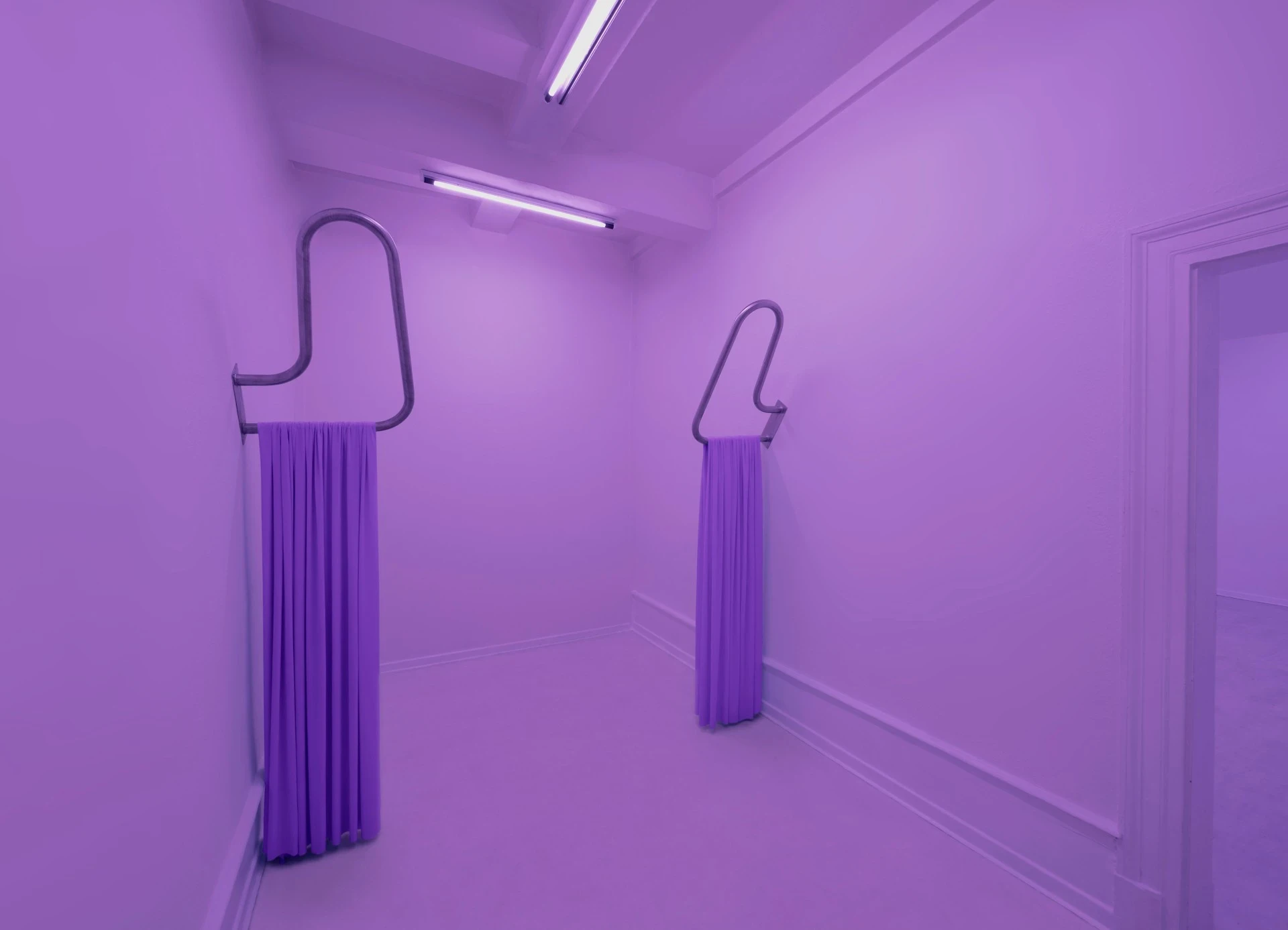
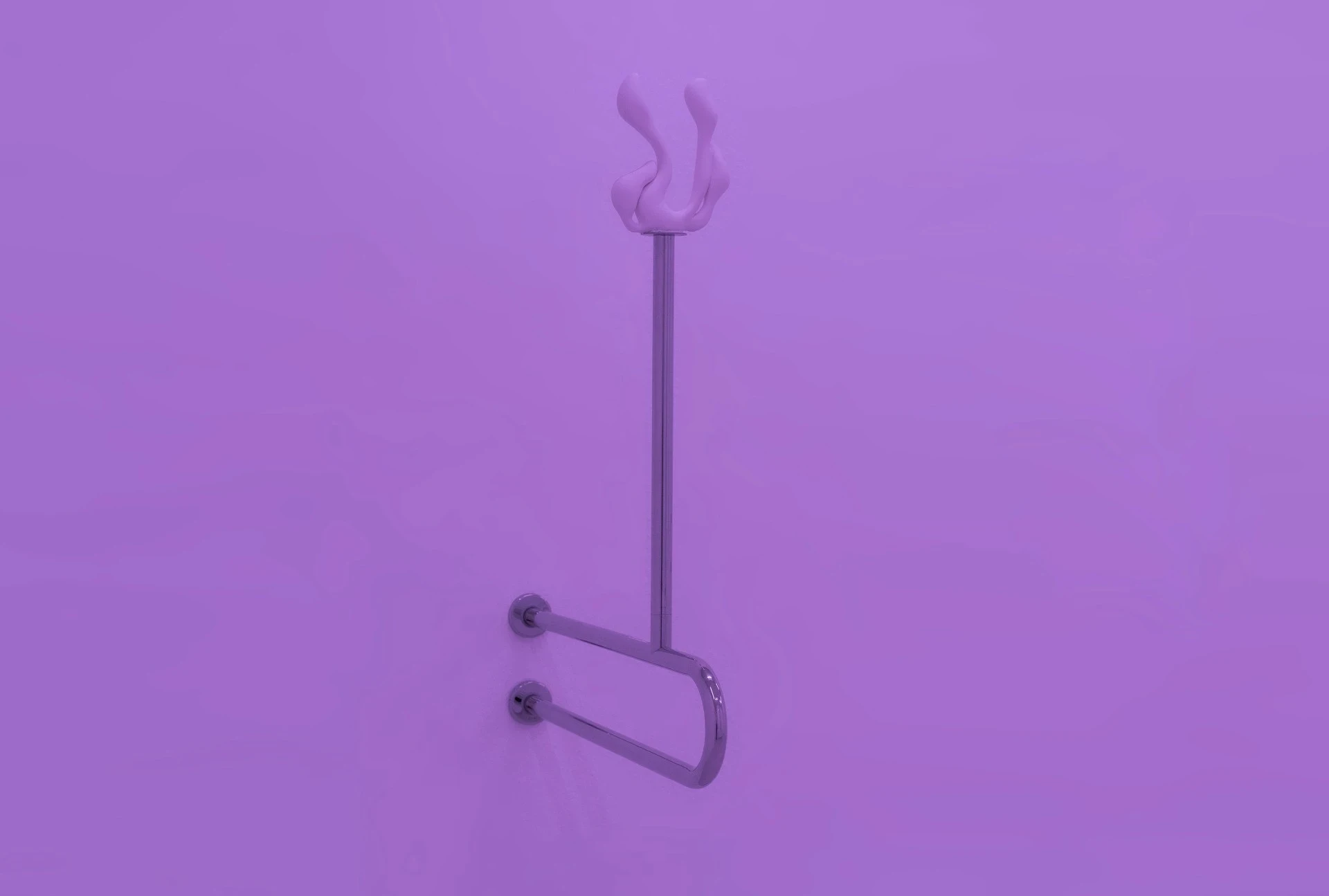
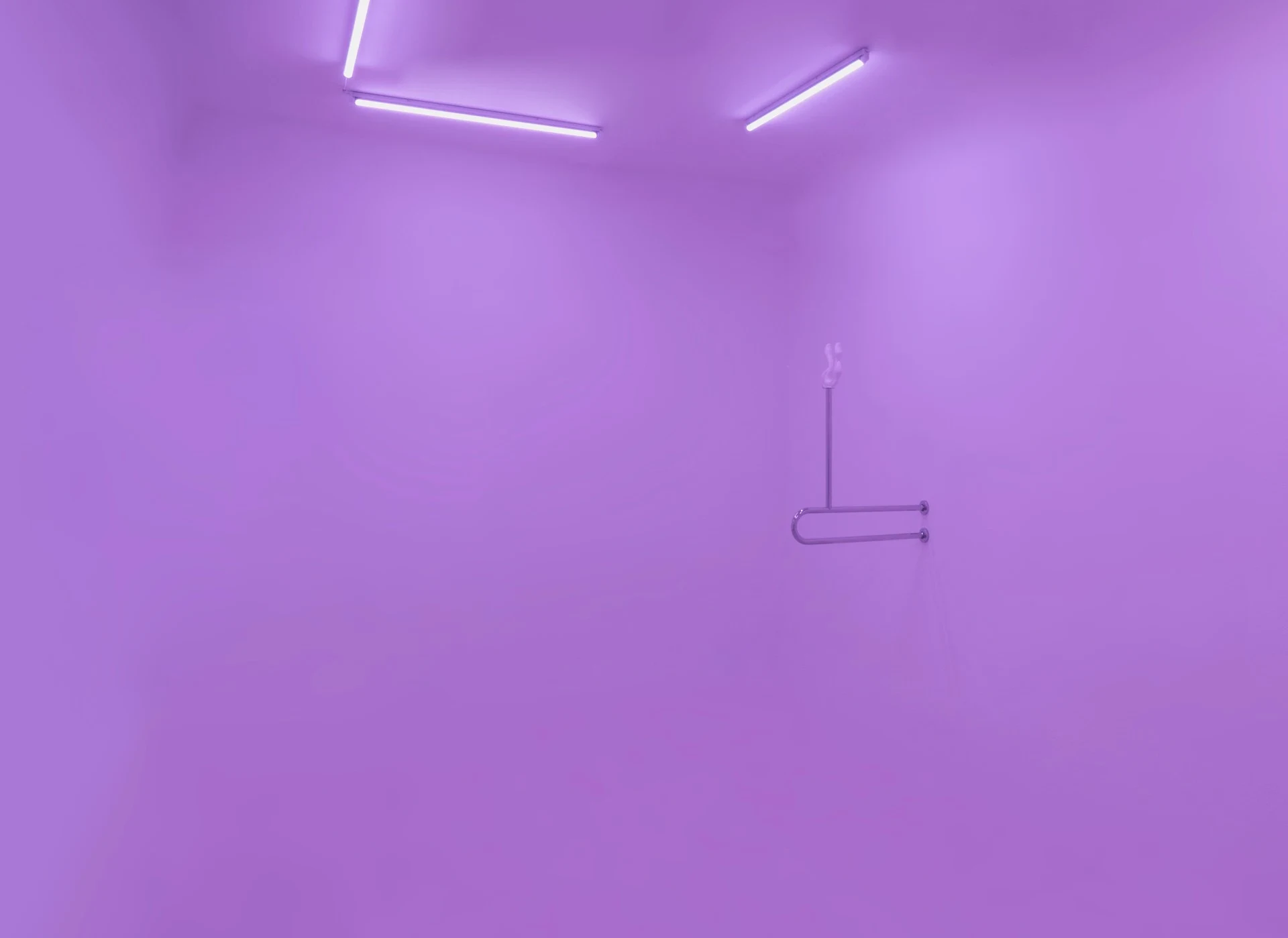
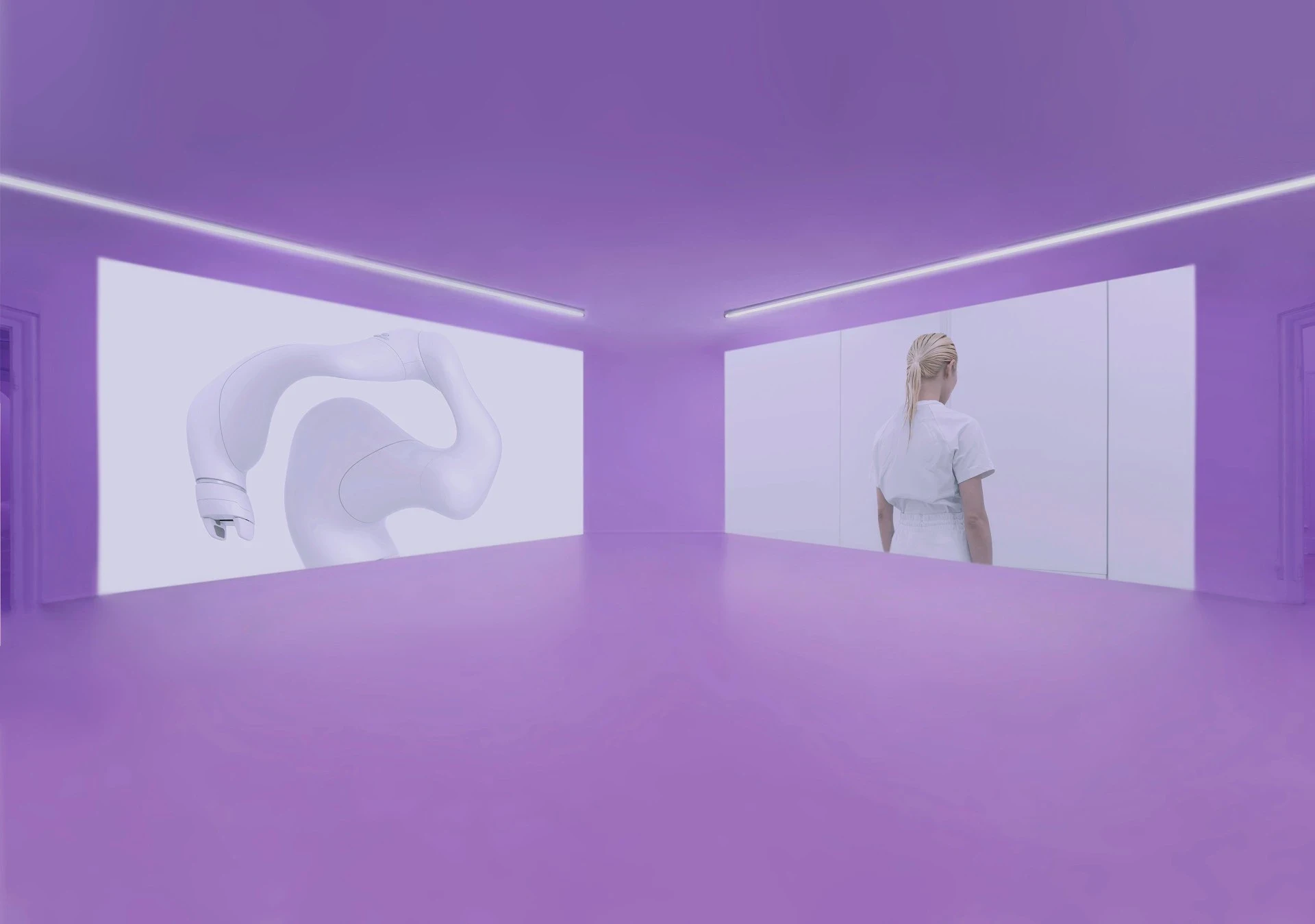
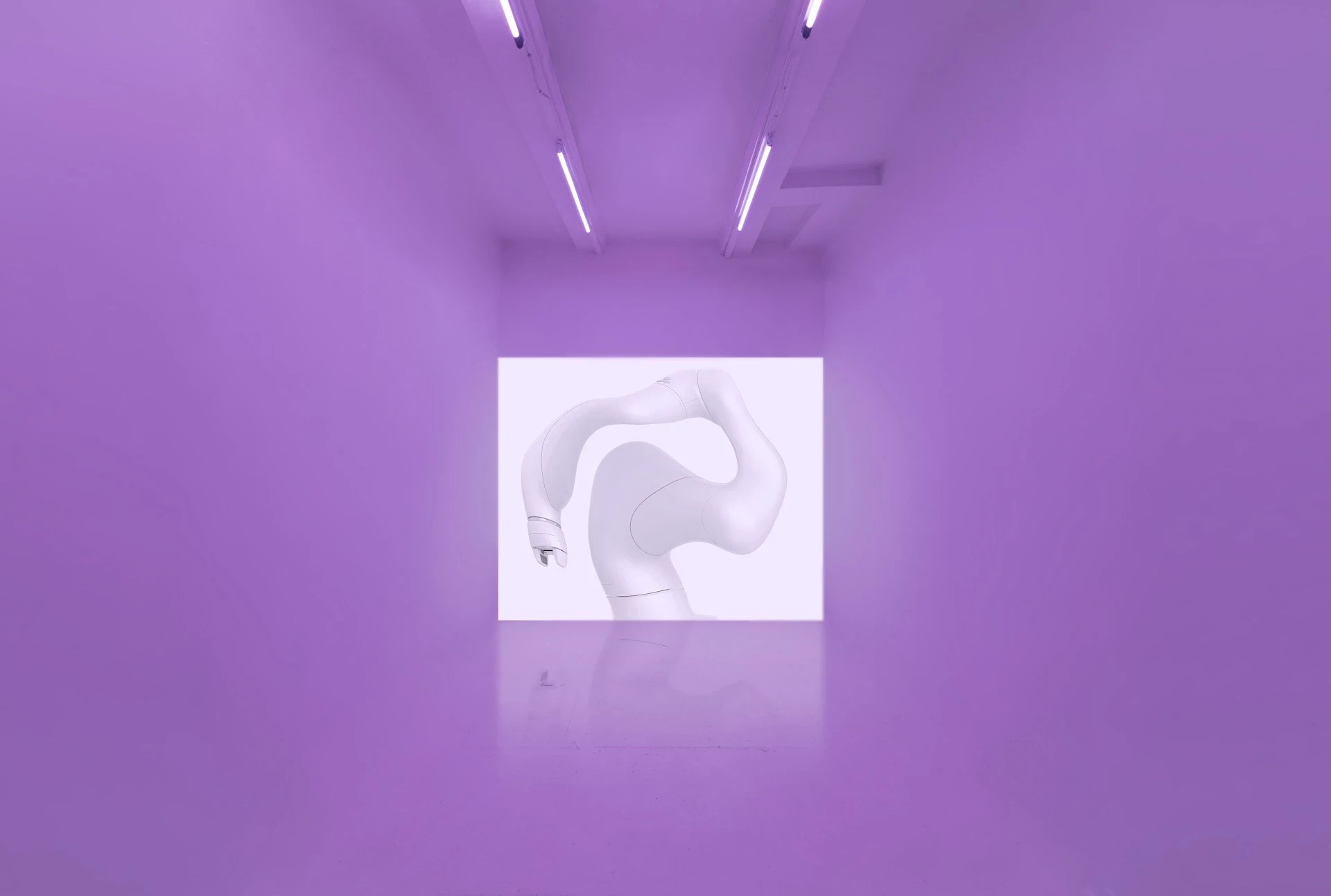
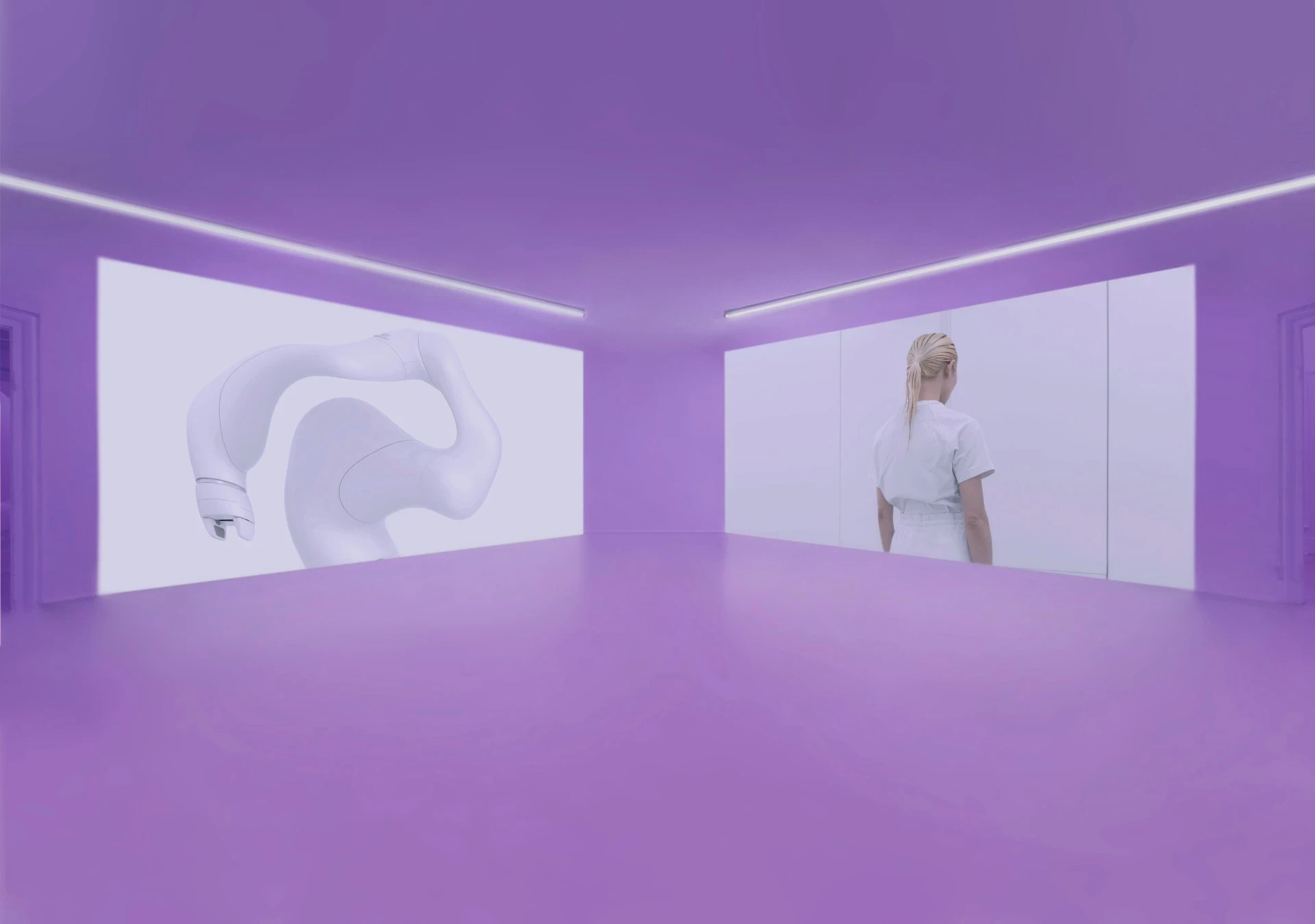
At Kunstverein Göttingen in Germany, Mit Borrás presents NATORU ナとル — a conceptual interplay of film, 3D printing, and drone footage that paints a visually stunning vision of nature and technology in symbiosis.

The first solo exhibition of the 2026 programme, curated by Stephan Klee, is subtitled TRANSHUMAN. In a rare move for contemporary art, Borrás proposes an affirmative vision of the future — not scepticism but possibility. "Is the creation of a near-perfect universal utopia also one of the achievements of contemporary art?" the exhibition asks, and answers clearly: yes, with valid arguments.

Inspired by the Aokigahara forest at the base of Mount Fuji — a landscape where the boundary between living and non-living has become uncertain — Borrás creates an environment for the birth and presence of future creatures. The title's core, "nato," comes from Latin: to be born, to swim, to surge, to sway. The Japanese syllable "Ru" finalises verbs; NATORU could be loosely translated as "continuous creation." That meaning is no coincidence but underlines the deeper concept bridging Western and Far Eastern culture.

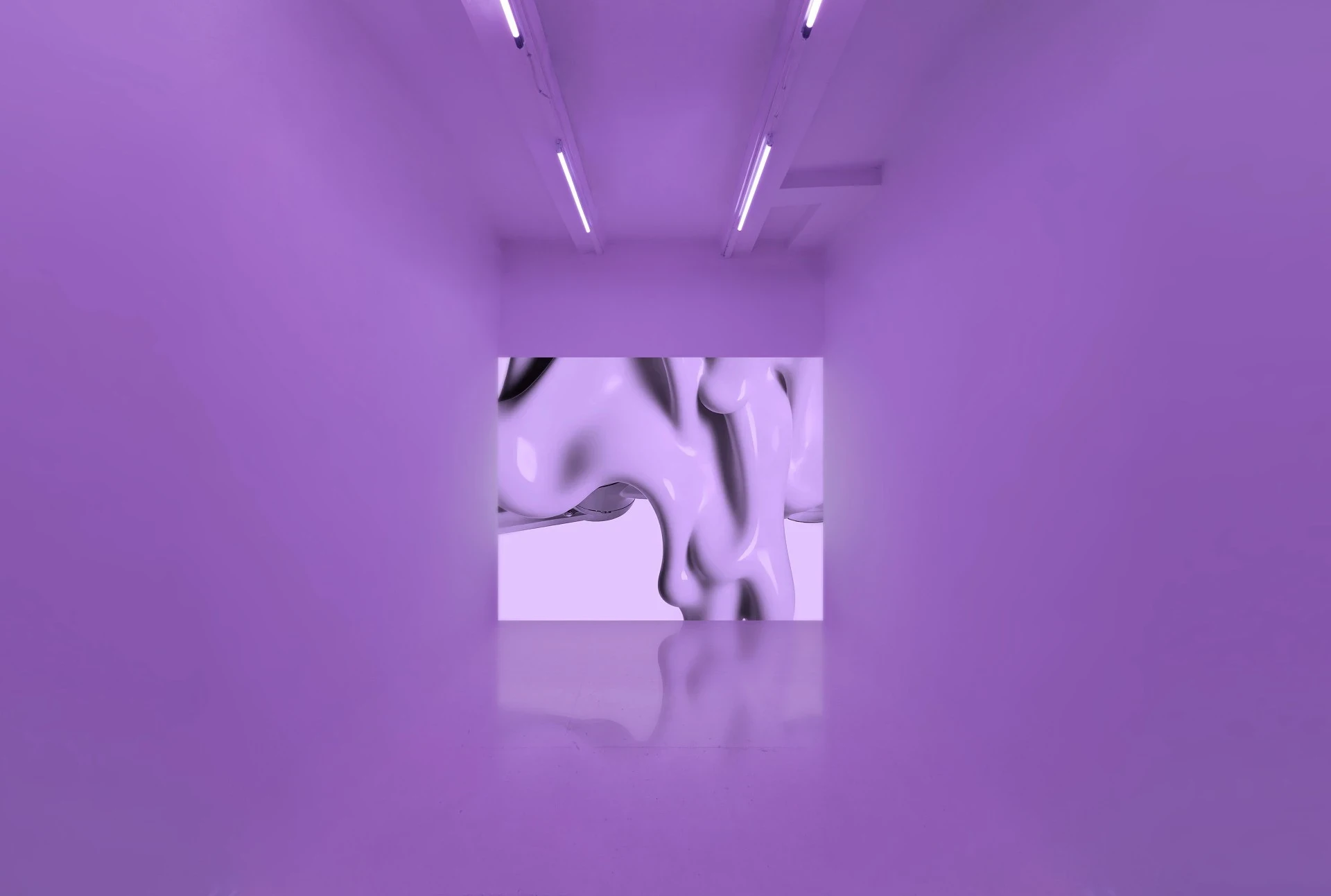
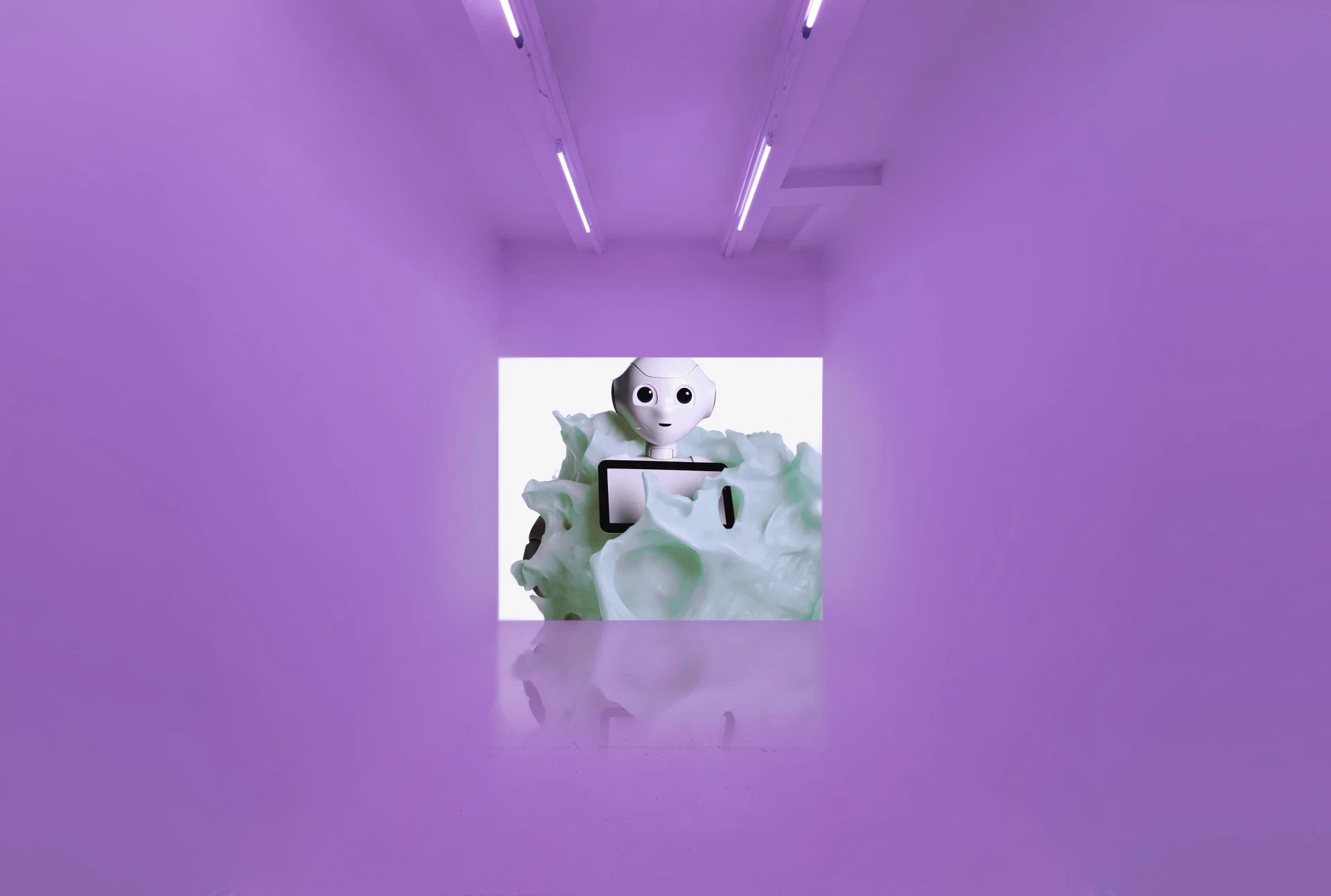
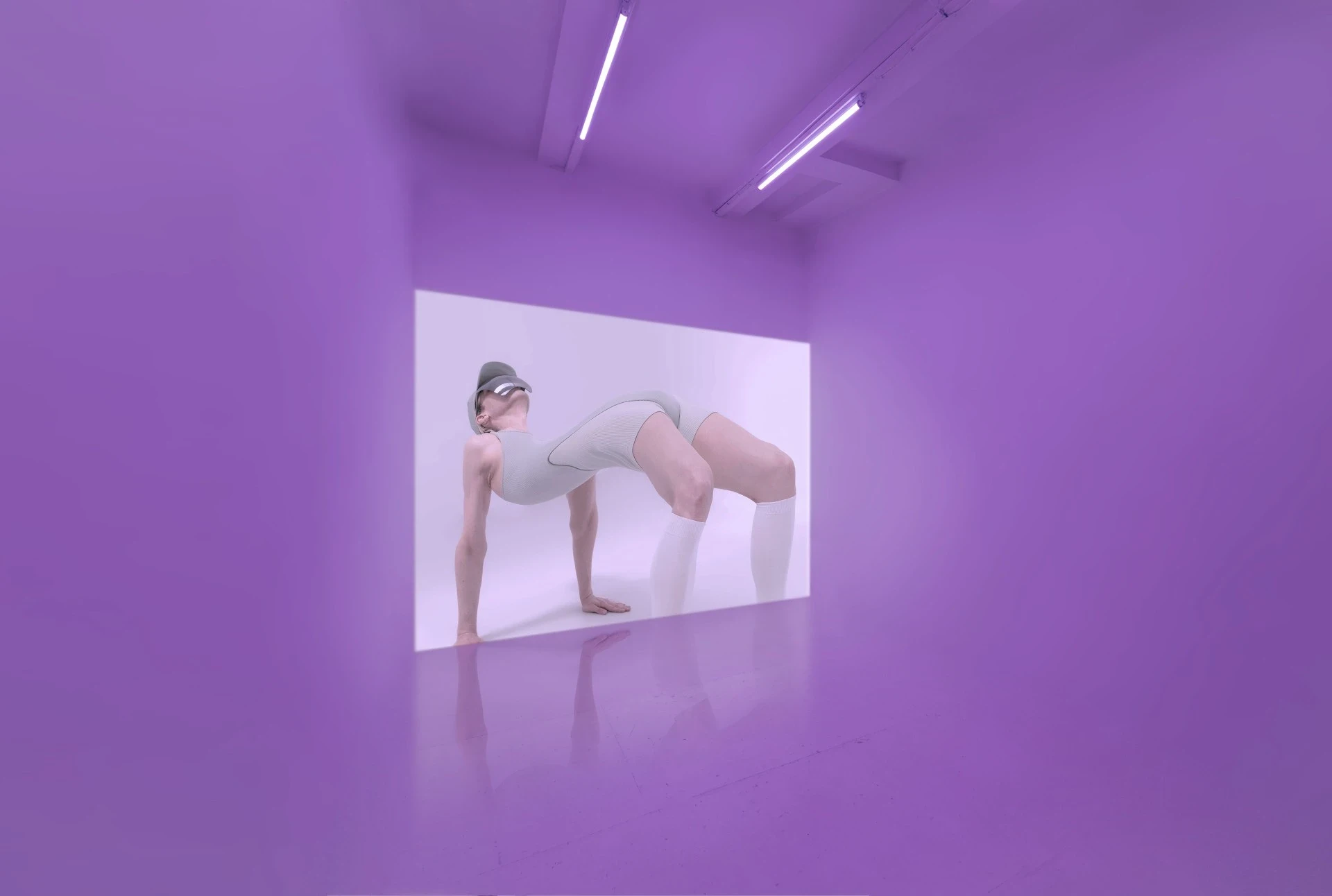
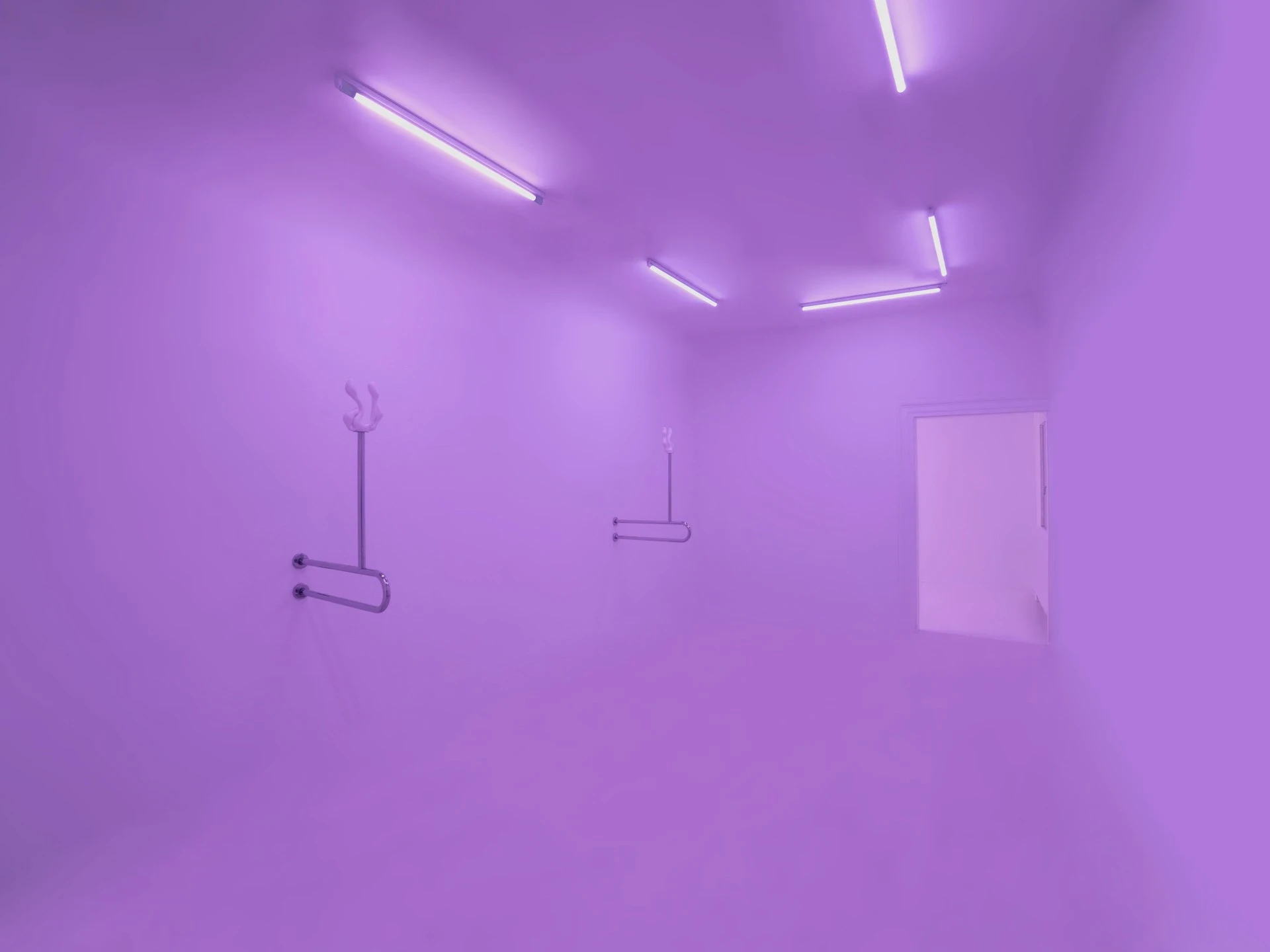
Three works interconnect within the exhibition space. The central projection HANABA 突変花 (ADAPTASI CYCLE 2022) invokes the essential significance of the forest for human existence. The video L.Y.R.A. — The Oracle (2025), with creative direction by Rachel Lamot and choreography by Ulrico, carries the directive power of prophecies. And a breathing sculpture — a new species — permeates the spaces, its presence tangible and strange. Film creative director Rachel Lamot, musician Daniel Vacas Peralta, and performers Weixin Quek Chong and Ulrico complete a collaboration that runs through CAVVE, Borrás's Madrid production studio.

The Madrid- and Berlin-based artist has been working systematically for years on elaborate video productions fused with immersive spatial settings. Influenced by the theories of Donna Haraway, Bruno Latour, and Gilles Deleuze, Borrás follows a cyclical, fluid, ecological worldview — reflected in works that refuse to separate technology from nature, the printed object from the organic form. These diverse variations explore new forms of cooperation and cohabitation, staging the boundaries of species and transcending the boundaries of animate and inanimate matter.

NATORU runs through April 22, 2026. It proposes no resolution, only the ongoing encounter with systems that outlast us — the forest that predates us, the 3D print that mimics us, the breathing sculpture that will remain when the walls go bare again.
Interested in Showcasing Your Work?

If you would like to feature your works on Thisispaper, please visit our Submission page and sign up to Thisispaper+ to submit your work. Once your submission is approved, your work will be showcased to our global audience of 2 million art, architecture, and design professionals and enthusiasts.
No items found.
We love less
but there is more.
Become a Thisispaper+ member today to unlock full access to our magazine, advanced tools, and support our work.
Get two months FREE
with annual subscription
We love less
but there is more.
Become a Thisispaper+ member today to unlock full access to our magazine, advanced tools, and support our work.
Get two months FREE
with annual subscription
No items found.
Apr 16, 2026

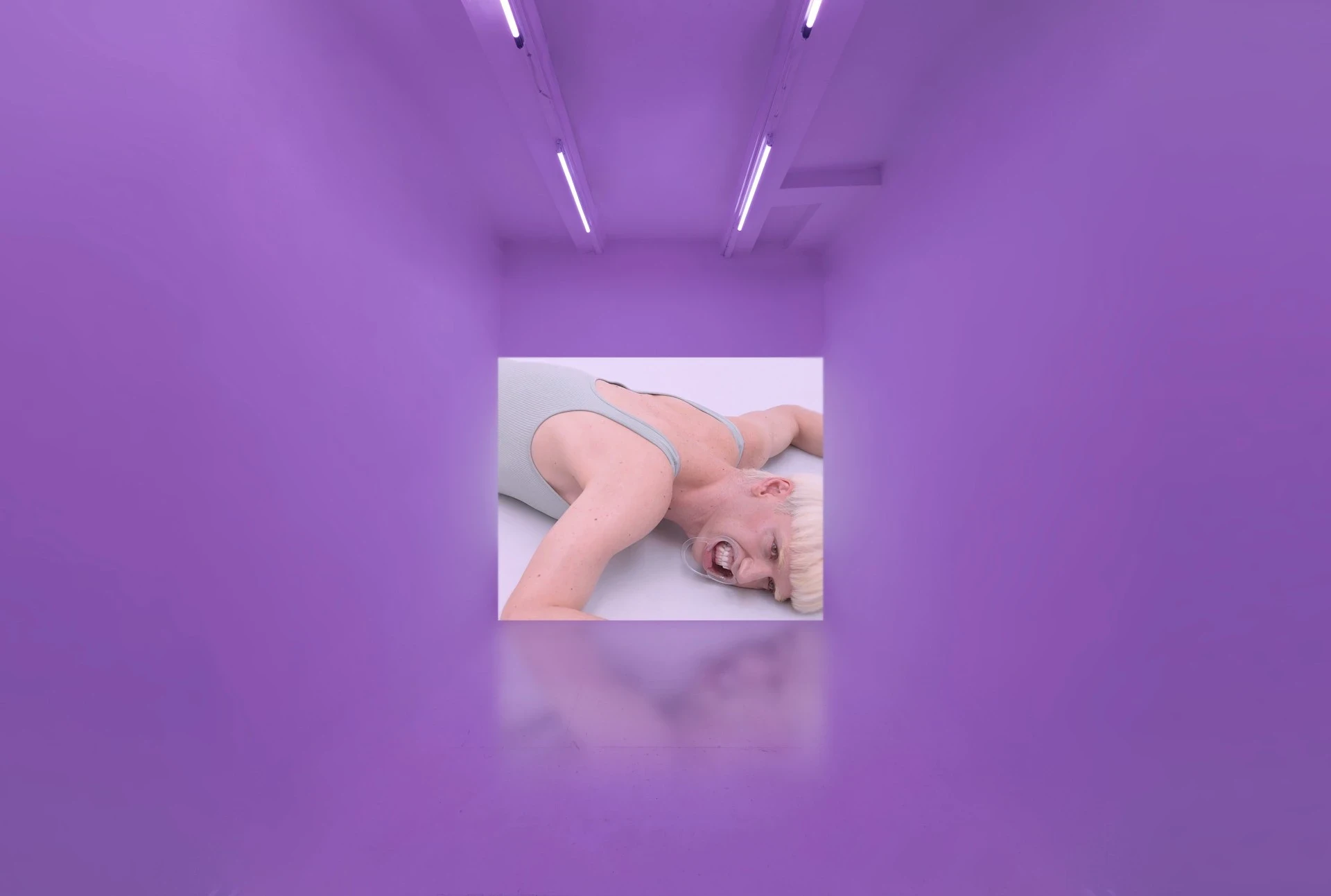
At Kunstverein Göttingen in Germany, Mit Borrás presents NATORU ナとル — a conceptual interplay of film, 3D printing, and drone footage that paints a visually stunning vision of nature and technology in symbiosis.

The first solo exhibition of the 2026 programme, curated by Stephan Klee, is subtitled TRANSHUMAN. In a rare move for contemporary art, Borrás proposes an affirmative vision of the future — not scepticism but possibility. "Is the creation of a near-perfect universal utopia also one of the achievements of contemporary art?" the exhibition asks, and answers clearly: yes, with valid arguments.

Inspired by the Aokigahara forest at the base of Mount Fuji — a landscape where the boundary between living and non-living has become uncertain — Borrás creates an environment for the birth and presence of future creatures. The title's core, "nato," comes from Latin: to be born, to swim, to surge, to sway. The Japanese syllable "Ru" finalises verbs; NATORU could be loosely translated as "continuous creation." That meaning is no coincidence but underlines the deeper concept bridging Western and Far Eastern culture.

Three works interconnect within the exhibition space. The central projection HANABA 突変花 (ADAPTASI CYCLE 2022) invokes the essential significance of the forest for human existence. The video L.Y.R.A. — The Oracle (2025), with creative direction by Rachel Lamot and choreography by Ulrico, carries the directive power of prophecies. And a breathing sculpture — a new species — permeates the spaces, its presence tangible and strange. Film creative director Rachel Lamot, musician Daniel Vacas Peralta, and performers Weixin Quek Chong and Ulrico complete a collaboration that runs through CAVVE, Borrás's Madrid production studio.

The Madrid- and Berlin-based artist has been working systematically for years on elaborate video productions fused with immersive spatial settings. Influenced by the theories of Donna Haraway, Bruno Latour, and Gilles Deleuze, Borrás follows a cyclical, fluid, ecological worldview — reflected in works that refuse to separate technology from nature, the printed object from the organic form. These diverse variations explore new forms of cooperation and cohabitation, staging the boundaries of species and transcending the boundaries of animate and inanimate matter.

NATORU runs through April 22, 2026. It proposes no resolution, only the ongoing encounter with systems that outlast us — the forest that predates us, the 3D print that mimics us, the breathing sculpture that will remain when the walls go bare again.
Interested in Showcasing Your Work?

If you would like to feature your works on Thisispaper, please visit our Submission page and subscribe to Thisispaper+. Once your submission is approved, your work will be showcased to our global audience of 2 million art, architecture, and design professionals and enthusiasts.
No items found.

Join Thisispaper+
Unlock access to 2500 stories, curated guides + editions, and share your work with a global network of architects, artists, writers and designers who are shaping the future.
Get two months FREE
with annual subscription
Travel Guides
Immerse yourself in timeless destinations, hidden gems, and creative spaces—curated by humans, not algorithms.
Explore All Guides +
Submission Module
Submit your project and gain the chance to showcase your work to our worldwide audience of over 2M architects, designers, artists, and curious minds.
Learn More+
Curated Editions
Dive deeper into carefully curated editions, designed to feed your curiosity and foster exploration.
Off-the-Grid
Jutaku
Sacral Journey
minimum
The New Chair
Explore All Editions +
Atlas
A new and interactive way to explore the most inspiring places around the world.
Interactive map
Linked to articles
300+ curated locations
Google + Apple directions
Smart filters
Subscribe to Explore+
Become a Thisispaper+ member today to unlock full access to our magazine, submit your project and support our work.
Join Thisispaper+Join Thisispaper+
€ 9 EUR
/month
Cancel anytime
Get two months FREE
with annual subscription