In a densely packed residential quarter of Tokyo’s Nakano ward, HOAA founder Hiroyuki Oinuma has designed his own home and studio—a 96-square-metre dwelling that operates simultaneously as a family residence, a working office, and something the architect describes as "a small art museum."
The challenge was elemental: houses pressed tight on every boundary except the north-facing road, which in Japan typically means dim interiors and uninspiring views.
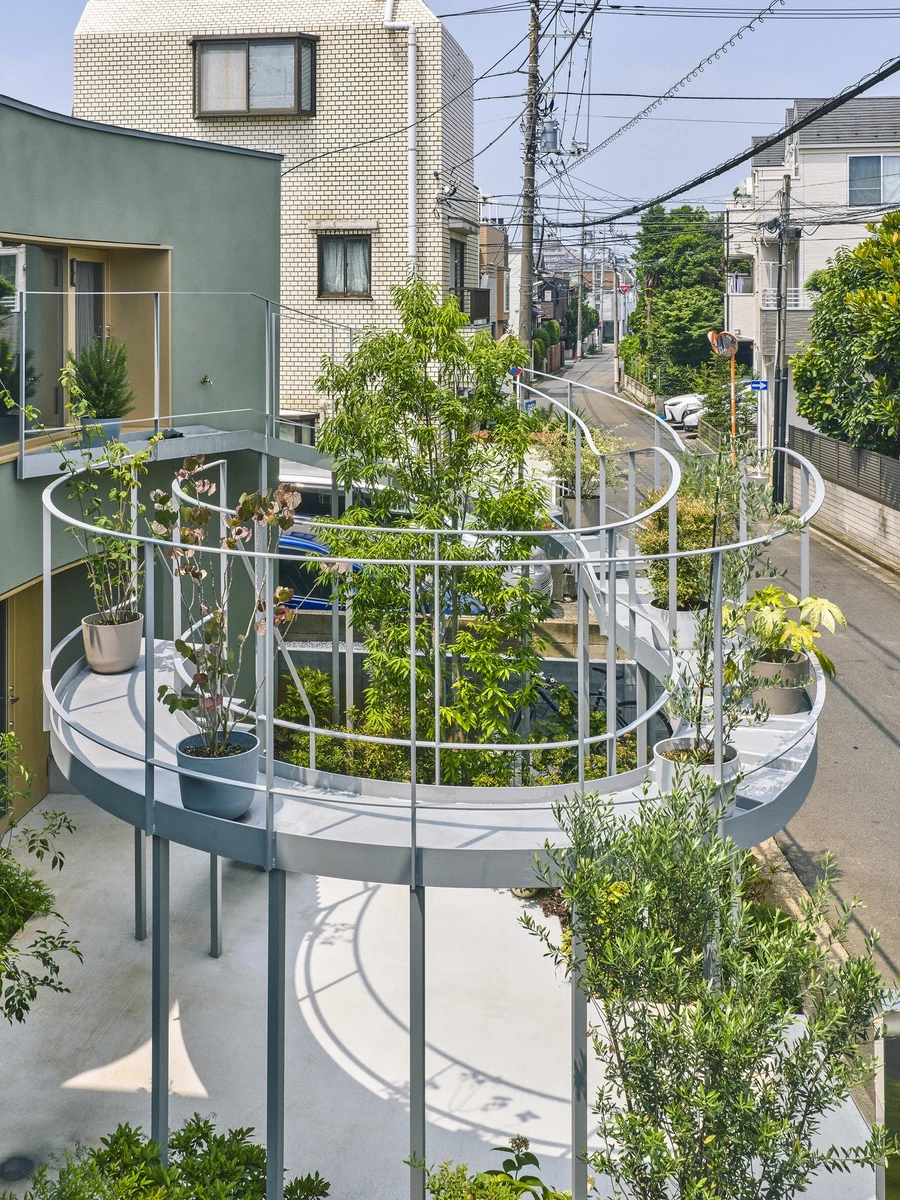
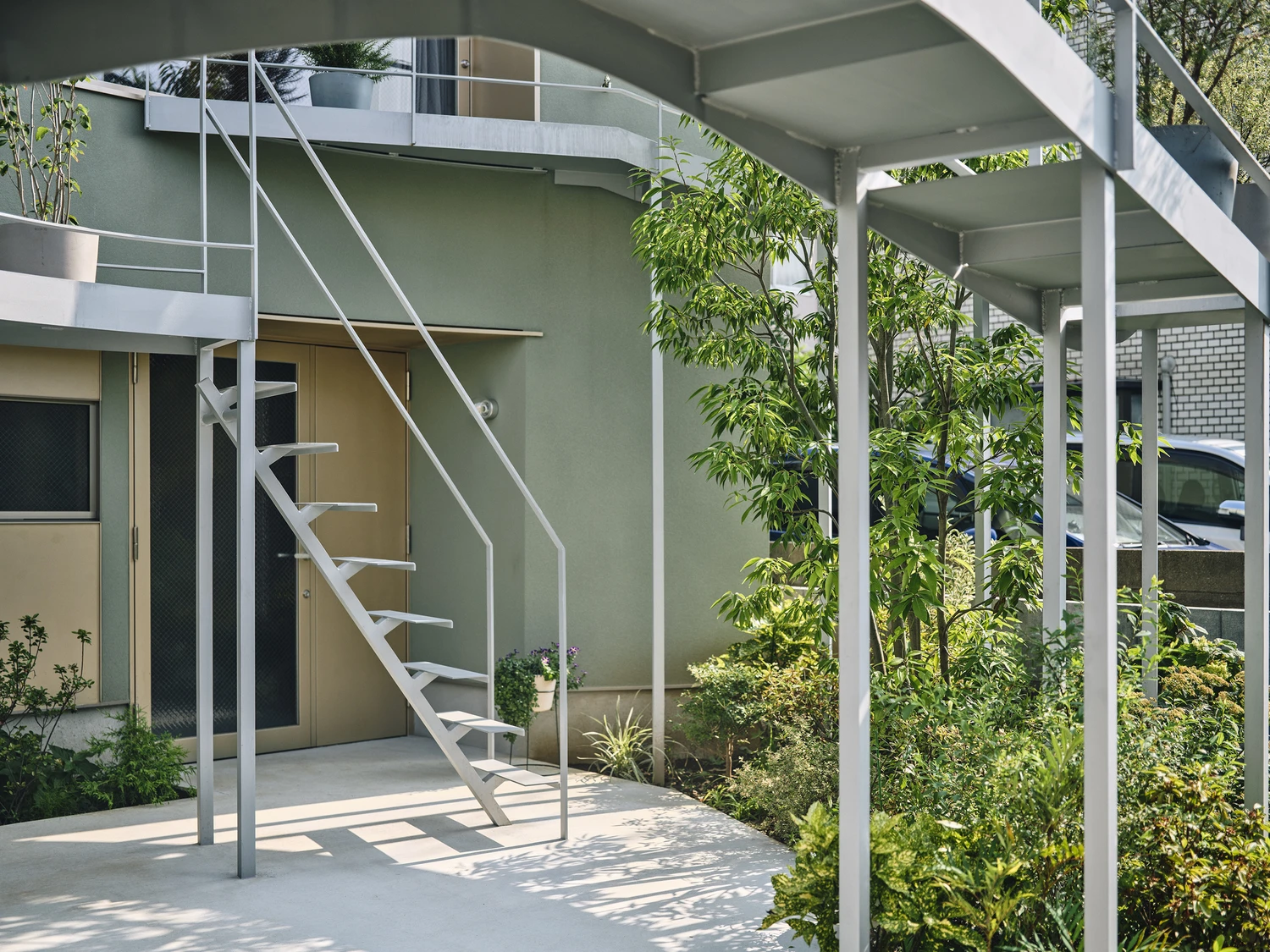
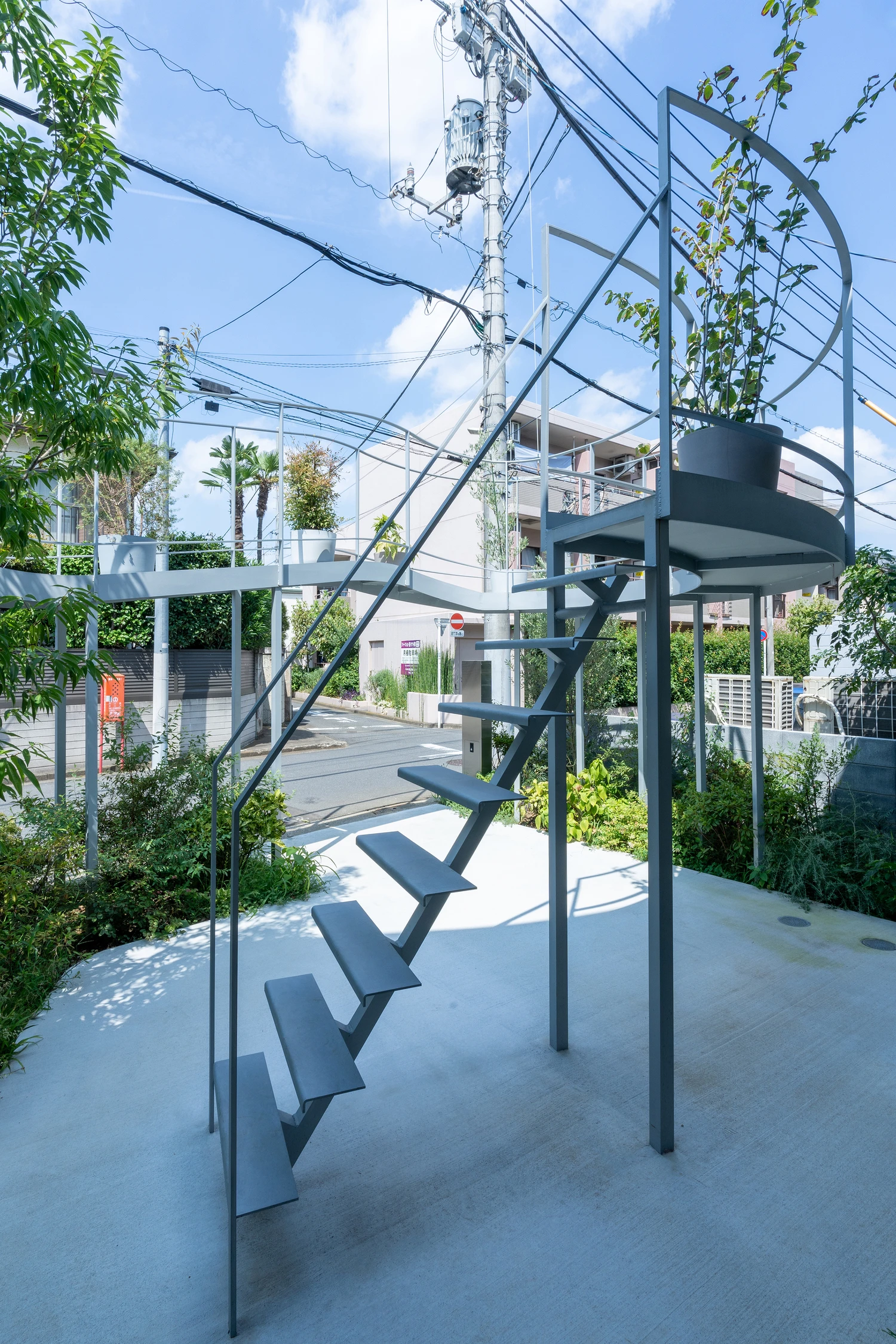
Oinuma’s response is the Kazari Garden—a looping, elevated metal terrace for potted plants, raised on stilts to be visible from the first-floor living areas and arcing toward the street to capture daylight. "I created the Kazari Garden, a looping terrace that bypasses the road to seek out sunlight by the large dining room window on the second floor, adding a sparkling glow to the view from the window," the architect explains. The terrace doubles as the approach to the house itself, with integrated steps forming the entrance path.
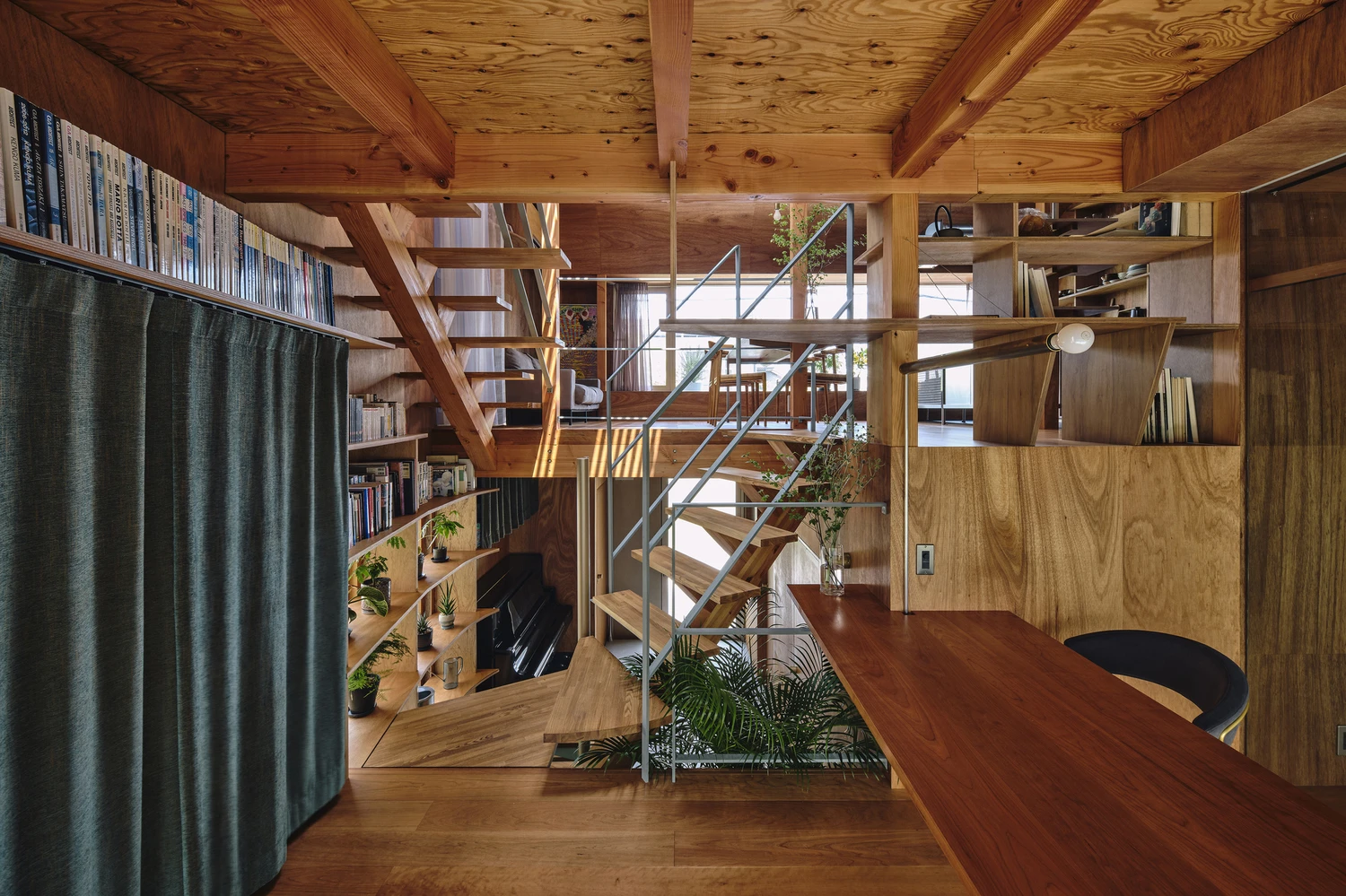
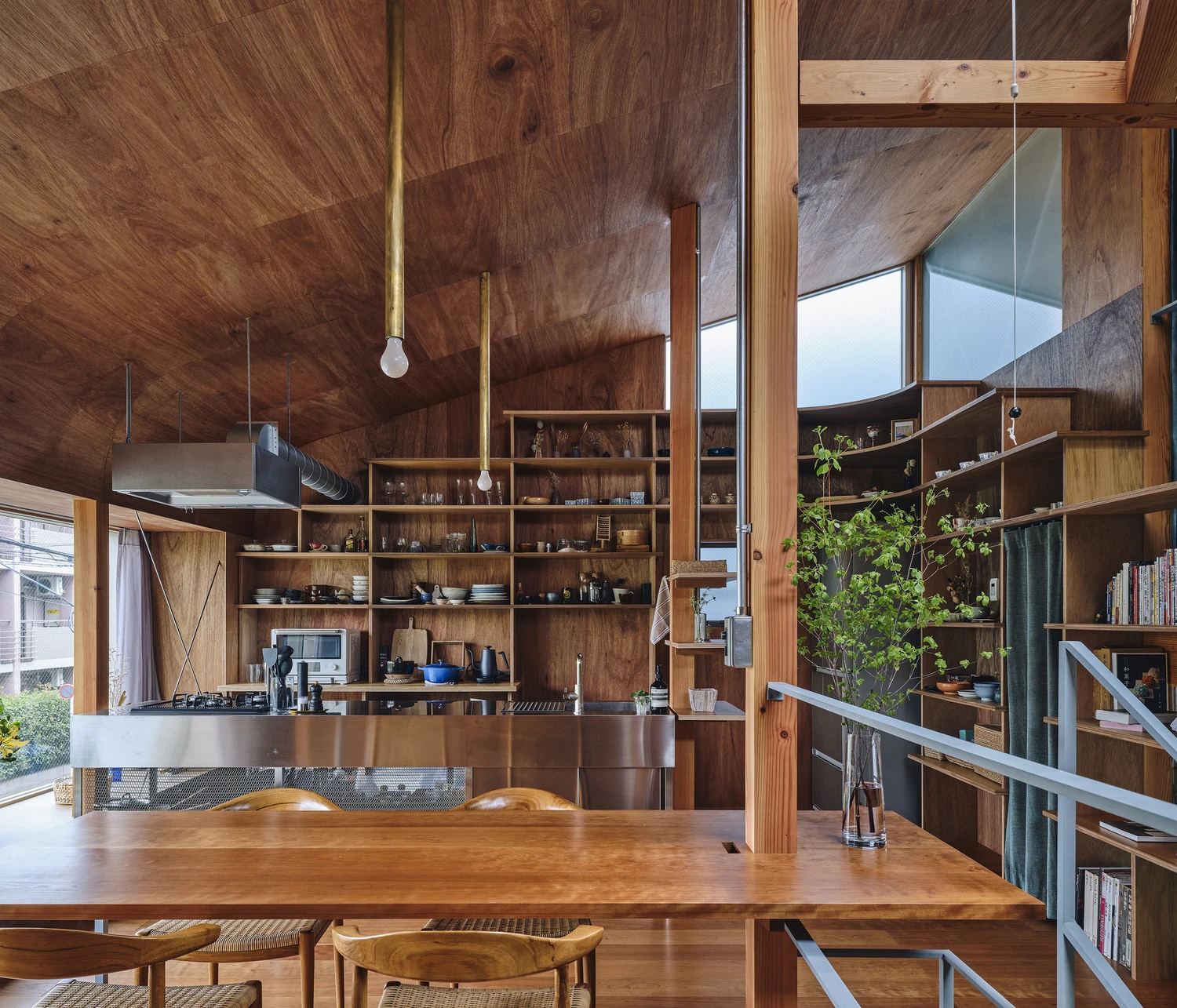
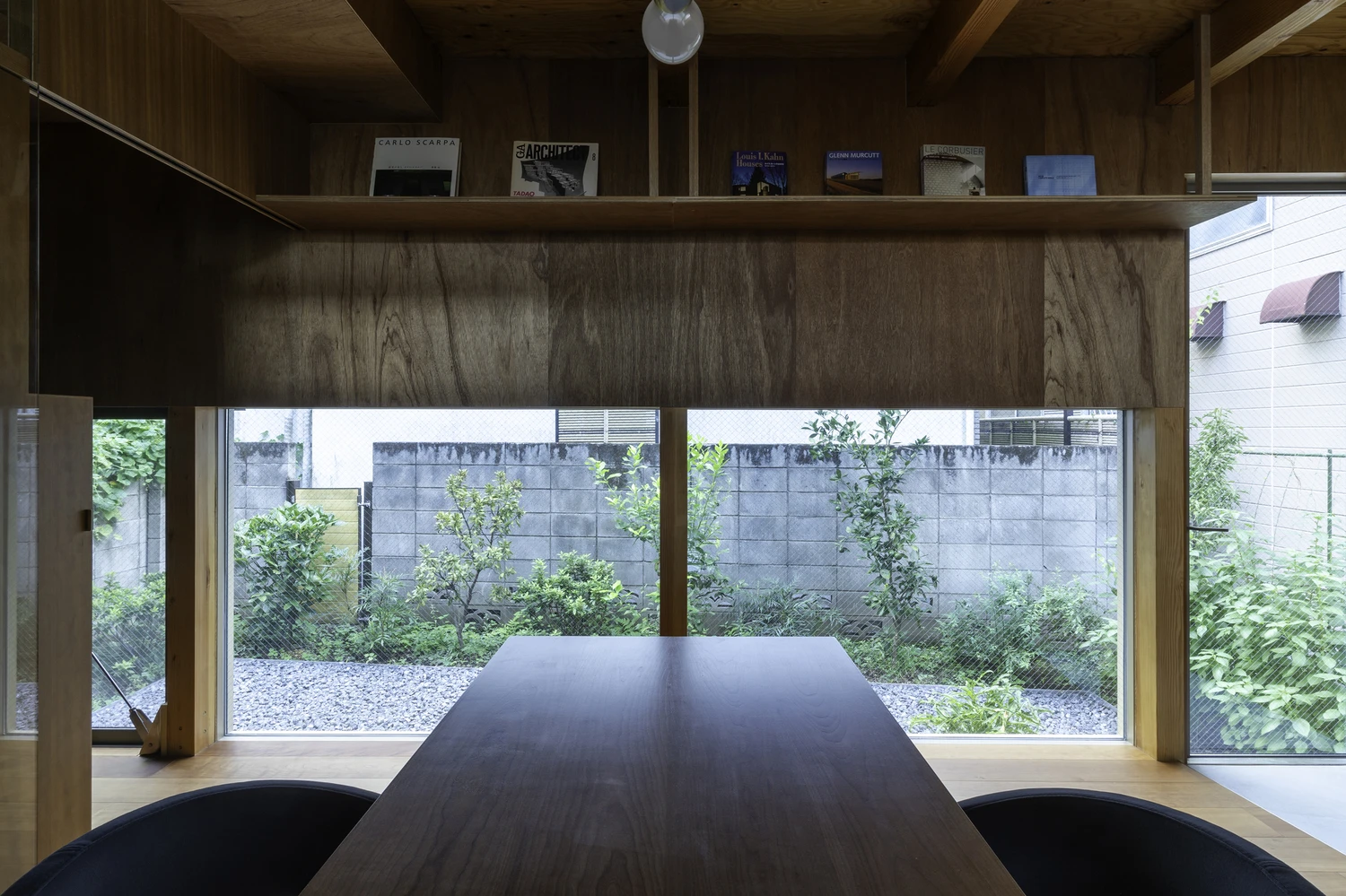
Inside, the split-level layout exploits the site’s natural elevation changes so that the garden remains visible from nearly every position. "Simply moving around the house unfolds a lyrical landscape like a short film," Oinuma says. Dark timber lines the walls, ceilings, and shelving throughout, while brass pipe light fittings and a stainless steel counter add precise material accents. The shelves are everywhere—filled with books, ceramics, plants, and photographs—and they are not decorative afterthoughts but integral to the architecture’s emotional register.
"We considered cherished vessels, books, photographs and plants to be representations of our lives up to now," Oinuma reflects. "By surrounding the flow of movement with shelves on which to display these items, we thought that we could create just the right amount of tension in the home, and foster the motivation to live mindfully in the future." Above, a shallow-pitched metal roof curves gently over the dining area, while the moss-green exterior render echoes the surrounding planting. It is a house built not just for living, but for paying attention.