.webp)
Across two decades in his hometown of Buffalo, New York, Gregory Halpern builds King, Queen, Knave, a book that treats a city's winters, fires and returns as one long game.
Buffalo sits under snow for months, then turns over. Gregory Halpern grew up there, left, kept coming back, and photographed the city between 2004 and 2019 for the book published as King, Queen, Knave. It began under the working title 19 Winters/7 Springs, weighted hard toward the cold, before the warmer months pushed their way in and rebalanced it.
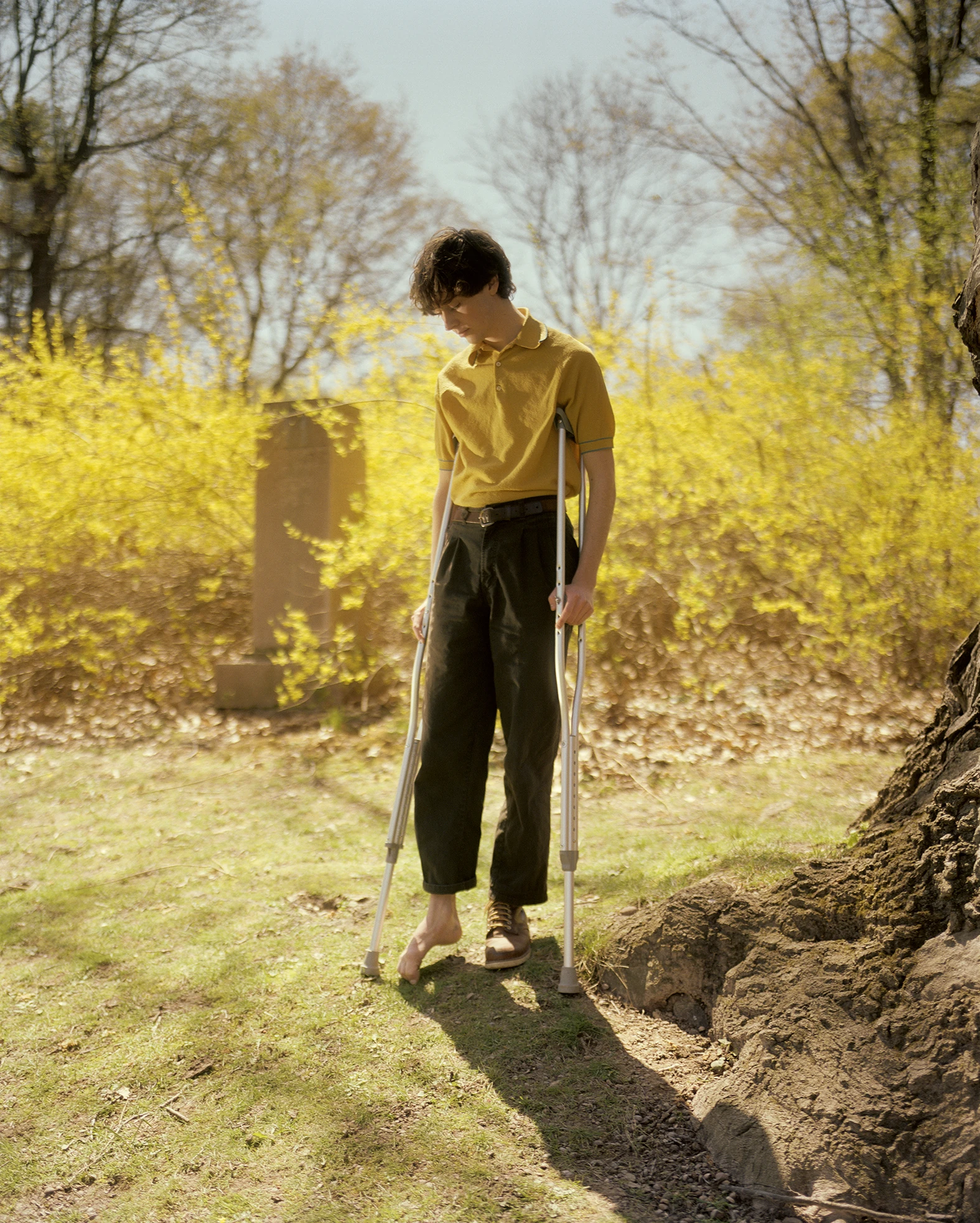
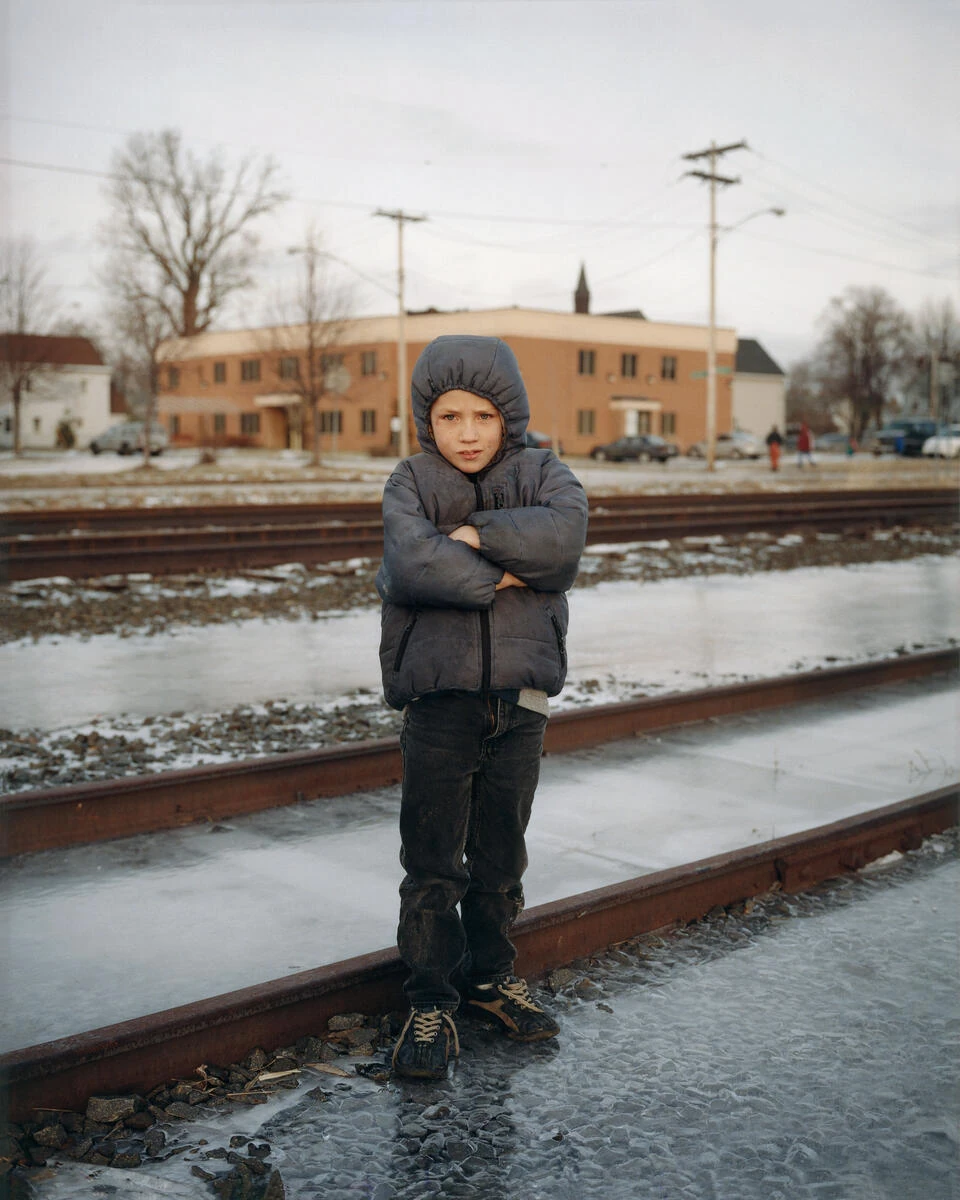
The palette holds to what he calls a muted, dirty kind of white. “The book opens with a lack of color, which is what happens after months of no sun,” Halpern says. Against that ground, colour arrives as an event: tulips forcing through late snow at the foot of a pale blue clapboard house, sunflowers massed around the concrete towers of the former Bethlehem Steel site, once the world's largest steel mill and now left to gulls and volunteer plants.
A white deer named April opens the work and returns through it, moving between Buffalo's Old First Ward and the nature preserve beside it. “White animals have been important in mythology and religion,” Halpern notes, and April carries that weight without ever leaving the ordinary ground of a graffitied retaining wall and a fire hydrant. She recurs like a refrain, marking transitions rather than explaining them.
The title comes from the history of playing cards, from the point at which knave gave way to jack because people kept confusing the K with the KN. A knave was the untrustworthy one, lowest of the court cards, and Halpern is drawn to how easily a king and a knave can be taken for each other. He casts himself as the unreliable narrator too: the cover image reads as a nebula until it resolves into the ceiling of an office building. Nabokov's 1928 novel of the same title, and Skolimowski's film of it, sit behind the phrase.
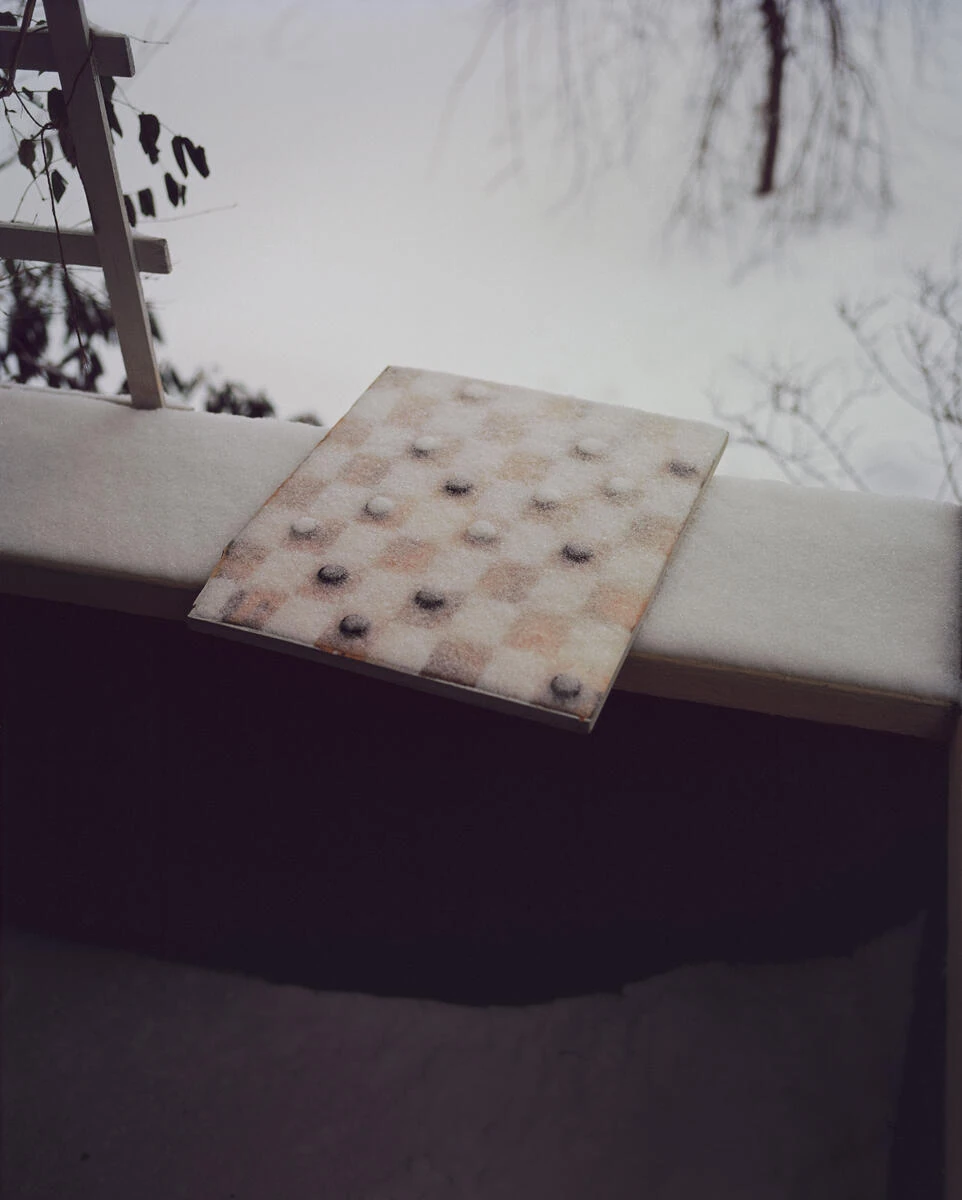
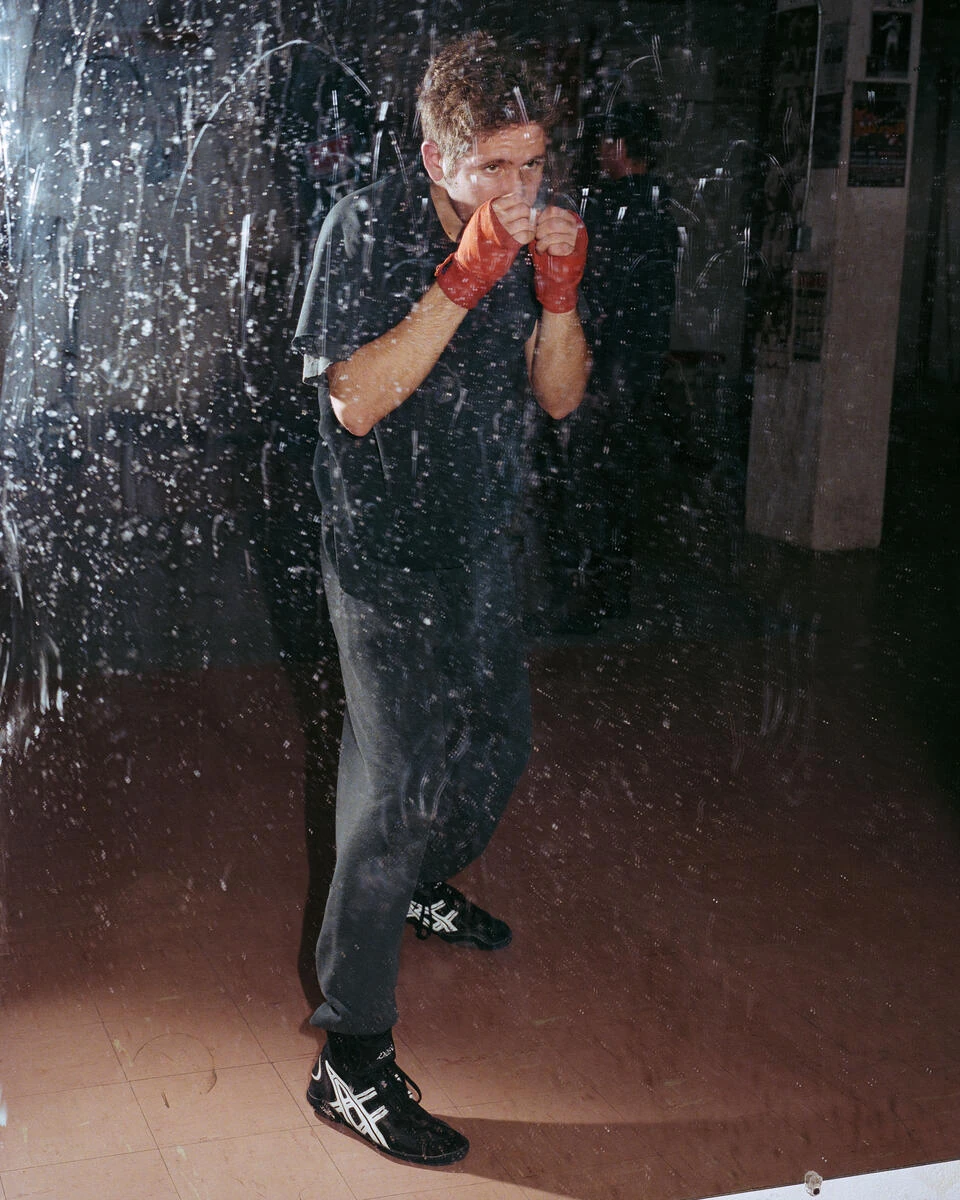
Games run through the sequence, literal and otherwise. A checkerboard left out to freeze on a snow-covered ledge. Dominoes laid across a sheet of plywood on hot asphalt. A boxer holding his guard behind a spattered plastic curtain, his face caught between aggression and doubt. Games have winners, losers and a clear end. So does a photograph, which fixes the light coming off a person and settles nothing about who that person is.
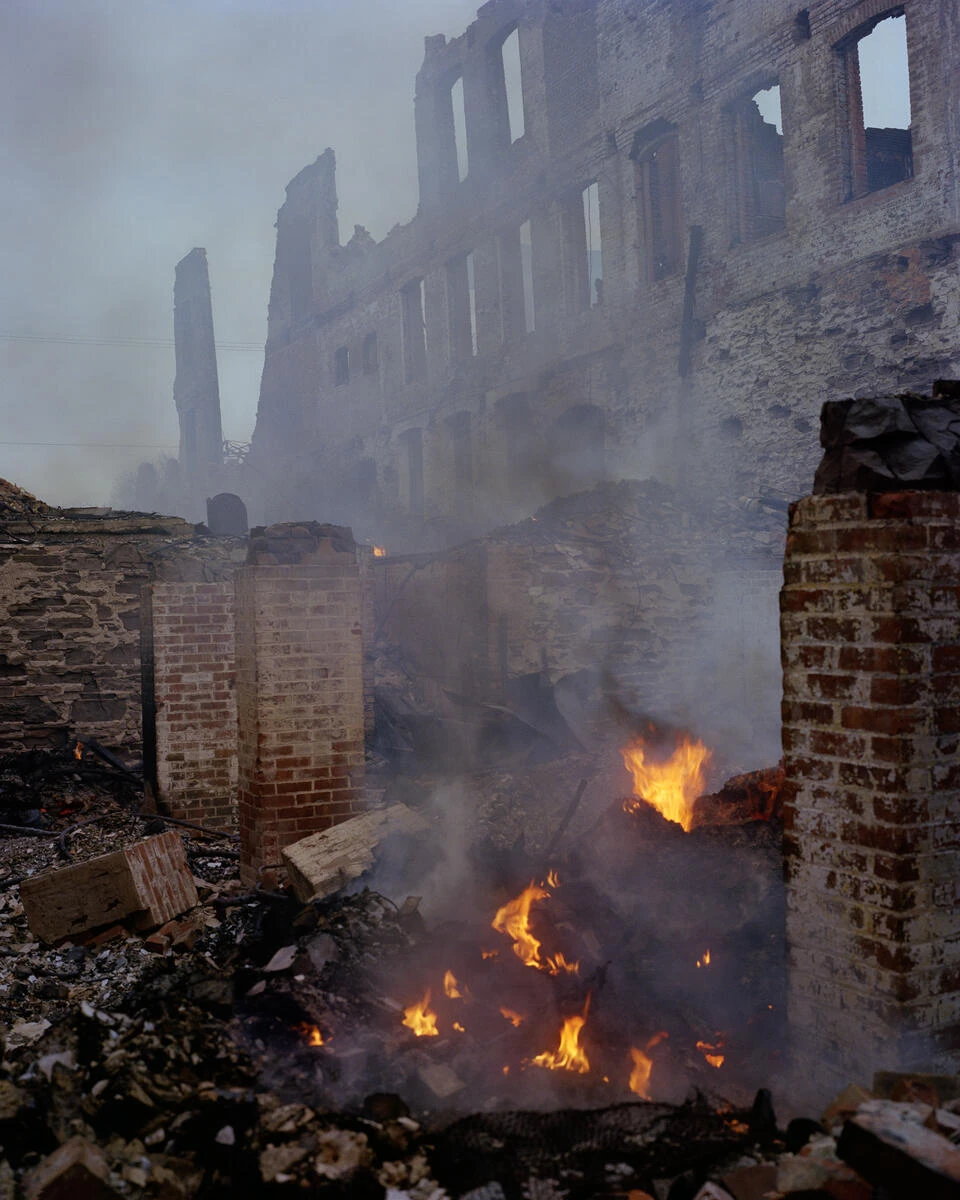
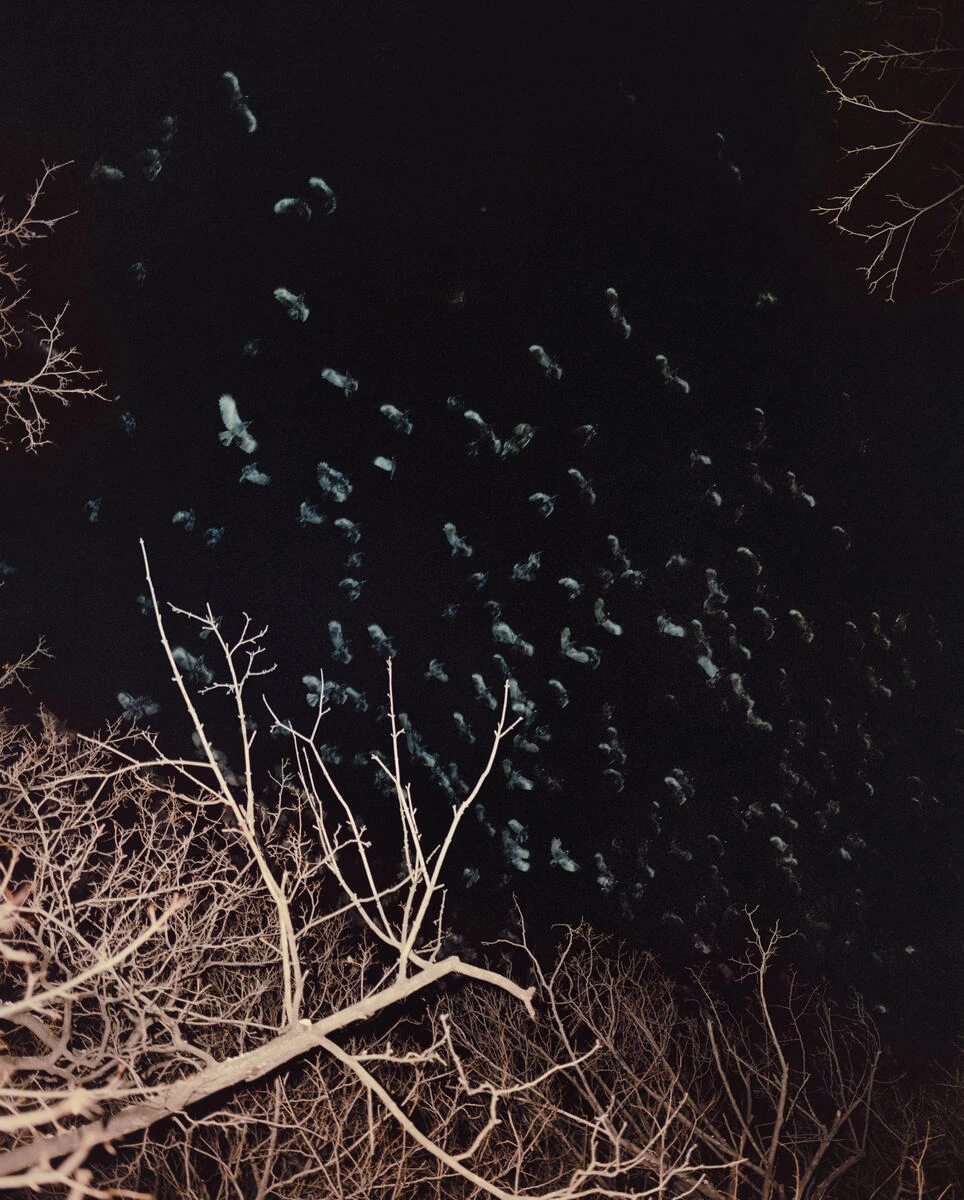
The city carries as much character as anyone in it. A building burns down to its brick piers near the playground where Halpern spent his teenage years, a man stands in fresh snow with his arms open and his face turned up, ravens scatter across a black sky at the close. Buffalo's seasons run confused, industry rots and something flowers in the gap. “The feeling of not knowing what you'll find… that's what makes me keep going,” Halpern says, and the book hands that uncertainty over to the reader rather than resolving it.