Thisispaper Community
Join today.
Enter your email address to receive the latest news on emerging art, design, lifestyle and tech from Thisispaper, delivered straight to your inbox.
Oops! Something went wrong while submitting the form.
Instant access to new channels
The top stories curated daily
Weekly roundups of what's important
Original features and deep dives
Exclusive community features
Alexander Zaxarov
Jan 12, 2026

In Seoul’s Itaewon, the Graphic bookstore rejects transparency and typology alike, using light, texture, and spatial restraint to create an inward-looking sanctuary dedicated to graphic narratives.

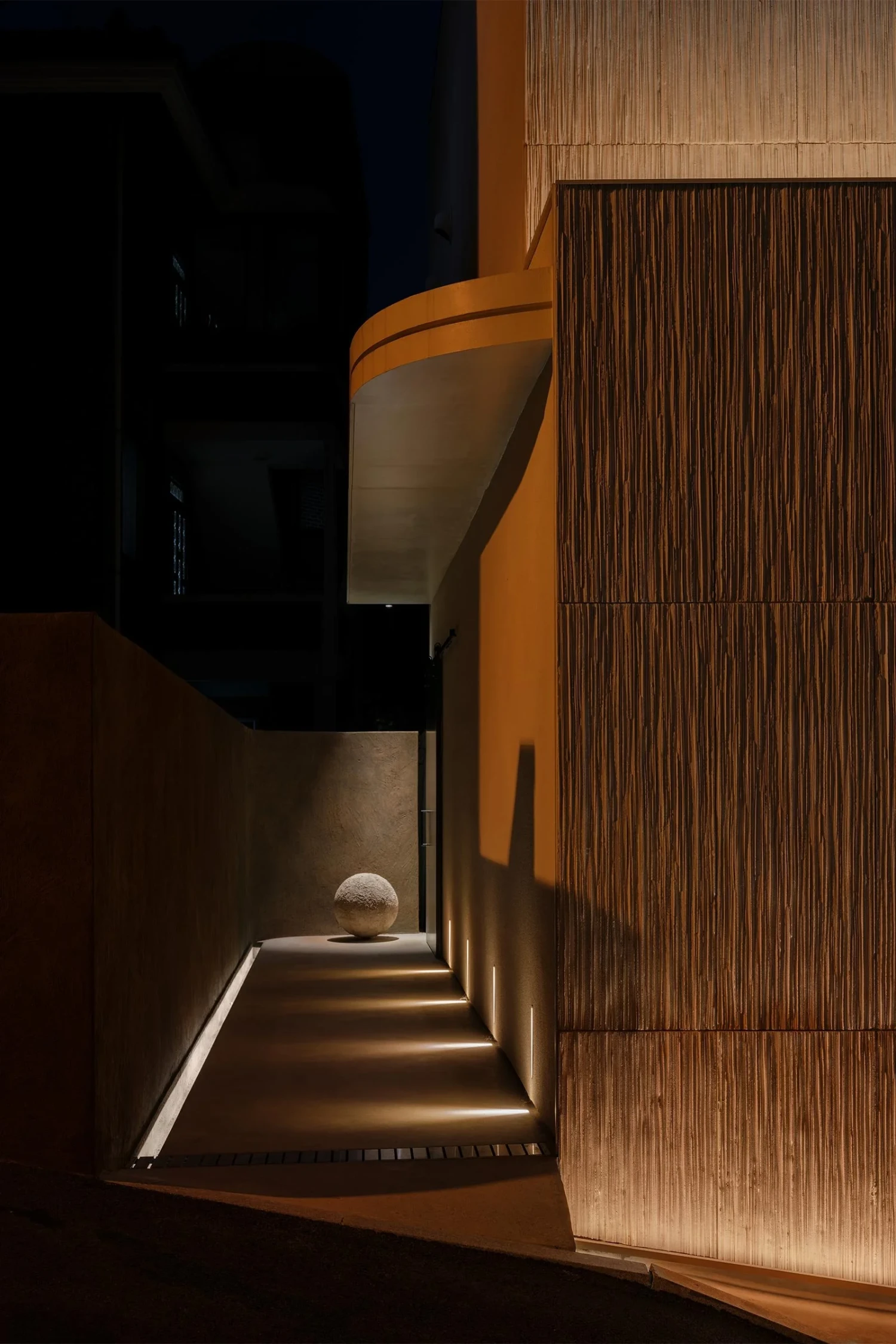
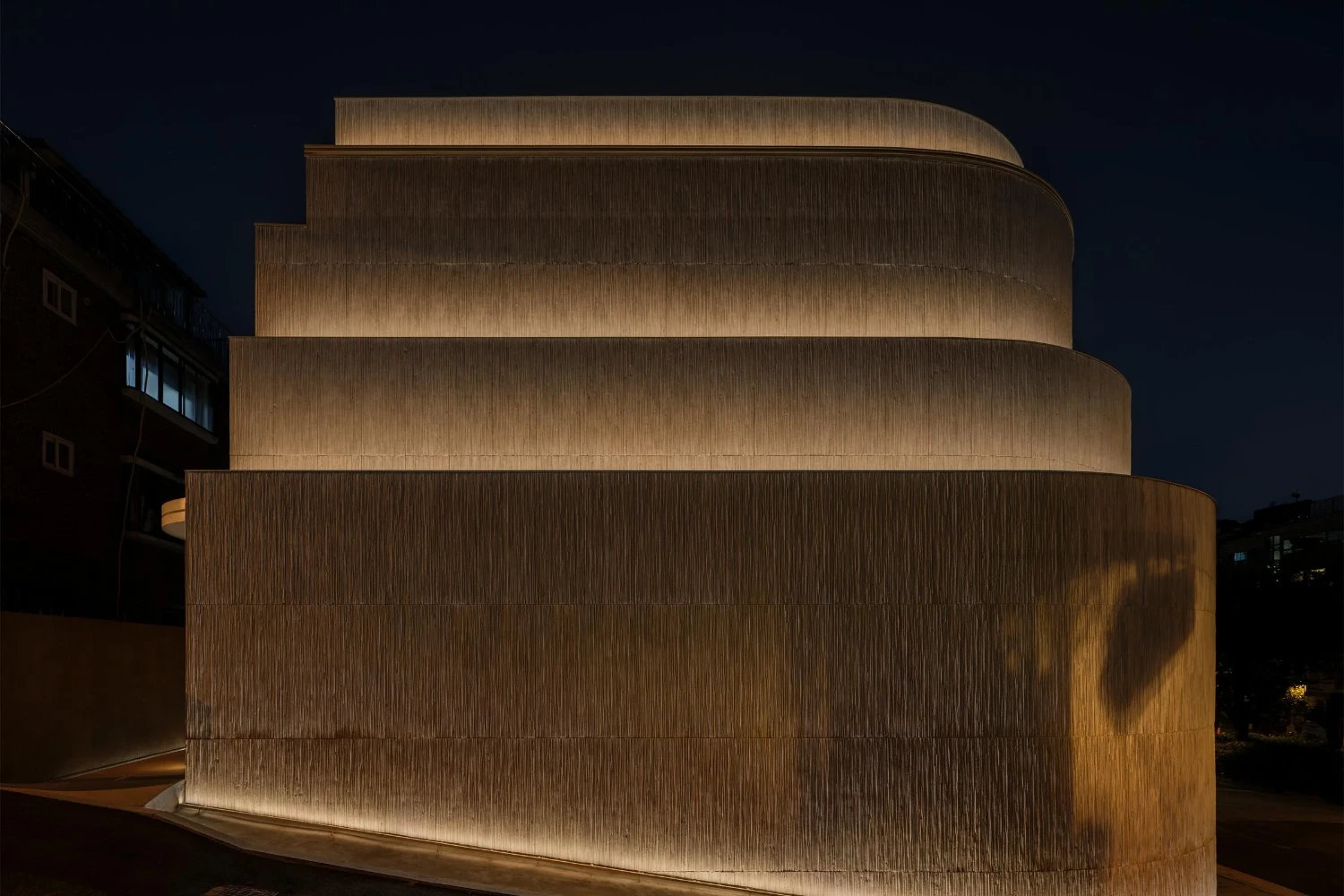
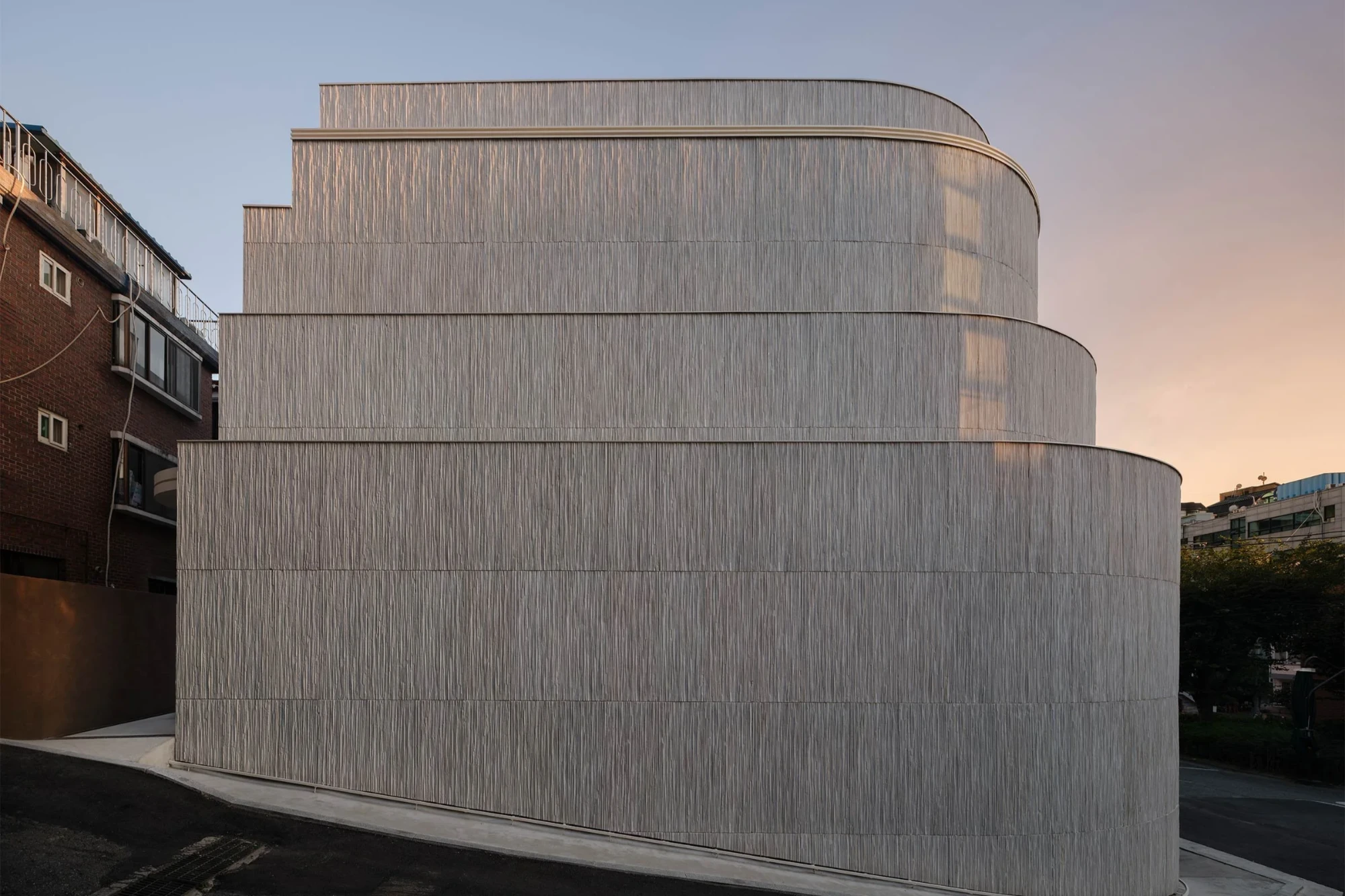
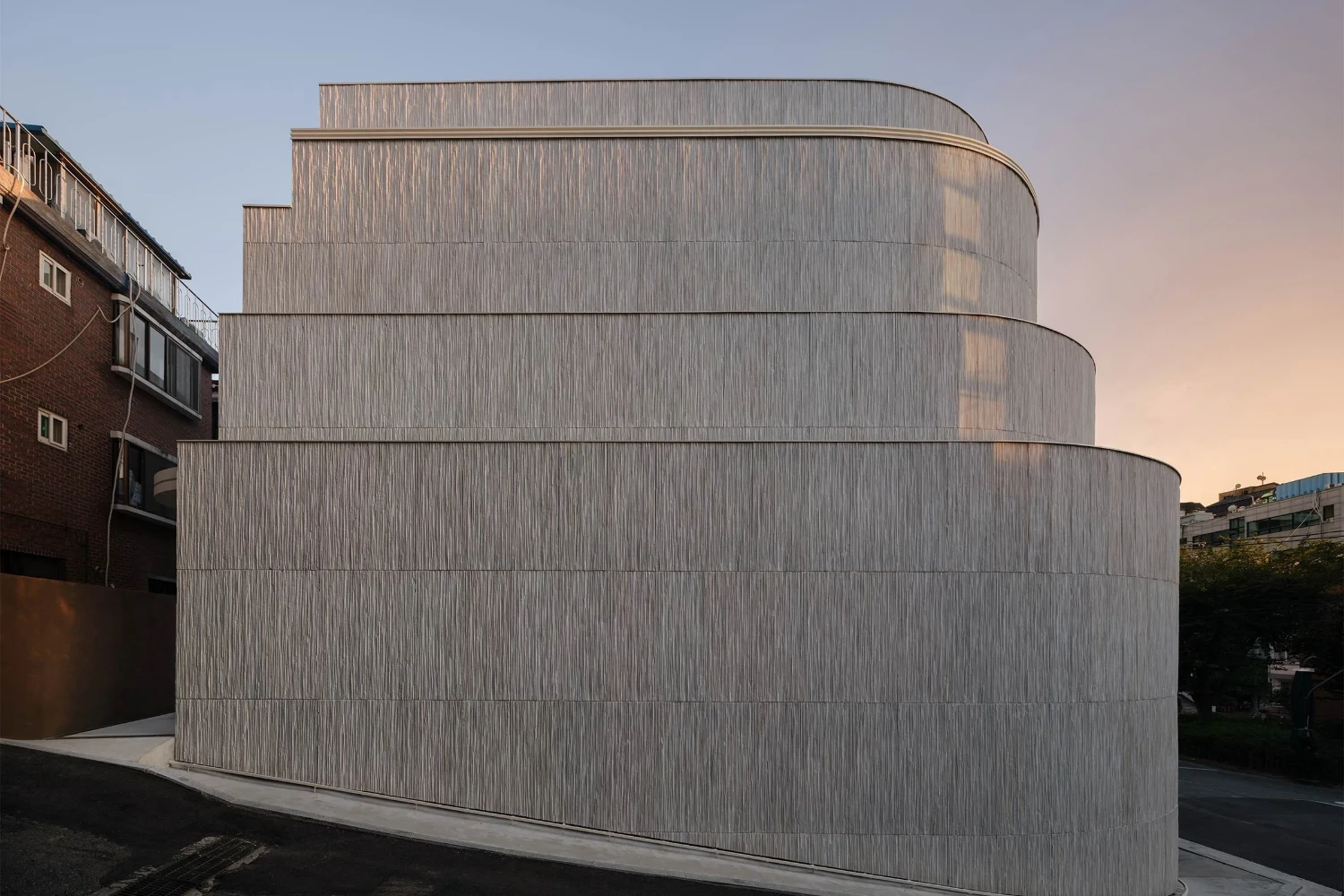
Its pale, tiered mass reads as withdrawn and introspective, a building that resists spectacle while quietly insisting on presence. With no windows to the street, its ceramic skin recalls the compressed edges of an aging book, its pages dulled by time and handling. The structure feels deliberately out of sync with its surroundings, choosing emotional gravity over urban display.

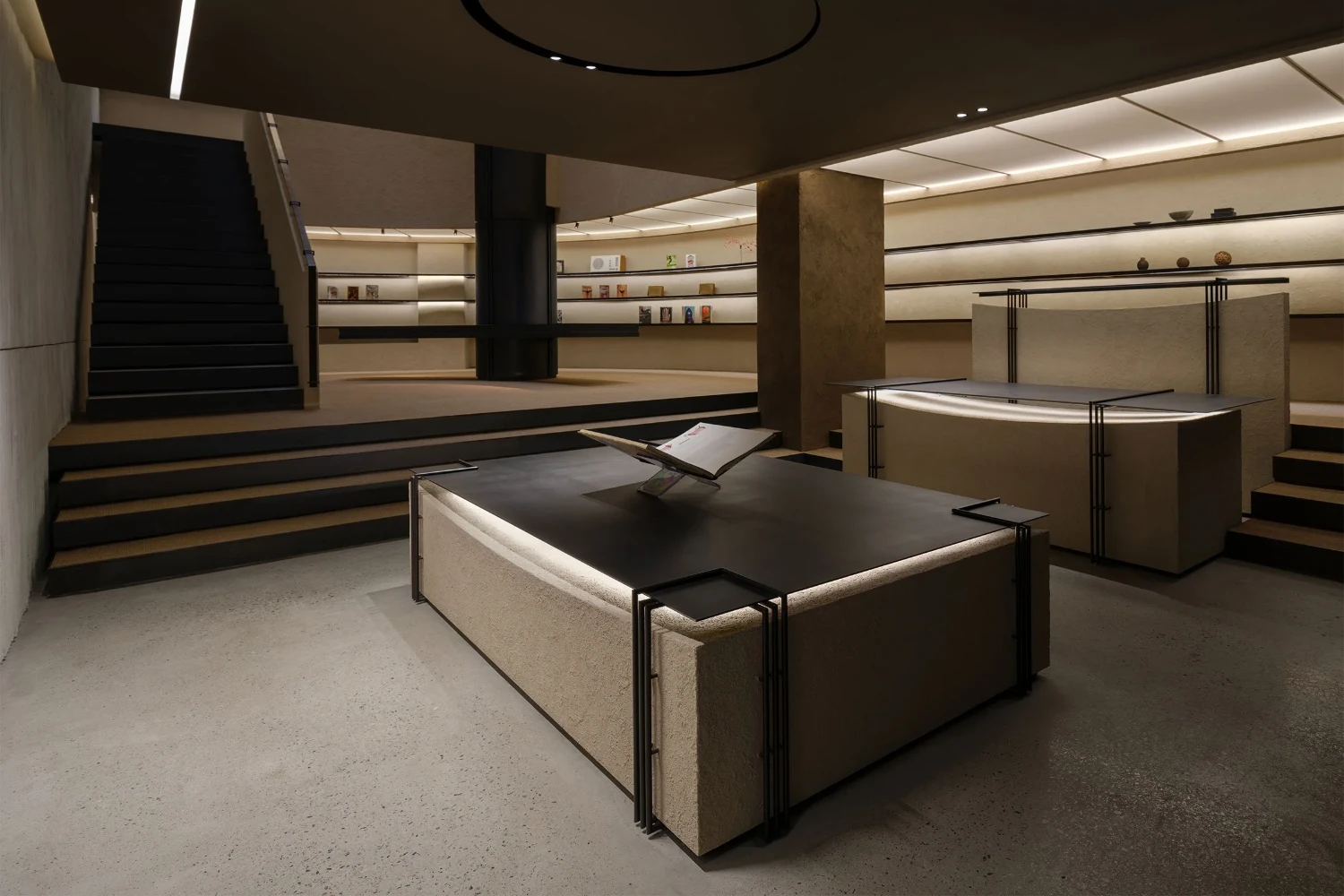
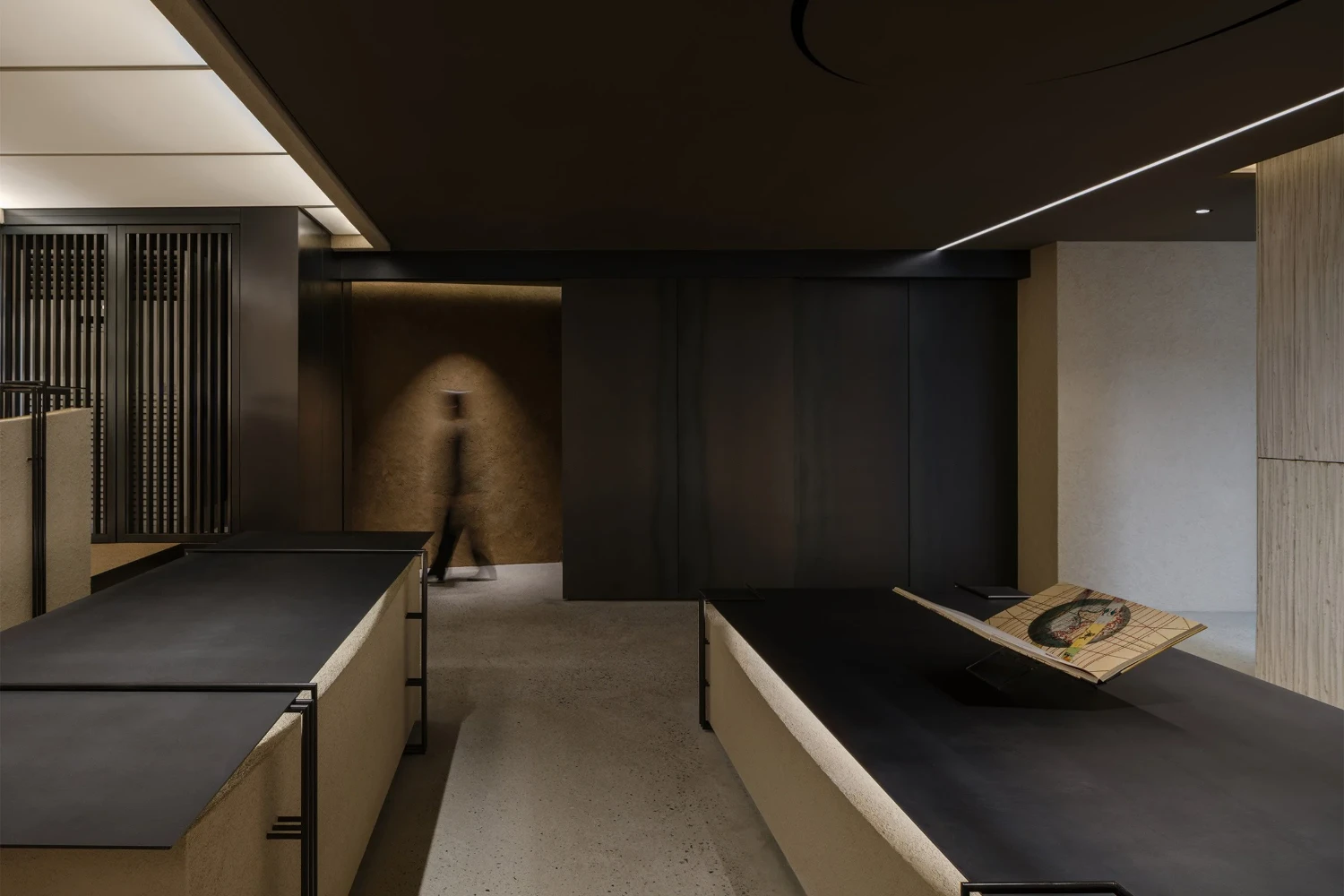
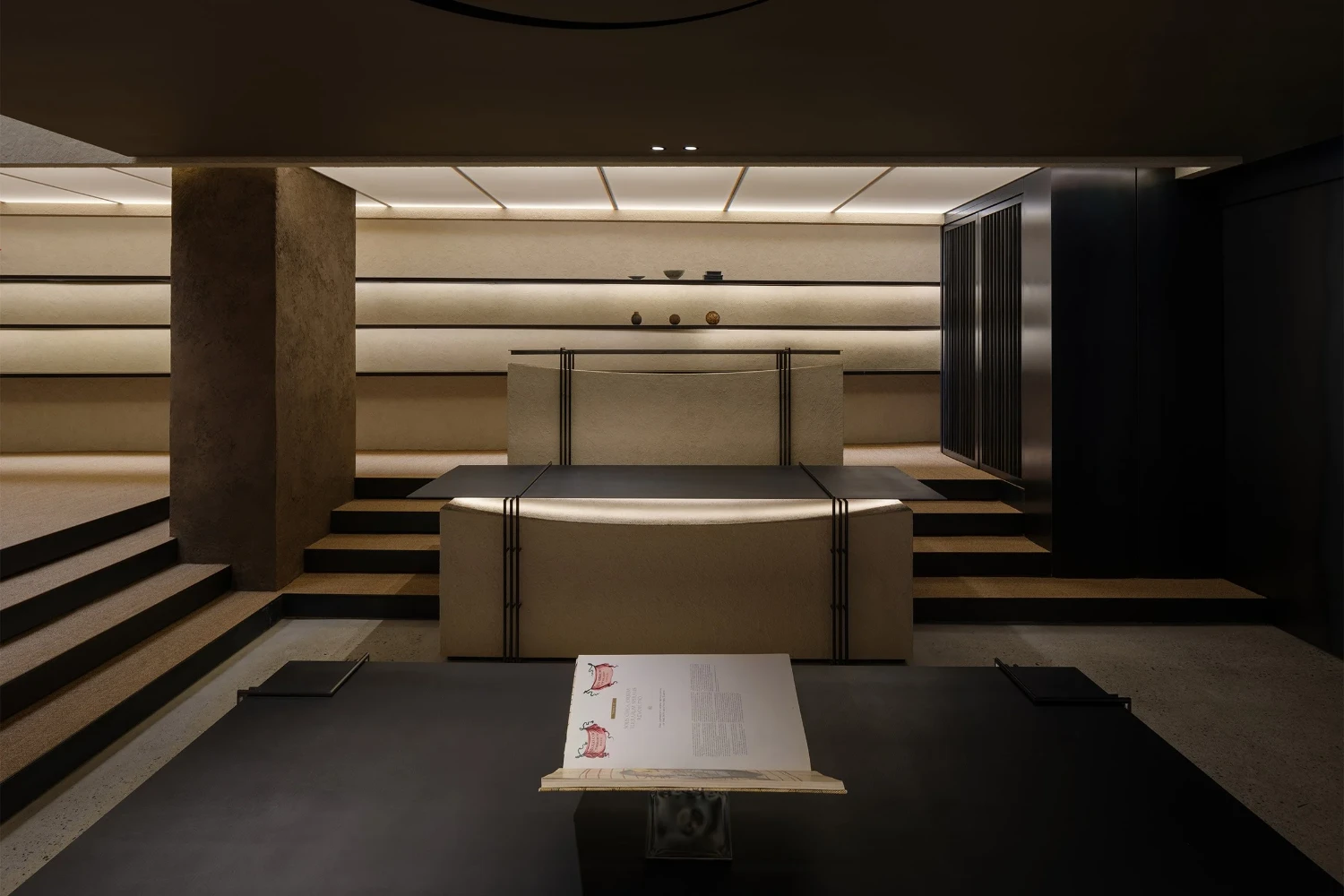
Rather than adopting the familiar cues of contemporary bookstores—transparent façades, visible shelves, café culture—the project steps away from literal interpretation. Inside, the architecture opens into expansive, gallery-like volumes that privilege spatial calm over consumption. The restraint is intentional: the building coexists with Itaewon’s heterogeneous fabric while remaining resolutely inward-looking, offering an alternative rhythm to the street’s visual noise.

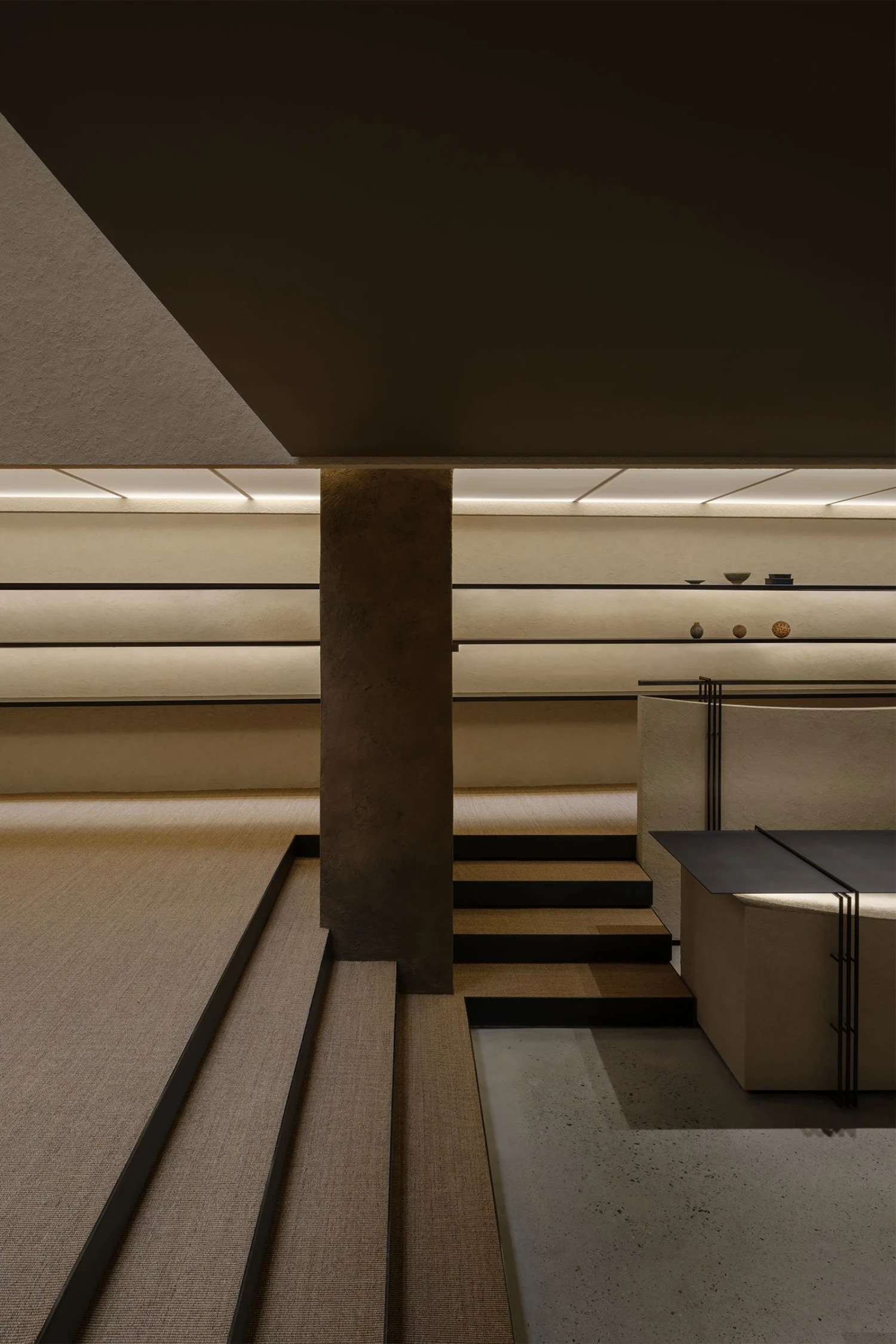
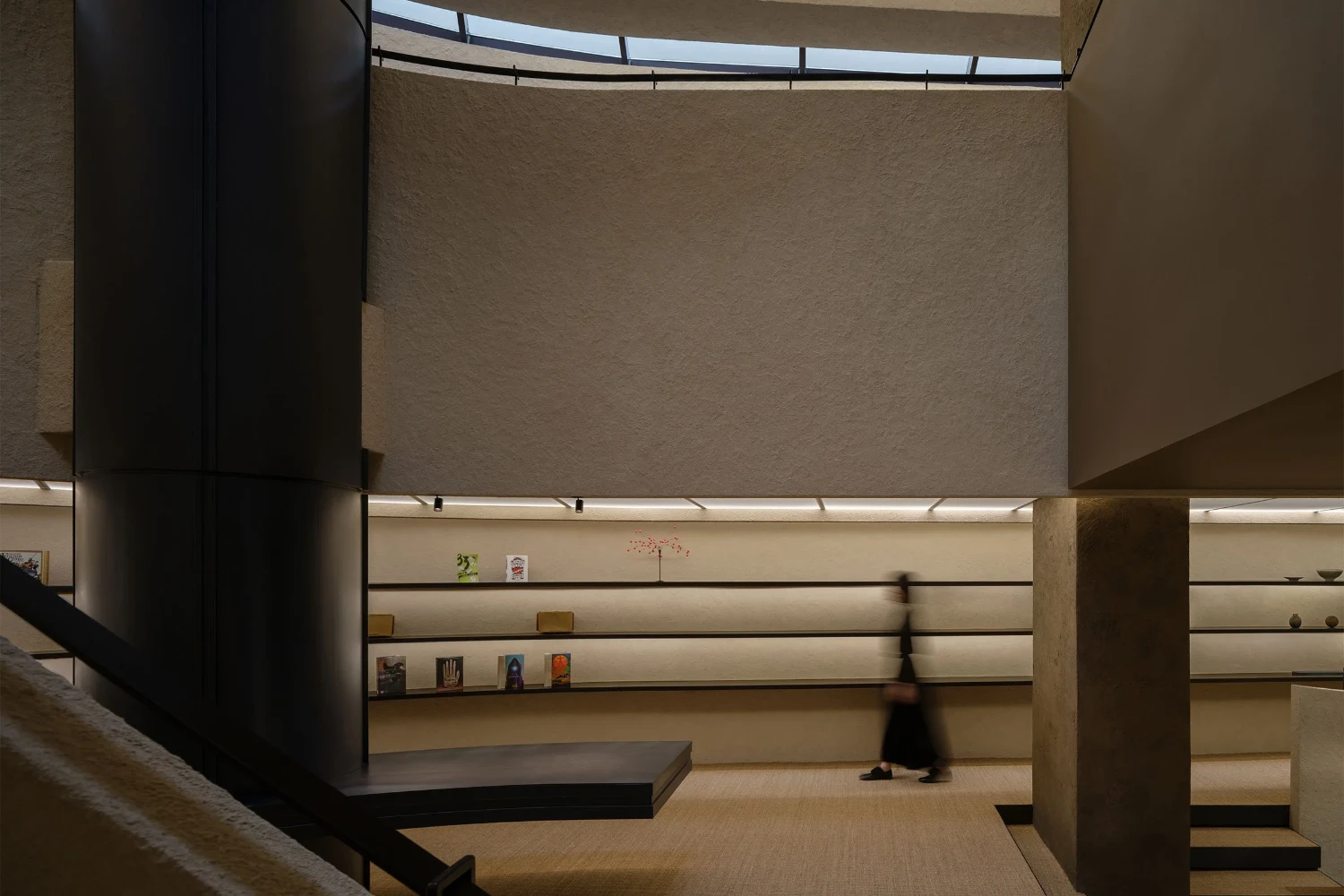
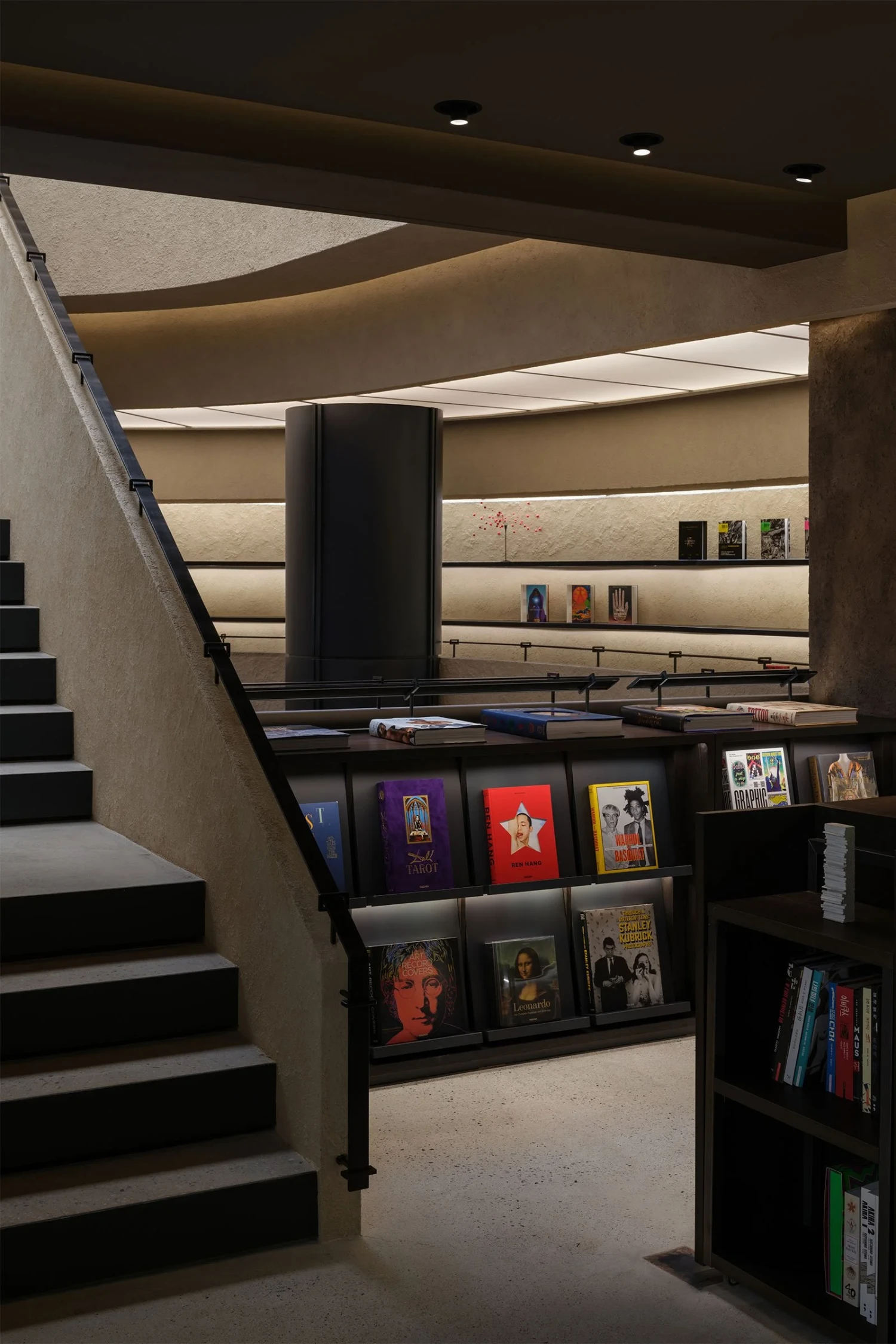
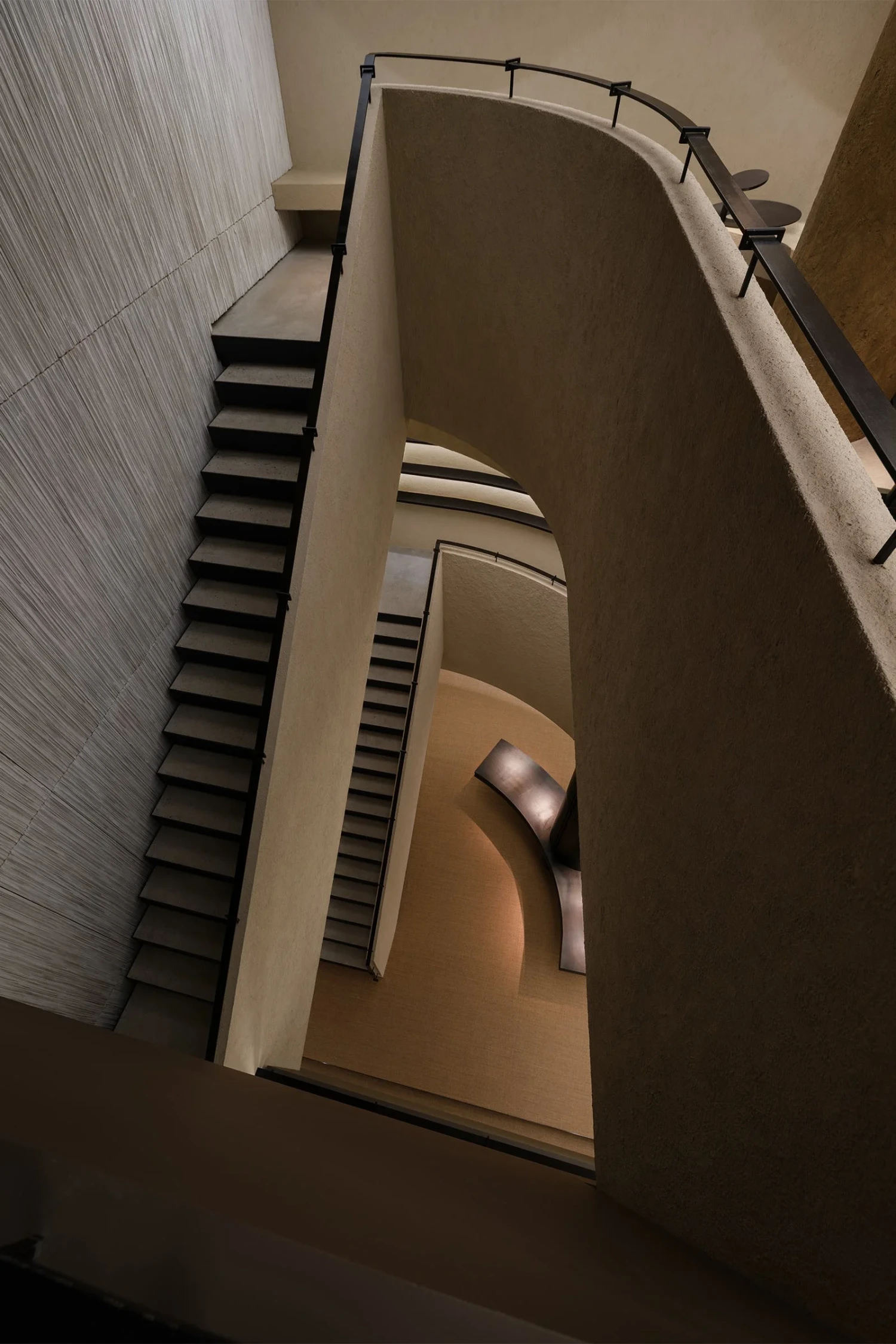
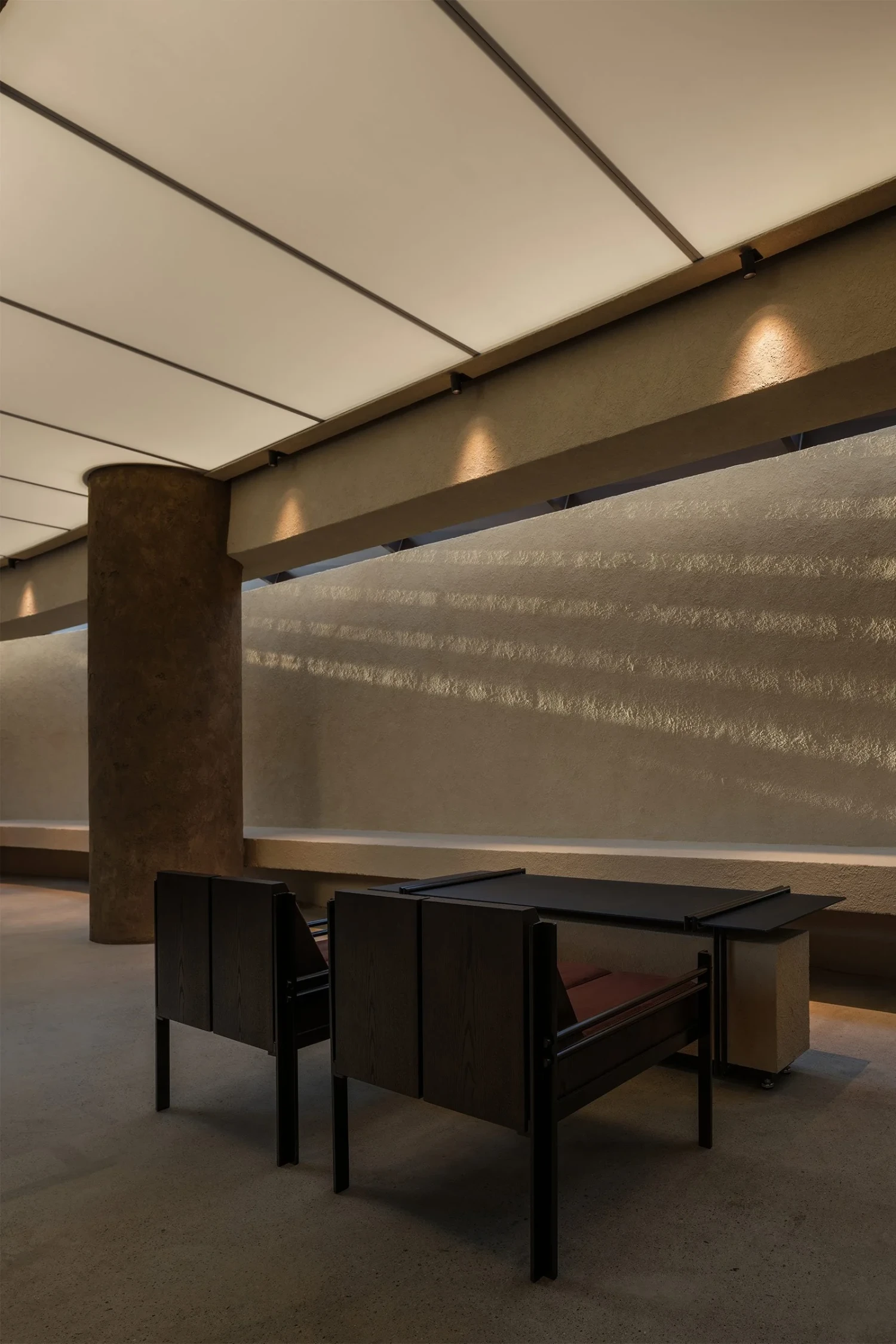
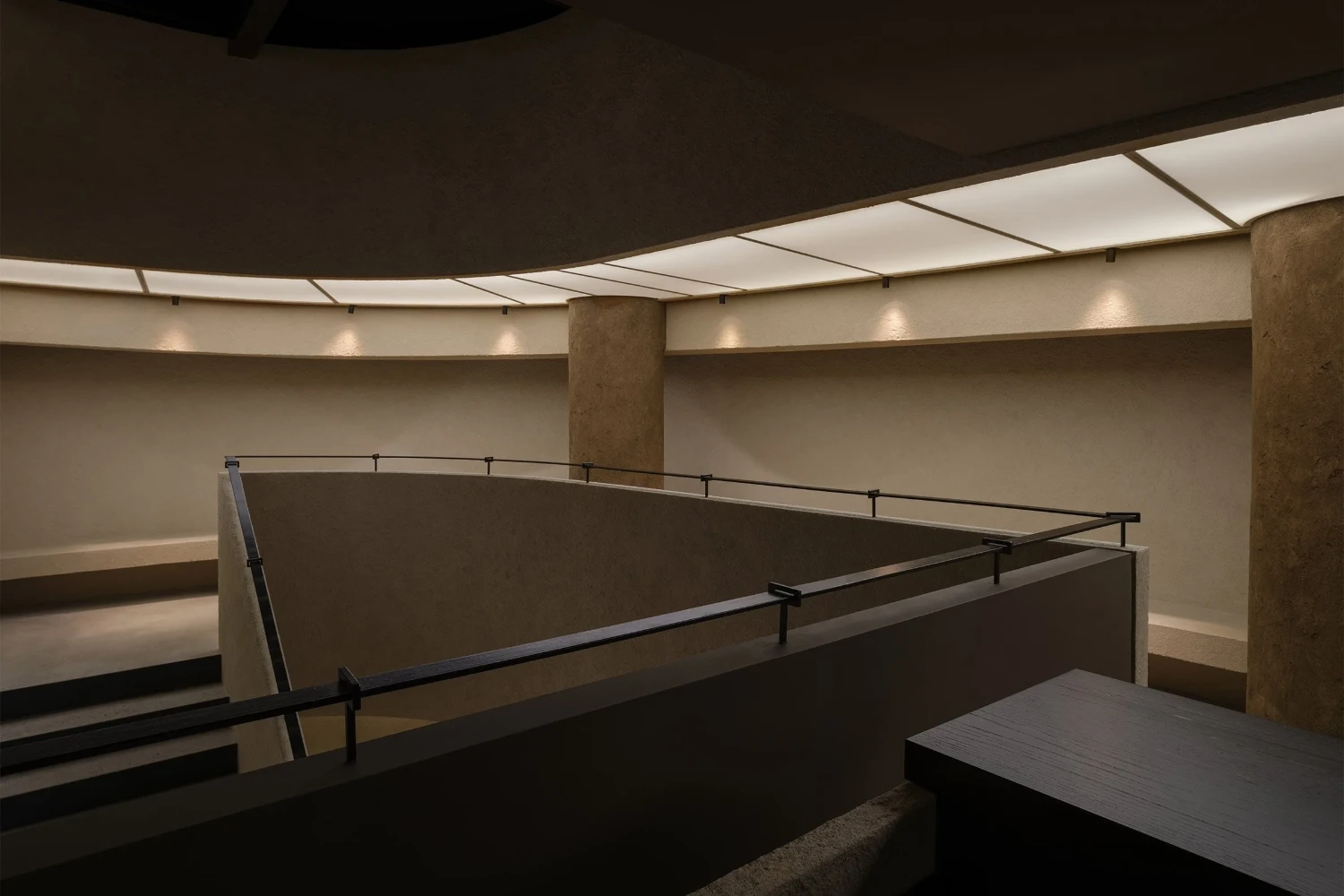
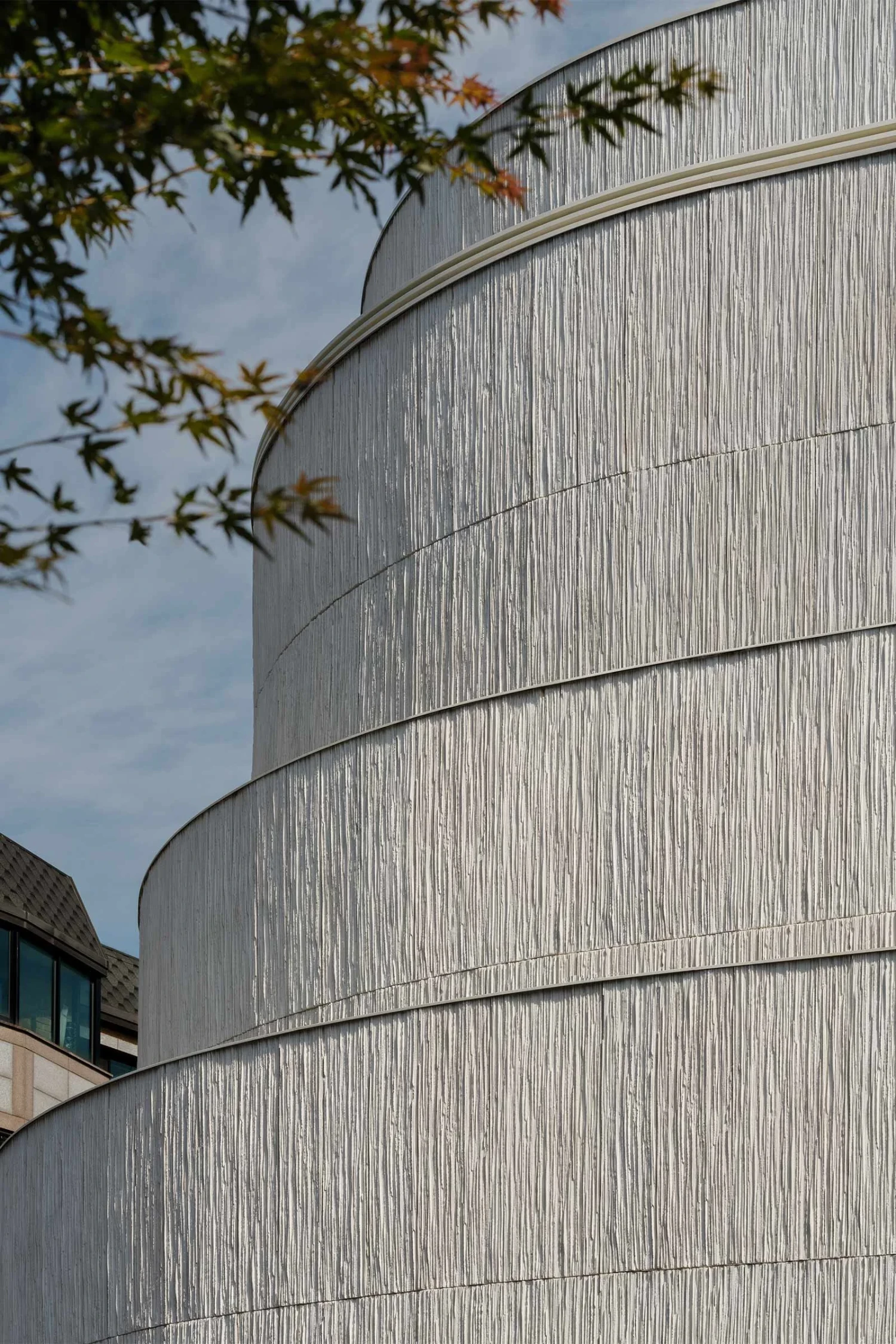
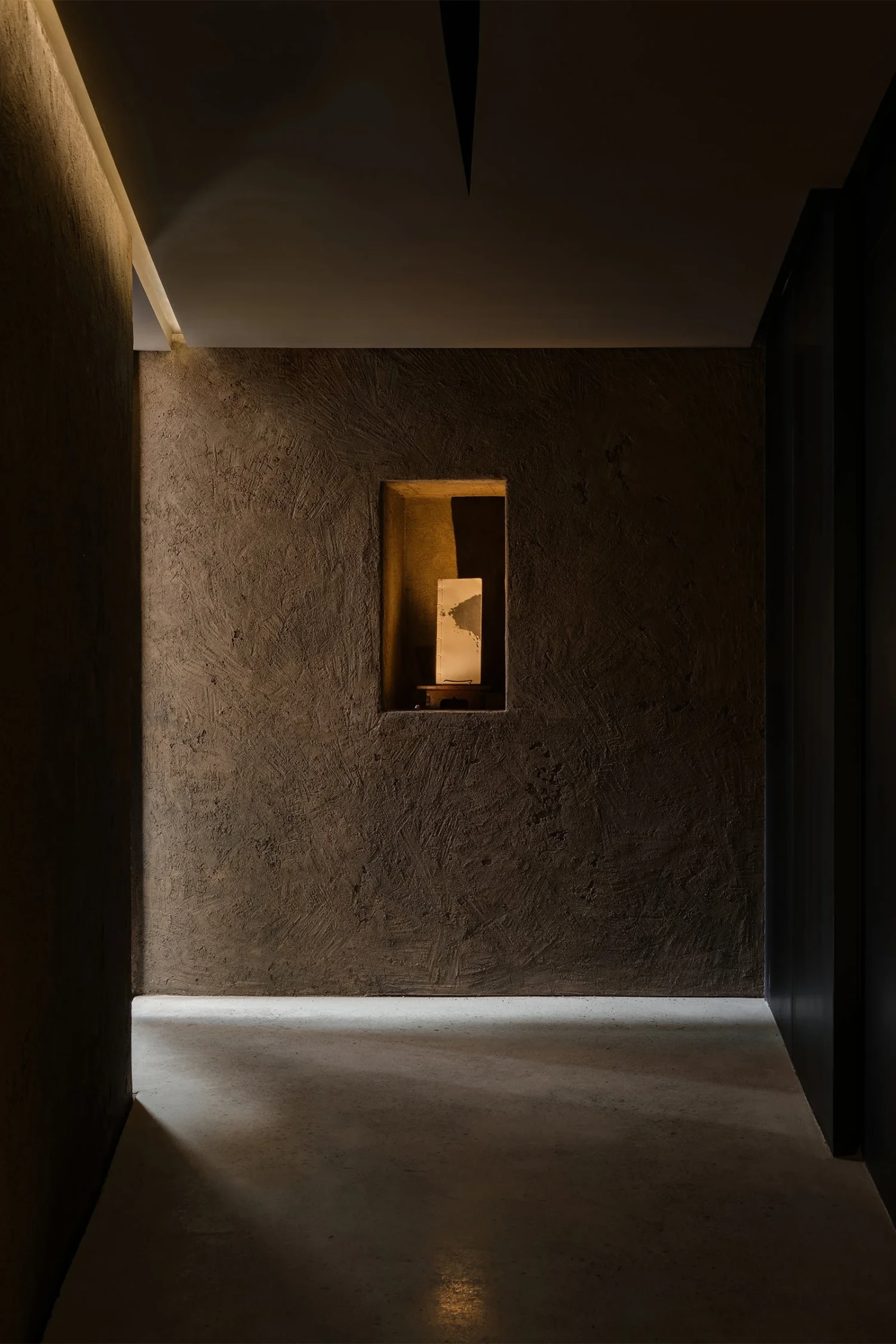
Daylight, often the default currency of architectural openness, is here treated as something rarer and more controlled. With the façade sealed, light enters through narrow skylights carved into the subtly cascading ceilings. The four stacked levels, tapering as they rise, read as cylindrical quarters that borrow illumination from above rather than the sides. This strategy transforms sunlight into an event rather than a given, aligning it with the quiet, sustained attention that reading demands.

The cultural context of South Korea’s deep relationship with graphic narratives is embedded in the project’s ethos. The space is conceived as a deliberate withdrawal from the everyday, a place where readers can immerse themselves fully in illustrated worlds. By severing visual ties with the surrounding street, the architecture creates an interior cosmos devoted to imagination, curiosity, and prolonged engagement with drawn stories.

Materially, the building’s ceramic façade carries both symbolism and pragmatism. Inspired by an inherited old book with uneven, weathered pages, the vertically textured surface shifts character with light, shadow, and weather. Over time, dust and exposure have softened its original whiteness into a pale ivory, allowing the building to age gracefully. The exterior does not strive for permanence as perfection, but for permanence as patina.

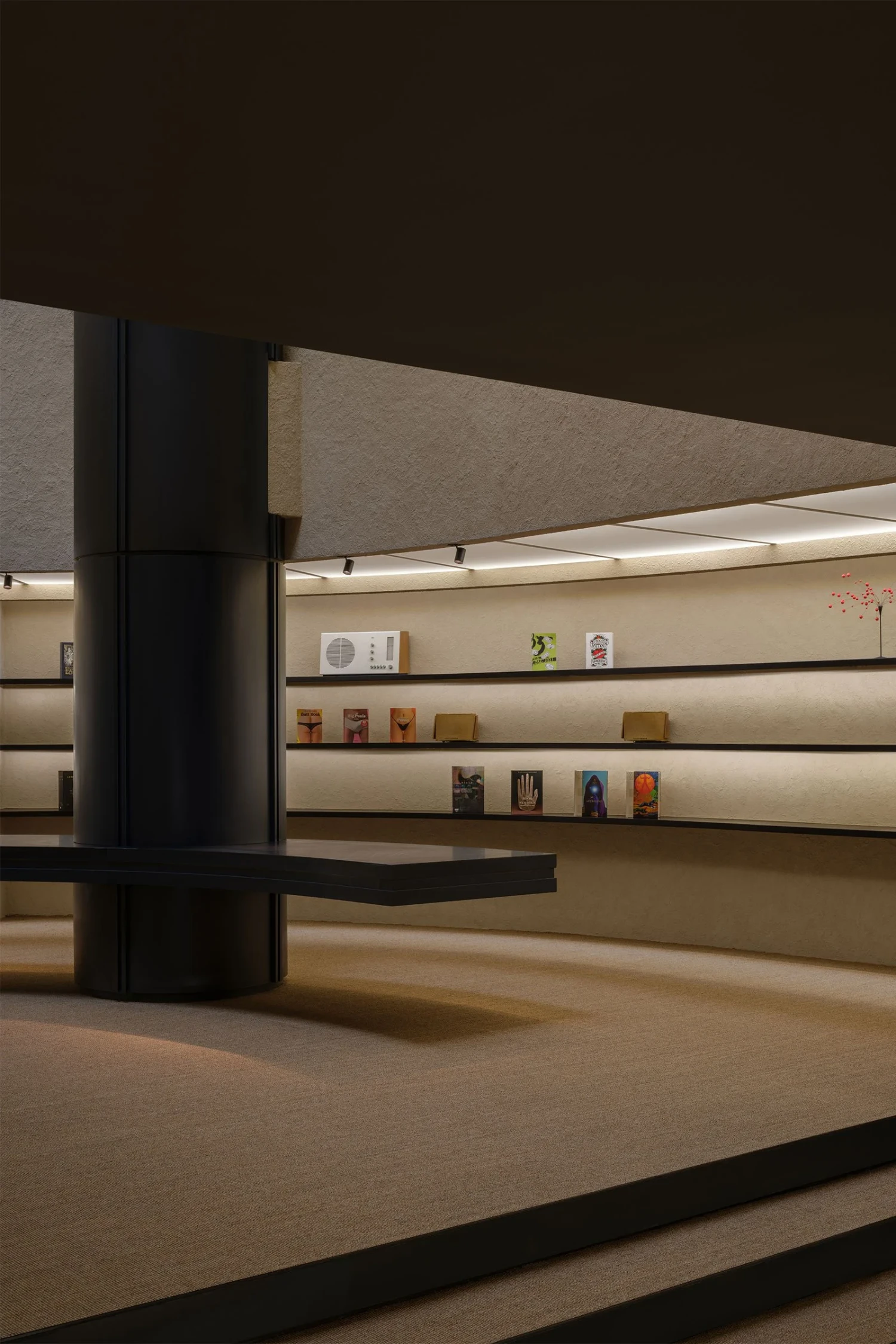
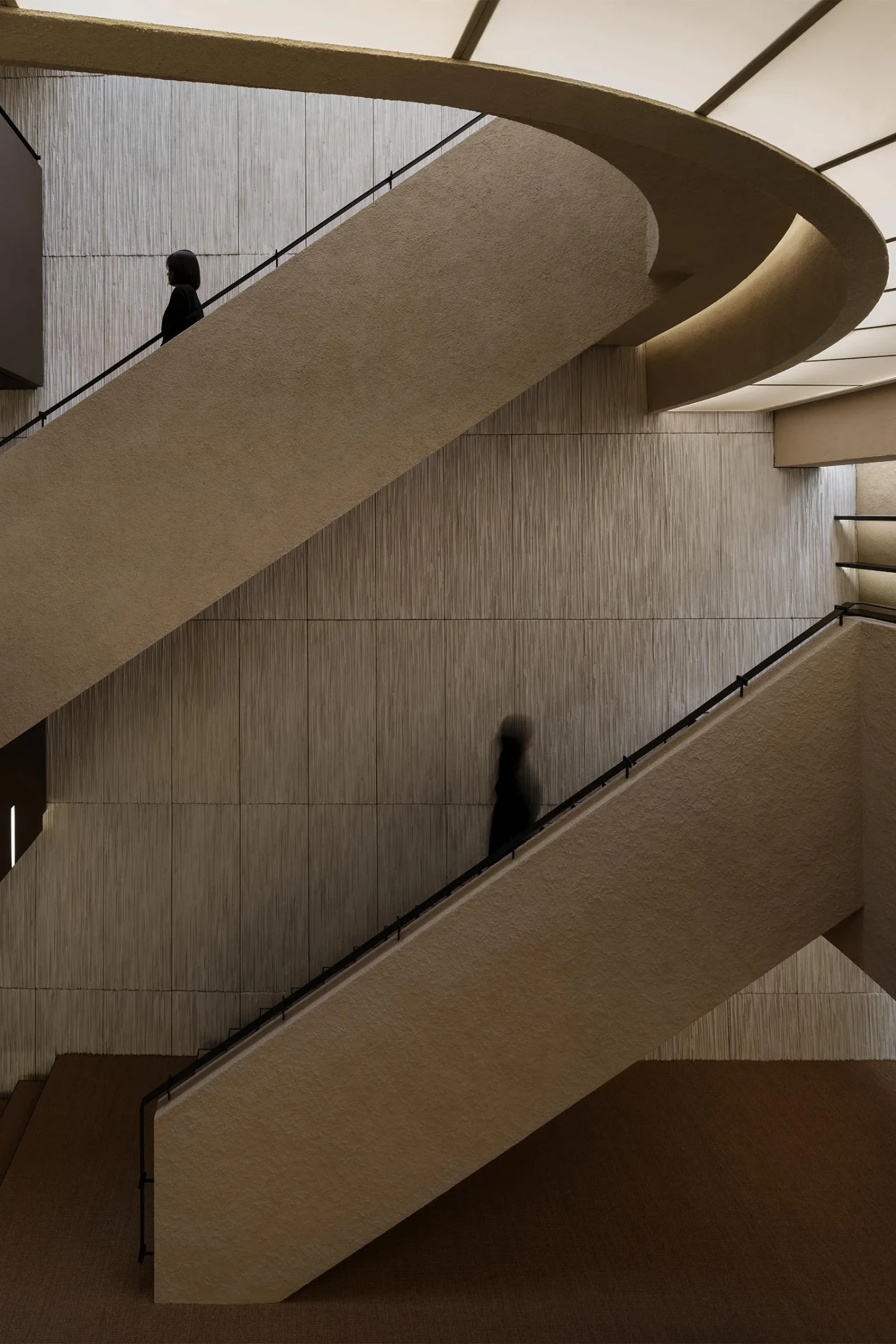
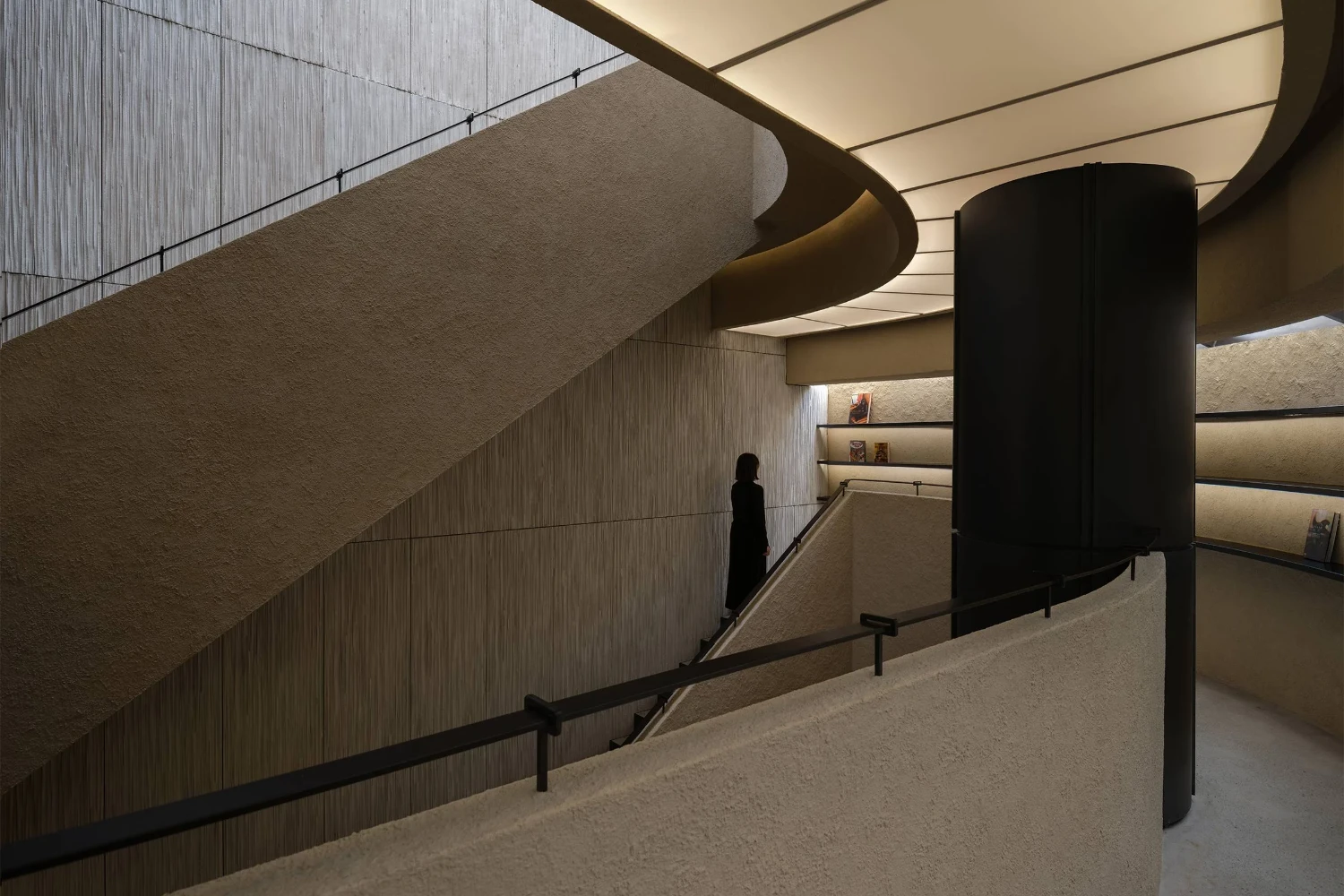
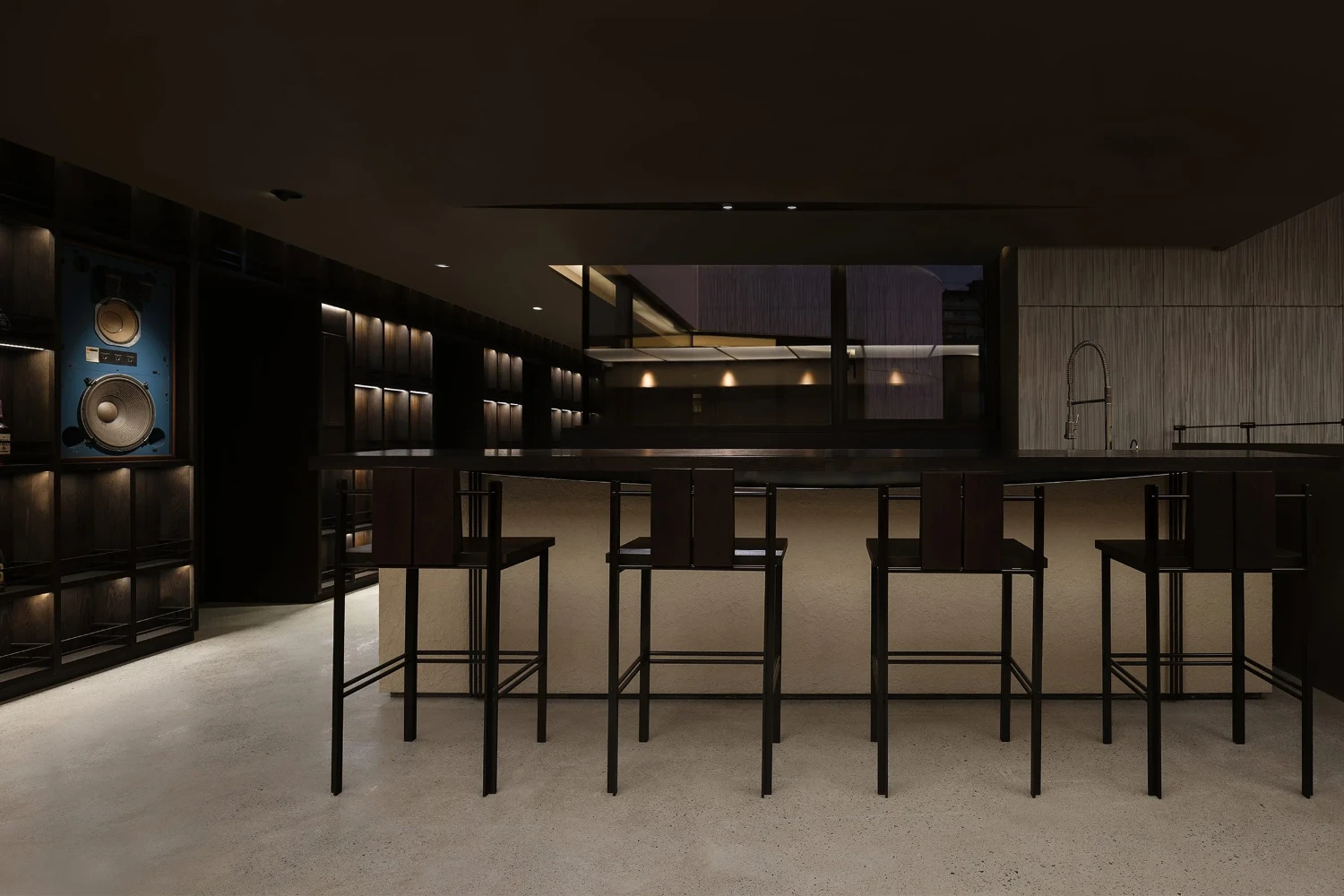
Inside, the design is calibrated closely to human behavior. Reading is treated as a physical act with many postures and tempos: sitting, lying down, standing, leaning, pausing. Furniture and spatial niches respond to these variations, from floor seating and steps to wall-mounted tables and relaxed corners. The cinematic staircase, finished in straw mat, doubles as seating and viewpoint, turning movement through the building into part of the reading experience.

The Graphic bookstore operates as an architectural bubble—an environment shaped less by retail logic than by the rituals of reading. Its subdued palette, precise lighting, and inward focus produce a space that feels casual yet cultivated, nerdy yet refined. In refusing to look like a bookstore, it becomes something closer to what books themselves offer: a threshold into another world.
Interested in Showcasing Your Work?

If you would like to feature your works on Thisispaper, please visit our Submission page and sign up to Thisispaper+ to submit your work. Once your submission is approved, your work will be showcased to our global audience of 2 million art, architecture, and design professionals and enthusiasts.
No items found.
We love less
but there is more.
Become a Thisispaper+ member today to unlock full access to our magazine, advanced tools, and support our work.
Get two months FREE
with annual subscription
We love less
but there is more.
Become a Thisispaper+ member today to unlock full access to our magazine, advanced tools, and support our work.
Get two months FREE
with annual subscription
No items found.
Alexander Zaxarov
Jan 12, 2026

In Seoul’s Itaewon, the Graphic bookstore rejects transparency and typology alike, using light, texture, and spatial restraint to create an inward-looking sanctuary dedicated to graphic narratives.

Its pale, tiered mass reads as withdrawn and introspective, a building that resists spectacle while quietly insisting on presence. With no windows to the street, its ceramic skin recalls the compressed edges of an aging book, its pages dulled by time and handling. The structure feels deliberately out of sync with its surroundings, choosing emotional gravity over urban display.

Rather than adopting the familiar cues of contemporary bookstores—transparent façades, visible shelves, café culture—the project steps away from literal interpretation. Inside, the architecture opens into expansive, gallery-like volumes that privilege spatial calm over consumption. The restraint is intentional: the building coexists with Itaewon’s heterogeneous fabric while remaining resolutely inward-looking, offering an alternative rhythm to the street’s visual noise.

Daylight, often the default currency of architectural openness, is here treated as something rarer and more controlled. With the façade sealed, light enters through narrow skylights carved into the subtly cascading ceilings. The four stacked levels, tapering as they rise, read as cylindrical quarters that borrow illumination from above rather than the sides. This strategy transforms sunlight into an event rather than a given, aligning it with the quiet, sustained attention that reading demands.

The cultural context of South Korea’s deep relationship with graphic narratives is embedded in the project’s ethos. The space is conceived as a deliberate withdrawal from the everyday, a place where readers can immerse themselves fully in illustrated worlds. By severing visual ties with the surrounding street, the architecture creates an interior cosmos devoted to imagination, curiosity, and prolonged engagement with drawn stories.

Materially, the building’s ceramic façade carries both symbolism and pragmatism. Inspired by an inherited old book with uneven, weathered pages, the vertically textured surface shifts character with light, shadow, and weather. Over time, dust and exposure have softened its original whiteness into a pale ivory, allowing the building to age gracefully. The exterior does not strive for permanence as perfection, but for permanence as patina.

Inside, the design is calibrated closely to human behavior. Reading is treated as a physical act with many postures and tempos: sitting, lying down, standing, leaning, pausing. Furniture and spatial niches respond to these variations, from floor seating and steps to wall-mounted tables and relaxed corners. The cinematic staircase, finished in straw mat, doubles as seating and viewpoint, turning movement through the building into part of the reading experience.

The Graphic bookstore operates as an architectural bubble—an environment shaped less by retail logic than by the rituals of reading. Its subdued palette, precise lighting, and inward focus produce a space that feels casual yet cultivated, nerdy yet refined. In refusing to look like a bookstore, it becomes something closer to what books themselves offer: a threshold into another world.
Interested in Showcasing Your Work?

If you would like to feature your works on Thisispaper, please visit our Submission page and subscribe to Thisispaper+. Once your submission is approved, your work will be showcased to our global audience of 2 million art, architecture, and design professionals and enthusiasts.
Thisispaper+
Seoul Guide
15+ Locations
Web Access
Link to Maps
Seoul harmoniously blends ancient charm & modern innovation creating a unique landscape for art and architecture enthusiasts.
Explore
Seoul Guide

Join Thisispaper+
Unlock access to 2500 stories, curated guides + editions, and share your work with a global network of architects, artists, writers and designers who are shaping the future.
Get two months FREE
with annual subscription
Atlas
A new and interactive way to explore the most inspiring places around the world.
Interactive map
Linked to articles
300+ curated locations
Google + Apple directions
Smart filters
Subscribe to Explore+
Travel Guides
Immerse yourself in timeless destinations, hidden gems, and creative spaces—curated by humans, not algorithms.
Explore All Guides +
Curated Editions
Dive deeper into carefully curated editions, designed to feed your curiosity and foster exploration.
Off-the-Grid
Jutaku
Sacral Journey
minimum
The New Chair
Explore All Editions +
Submission Module
Submit your project and gain the chance to showcase your work to our worldwide audience of over 2M architects, designers, artists, and curious minds.
Learn More+
Become a Thisispaper+ member today to unlock full access to our magazine, submit your project and support our work.
Join Thisispaper+Join Thisispaper+
€ 9 EUR
/month
Cancel anytime
Get two months FREE
with annual subscription