GRAEG by i.s.m.architecten near the Castle of Gaasbeek in Belgium transforms a historic farmstead into a restaurant where old brick and new glass conduct a careful conversation.
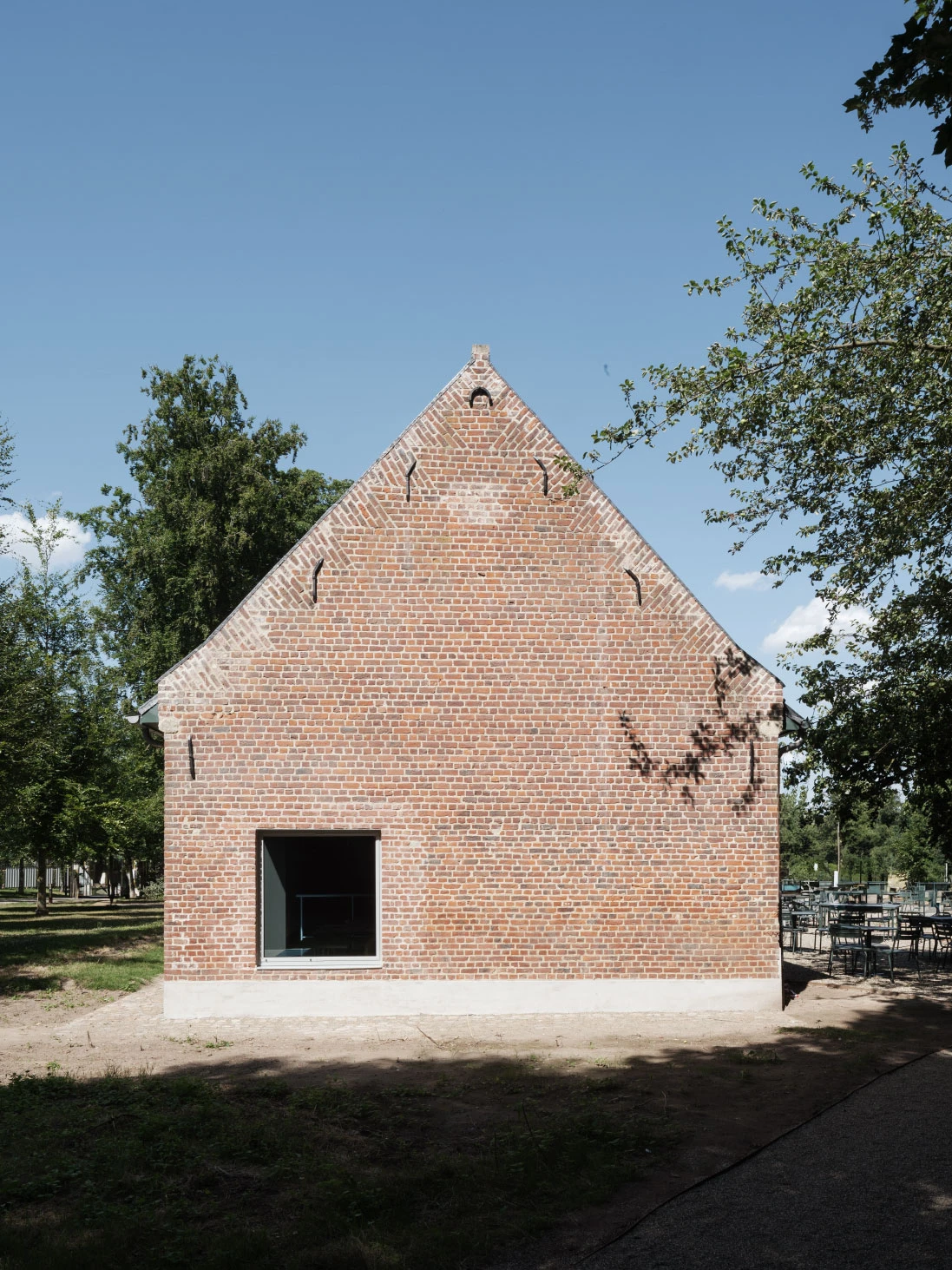
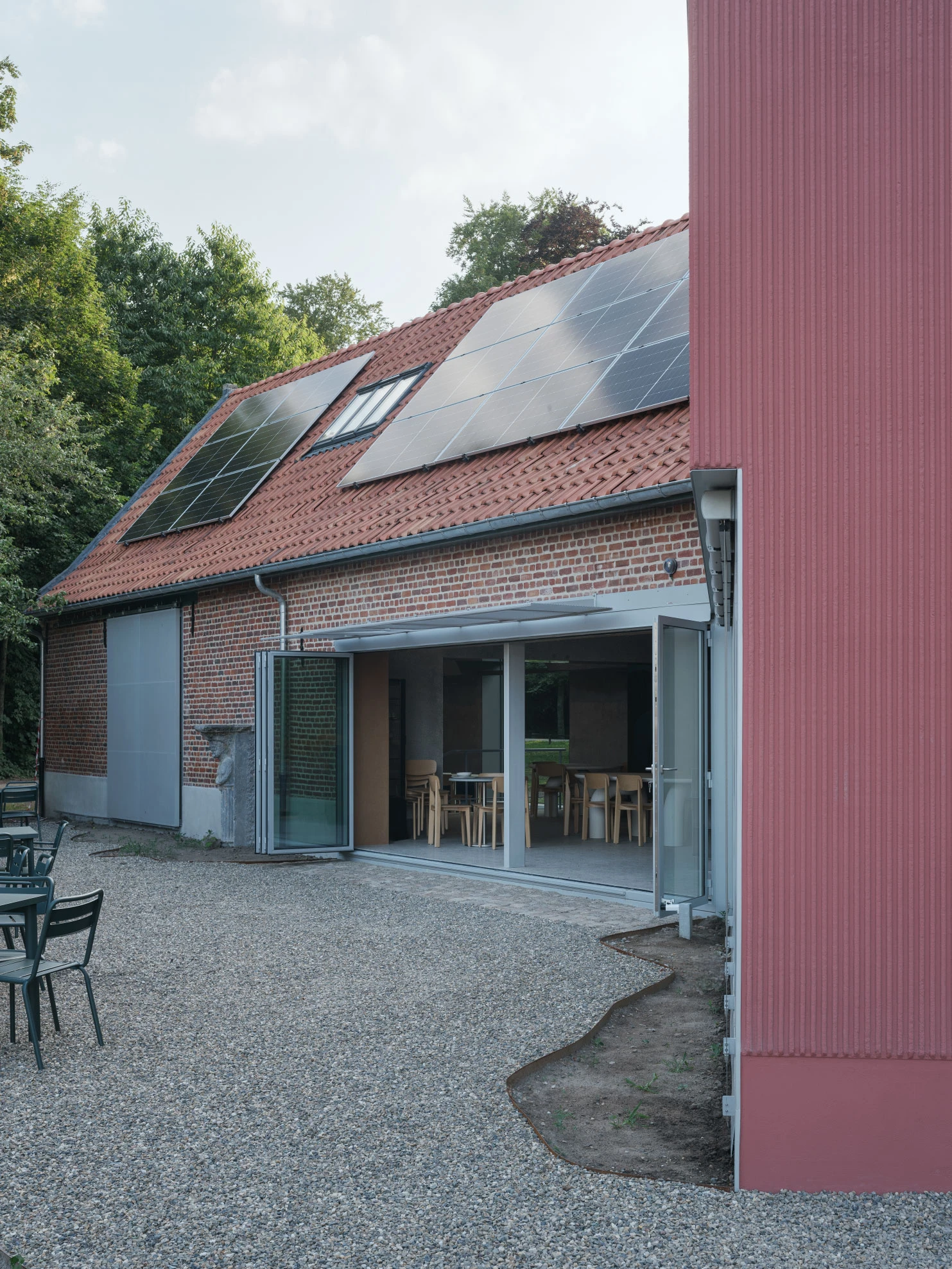
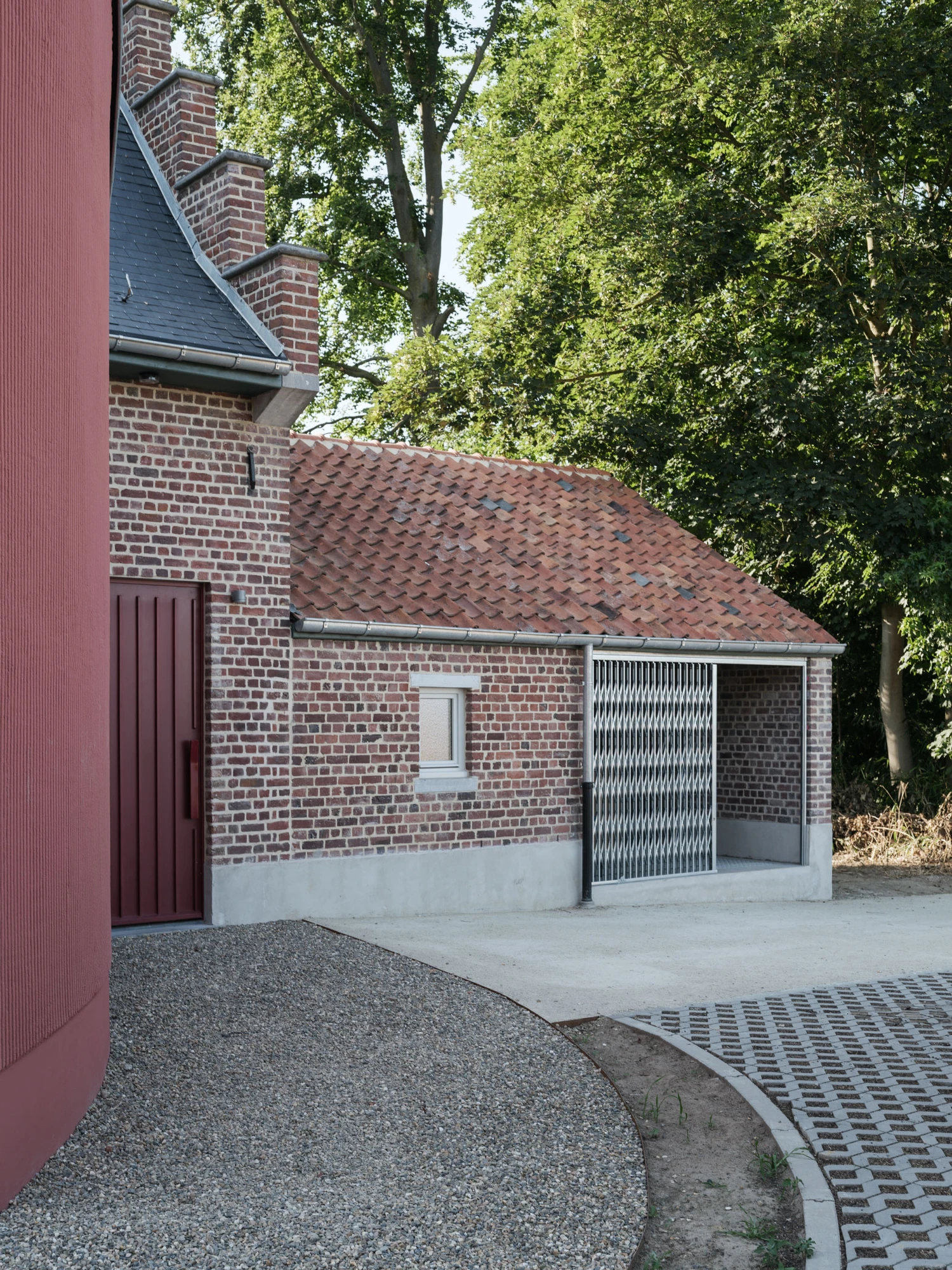
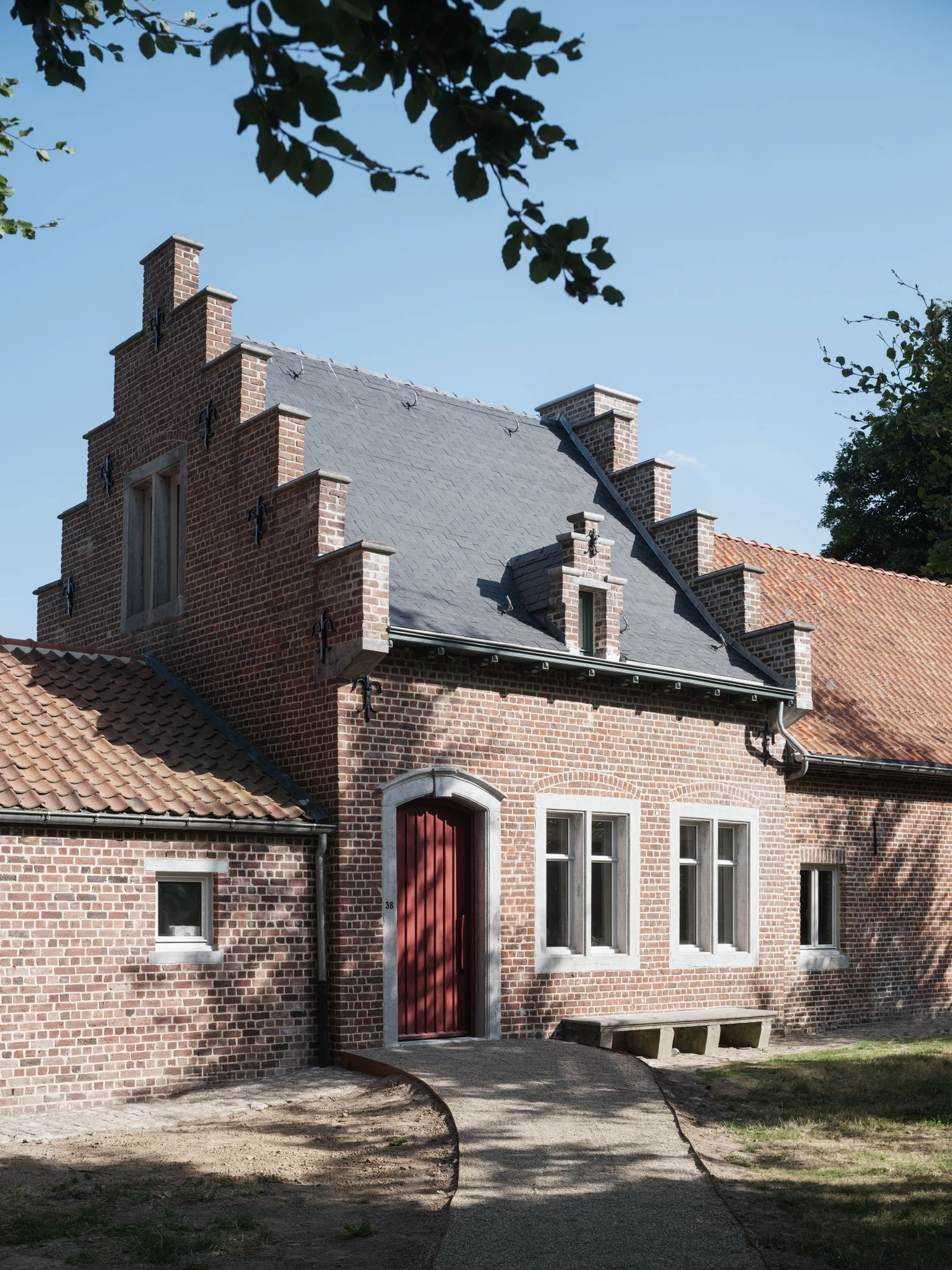
In the protected landscape surrounding the Castle of Gaasbeek, a 16th-century fortress in the Flemish Brabant, a former agricultural building has found new purpose. The brick volume, with its steeply pitched gable and centuries of weathering, now houses GRAEG—a restaurant that emerges from its shell rather than occupying it.
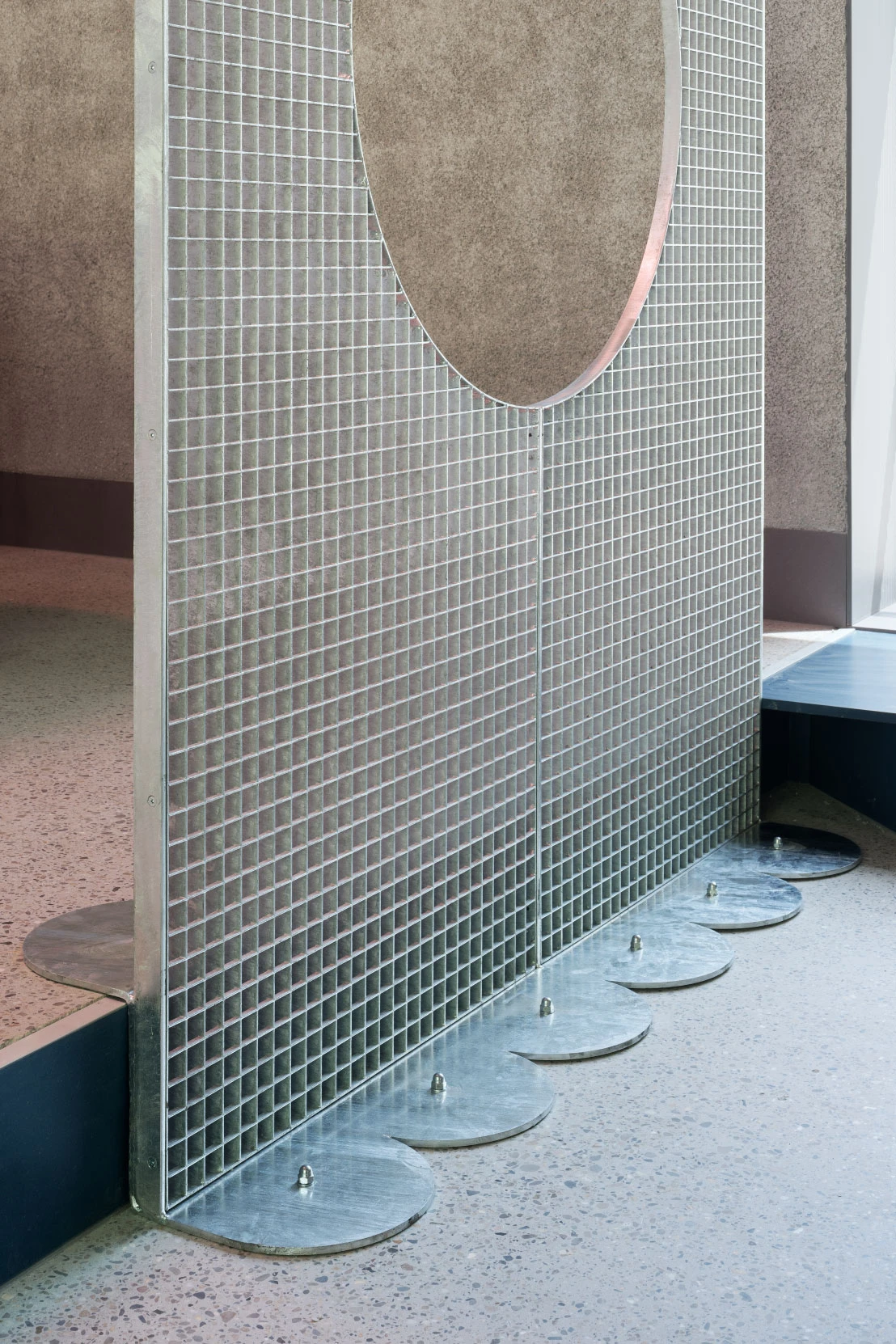
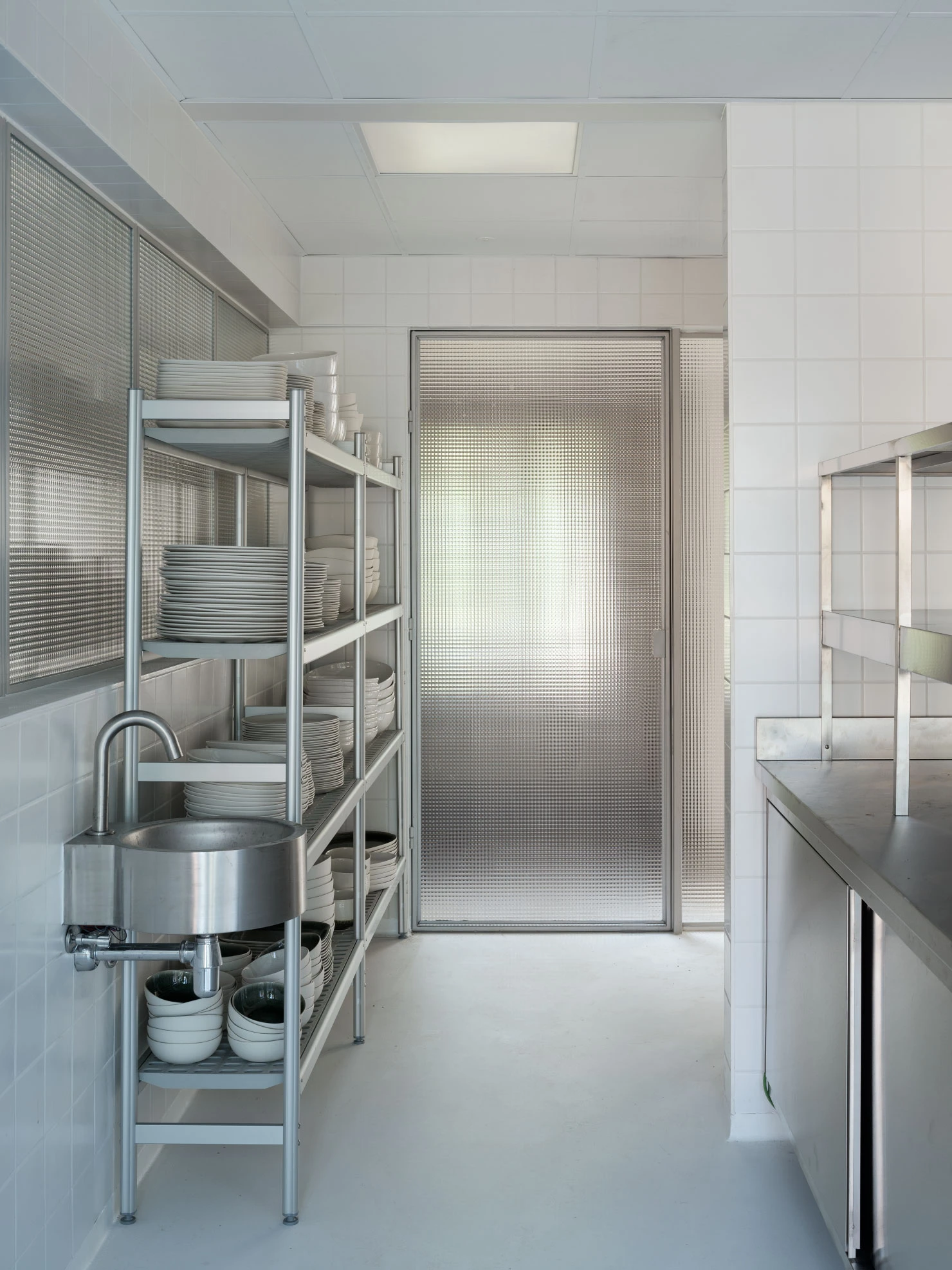
The architects at i.s.m.architecten, working alongside Origin Architecture and Engineering, approached the commission with a particular conviction: that architecture and interior should operate as a single gesture. There is no moment where the building ends and the fit-out begins. Every decision—from the precise placement of new openings to the selection of tableware—participates in the same spatial argument.
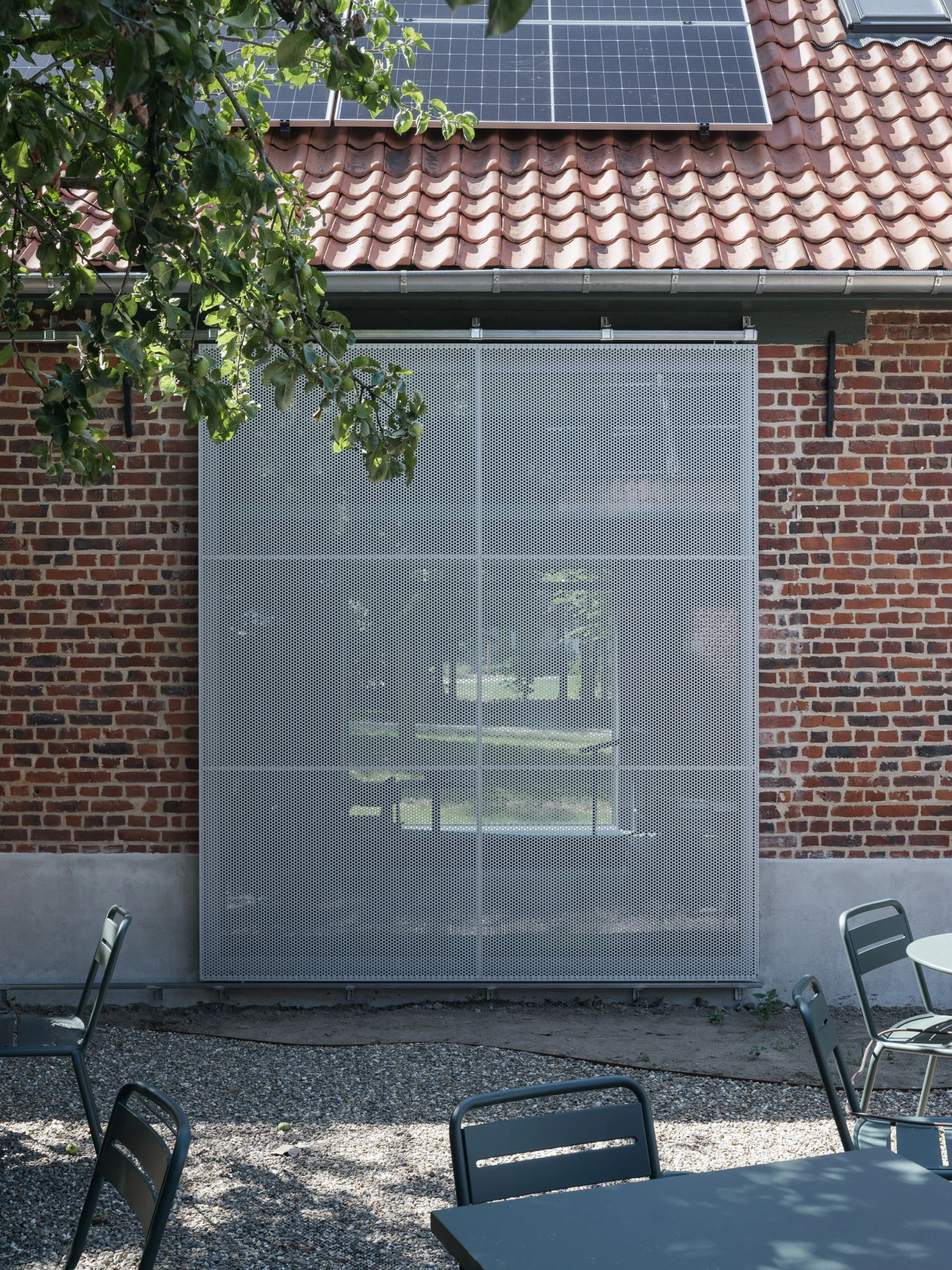
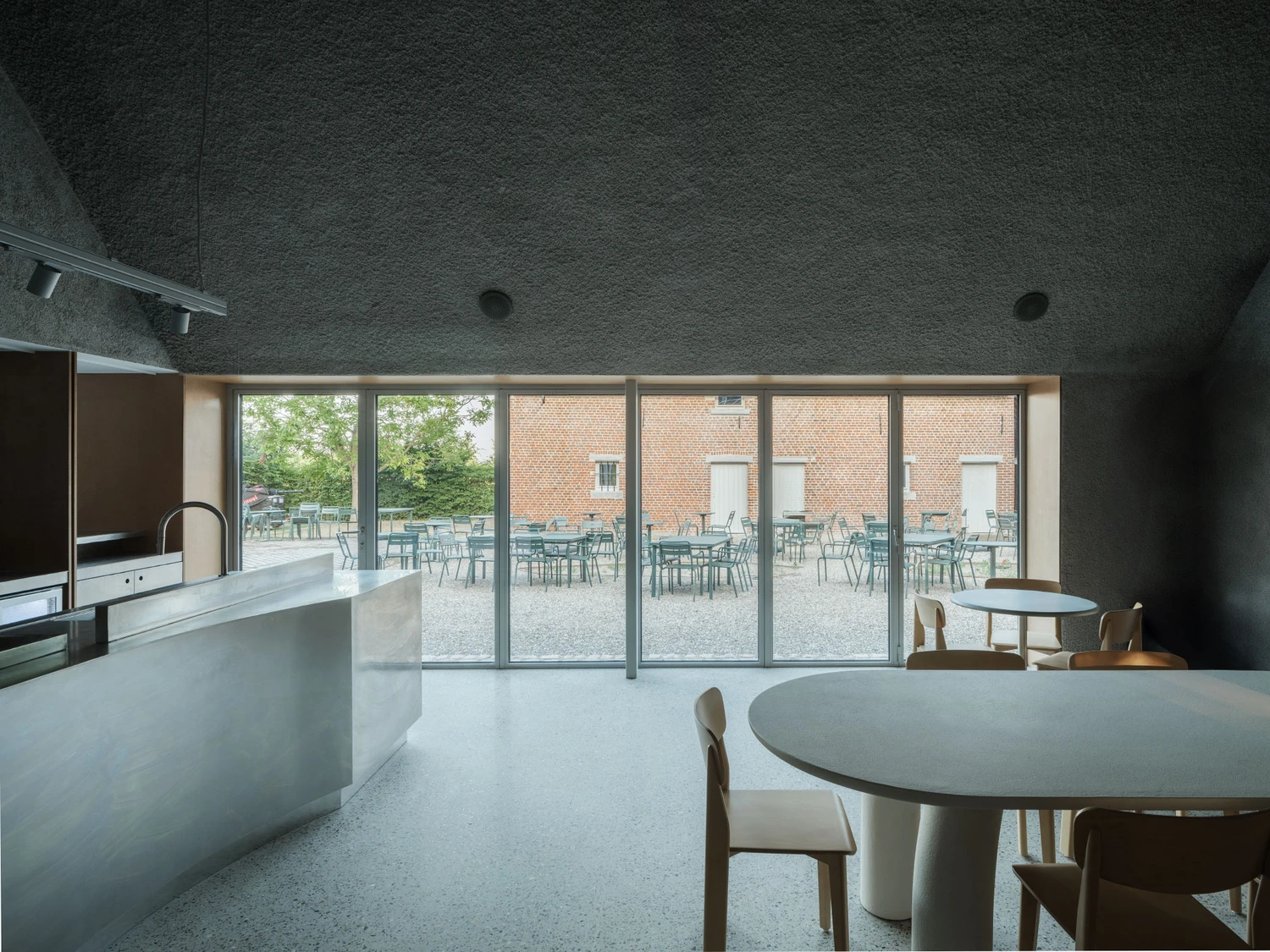
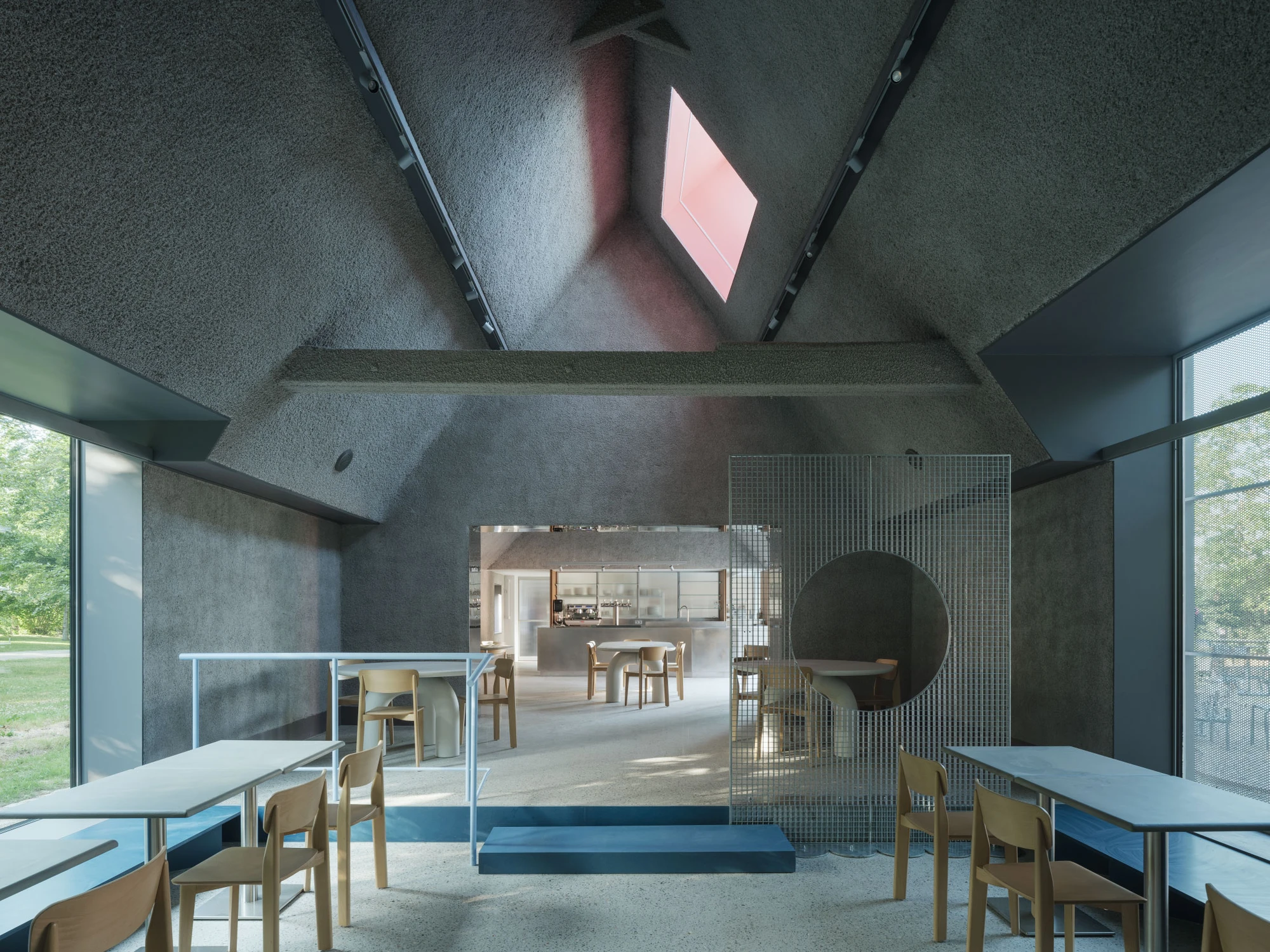
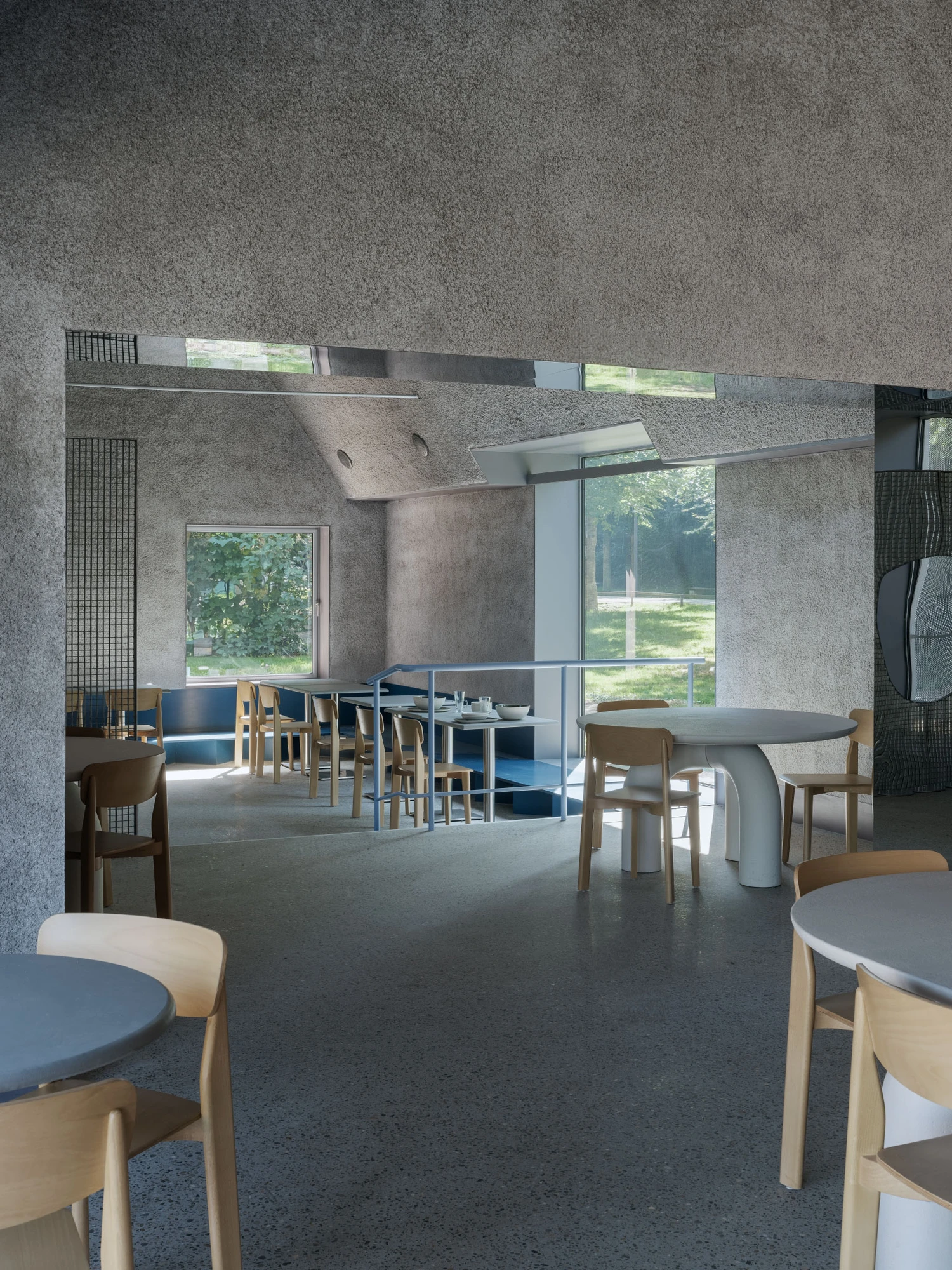
The most visible intervention arrives at the façade. Where solid brick once maintained the barn's introverted posture, large glazed openings now pull the interior toward the park. Passers-by catch glimpses of diners; diners watch seasons change through carefully composed frames. The transparency is not merely visual but programmatic—the restaurant announces itself as part of the estate's public life.
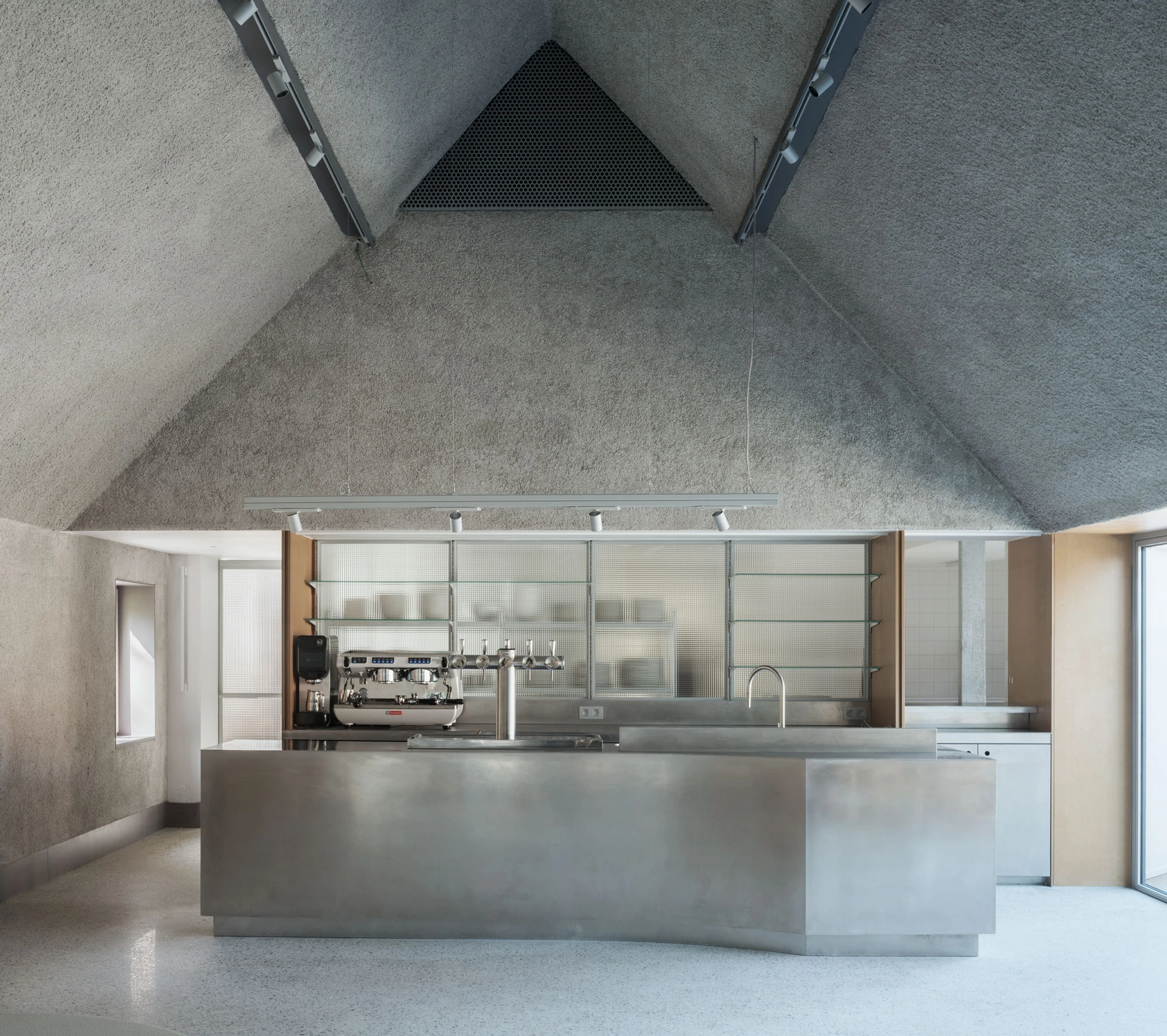
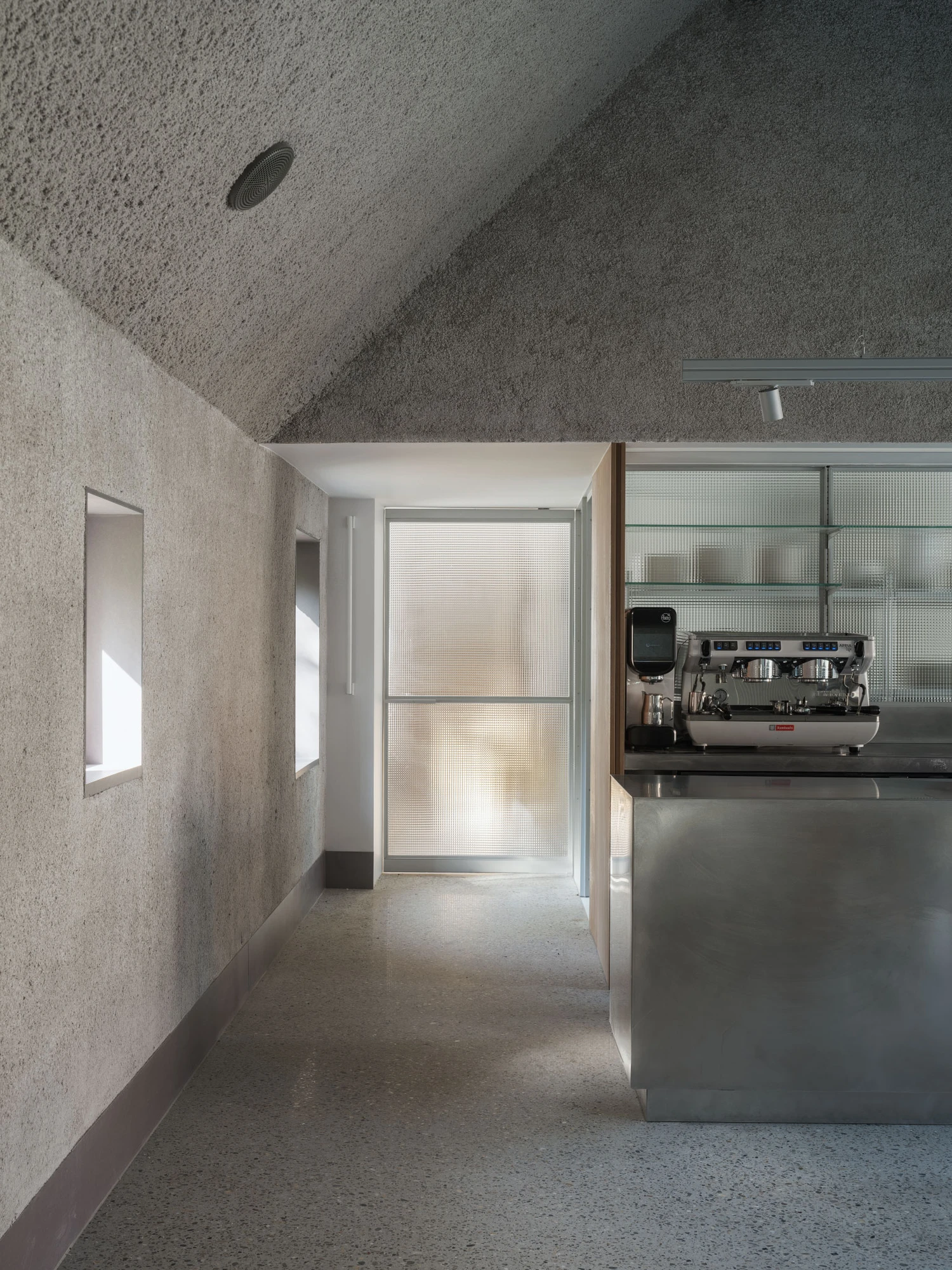
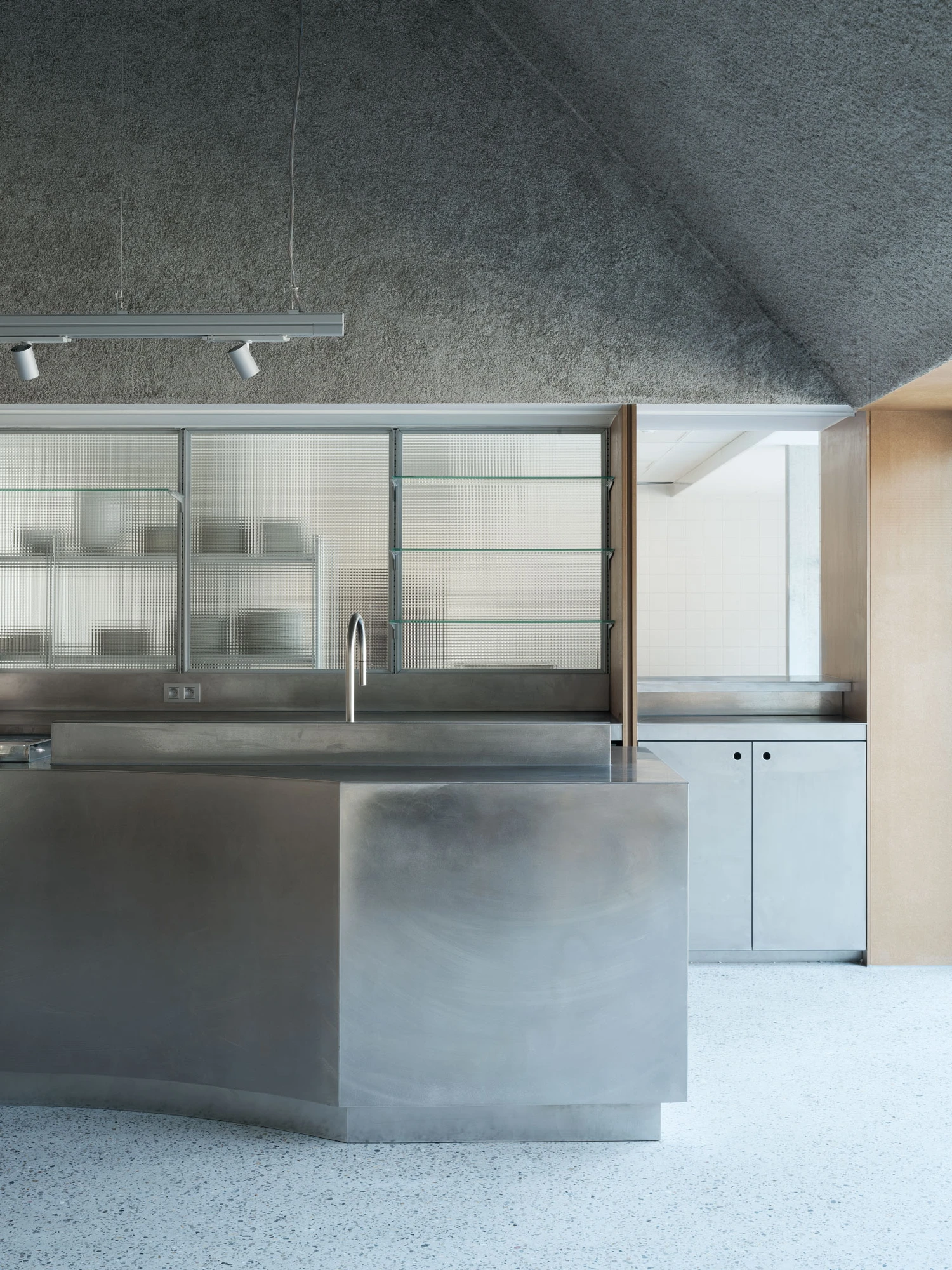
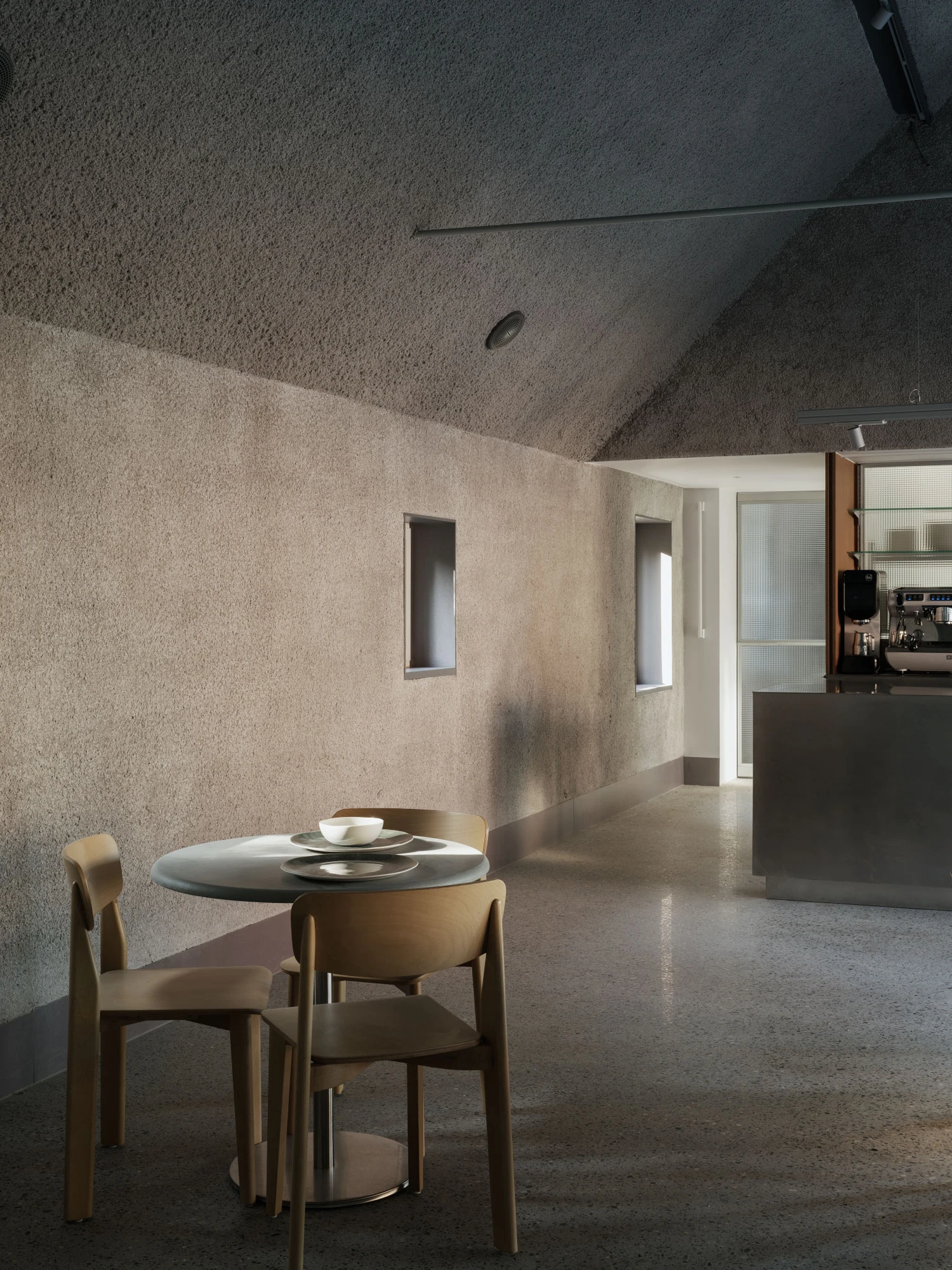
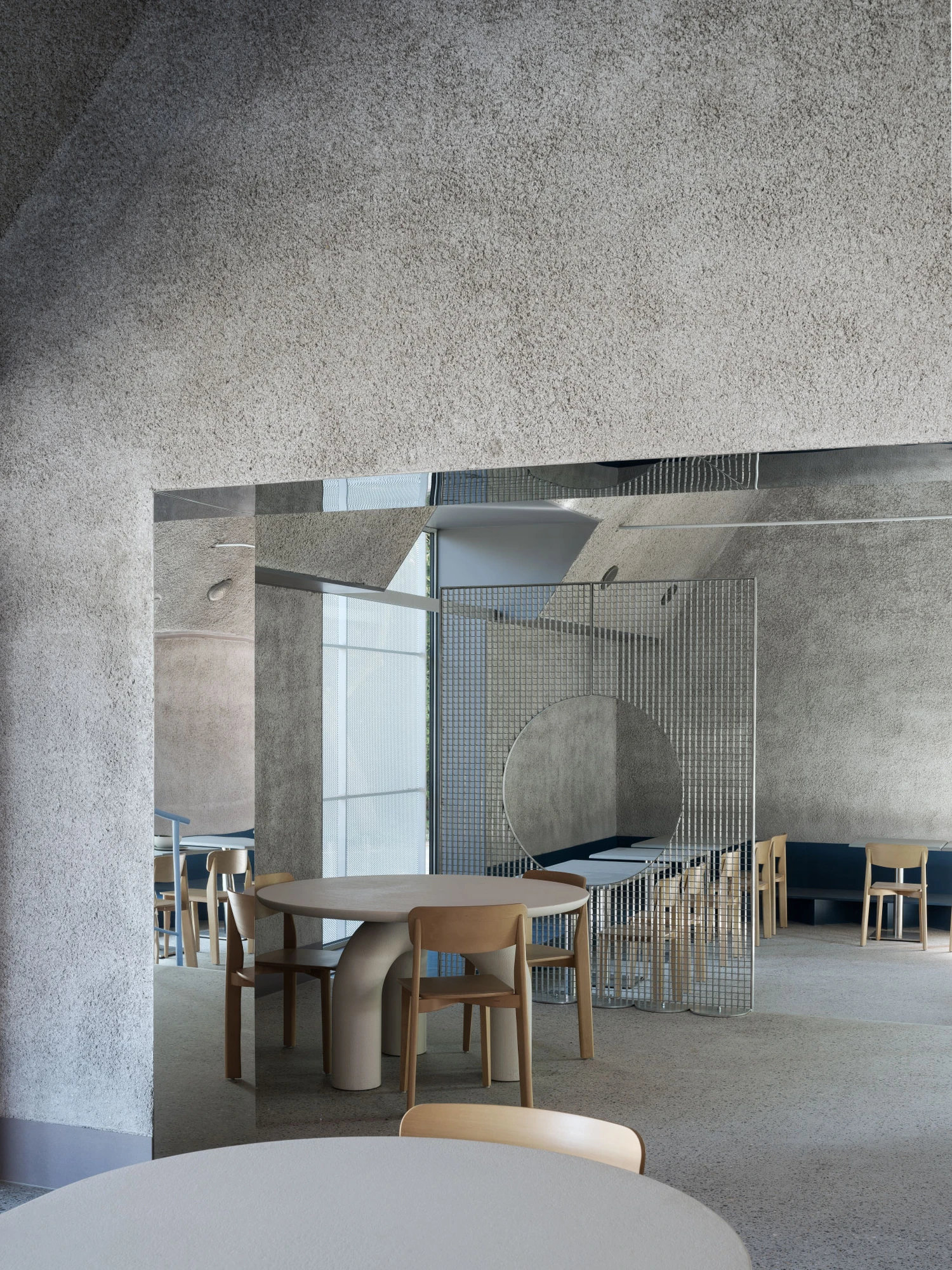
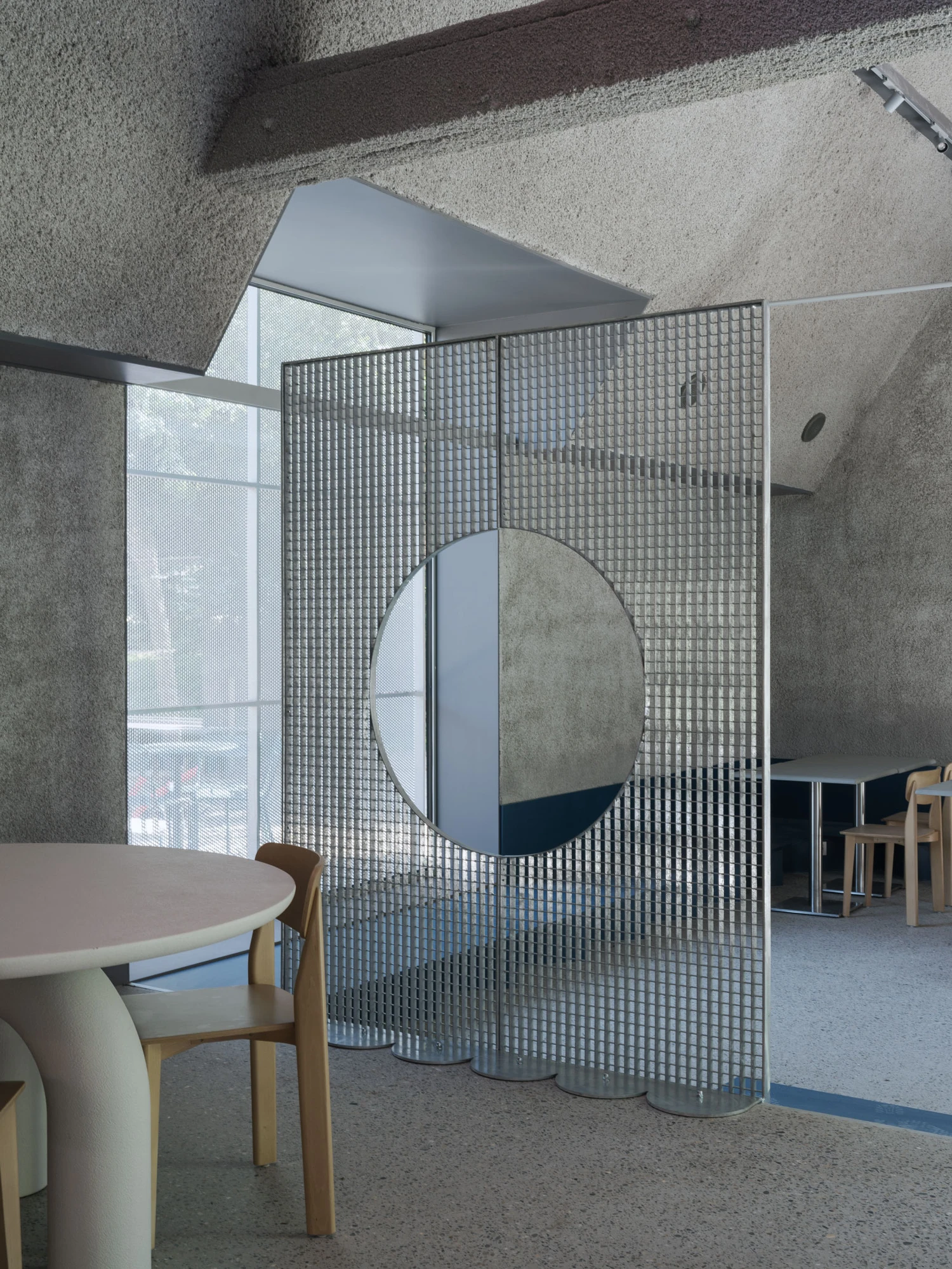
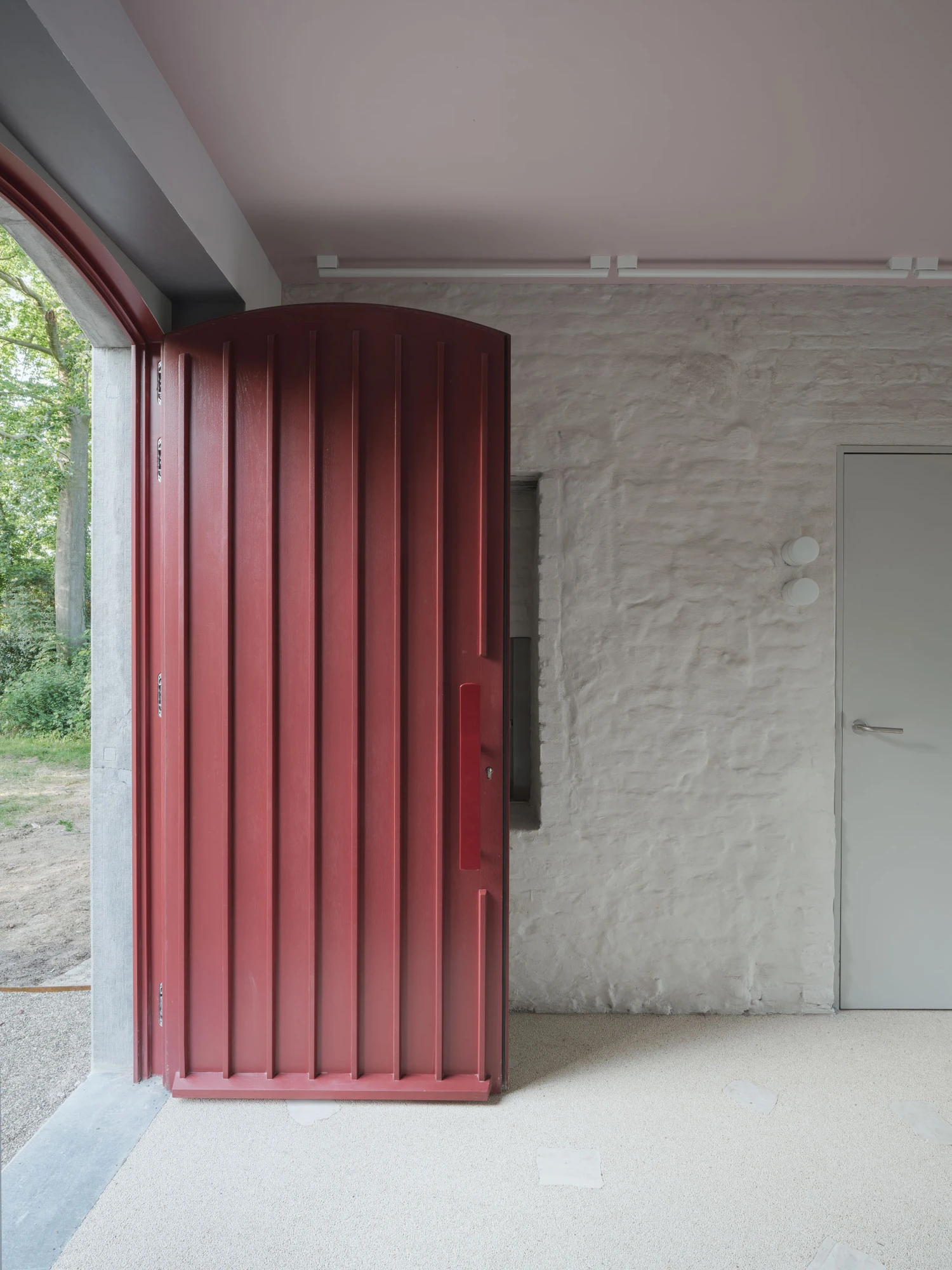
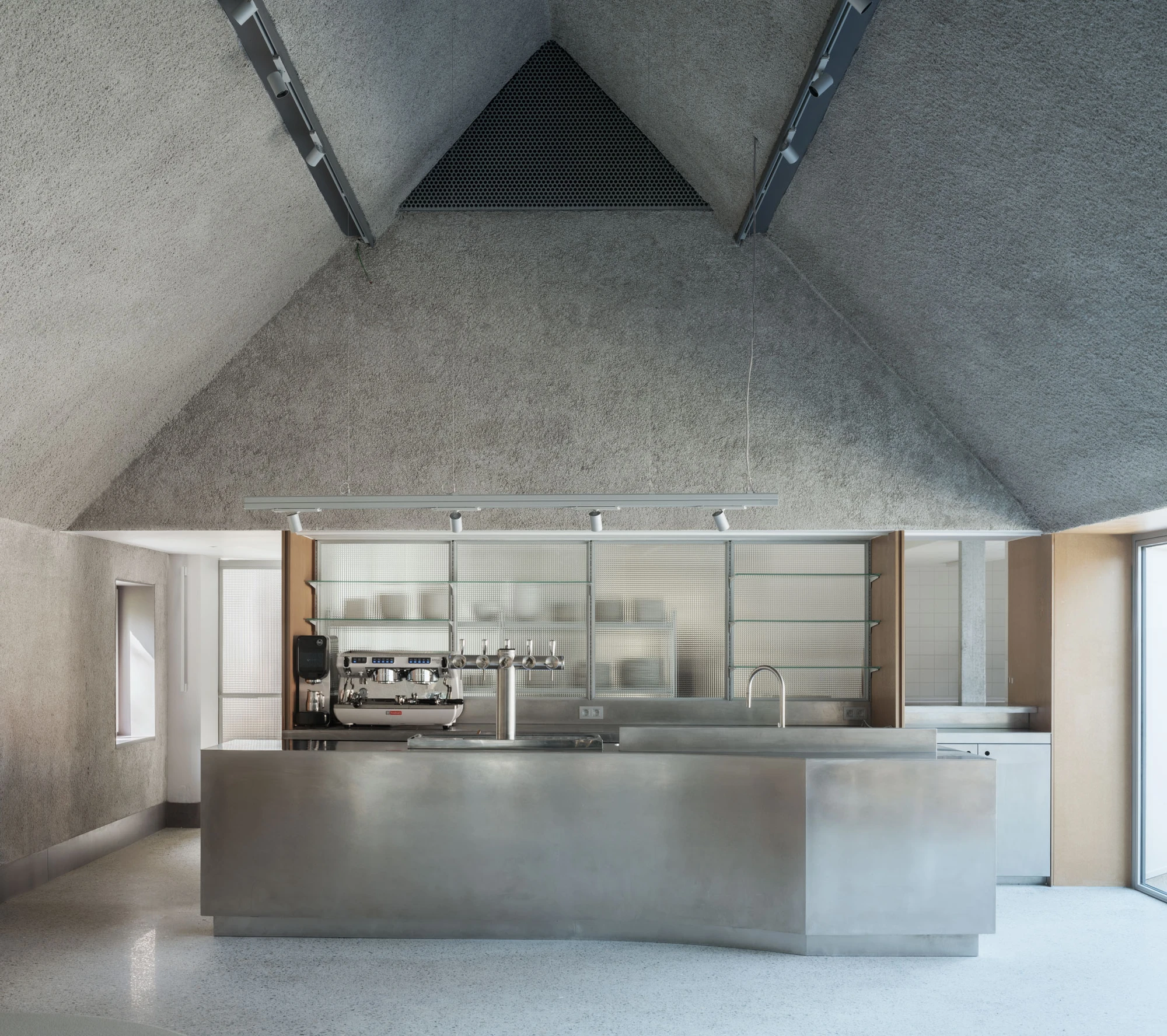
Inside, the contrast between heritage and insertion sharpens. Original masonry surfaces, left deliberately unfinished, provide a textured backdrop for precisely detailed contemporary elements. Geothermal heating works invisibly below floors; high-performance glazing maintains comfort without mechanical intrusion. Internal insulation preserves the building's exterior character while achieving contemporary performance standards.
What emerges is neither restoration nor transformation but something closer to translation. The farmstead's agricultural past remains legible in every proportion, yet its present as a gathering place feels equally inevitable. GRAEG demonstrates that heritage buildings need not choose between preservation and vitality—that the most respectful intervention might be the one that simply lets the structure continue doing what it has always done: sheltering people who have come together to eat.