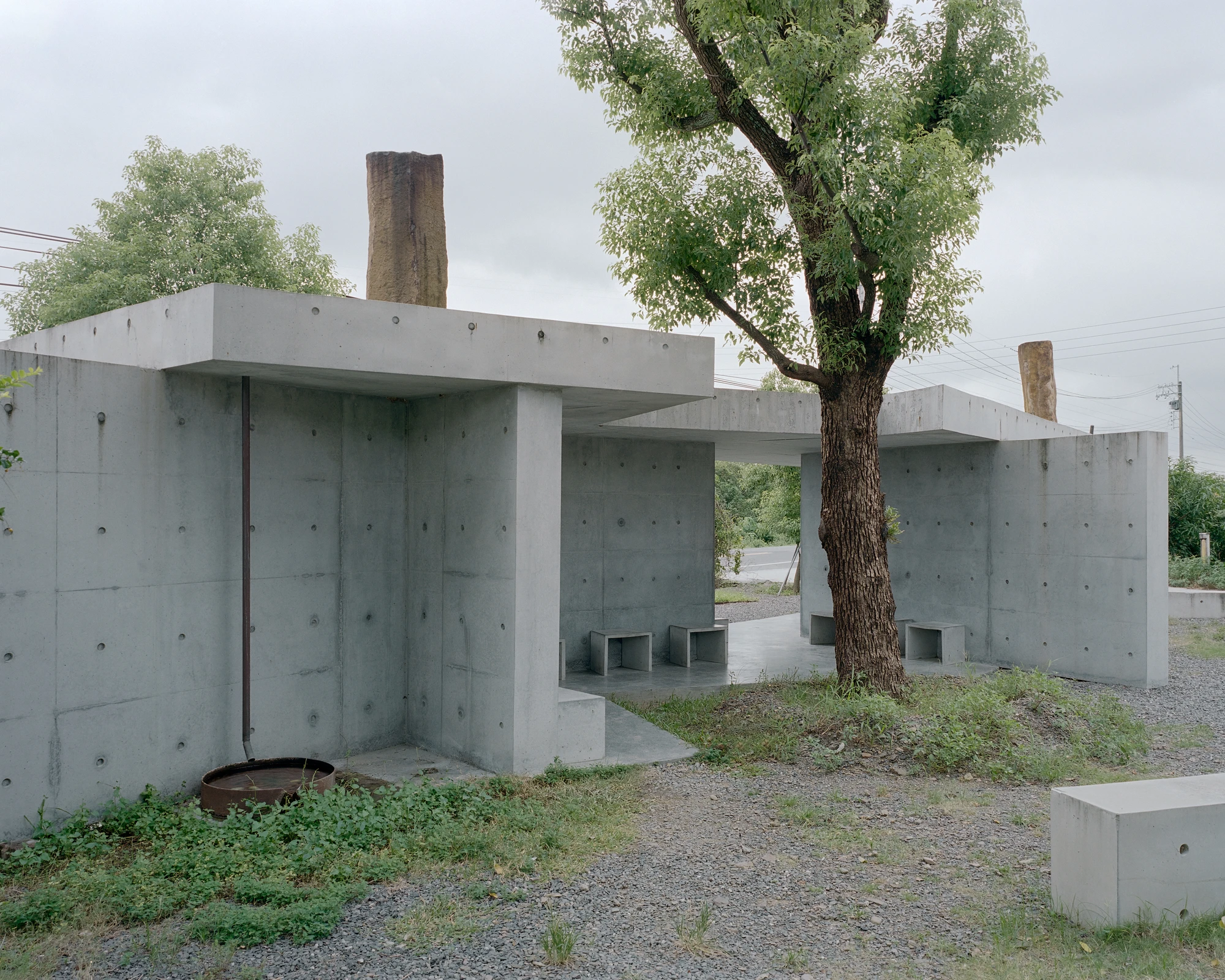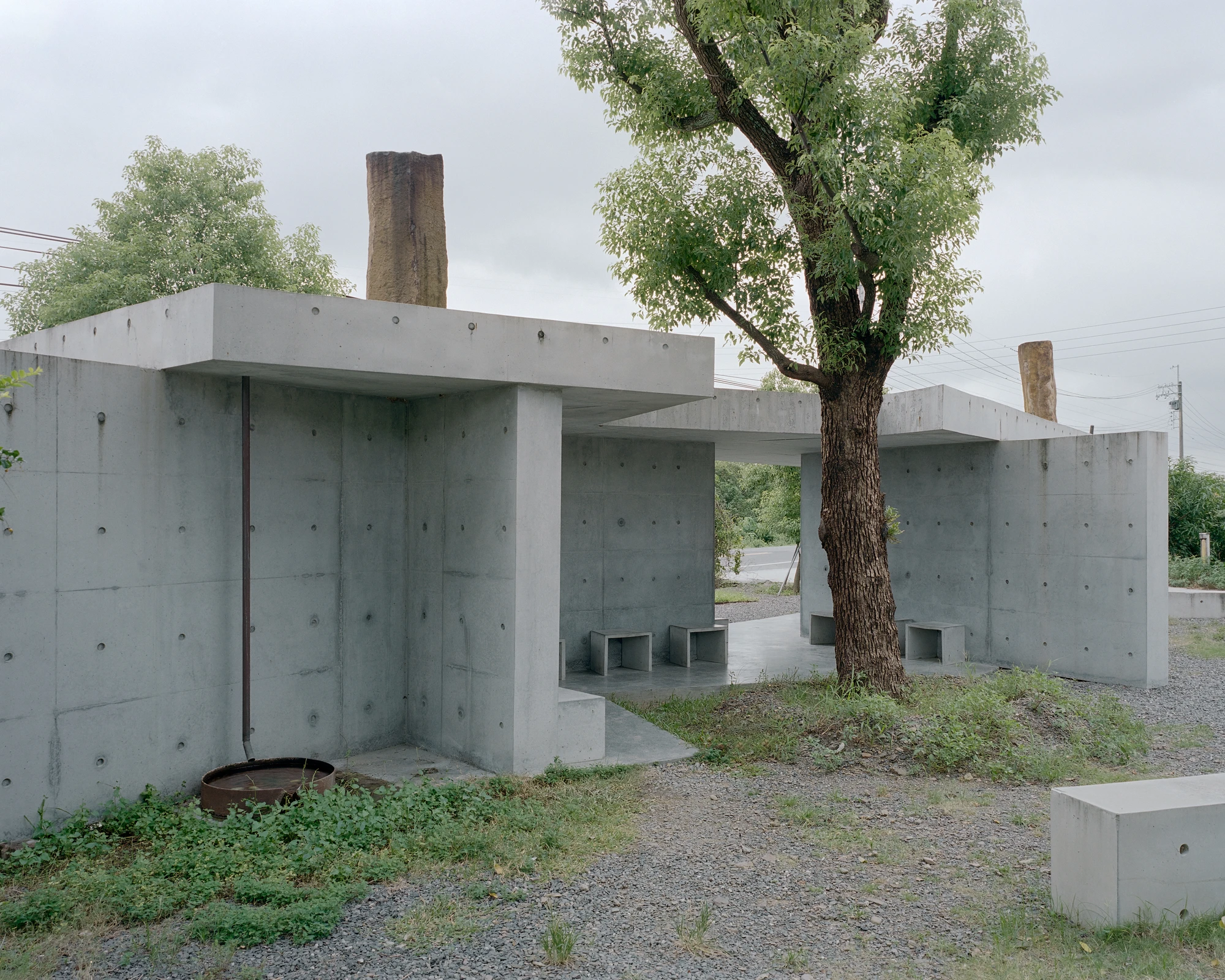
Entry Pavilion by metrics architecture studio transforms a hospital gateway in southern Taiwan into a generous threshold — a layered boundary of collective spaces where functionality meets spatial warmth.
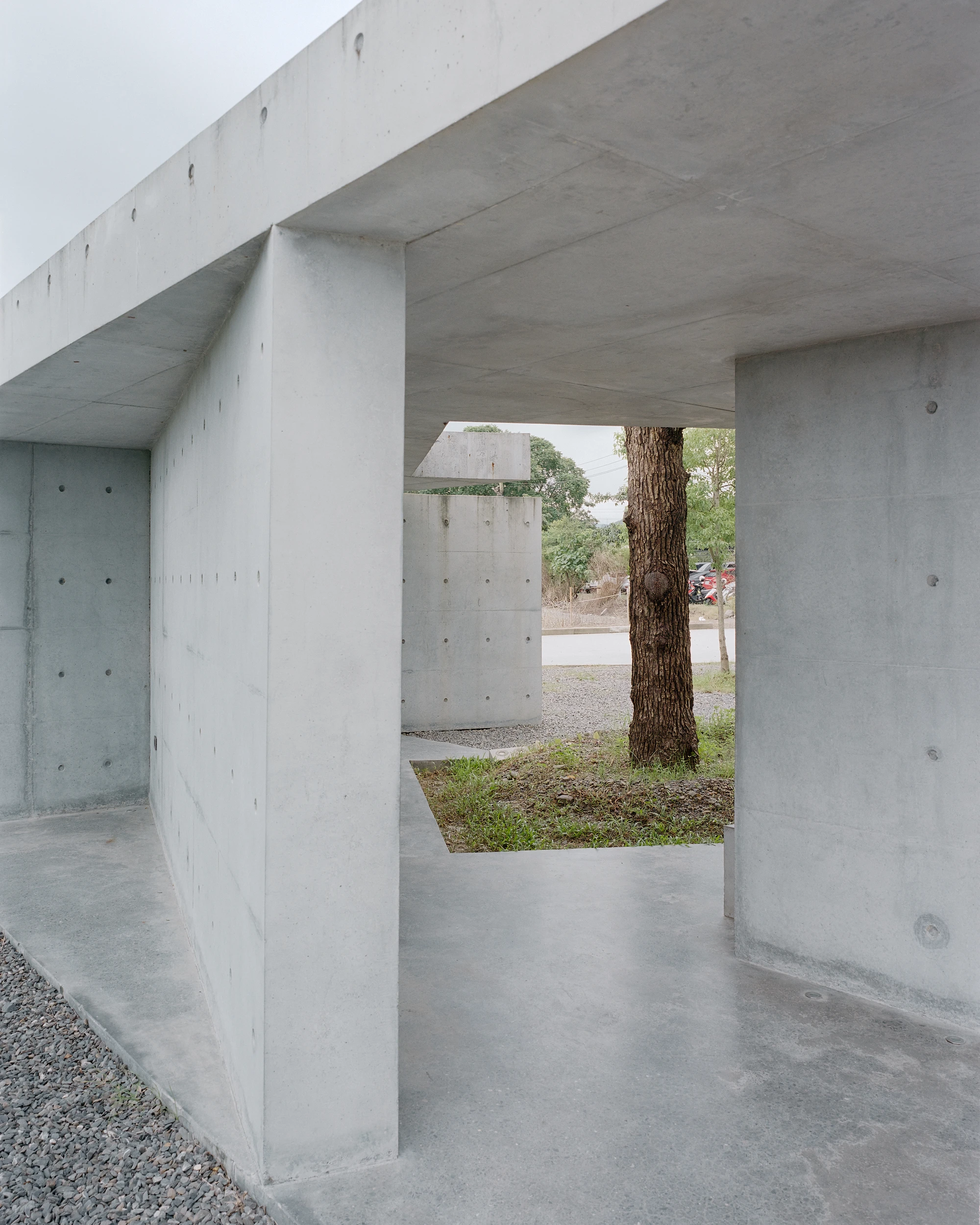
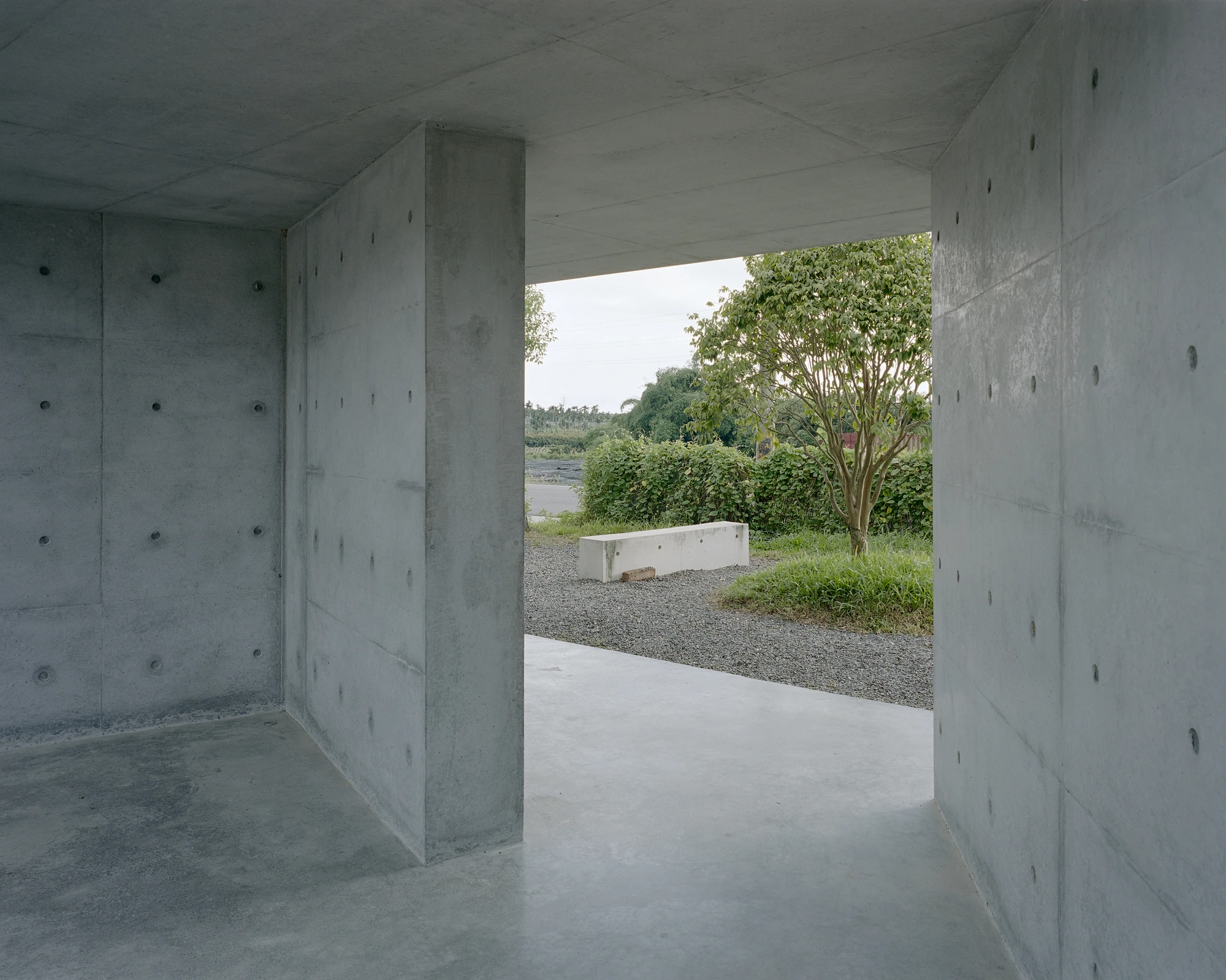
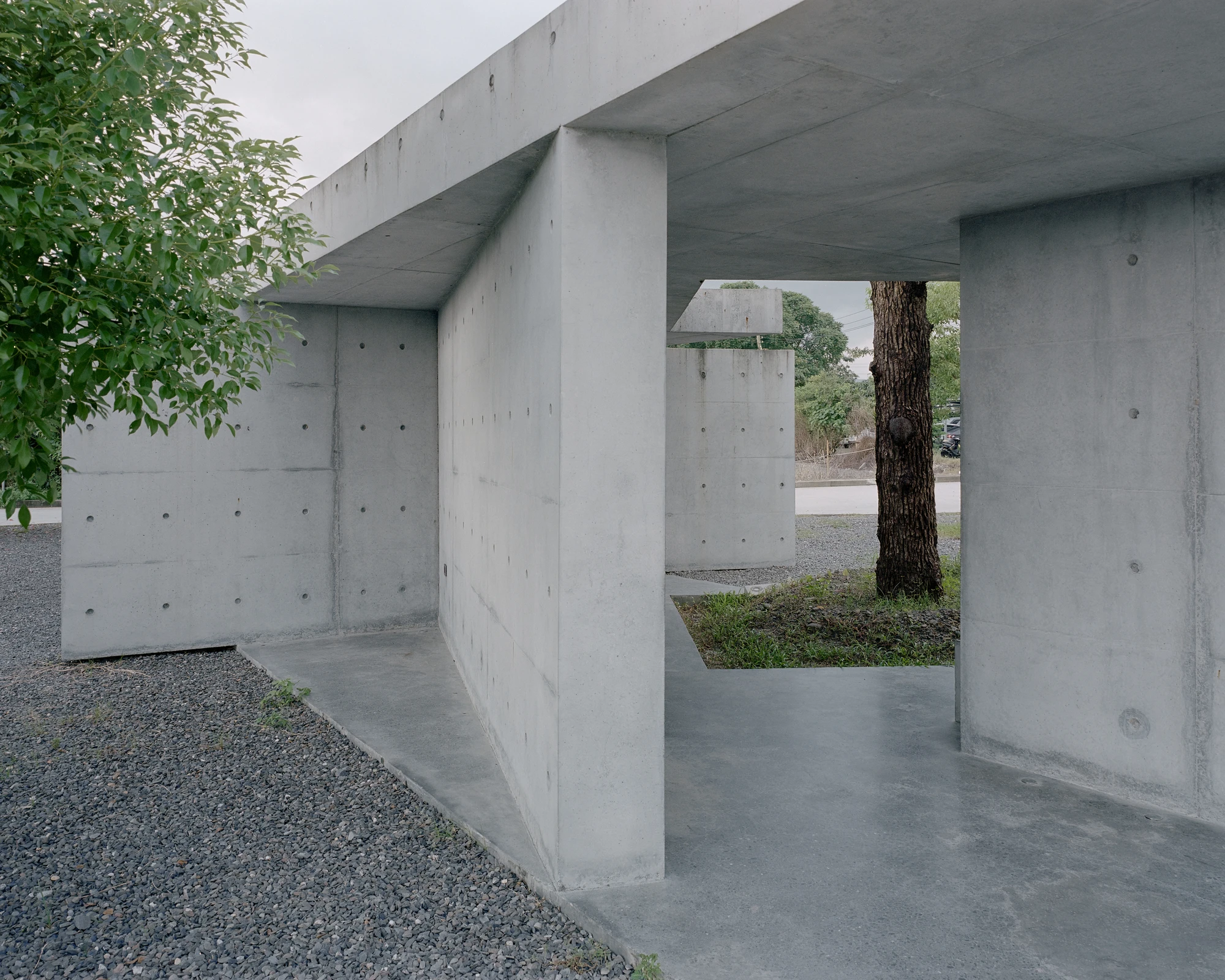
The brief called for an entry pavilion to a mental hospital in southern Taiwan, with the capacity to convert into a fever screening station during pandemic surges. Most firms would have built a wall with a guard post and called it functional. Metrics architecture studio built a neighbourhood instead. The pavilion replaces the expected linear barrier with L-shaped walls arranged according to the sun, the trees, and the relationships between a bus stop, a coffee stand, and several resting areas. The result is a threshold that feels less like security infrastructure and more like an invitation to linger.
This matters because hospital entrances communicate. A wall says: you are entering a controlled environment. A series of interconnected outdoor rooms says something else entirely — that the transition between public road and clinical interior can be humane, even generous. The diversity of spaces encourages users to find a spot that matches their comfort, physical or psychological, and creates conditions where patients and staff might encounter each other outside the rigid scripts of medical exchange.
The pavilion also carries a quiet argument about what institutional architecture owes its users beyond the pandemic moment. Its capacity to shift function — gateway one day, screening station the next, community gathering space the day after — suggests buildings need not be prisoners of their original programmes. By treating a hospital entrance as a vessel for creativity, art, and nature, the project demonstrates that efficiency and humanity are not competing values. They are, in fact, the same brief.