On Largo de São Domingos in Porto, inside a 16th-century building, Álvaro Siza has made a tiled mural of musicians for Cozinha das Flores, the restaurant Space Copenhagen wrapped in coppery plaster and dark wood.
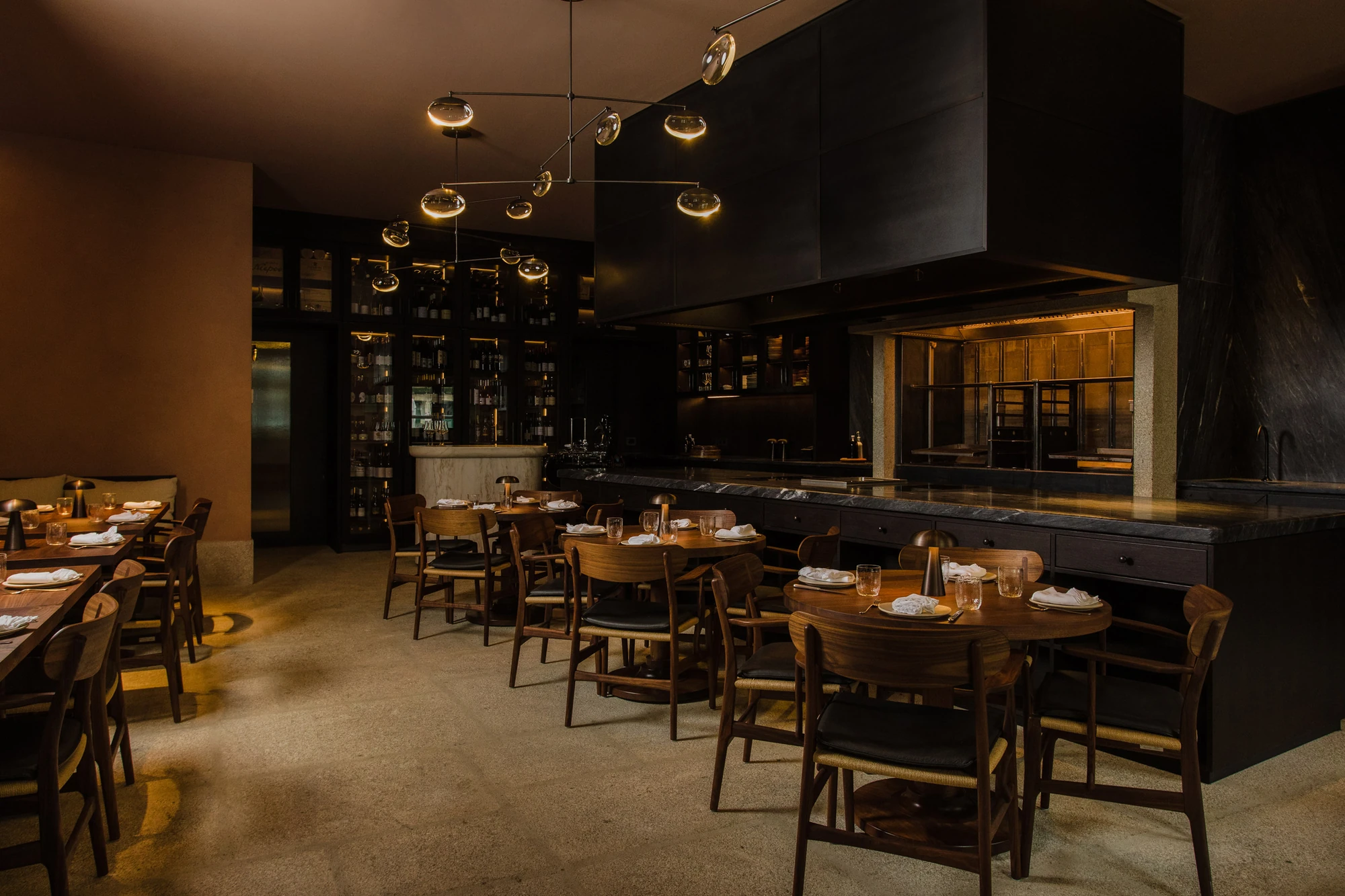
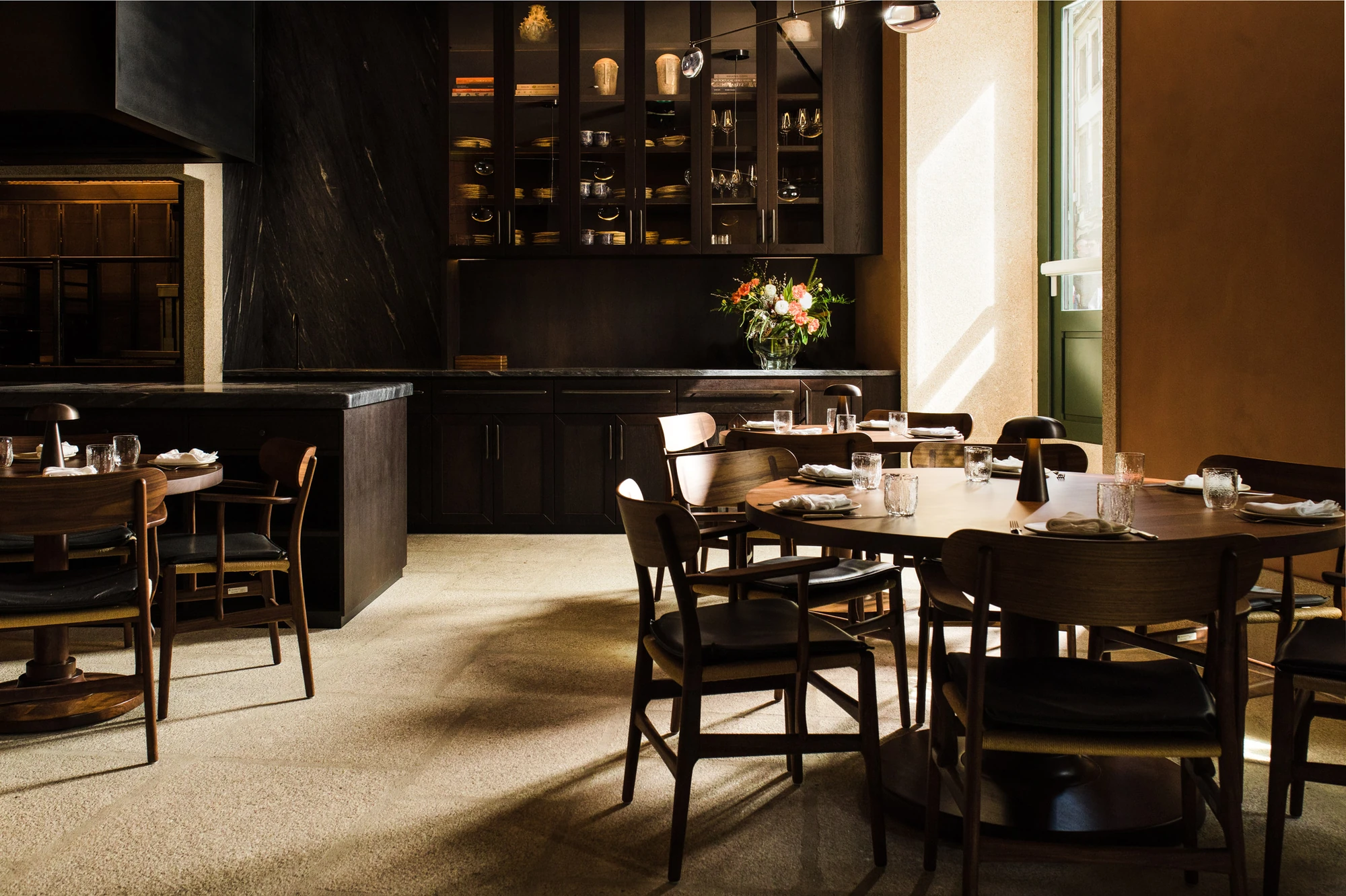
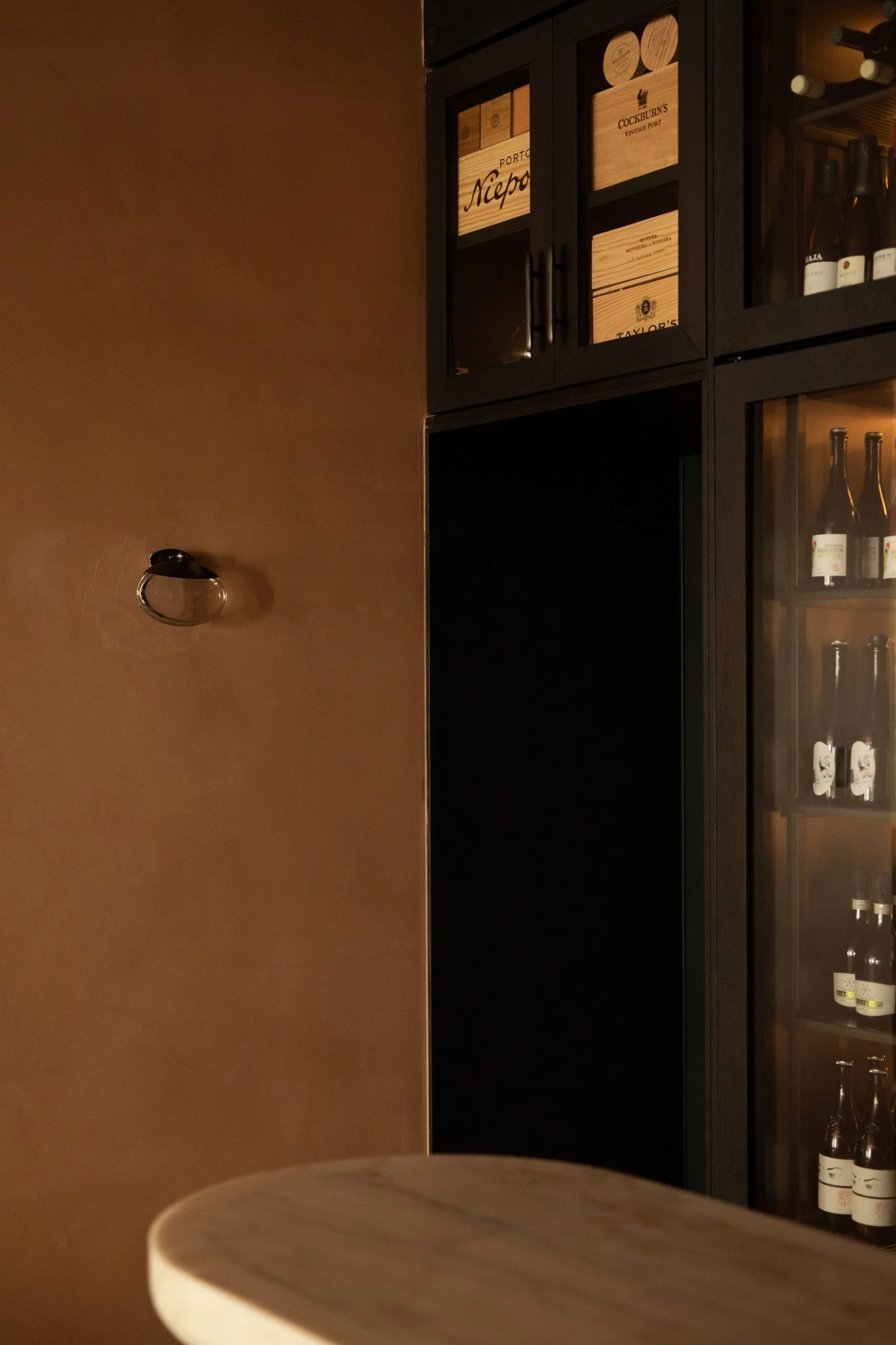
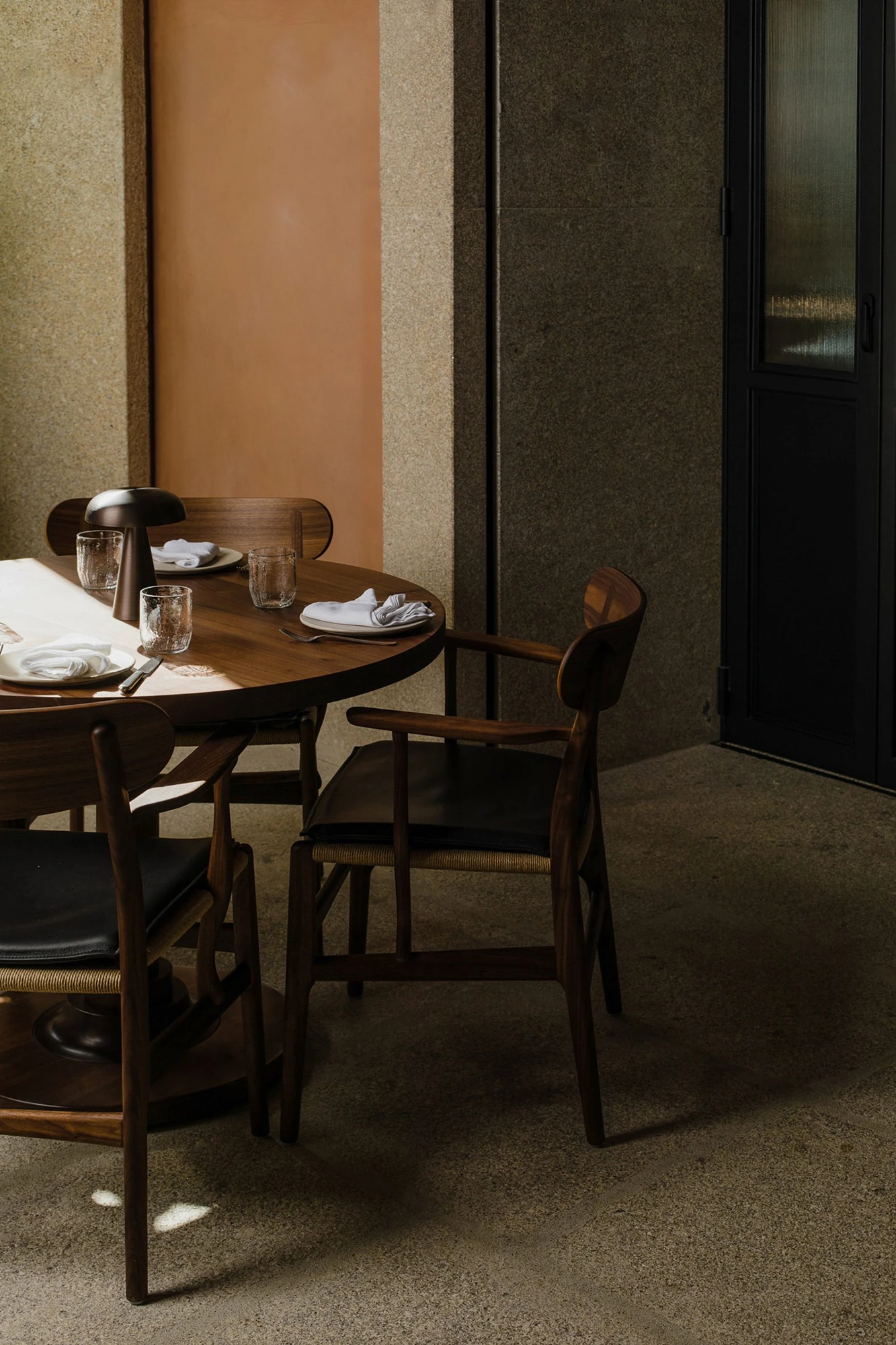
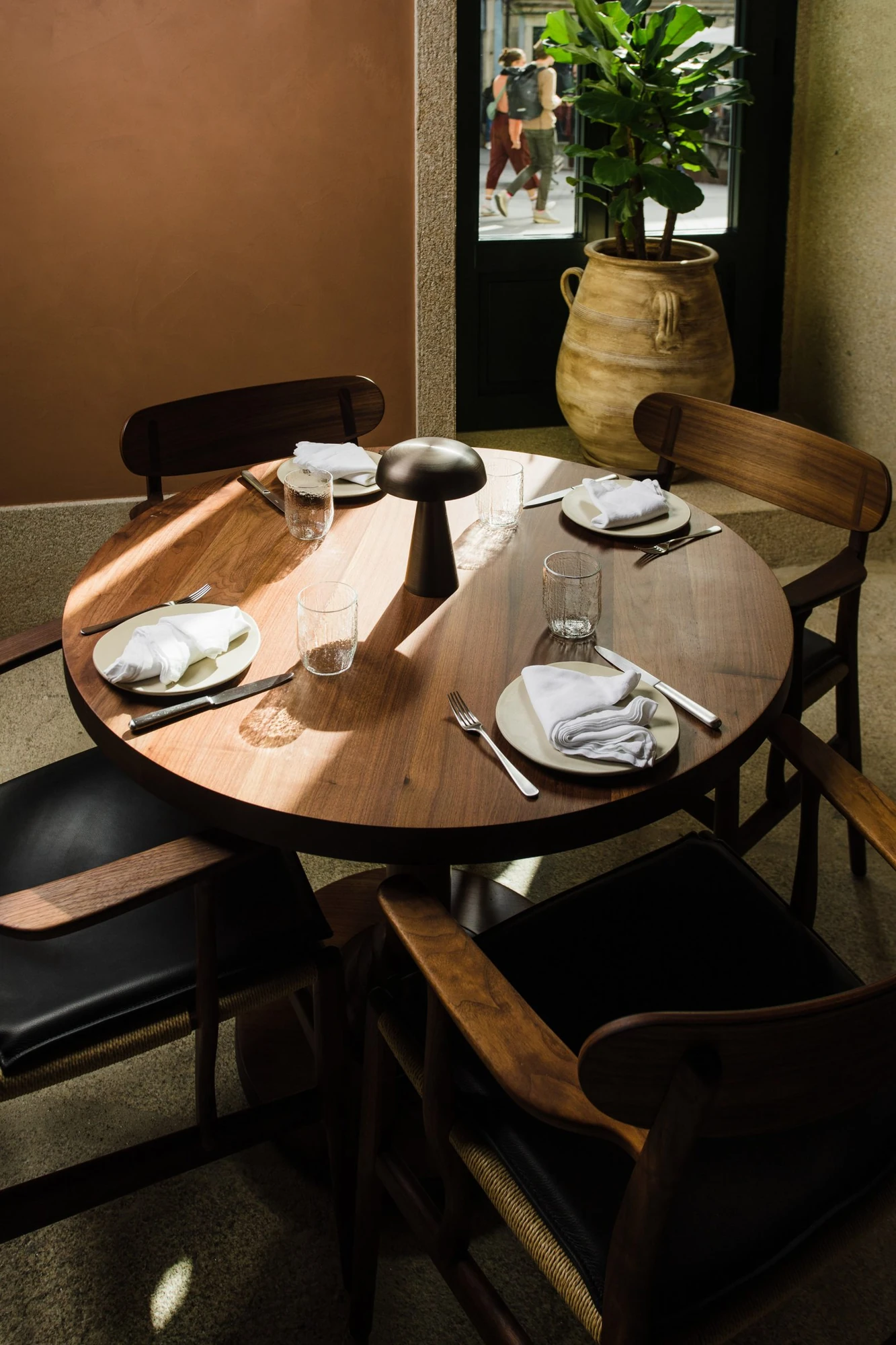
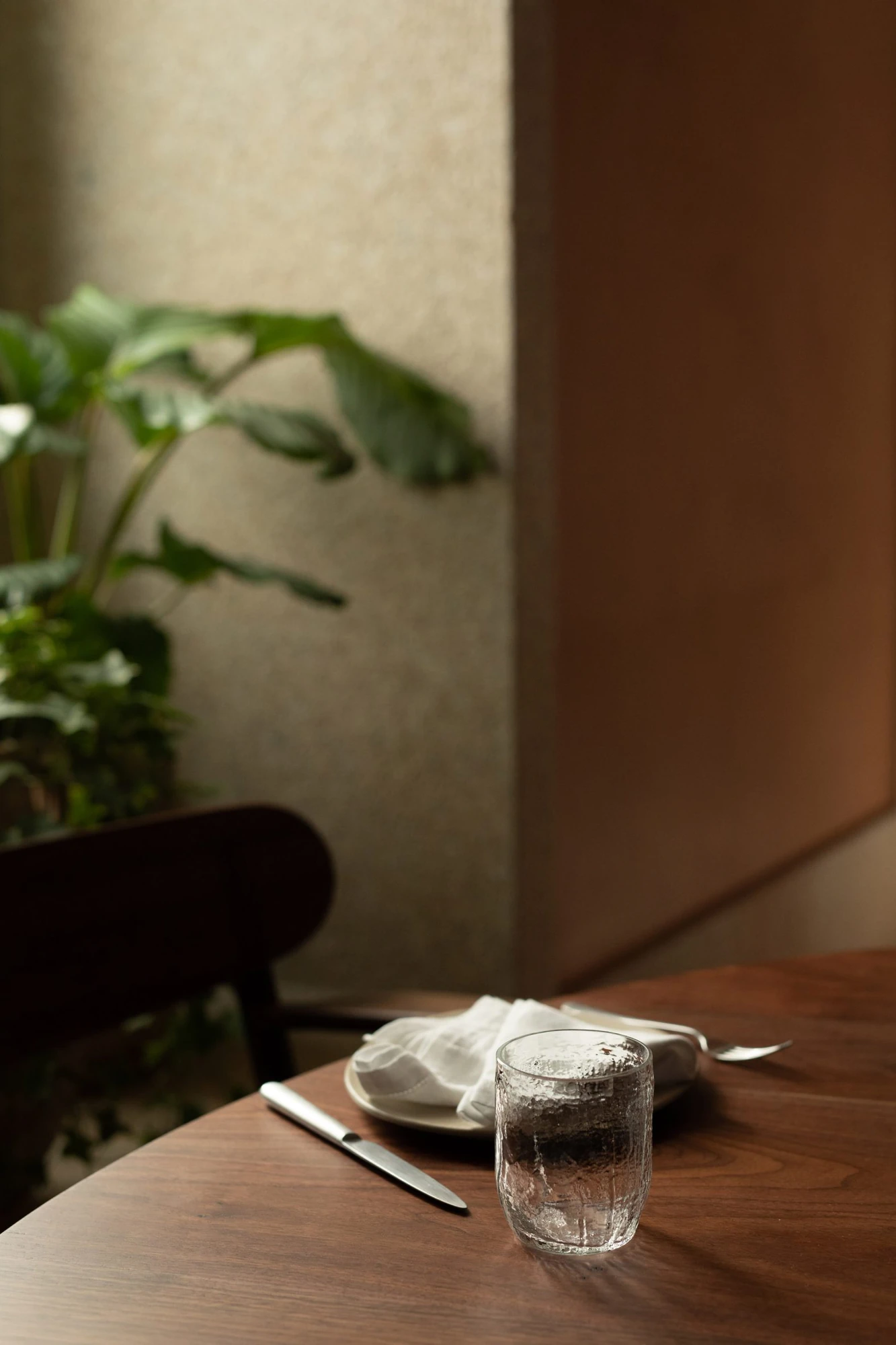
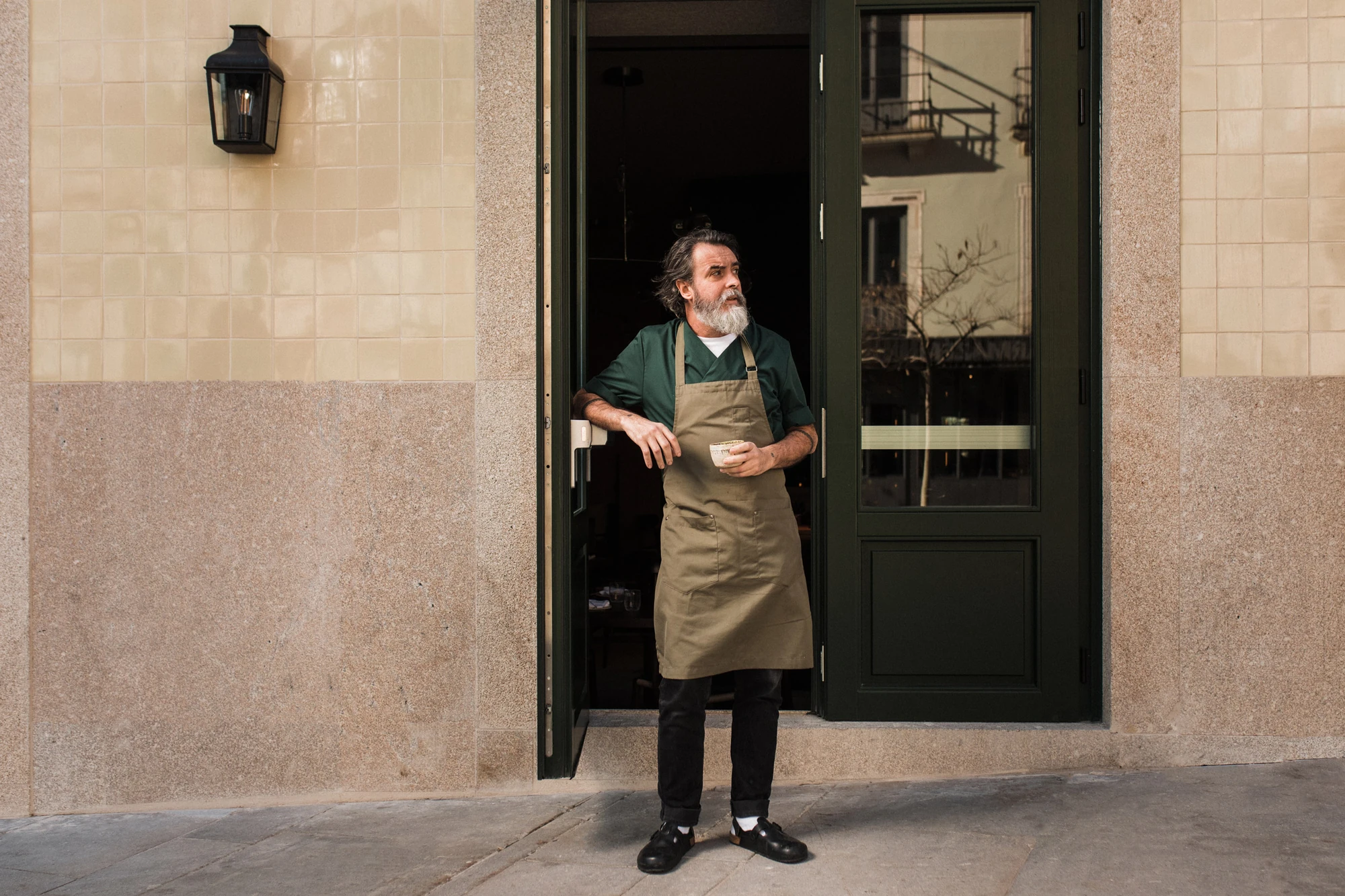
Largo de São Domingos has been a working corner of Porto for centuries, and the building that now holds Cozinha das Flores has stood on it since the 16th century. Space Copenhagen took the shell as a given rather than a problem. Aged stone and dark-stained wood were the starting points, and what has been added since is keyed to them: coppery plaster across the walls, dark wood tables and chairs made by woodworkers in the north, a pale aggregate floor that holds whatever daylight gets past the green-painted doors.
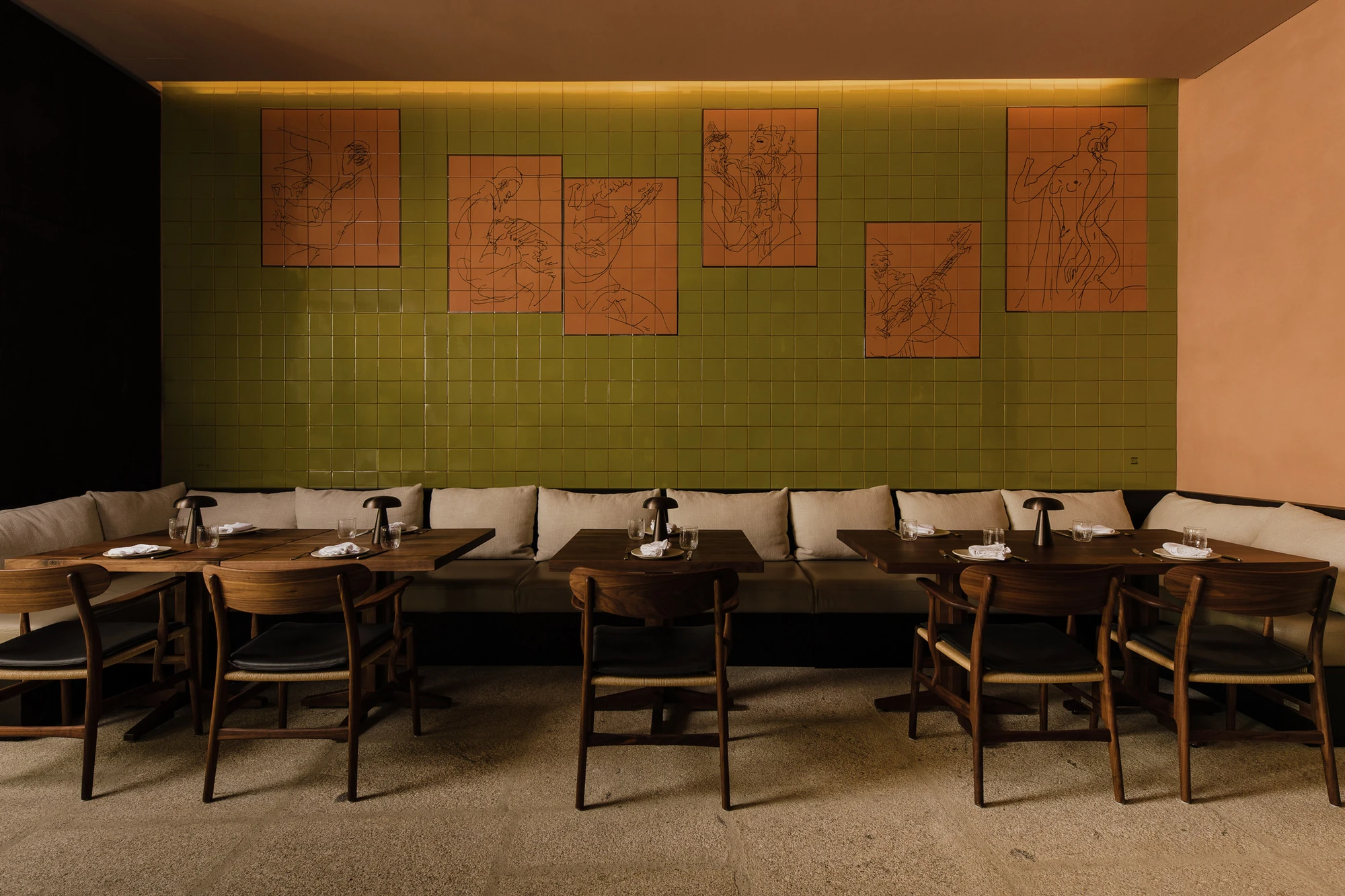
The wall above the banquette belongs to Álvaro Siza. Musicians in black line, orange panels set into a field of green glazed tile, drawn loose and fast the way he draws. He has made work of this kind all over the world, but as Space Copenhagen founders Peter Bundgaard Rützou and Signe Bindslev Henriksen told Dezeen, "he had never created something of this kind for his hometown of Porto". Asked to imagine a piece for the room, he returned to musicians, a subject he keeps coming back to, standing in for time well spent and for people joined by arts and culture.
The tiles came from Viuva Lamego. A pencil sketch on paper was scaled up into a facsimile and then transferred by hand: "The specialist craftspeople used a traditional technique of hand painting the scaled-up facsimile of a sketched image from paper onto the tiles, painted dot by dot." Dot by dot is the whole point. The line keeps the speed of the original drawing while the surface becomes a fired, glazed thing that will outlast the restaurant around it.
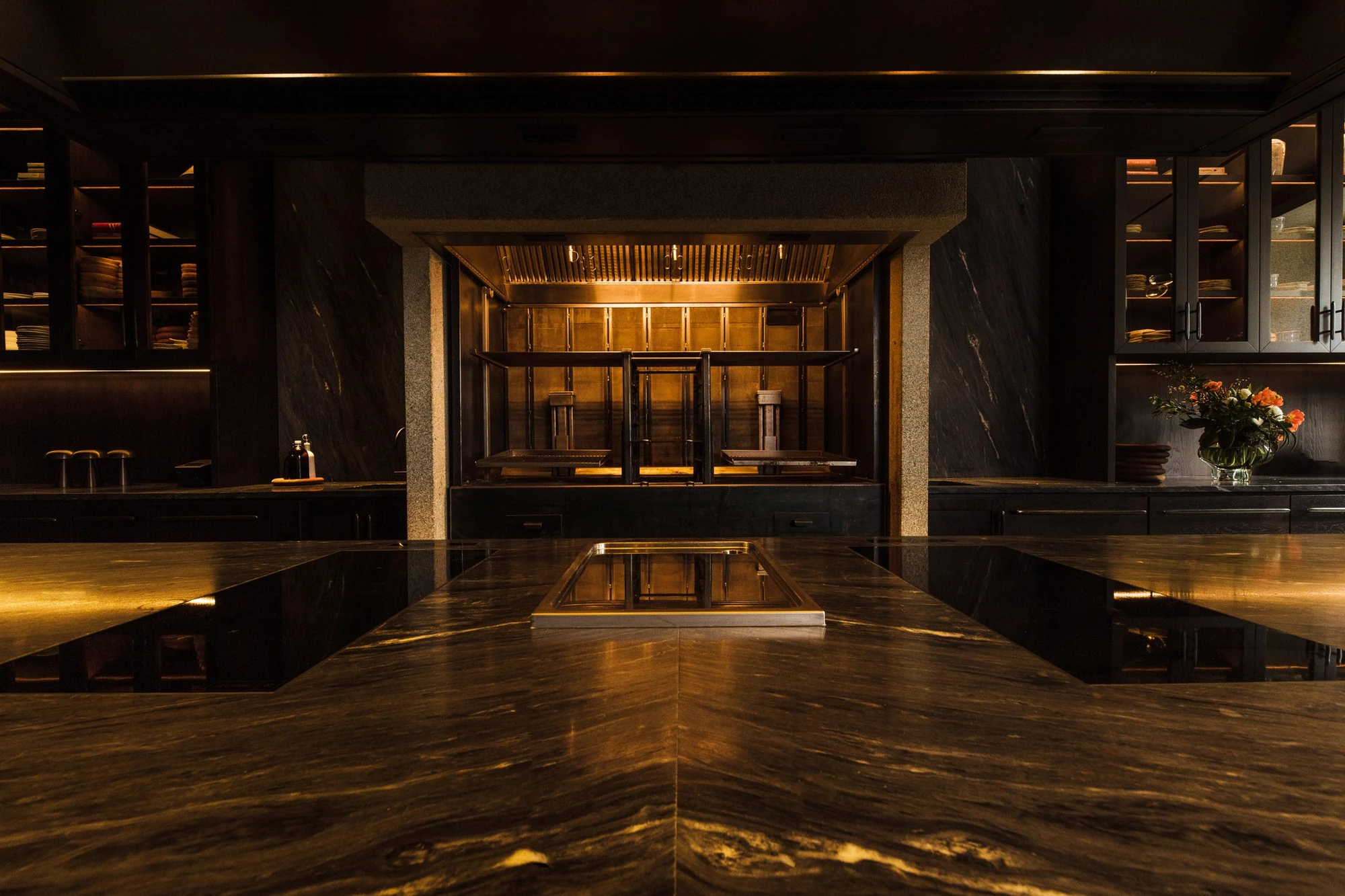
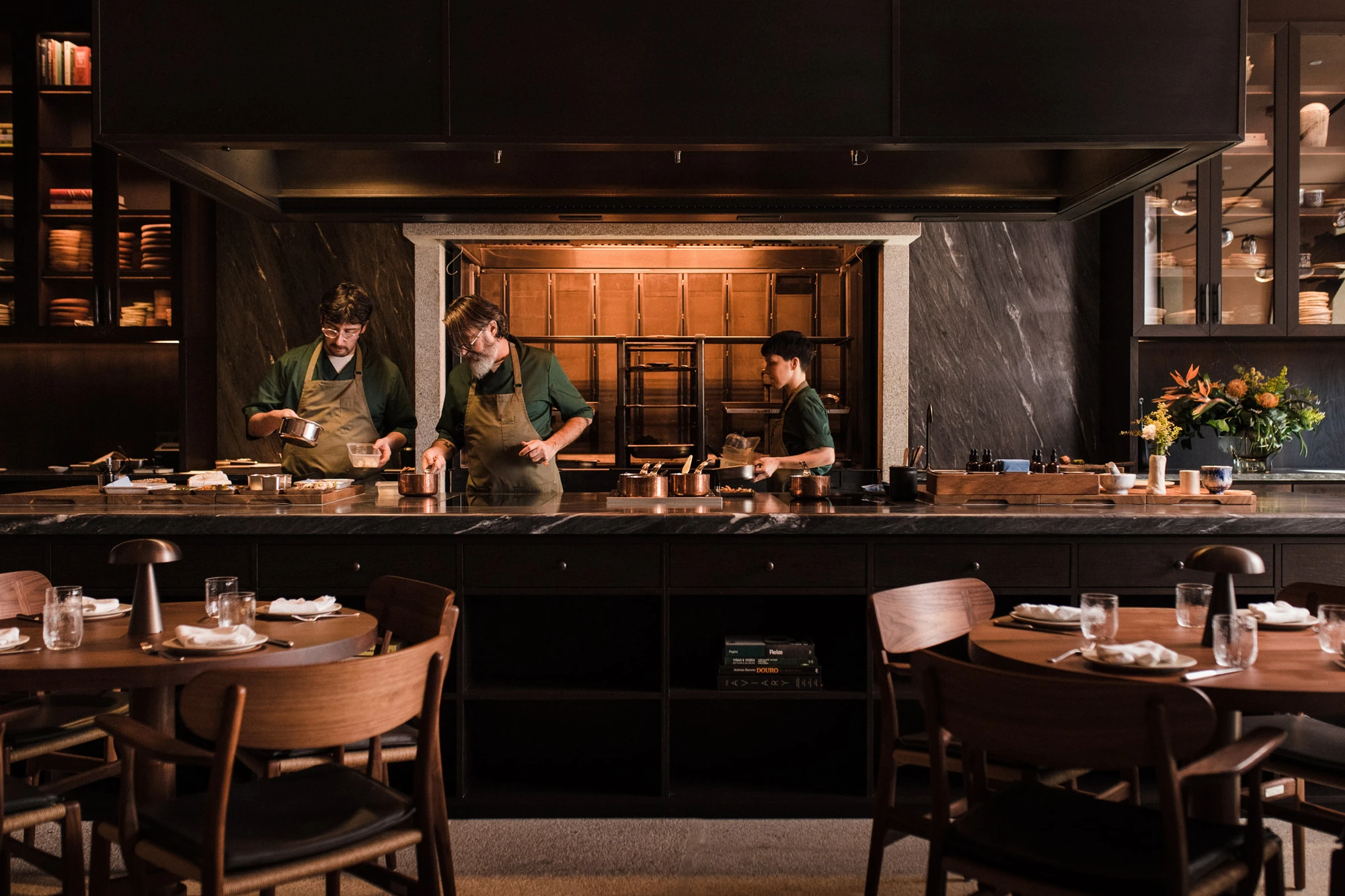
The two colours run out into the room. Green cushions along the built-in oak bench beneath the mural, doorways painted dark green, the orange returning in the plaster. Light is kept low and warm, so the tiled wall reads as the brightest surface in the place. Around the corner the open kitchen runs the opposite register: dark grey quartzite counters, wooden cabinets, a brass-lined hearth, cooks at work in full view of the tables.
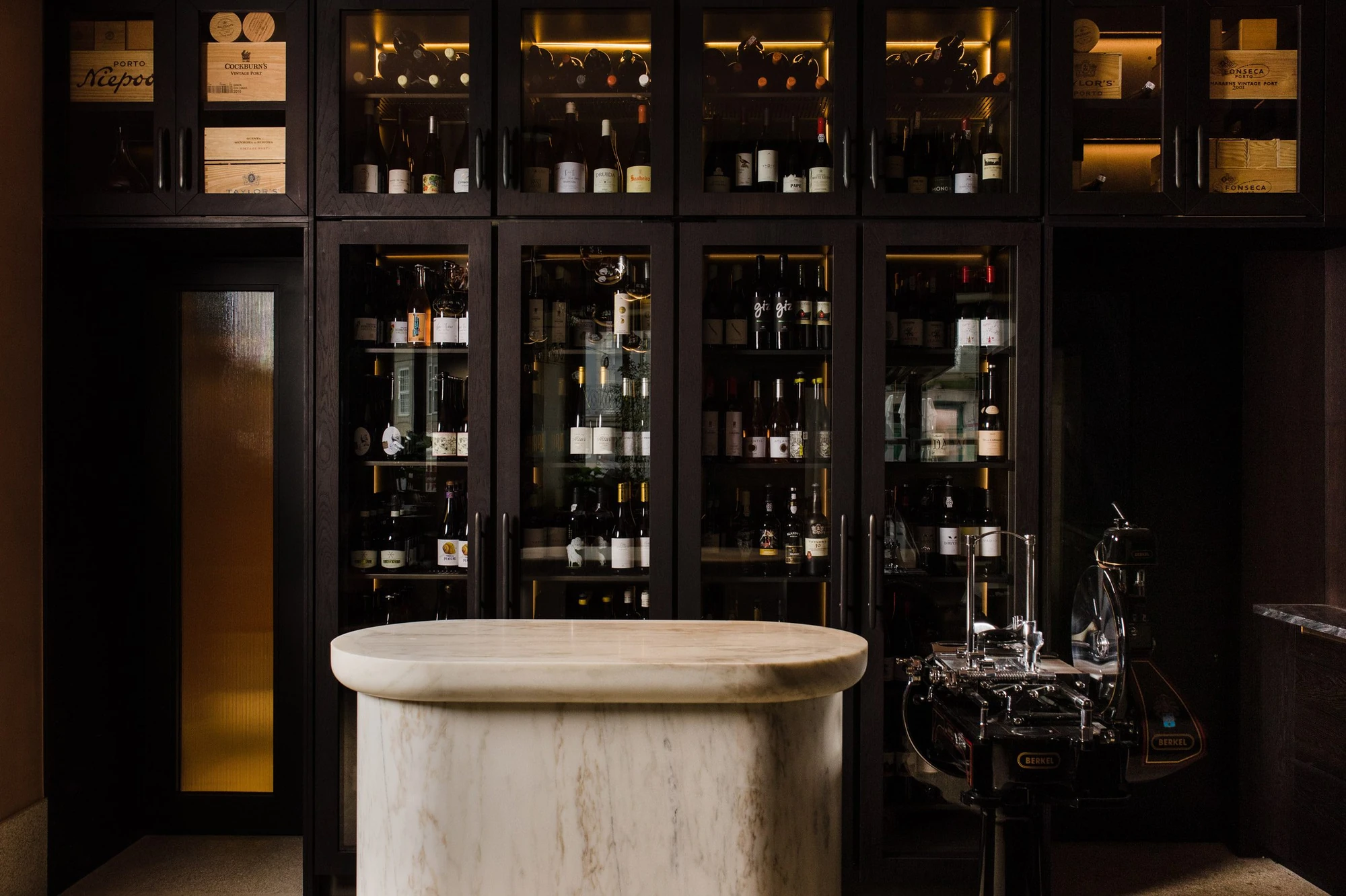
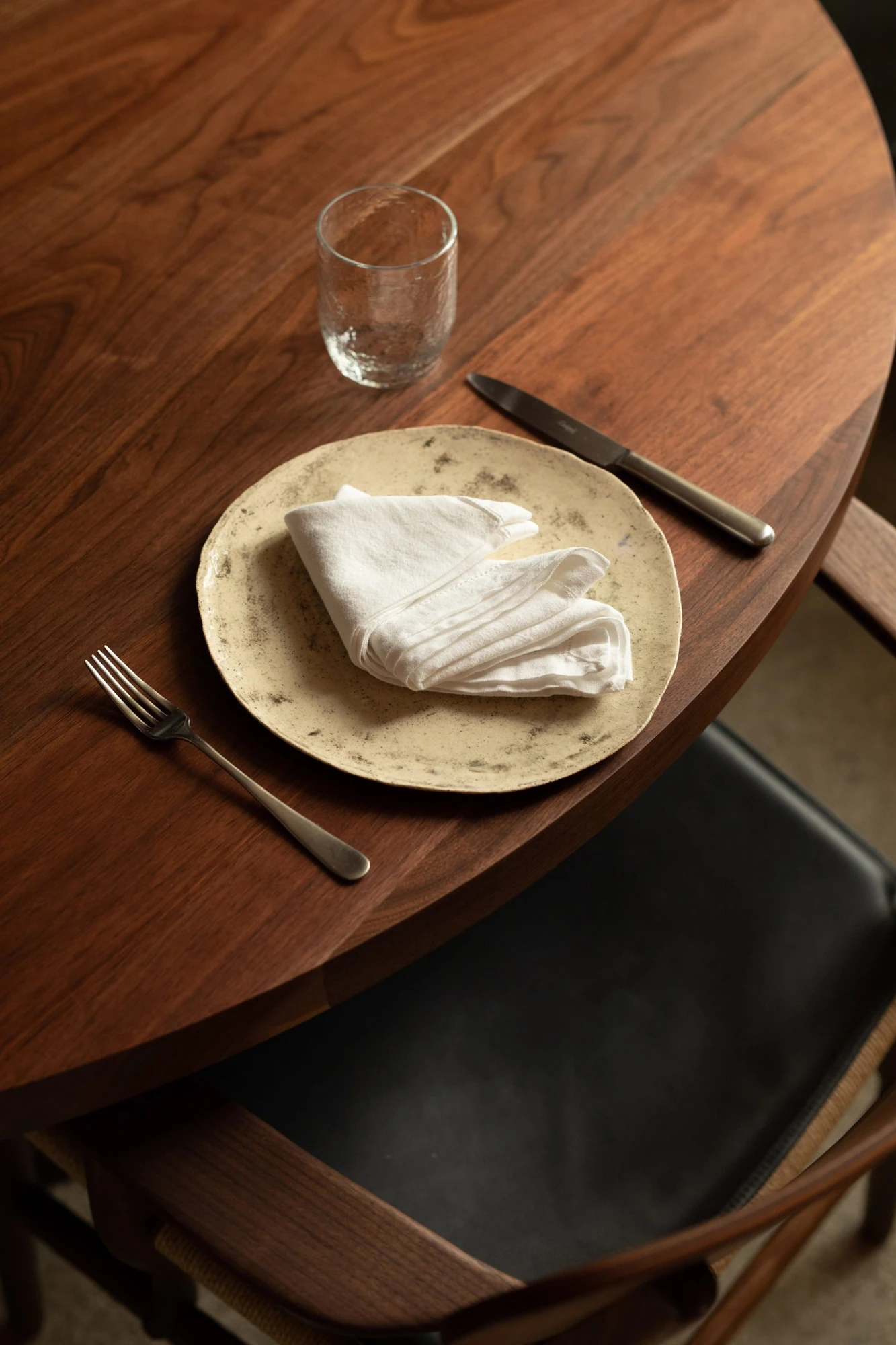
Stone, marble, brass and oak throughout, and almost all of it from nearby. "All stone, wood, metal and tiling has been sourced from regions in Portugal using a proximity criterion as priority," the studio said. "All the millwork has been made by local artisans." The kitchen, under Lisbon-born chef Nuno Mendes, runs on the same logic, built around the ingredients, wine and culture of northern Portugal.
Siza has fed Porto before: his 1963 Boa Nova Tea House became a seafood restaurant for chef Rui Paula in 2014. Cozinha das Flores and its adjacent bar, Flôr, sit among the heritage buildings of the Largo project. What is new here is the drawing. A Pritzker winner making a picture rather than a plan, for the city he has spent his life building in.