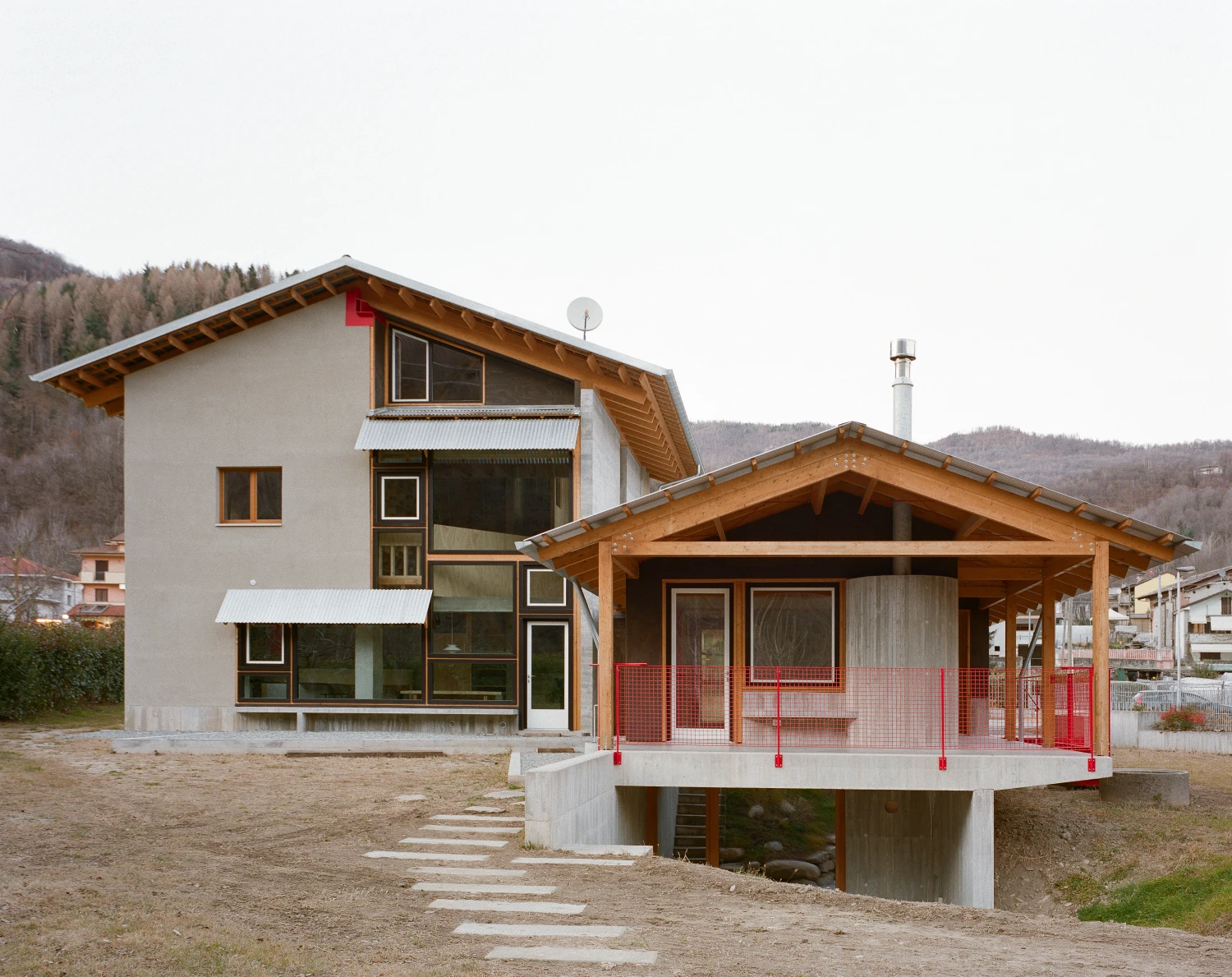
In the unassuming town of Paesana, at the edge of the Po Valley in Italy, Casa BM designed by ErranteArchitetture emerges quietly yet decisively.
What from the street might appear as a modest home among forgettable neighbors is, in fact, a rigorously conceived intervention—part architectural archaeology, part speculative manifesto. Rather than impose itself with spectacle, Casa BM whispers its radicalism through careful subtraction and intelligent extension.
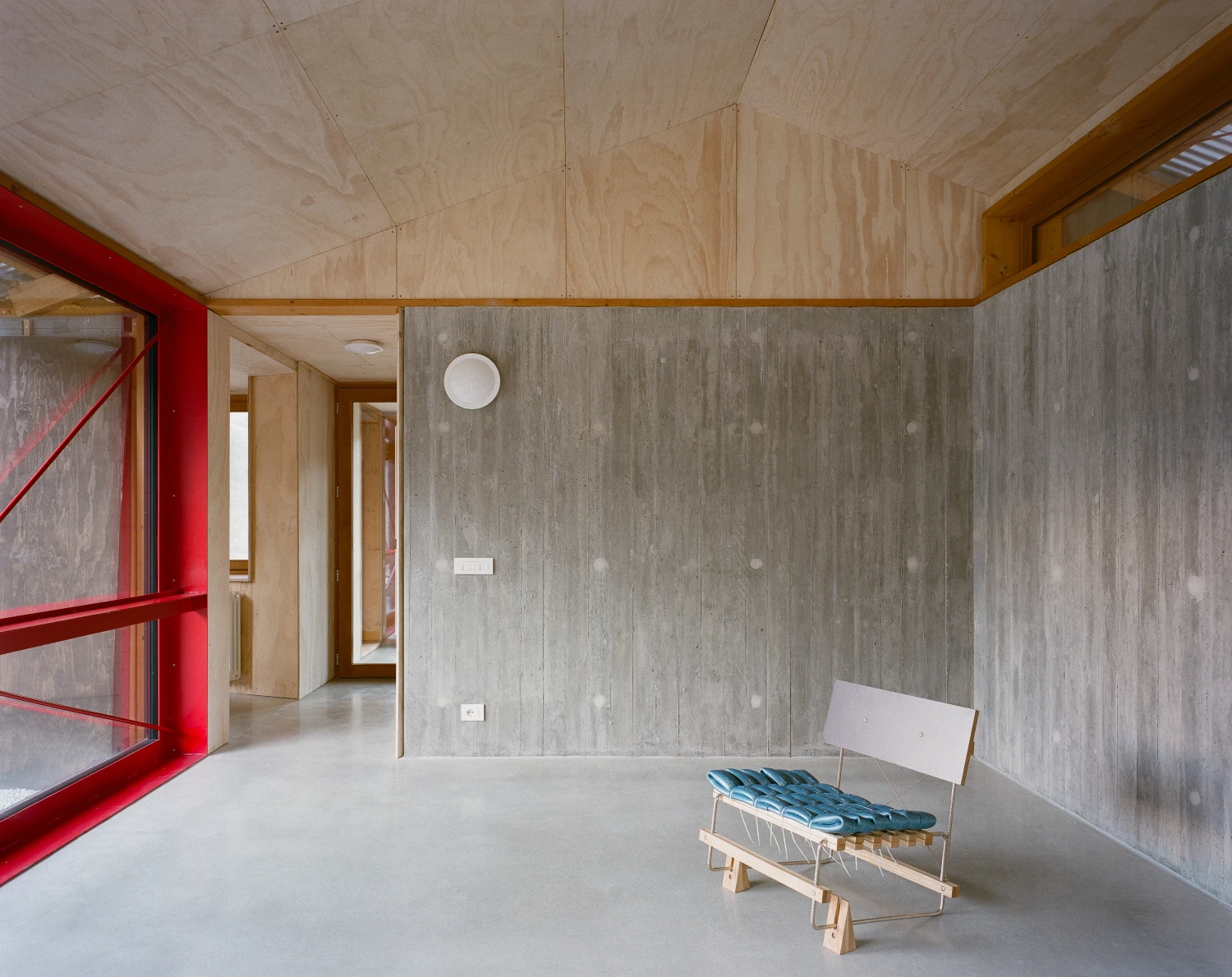
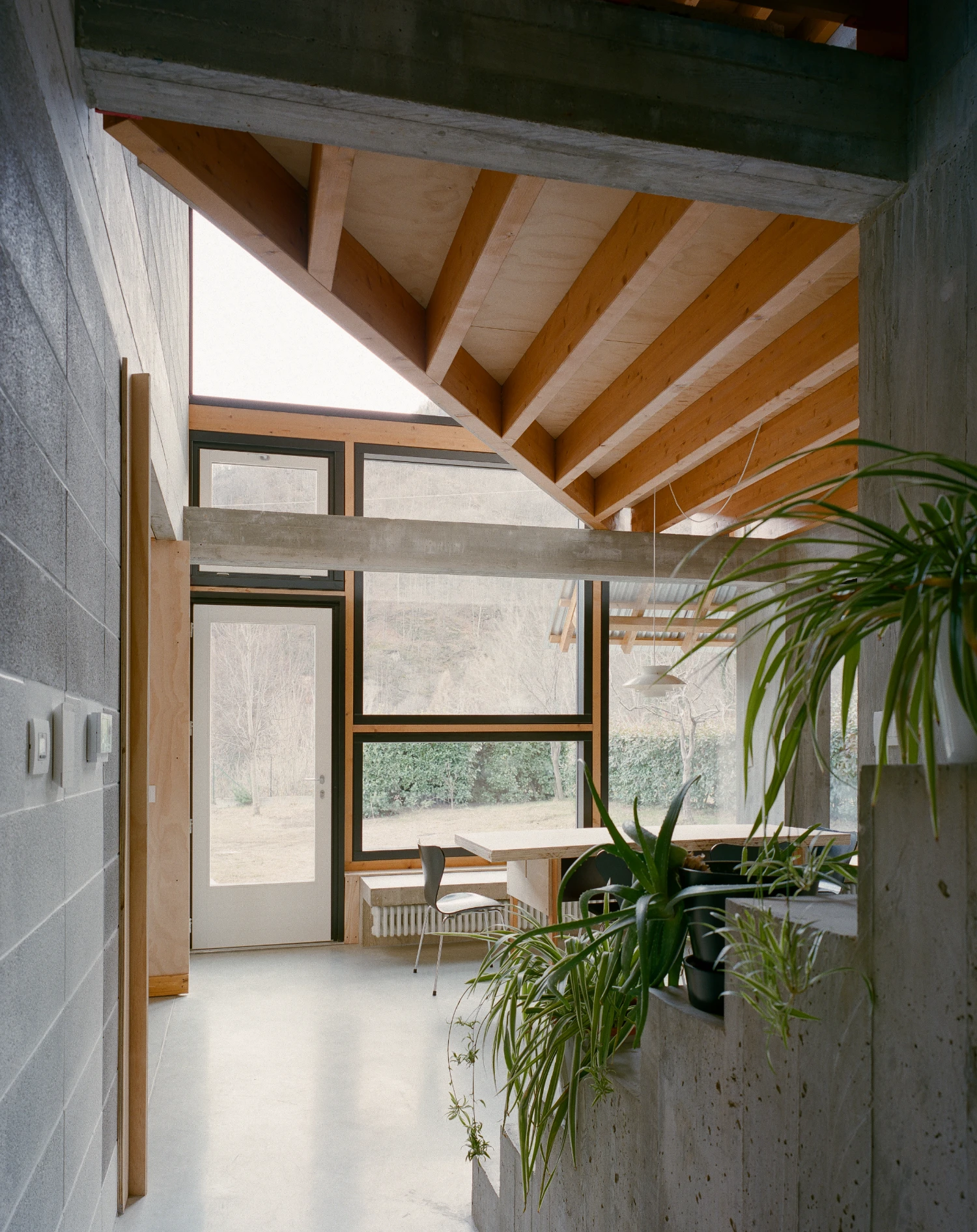
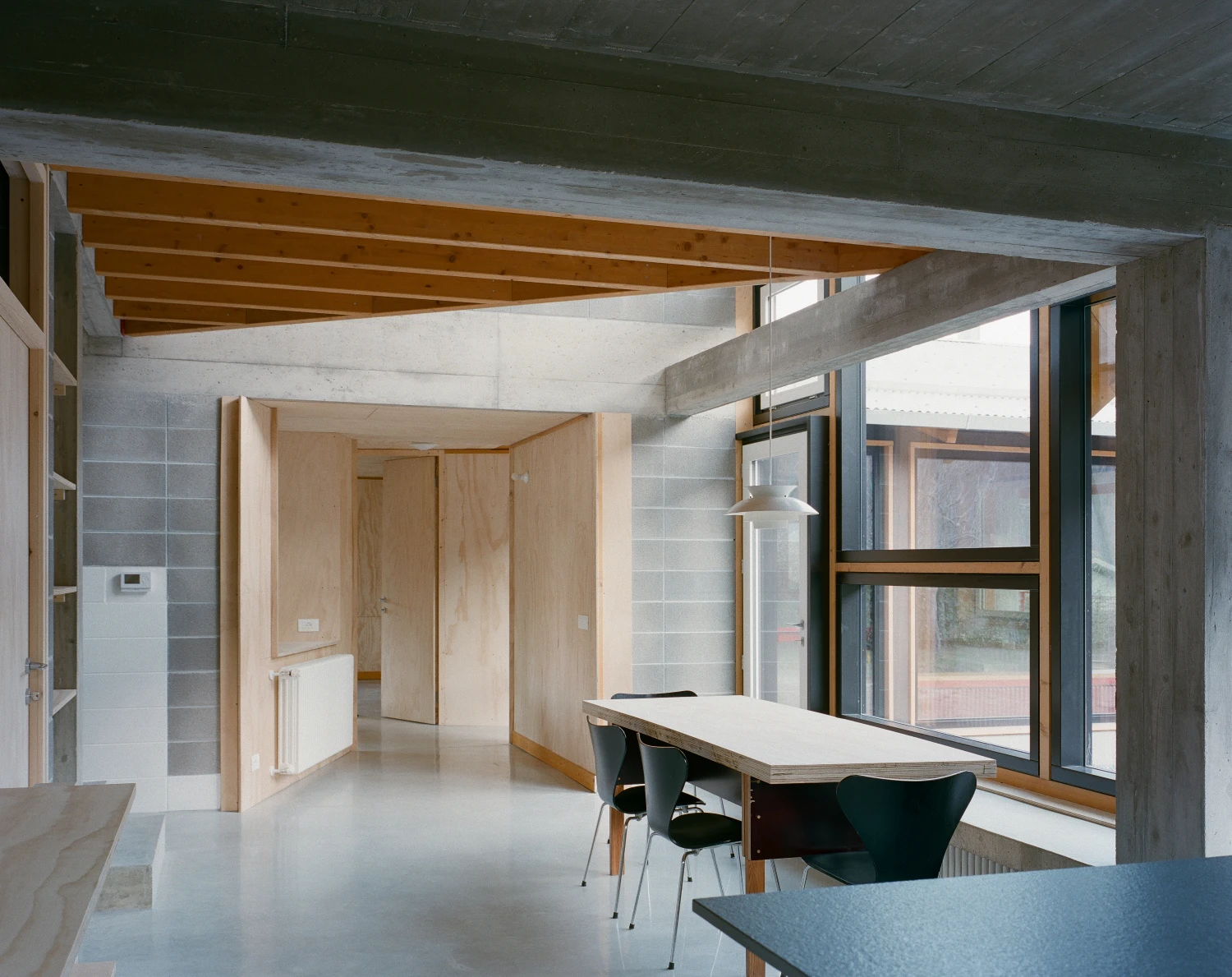
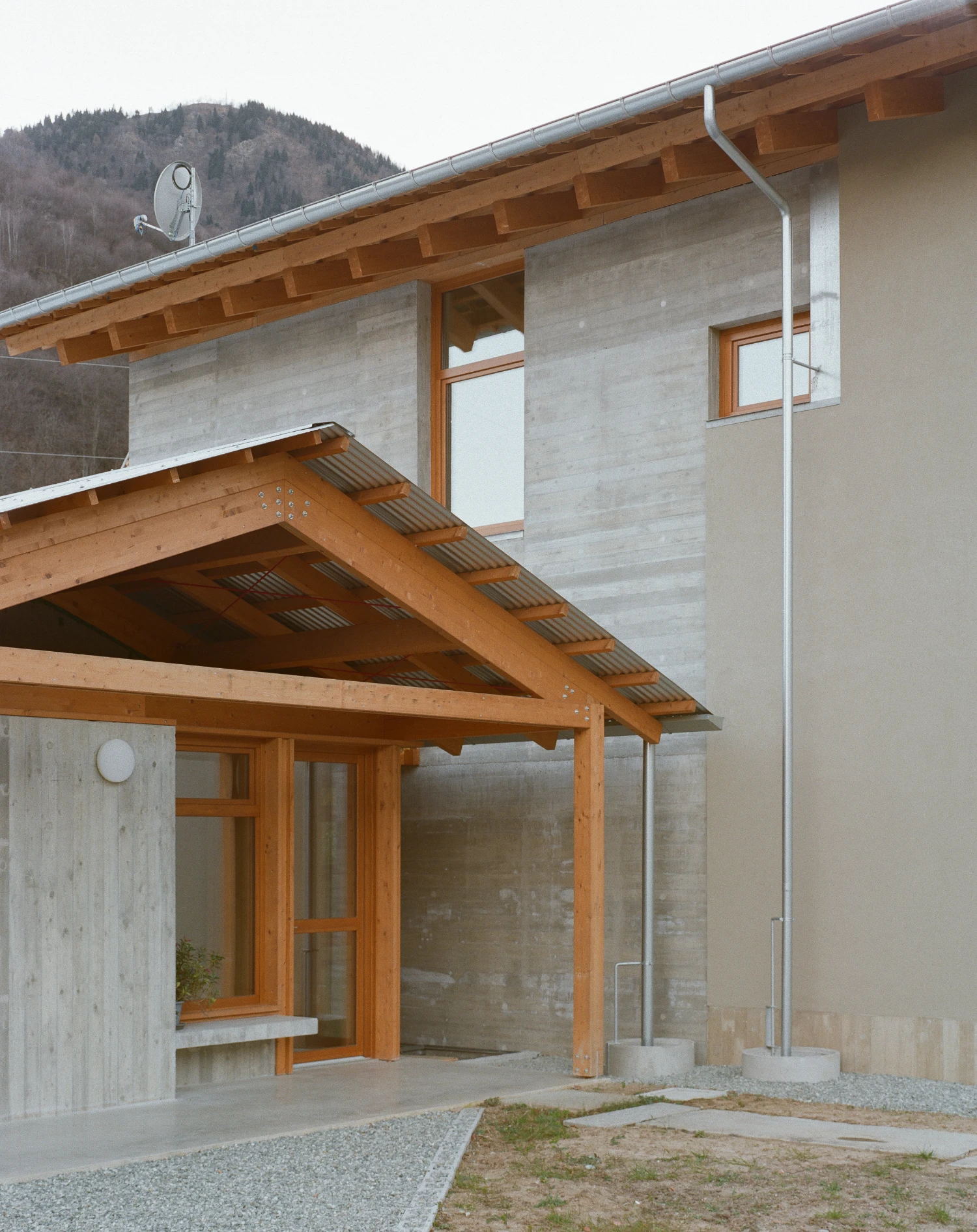
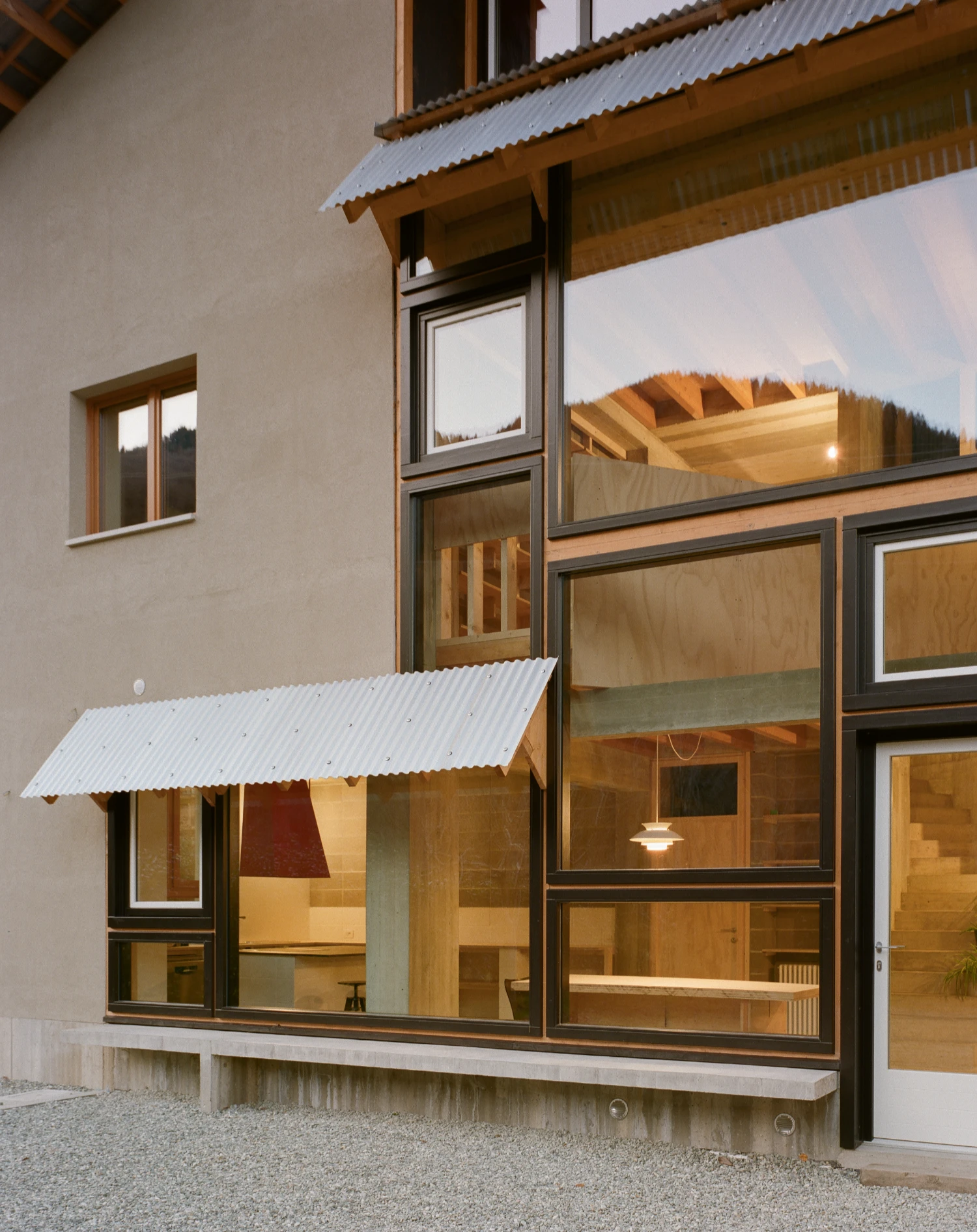
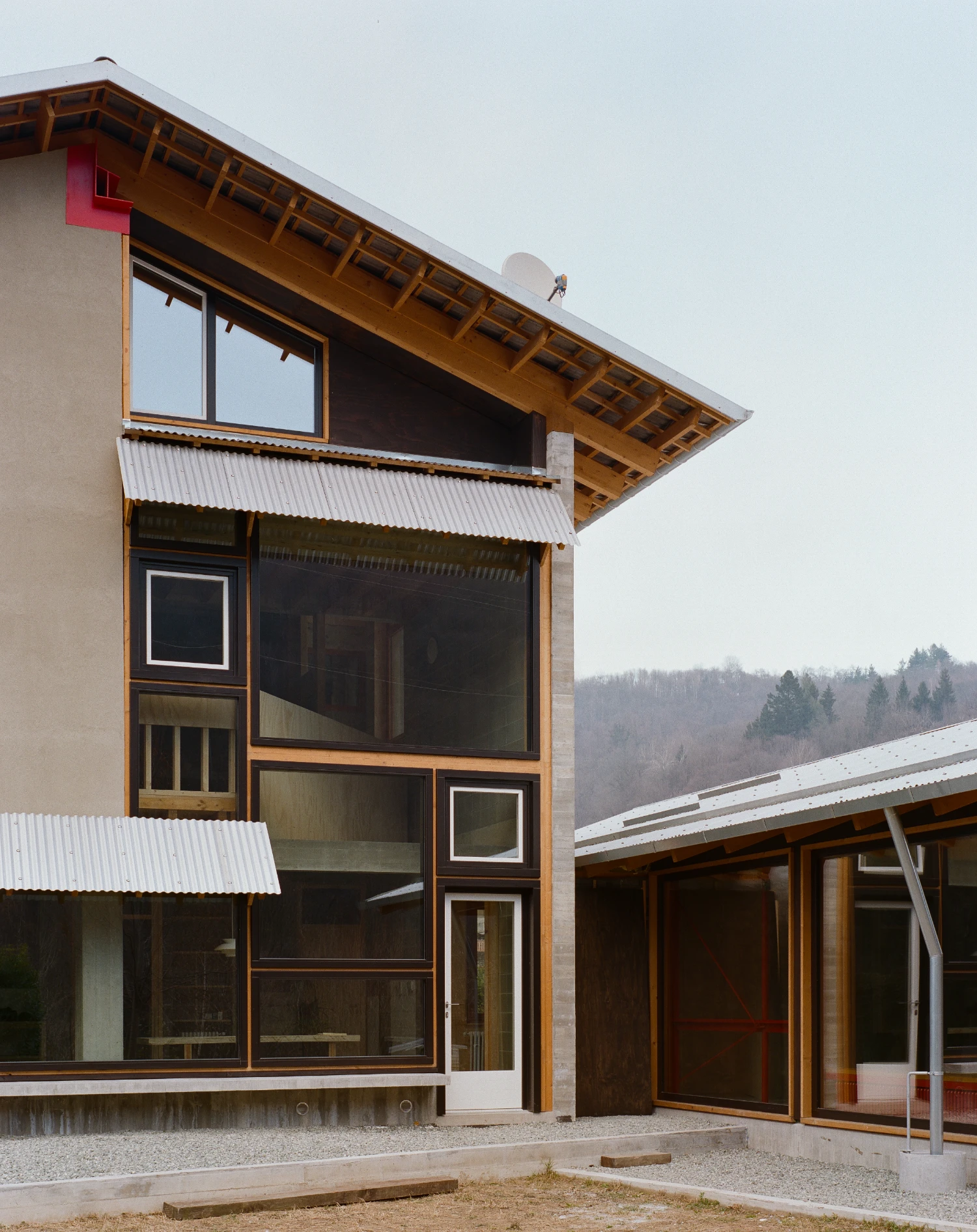
The original 1960s structure was stripped down, retaining its shell but reorienting its spatial logic entirely. ErranteArchitetture—Sarah Becchio and Paolo Borghino’s Turin-based practice—opted for an L-shaped plan that draws life inward and westward, toward the landscape. A low pavilion annex grafted onto the existing house reshapes the axis, introducing an almost cloistered dynamic. The garden-facing façade, rendered in full-height glass, replaces domestic opacity with transparency and light.
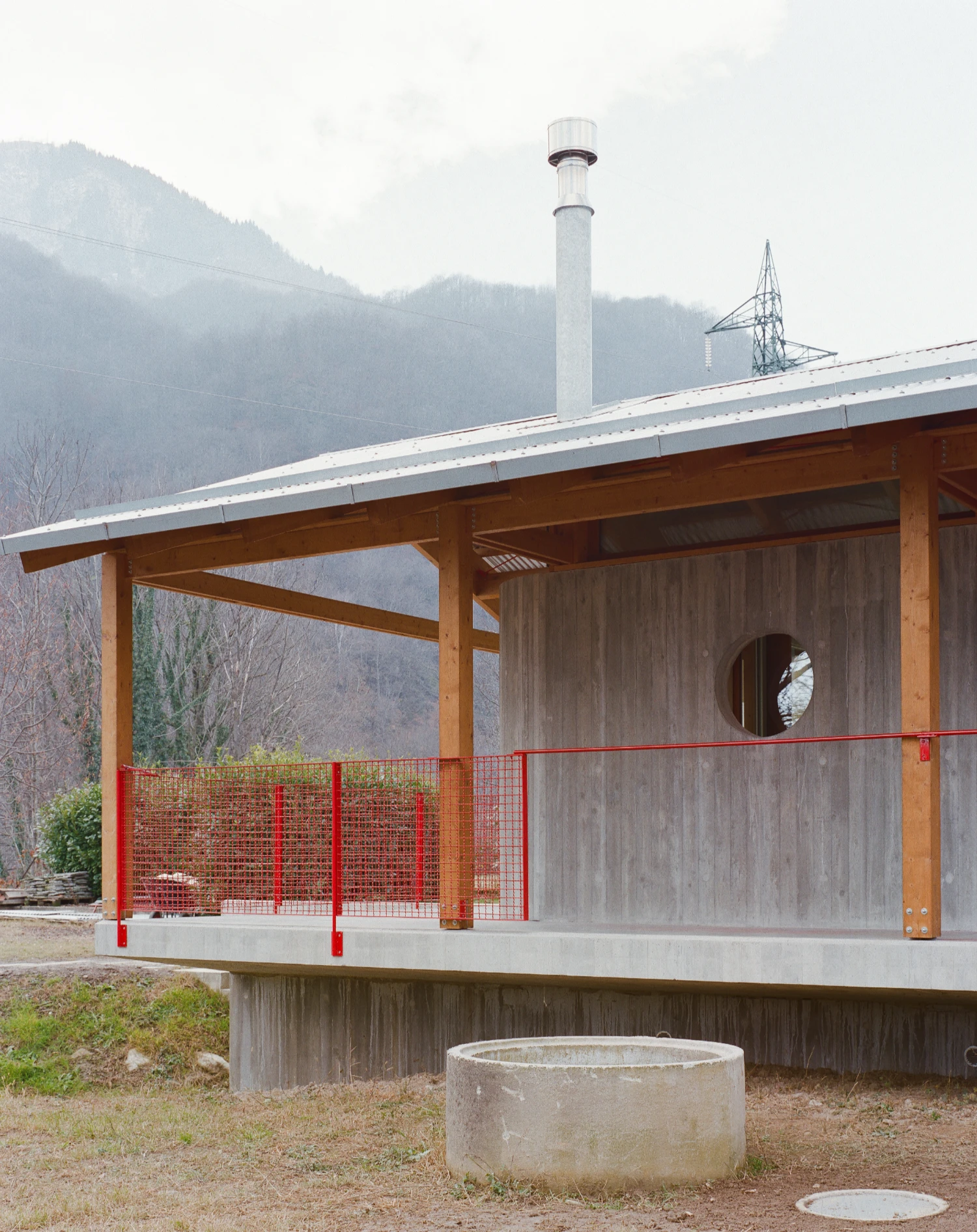
This pivot is more than spatial—it’s conceptual. The new pavilion doesn’t merely add square meters; it orchestrates a measured retreat from the surrounding urban noise. A reinforced concrete wall shields the home from the looming apartment block to the east, acting less as a fortress and more as a filter, directing focus to the garden and the mountains beyond. Architecture here becomes an editor, cutting and reframing the view.
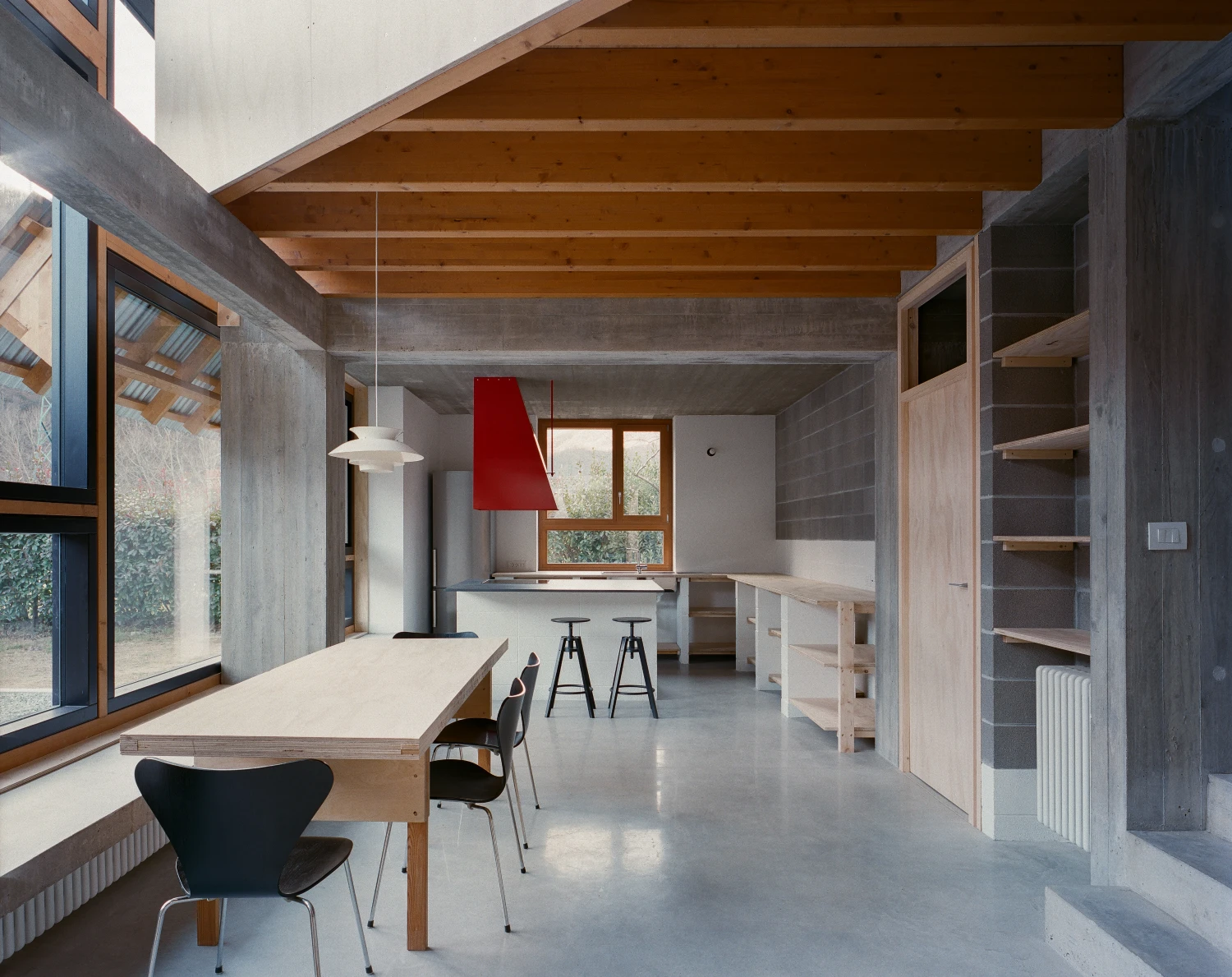
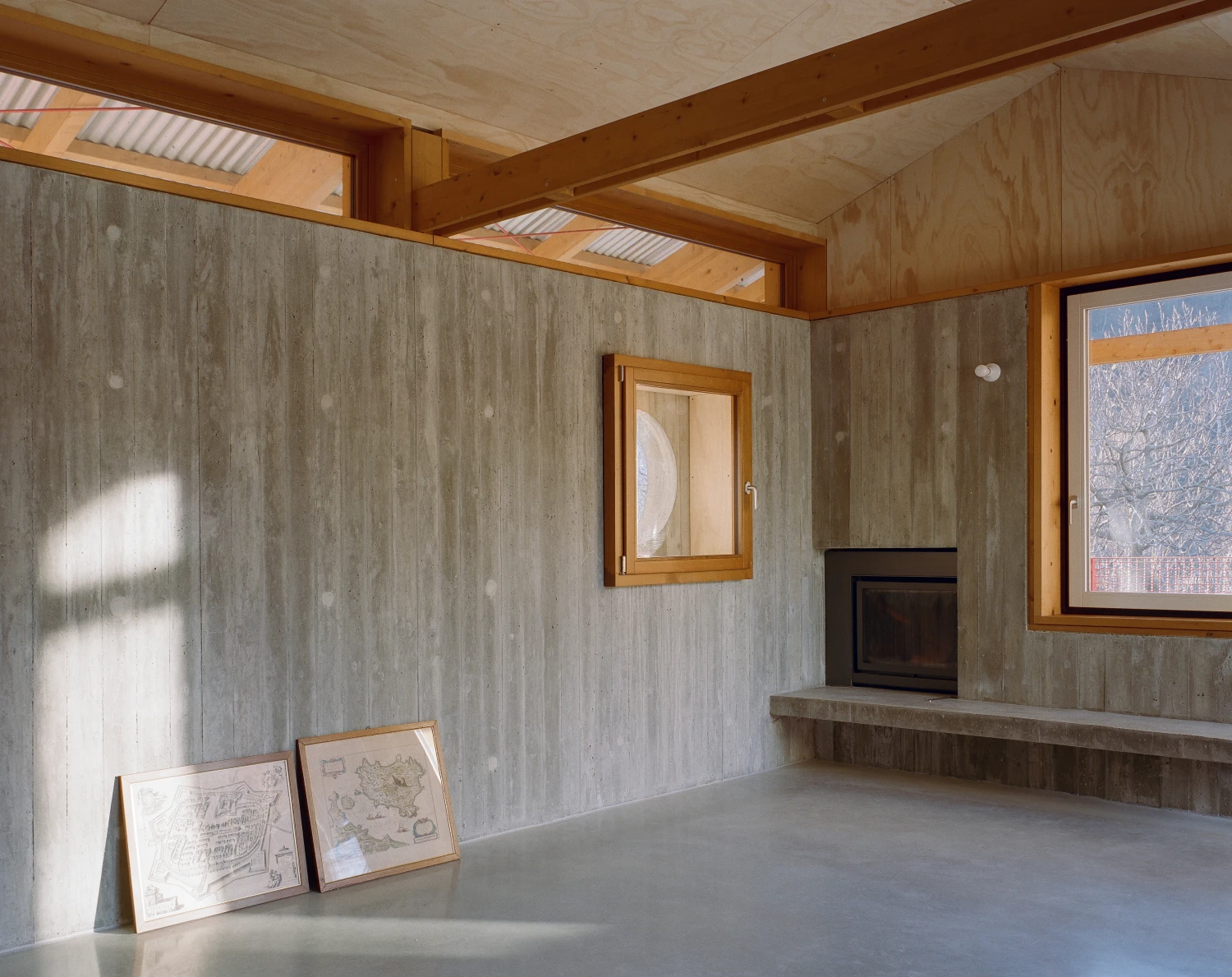
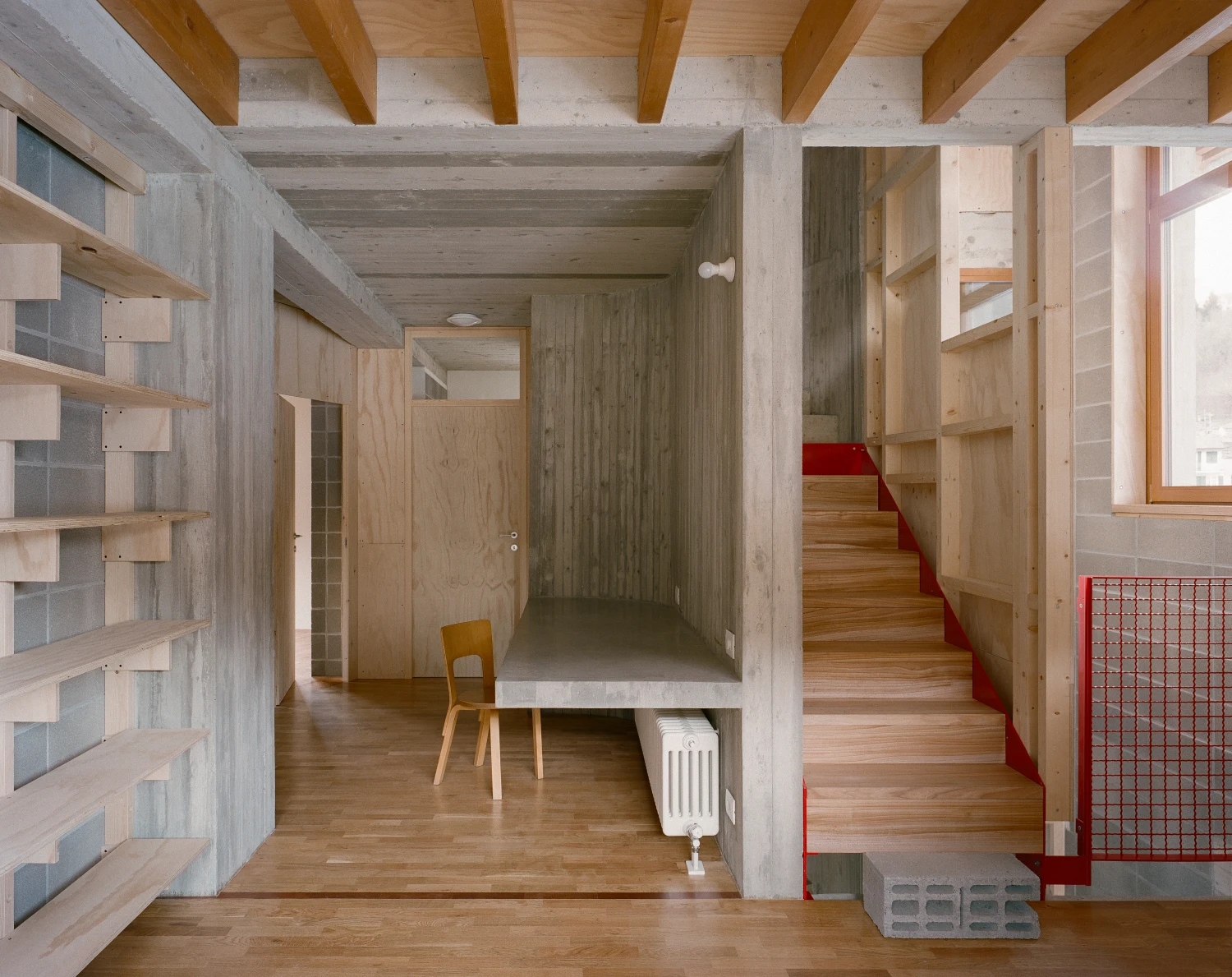
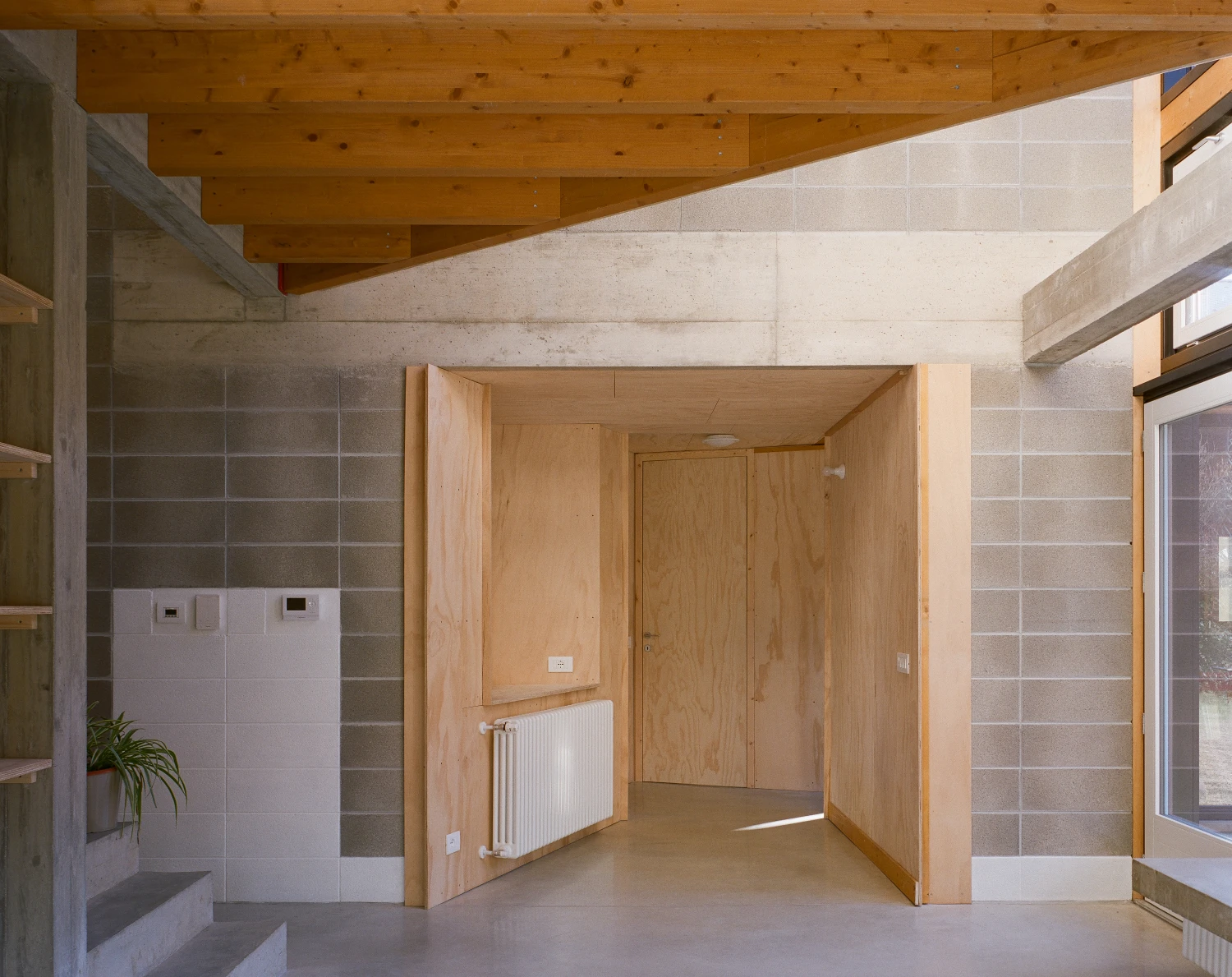
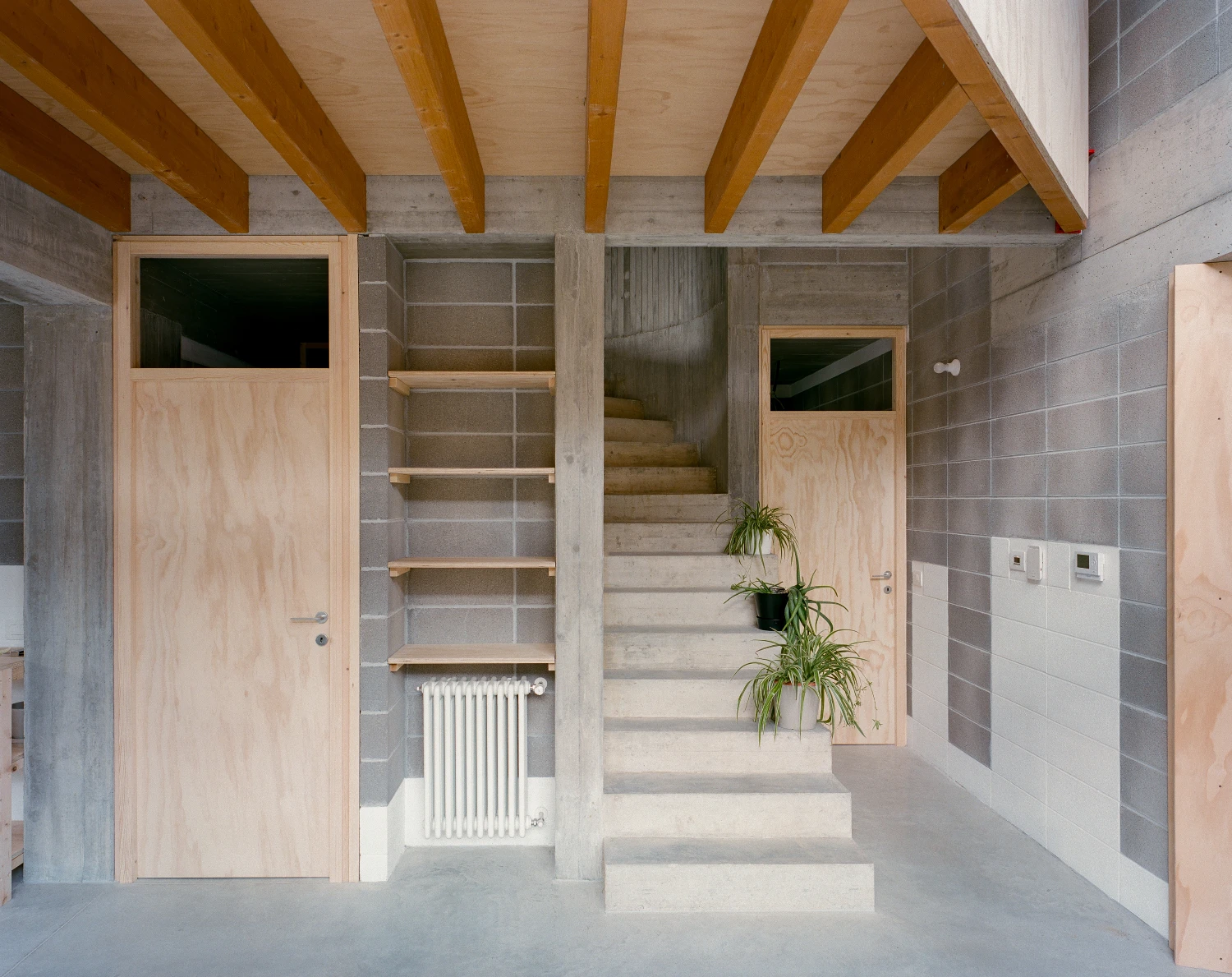
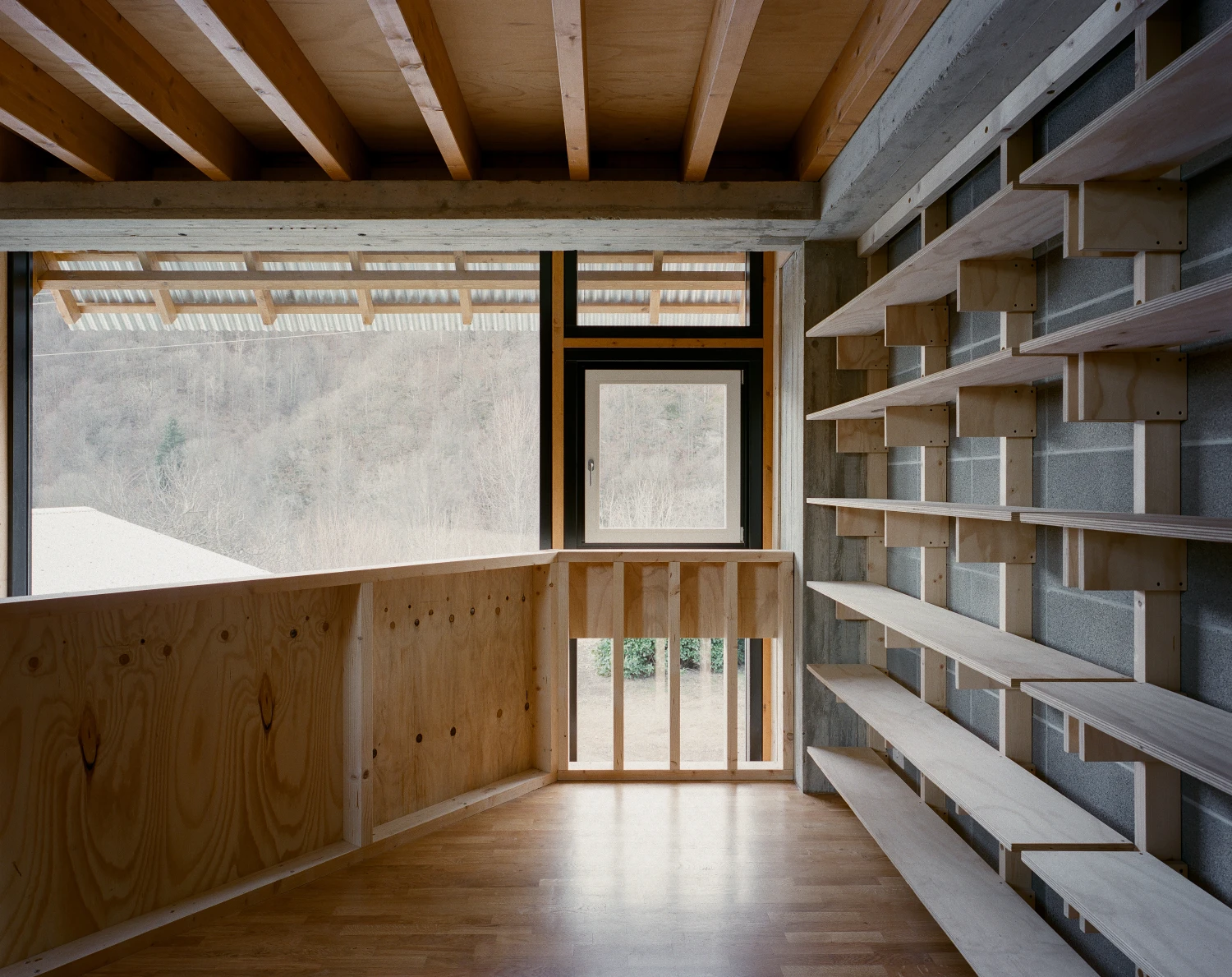
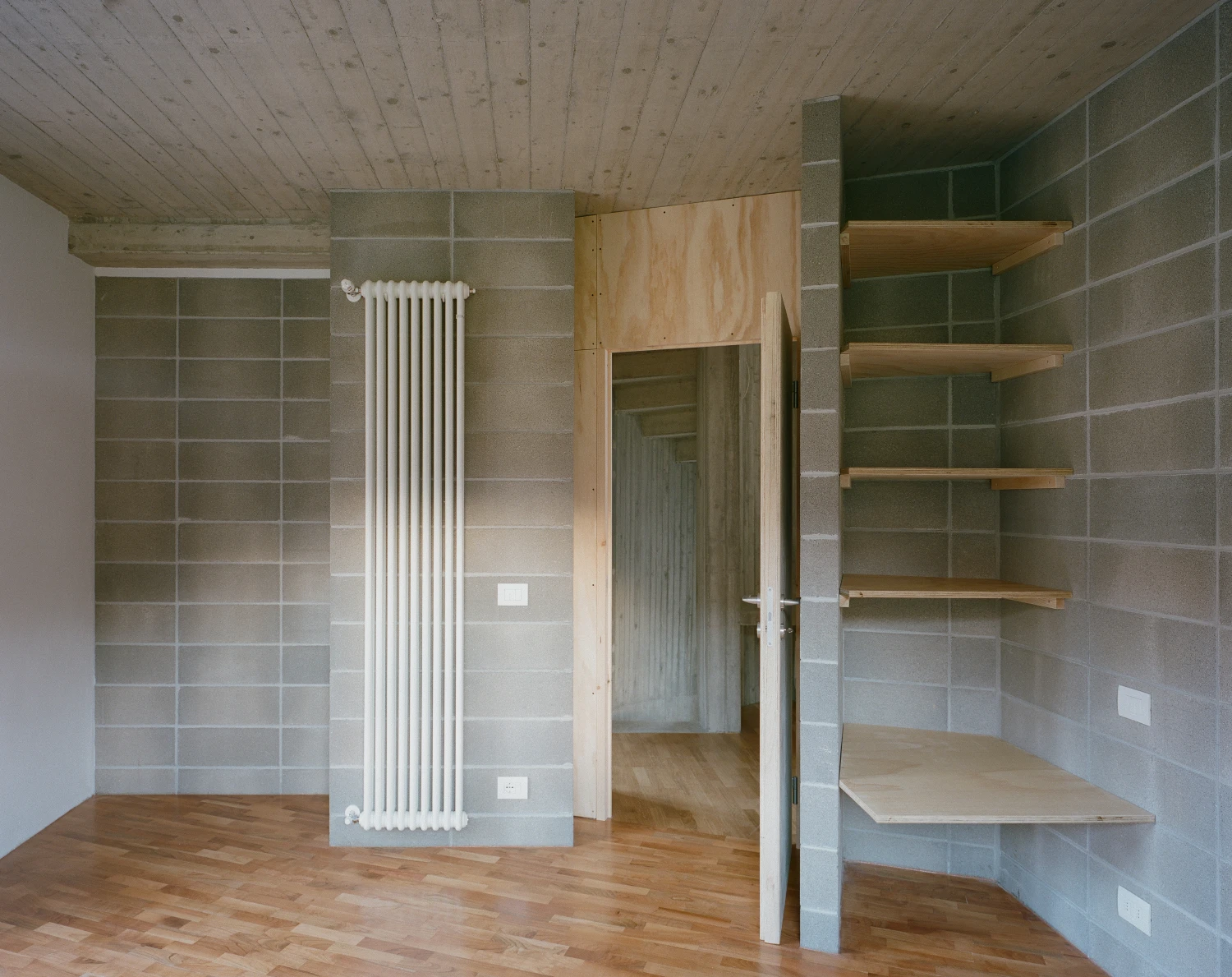
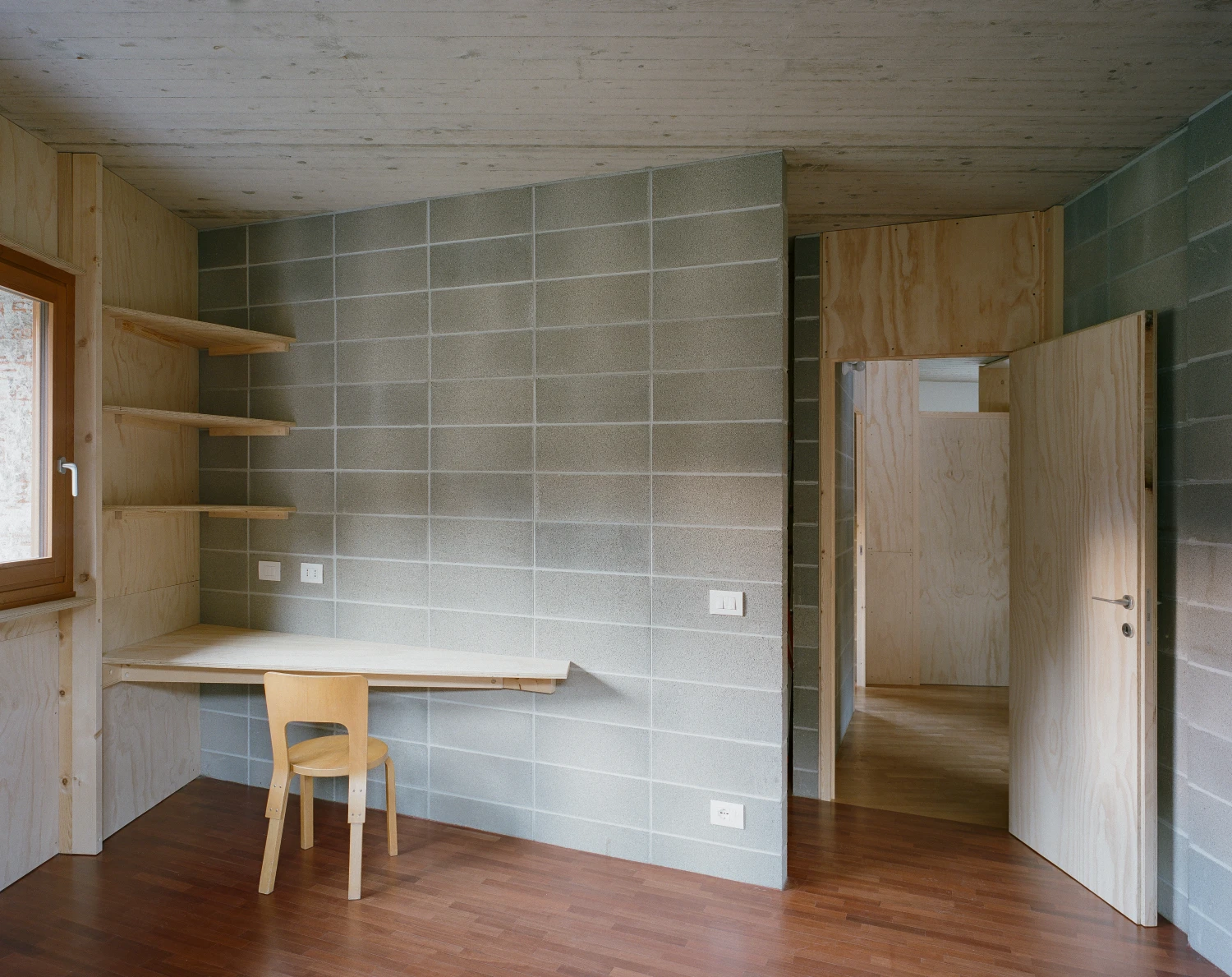
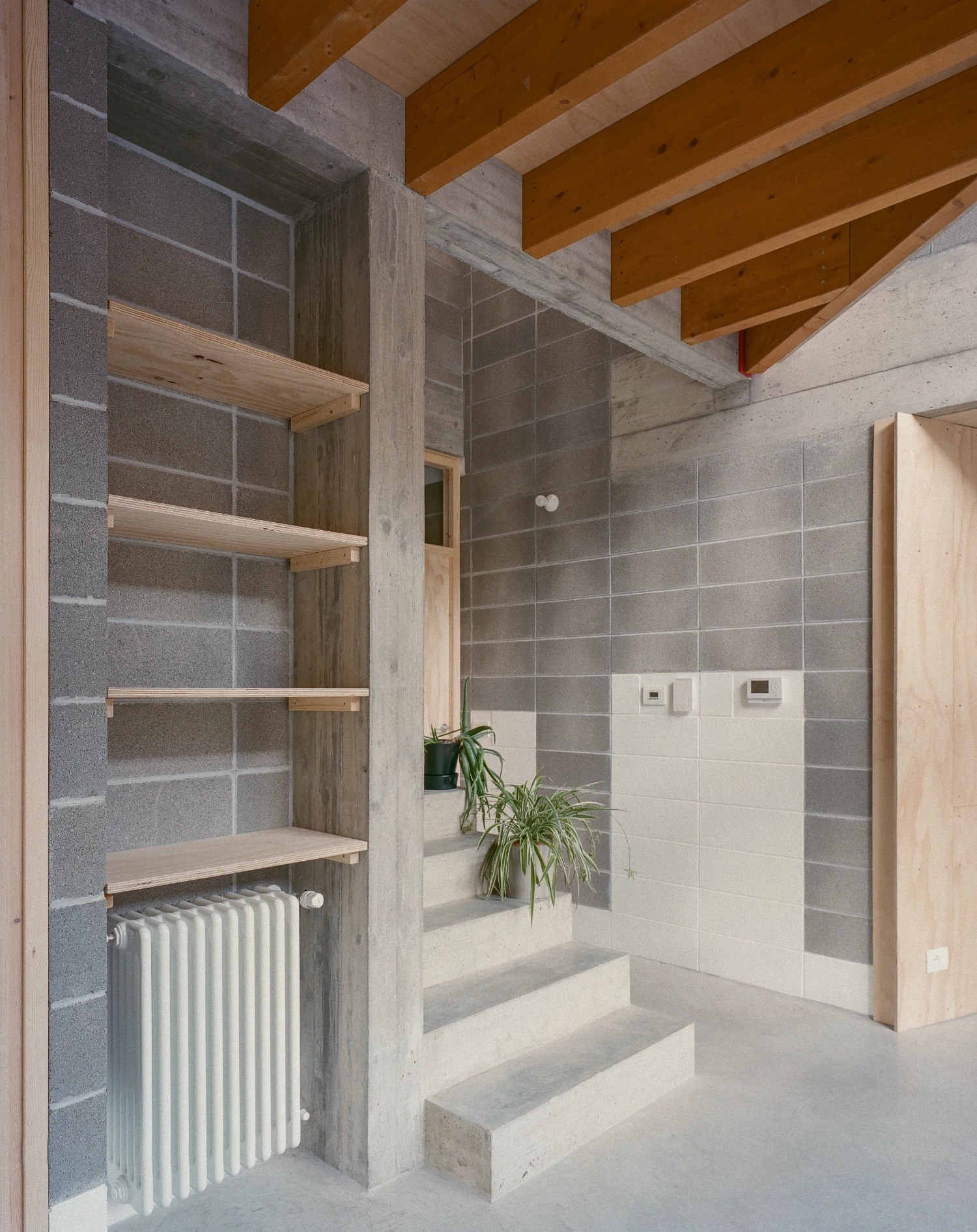
Inside, the language remains raw and clear: exposed concrete, pine plywood, and blocks define a palette that privileges material honesty over ornamentation. Yet this austerity is softened by spatial generosity—visual diagonals, built-in furnishings, and carefully choreographed light. The sequence of rooms reads like an unfolding narrative, where domestic functions, workspaces, and circulation bleed into each other in ways that are both logical and surprising.
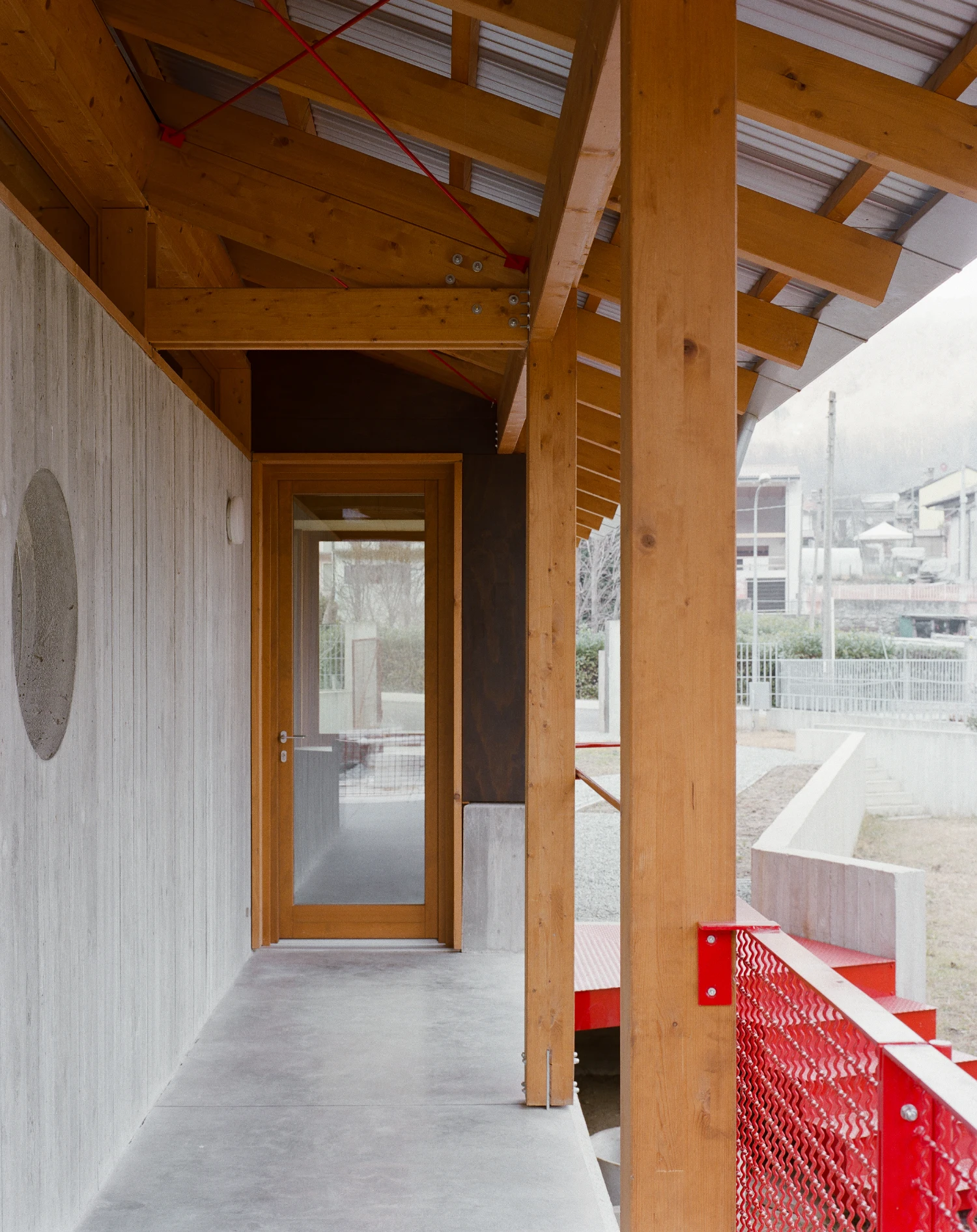
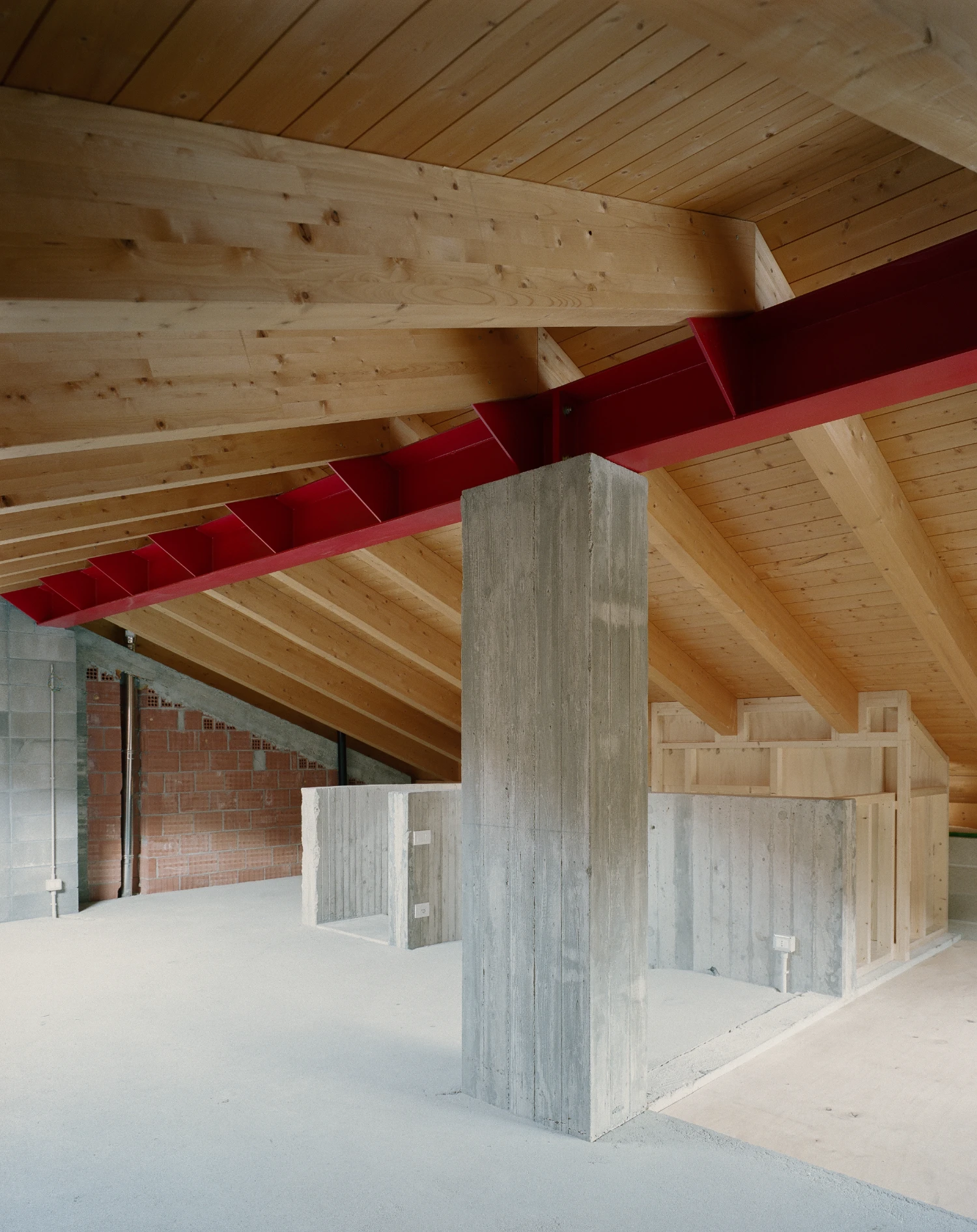
Casa BM is a project of recalibration. It neither fetishizes the past nor denies it; instead, it integrates fragments into a new syntax. Details such as hand-welded railings, bespoke bracing systems, and reimagined drainage components speak to a craftsmanship that is both experimental and grounded. This isn’t design as spectacle—it’s design as critique, as quiet resistance to the anonymity of suburban sprawl.