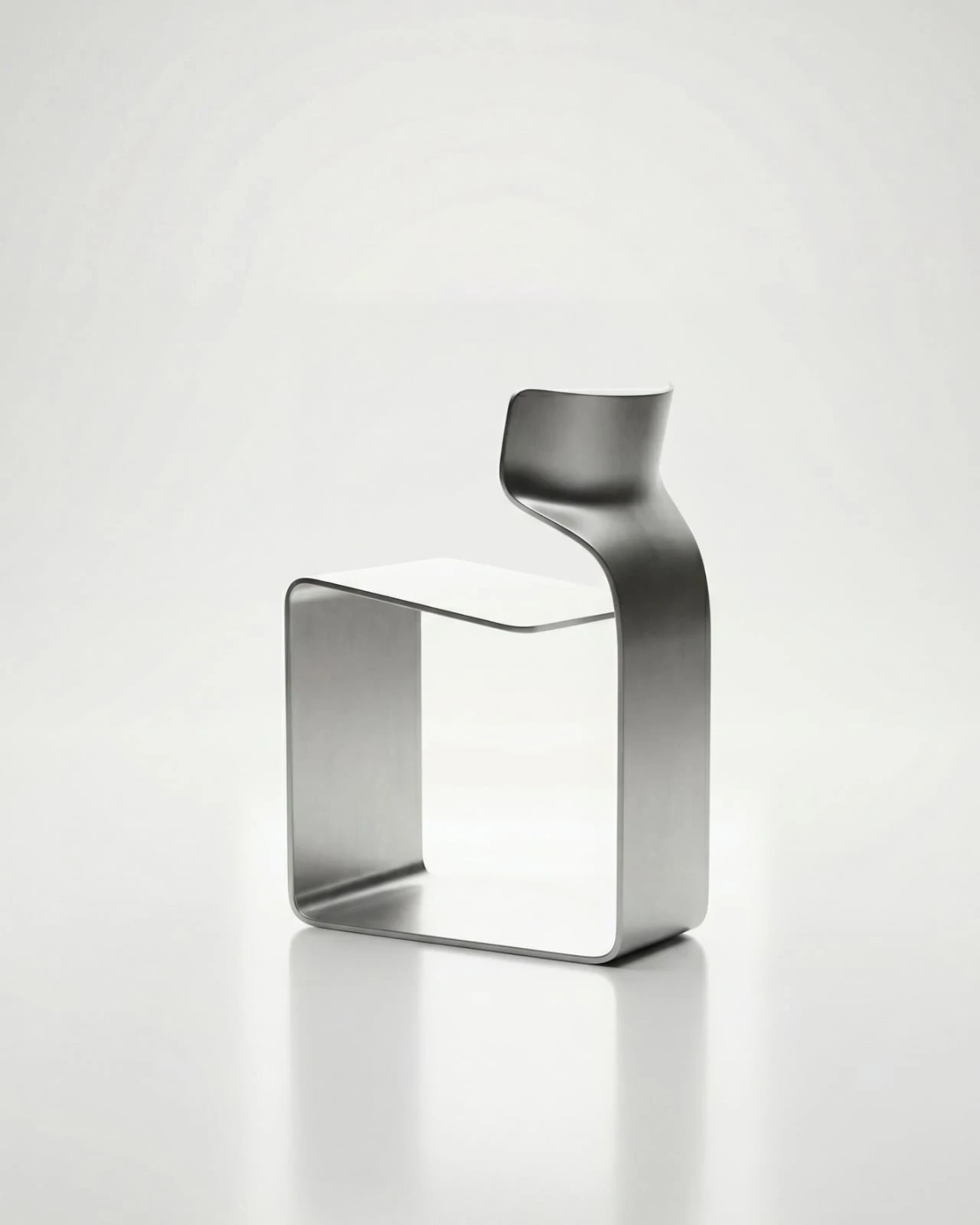
With ZERO Chair, Davide Bozzo bends a single ribbon of metal into base, seat and backrest at once, a cantilevered form held together by nothing, because there is no weld, no bolt and no joint to hold.
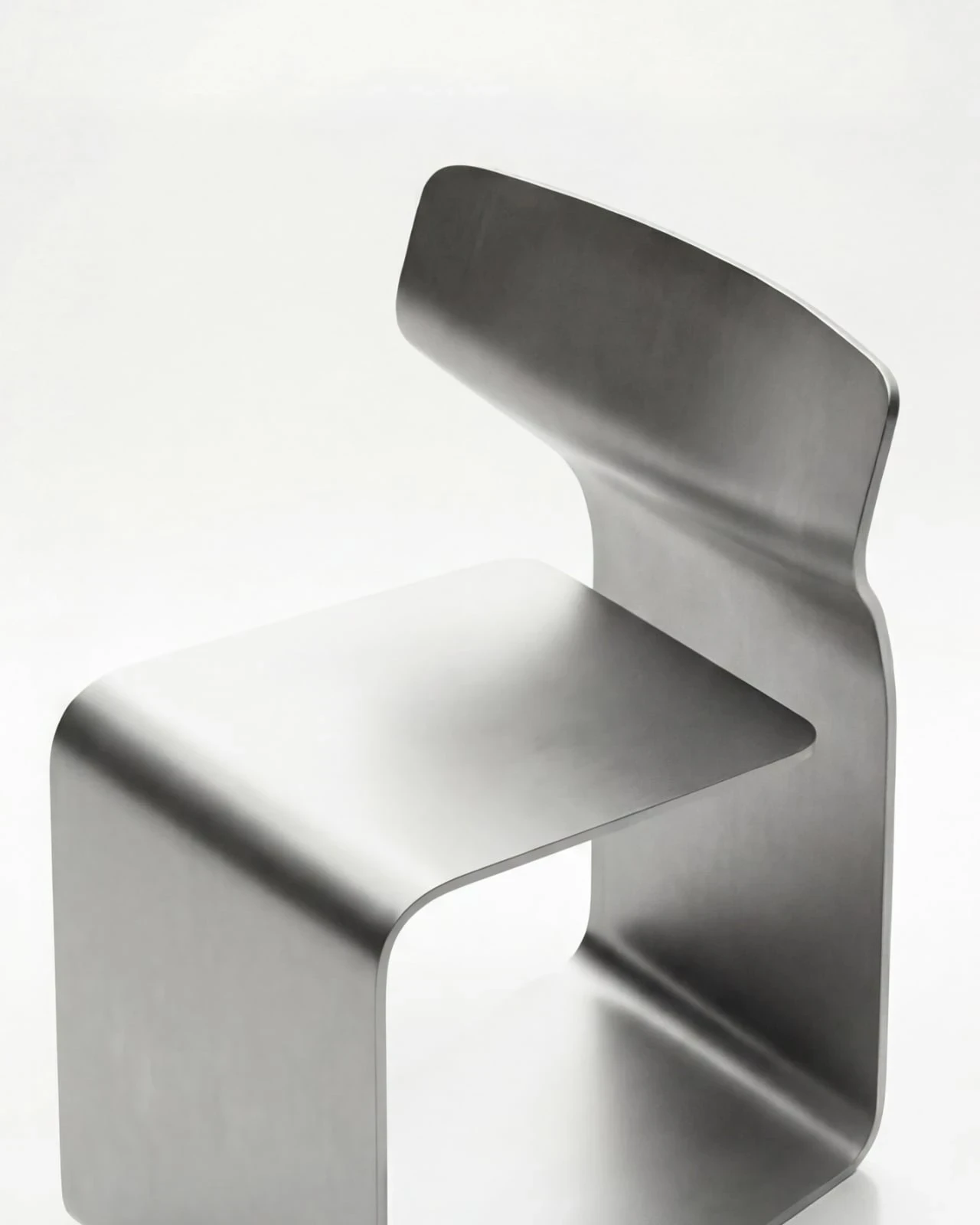
ZERO Chair begins with a single ribbon of metal and ends without a joint. Davide Bozzo bends one continuous length so that base, seat and backrest are the same material, one gesture folded into three functions. Nothing is welded to anything. There are no bolts, no brackets, no hardware waiting under a cushion, because there is only ever one part. The backrest is not attached; the ribbon simply carries past the seat and curves up and back on itself.
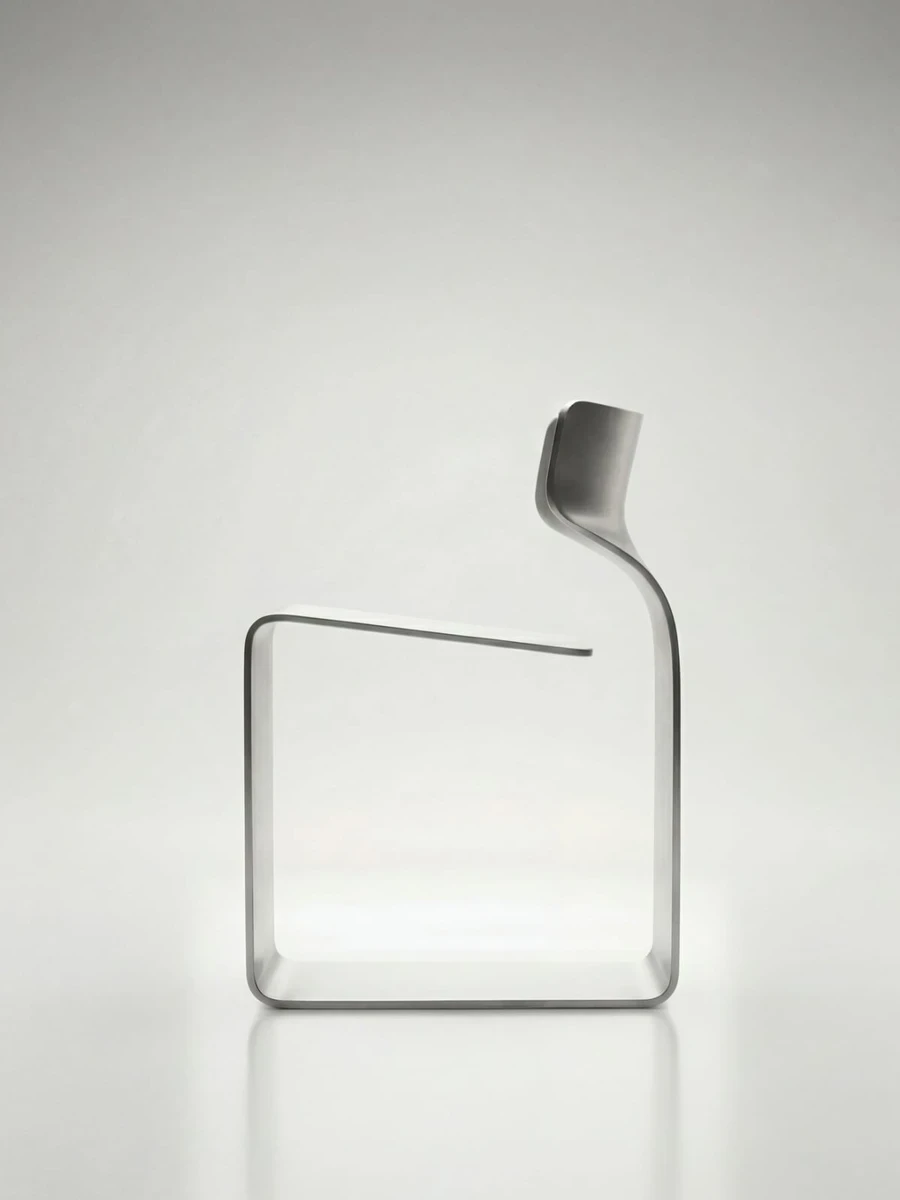
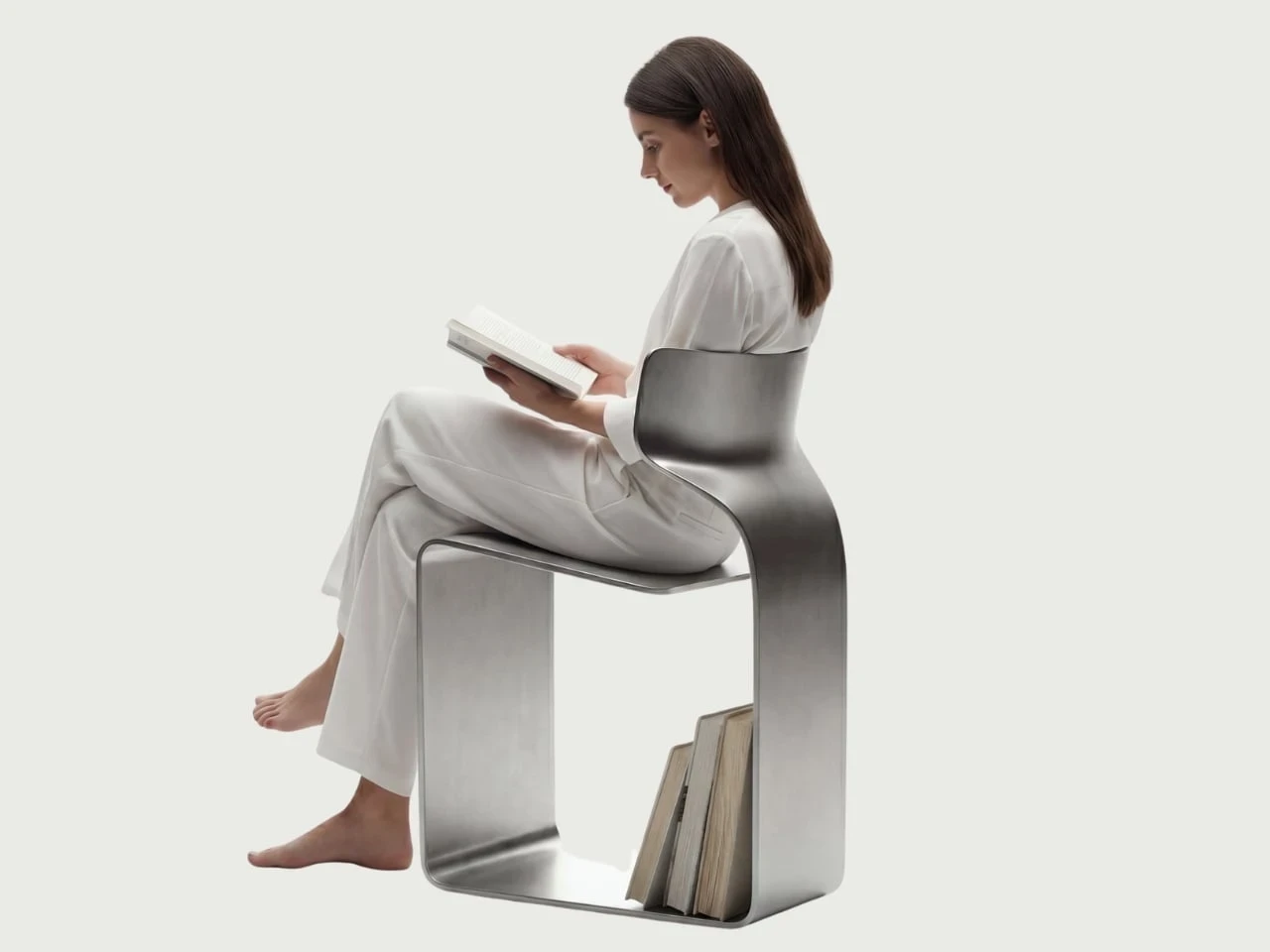
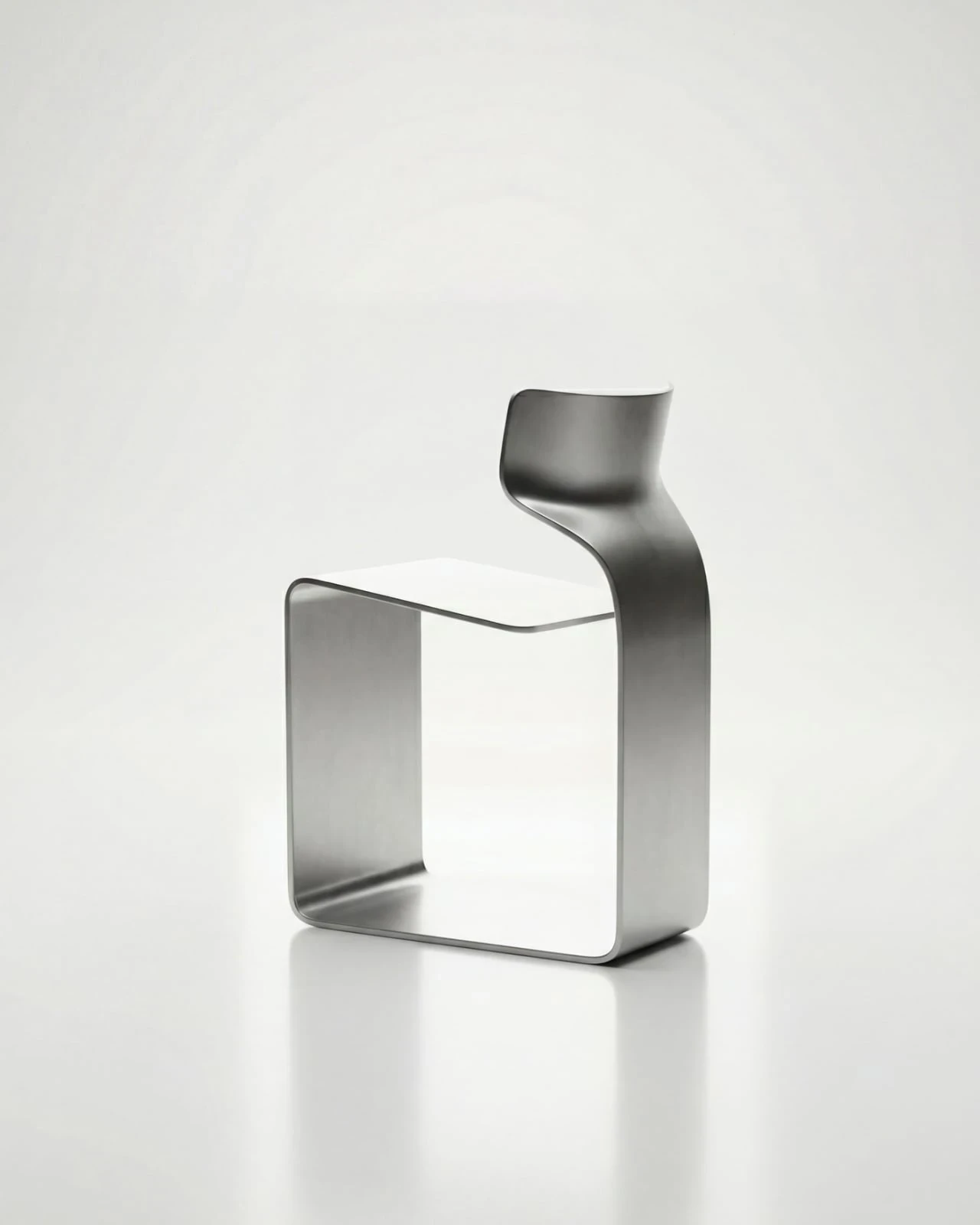
Bozzo calls the principle structural tension. Rather than adding components to carry a body, the geometry does the work: load travels through the continuity of the bends, on the logic that a curved shell resists more than a flat sheet of the same material. The seat is cantilevered, unsupported at its front edge, so it flexes under weight instead of resting on legs. Below it the ribbon closes into an open rectangle, a frame that reads as a void as much as a support, the space it encloses as legible as the metal that draws it.
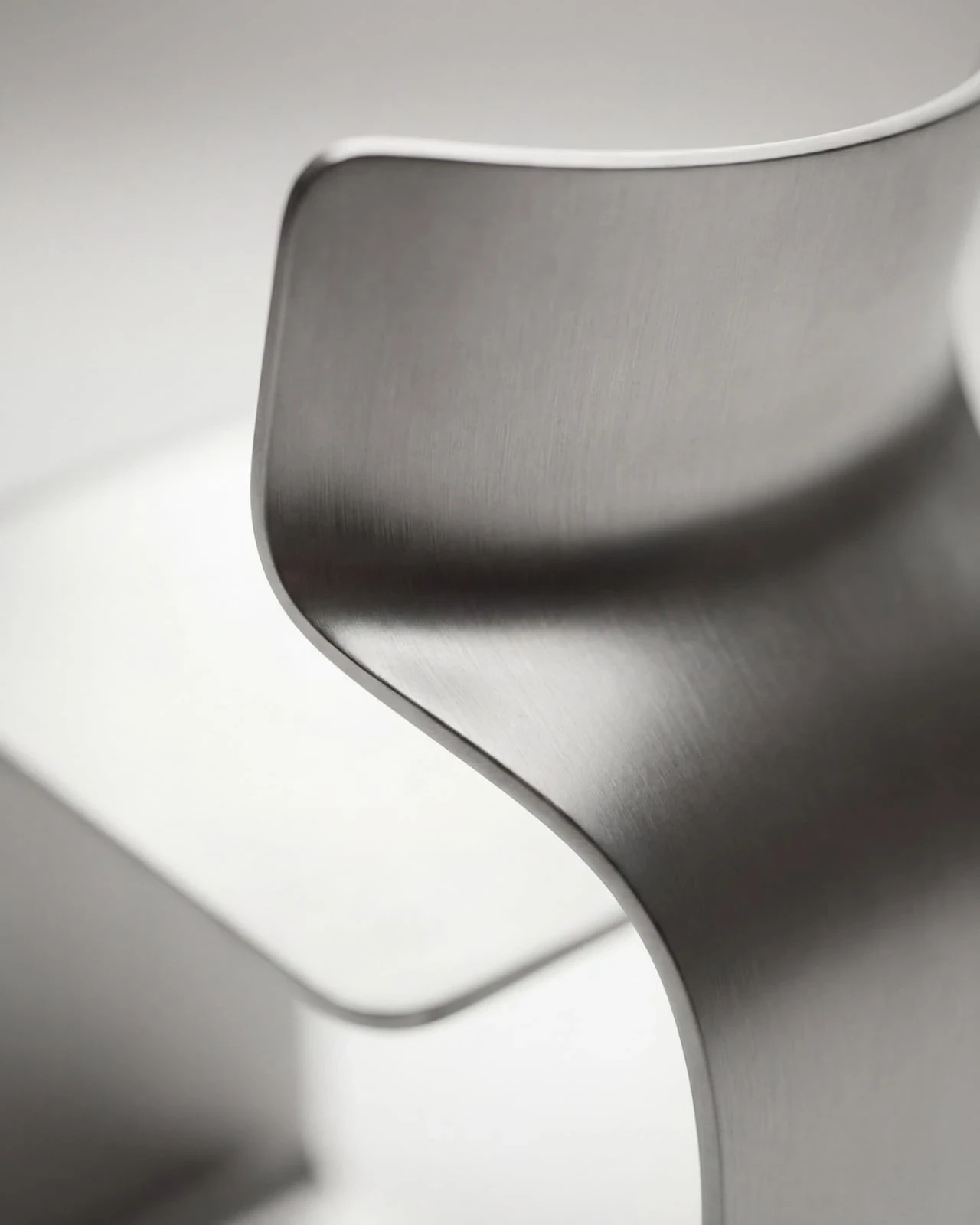
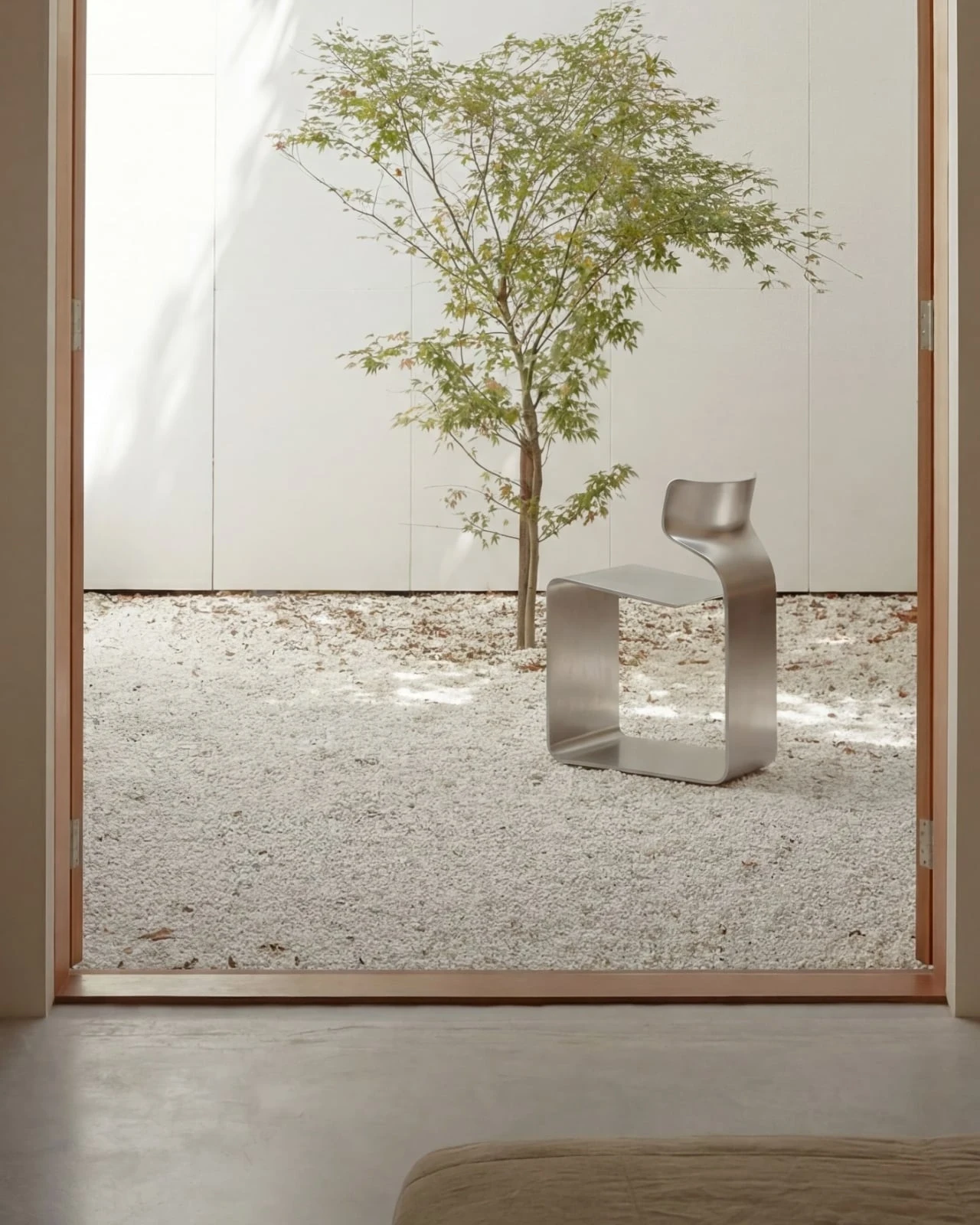
The brushed finish keeps the object understated, a soft grey grain that catches light without throwing it back. Seen in profile the chair collapses to a single line, a shape a hand could draw without lifting the pen. The open rectangle below the seat is left entirely hollow, so the base reads as a drawn outline rather than a solid mass; in one image a few books rest inside it, filling the void without breaking the continuous edge that defines the whole.
What makes the design persuasive is what it leaves out. Most seating conceals its joinery and calls the result clean; here there is no joinery to conceal, and the honesty is structural rather than styled. A chair pared to one operation, one material and one continuous edge, with the empty space it frames counted as part of the object rather than the gap between its parts.