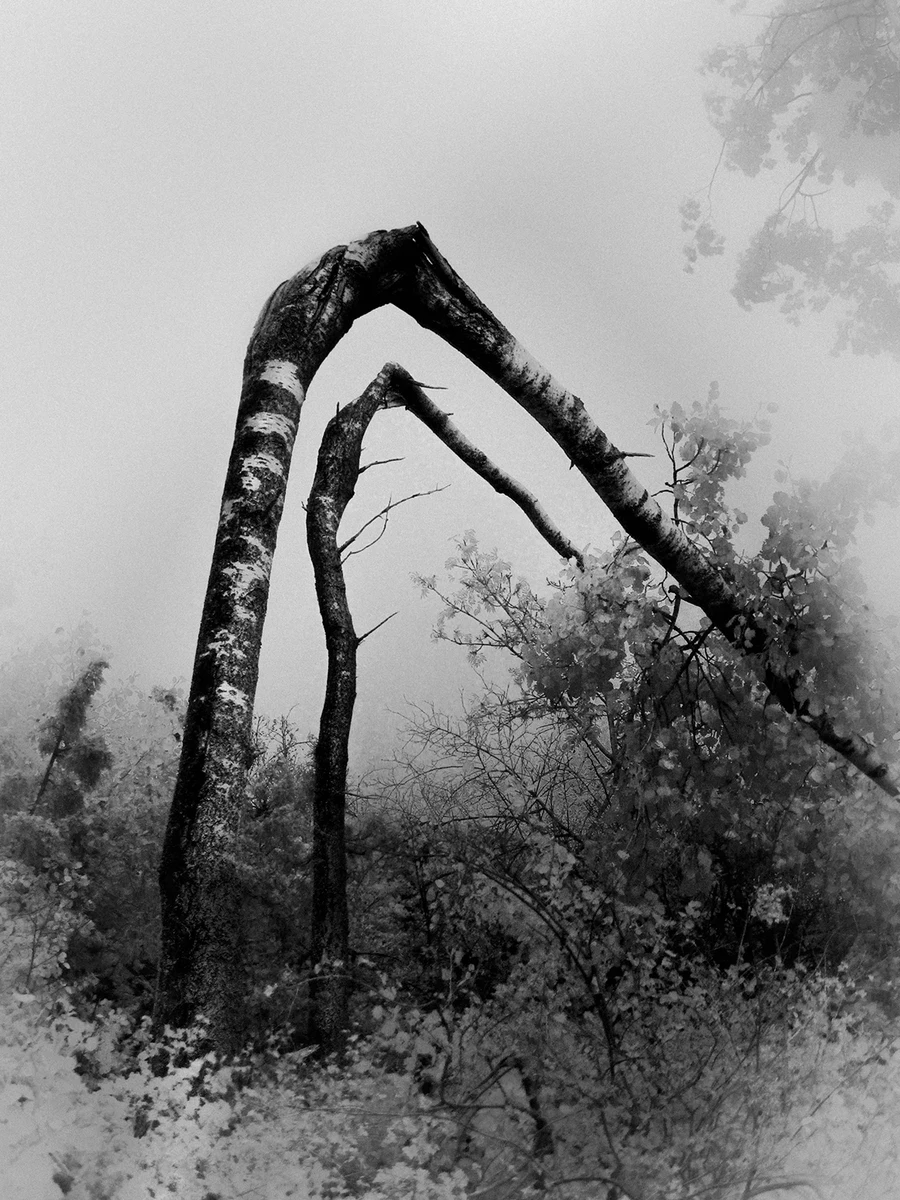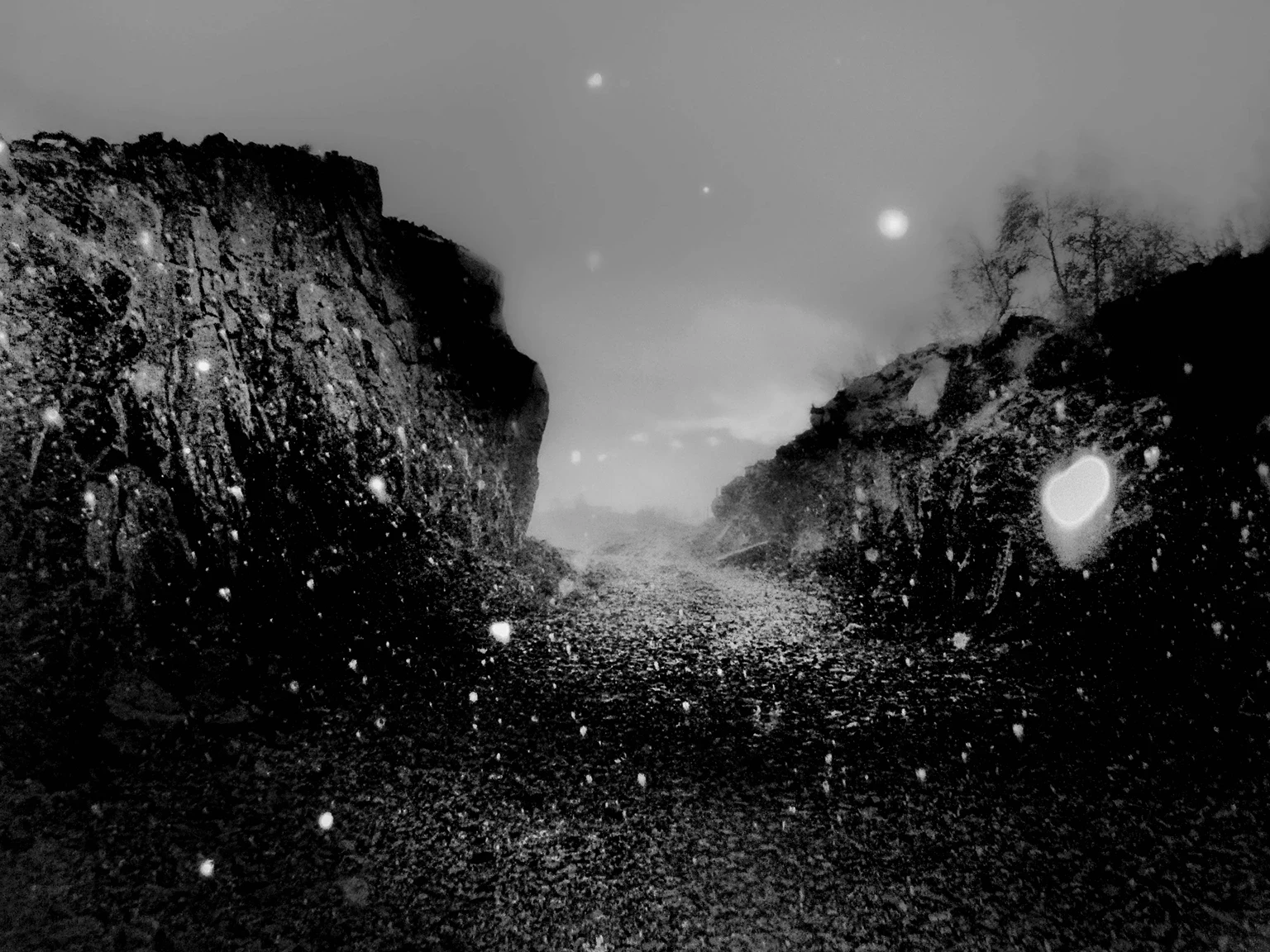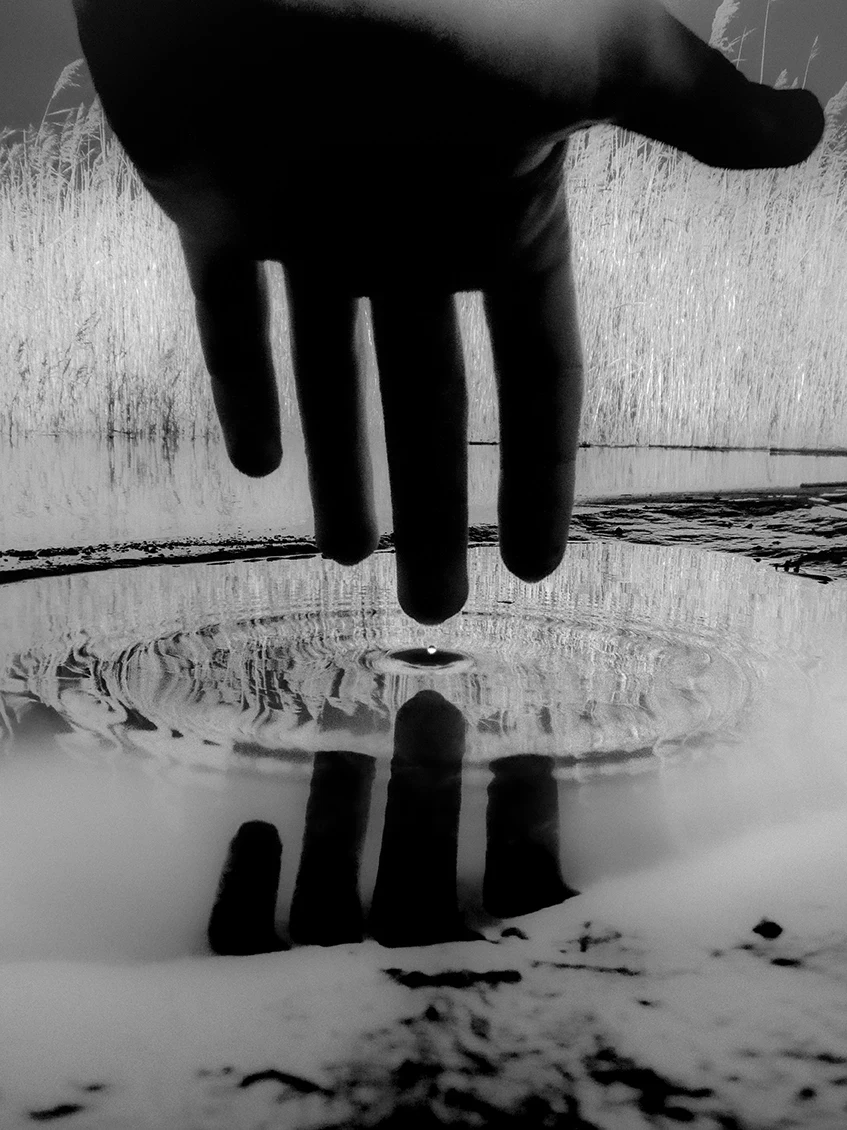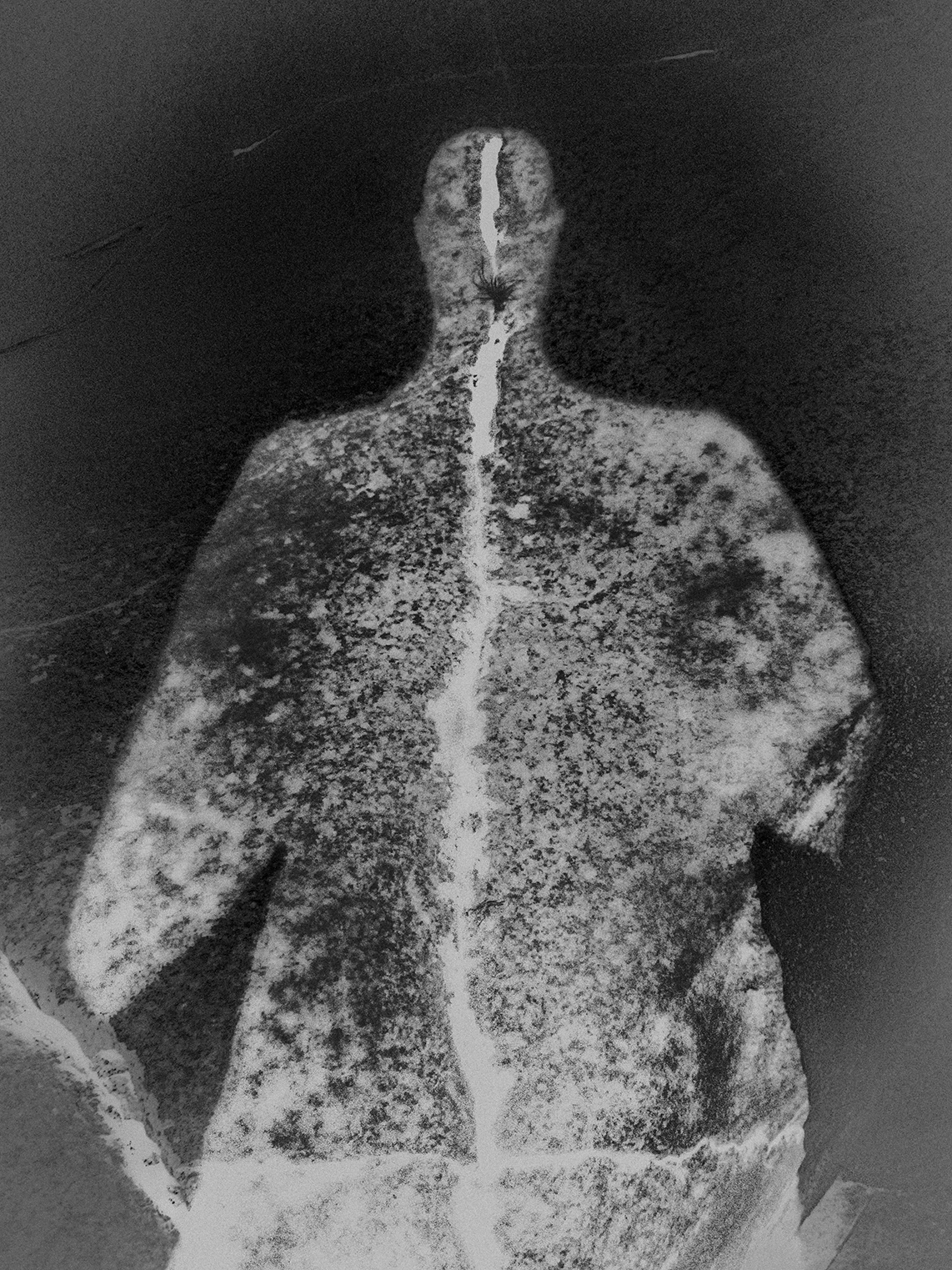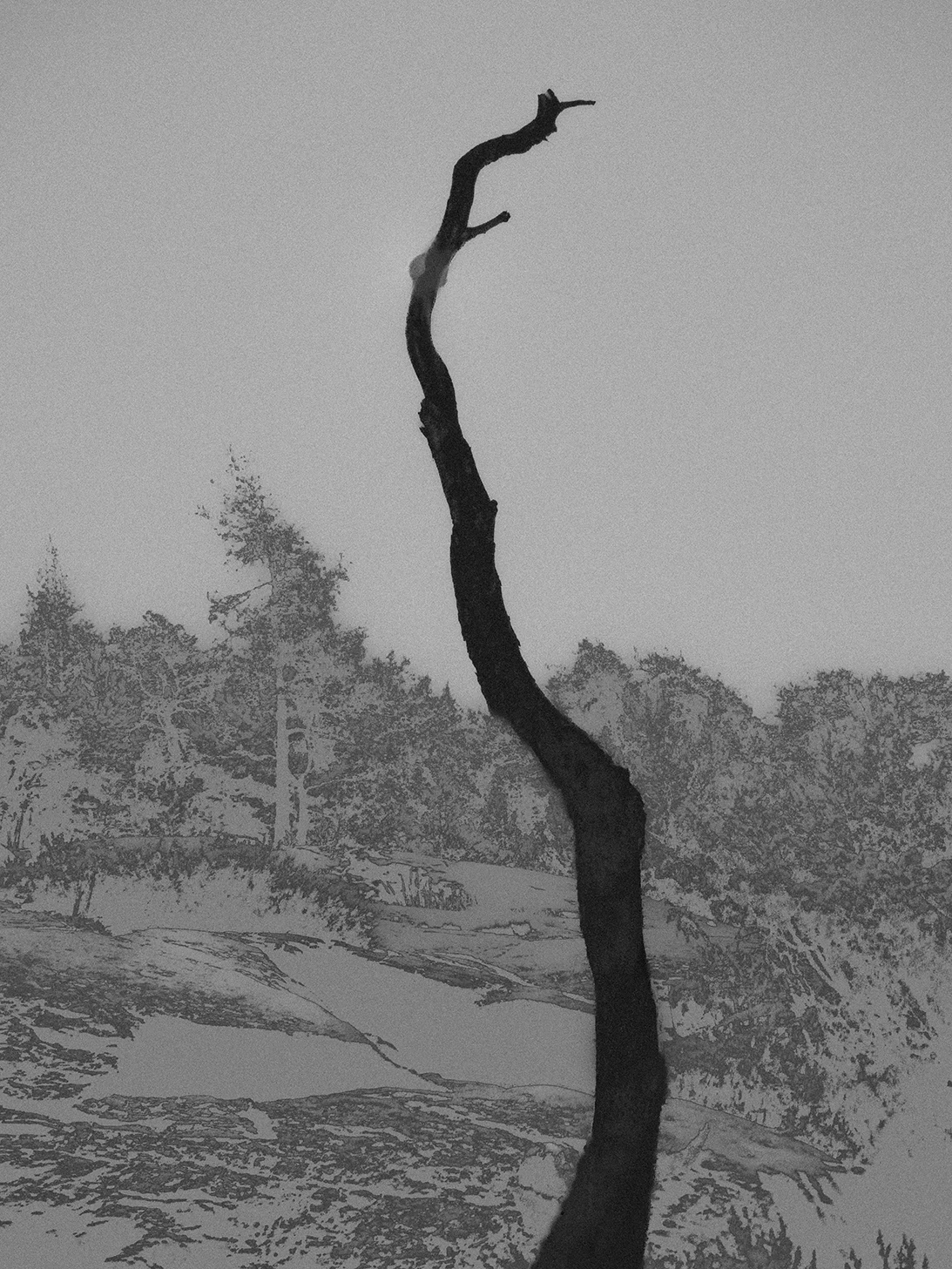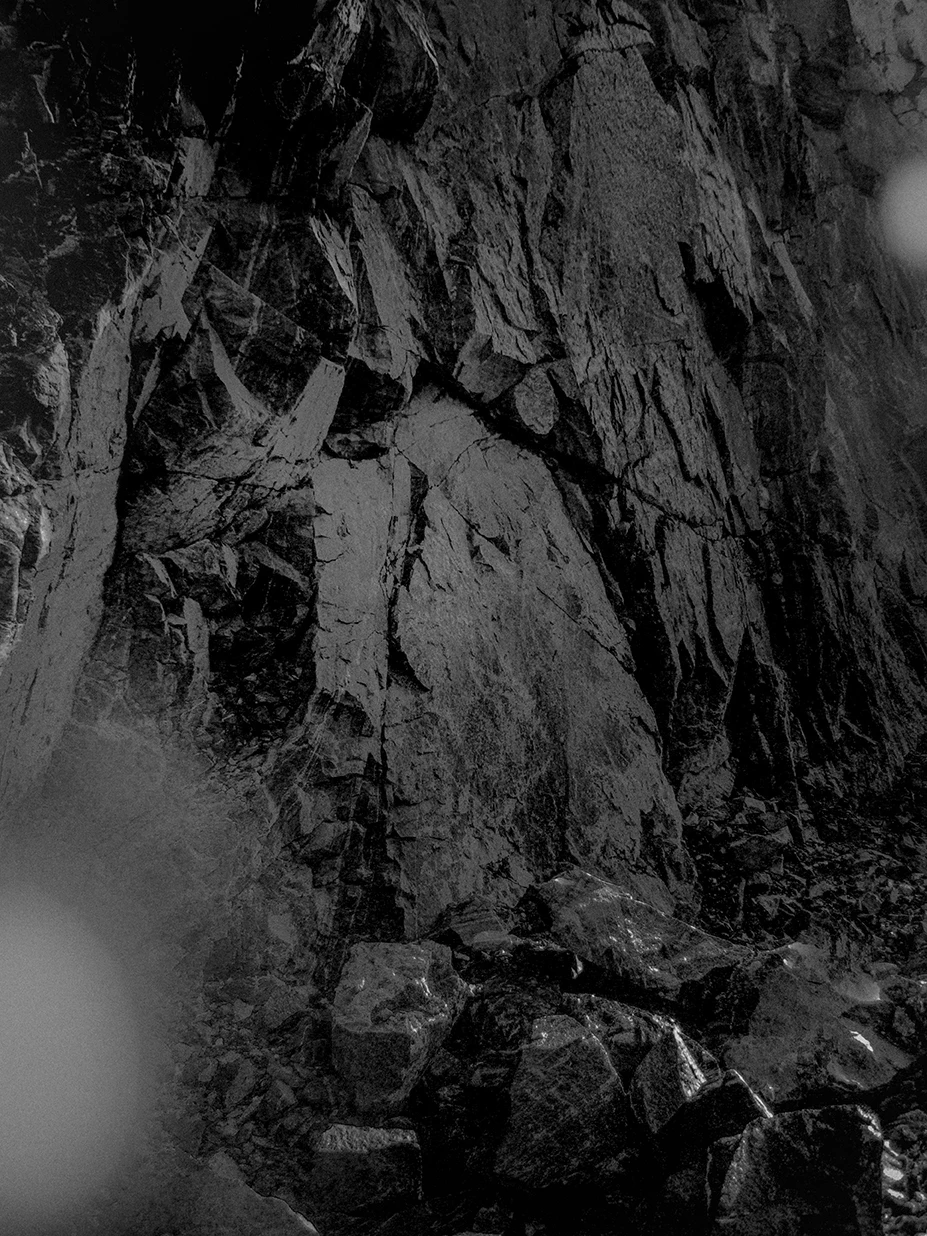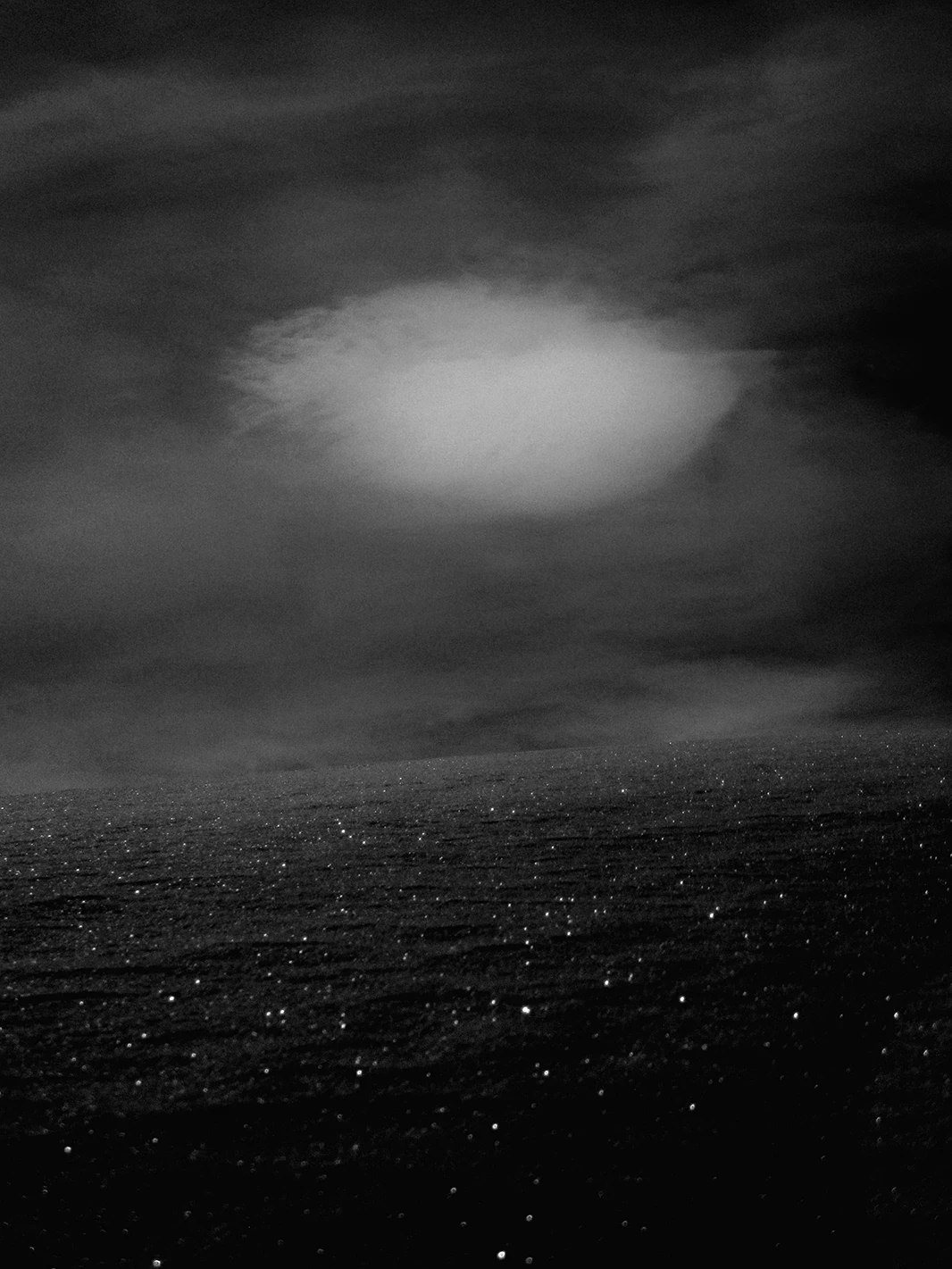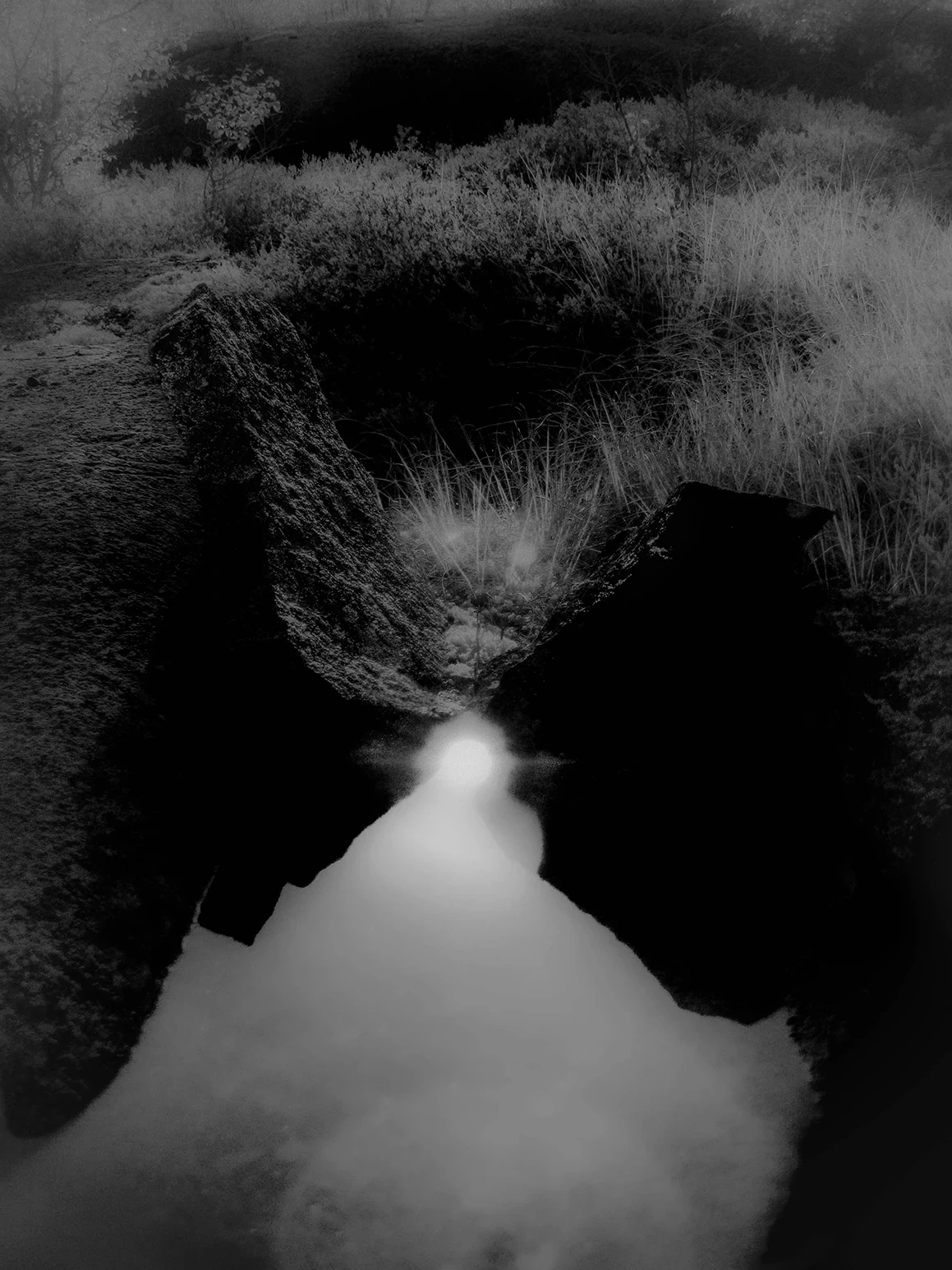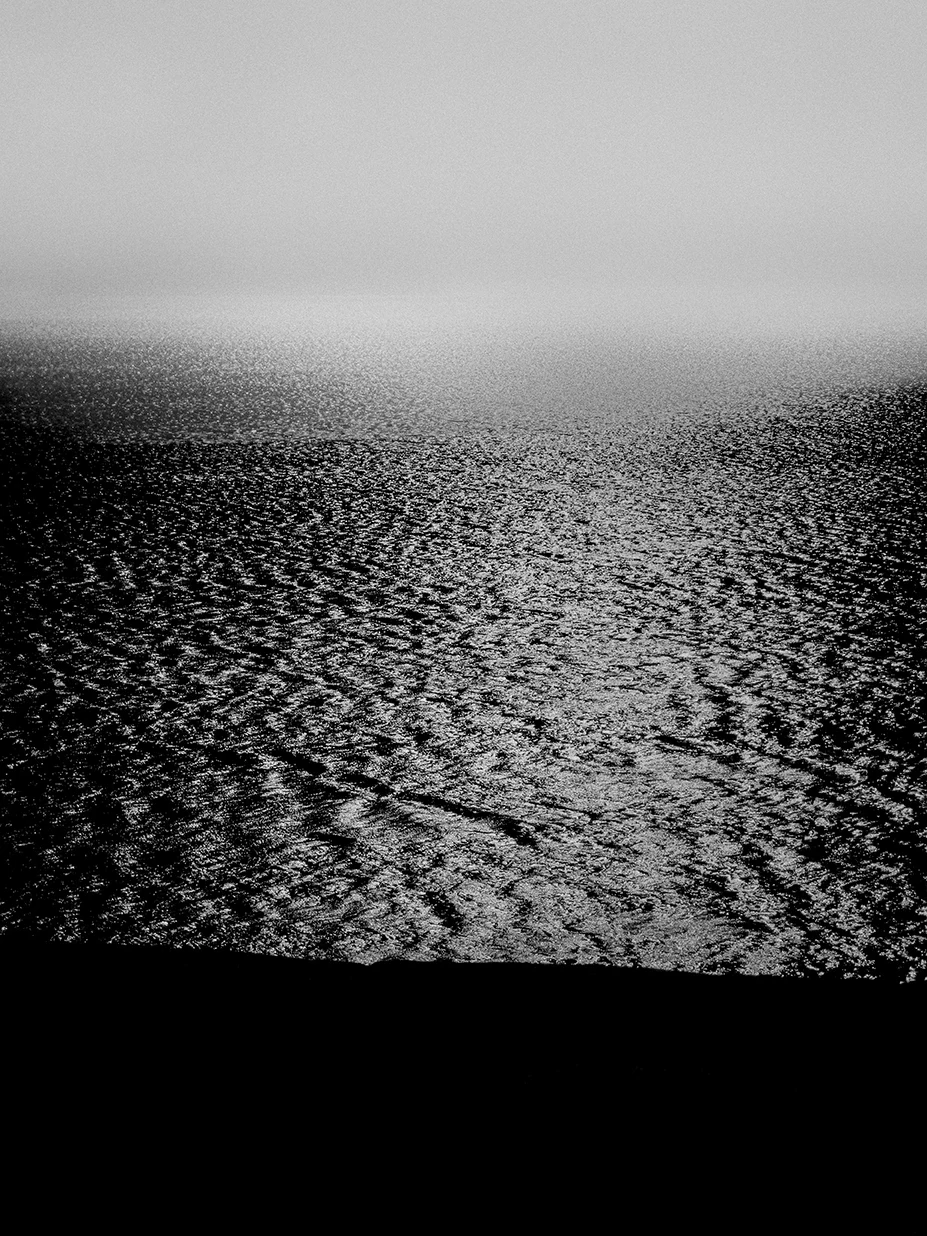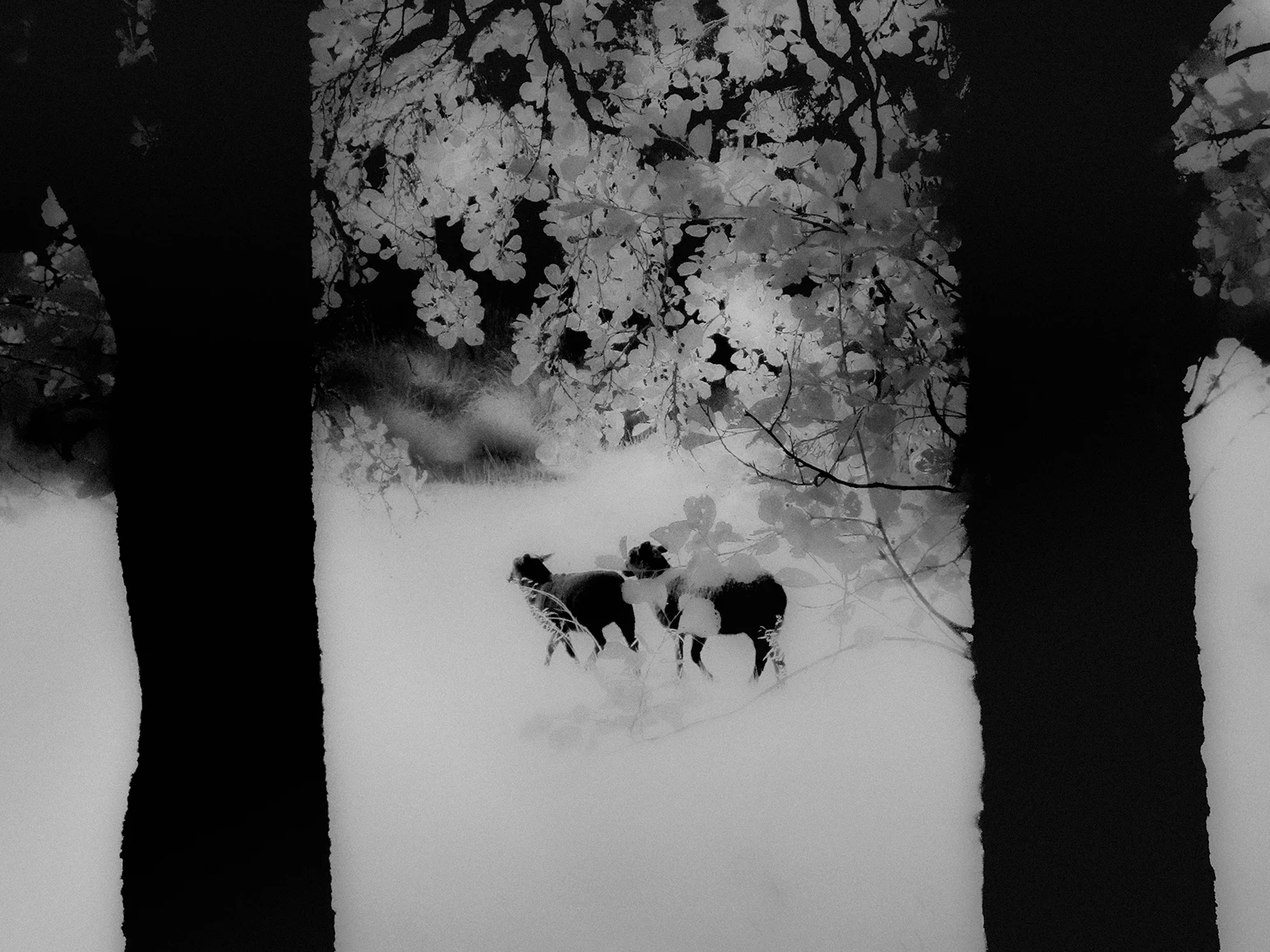
Francisco Gonzalez Camacho's photographic series 'You can't enter the same river twice' takes Heraclitus literally — training its lens on landscapes in the act of transformation, where forms are still mid-process: bending, breaking, surfacing, dissolving.
The philosophical premise is not merely decorative. If the river is never the same river, then the photograph of the river is itself a kind of category error — a fixed image of something whose defining quality is that it cannot be fixed. Gonzalez Camacho uses this tension generatively rather than trying to resolve it. The work is interested in the moment before a transformation completes, the point at which a form is recognizably in transition rather than settled into its new state. "An unknowable rhythm unfolds," the artist writes. "Forms bend, break, emerge, dissolve, neither whole nor undone."
The landscapes carry the marks of geological time operating at a scale that makes human duration feel provisional. Erosion, deposition, the collapse of a bank into water, the emergence of a sandbar — processes that occur without witness, that have been occurring since long before photography existed as a means of attending to them. The camera arrives late and knows it.
The series asks what impermanence looks like when it is the subject rather than the condition. Most landscape photography proceeds from the assumption that the landscape is stable enough to be framed; Gonzalez Camacho proceeds from the opposite assumption, arriving at scenes where the frame itself seems uncertain, where edges dissolve into water or light rather than resolving into sharp borders. "Growth and ruin intertwine, a pulse of becoming and unraveling, between absence and presence."
What remains after the river changes is still a river. What remains after viewing this work is the specific, quiet unease of having looked closely at something that does not stay still.