Thisispaper Community
Join today.
Enter your email address to receive the latest news on emerging art, design, lifestyle and tech from Thisispaper, delivered straight to your inbox.
Oops! Something went wrong while submitting the form.
Instant access to new channels
The top stories curated daily
Weekly roundups of what's important
Original features and deep dives
Exclusive community features
Australian Dwelling
under the patronage of
DwellWell
under the patronage of
Wildcoast House by Pandolfini Architects
Alexander Zaxarov
Jun 1, 2026

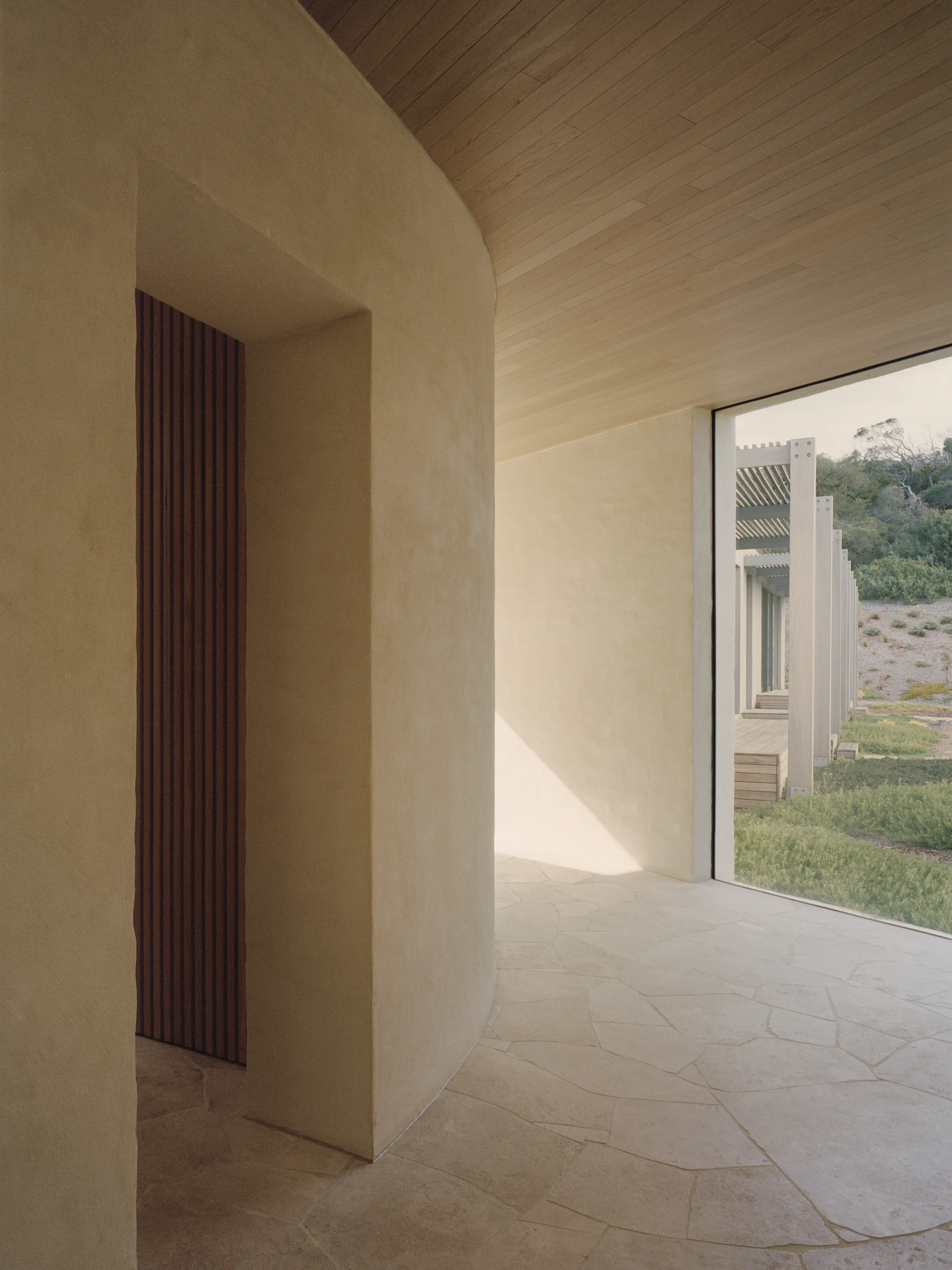
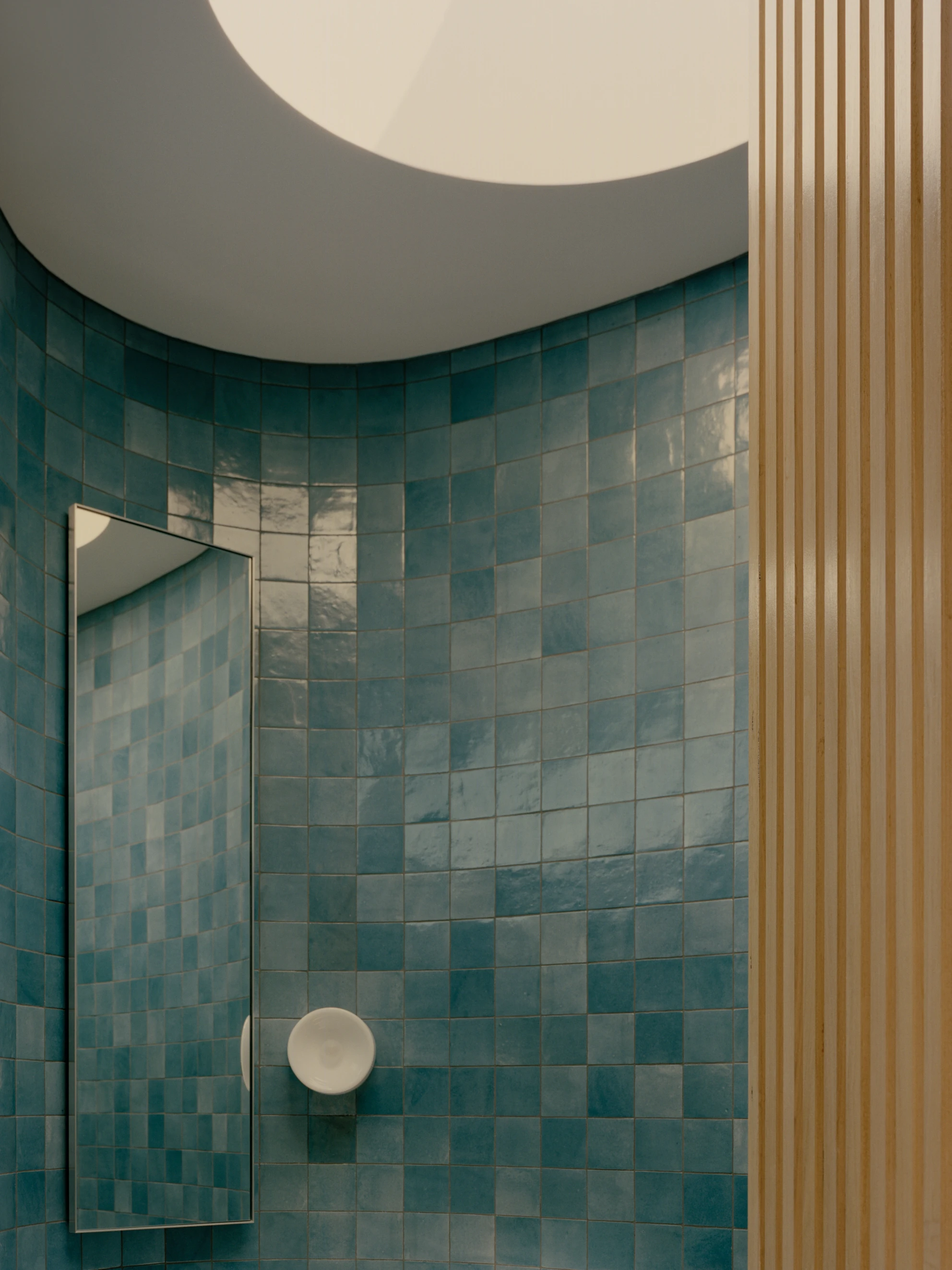
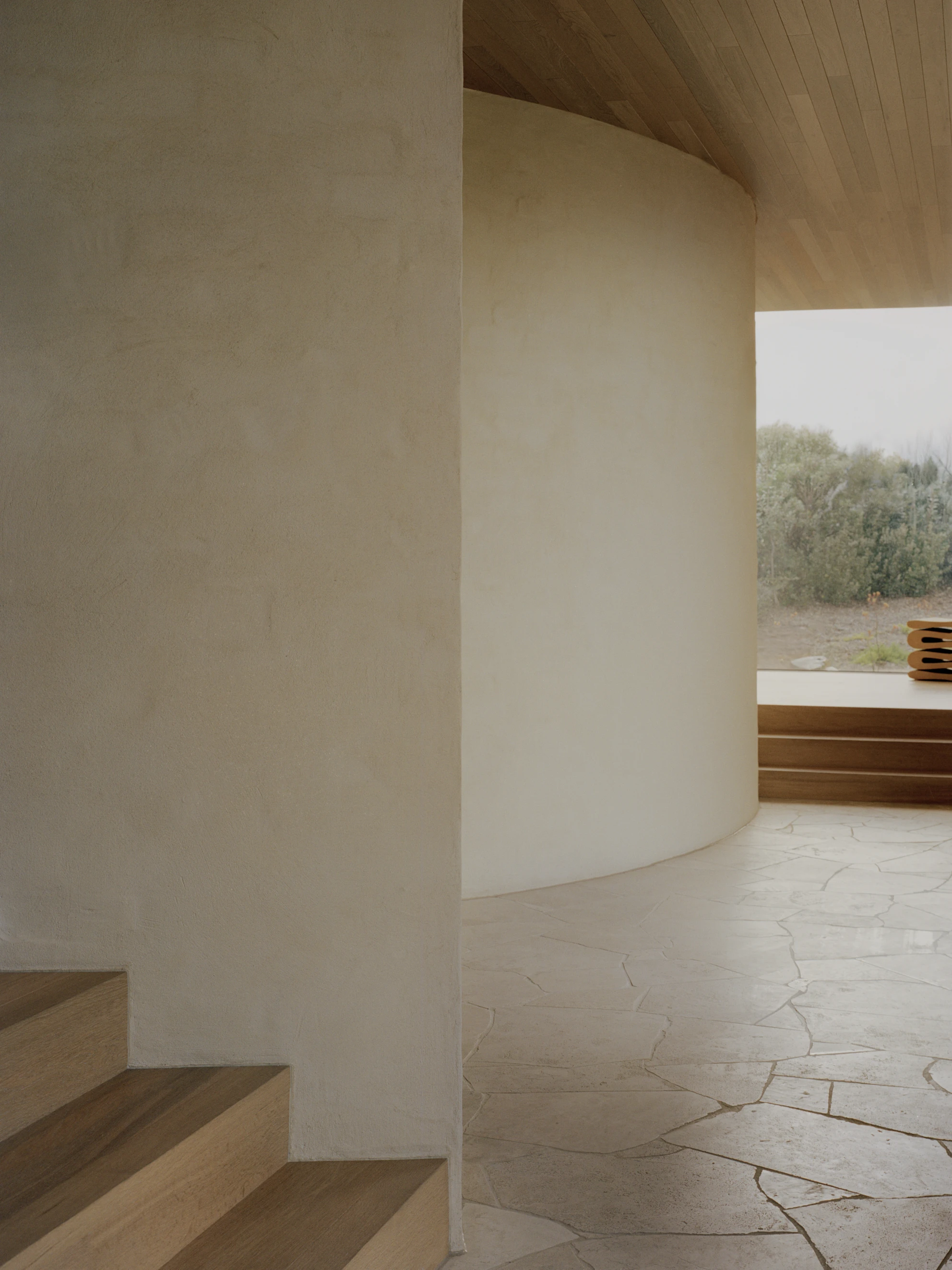
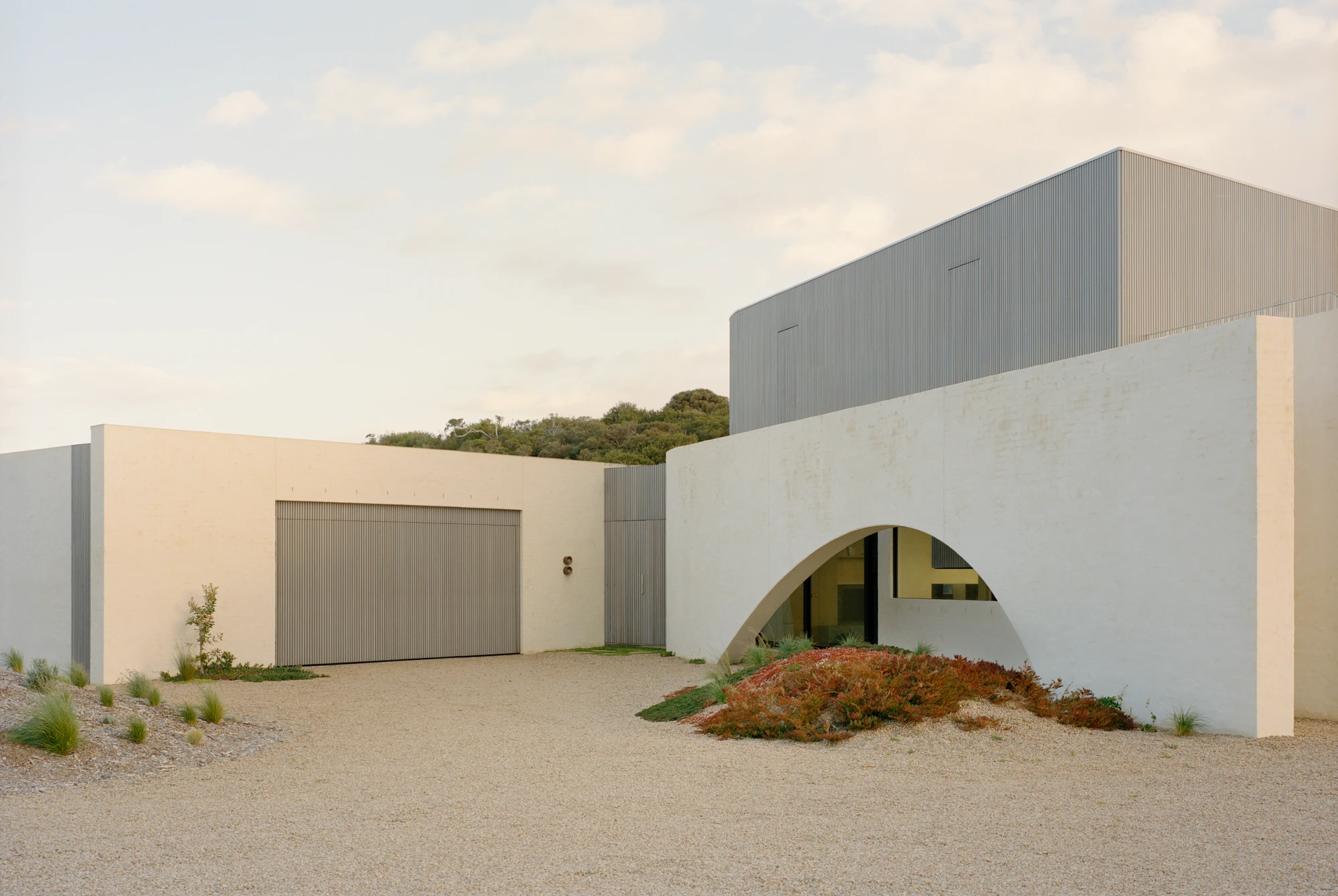
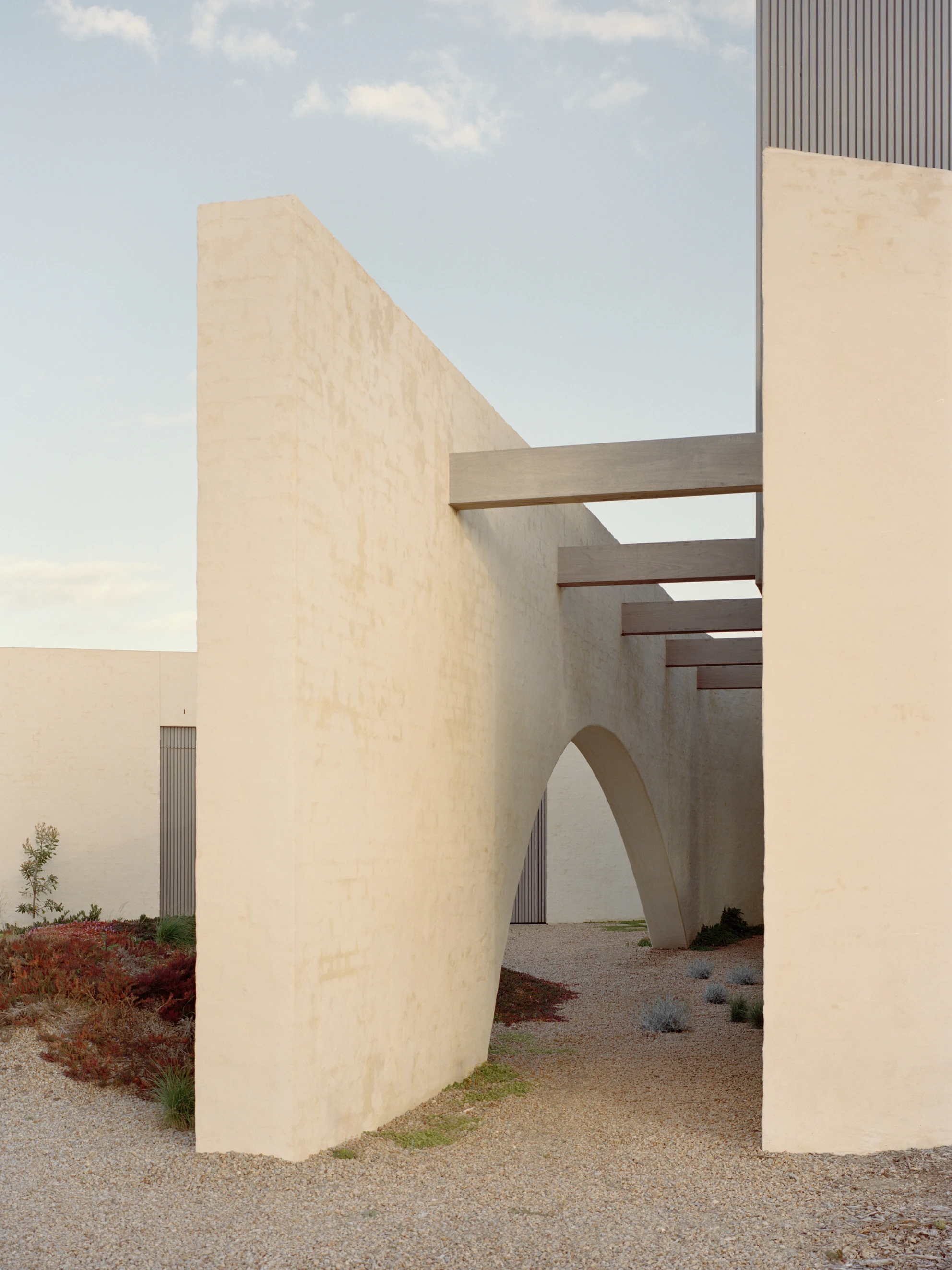
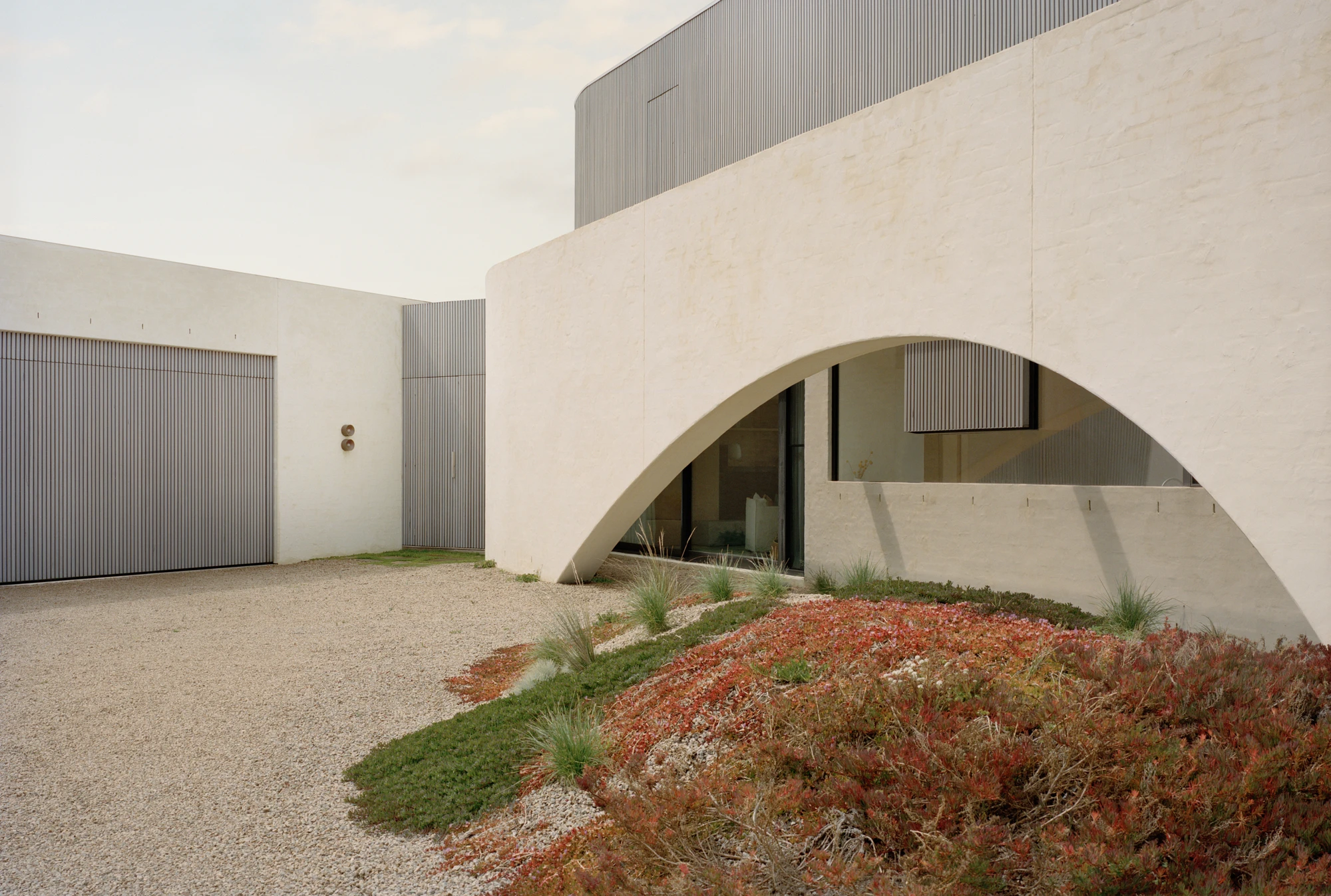
Three curving blade walls hold a house against the wind of the Mornington Peninsula, where Pandolfini Architects sets Wildcoast House in recycled brick and greyed Moonah timber.

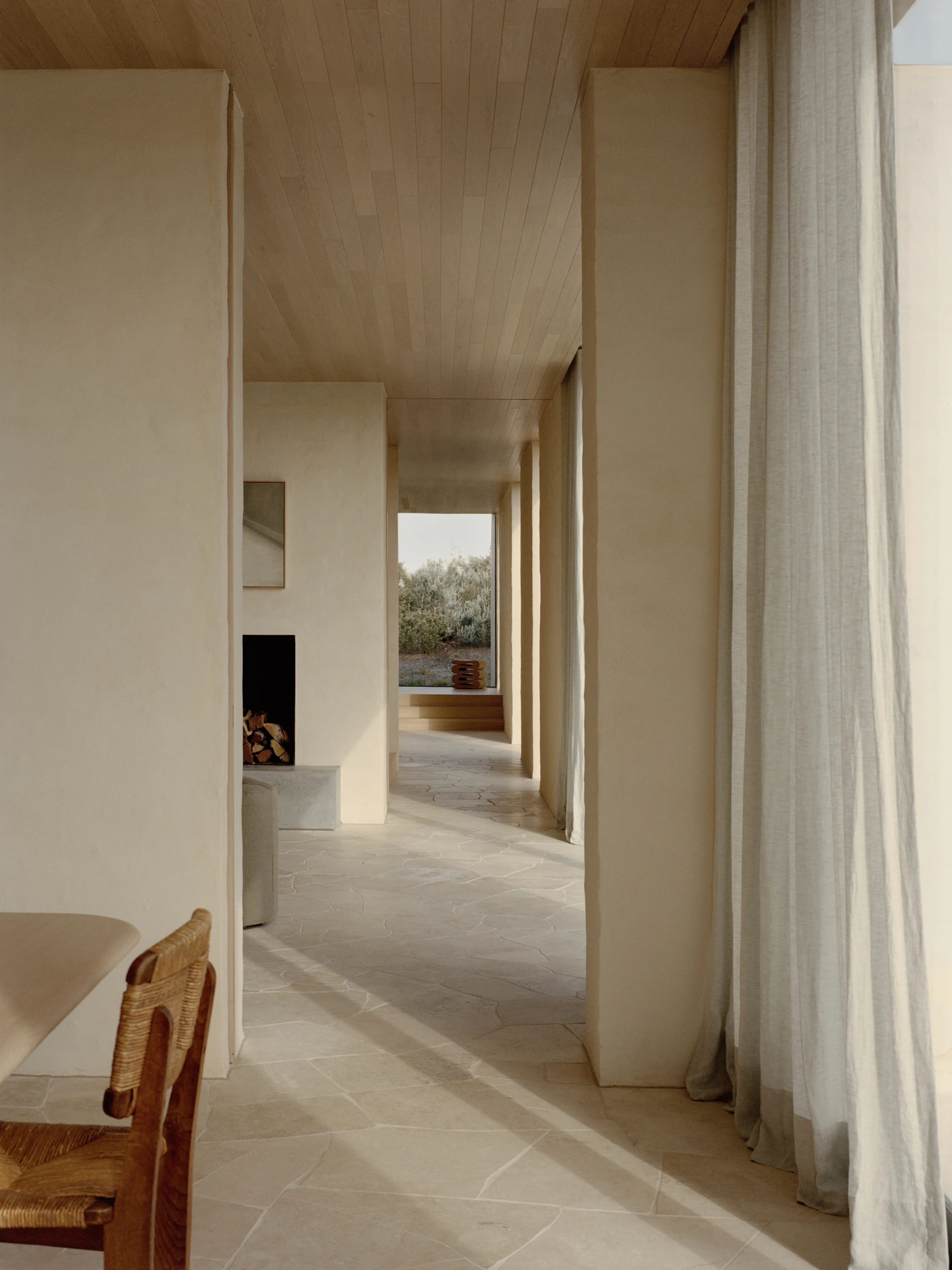
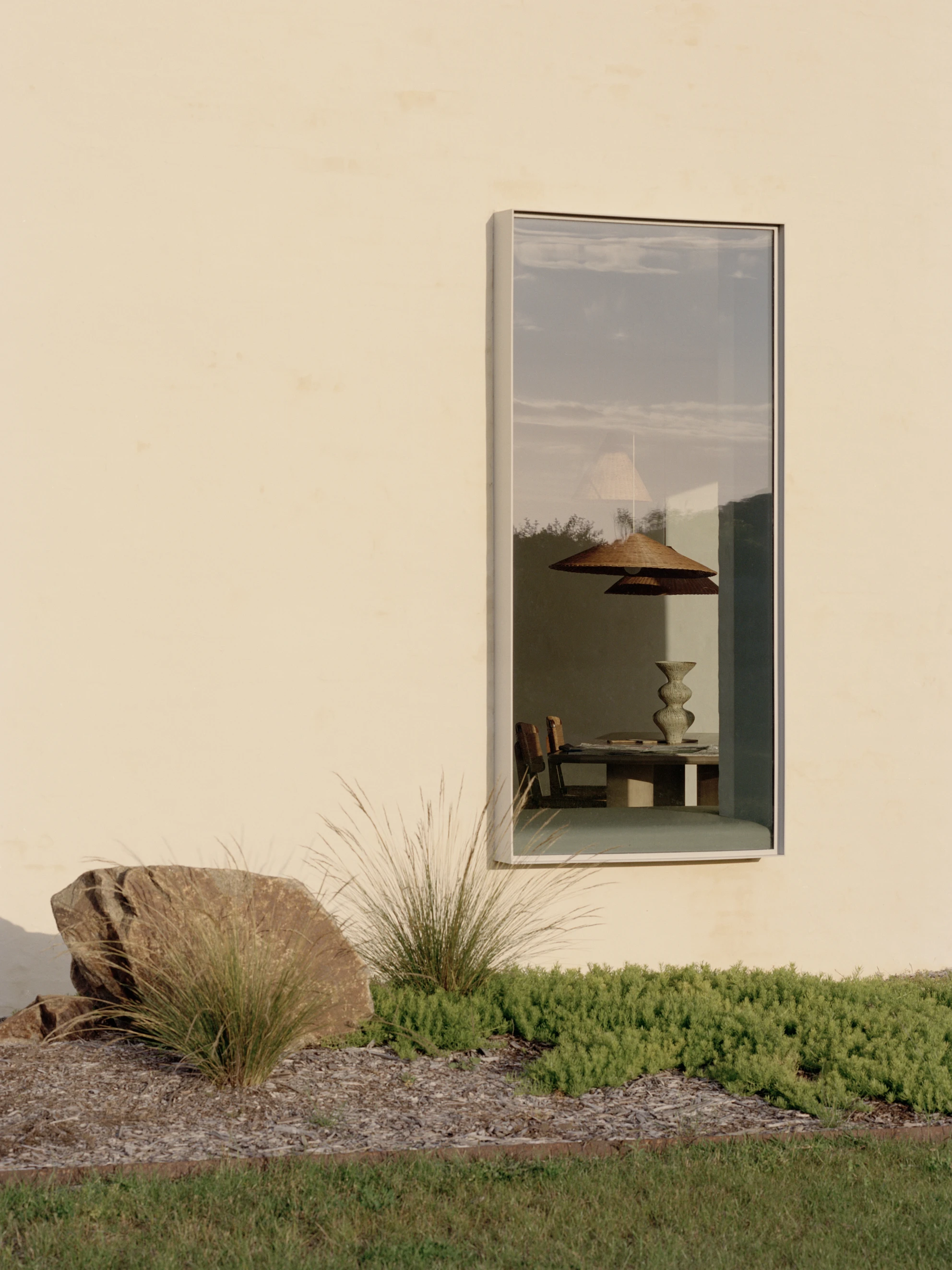
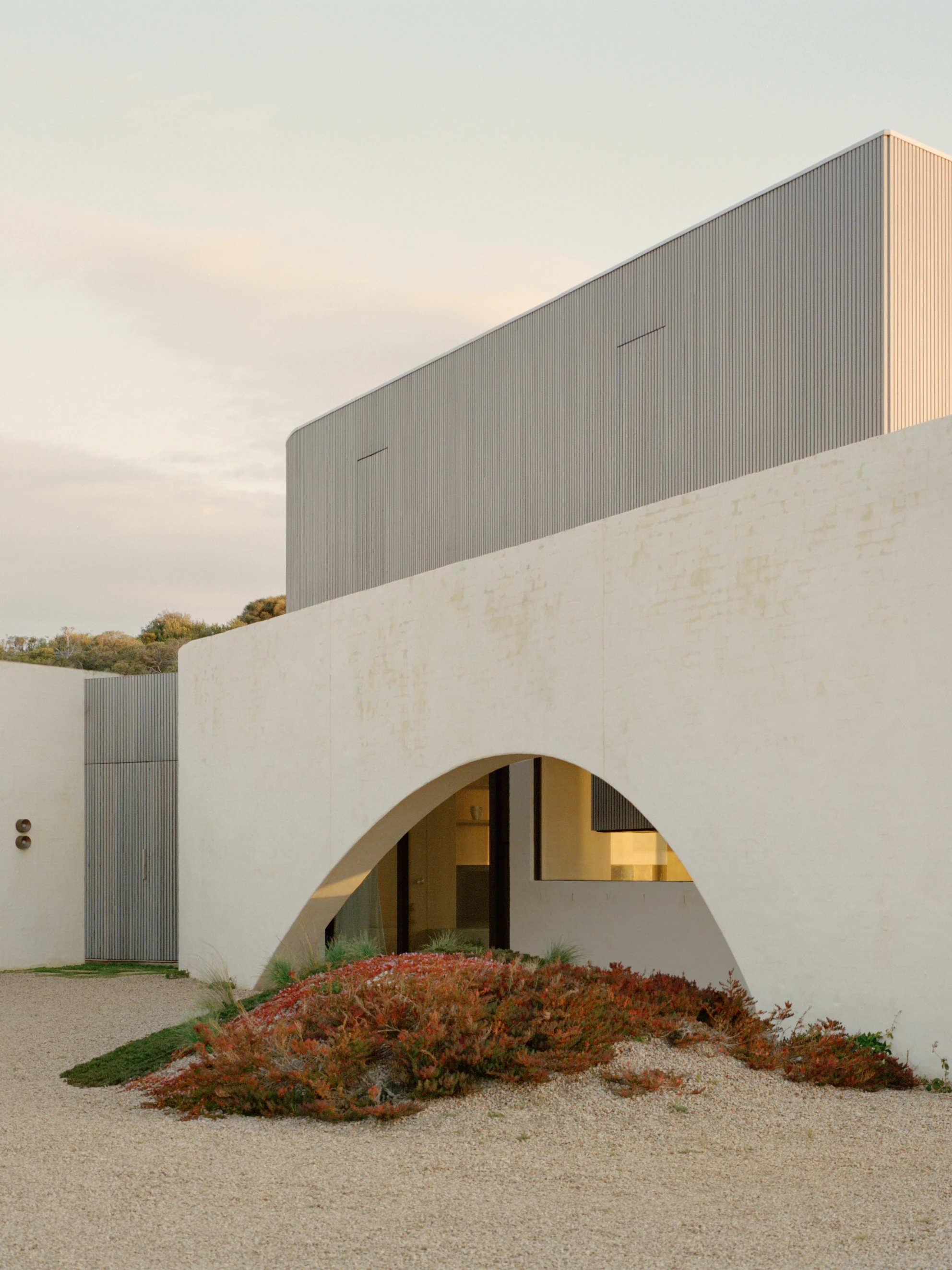
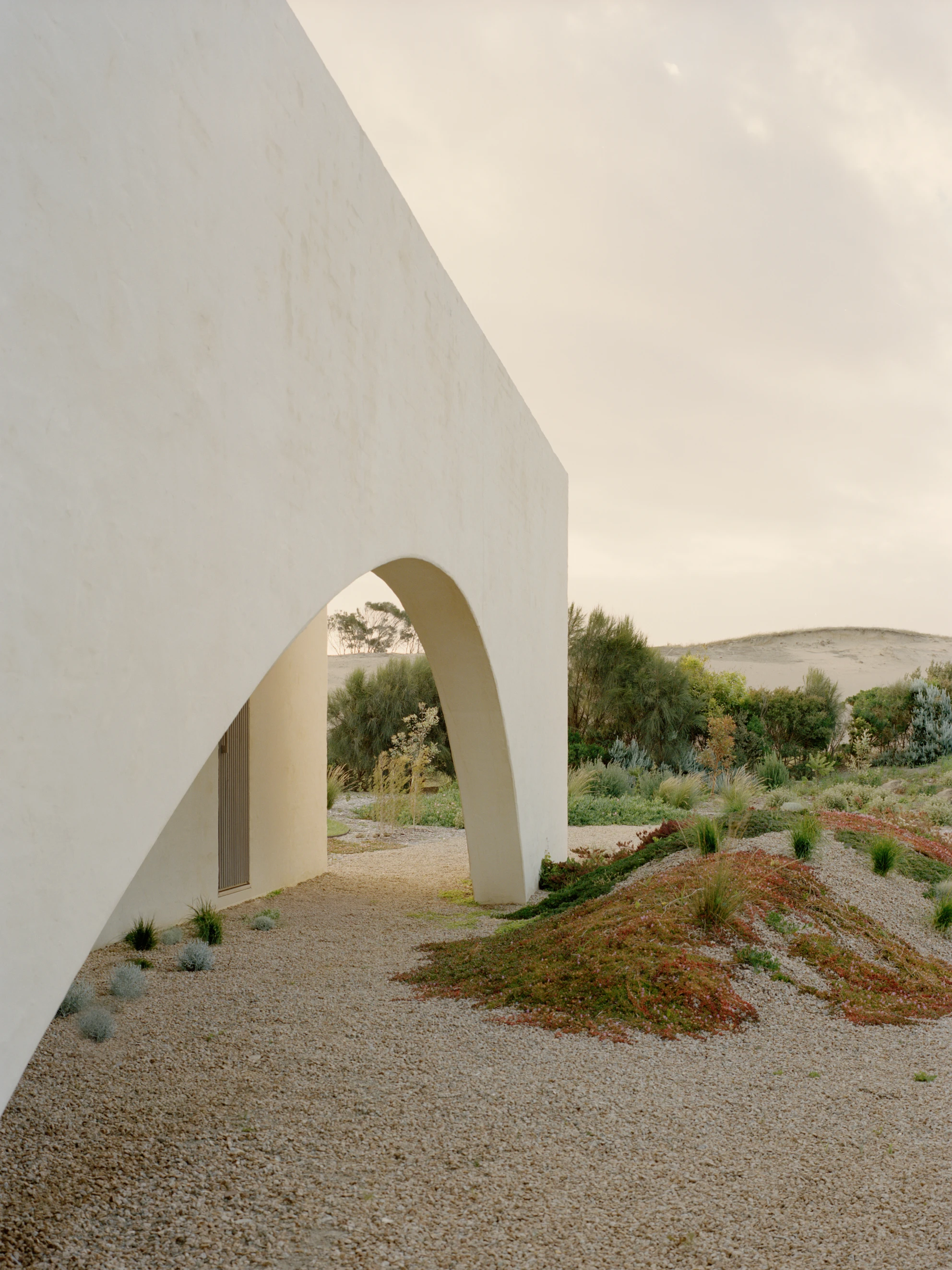
The defining element is the arch that marks the entry: a monolithic rendered brick wall punctured by an organic archway that lifts gently from the native planting at its base. "A glimpse of the home whilst establishing a sense of arrival that is both grounded and enigmatic," the architects describe it. Inside that threshold, the plan divides into three wings — family, living and guest — each bounded by one of the blade walls, converging at a central circulation spine. The tripartite configuration allows the zones to operate independently while remaining connected: an architecture of separation that does not produce isolation.

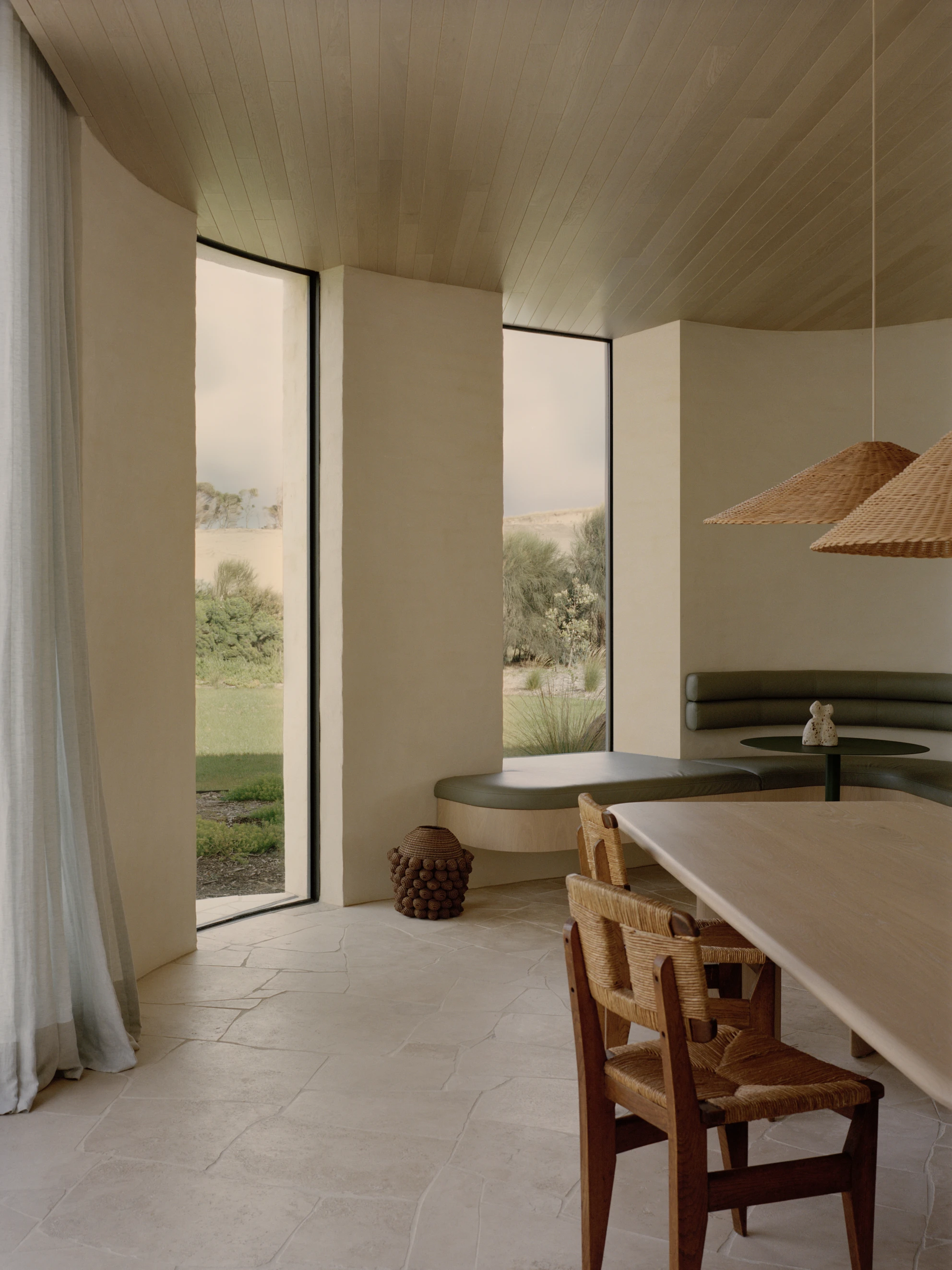
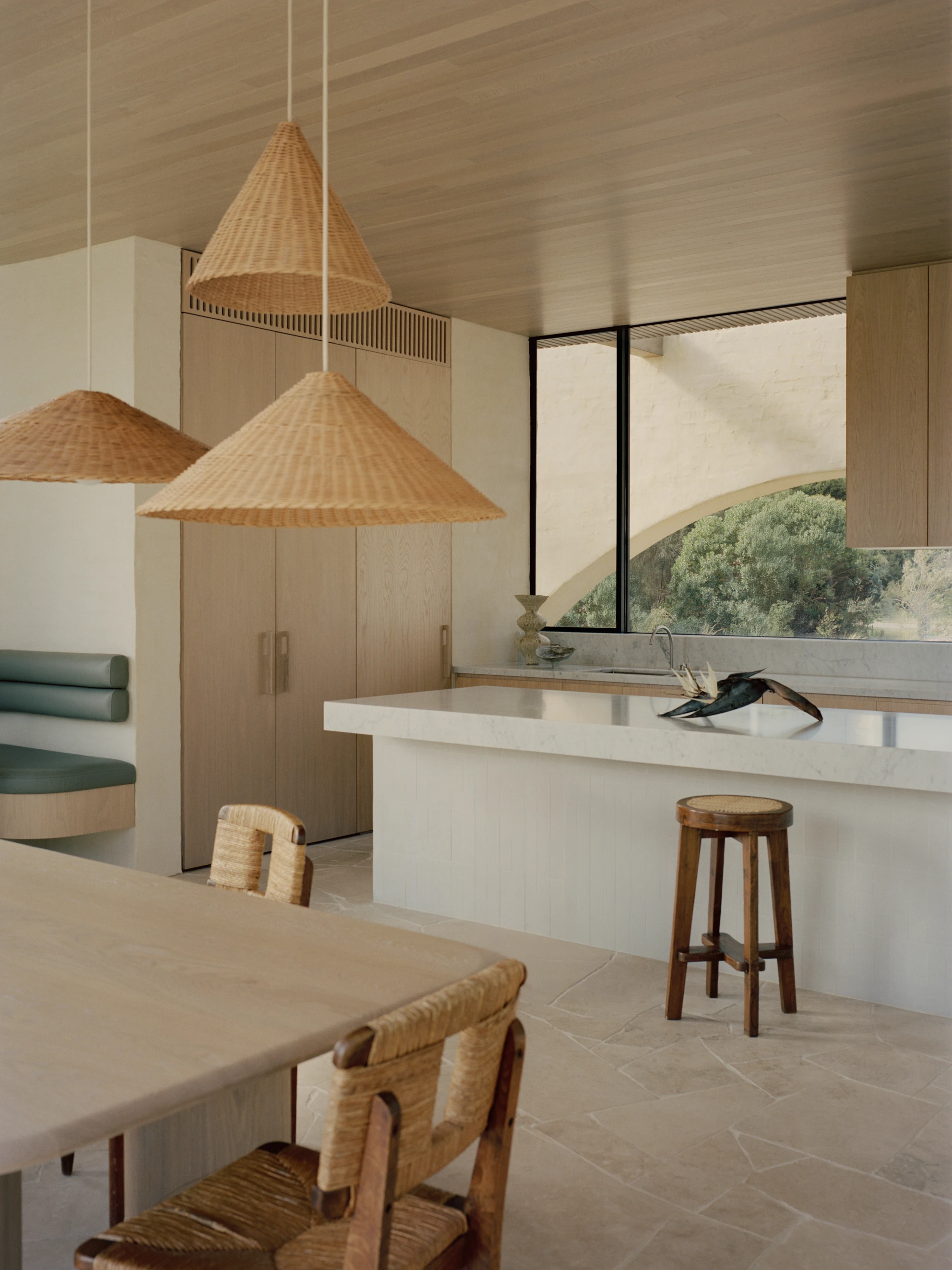
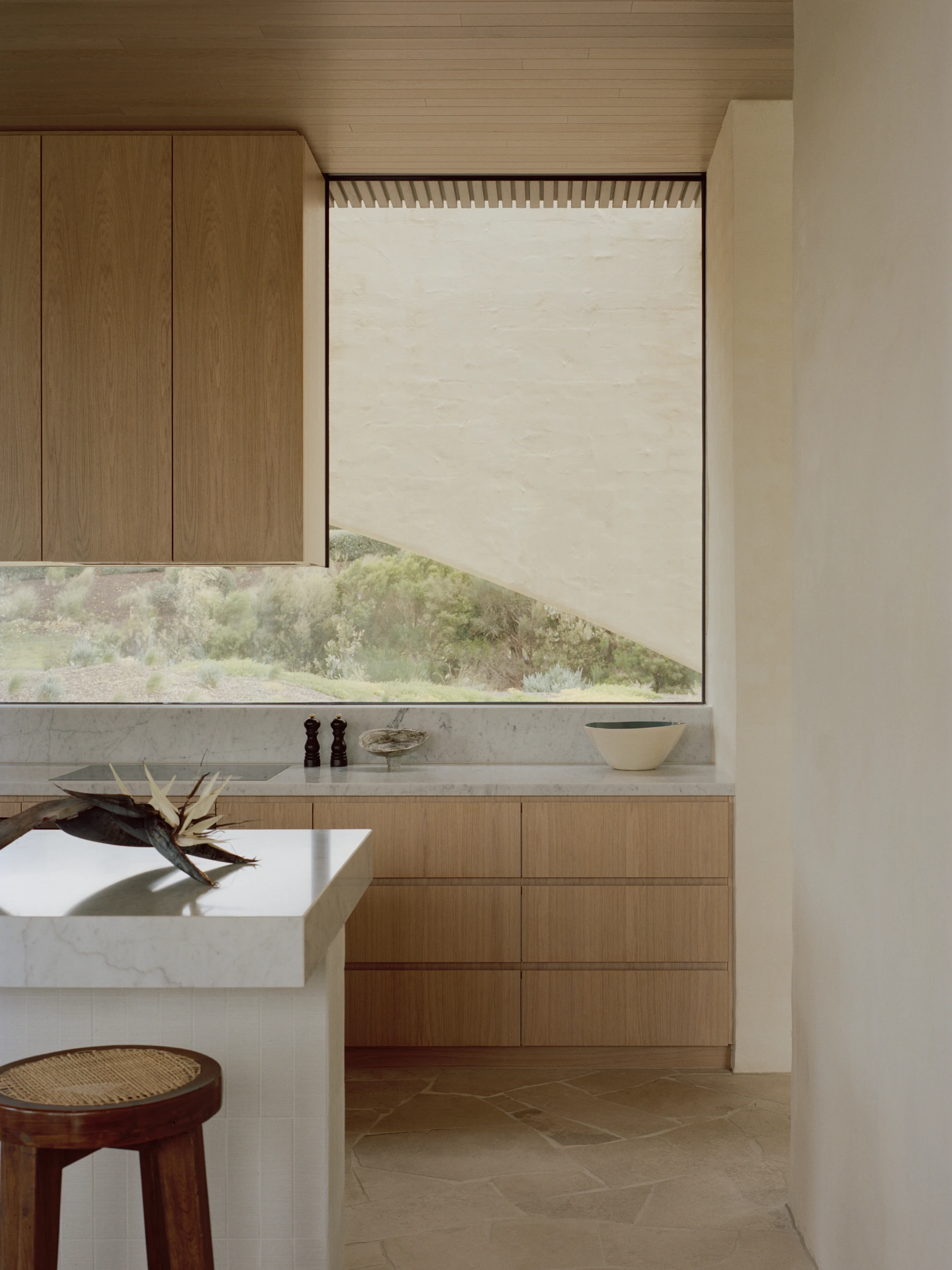
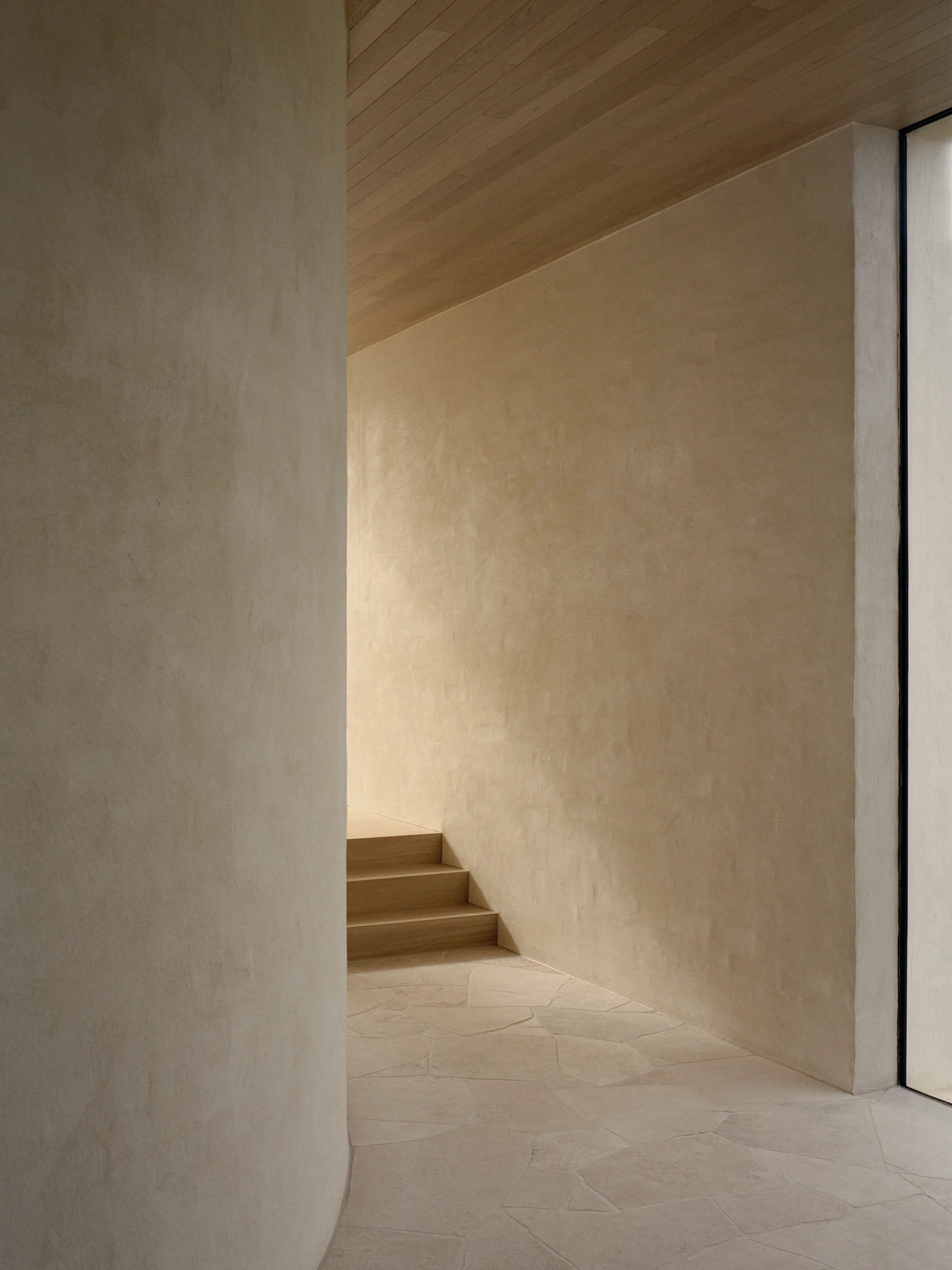
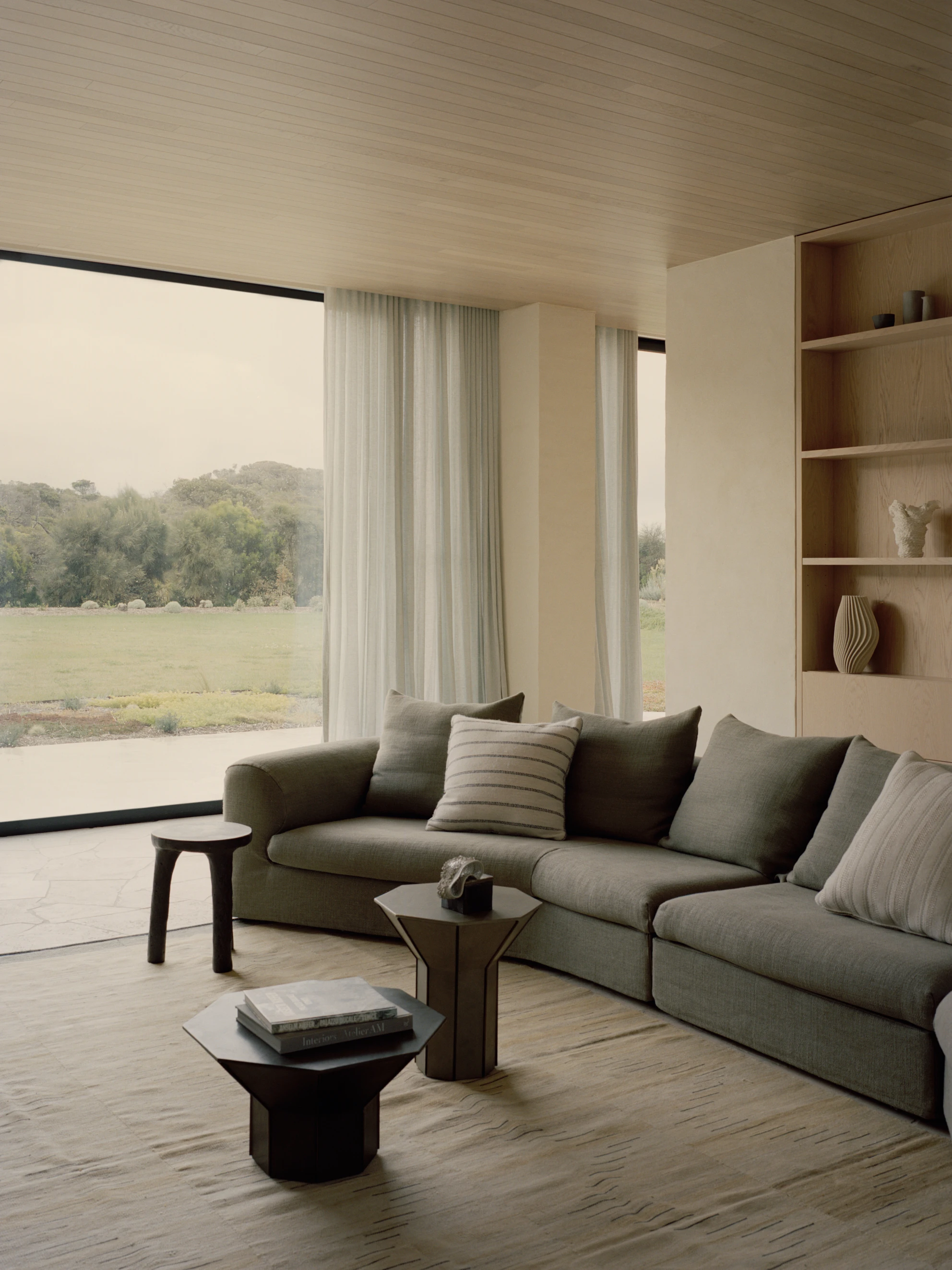
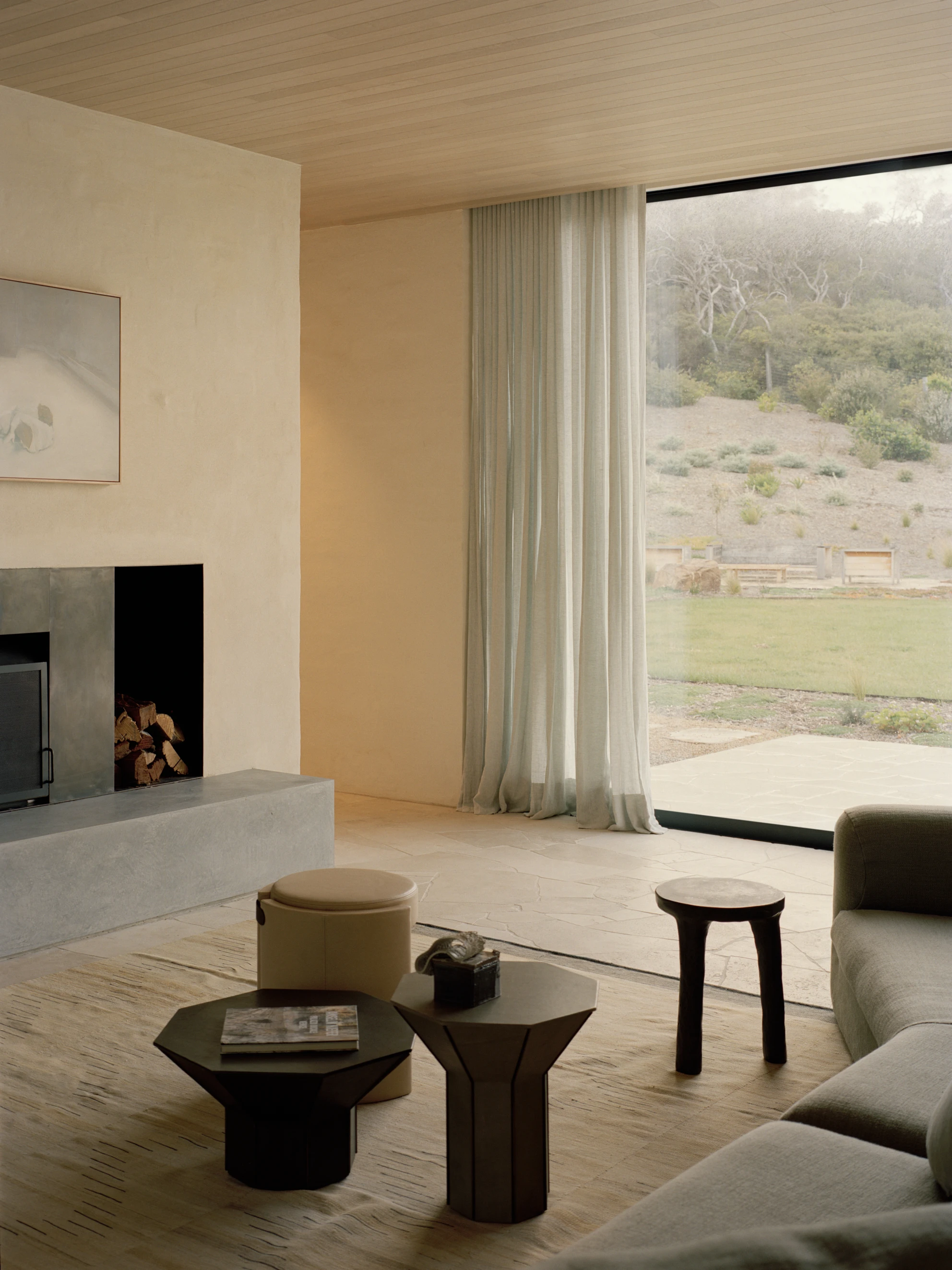
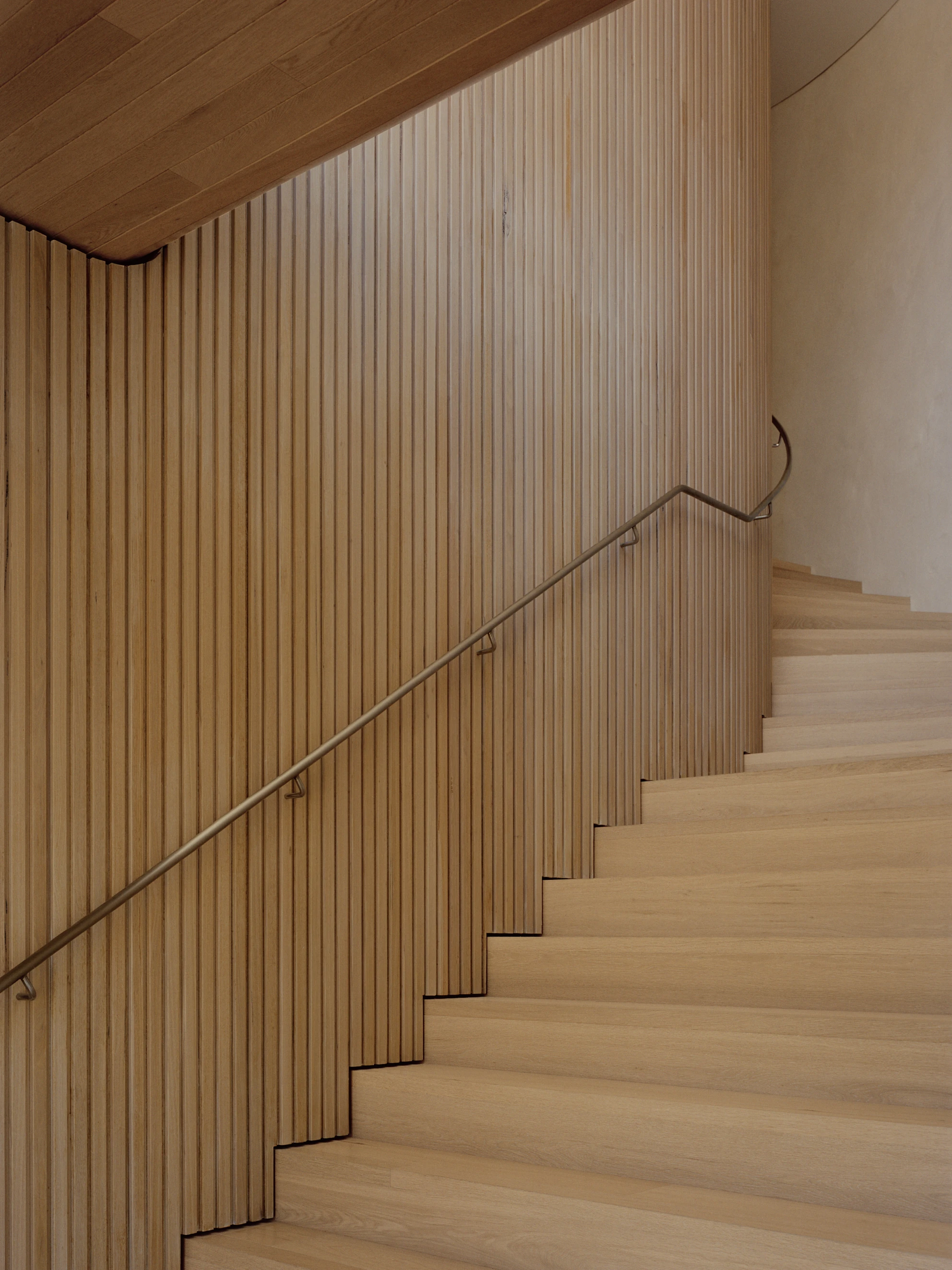
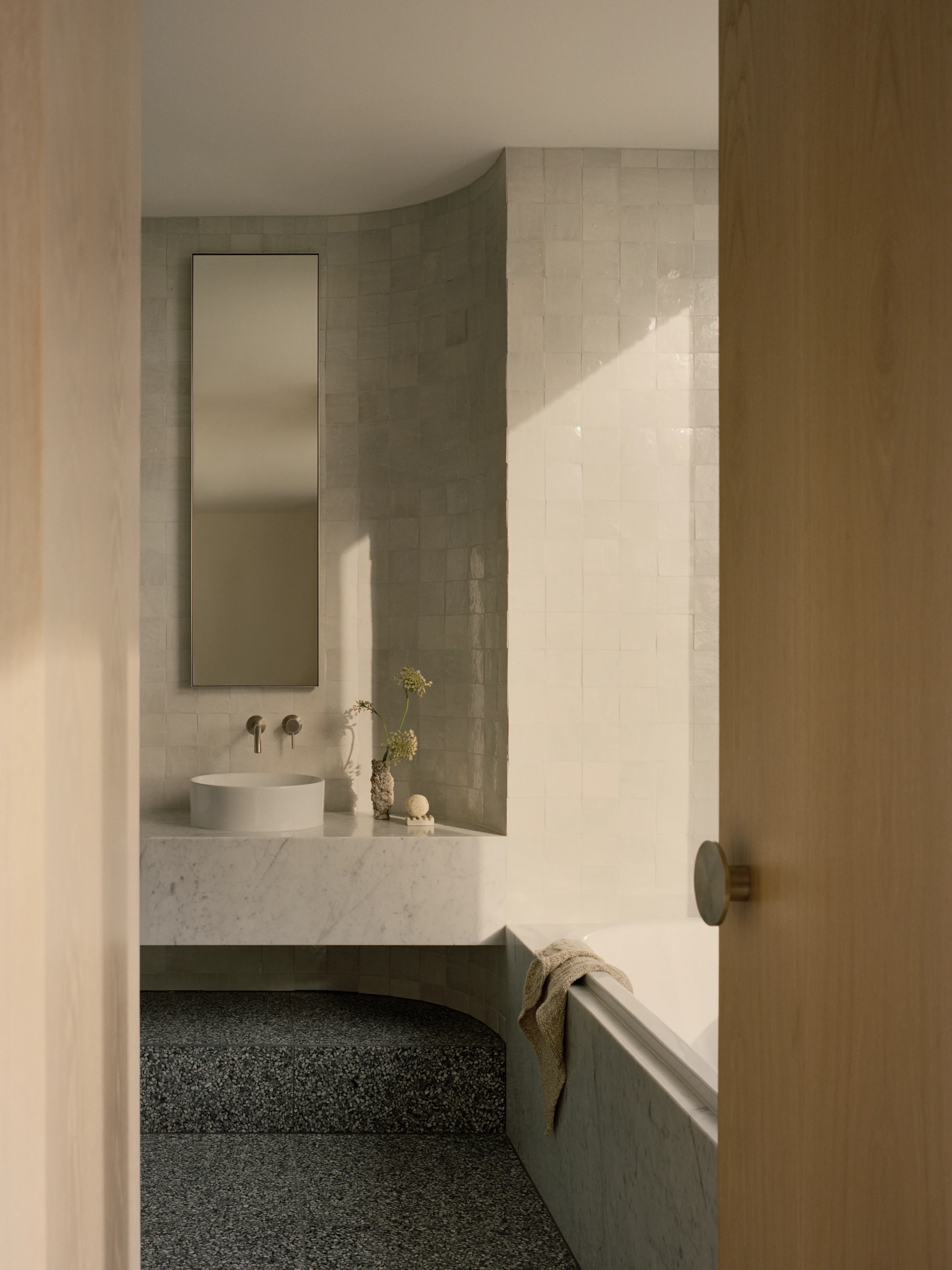
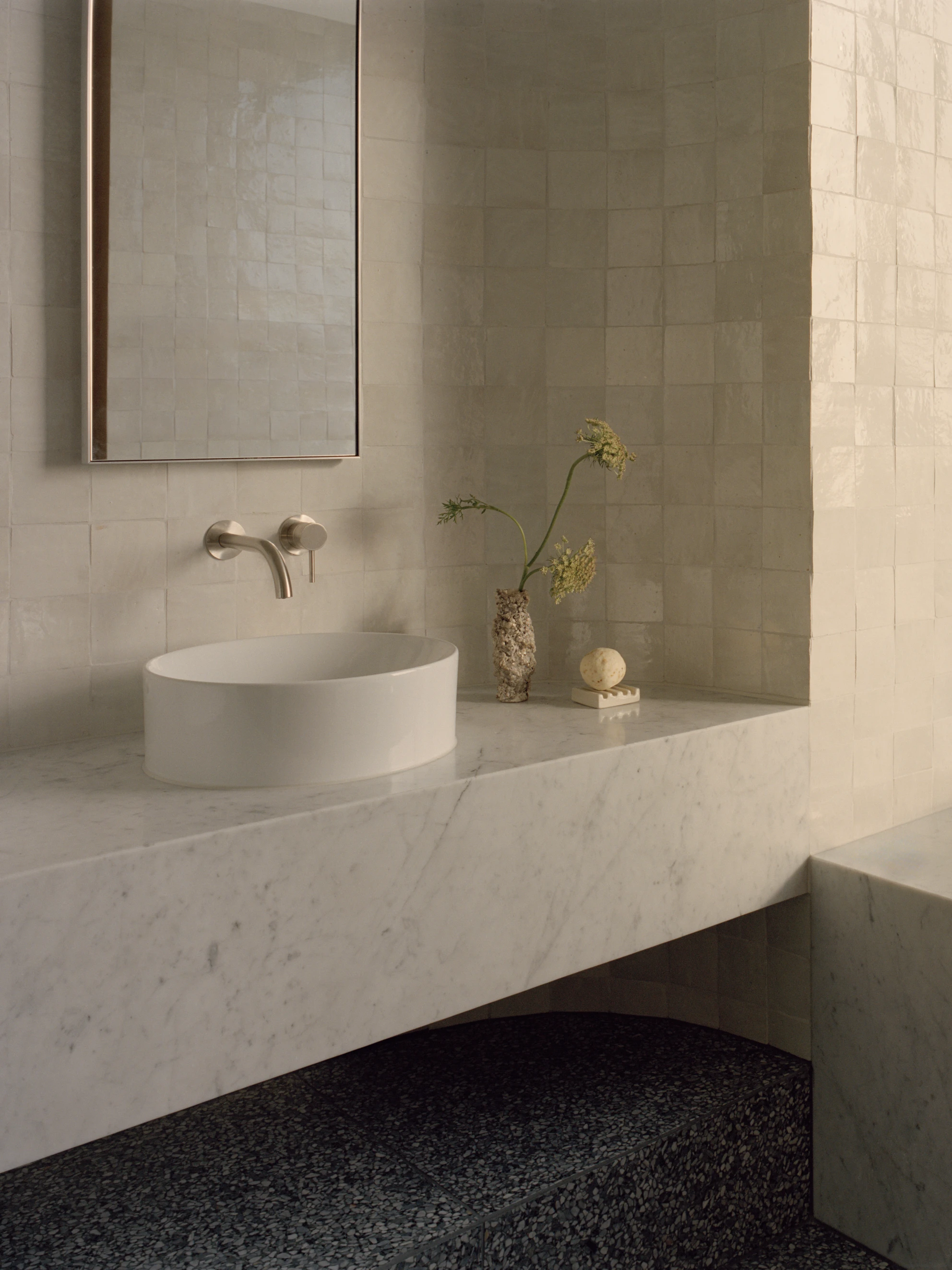
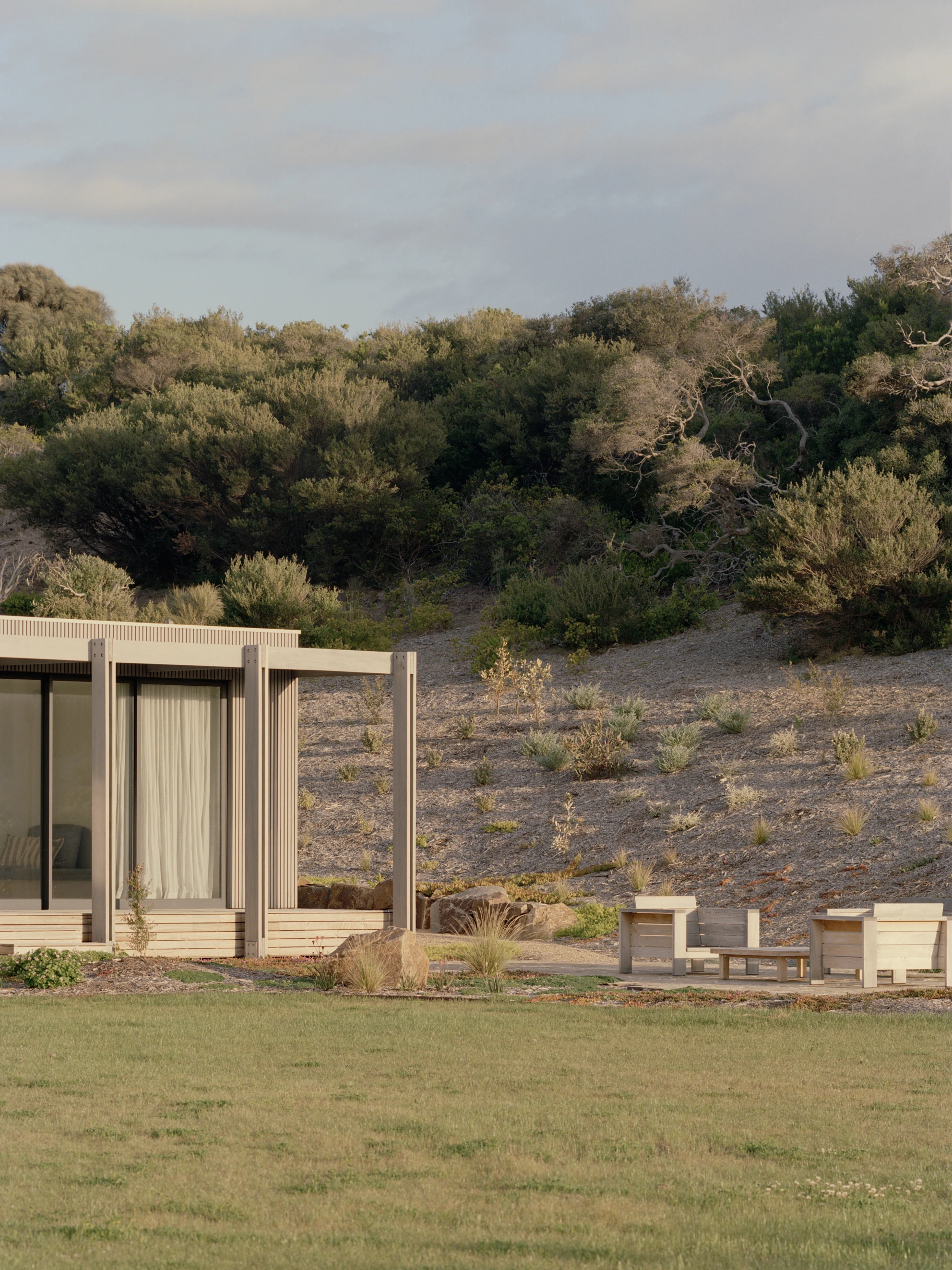
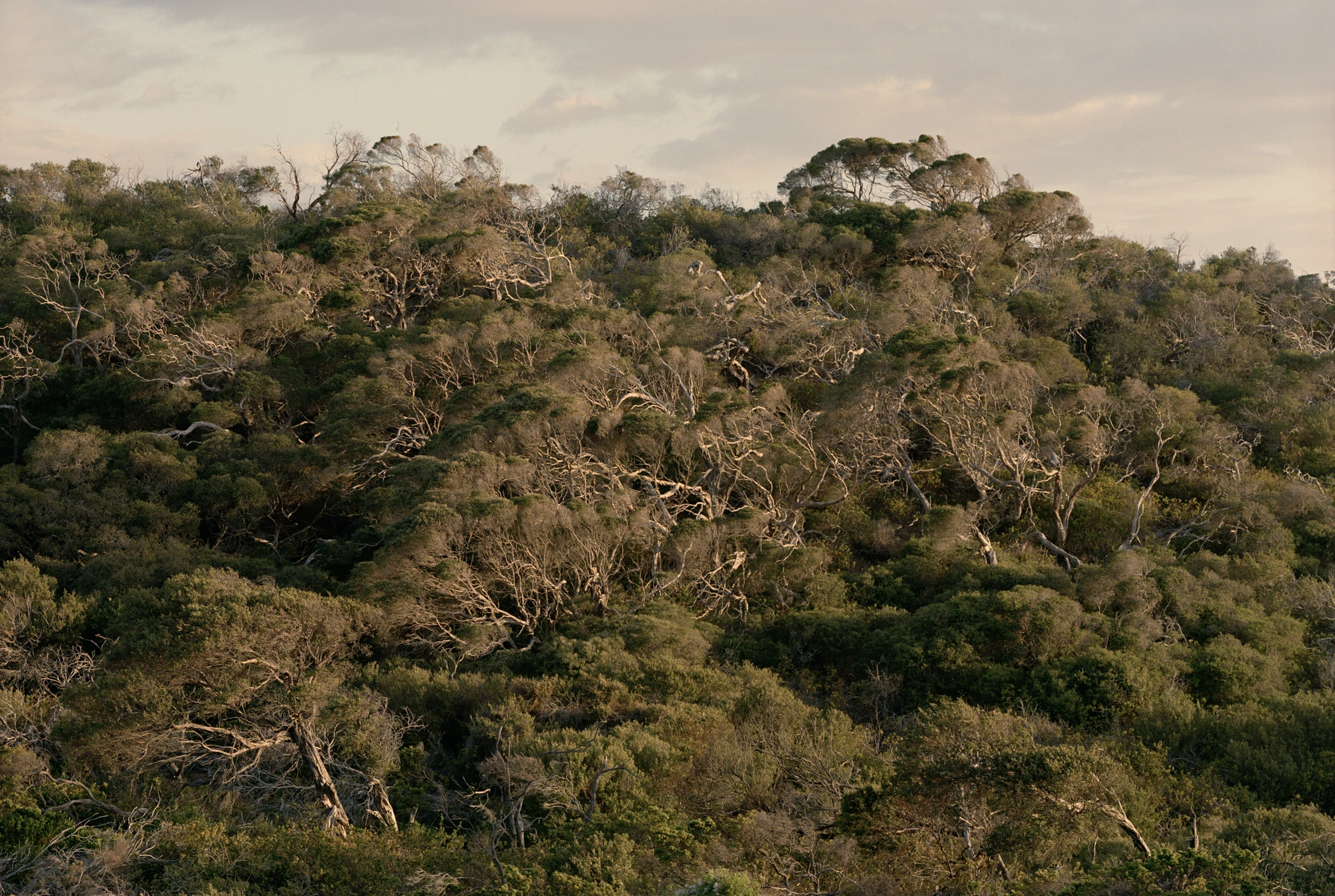
The material palette is sourced from and calibrated against the site's own vocabulary. The off-white render sits over heavily textured brickwork in irregular D-grade recycled bricks — a material choice that simultaneously reduces the embodied carbon of the project and references the sandstone cliffs just beyond the parkland boundary. Greyed timber cladding and the curved walls throughout echo the grey twisting trunks of the Moonah trees. Inside, the blade walls continue in exposed brickwork, and the split-level circulation moves through space that evokes, the architects note, "the experience of walking through sand dunes." Freeform travertine floor tiles define the main living and guest wings; American oak veneer joinery and natural stone complete the interior.

The environmental logic is passive throughout: narrow floor plates with cross-ventilation as the sole source of cooling on the ground floor year-round, operable transom panels above doors for uninterrupted airflow, a thermal mass of recycled brickwork moderating temperature fluctuations. The landscape strategy reconnects the formerly farmed site to native ecology — introducing plants that blur the boundary between garden and national park, regenerating what had been cleared.

Photographer Tasha Tylee documents the house in the shifting coastal light the architects describe as the project's true material — the light that moves across rendered brick and Moonah timber and identifies their correspondence to the landscape they've been drawn from.
Interested in Showcasing Your Work?

If you would like to feature your works on Thisispaper, please visit our Submission page and sign up to Thisispaper+ to submit your work. Once your submission is approved, your work will be showcased to our global audience of 2 million art, architecture, and design professionals and enthusiasts.
No items found.
We love less
but there is more.
Become a Thisispaper+ member today to unlock full access to our magazine, advanced tools, and support our work.
Get two months FREE
with annual subscription
We love less
but there is more.
Become a Thisispaper+ member today to unlock full access to our magazine, advanced tools, and support our work.
Get two months FREE
with annual subscription
No items found.
Alexander Zaxarov
Jun 1, 2026

Three curving blade walls hold a house against the wind of the Mornington Peninsula, where Pandolfini Architects sets Wildcoast House in recycled brick and greyed Moonah timber.

The defining element is the arch that marks the entry: a monolithic rendered brick wall punctured by an organic archway that lifts gently from the native planting at its base. "A glimpse of the home whilst establishing a sense of arrival that is both grounded and enigmatic," the architects describe it. Inside that threshold, the plan divides into three wings — family, living and guest — each bounded by one of the blade walls, converging at a central circulation spine. The tripartite configuration allows the zones to operate independently while remaining connected: an architecture of separation that does not produce isolation.

The material palette is sourced from and calibrated against the site's own vocabulary. The off-white render sits over heavily textured brickwork in irregular D-grade recycled bricks — a material choice that simultaneously reduces the embodied carbon of the project and references the sandstone cliffs just beyond the parkland boundary. Greyed timber cladding and the curved walls throughout echo the grey twisting trunks of the Moonah trees. Inside, the blade walls continue in exposed brickwork, and the split-level circulation moves through space that evokes, the architects note, "the experience of walking through sand dunes." Freeform travertine floor tiles define the main living and guest wings; American oak veneer joinery and natural stone complete the interior.

The environmental logic is passive throughout: narrow floor plates with cross-ventilation as the sole source of cooling on the ground floor year-round, operable transom panels above doors for uninterrupted airflow, a thermal mass of recycled brickwork moderating temperature fluctuations. The landscape strategy reconnects the formerly farmed site to native ecology — introducing plants that blur the boundary between garden and national park, regenerating what had been cleared.

Photographer Tasha Tylee documents the house in the shifting coastal light the architects describe as the project's true material — the light that moves across rendered brick and Moonah timber and identifies their correspondence to the landscape they've been drawn from.
Interested in Showcasing Your Work?

If you would like to feature your works on Thisispaper, please visit our Submission page and subscribe to Thisispaper+. Once your submission is approved, your work will be showcased to our global audience of 2 million art, architecture, and design professionals and enthusiasts.
Thisispaper+
Australian Dwelling
50+ Projects
Web Access
Link to Maps
Architecture in conversation with landscape, climate, heritage, and Country. Retrofitted Federation cottages, coastal plateau pavilions, bushland retreats, floodplain-elevated houses, steep-spur dwellings. Long eaves, deep verandahs, courtyard plans, timber screens — a domestic grammar inherited from Australian modernism, re-argued project by project against sun, wind, flood, and fire.
Explore
Australian Dwelling

Join Thisispaper+
Unlock access to 2500 stories, curated guides + editions, and share your work with a global network of architects, artists, writers and designers who are shaping the future.
Get two months FREE
with annual subscription
Travel Guides
Immerse yourself in timeless destinations, hidden gems, and creative spaces—curated by humans, not algorithms.
Explore All Guides +
Submission Module
Submit your project and gain the chance to showcase your work to our worldwide audience of over 2M architects, designers, artists, and curious minds.
Learn More+
Curated Editions
Dive deeper into carefully curated editions, designed to feed your curiosity and foster exploration.
Off-the-Grid
Jutaku
Sacral Journey
minimum
The New Chair
Explore All Editions +
Atlas
A new and interactive way to explore the most inspiring places around the world.
Interactive map
Linked to articles
300+ curated locations
Google + Apple directions
Smart filters
Subscribe to Explore+
Become a Thisispaper+ member today to unlock full access to our magazine, submit your project and support our work.
Join Thisispaper+Join Thisispaper+
€ 9 EUR
/month
Cancel anytime
Get two months FREE
with annual subscription