The Dutch photographer Mark Rammers arrives in Wijk aan Zee expecting a community under siege — and finds instead a town that knows how to hold warmth and danger in the same hands.
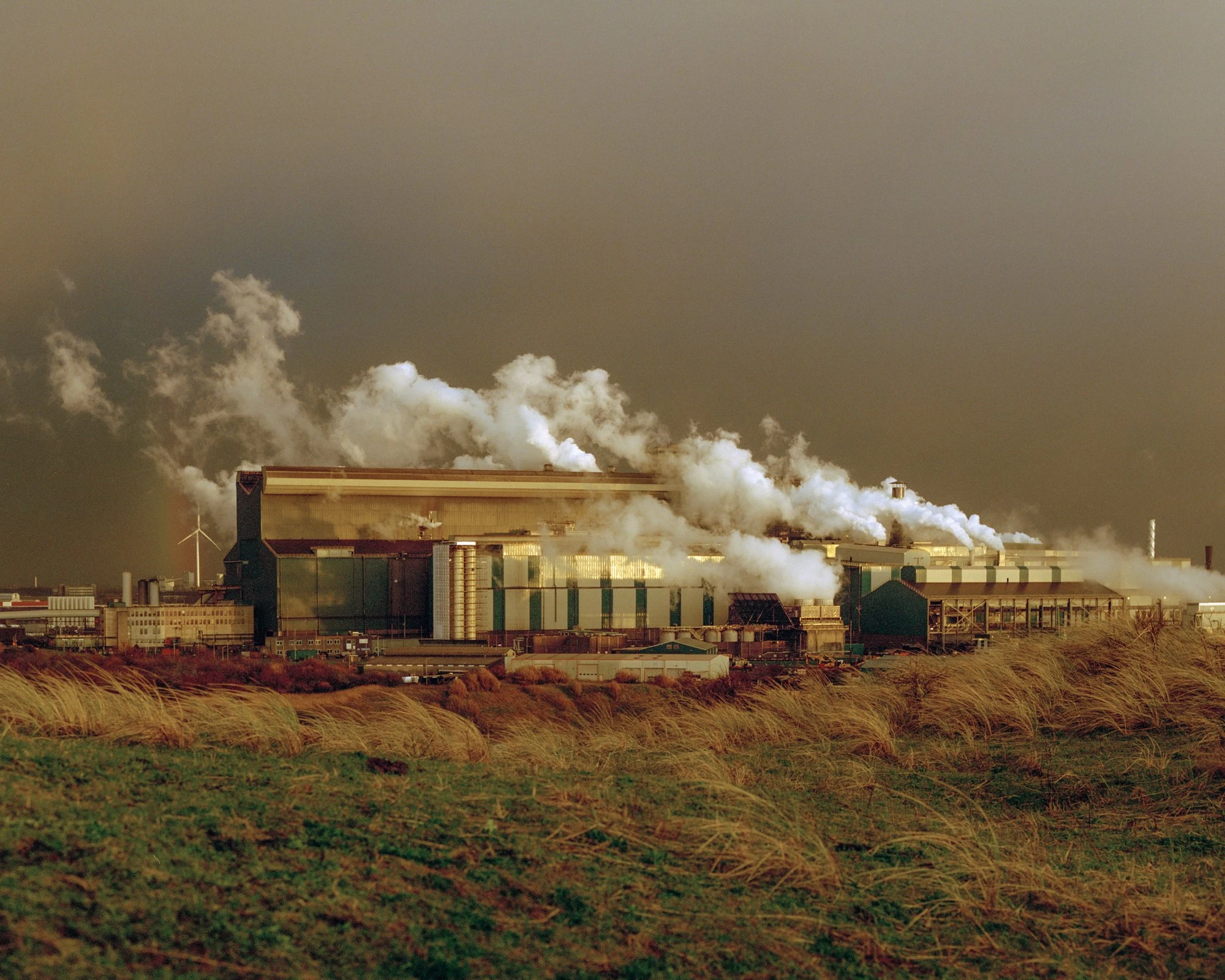
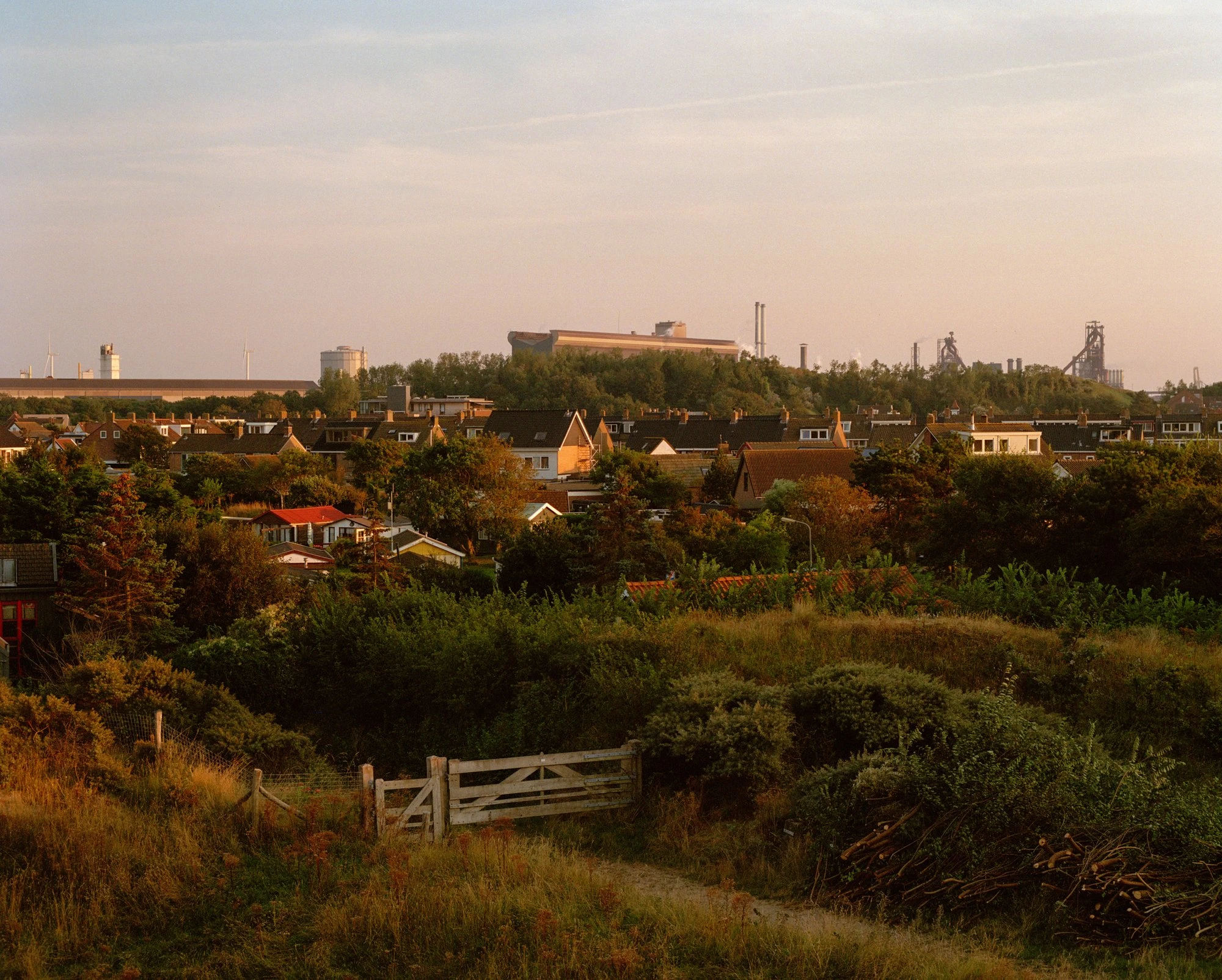
Wijk aan Zee is a Dutch seaside town built on contradiction. Tucked between the grey North Sea and tall dune grasses that dance in the westerly wind, it is also the neighbour of Tata Steel — the largest industrial polluter and number one emitter of greenhouse gases in the Netherlands, which is simultaneously the region's largest employer. The headlines tell one story: a community at the mercy of a steelmaking behemoth, its air contaminated, its future uncertain. What Rammers found when he arrived was something the headlines had not prepared him for.
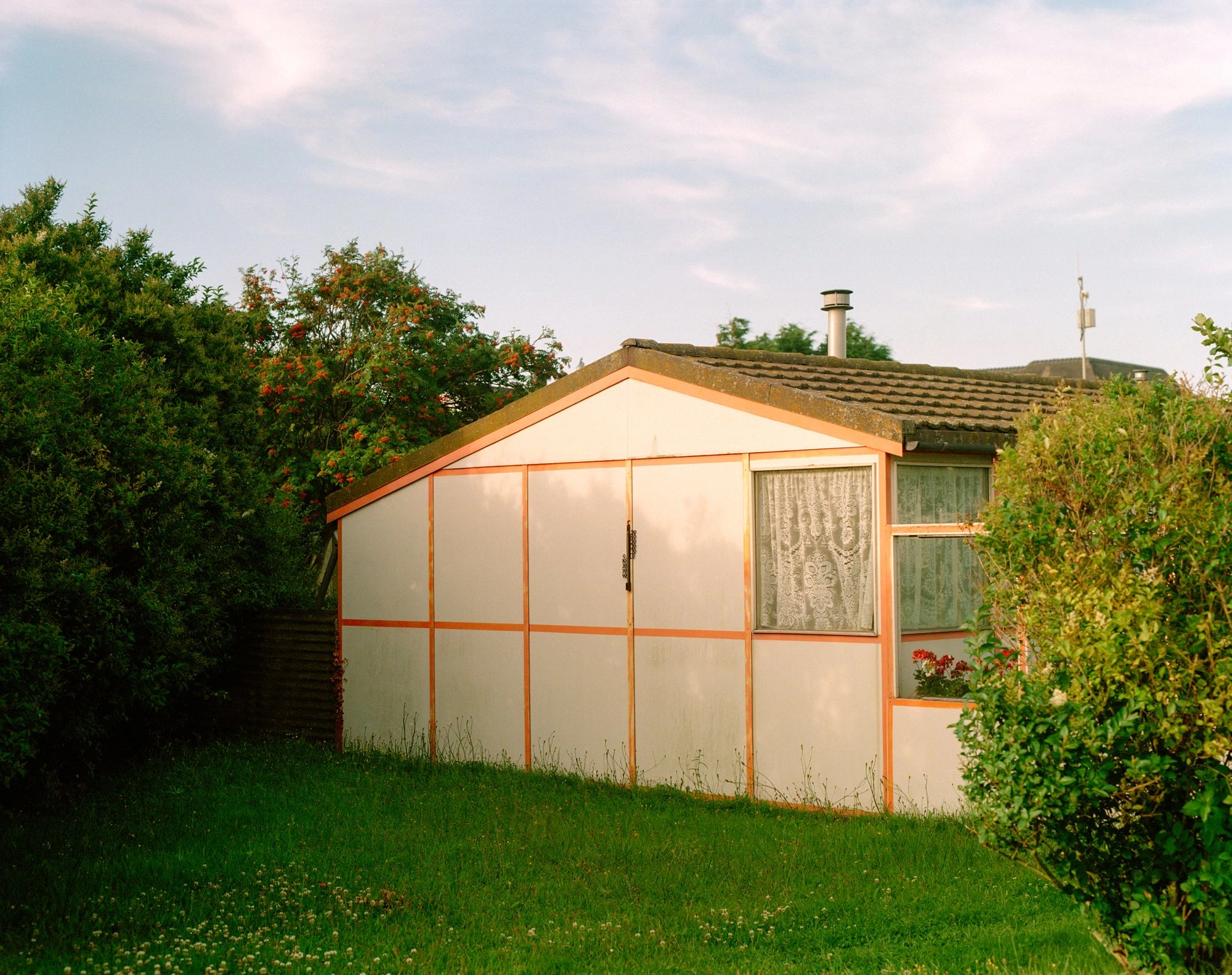
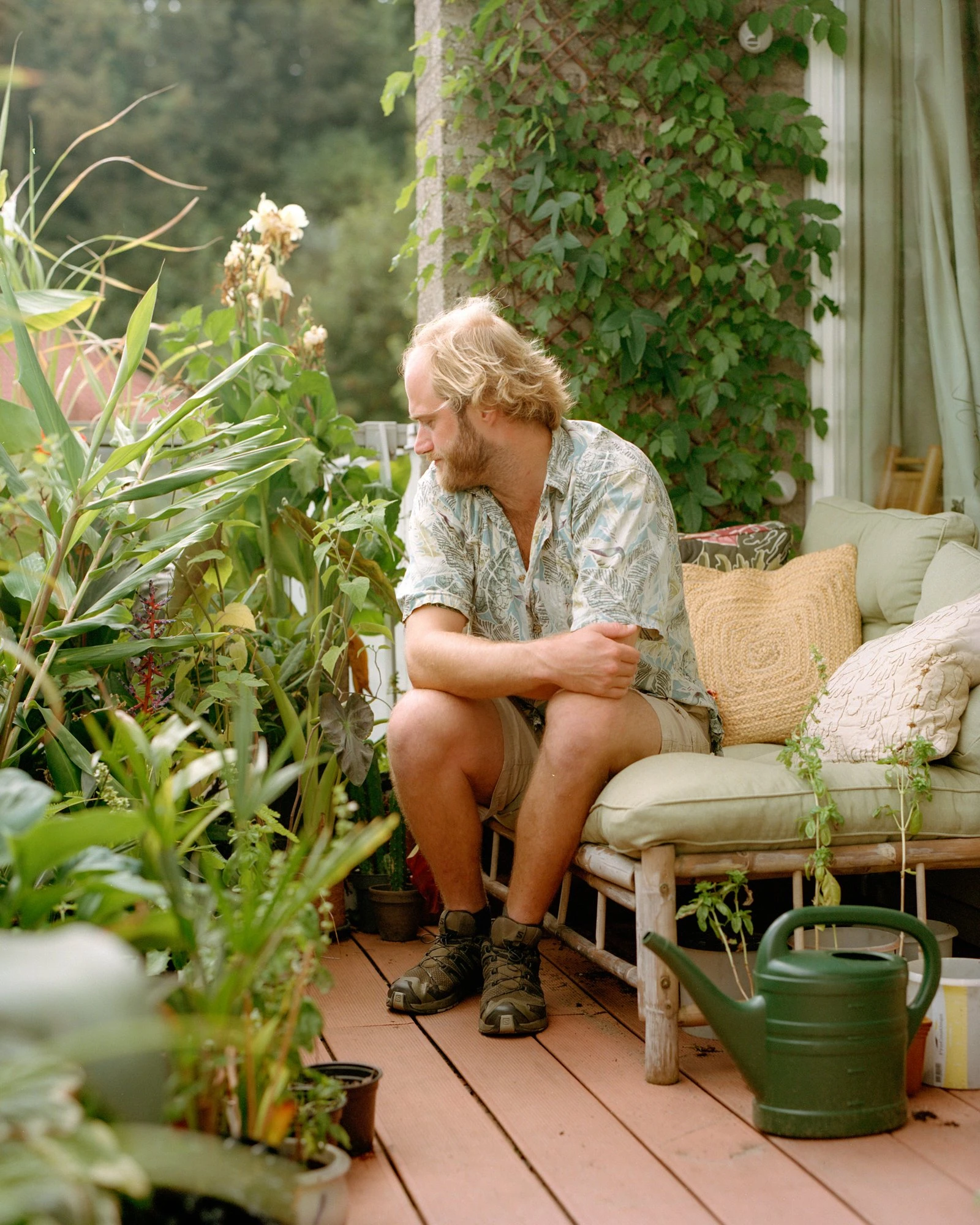
"I expected, after reading all the headlines, to find a village in a state of urgency, at the mercy of a steelmaking behemoth. Instead I found myself in a quiet place nestled between the greys of the North Sea and tall dune grasses dancing in the westerly wind. I was met with kindness and told that living here is bliss." The photographs that make up Wijk (Neighborhood) document this discovery: portraits of residents in well-tended gardens, figures at the shoreline with wind turbines and industrial horizon as backdrop, the church tower rising against a sky that carries, somewhere behind it, the smoke of the mill. There is no irony in these images. There is warmth, and it is earned.
Families have lived in Wijk aan Zee for generations, inextricably linked both to the steel industry and to the surrounding landscape. The care residents invest in their homes, gardens, and shared spaces is evident in every frame — a form of quiet insistence, an assertion that this place is worth inhabiting with intention. "After years of feeling isolated," Rammers writes, "the silence of the landscapes and the warmth of the people in this village finally made me feel at home." The series becomes, in part, a document of the photographer's own sense of belonging as much as his subjects'.
At its core, Wijk asks a question about representation: what happens to a community when its story is told entirely through the lens of conflict? "The focus on conflict leaves little room to get to know the people behind the news," Rammers notes, "with the risk of blanketing an entire community with a generalising blanket." His photographs refuse this reduction. They attend to the particular: the man in a cloud-patterned fleece who faces the North Sea as though in conversation with the wind; the lush enclosed garden that keeps the world at bay; the afternoon light that falls on brick and grass without asking permission from the factory behind.
Wijk (Neighborhood) was published on LensCulture. It is a series about the gap between a place's public image and its lived reality — and about what documentary photography can do when it chooses attentiveness over urgency, staying with a community long enough to learn its texture.