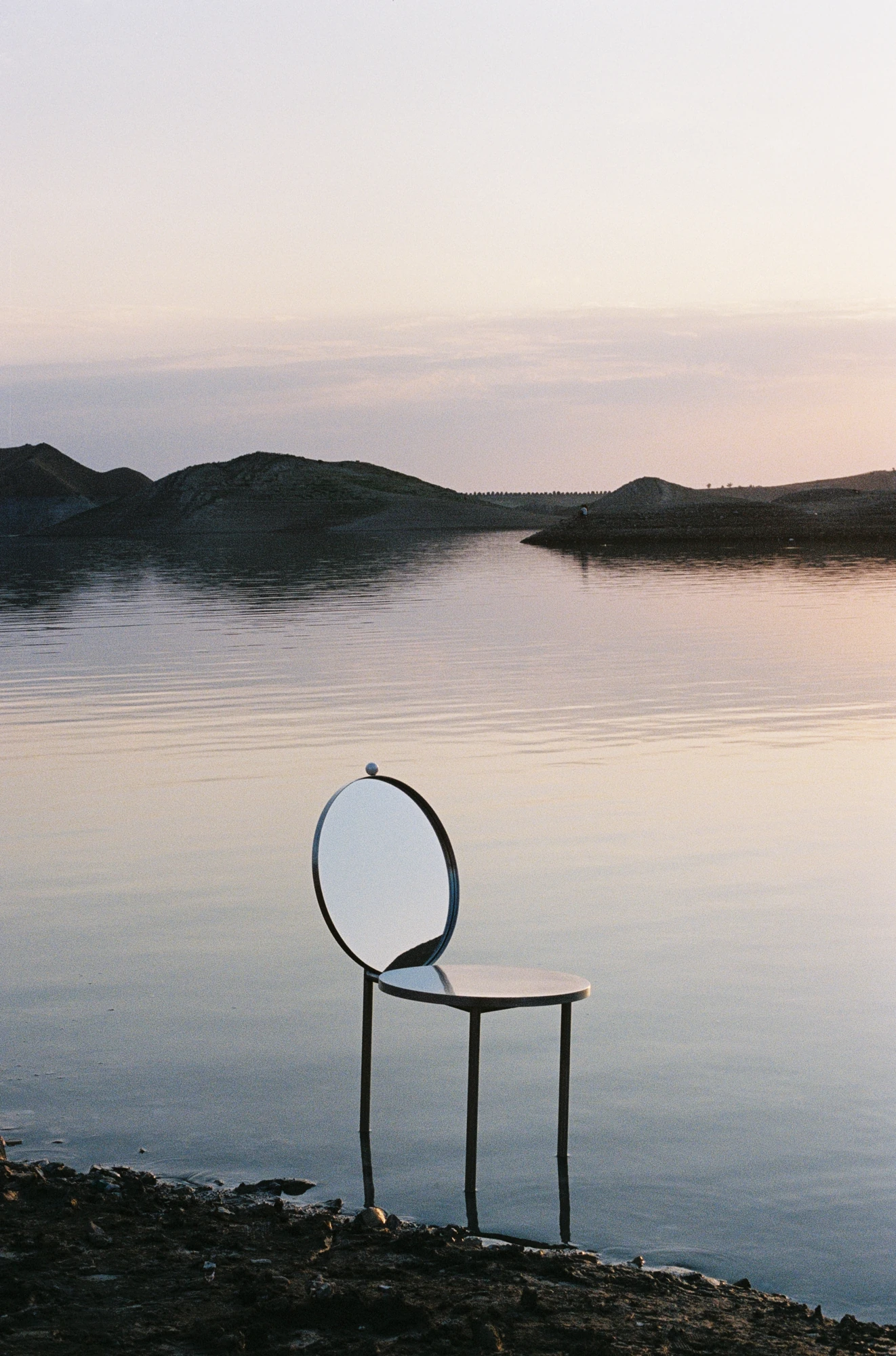
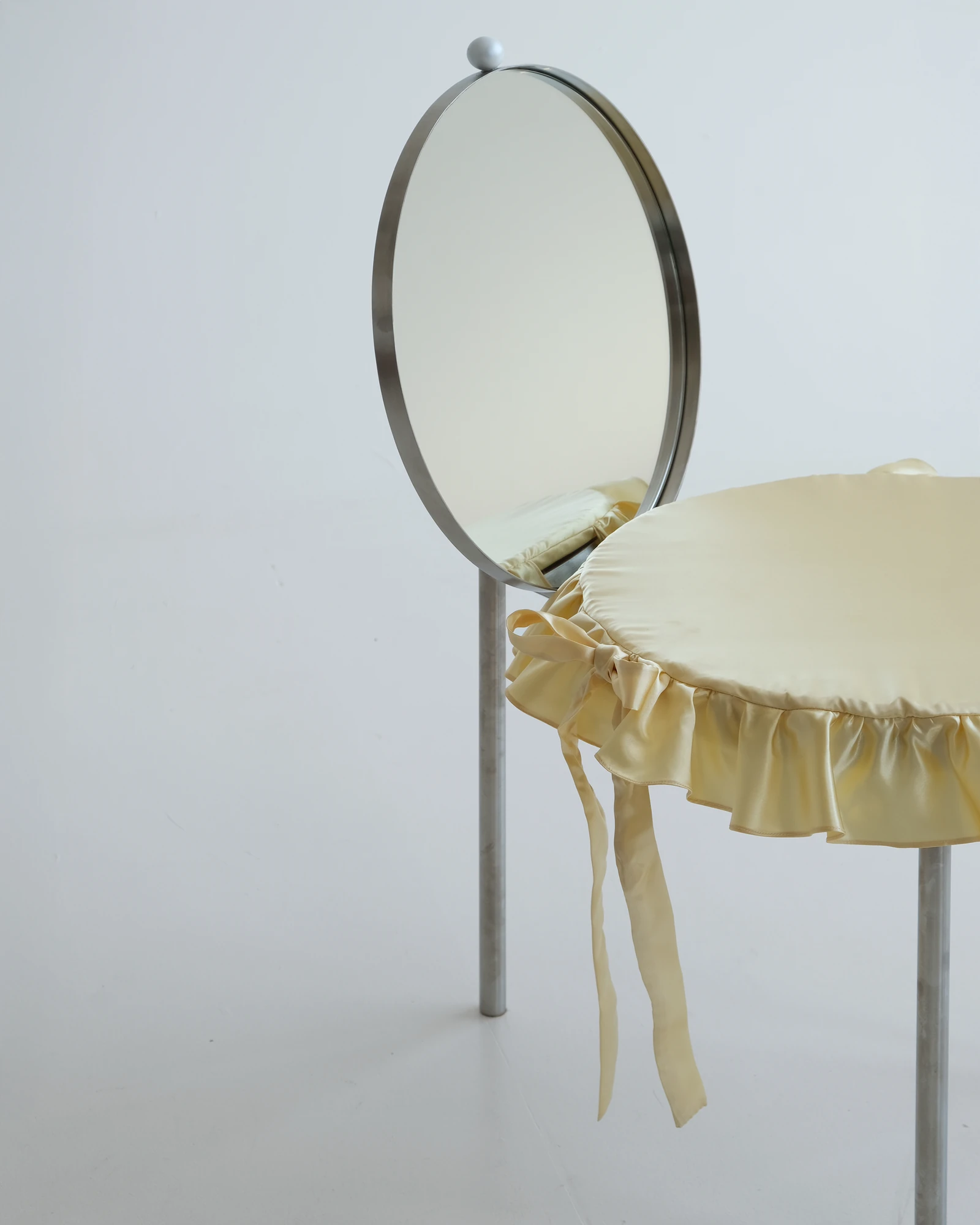
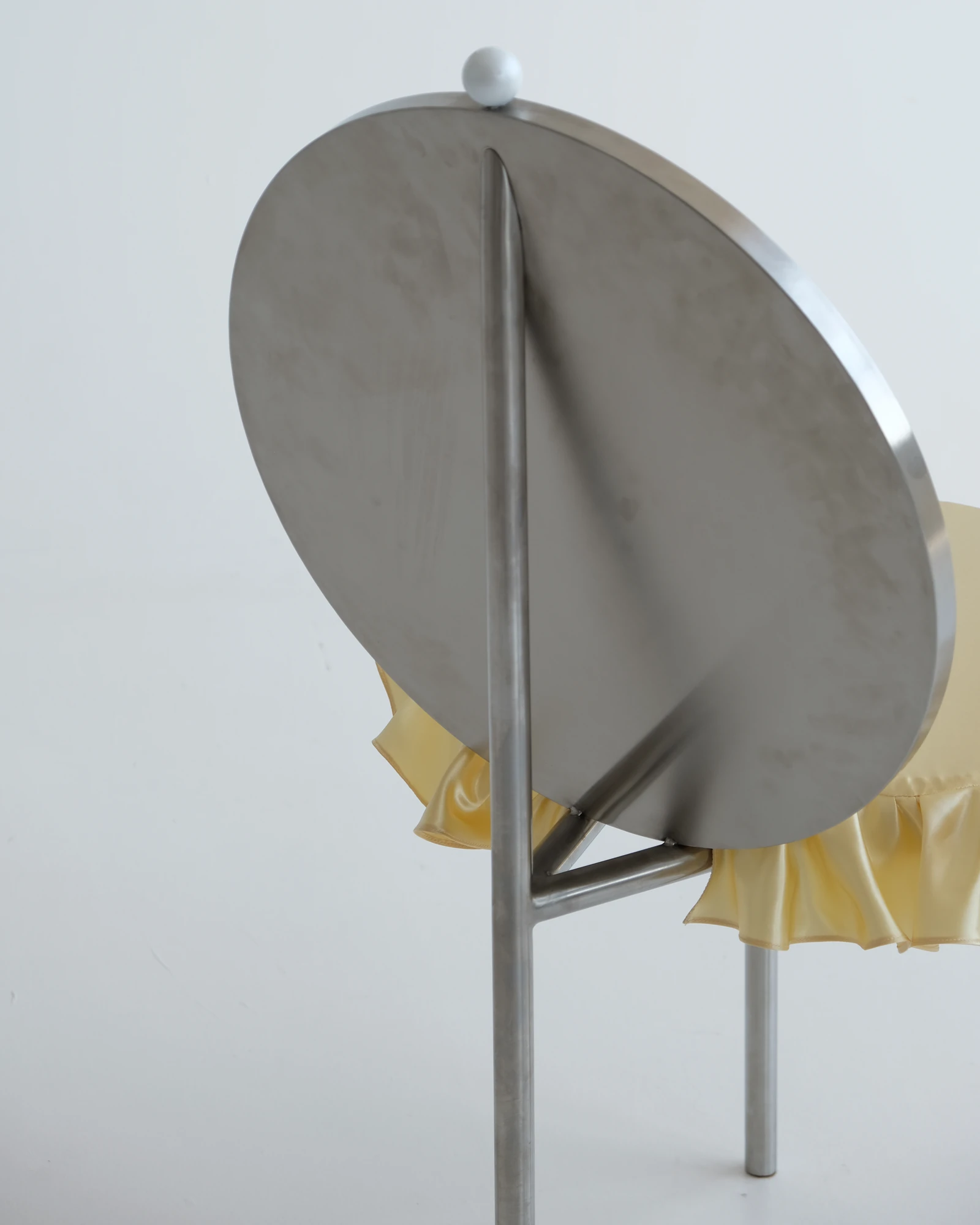
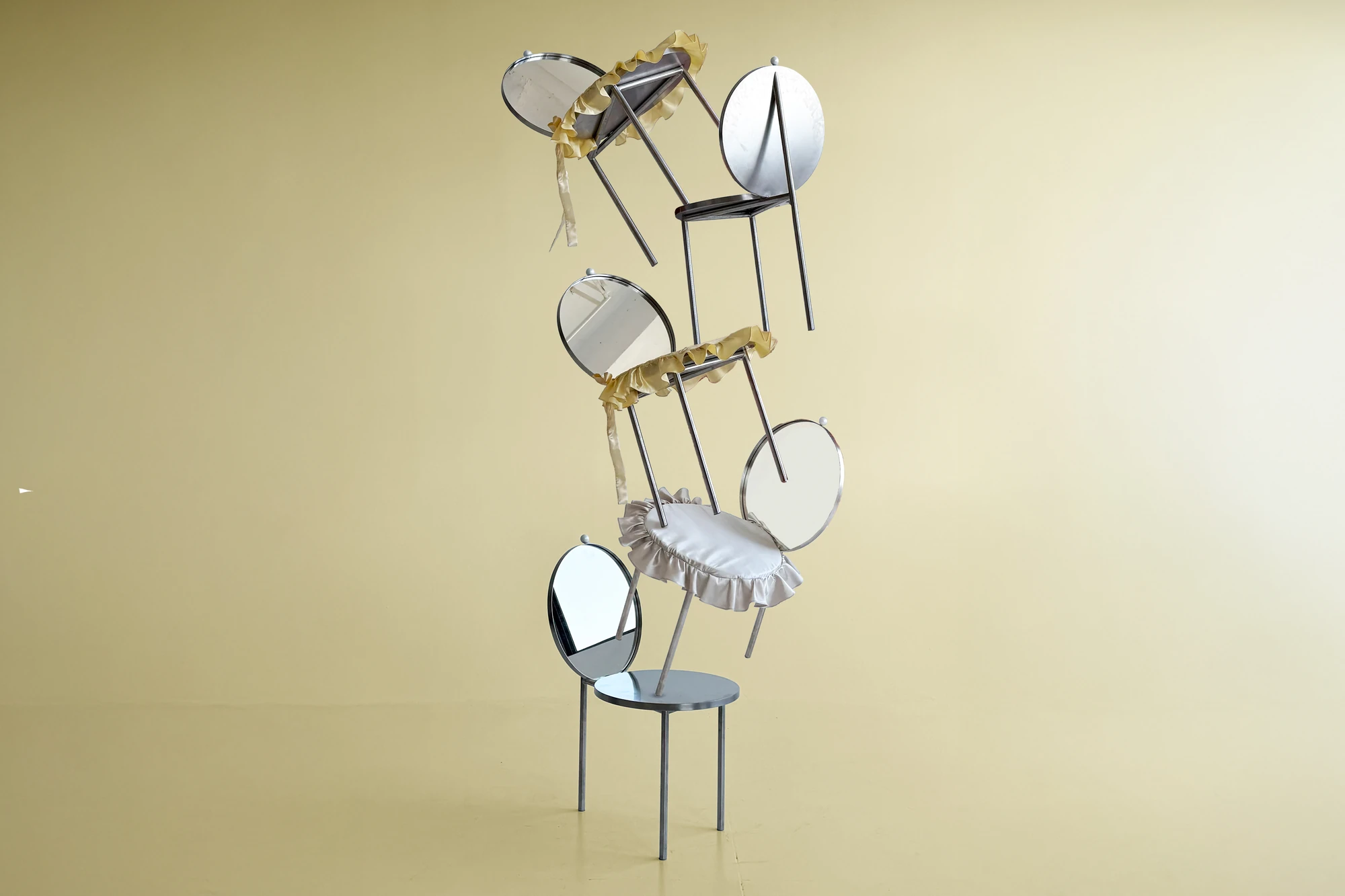
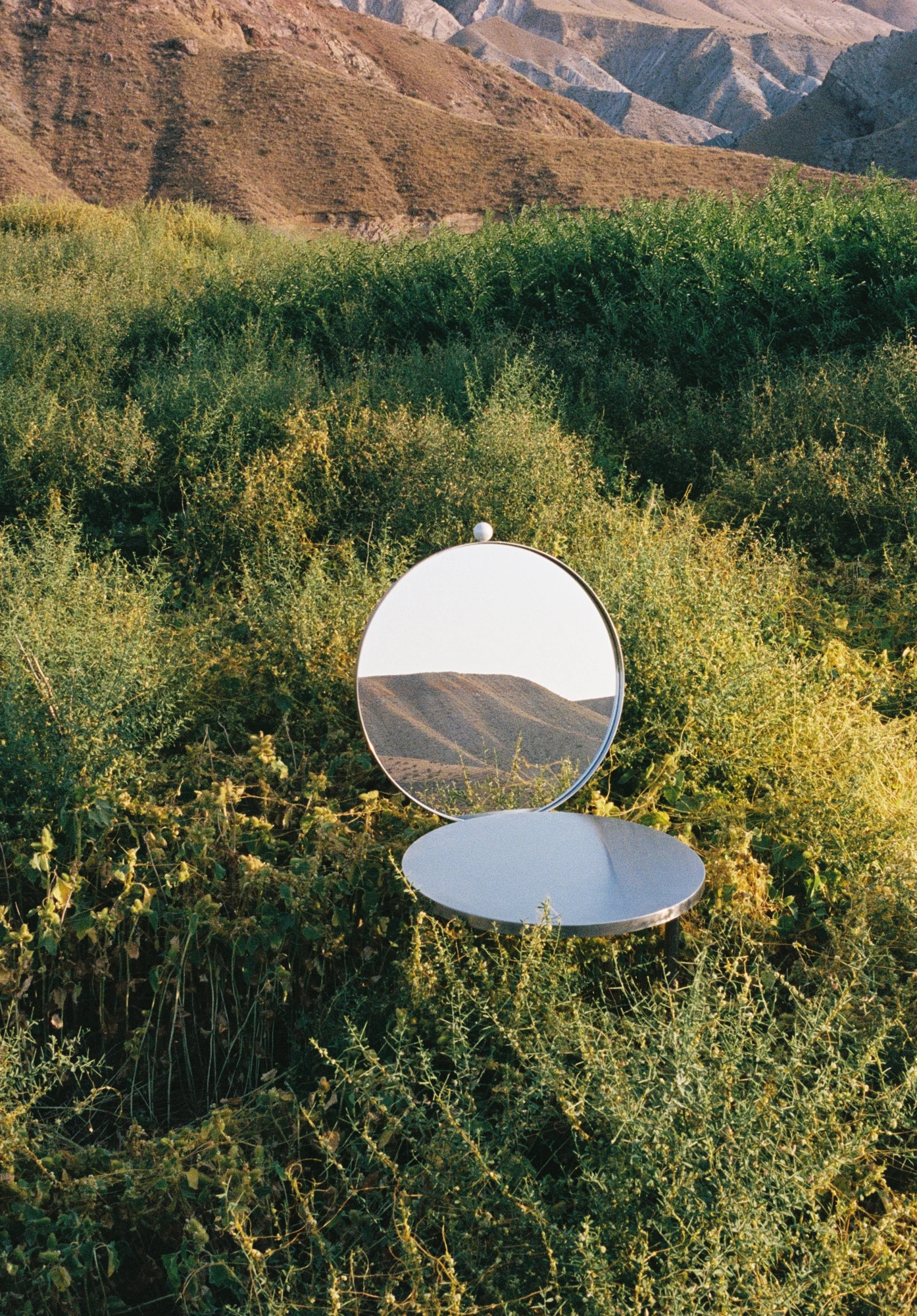
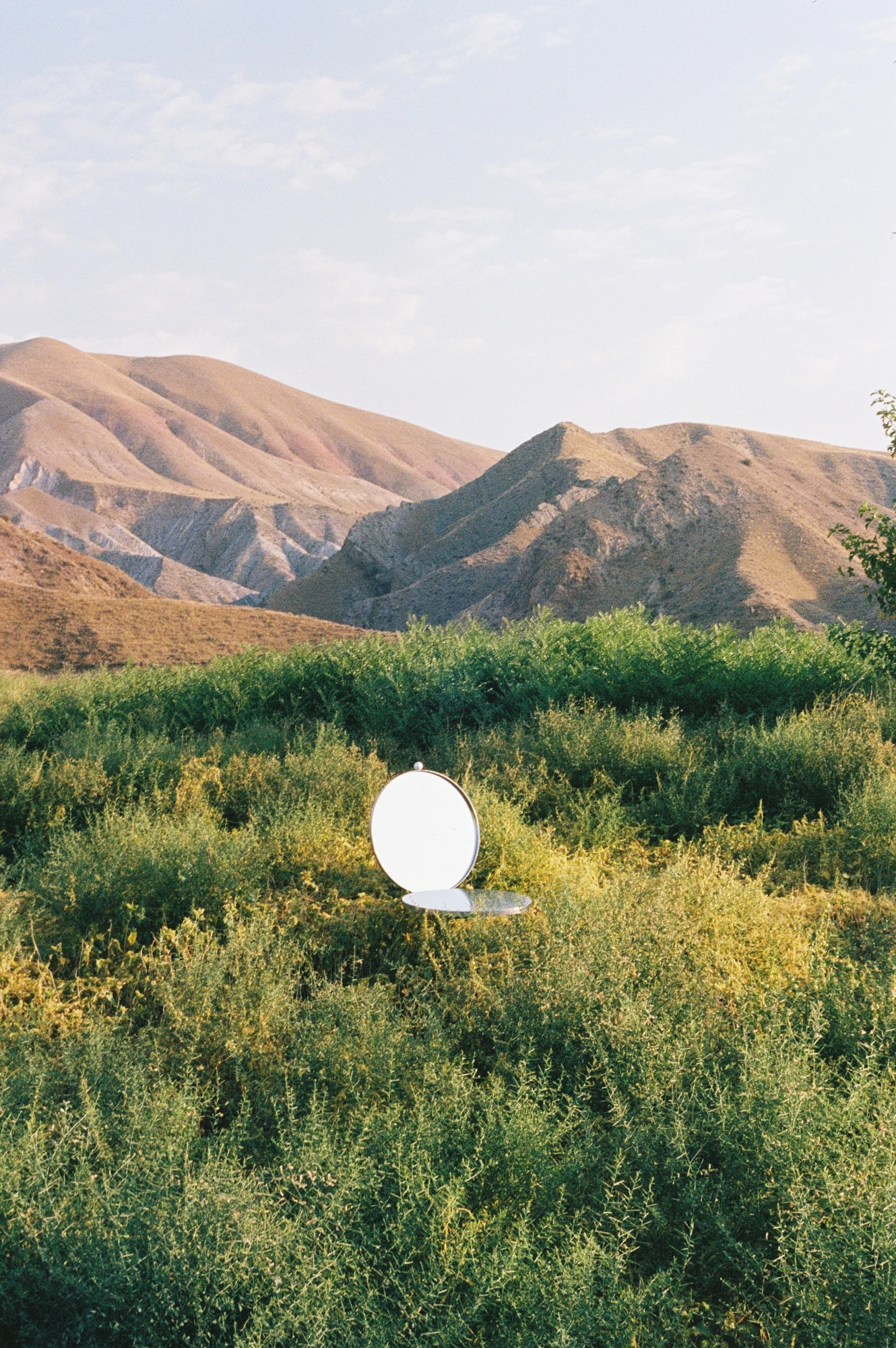
In Yerevan, designer Shushana Khachatrian of Studio Shoo builds The Woman's Chair, a sculptural seat on three stainless-steel legs whose angled backrest refuses to let anyone recline.
The Woman's Chair looks, at first, like a piece of furniture that wants to please. Shushana Khachatrian, the designer behind Studio Shoo, built it to do the opposite. It is a sculptural object about the pressures placed on women, and its function “deliberately resists comfort, turning the familiar act of sitting into a physical and symbolic experience.”
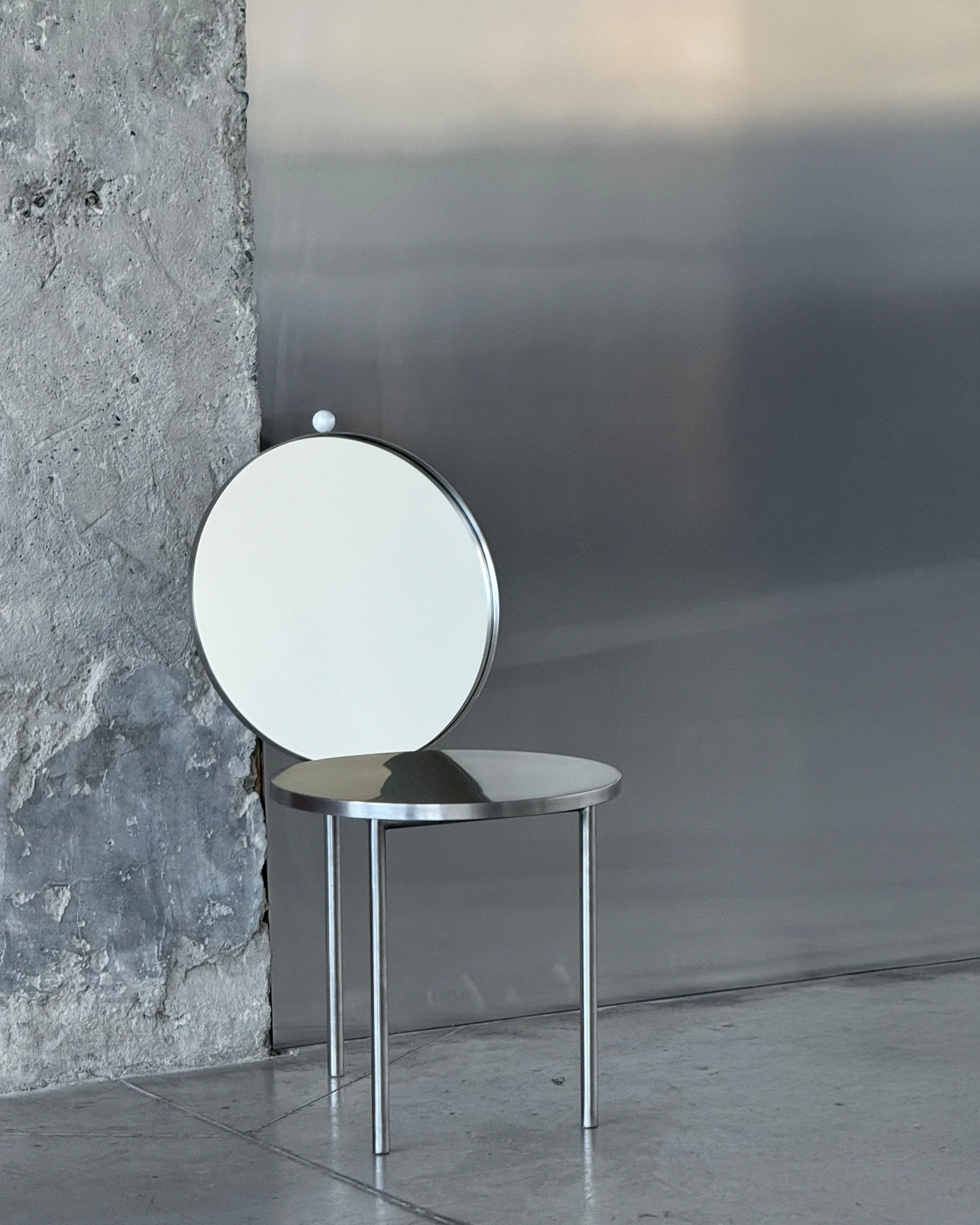
The seat rests on three stainless-steel legs, a count that introduces a subtle sense of instability. The backrest is angled so the sitter cannot lean into it, holding the body upright. Khachatrian reads those limits as the demands a woman is taught to meet: “to sit still, remain composed, occupy space carefully, and adapt themselves to expectations imposed by culture and society.”
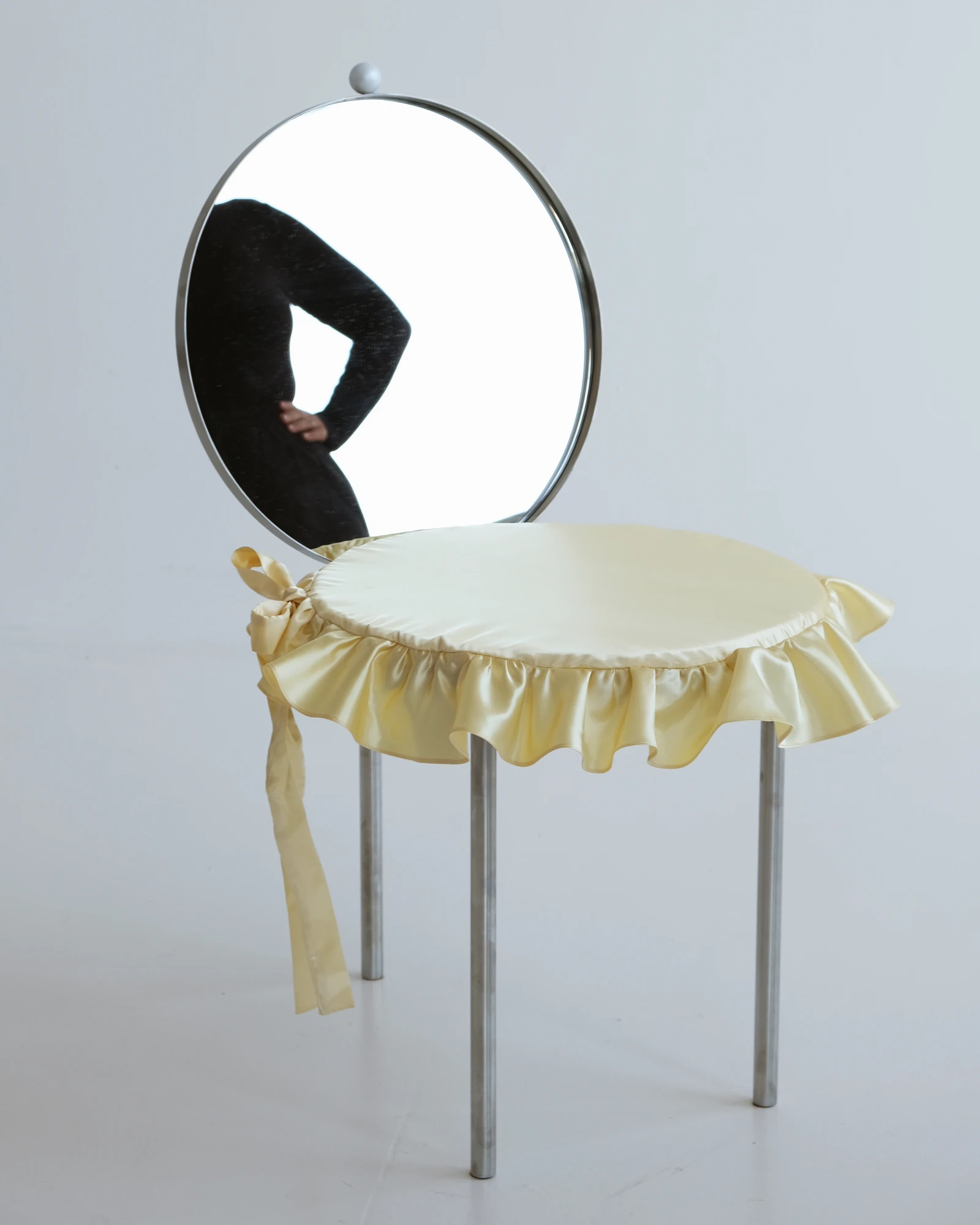
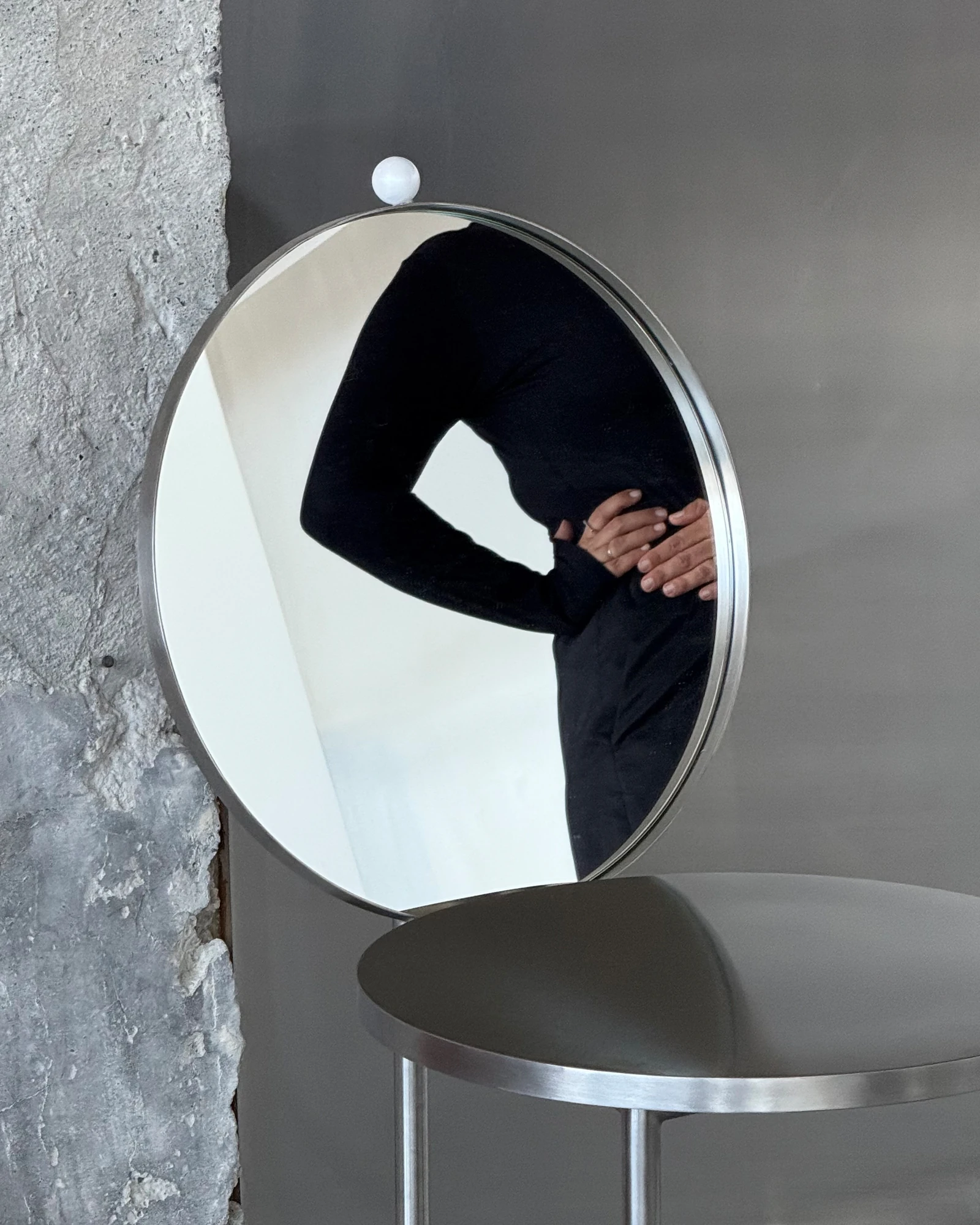
Set into the backrest is a mirror. It returns only a fleeting reflection, one that disappears the moment the sitter moves, so it never settles into a portrait. Rather than showing the person seated, it stands in for visibility, identity, and control, and for how quickly perception can shift.
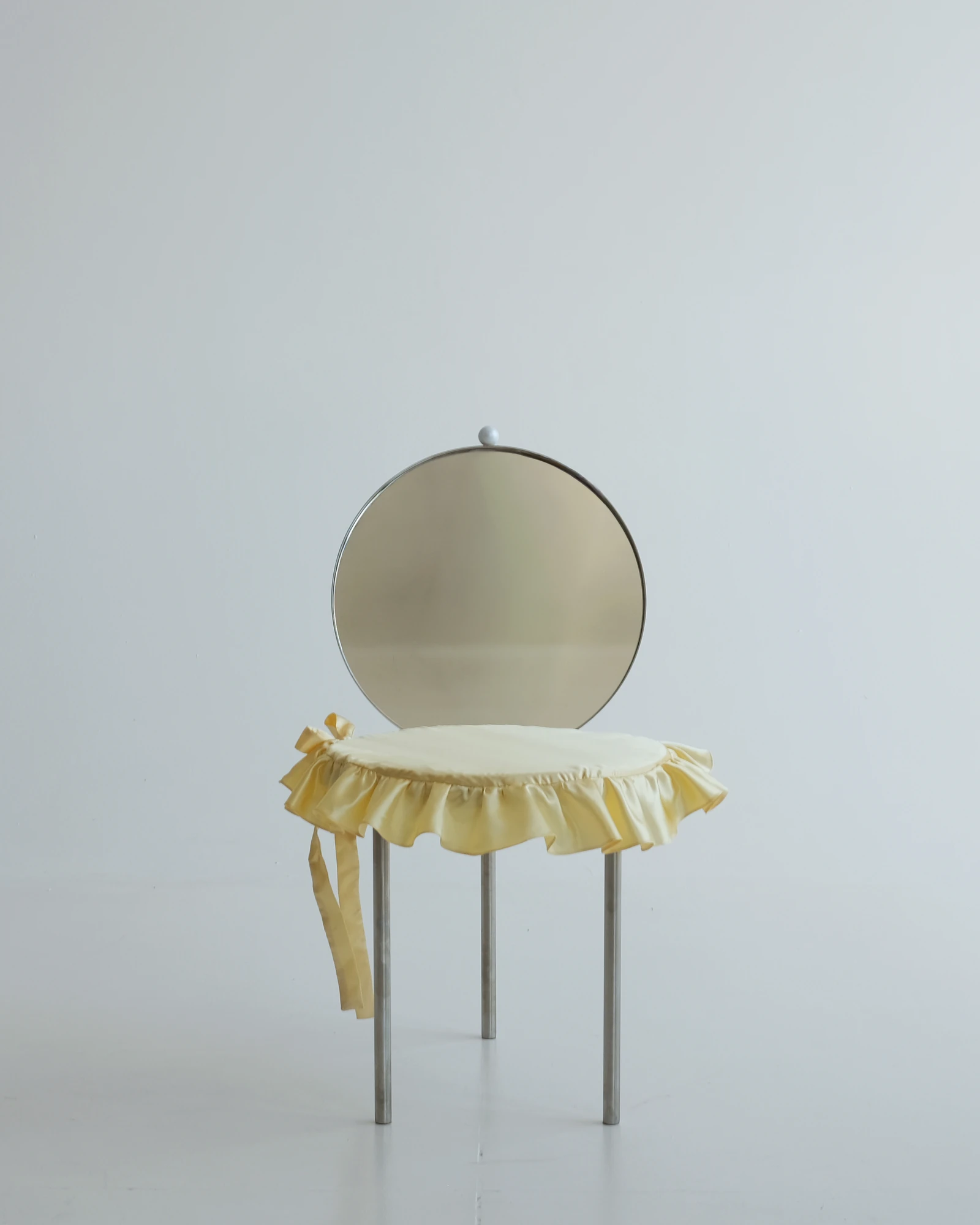
The material palette carries the same argument. Stainless steel was chosen for its strength and durability, a hard structural frame. Against it, the seat can be dressed with a satin cushion finished in frills, its softness an intentionally unexpected note. The frilled satin suggests ornament, the metal resistance, and together they hold the contradictory demand on women to be “simultaneously strong yet gentle, visible yet restrained, confident yet composed.”
Canate, an Armenian furniture manufacturer, translated the concept into a built object, and the satin cushion was handmade by fashion designer Hrachuhi Martirosyan, giving the piece an artisanal edge. The Woman's Chair sits between furniture, sculpture, and social commentary. Its discomfort is the point, a physical manifestation of the invisible boundaries that continue to shape how women are encouraged to occupy the world.