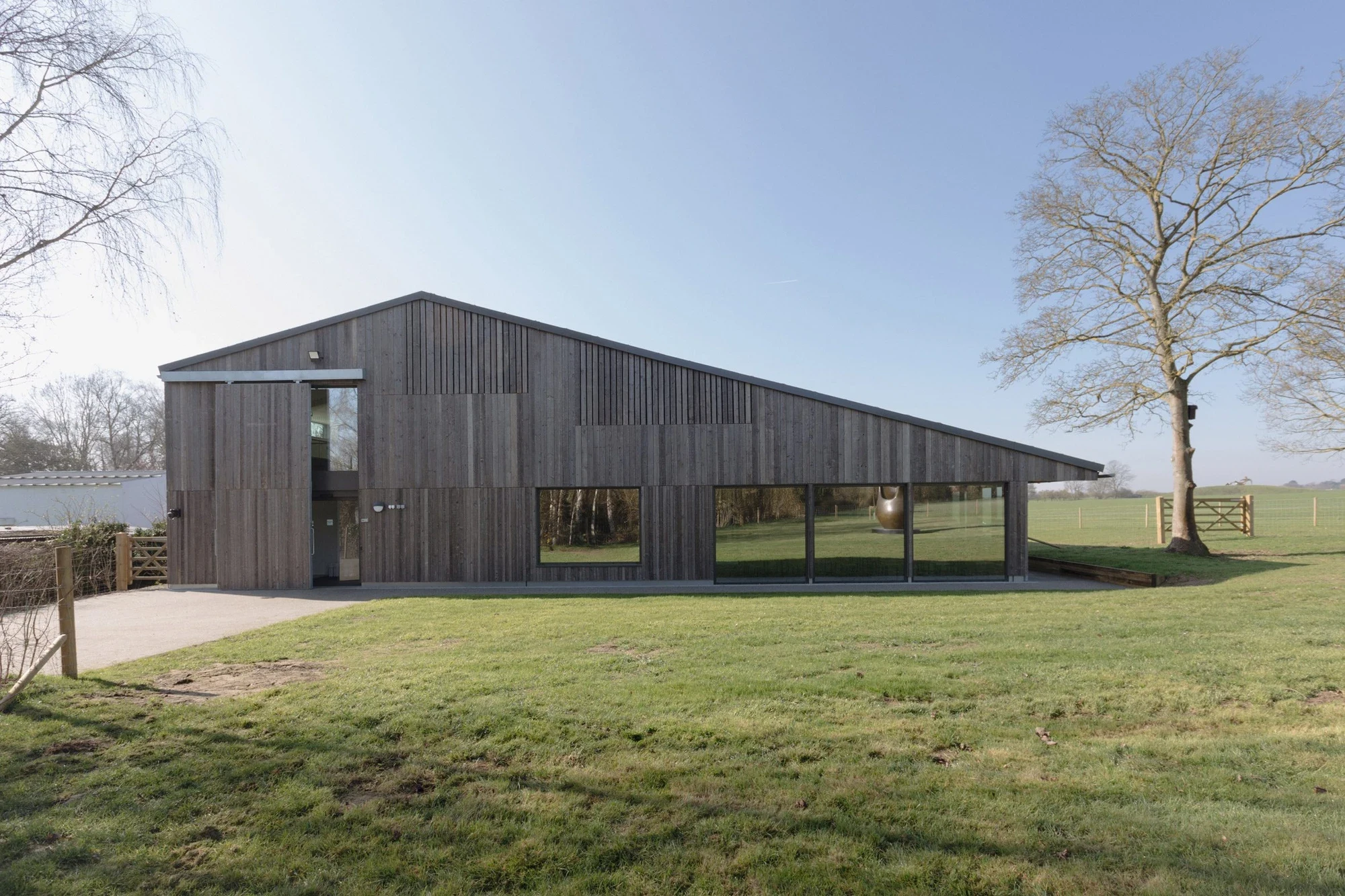
In the Hertfordshire countryside, DSDHA converts a working farm barn at Henry Moore Studios & Gardens into an exhibition space — extending the sculptor's estate into a building that holds the same material honesty Moore valued in stone.
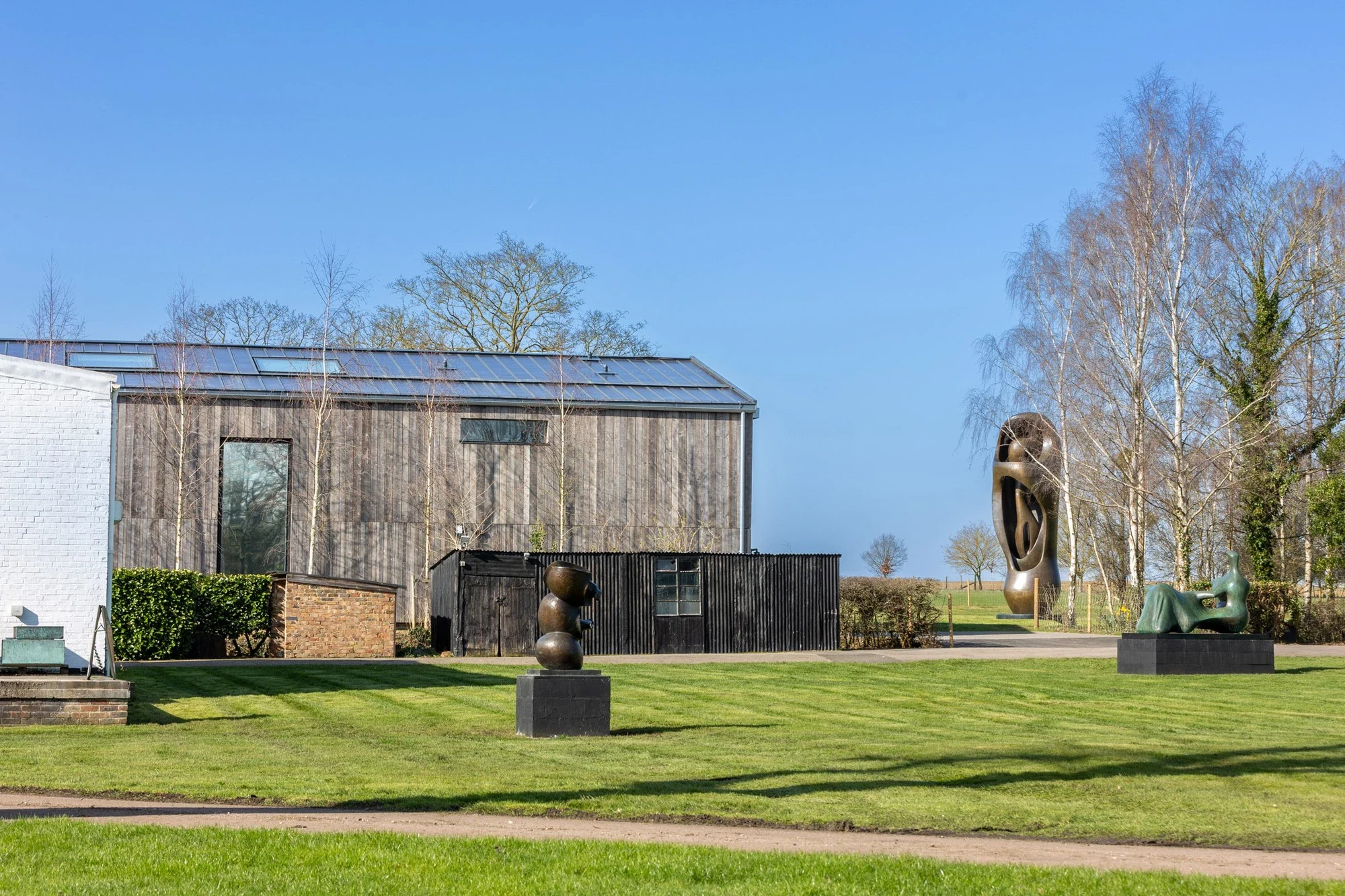
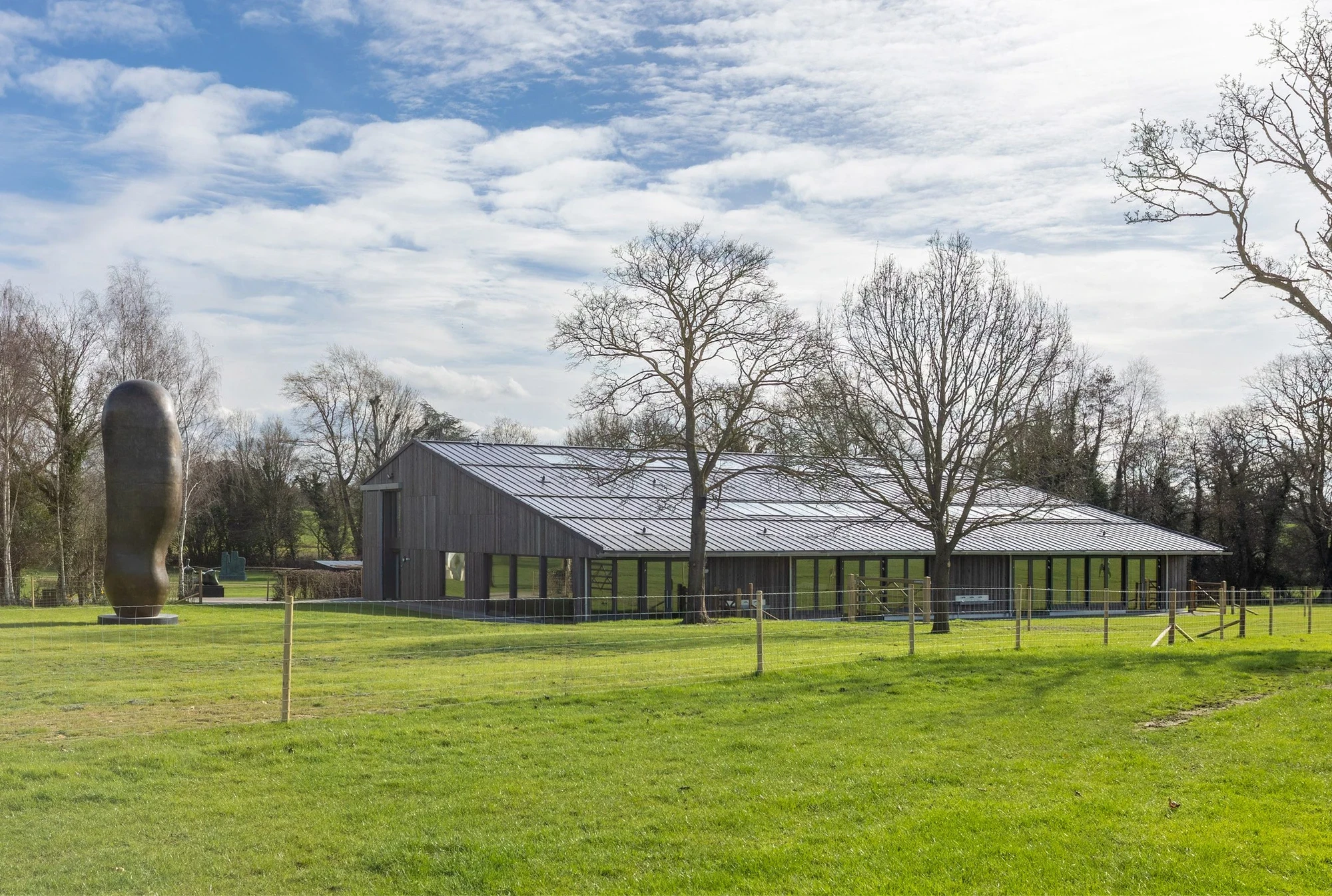
Henry Moore worked at Perry Green for over four decades. The estate accumulated studios, maquette rooms, and open fields where large bronzes sit in grass that has grown around them long enough to feel permanent. The landscape is the work in an important sense: the positioning of the sculptures within it, the relationship between human scale and the English countryside, the way weather changes a bronze surface over decades. Any new building here is, unavoidably, in conversation with all of this.
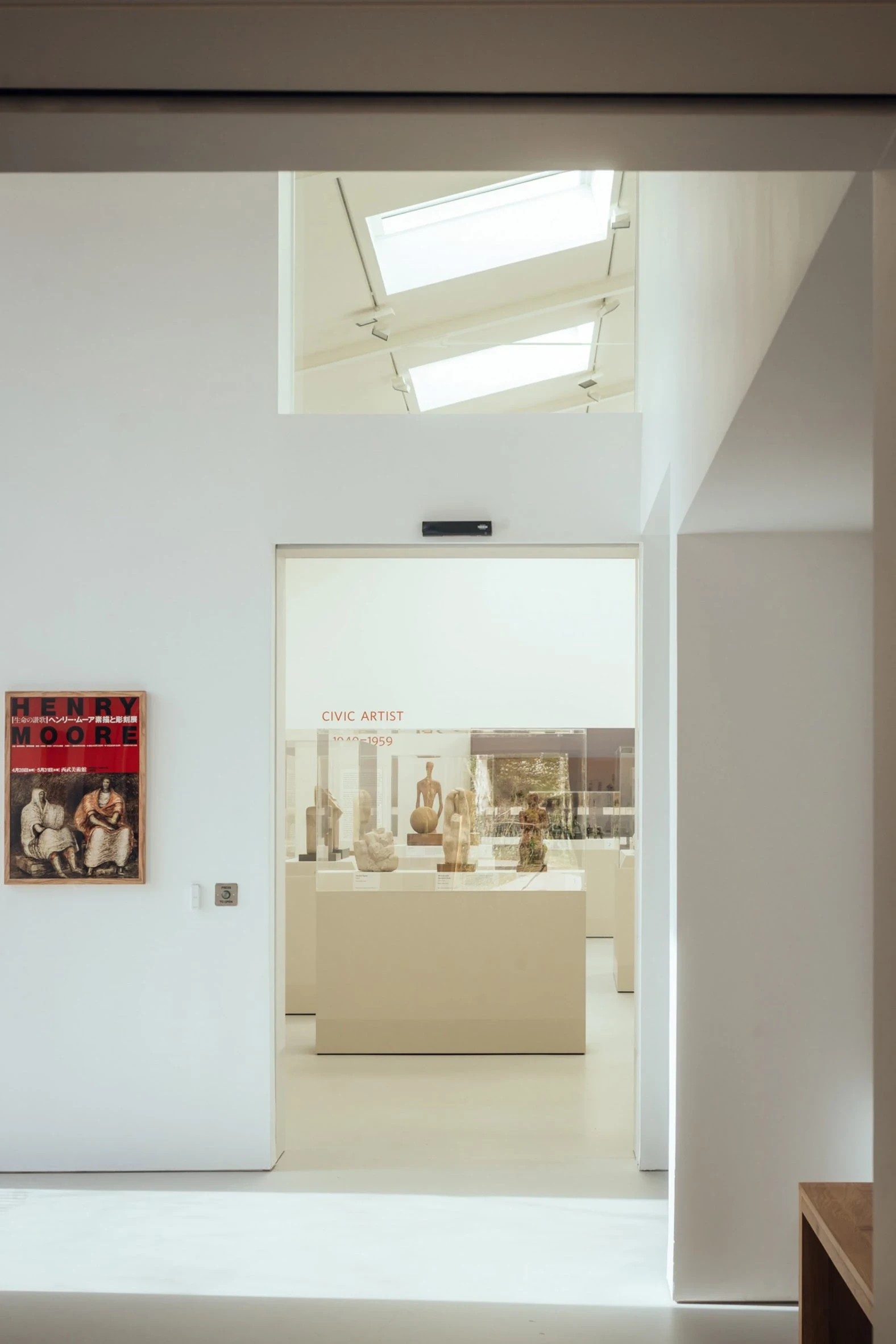
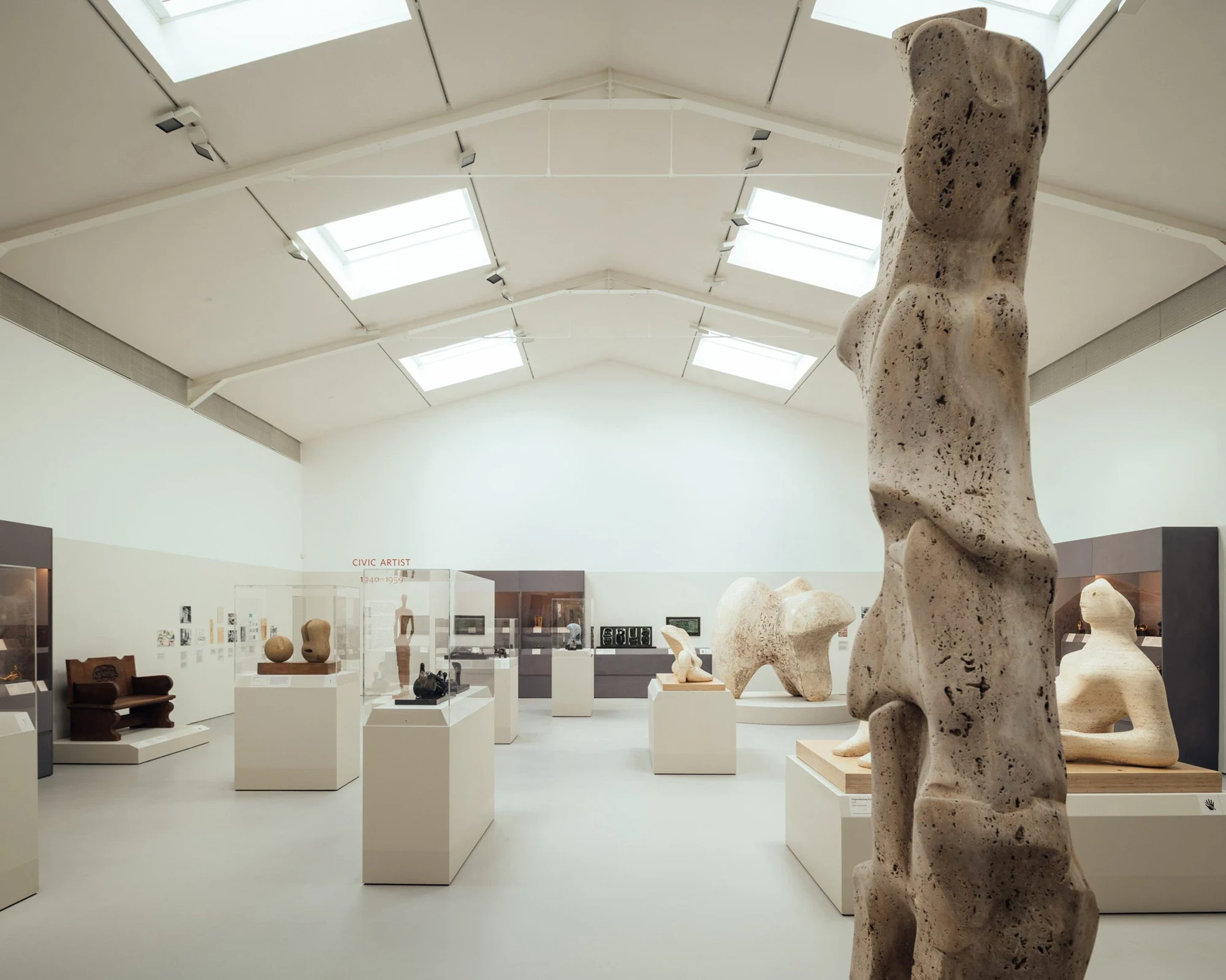
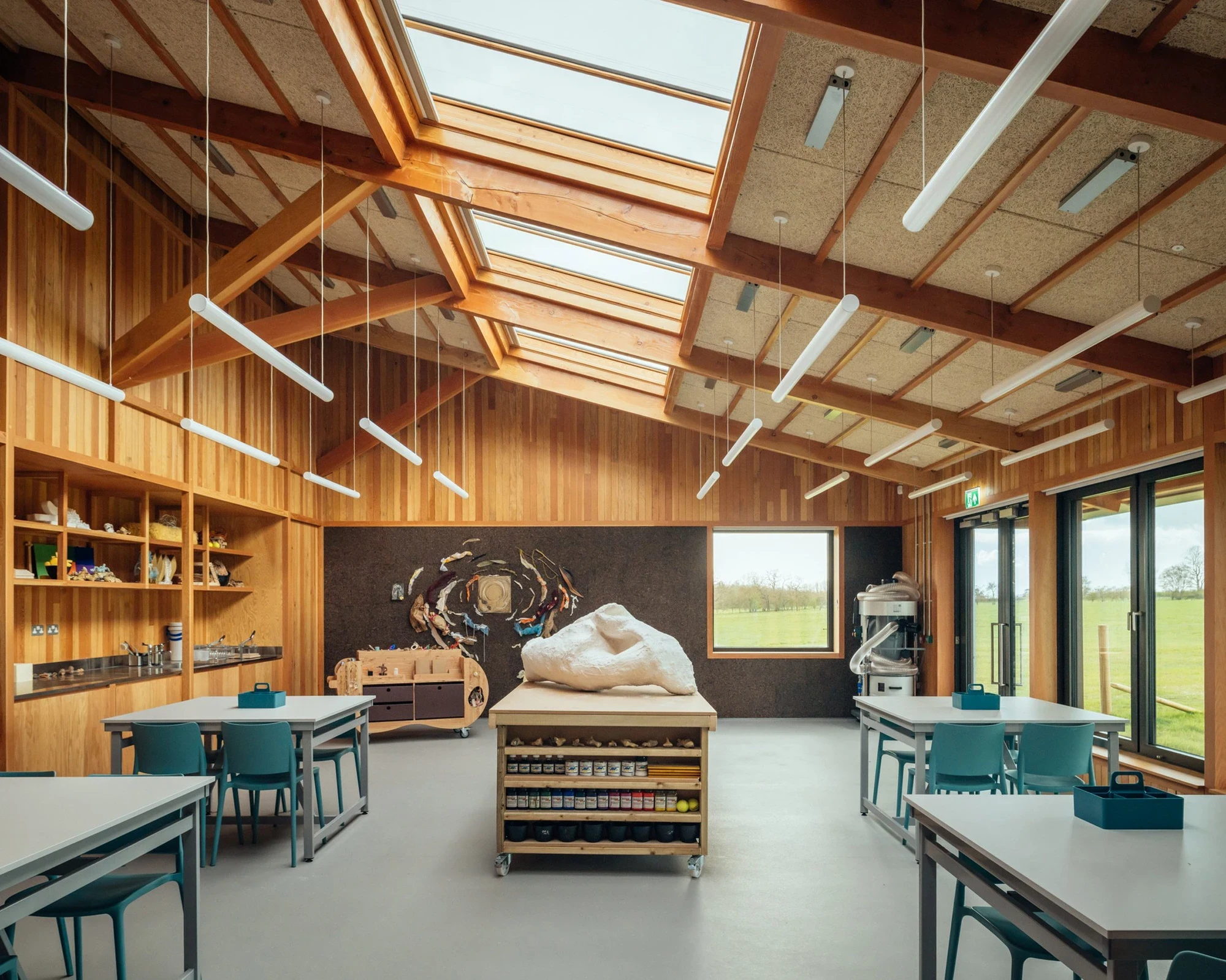
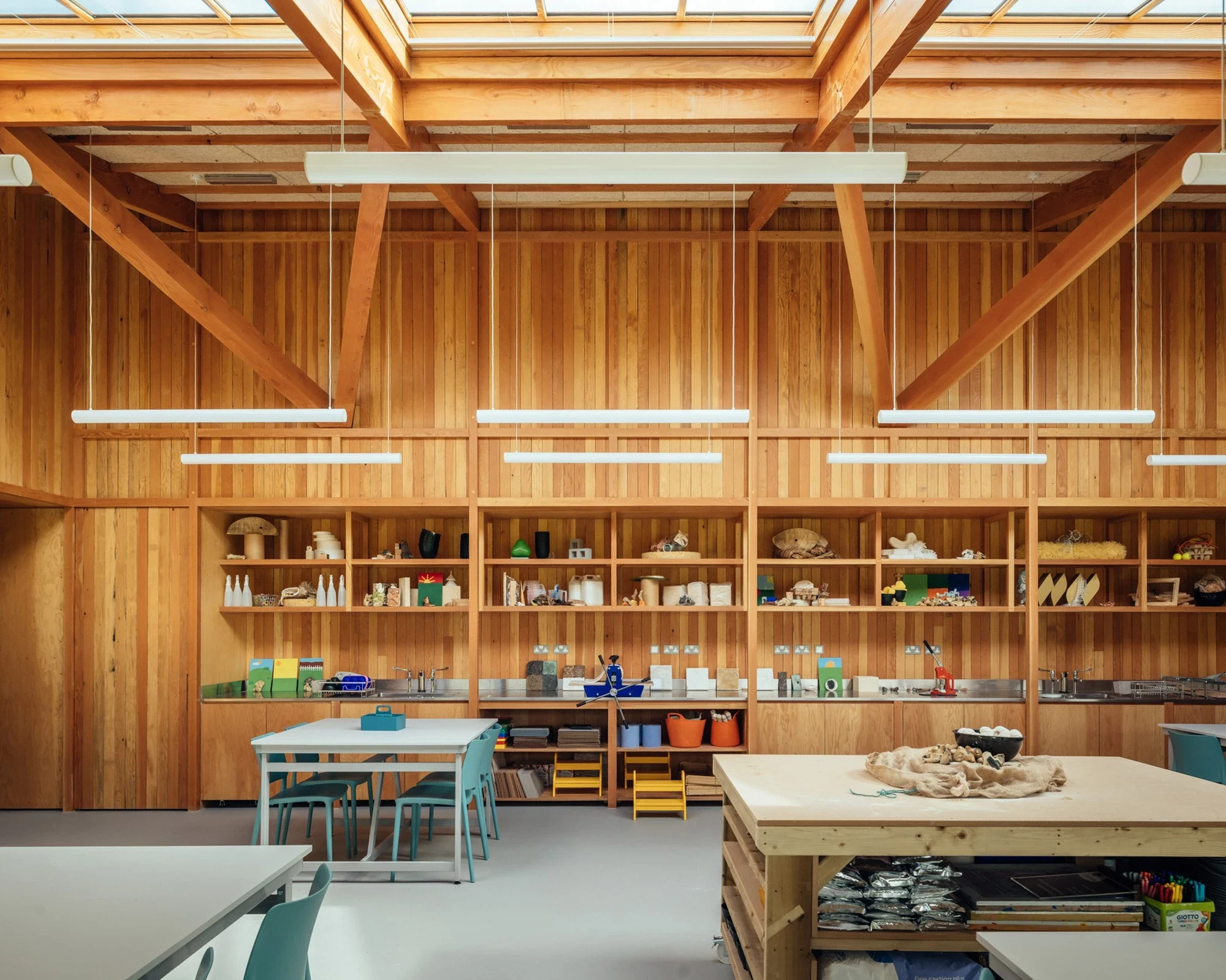
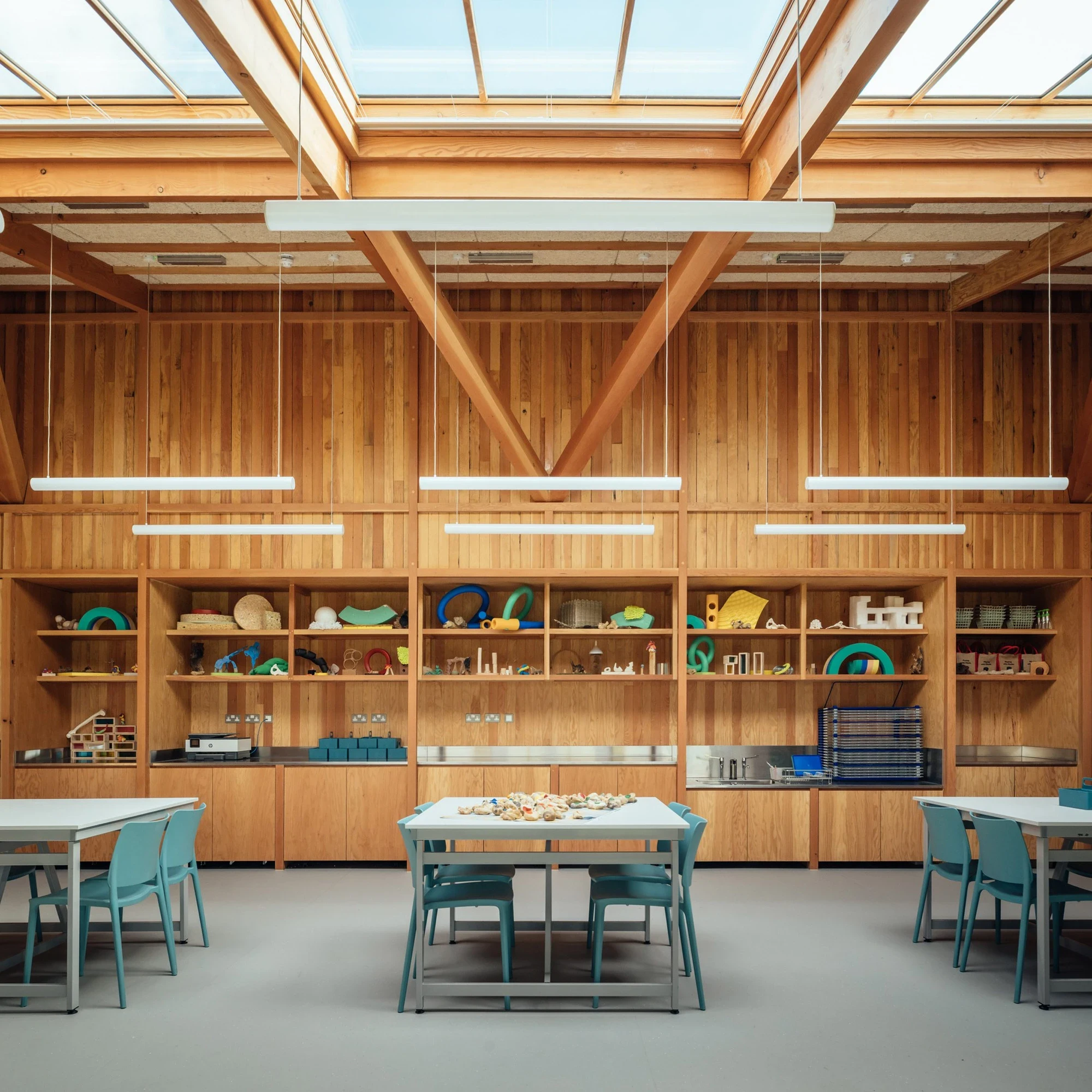
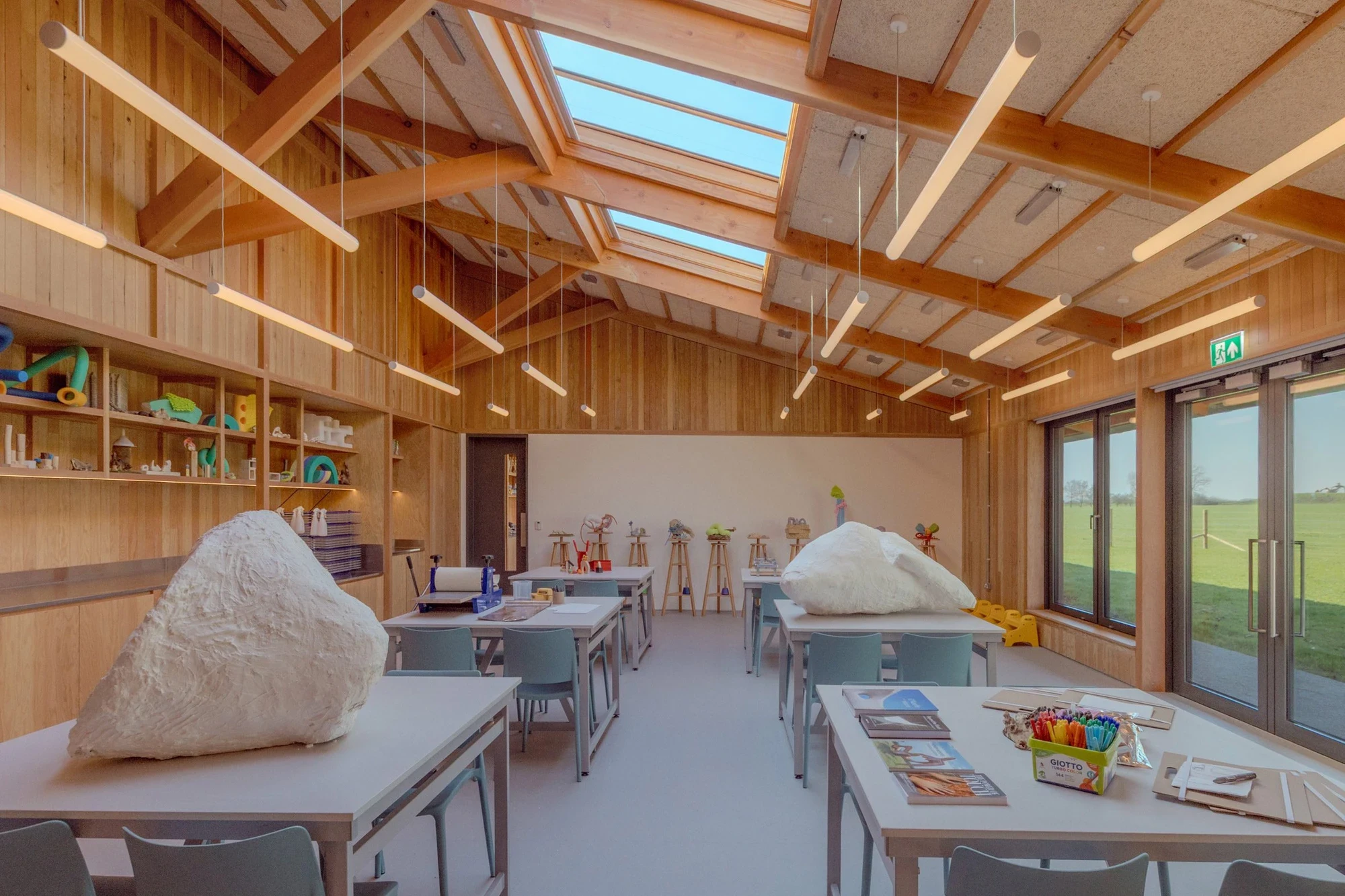
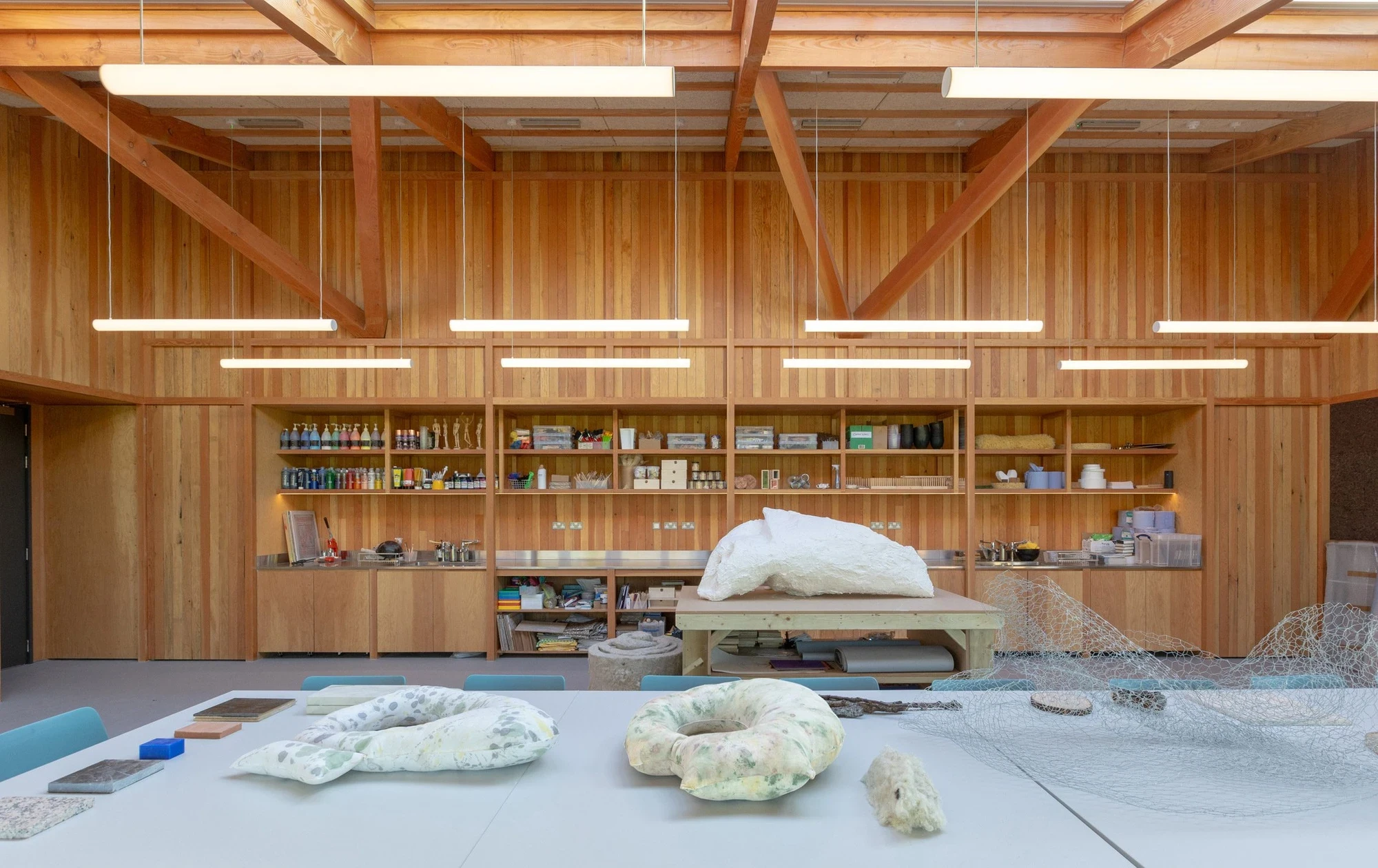
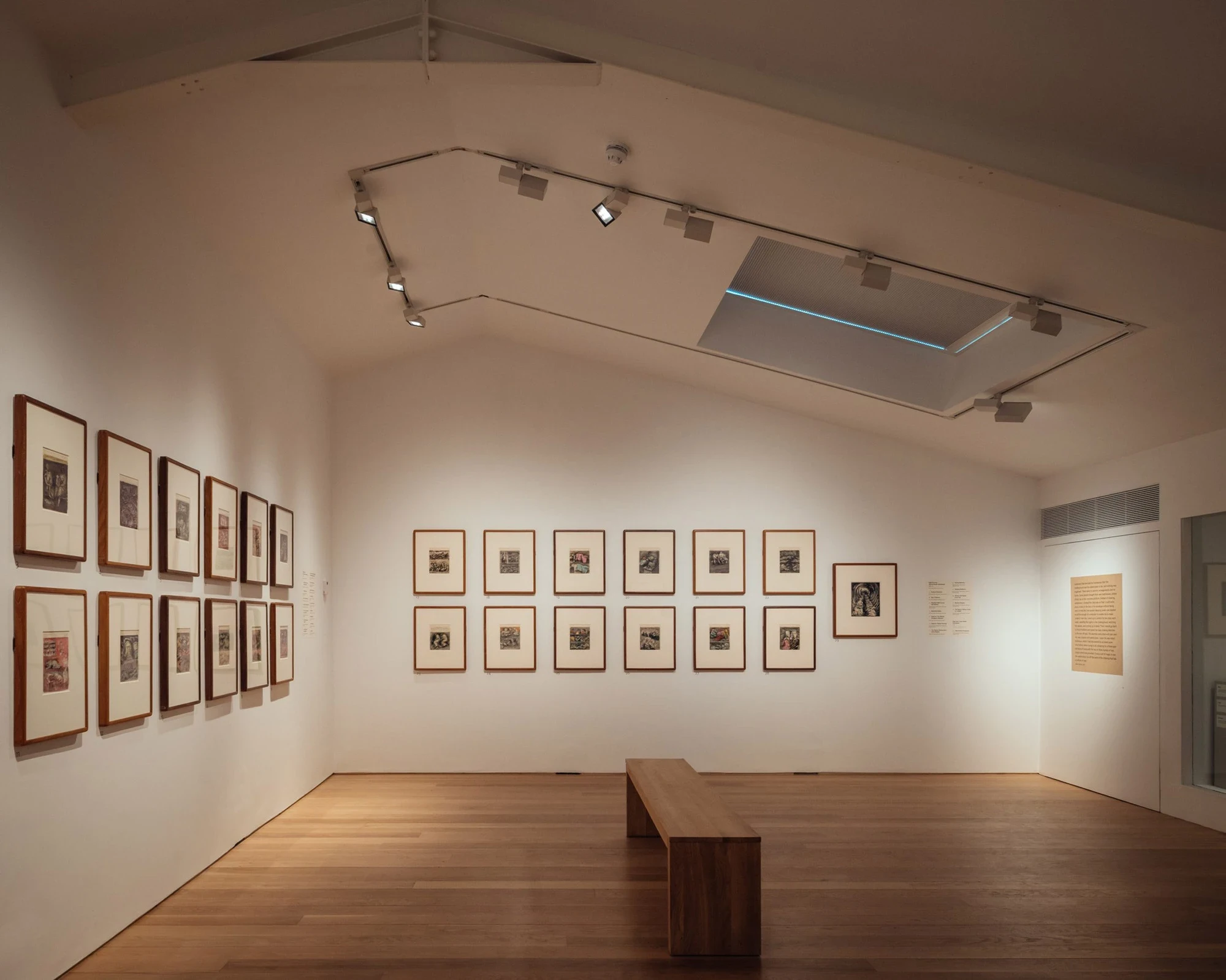
DSDHA's conversion of the Sheep Field Barn retains the agricultural character of the original structure, working with the existing geometry and materiality rather than imposing an architectural gesture onto them. The barn becomes a gallery by addition and intervention rather than transformation: the interior gains the environmental controls and lighting conditions necessary for exhibitions without the exterior losing the rural presence that connects it to the wider estate. The conversion is confident enough to leave the barn legible as a barn.
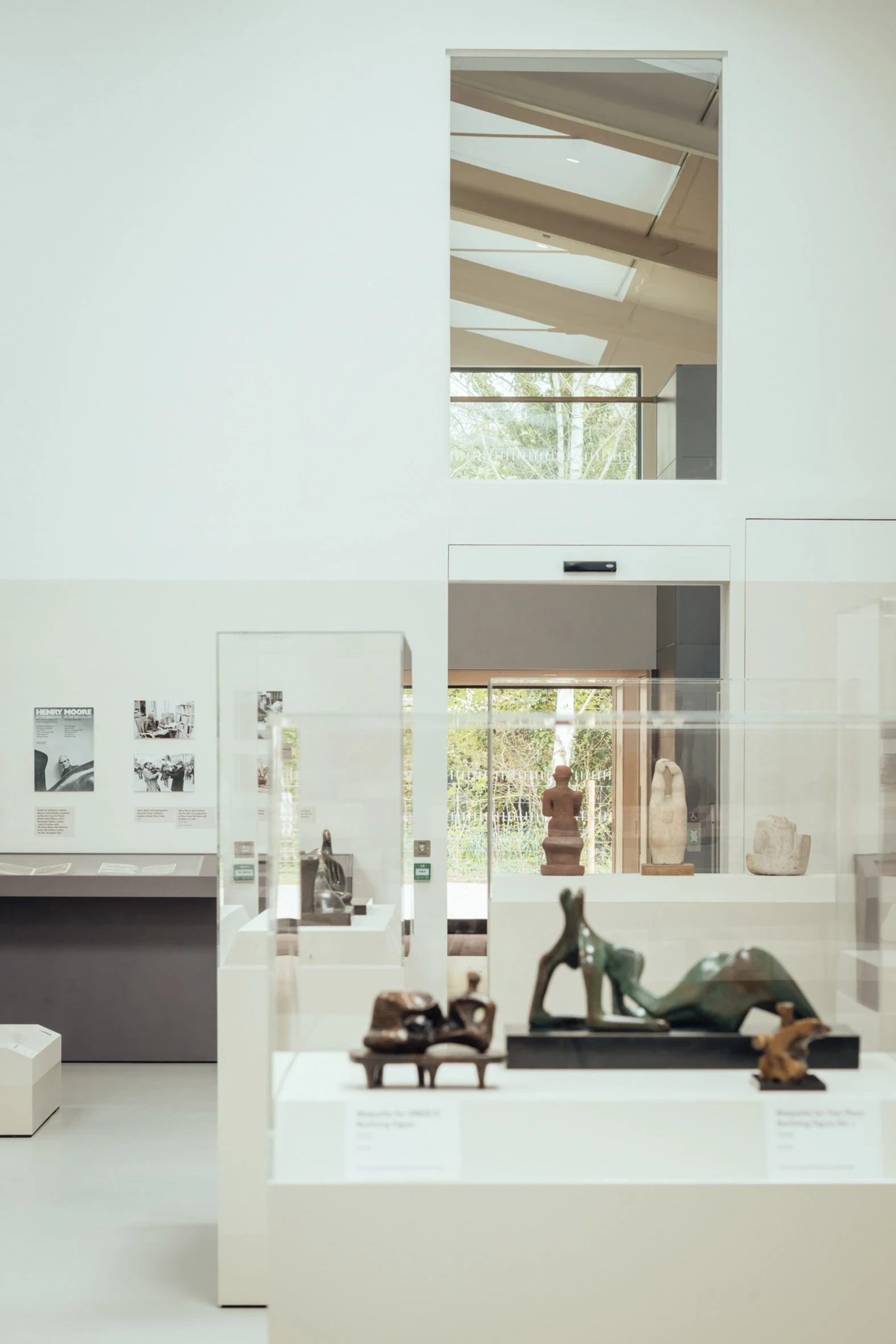
Photographer Rob Hill documents the space in light that moves across the surfaces at the angle that only countryside light provides — the quality that Moore himself tracked across his studio skylights and across the fields where he placed his work. The gallery interior carries this into its atmosphere: diffuse, variable, alive to time of day in the way that a purpose-built white cube rarely is.
What DSDHA has made is a gallery that extends rather than interrupts. The estate now has an indoor space that thinks outdoors, and the sculptures that move into it from the fields take on none of the deadening that institutions usually inflict on objects this size.