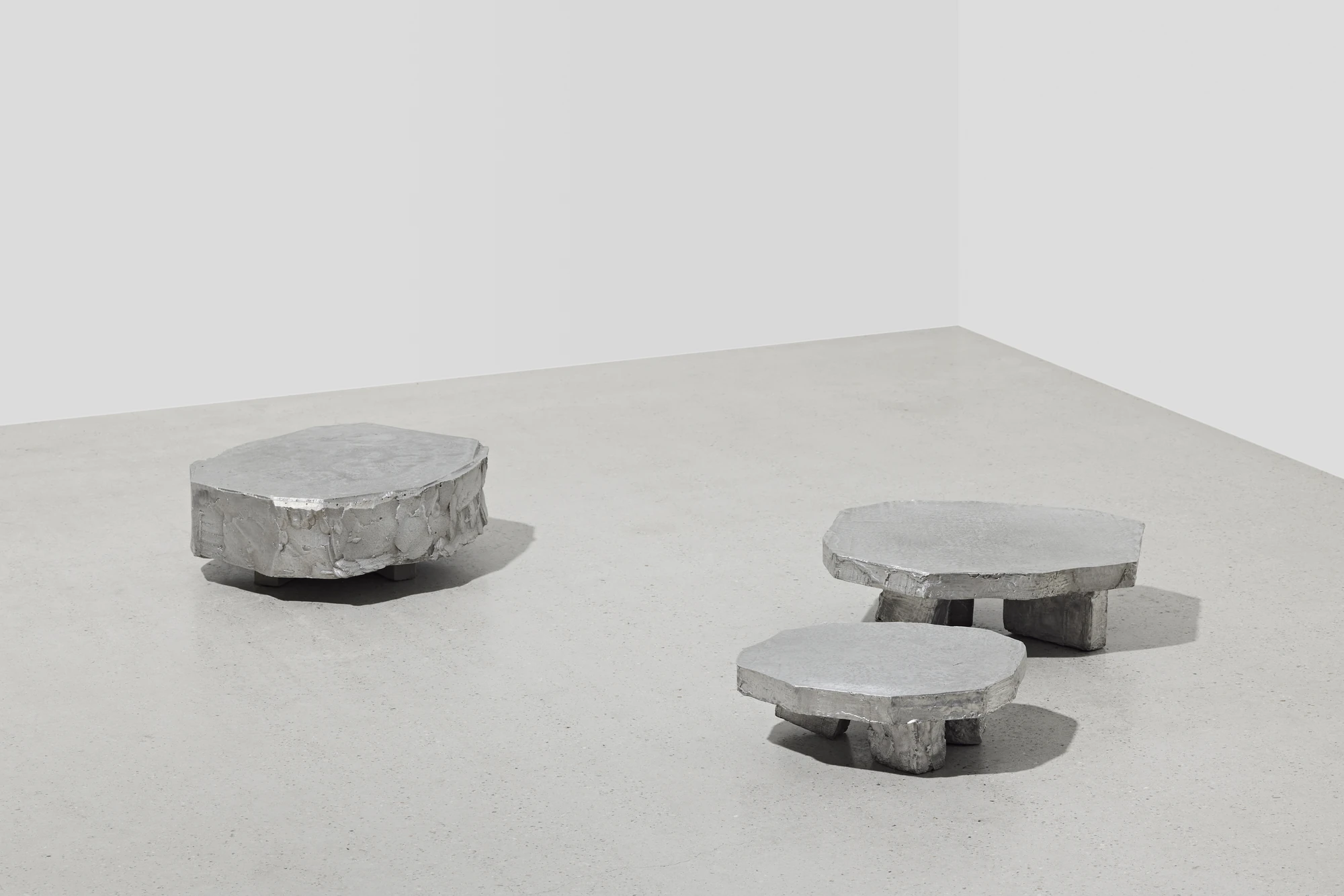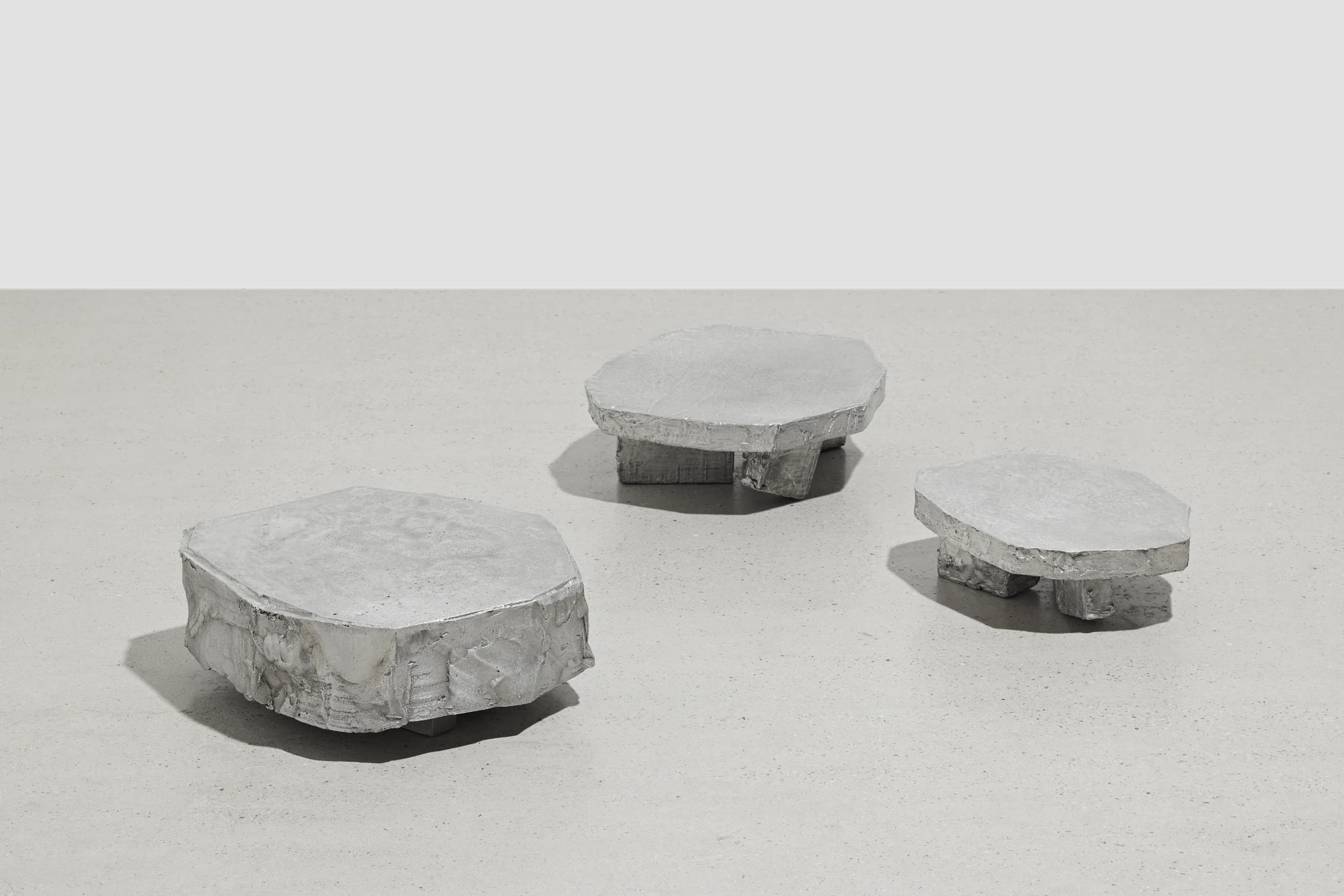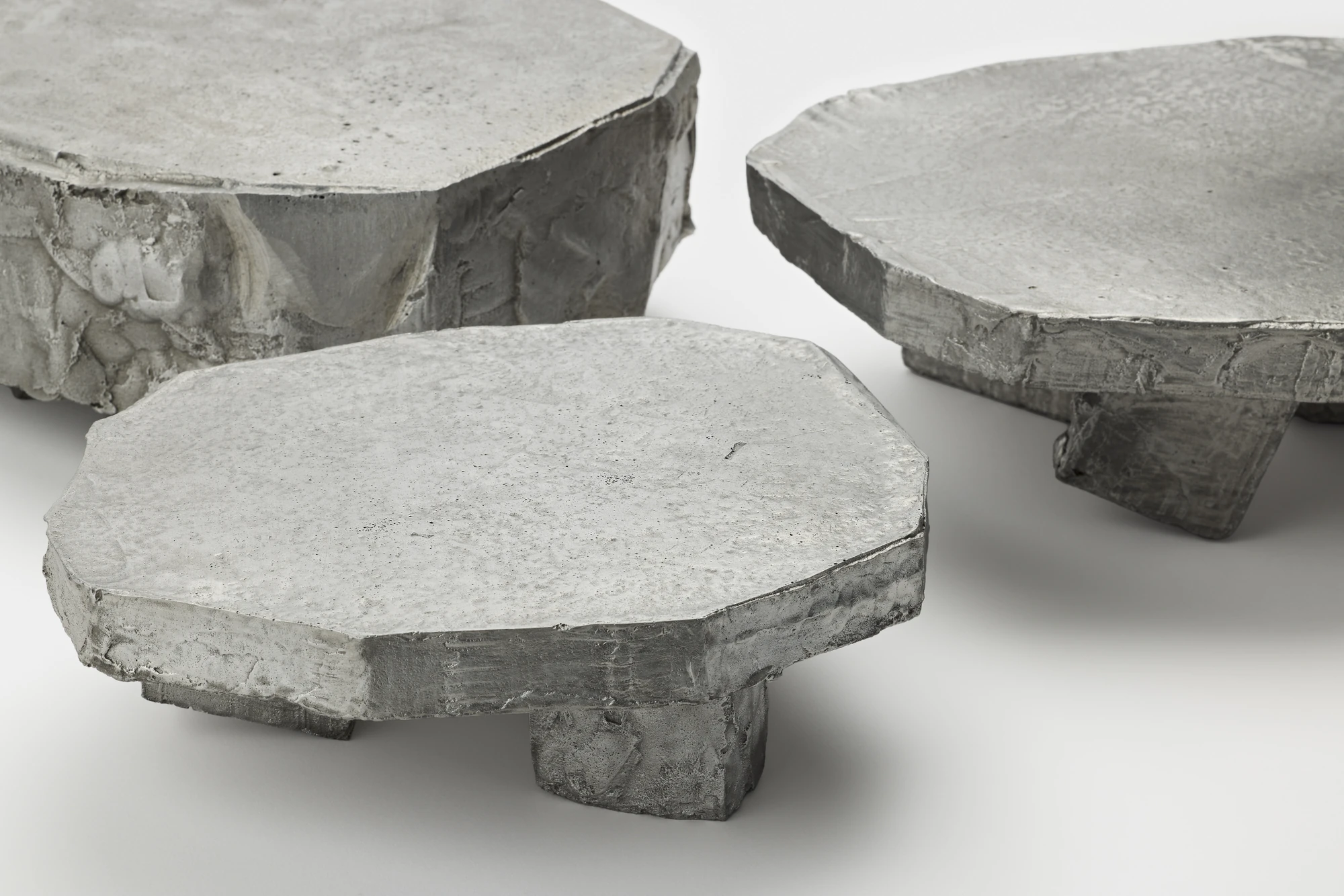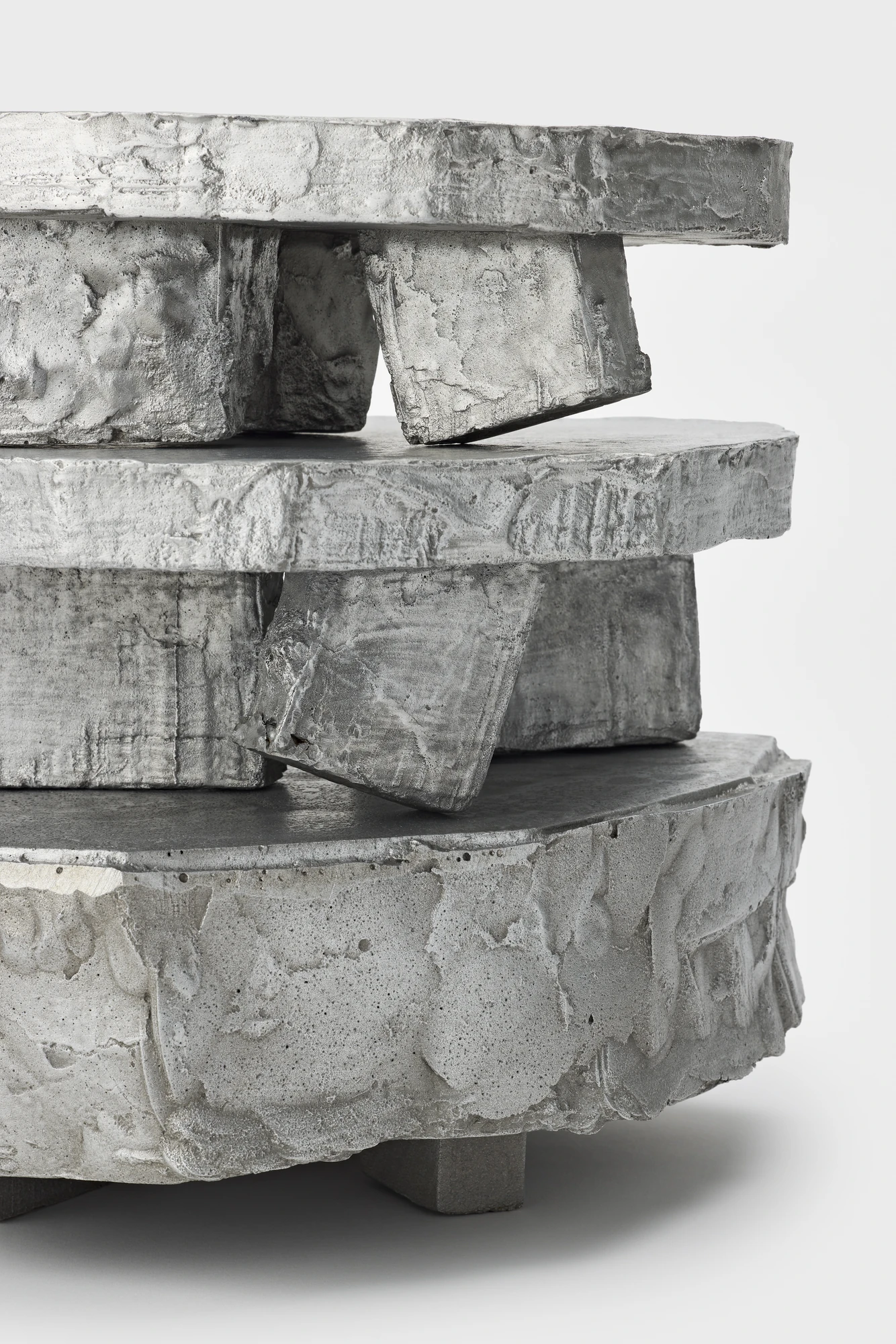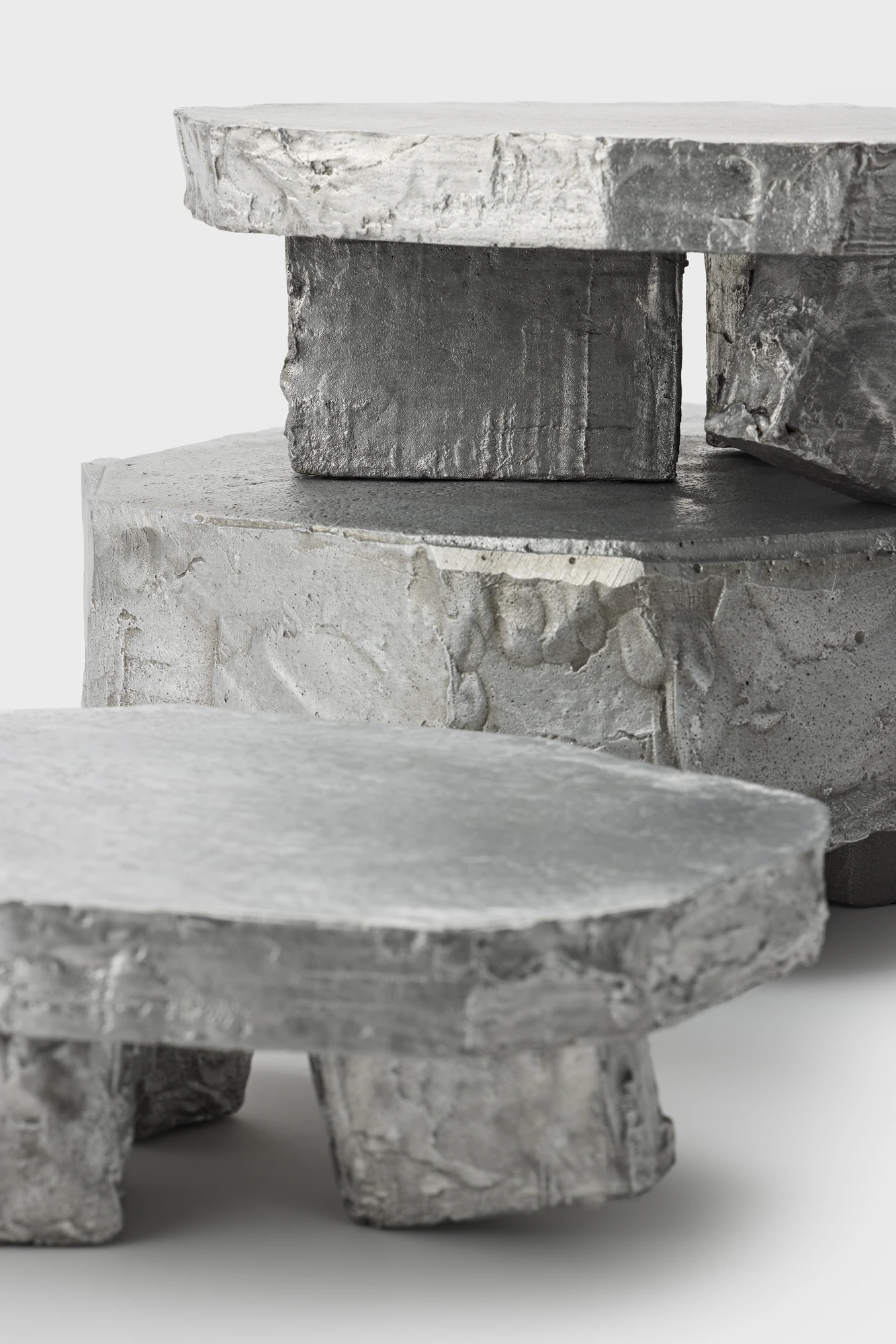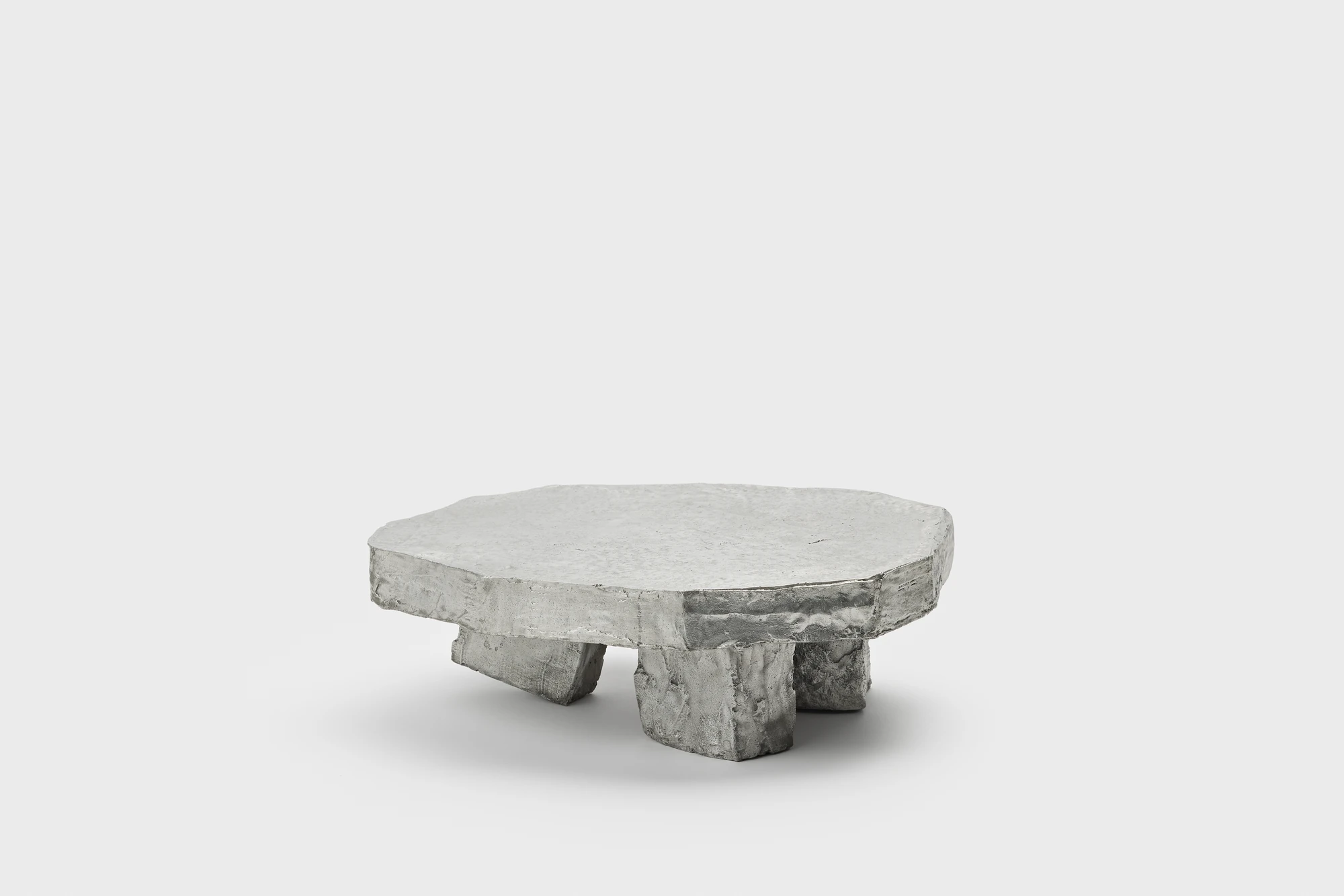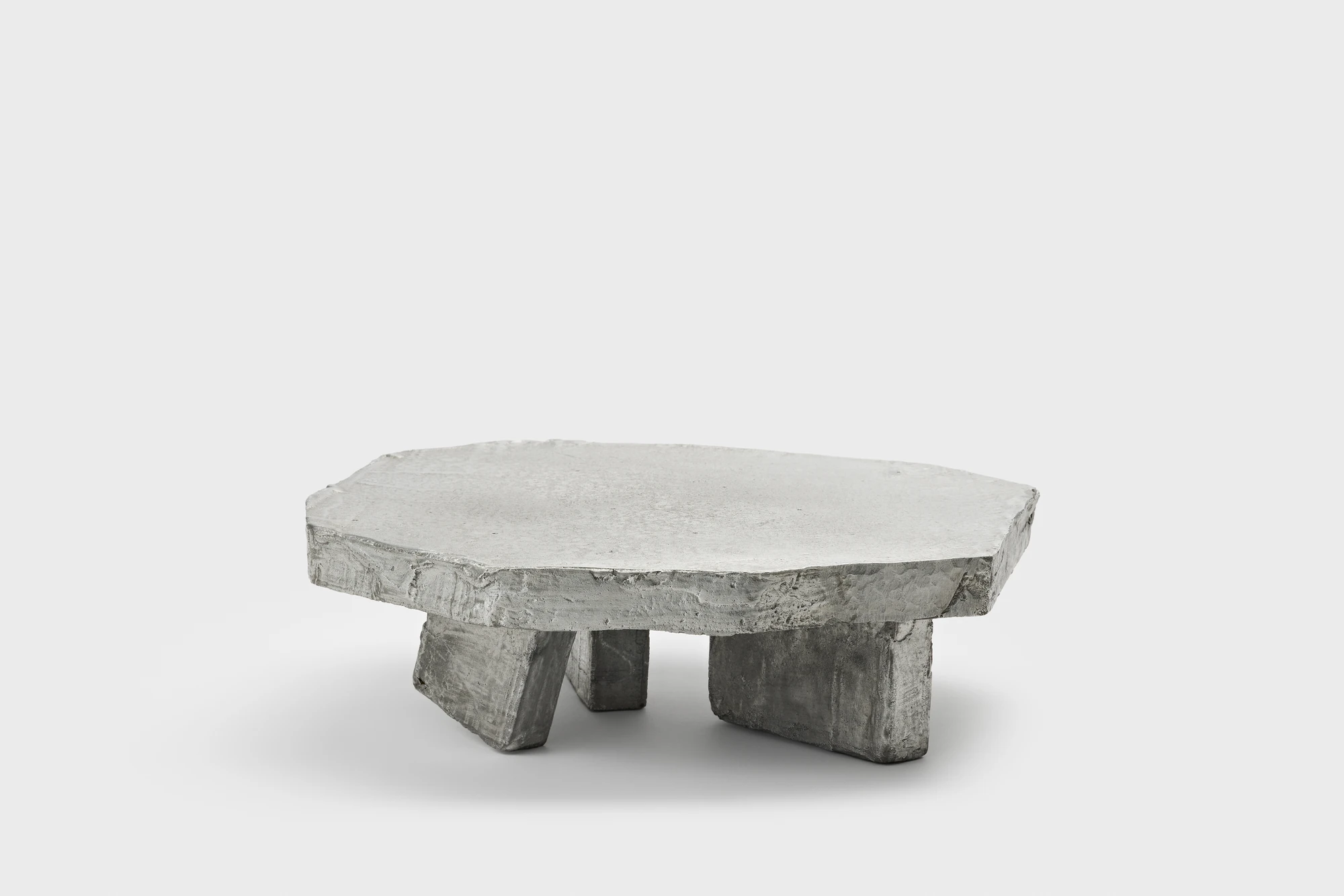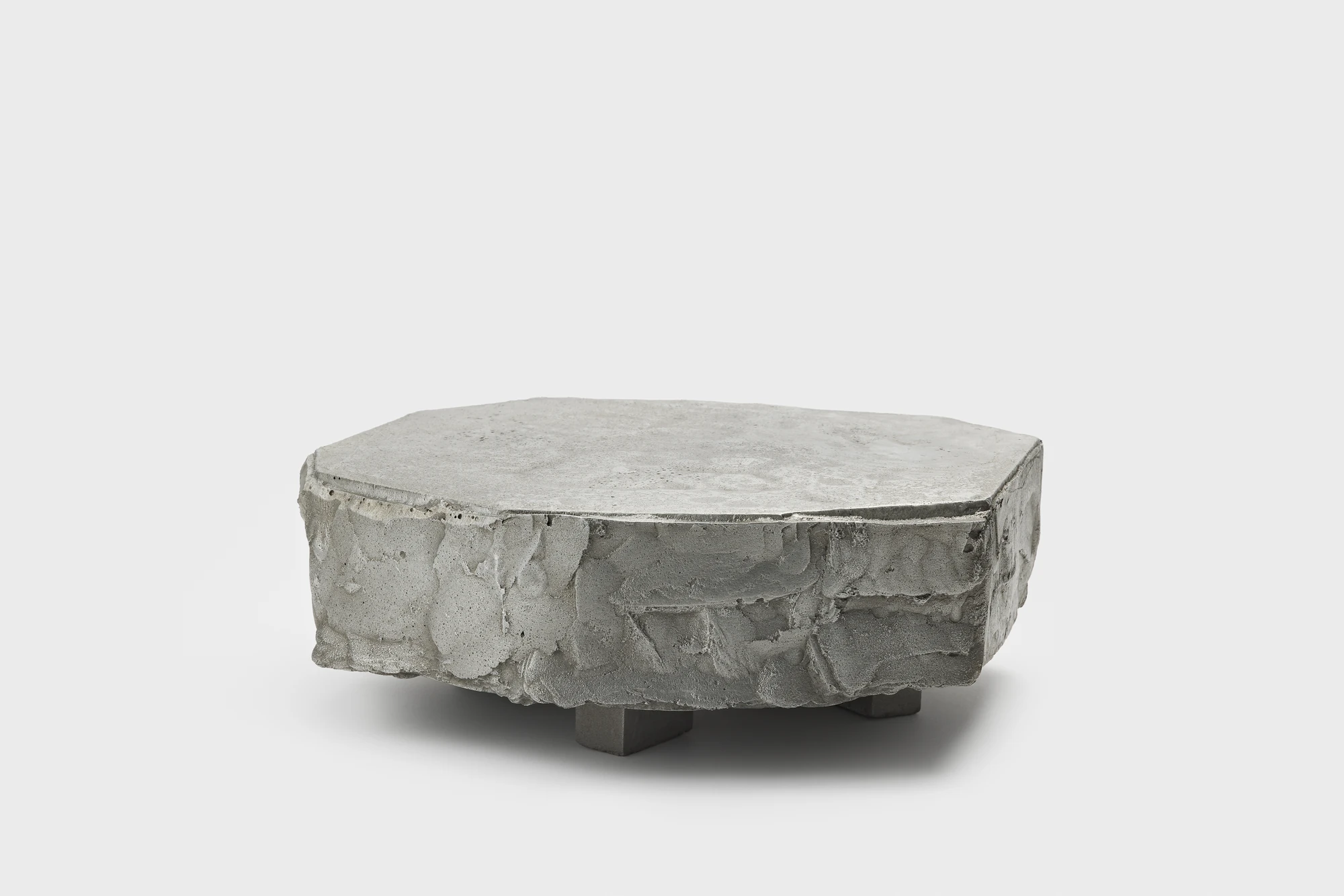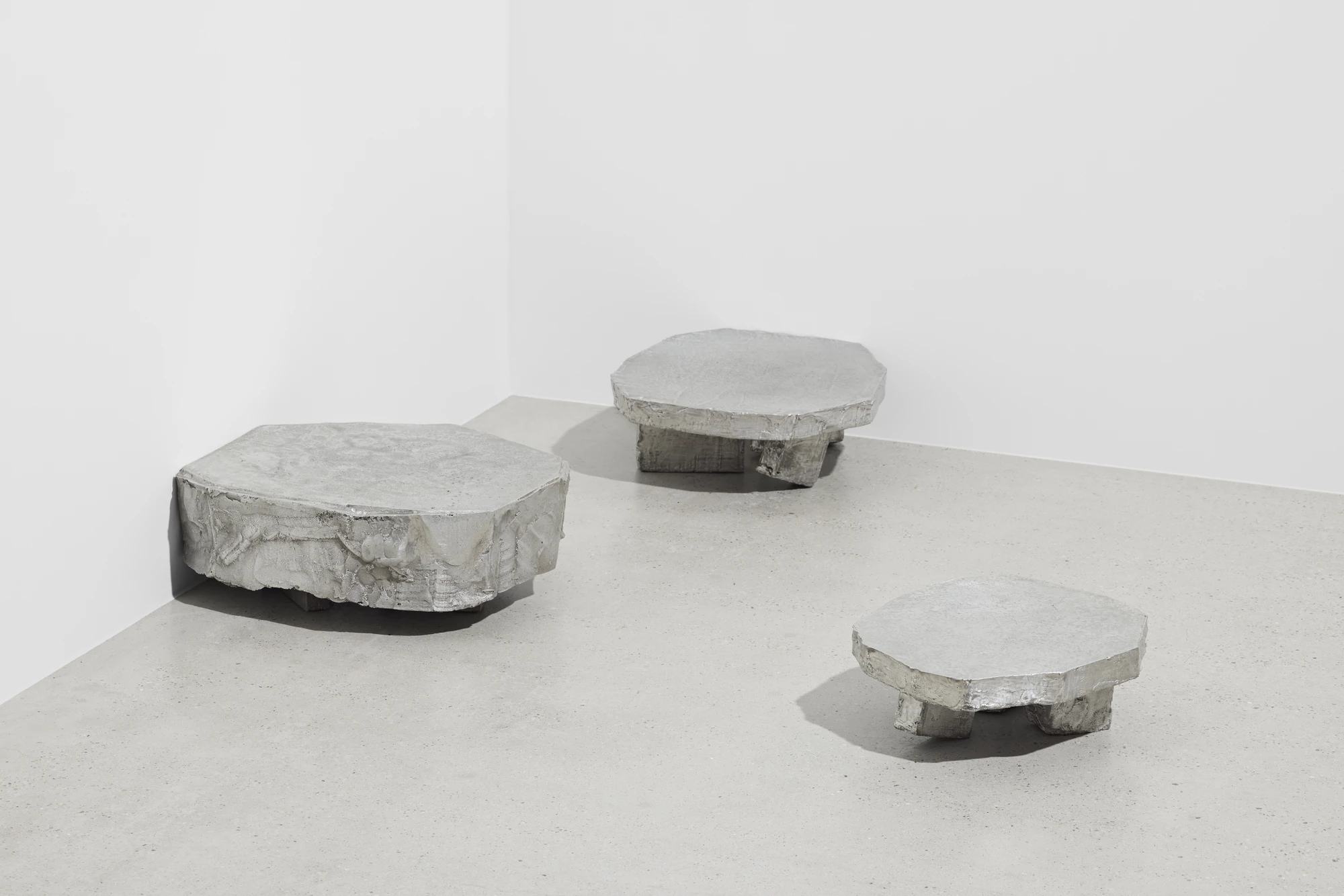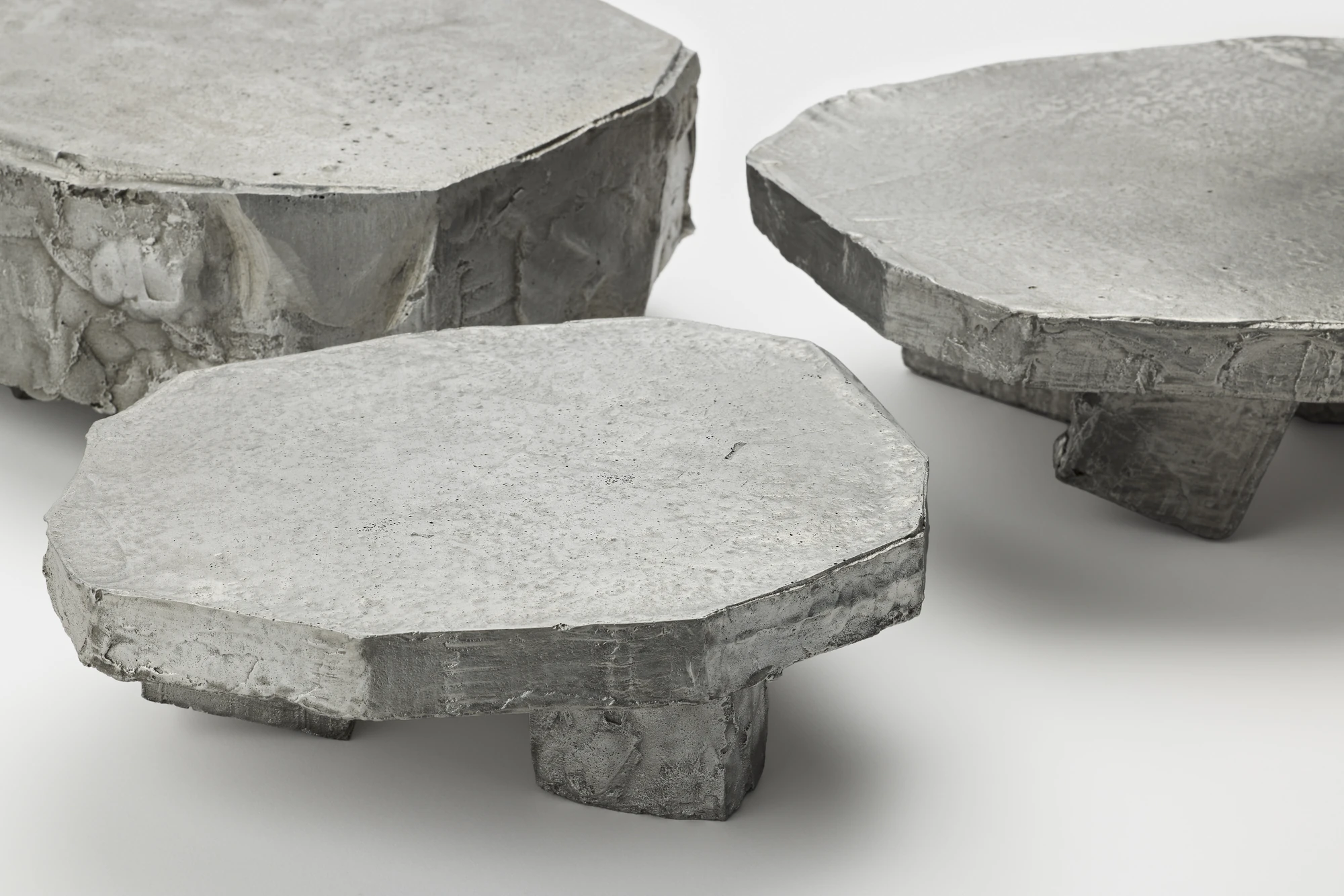
The floor beyond the entrance, the gap between two pieces of furniture: for Lying on the floor, Eunkyung Lee of Seoul practice StudioFA casts those unintended resting places into aluminum that keeps the marks of a hand.
Eunkyung Lee runs StudioFA out of Seoul, an interior design practice with hair salons, residences and corporate headquarters behind it. Lying on the floor is her first work in sculpture, and it begins where the day job usually ends, with the home treated as something to observe rather than arrange. Rooms and objects accumulated in memory, Lee writes, can be met again like something long forgotten. A sense of territory contracts to less than a room, then extends to hold the entire house.
What holds her attention is not the room but the space between rooms. Inside an interior organised by routines and roles, an exhausted body tends to give up in places nobody designed for it, on the floor just past the entrance or in the narrow gap between two pieces of furniture. Low positions, unstructured postures, tension going out of the shoulders. Those moments, Lee writes, turn the places where a body lingers into a kind of shade within the home, not a visible scene but a sensation retained in the body.
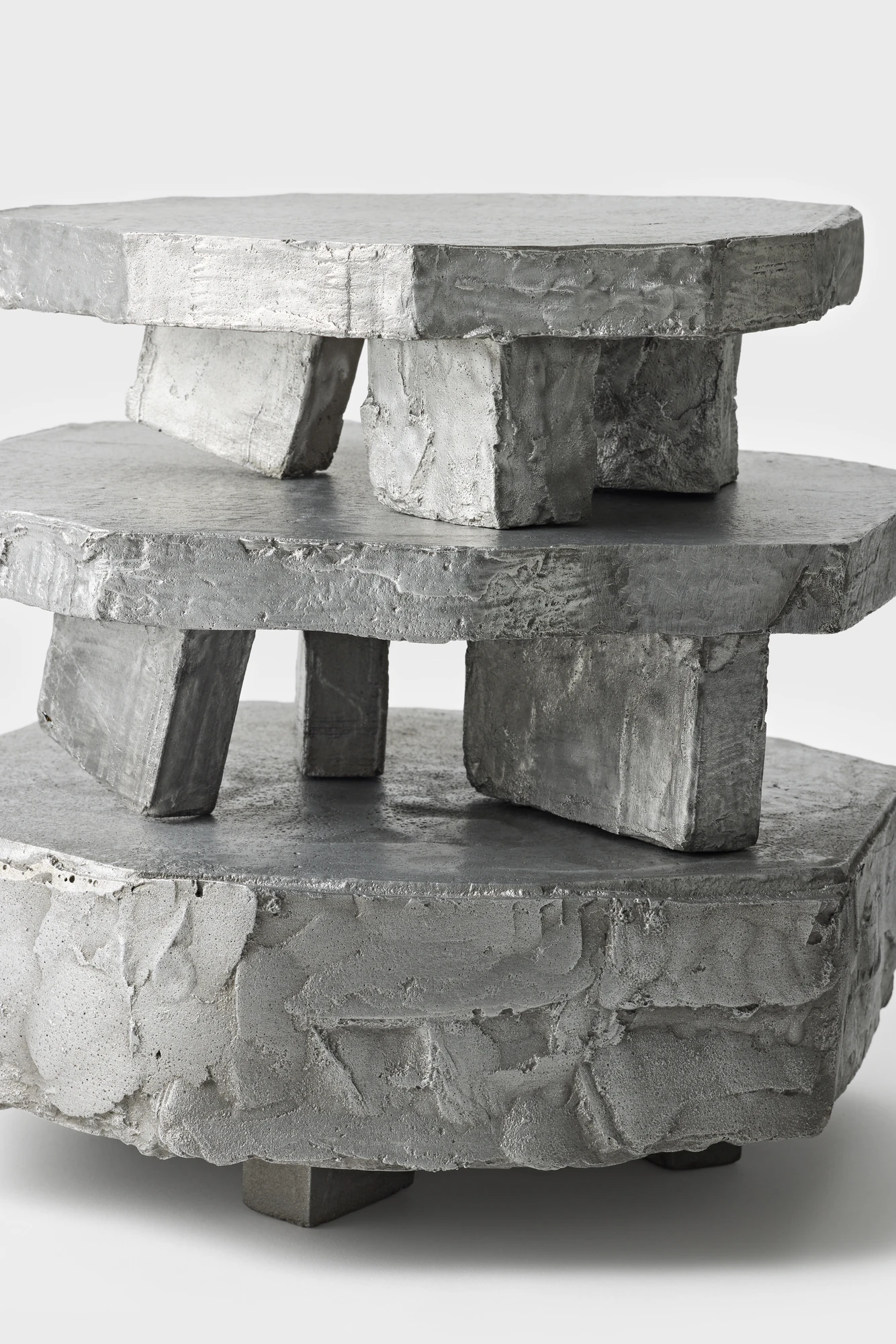
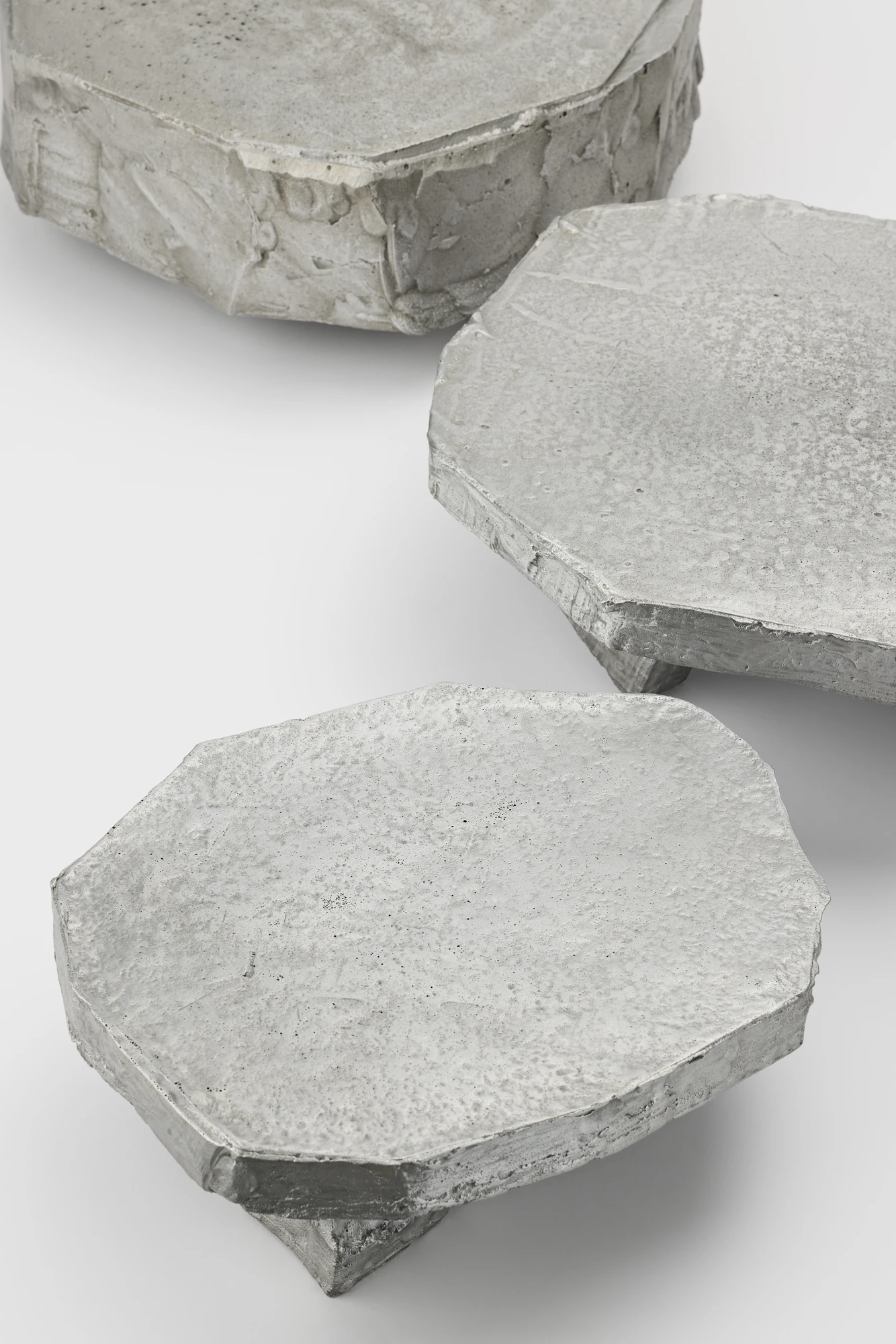
The forms follow that movement rather than a function decided in advance. Lee works first in materials soft enough to take the pressure and imprint of a hand, letting the gesture come into focus, then commits it to metal. Marks and traces embedded in the soft material are carried into cast aluminum as it solidifies inside the sand mould, which is how a passing sensation acquires a fixed weight. Three pieces came out of the process, measuring 360 by 333 by 130 mm, 360 by 300 by 110 mm and 295 by 245 by 98 mm.
Nothing about them settles into a single reading. Each surface carries the trace of a different moment and shifts with the position of the viewer, so no one identity sticks for long. The three-legged structure is the tell. Three points are the minimum for standing, and Lee uses them to keep a slight tension and instability in play rather than resolve the work into perfect balance. At 130 mm at their tallest, the pieces sit at ankle height, down on the floor where the tired body already is.
No use is proposed. The work was shown this summer at TACT Anguk in Seoul under the theme House of Practice, alongside prototype furniture and objects by other makers turning over the same question of home, and it sits in that company as a question rather than an answer. What it offers, in Lee's words, is a state of being, like a patch of shade where one might briefly lean, pause, and simply remain. Whether anyone ever sets a cup down on it is beside the point, and probably always was.