Korean artist goseong opens a childhood well in his grandmother's backyard and looks in, building In the Well from the seduction of a darkness that swallows sound and rebuilds memory.
"I peered into the well," goseong writes. "It was a startlingly dark and deep space. Untouched by the midday sun, it was densely shadowed, and though I stood on level ground, I felt vertiginous. My gaze was directed toward a place I could not see. I was tense. Yet at the same time, I found myself seduced by that very unease." The work is built from that seduction: the gaze directed into something it cannot read, and the discovery that this is also the condition of remembering.
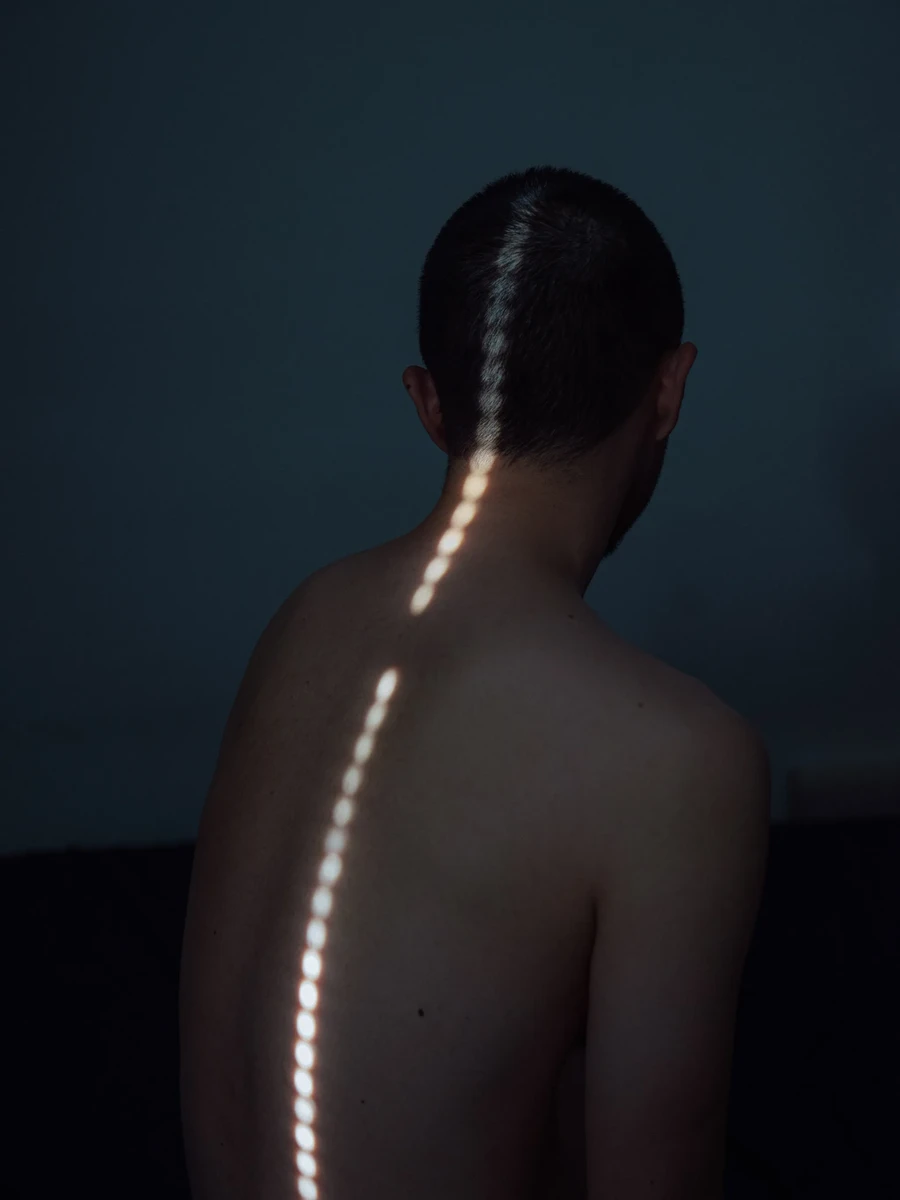
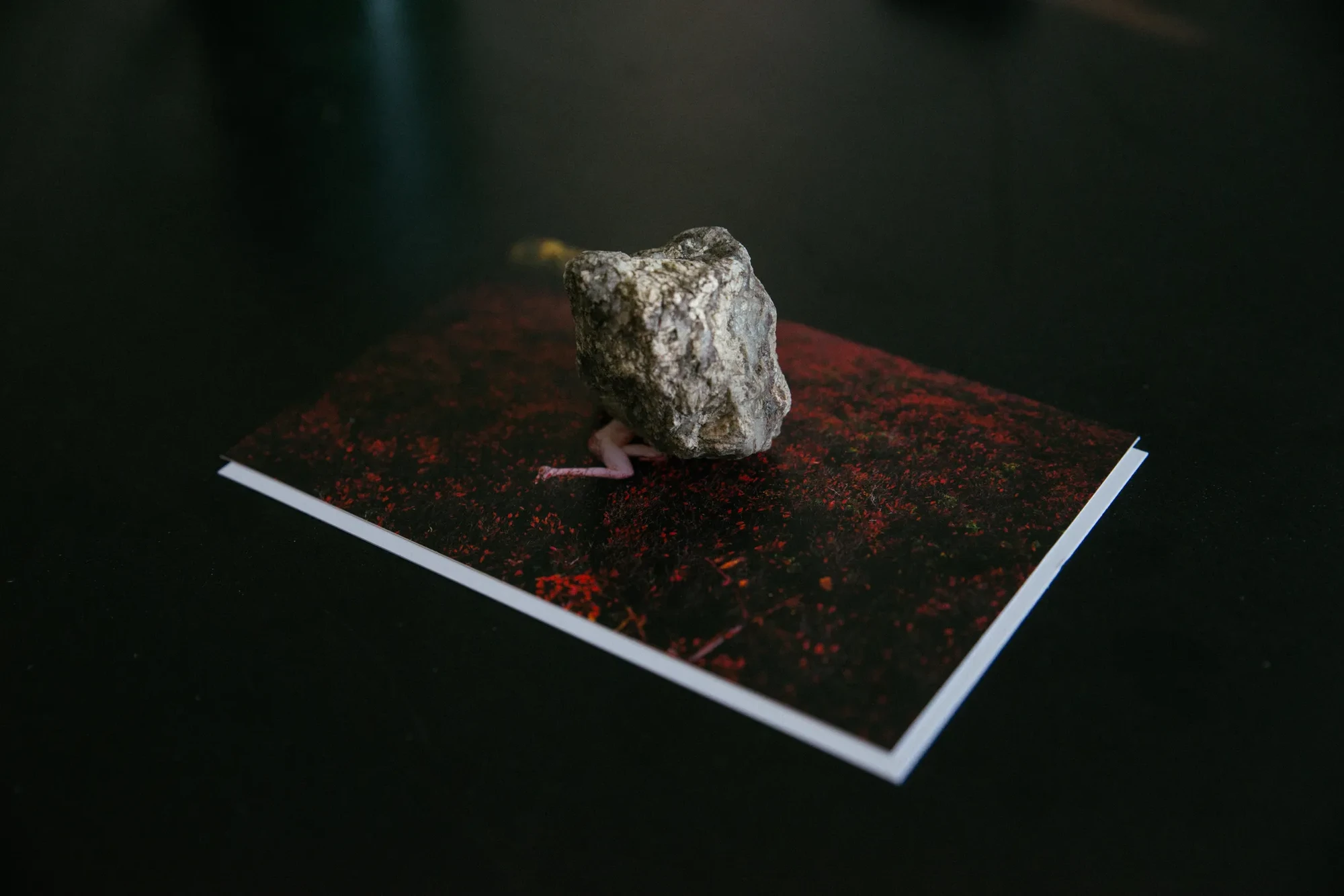
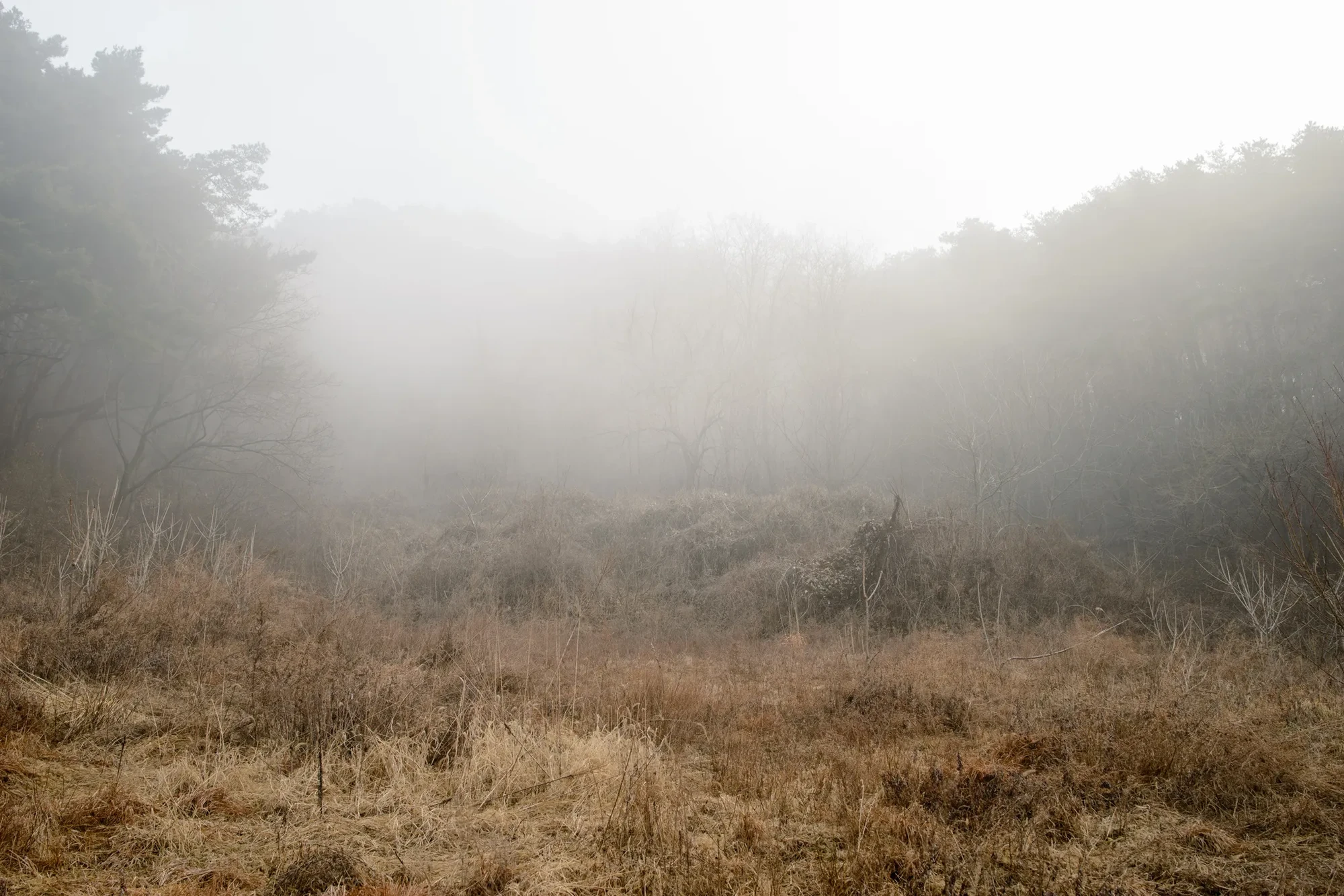
The series turns on confabulation — the mind's well-documented tendency to fill gaps in memory with invented fragments so convincing they become indistinguishable from the event itself. In the well's darkness, what we perceive and what we project onto the void become, goseong writes, "indistinguishable." The photographs work in this zone. They are not illustrations of memories; they are photographic objects that behave like memories, arriving with the visual density and selective focus of something retrieved rather than taken.
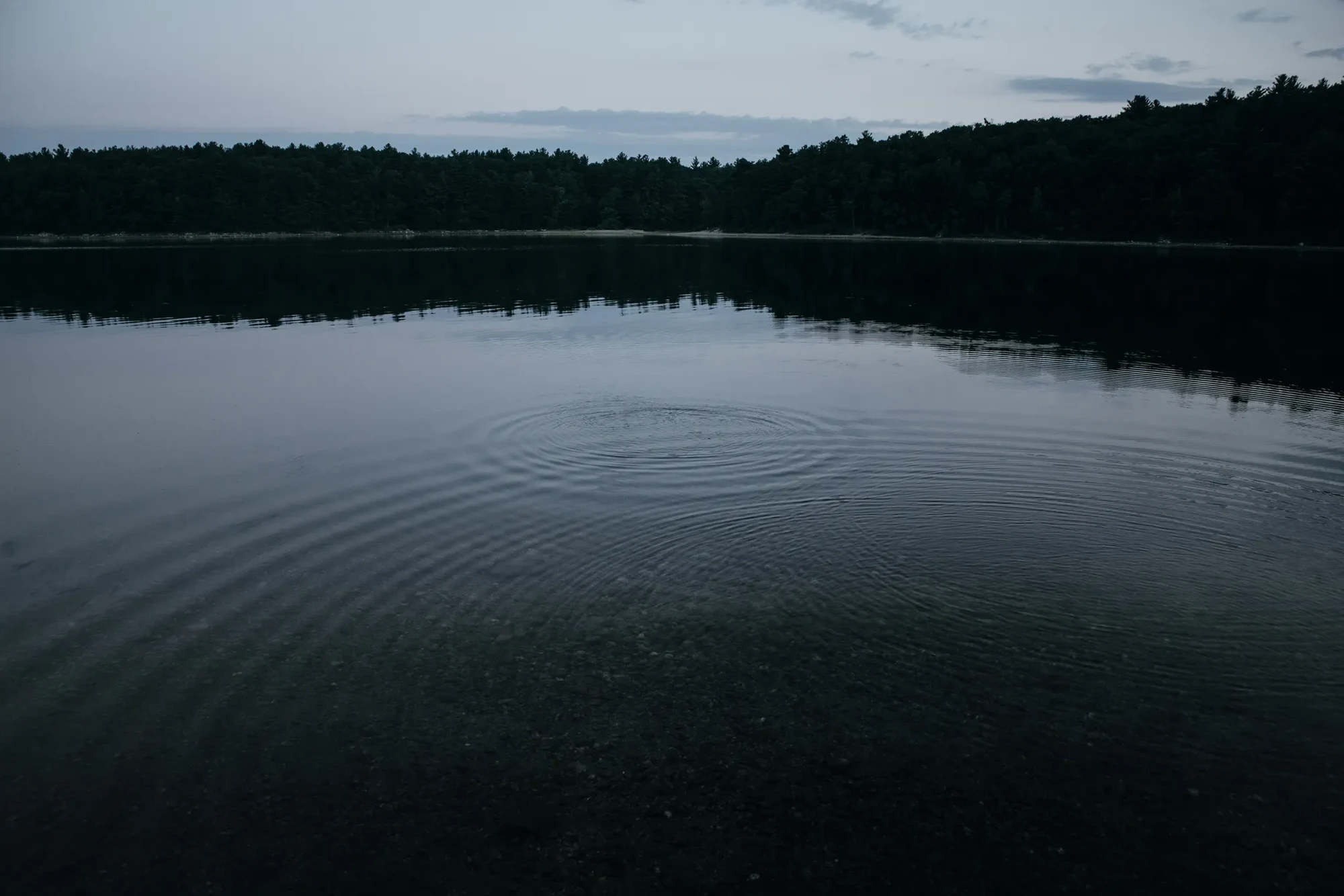
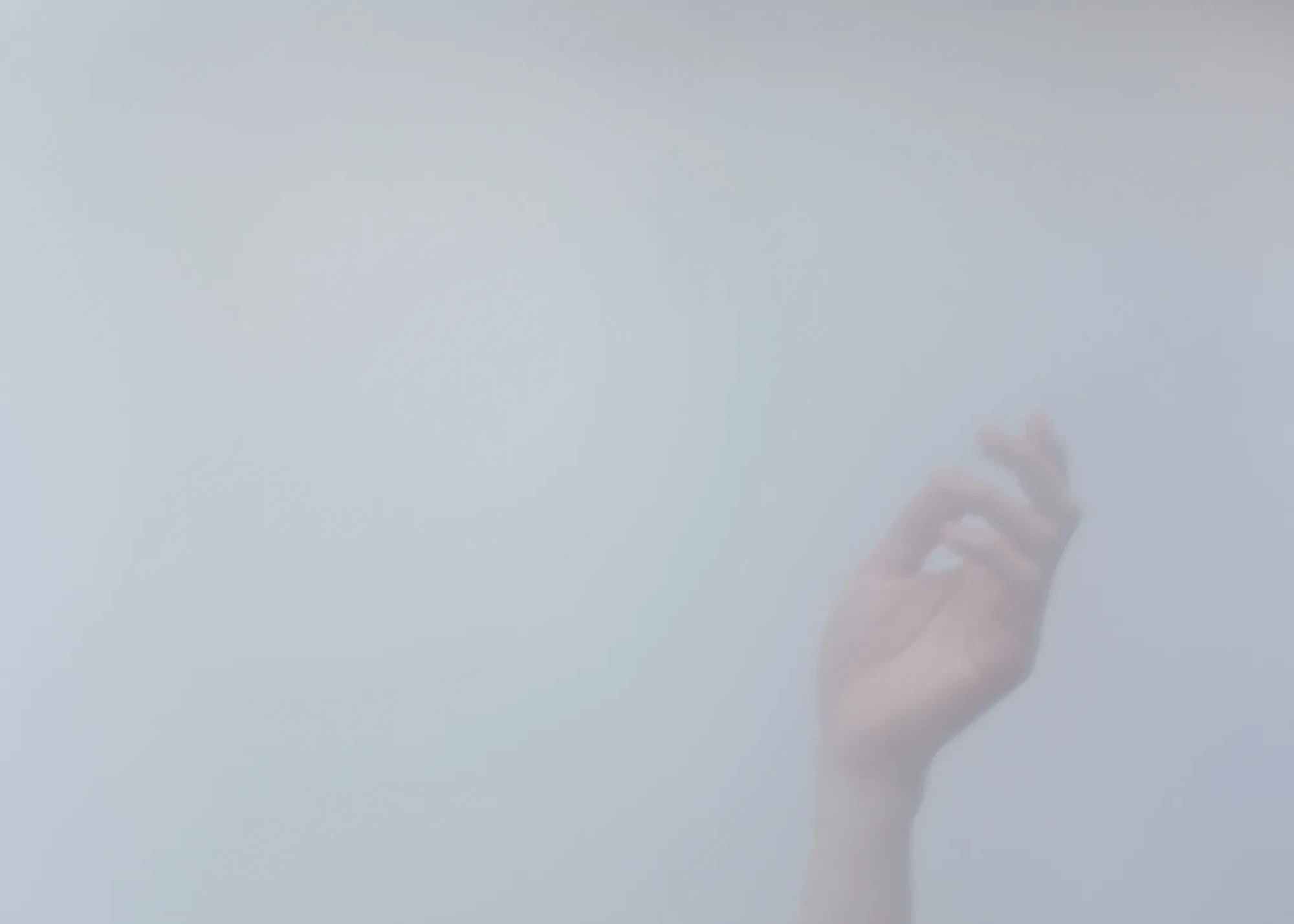
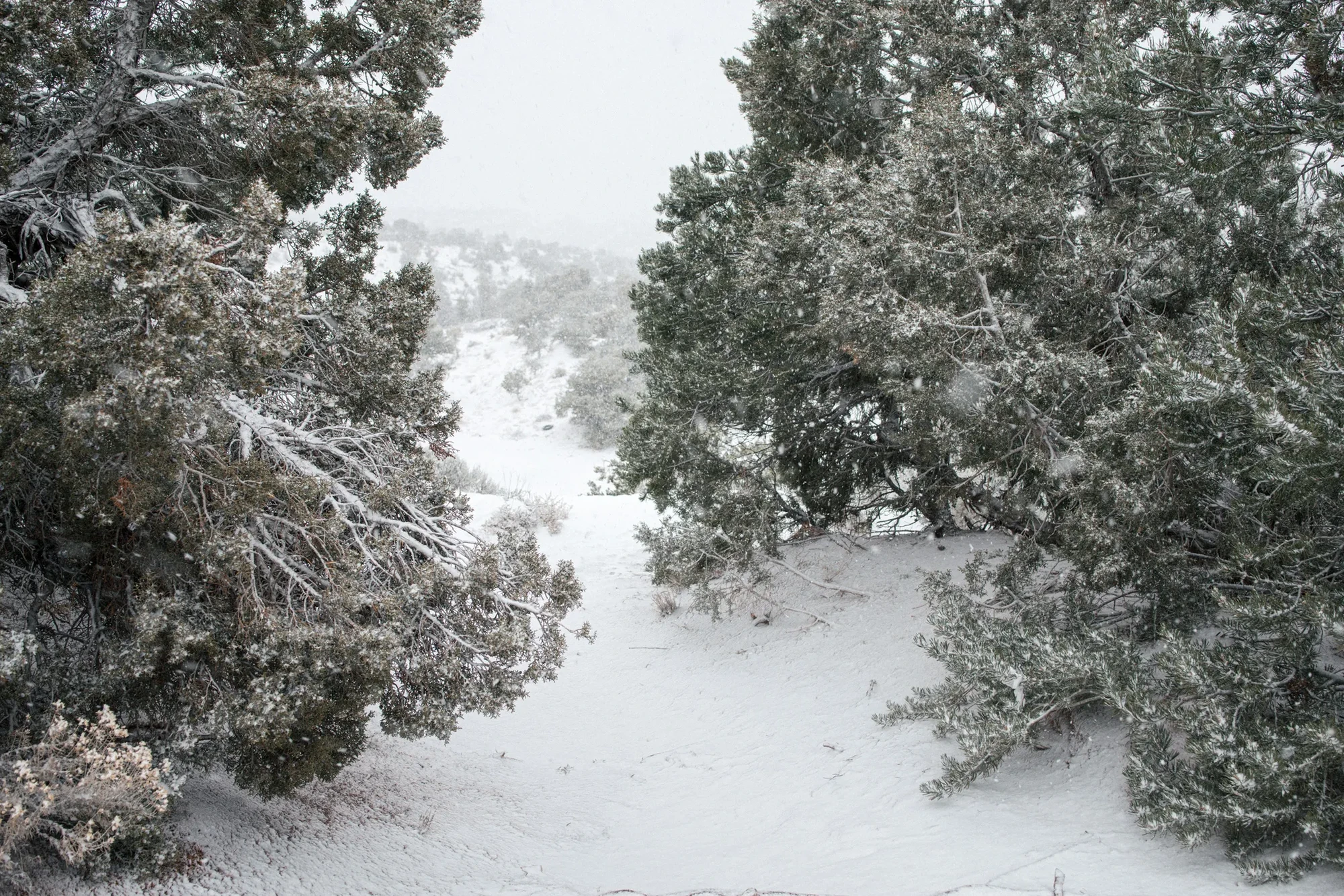
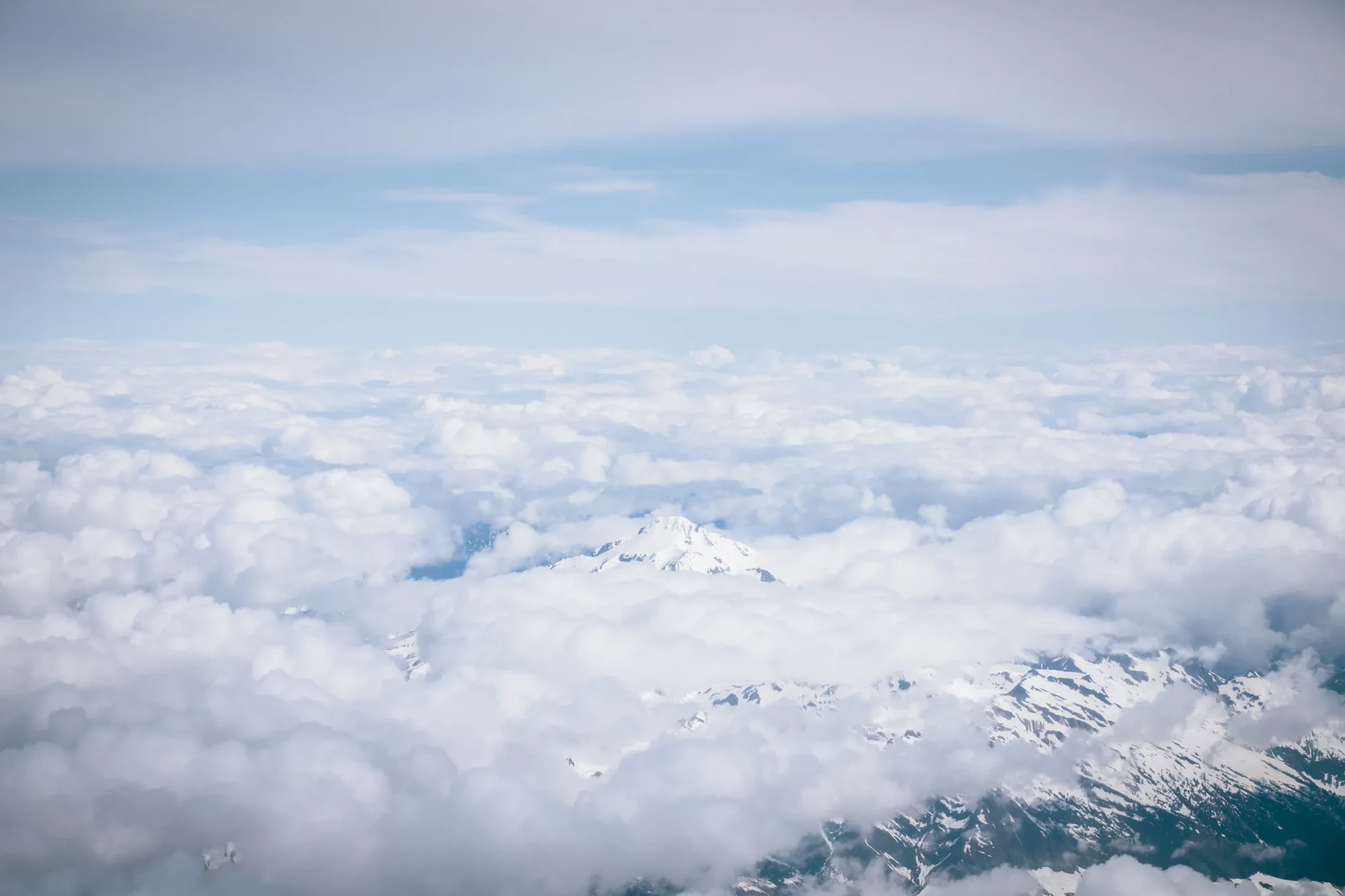
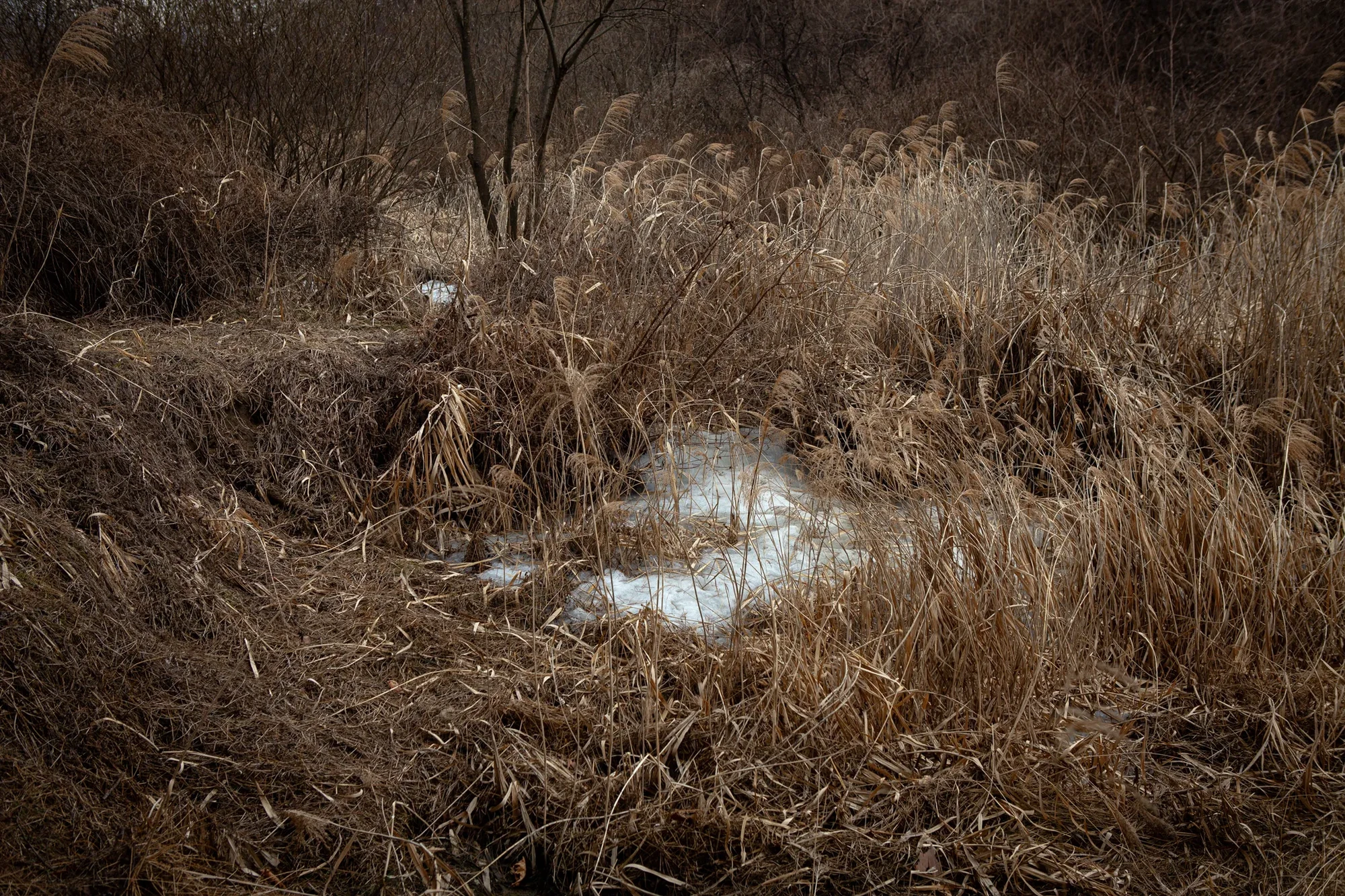
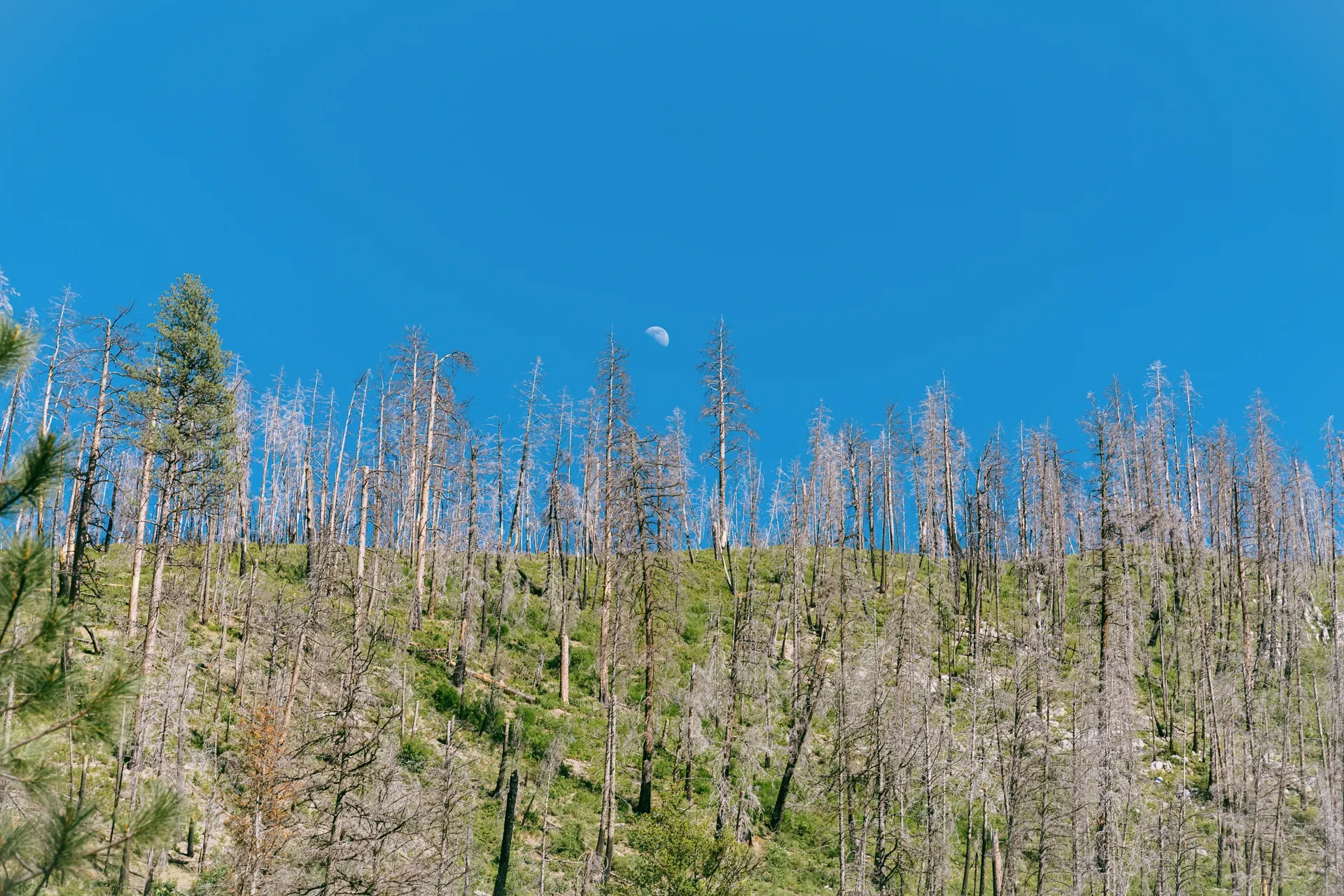
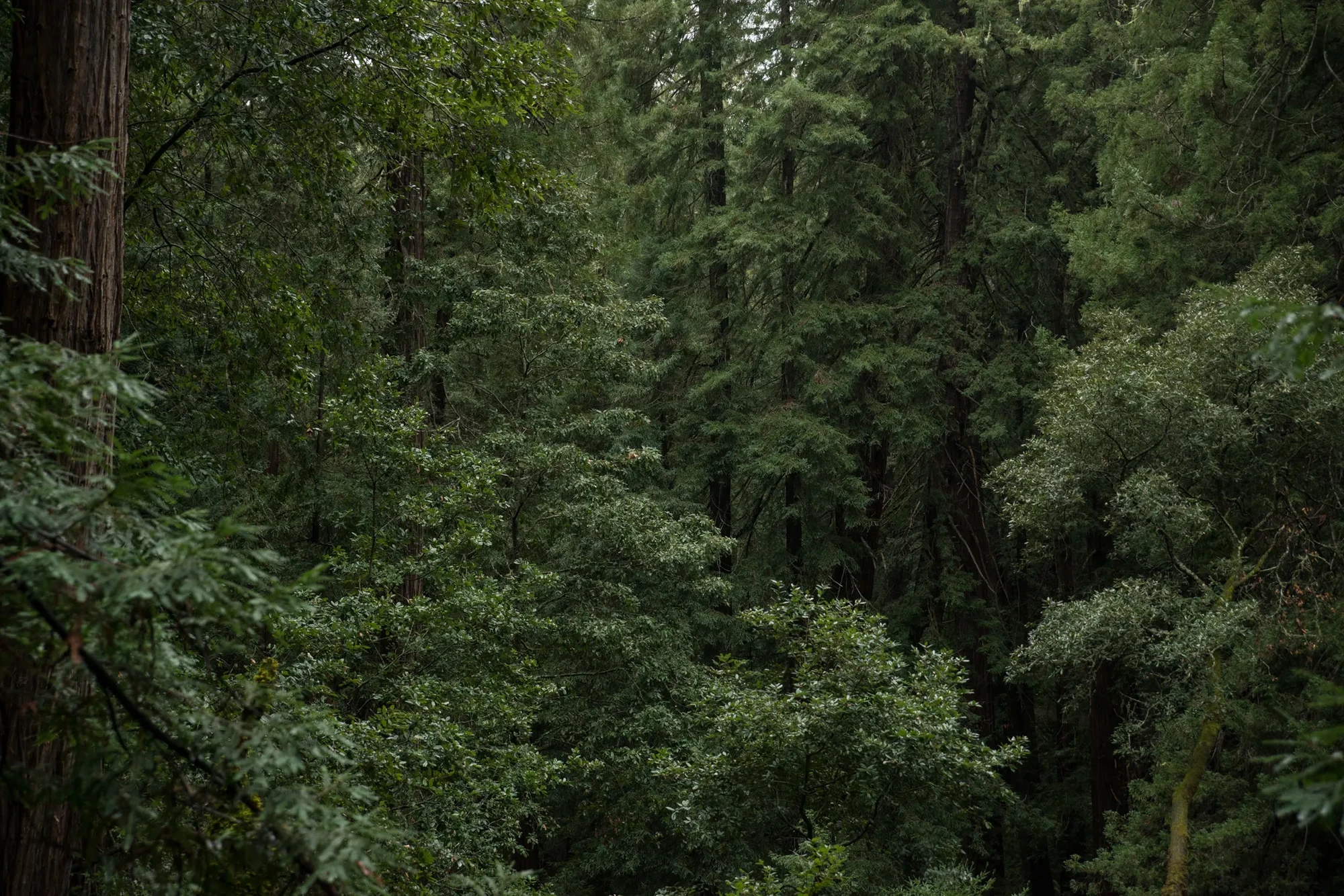
The formal resolution of In the Well (우물 안에서) runs through images made between 2015 and 2022 and republished in 2026. Monochrome-tending, low-light, structured by recurrence rather than by narrative progression, the work builds its coherence across the full set rather than within individual frames. Certain images catch figures or objects at the threshold of recognisability. Others let the light itself become the subject — the surface of water, the quality of illumination that penetrates a little before it doesn't.
The moment that crystallises the work: opening the well's cover one day and finding a boy waving back from the black water. His own reflection, made strange by distance. "The longer I stared, the more alien the boy began to appear. And then, suddenly, I grew frightened — it seemed as though he, too, was staring back at me. Was it really just a shadow?" The question is not rhetorical. In memory as in the well, the boundary between observer and observed begins to dissolve the longer you look.