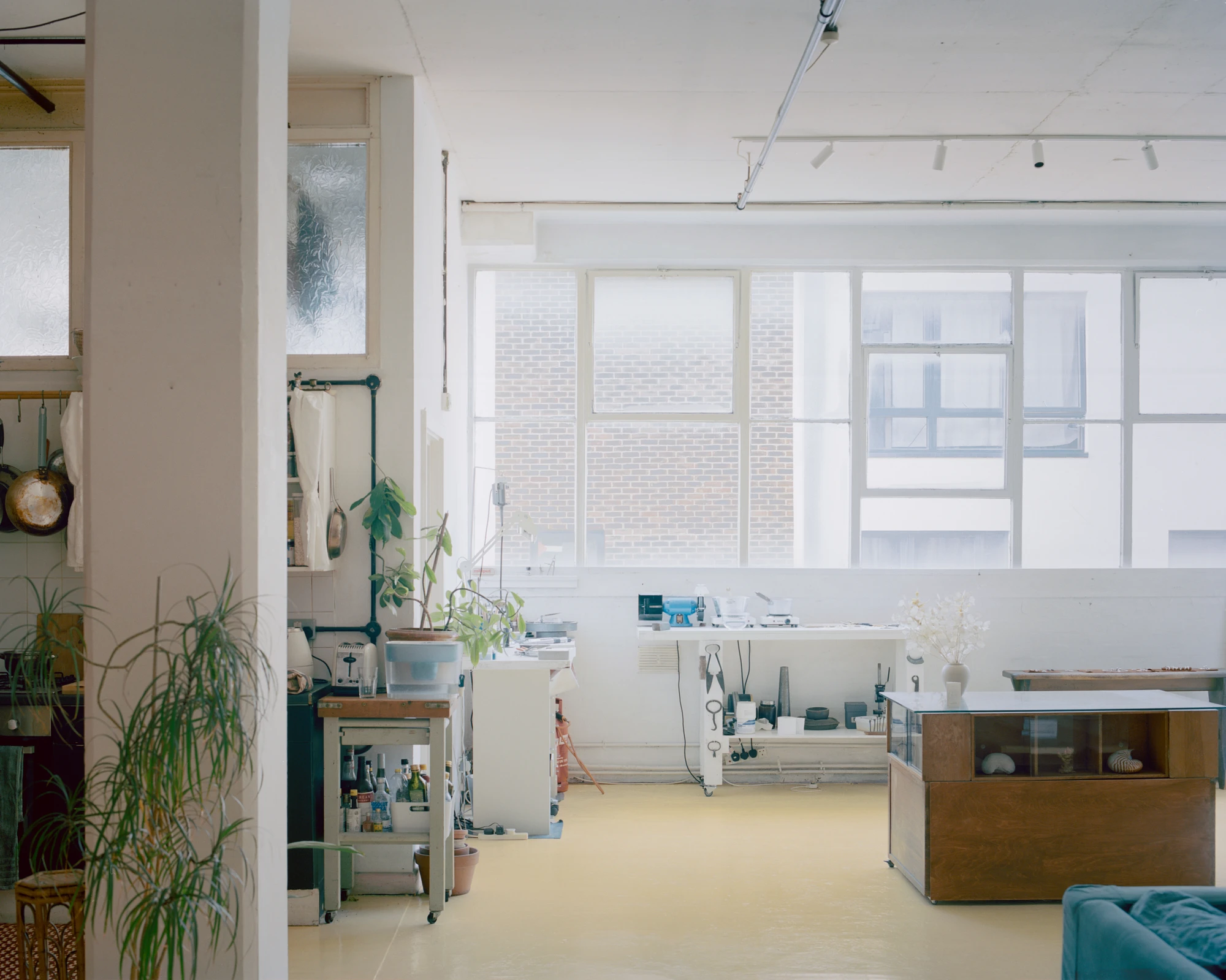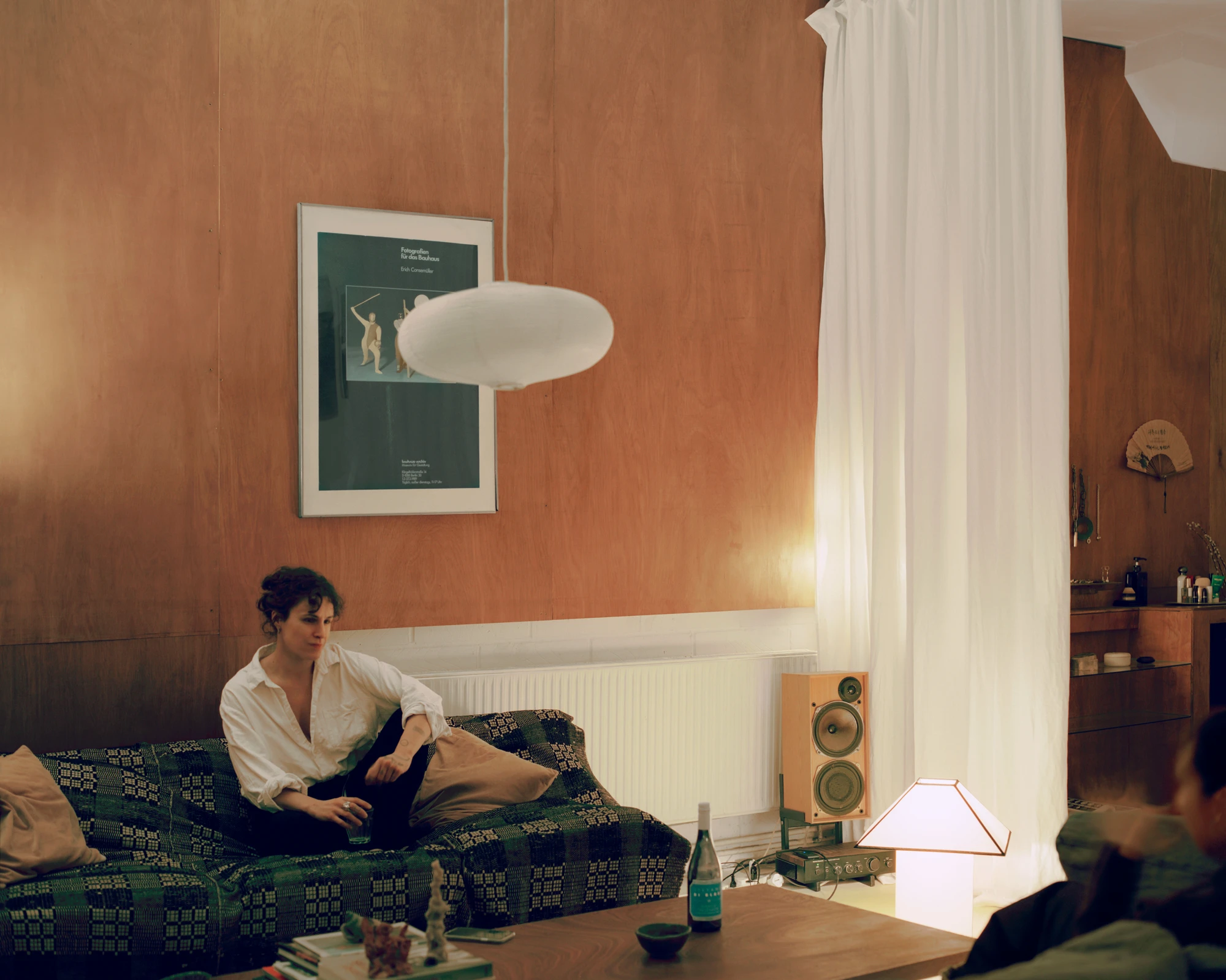
In one of Hackney Wick's last original warehouses in London, Helena of Mutter has built a life between jewellery studio and home — where the dream of making, living, and growing meets the reality of a neighbourhood in constant flux.
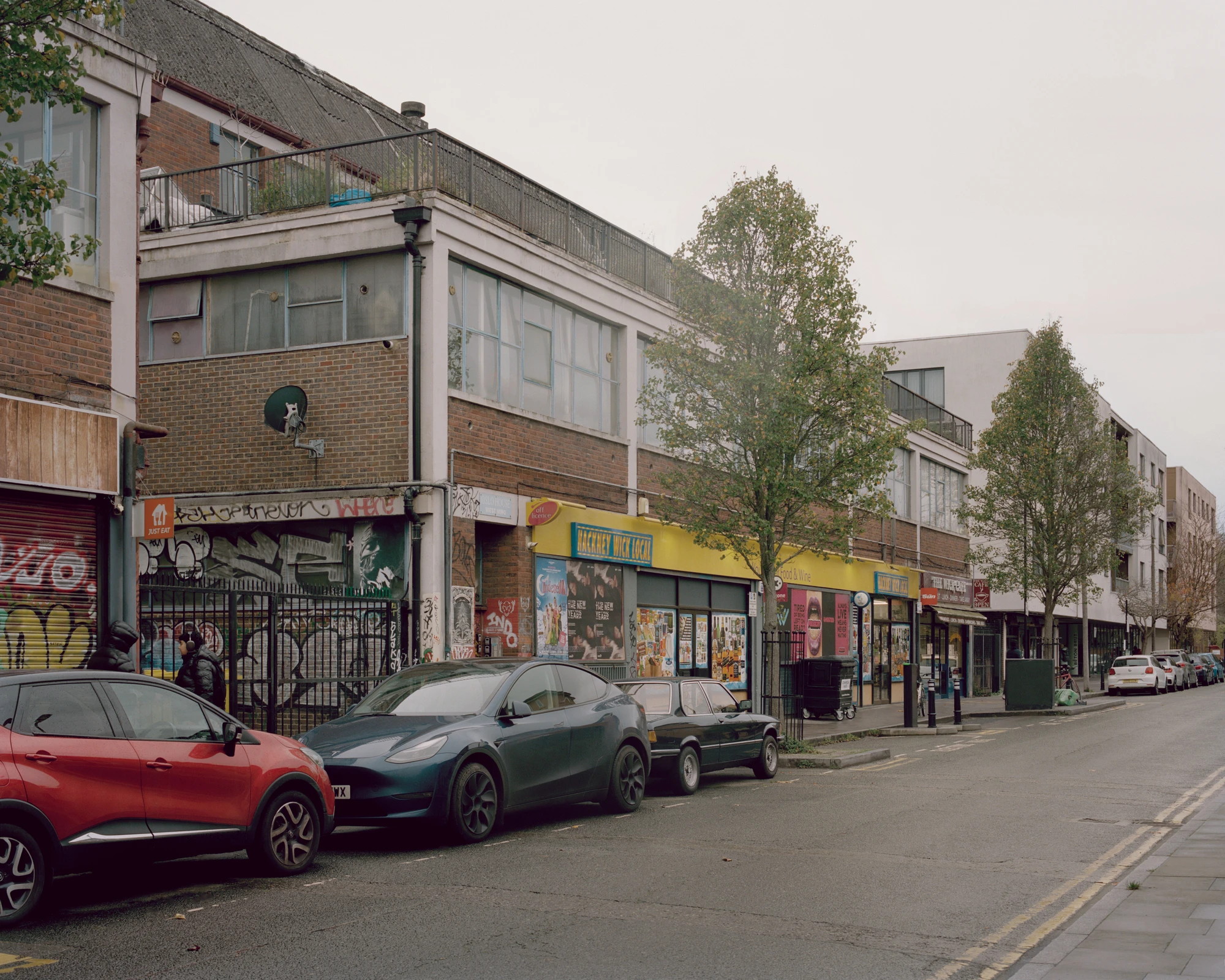
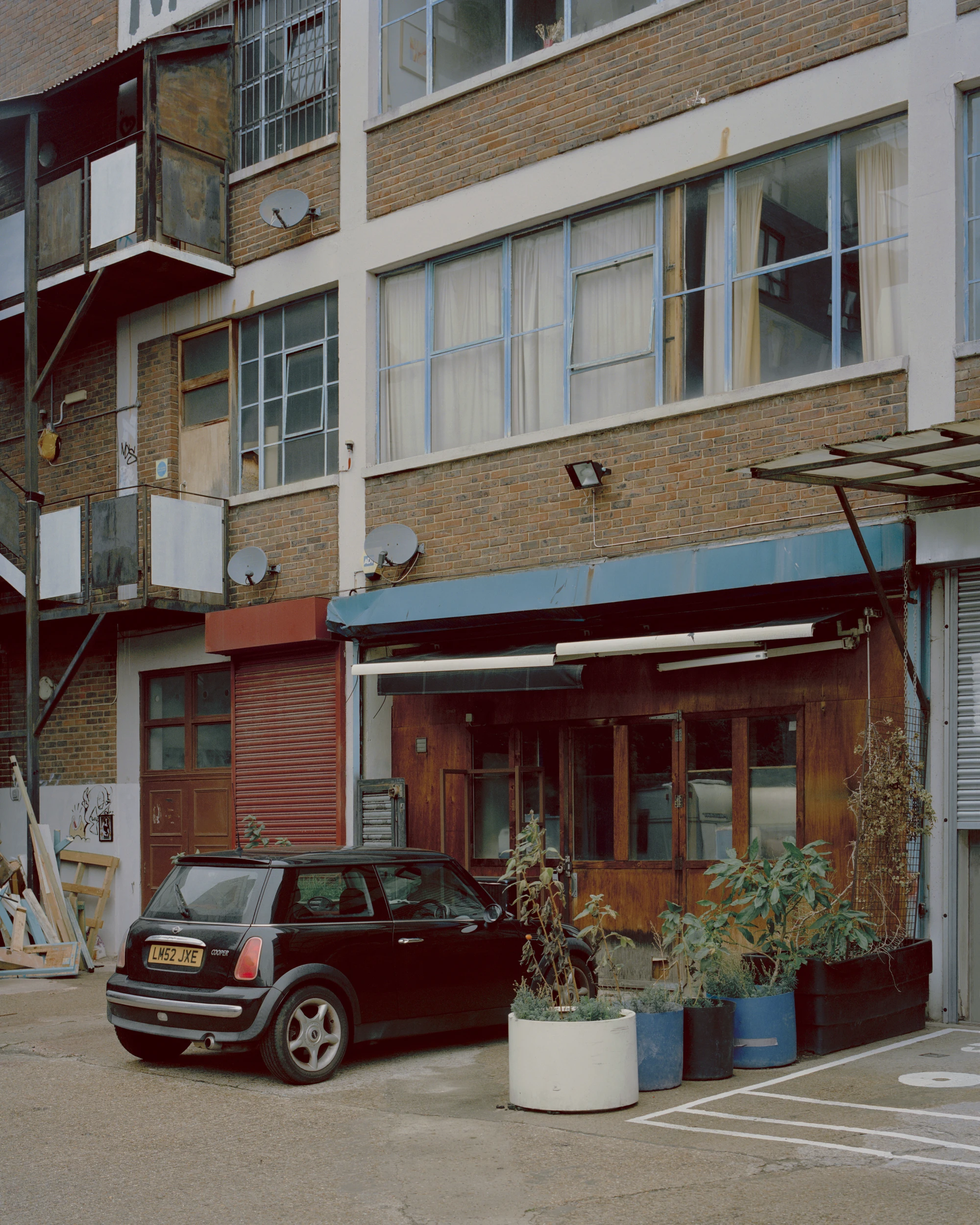
In the heart of Hackney Wick — a neighbourhood once at the centre of industry and rave culture, and where the first plastic in the UK was manufactured — stands one of the last original warehouses to survive the wave of generic London architecture. Underground communities of artists, makers, and eccentrics carved out a life here, coexisting with mechanics, welders, lumber yards, and other industrial neighbours.
Helena moved into a unit she shared with housemates just as she was starting to develop her jewellery brand, Mutter. The affordable rent, large space, and creative environment allowed her to experiment freely. "Living here meant compromises — thin walls, noisy nights, less privacy — but the gains were immense," she says. "Freedom to do whatever I wanted, often collaborating with other creatives in the building. I often feel like I'm living the Peter Pan dream of my younger self."
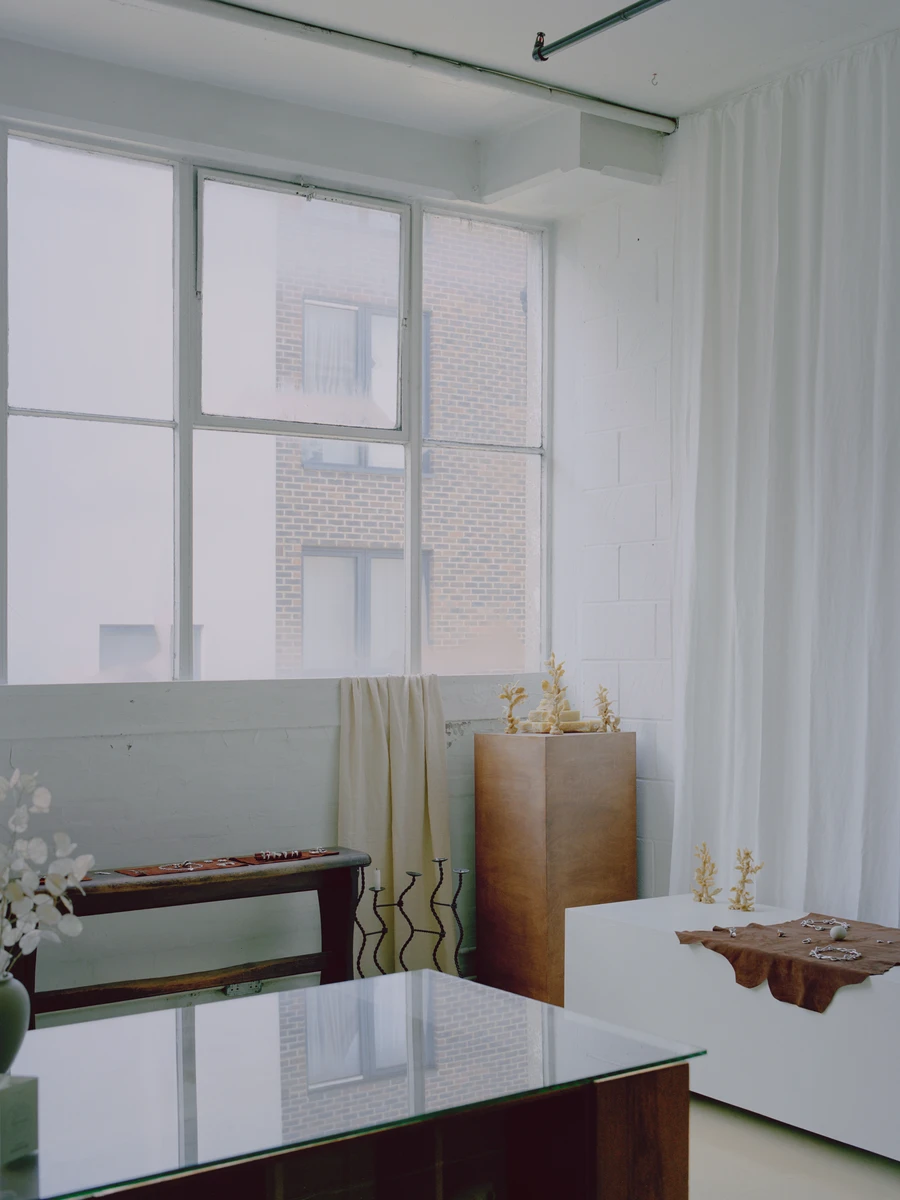
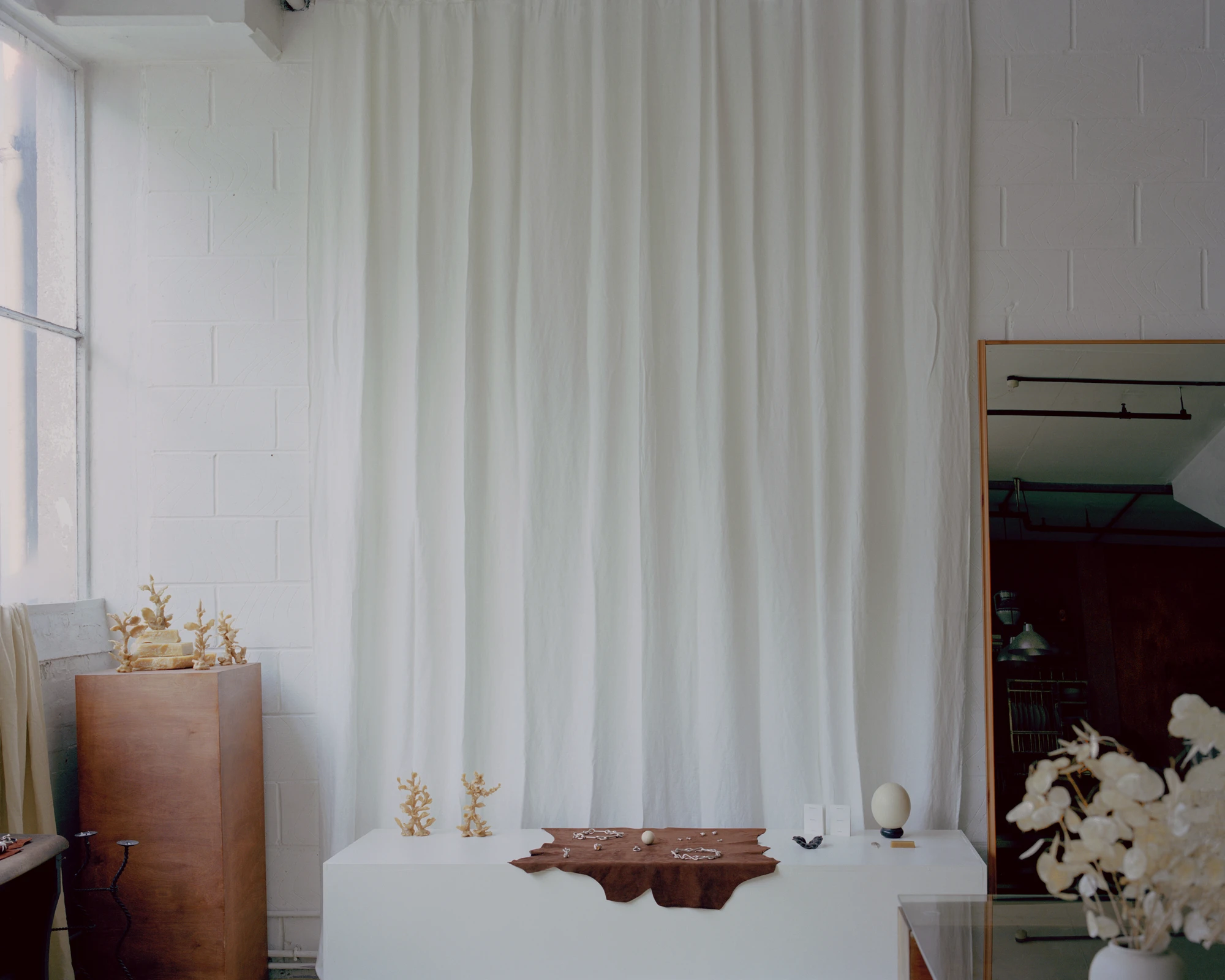
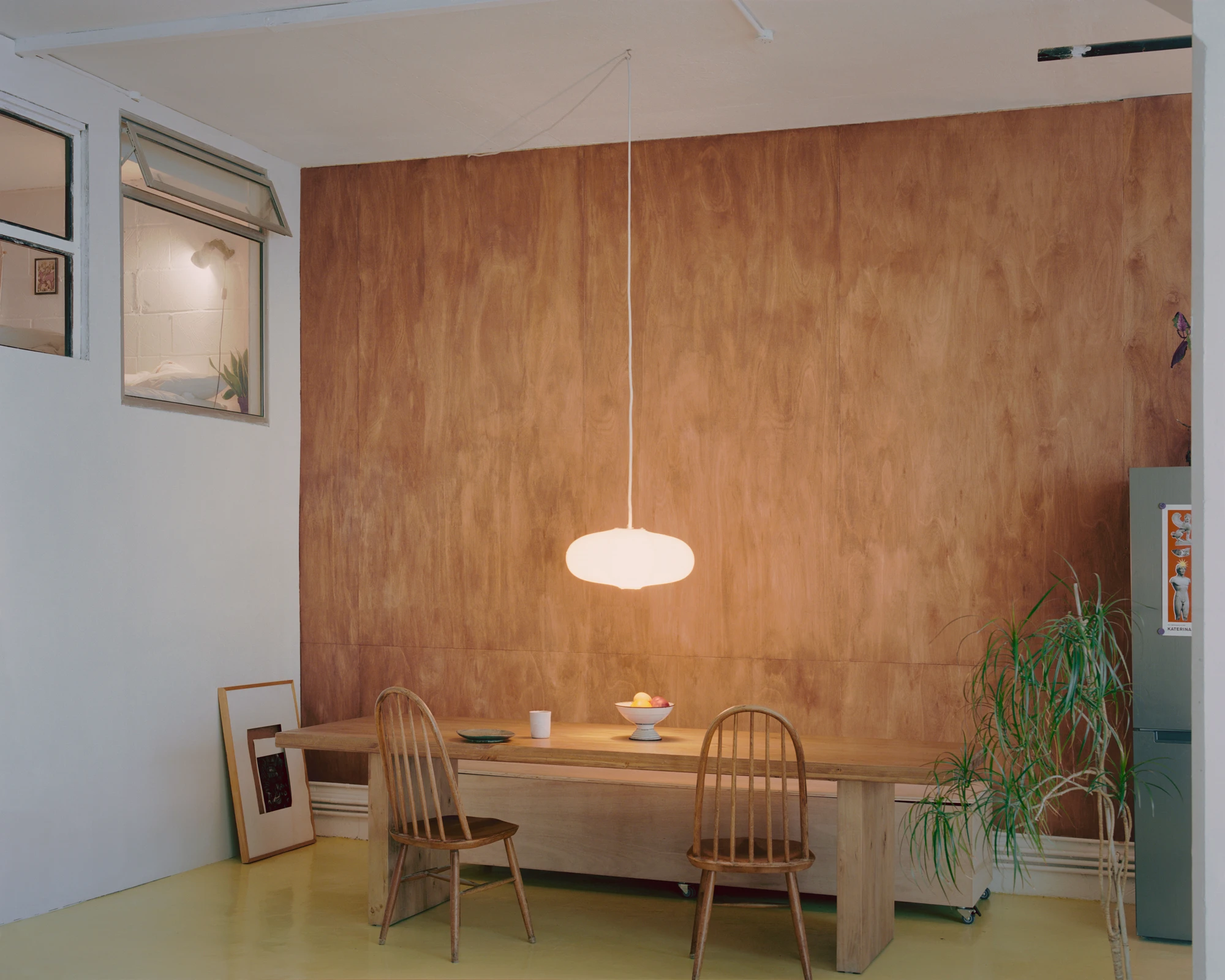
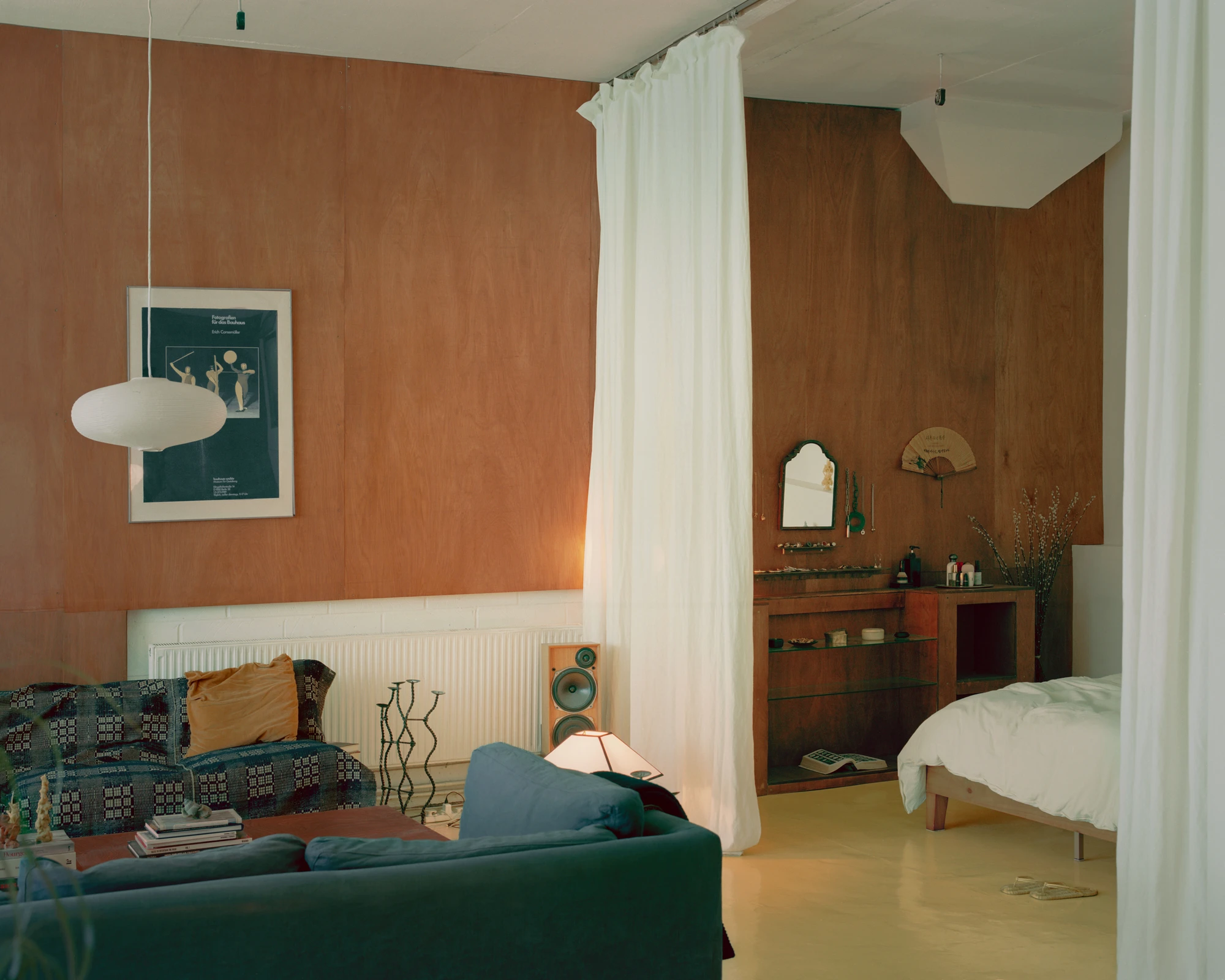
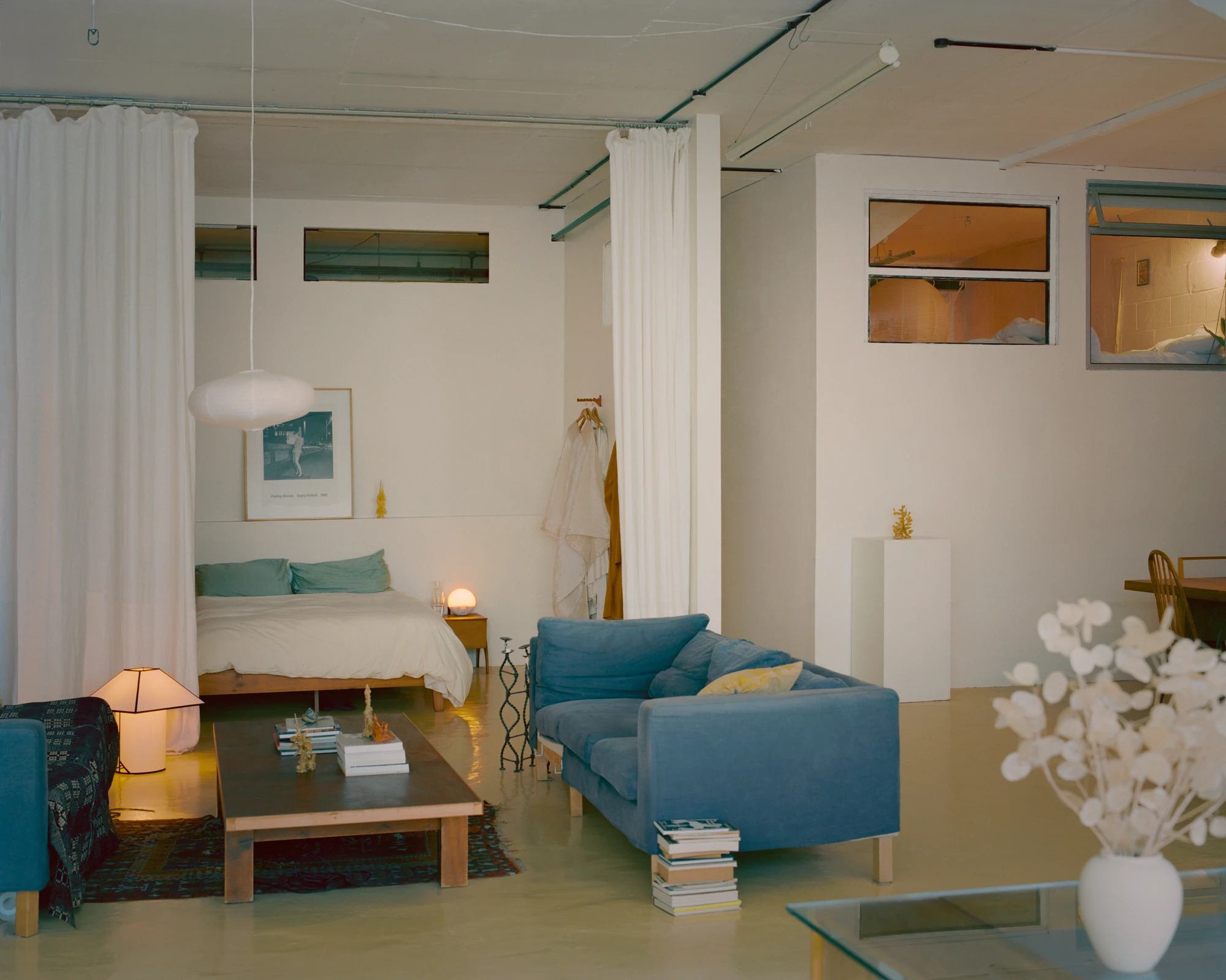
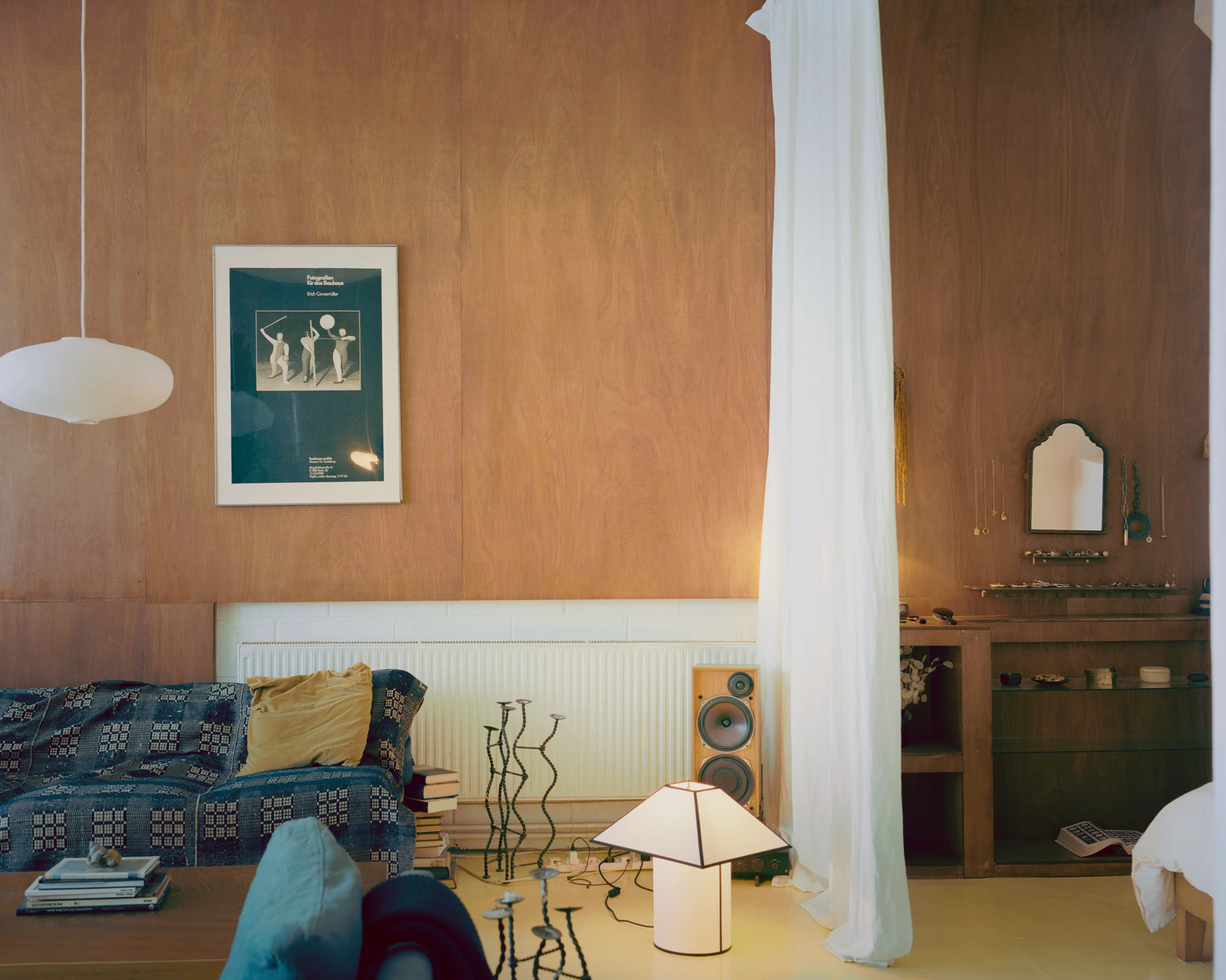
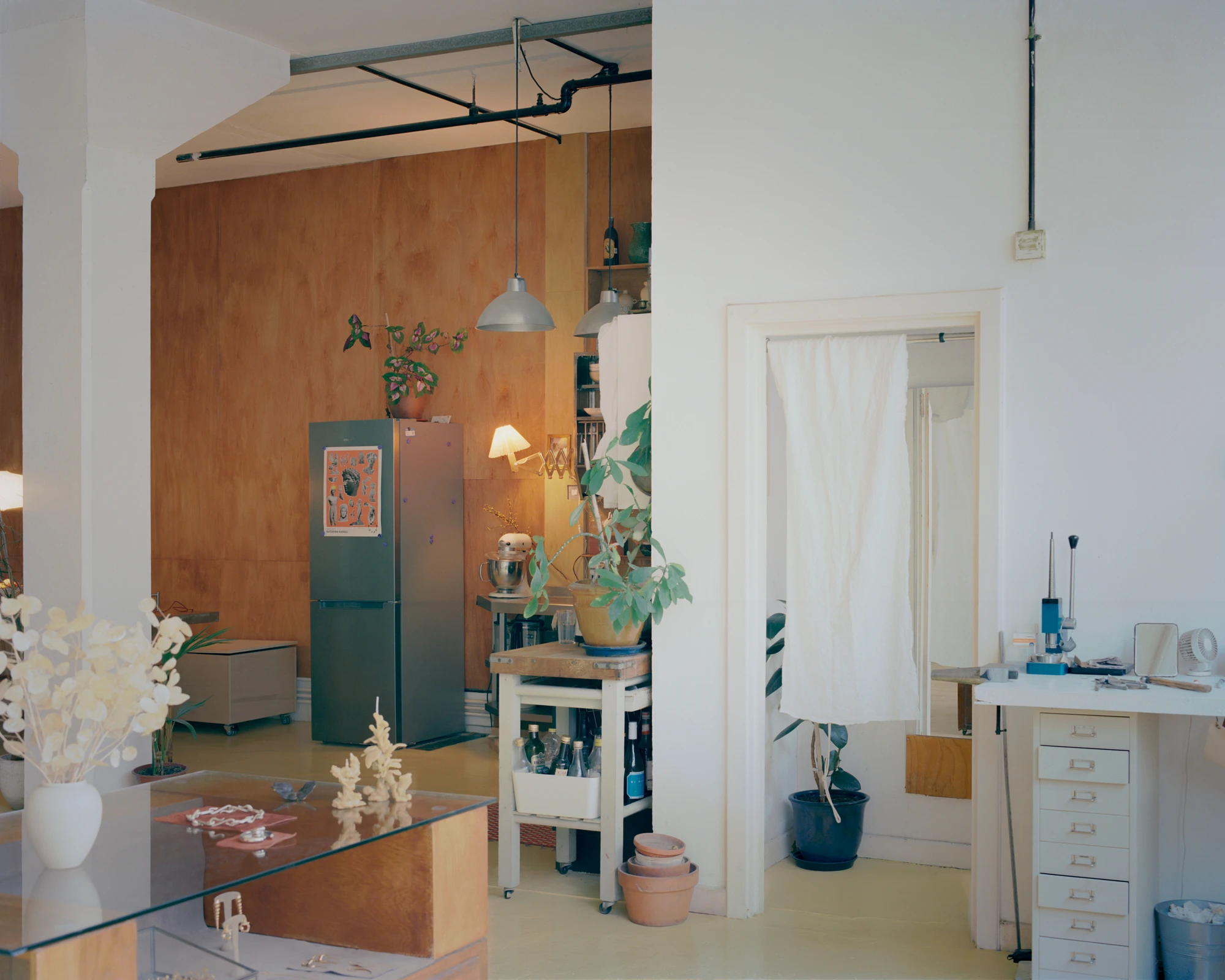
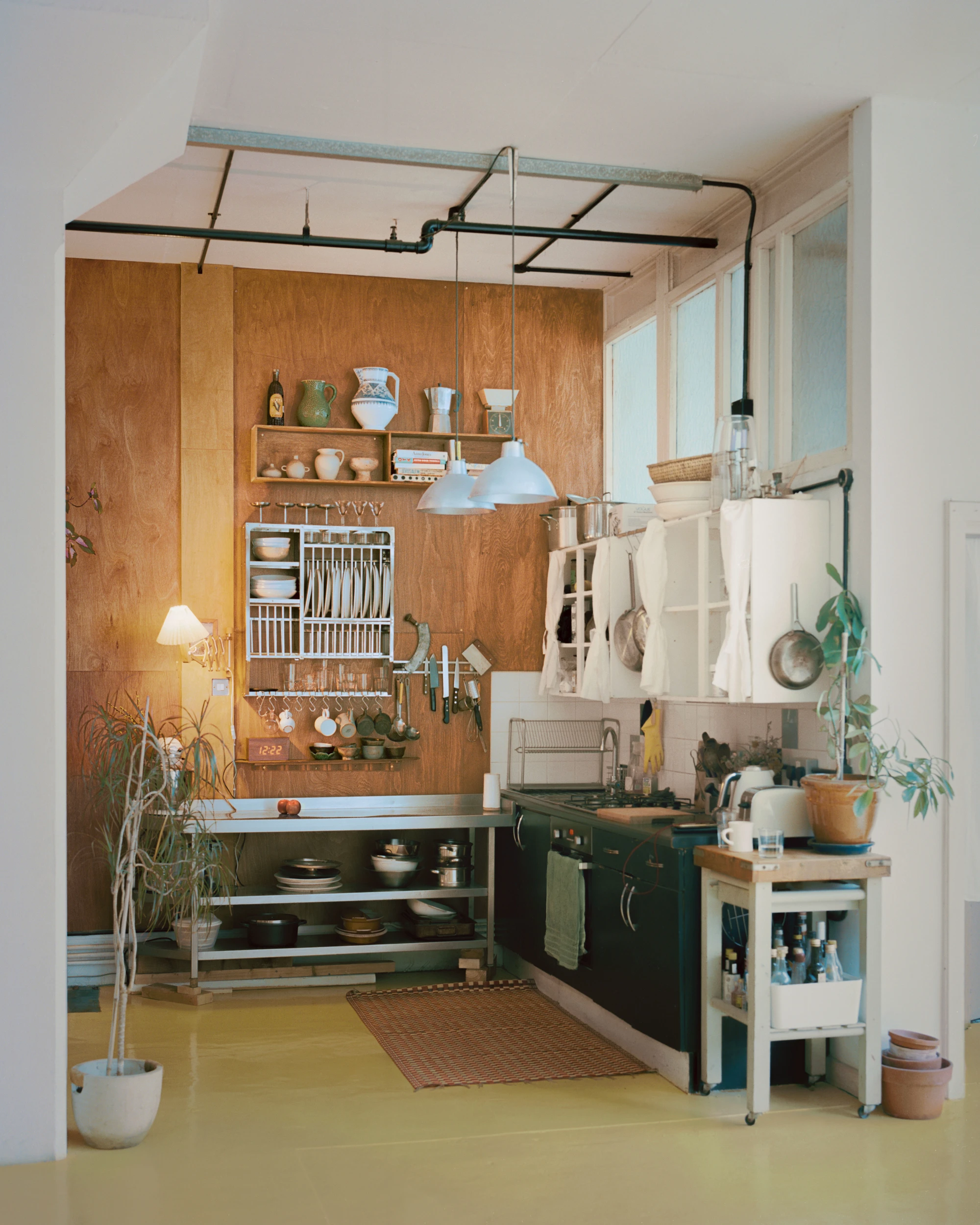
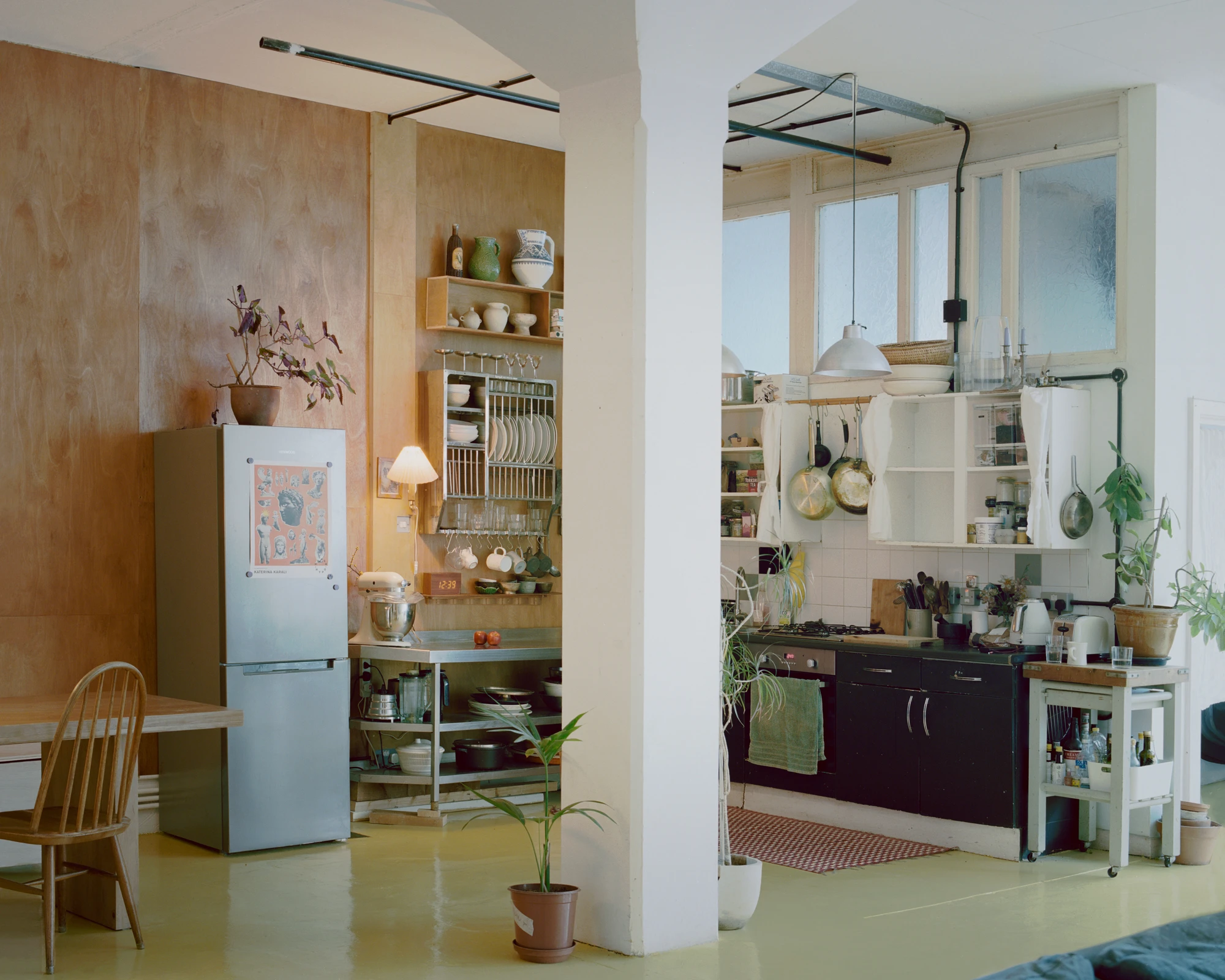
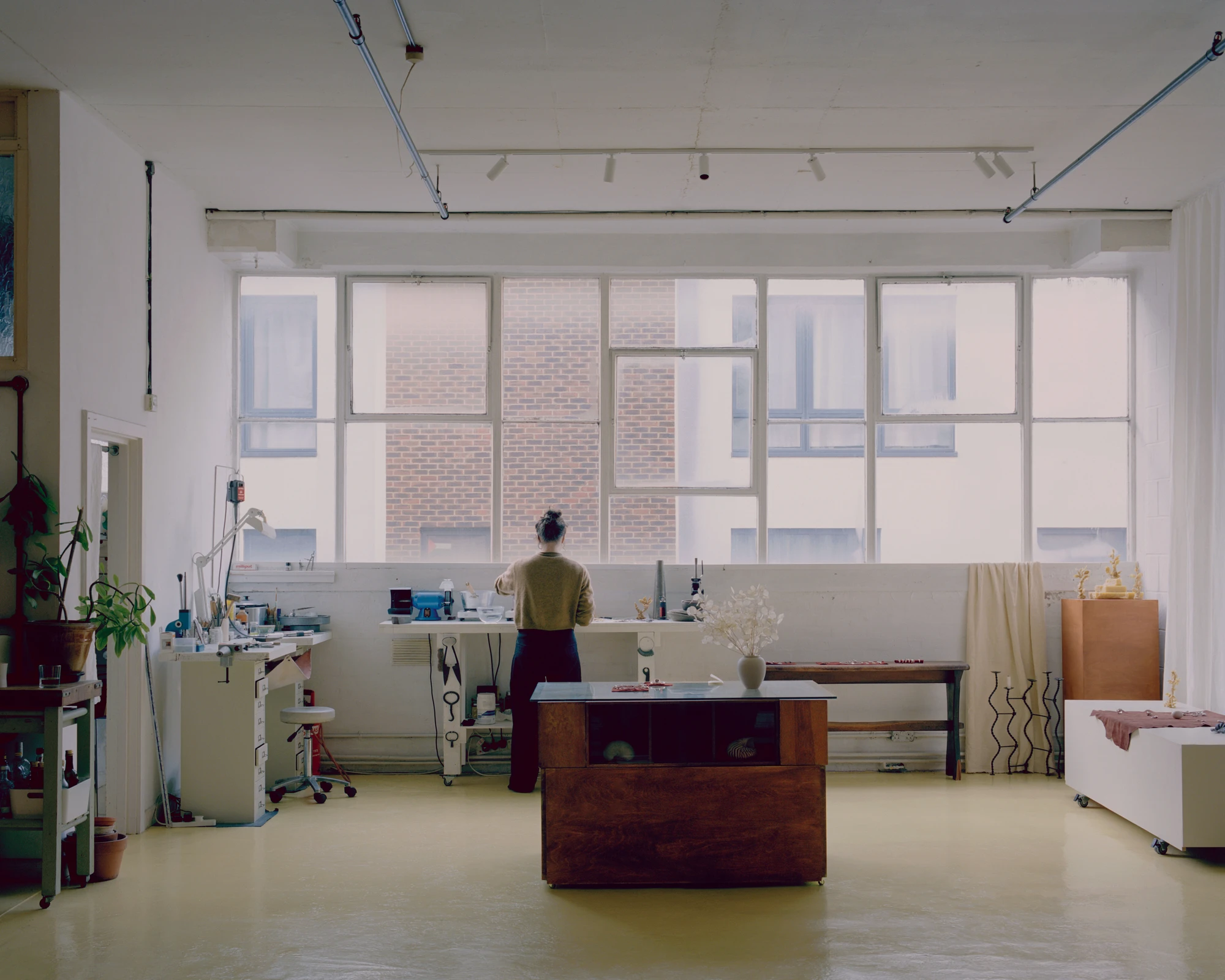
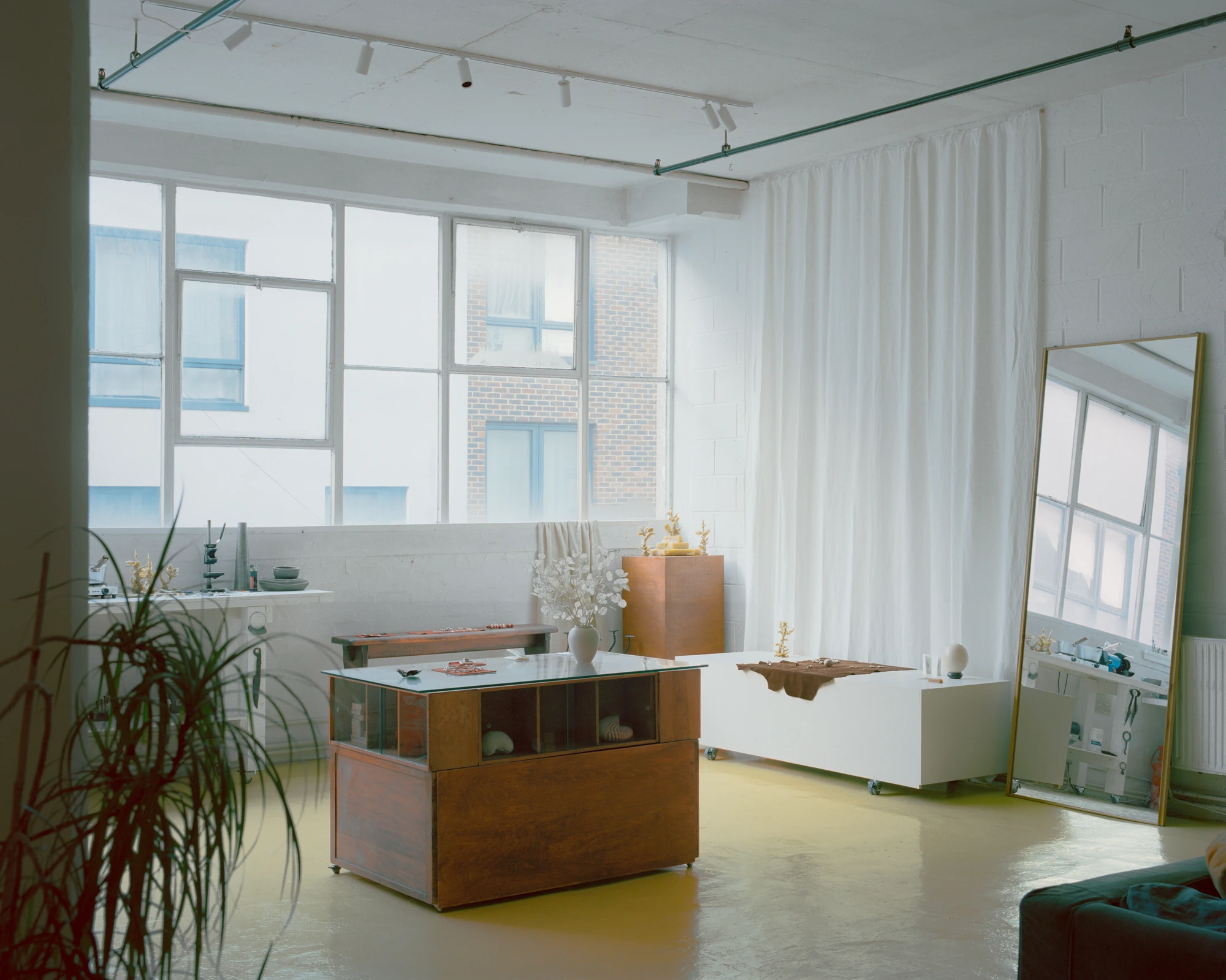
"I wanted it to feel like a Mexican hacienda meets artist loft. I wanted to walk in the sun and be hugged by trees." The interior reflects that ambition: warm surfaces, collected objects, plants climbing through industrial volumes, and the tools of her jewellery practice never far from sight. The studio and the domestic occupy the same floor — there is no commute, no separation between making and living.
Photographed by Willem Pab, the space reads as both portrait and manifesto — of a way of working that London's property market makes increasingly rare. Unit 2F is not a designed interior in the conventional sense; it is a space shaped by use, by accident, by the accumulation of creative life over time. That quality — the sense that the room has been inhabited rather than arranged — is precisely what makes it worth documenting.