Thisispaper Community
Join today.
Enter your email address to receive the latest news on emerging art, design, lifestyle and tech from Thisispaper, delivered straight to your inbox.
Oops! Something went wrong while submitting the form.
Instant access to new channels
The top stories curated daily
Weekly roundups of what's important
Original features and deep dives
Exclusive community features
Alexander Zaxarov
Feb 1, 2026

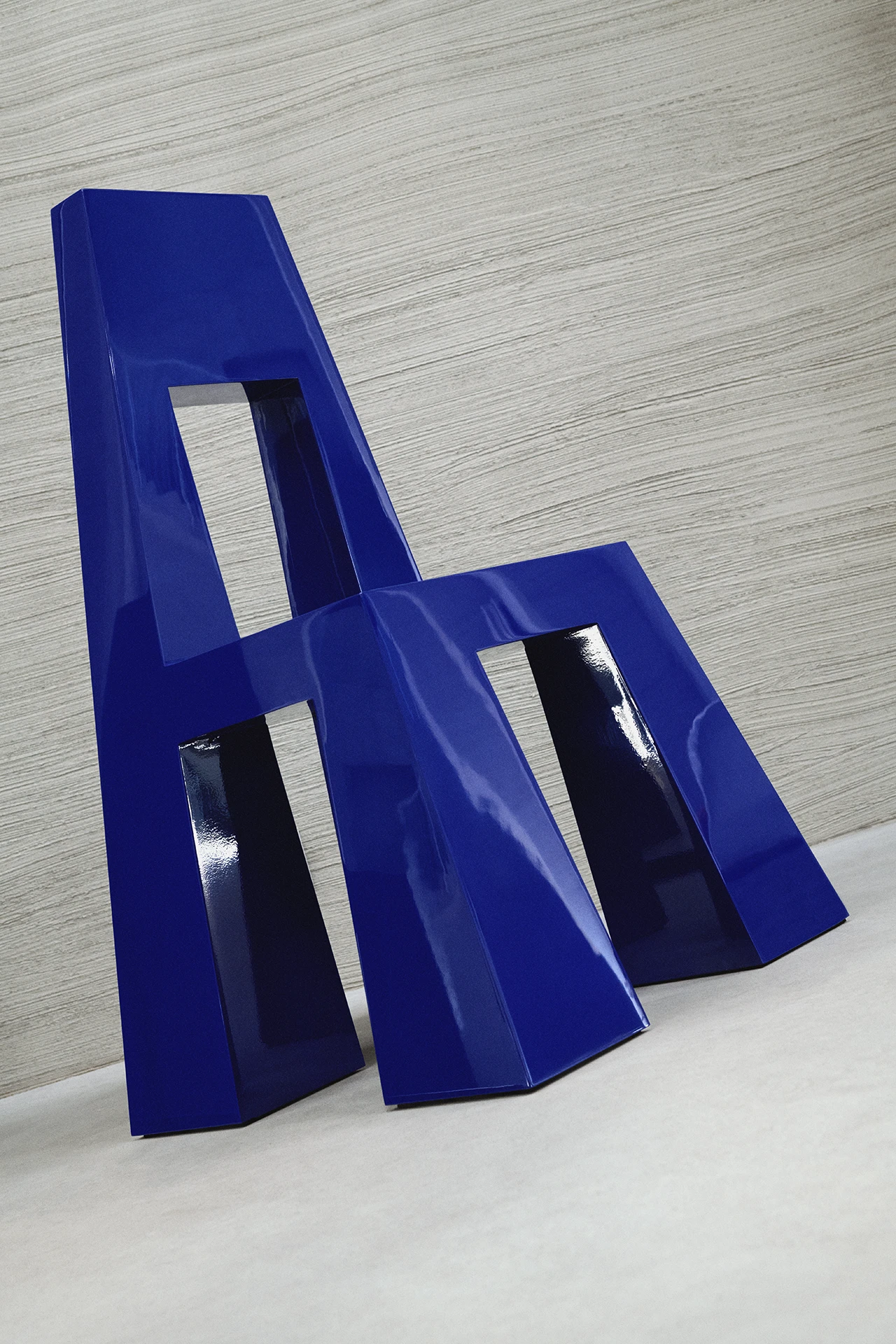
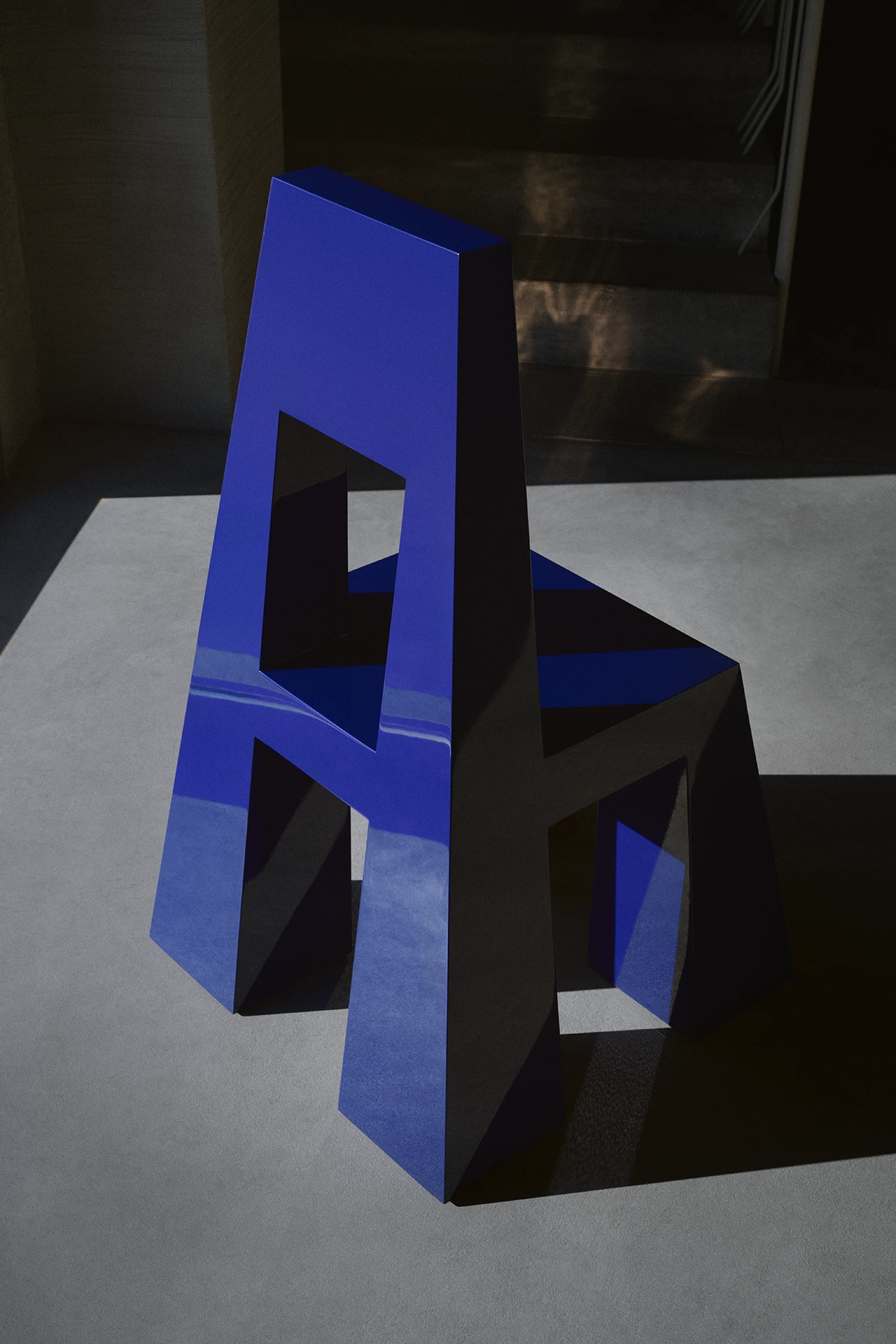
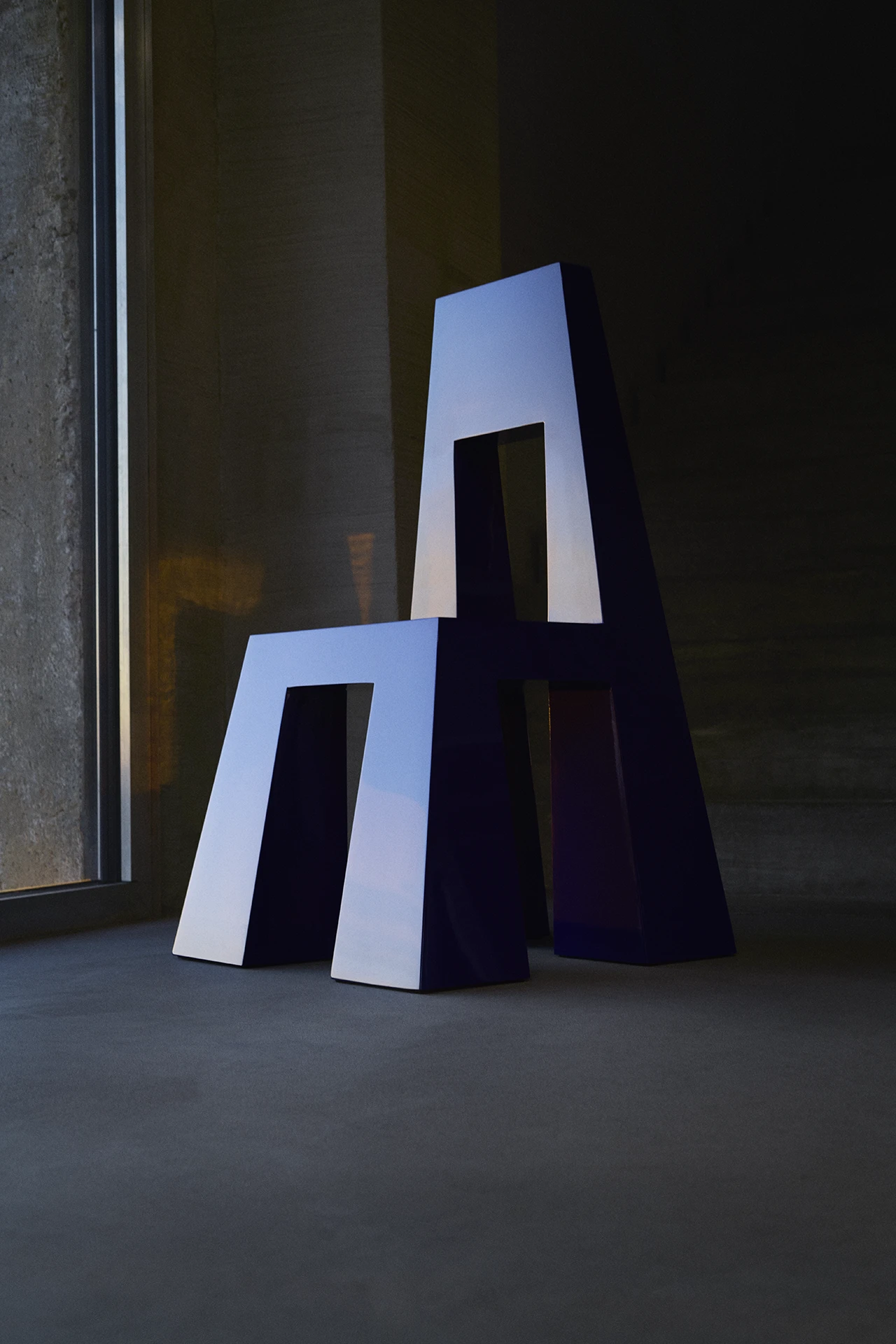
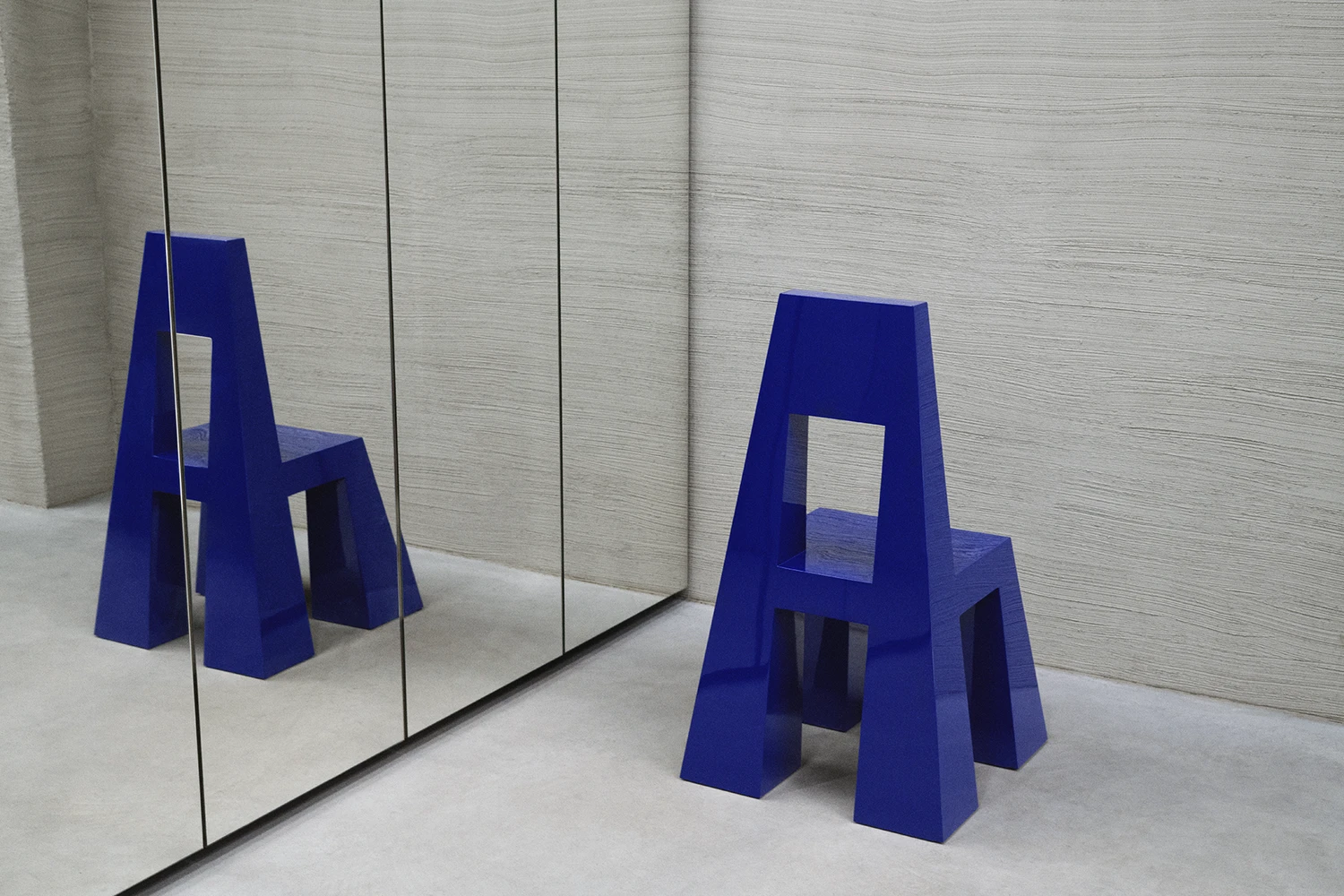
Fermo by Tobias Faisst in Berlin stops time in vivid blue—a chair that refuses to choose between sculpture and seating, monument and furniture.

There is something almost confrontational about an object that demands you decide what it is. Tobias Faisst's Fermo, saturated in a blue so electric it seems to vibrate against its surroundings, poses exactly this kind of challenge. It looks like a chair. It has four legs, a seat, a back. But sit in it, and you'll understand why the designer chose fermo—Italian for stopped, arrested, fixed—as its name.

The piece exists in deliberate dialogue with the radical furniture experiments of 1980s Italy, when designers at studios like Alchimia declared war on function. They tilted chairs until they became useless, covered sofas in impossible patterns, and turned the living room into a gallery. Faisst's provocation runs in reverse: what if we took something that had become pure sculpture and forced it back into service?

The result is neither comfortable nor entirely impractical. Its proportions feel slightly wrong—the seat pitched at an angle that discourages lingering, the height calibrated for alertness rather than relaxation. You perch on Fermo like a visitor in your own home. This is furniture that keeps you awake, that refuses the easy slide into domestic oblivion.

Shot against raw concrete and brushed plaster in Berlin, the chair's ultramarine surface operates like a punctuation mark in space. Light pools and shifts across its planes throughout the day, revealing geometries that seem to multiply the longer you look. A shadow becomes a second chair. A reflection suggests a third.

What Faisst has made is less a piece of furniture than a proposition about how we might live with objects that demand something from us. In an era of optimized ergonomics and endless customization, Fermo insists on its own terms. The chair will not meet you halfway. It simply waits, blue and uncompromising, for you to decide whether you're willing to stay.

Interested in Showcasing Your Work?

If you would like to feature your works on Thisispaper, please visit our Submission page and sign up to Thisispaper+ to submit your work. Once your submission is approved, your work will be showcased to our global audience of 2 million art, architecture, and design professionals and enthusiasts.
No items found.
We love less
but there is more.
Become a Thisispaper+ member today to unlock full access to our magazine, advanced tools, and support our work.
Get two months FREE
with annual subscription
We love less
but there is more.
Become a Thisispaper+ member today to unlock full access to our magazine, advanced tools, and support our work.
Get two months FREE
with annual subscription
No items found.
Alexander Zaxarov
Feb 1, 2026

Fermo by Tobias Faisst in Berlin stops time in vivid blue—a chair that refuses to choose between sculpture and seating, monument and furniture.

There is something almost confrontational about an object that demands you decide what it is. Tobias Faisst's Fermo, saturated in a blue so electric it seems to vibrate against its surroundings, poses exactly this kind of challenge. It looks like a chair. It has four legs, a seat, a back. But sit in it, and you'll understand why the designer chose fermo—Italian for stopped, arrested, fixed—as its name.

The piece exists in deliberate dialogue with the radical furniture experiments of 1980s Italy, when designers at studios like Alchimia declared war on function. They tilted chairs until they became useless, covered sofas in impossible patterns, and turned the living room into a gallery. Faisst's provocation runs in reverse: what if we took something that had become pure sculpture and forced it back into service?

The result is neither comfortable nor entirely impractical. Its proportions feel slightly wrong—the seat pitched at an angle that discourages lingering, the height calibrated for alertness rather than relaxation. You perch on Fermo like a visitor in your own home. This is furniture that keeps you awake, that refuses the easy slide into domestic oblivion.

Shot against raw concrete and brushed plaster in Berlin, the chair's ultramarine surface operates like a punctuation mark in space. Light pools and shifts across its planes throughout the day, revealing geometries that seem to multiply the longer you look. A shadow becomes a second chair. A reflection suggests a third.

What Faisst has made is less a piece of furniture than a proposition about how we might live with objects that demand something from us. In an era of optimized ergonomics and endless customization, Fermo insists on its own terms. The chair will not meet you halfway. It simply waits, blue and uncompromising, for you to decide whether you're willing to stay.

Interested in Showcasing Your Work?

If you would like to feature your works on Thisispaper, please visit our Submission page and subscribe to Thisispaper+. Once your submission is approved, your work will be showcased to our global audience of 2 million art, architecture, and design professionals and enthusiasts.
Thisispaper+
The New Chair
40+ Projects
Web Access
Link to Maps
The chair represents the most sacred meeting of form and function. From offices to dining tables, lounging to working, chairs are ubiquitous pieces of design. In the words of the late David Bowie “Why bother choosing a certain chair? Because that chair says something about you.”
Explore
The New Chair

Join Thisispaper+
Unlock access to 2500 stories, curated guides + editions, and share your work with a global network of architects, artists, writers and designers who are shaping the future.
Get two months FREE
with annual subscription
Atlas
A new and interactive way to explore the most inspiring places around the world.
Interactive map
Linked to articles
300+ curated locations
Google + Apple directions
Smart filters
Subscribe to Explore+
Travel Guides
Immerse yourself in timeless destinations, hidden gems, and creative spaces—curated by humans, not algorithms.
Explore All Guides +
Curated Editions
Dive deeper into carefully curated editions, designed to feed your curiosity and foster exploration.
Off-the-Grid
Jutaku
Sacral Journey
minimum
The New Chair
Explore All Editions +
Submission Module
Submit your project and gain the chance to showcase your work to our worldwide audience of over 2M architects, designers, artists, and curious minds.
Learn More+
Become a Thisispaper+ member today to unlock full access to our magazine, submit your project and support our work.
Join Thisispaper+Join Thisispaper+
€ 9 EUR
/month
Cancel anytime
Get two months FREE
with annual subscription