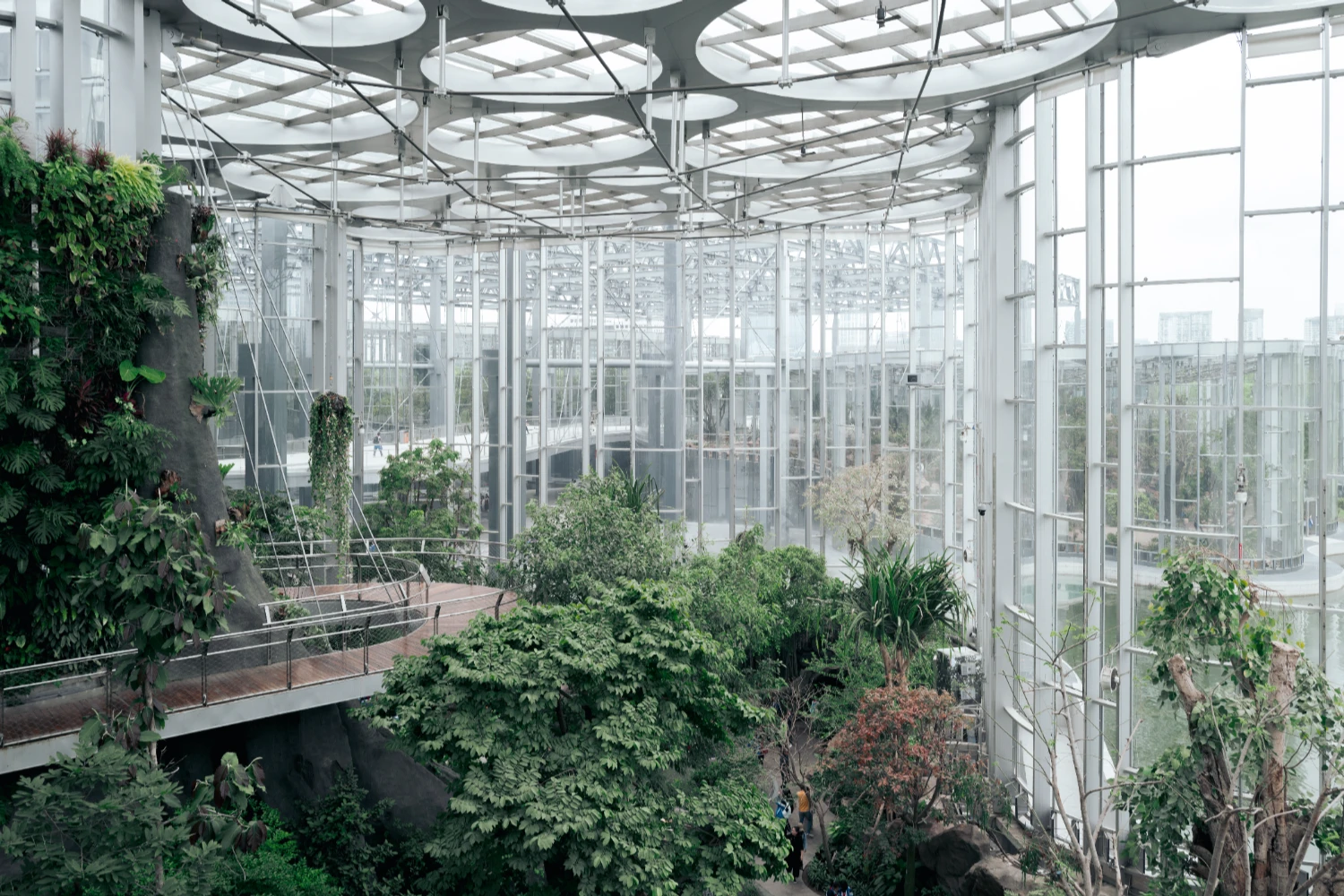
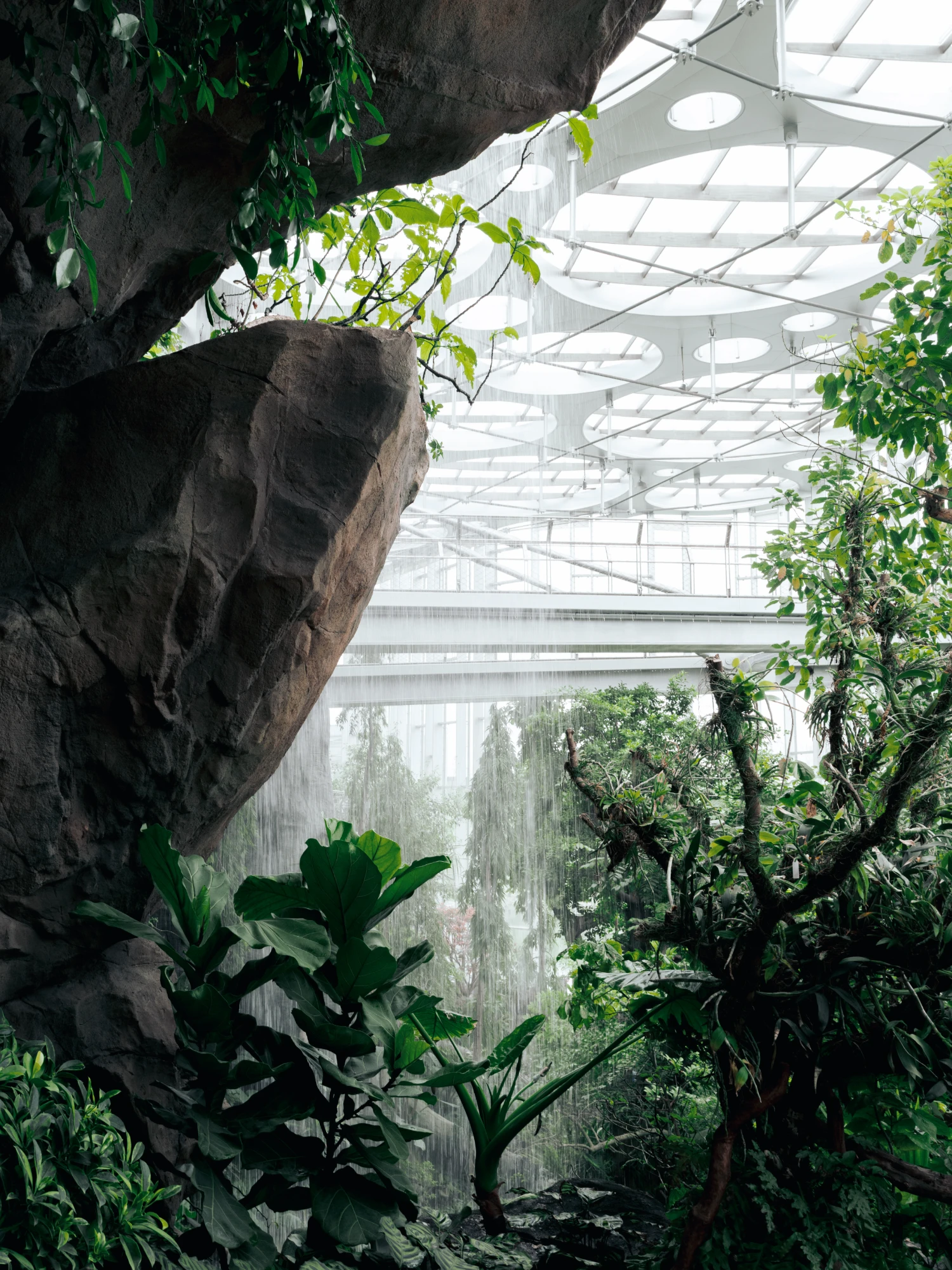
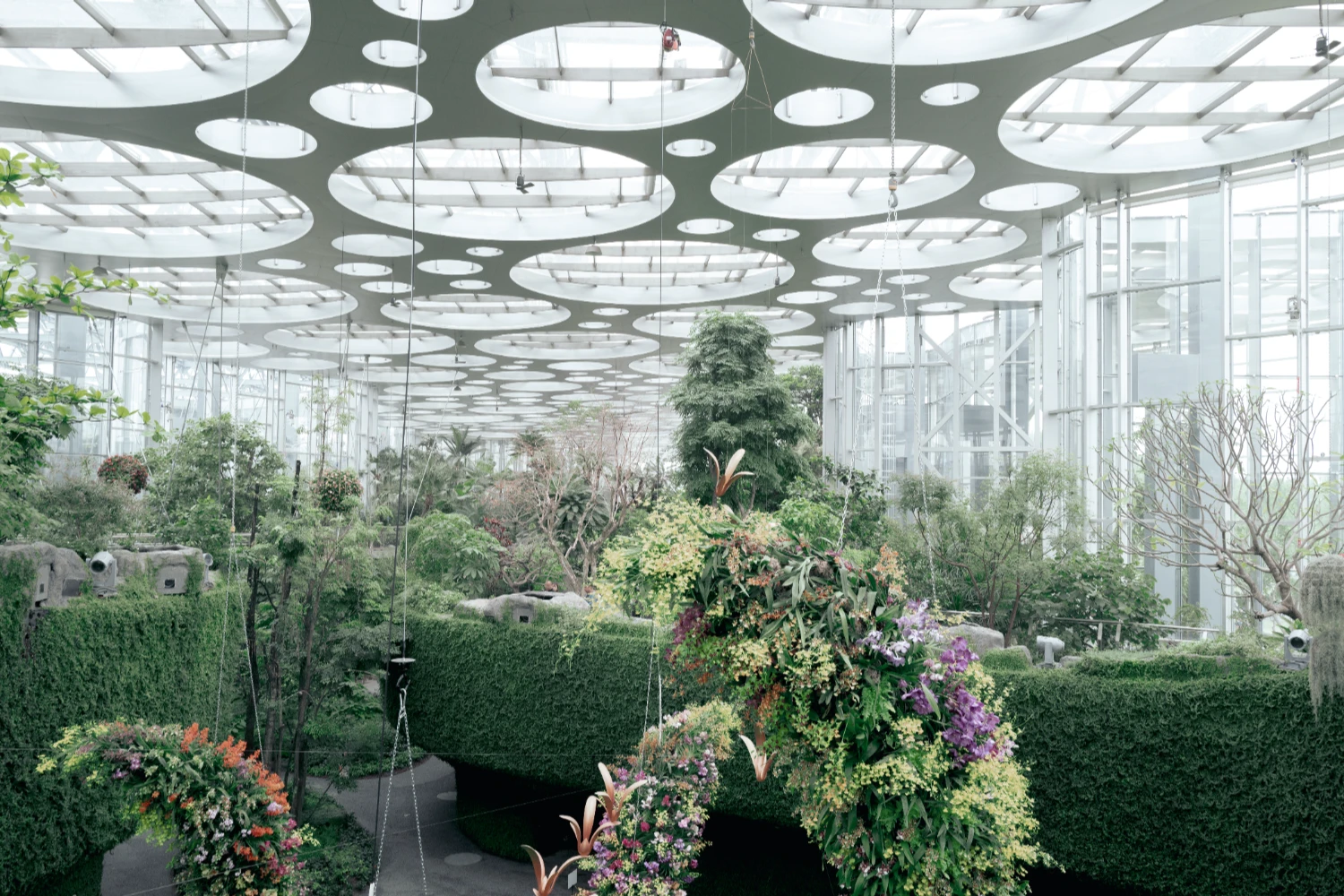
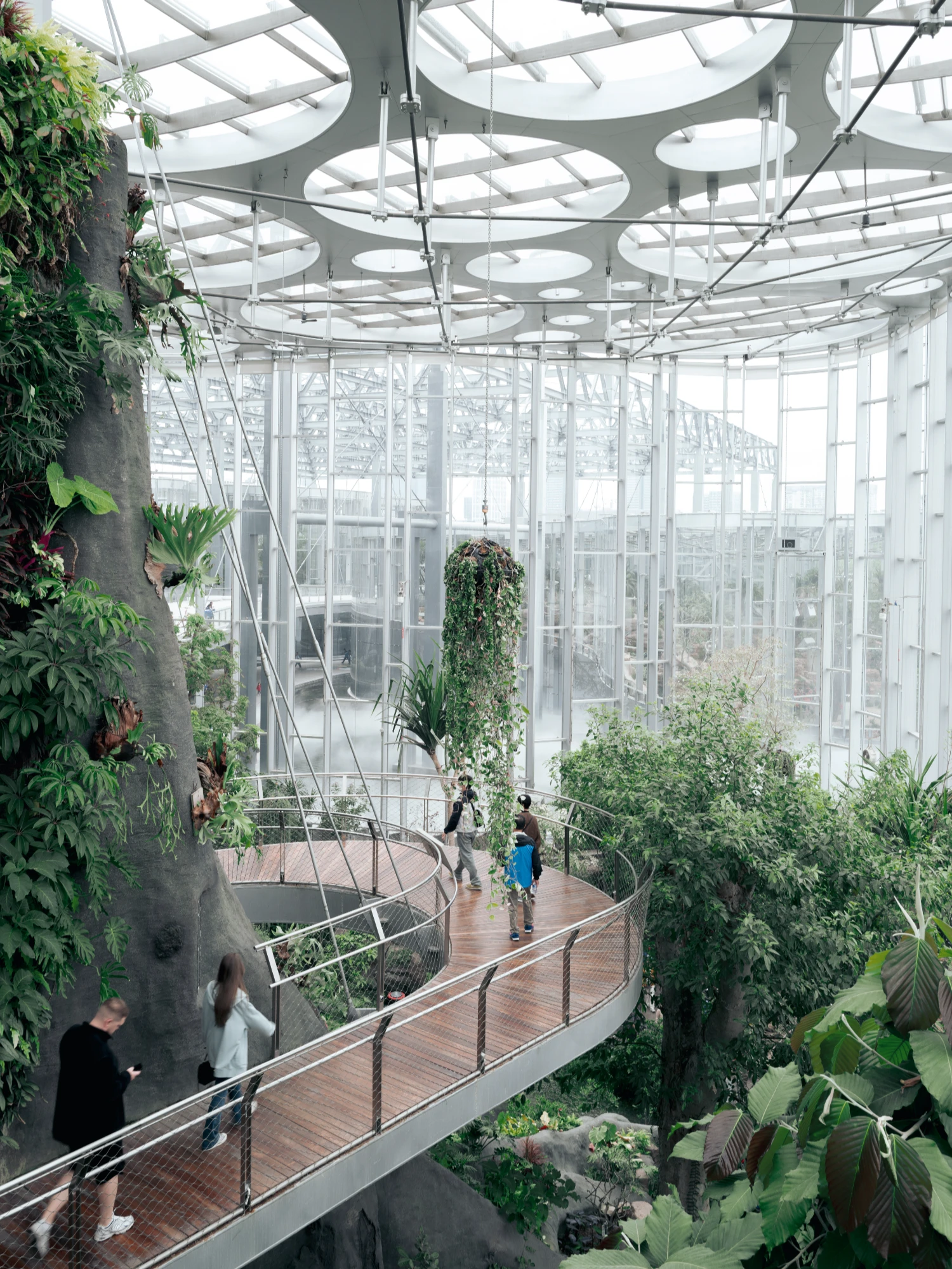
Delugan Meissl’s Greenhouse Garden in Shanghai reclaims industrial scars with ecological grace and vision, creating a living architecture at the intersection of memory and renewal.
Nestled within the transformed industrial flatlands of Pudong, where steelworks once groaned and coal chimneys belched, this new intervention stands as a spatial manifesto. With Shanghai’s hyper-urbanized metabolism threatening to collapse under the weight of its own acceleration, the project proposes a different kind of monument: one that breathes, grows, and remembers.
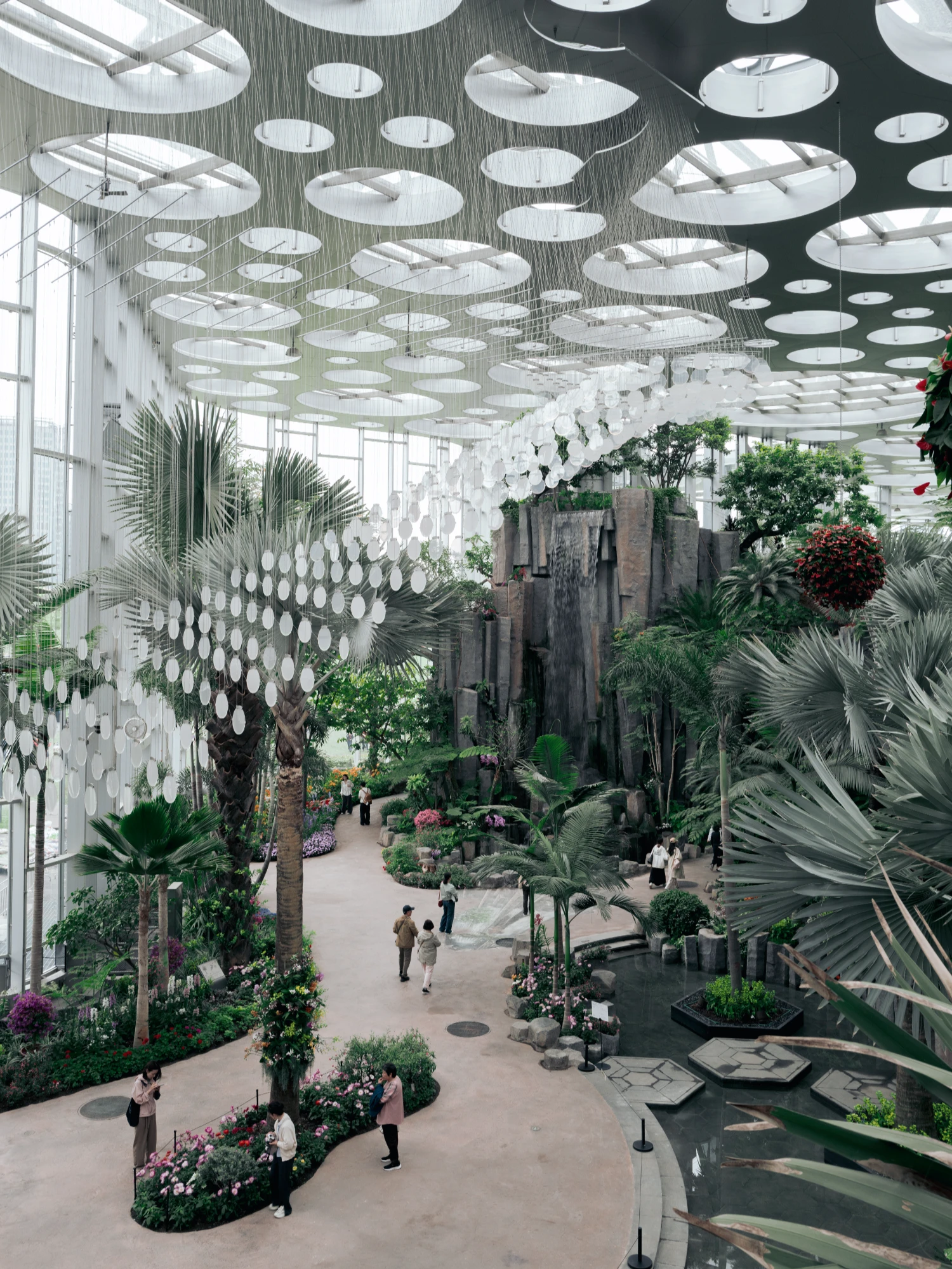
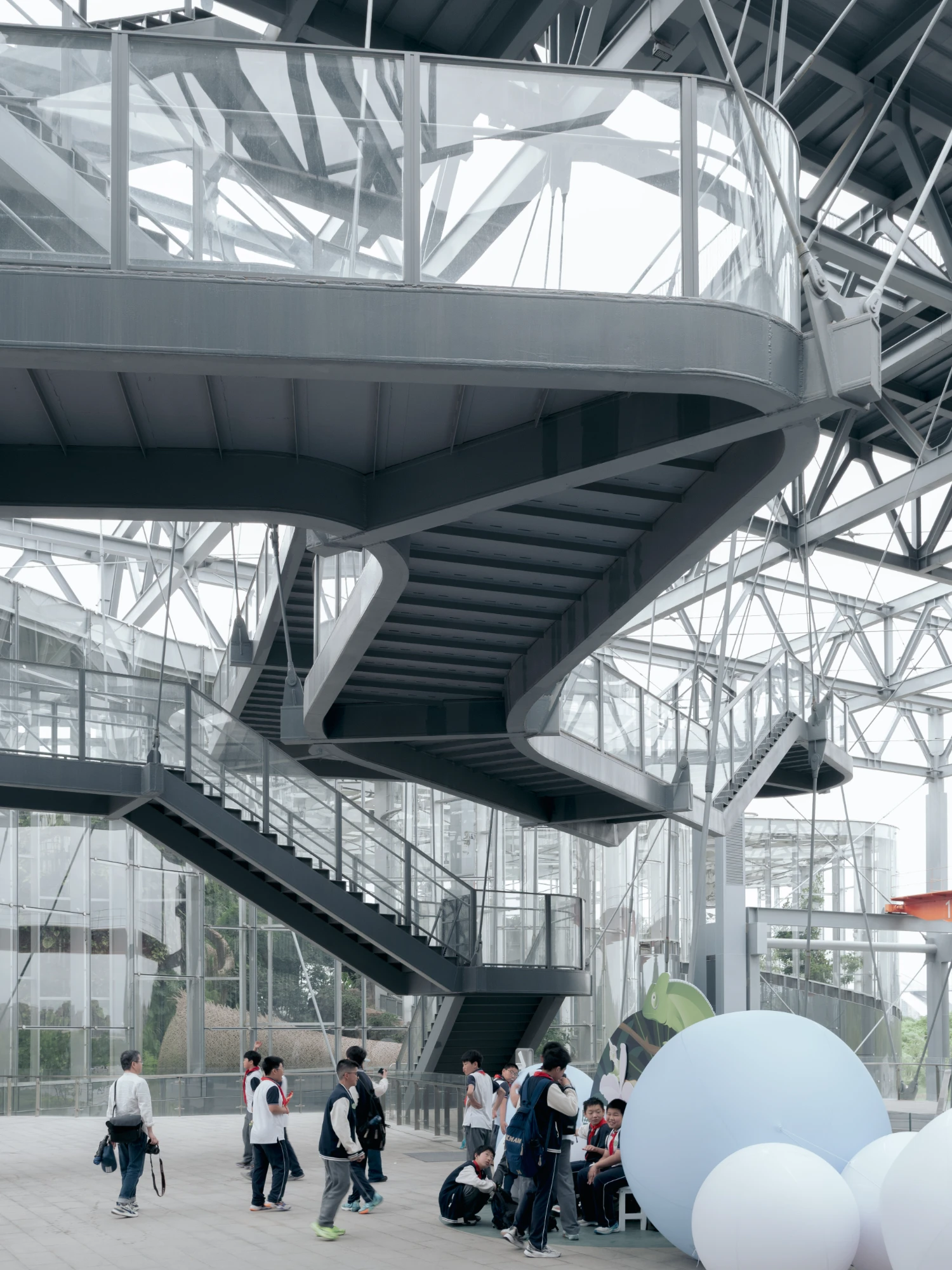
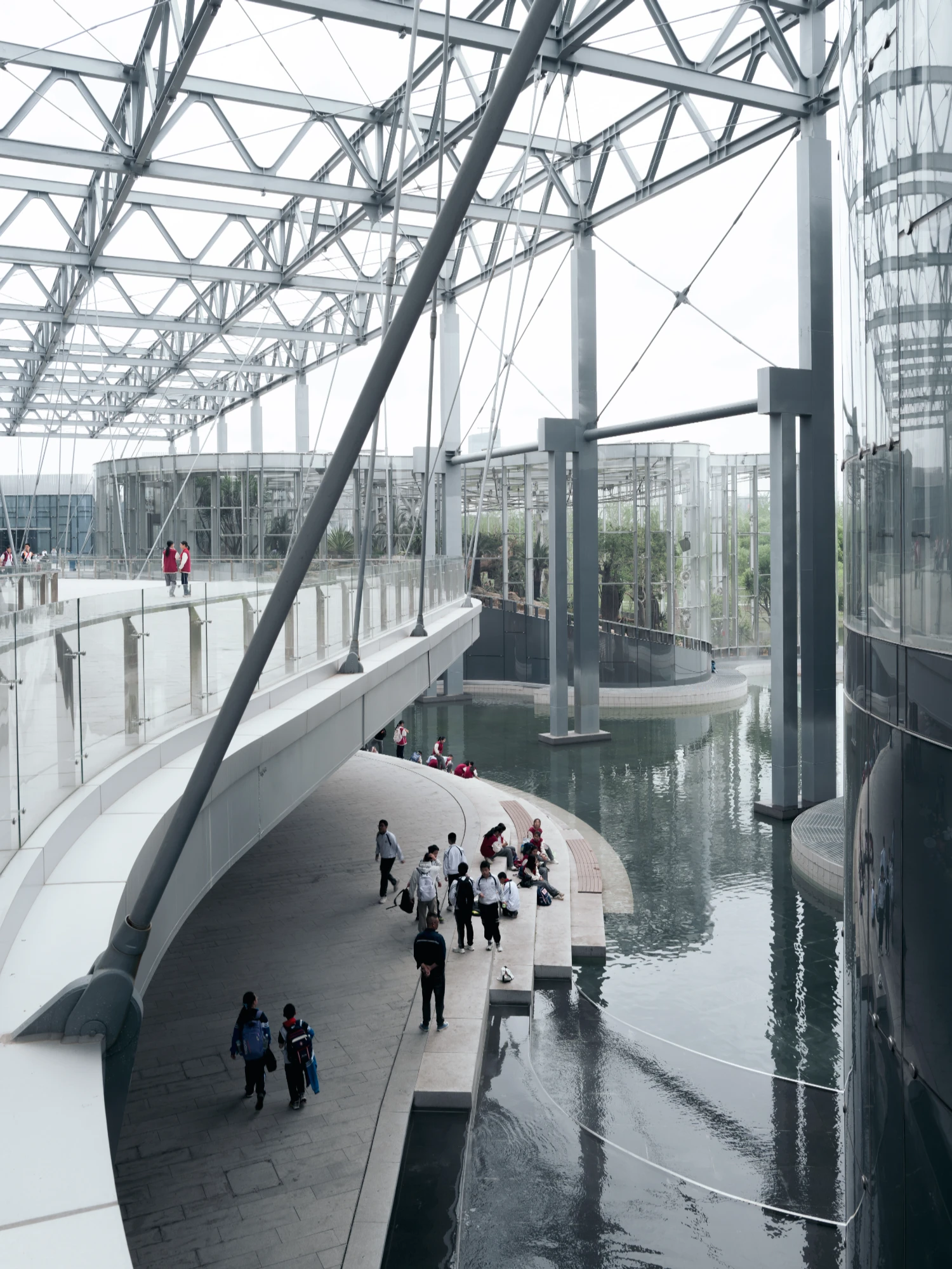
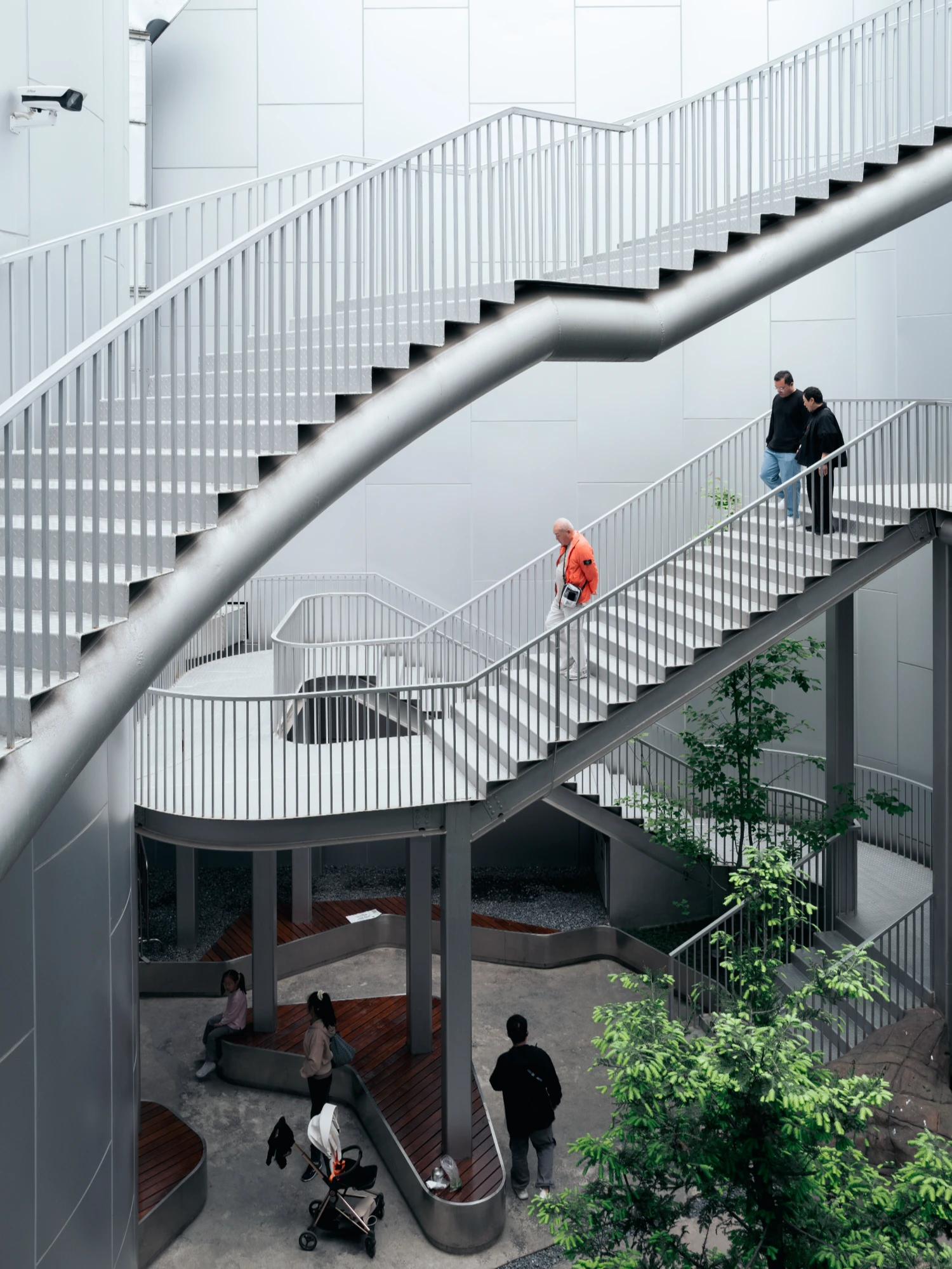
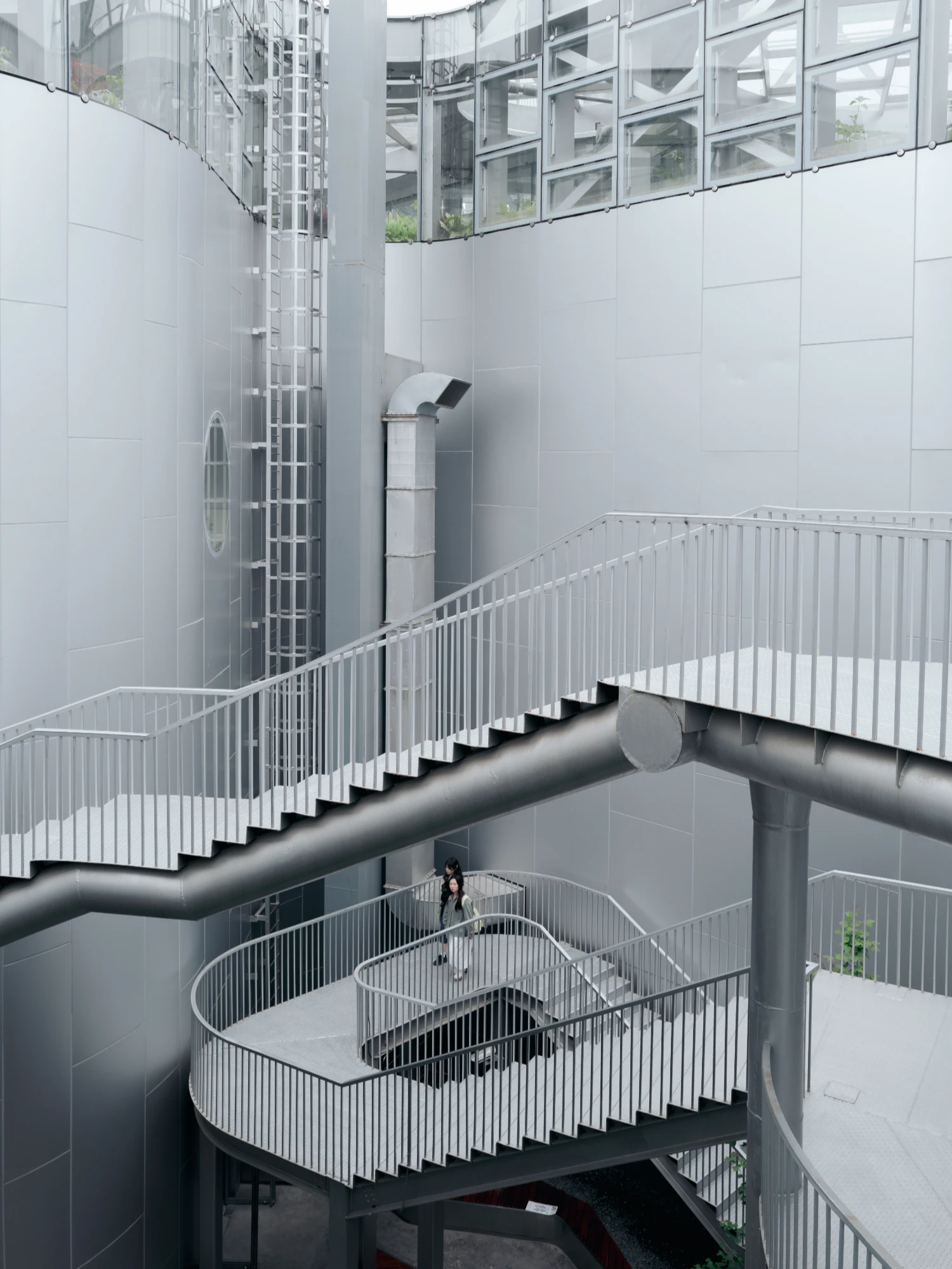
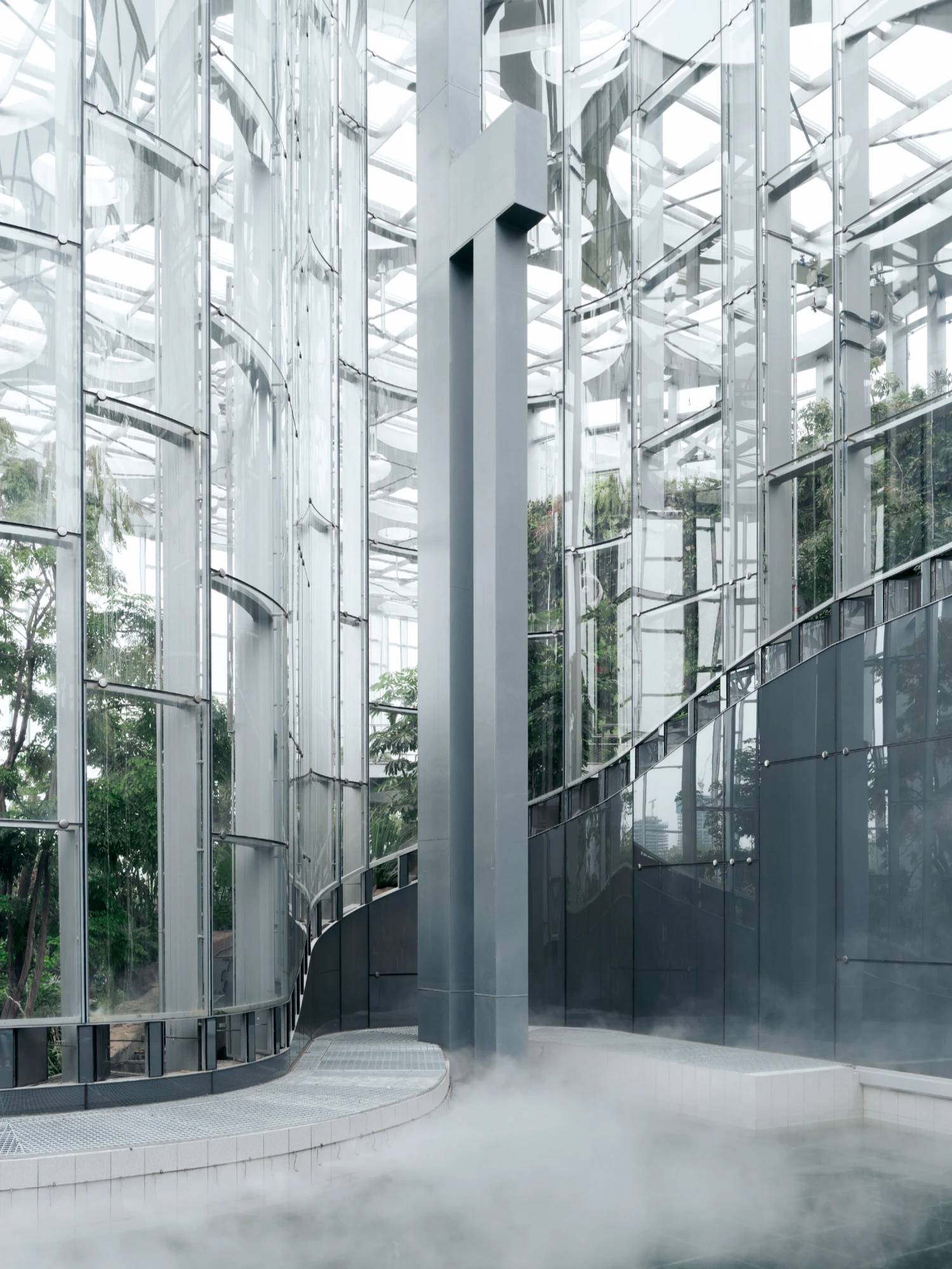
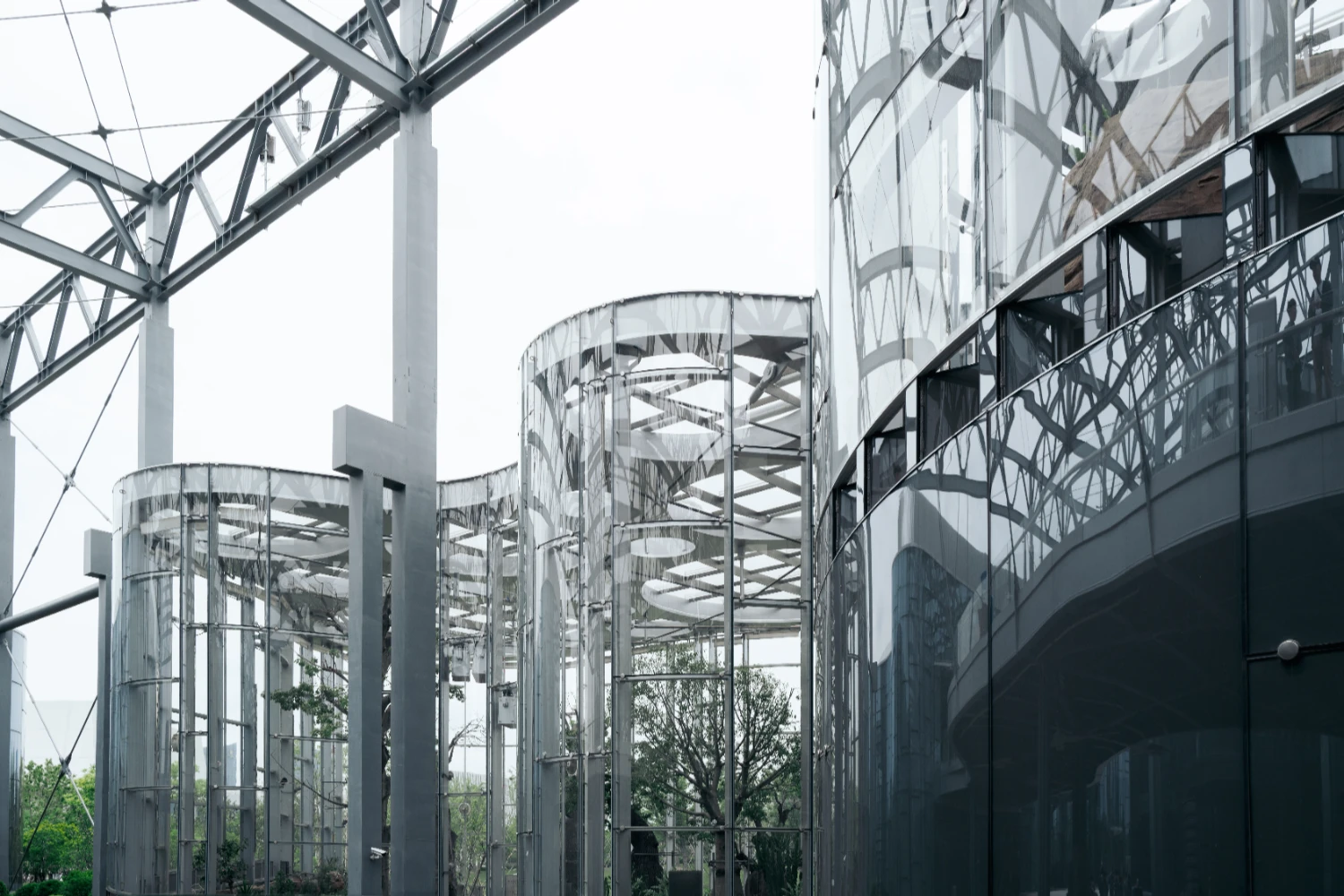
What DMAA offers here is a choreography between opposites. The skeletal remains of an industrial hall form the geometric spine of the greenhouse, while a series of fluid, organically contoured pavilions interweave themselves into the frame—less insertion than infiltration. The juxtaposition is deliberate: industry and nature are not positioned in conflict, but as co-authors of a new narrative for urban space. In this rewilded frame, architecture is no longer an imposition on the environment but an interlocutor with it.
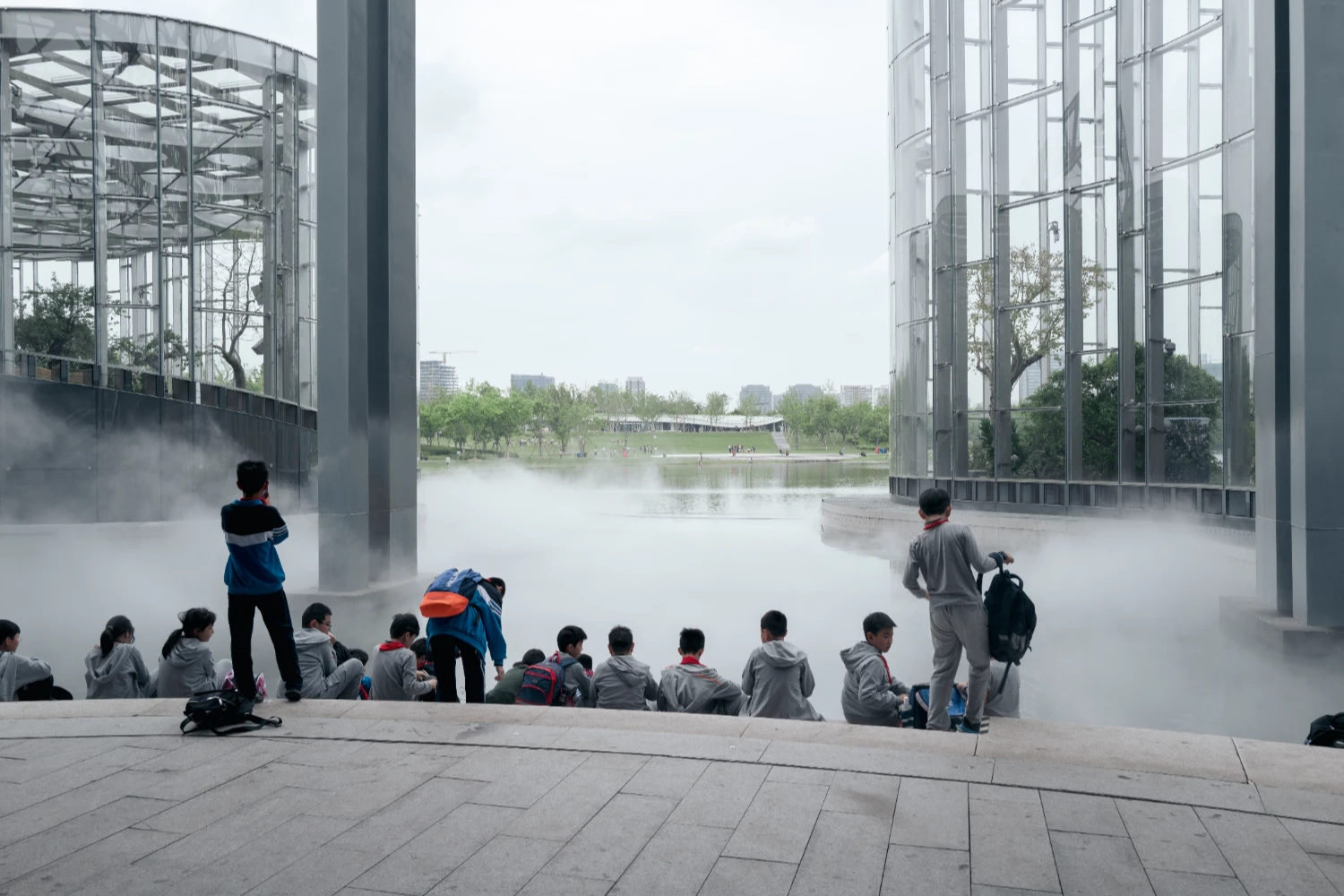
The project’s potency lies not only in its formal elegance but in its ideological stance. Shanghai's subtropical climate and its mounting environmental precarity have made such green spaces more than just luxuries—they are necessary lungs for a city on the verge. By foregrounding nature not as an afterthought but as the conceptual core, the Greenhouse Garden enacts a shift from anthropocentric design toward ecological empathy. The decision to convert a vast swath of former industrial land into a high-quality public park is not just urban planning—it is urban reckoning.
Marcus Yau’s lens captures this metamorphosis with a cinematic stillness. His images emphasize the spectral geometry of the steel hall as it recedes into a lush, curated jungle, where light refracts off glass and canopy alike. It is in this tension—between the hard-coded past and a soft, speculative future—that the project finds its emotional rhythm. The Greenhouse Garden is not nostalgic for industry, nor utopian about nature. Instead, it offers a grounded optimism, rooted in design intelligence and civic care.