On a 21-square-mile island, Bermudian artist Nicola Muirhead builds Descendants of Summer from portraits, landscapes, archival interventions and oral histories, taking its title from the colonial name Summer Isles.
Nicola Muirhead is Bermudian, and Descendants of Summer is her account of the island she comes from. The photographs and the text are both hers. “Bermuda is often reduced to a postcard image, yet beneath its surface lie stories carried in limestone, family lineages and landscapes marked by generations of survival and transformation,” she writes. Bermuda was the first British colony to implement slavery, in 1616.
Liana Nanang Omodele, a multidisciplinary storyteller, reads the colonial records. “And yet here, in the frigid basement of the Government Administration Building, the fallacy of my colonial conditioning is laid bare. The names of my kin are so beautifully written with perfect letters that loop and arch and stay within the confines of their assigned rows and columns. A ledger of people as property, as livestock, as currency.”
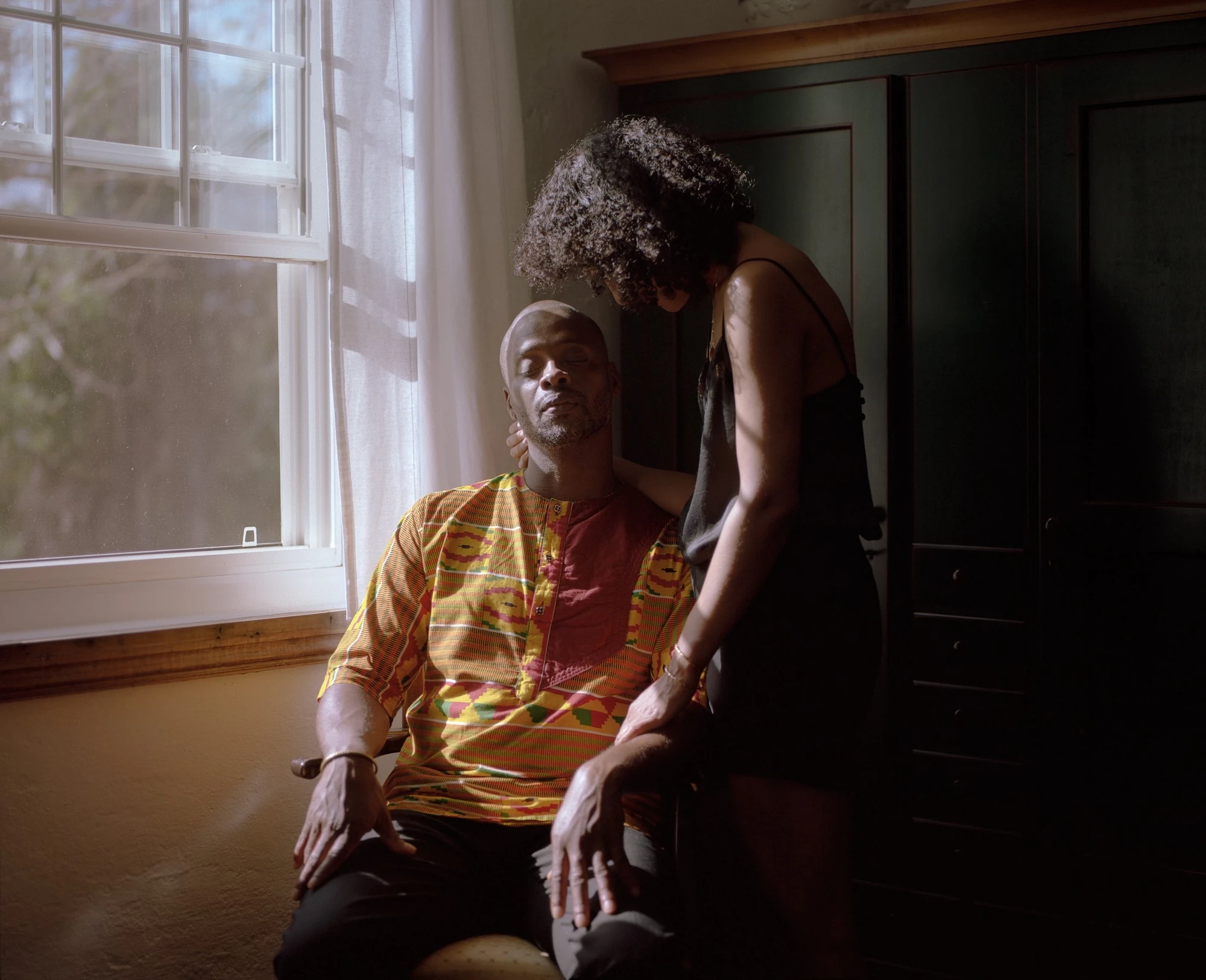
The names carry it too. Ajala Nanang Omodele, writer, educator and memory keeper, gives the account: “My name is Ajala Omadele, but before Ajala Omadele, I was Coleman Burchell. The Burchell name comes into my family line through an act of violence. Peter Burchell came to Bermuda by shipwreck. He brought with him an enslaved woman of Pequot and Akan extraction, from Brazil. And as was the custom, Peter raped his chattel and produced the Burchell line.”
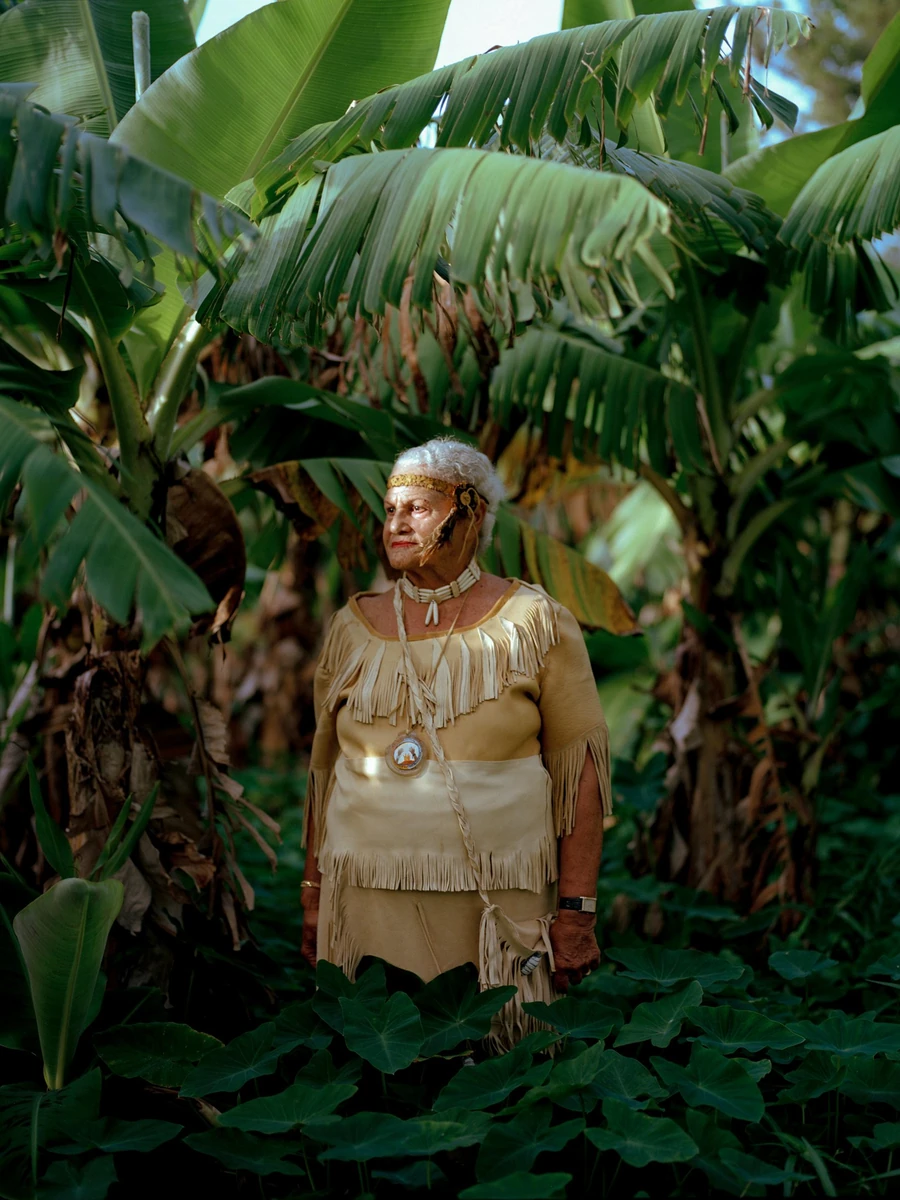
Veronica Chameau, artist and member of the St. David’s Islander and Native Community, traces a lineage her family did not speak about: “We knew that we were Native Americans, but it wasn’t discussed in our family. Bermudians treated St. David’s Islanders cruelly because we were different […] Many years later, we discovered that there was a Captain who had brought captured Pequots from North America to Bermuda in the 1700’s. That’s my lineage.”
Set against that is what people built for themselves. Dr Michael Bradshaw, historian and former president of the Bermuda Friendly Societies Association, describes an organisation in existence since 1832 whose lodges helped formerly enslaved people create new lives after Emancipation in 1834, and became the schools, churches and political hubs of the future Bermuda. The cricket game the Societies held to honour 1 August 1834, boycotting the ruling white elite, is now Cup Match, where Kymani McNeil stands at Somerset Cricket Club.
Muirhead puts her own family in the frame. Her grandfather, a British Army officer, was brought to Bermuda as colonial headmaster of the Junior Training School on Paget Island, where so-called ‘troubled’ boys were sent for minor offences into a system reflecting the racial and colonial divisions of the time. Florenz Maxwell, who helped spearhead the end of segregation through the 1959 Theatre Boycott, has spent a lifetime gathering Black dolls, reclaiming a representation denied to her and her generation. The island Muirhead describes is “small enough for history to feel intimate, yet expansive enough to speak to the broader Atlantic world.”