Thisispaper Community
Join today.
Enter your email address to receive the latest news on emerging art, design, lifestyle and tech from Thisispaper, delivered straight to your inbox.
Oops! Something went wrong while submitting the form.
Instant access to new channels
The top stories curated daily
Weekly roundups of what's important
Original features and deep dives
Exclusive community features
Thisispaper+ Member

Restoration of the Church of Cserépváralja by Partizan Architecture

Dates:
✧ Collect Post
Sacral Journey
under the patronage of
Restoration of the Church of Cserépváralja by Partizan Architecture
Alexander Zaxarov
Feb 2, 2026

The Church of Cserépváralja restoration by Partizan Architecture in Hungary layers new concrete against old stone—a conversation across sixty years of faith and form.

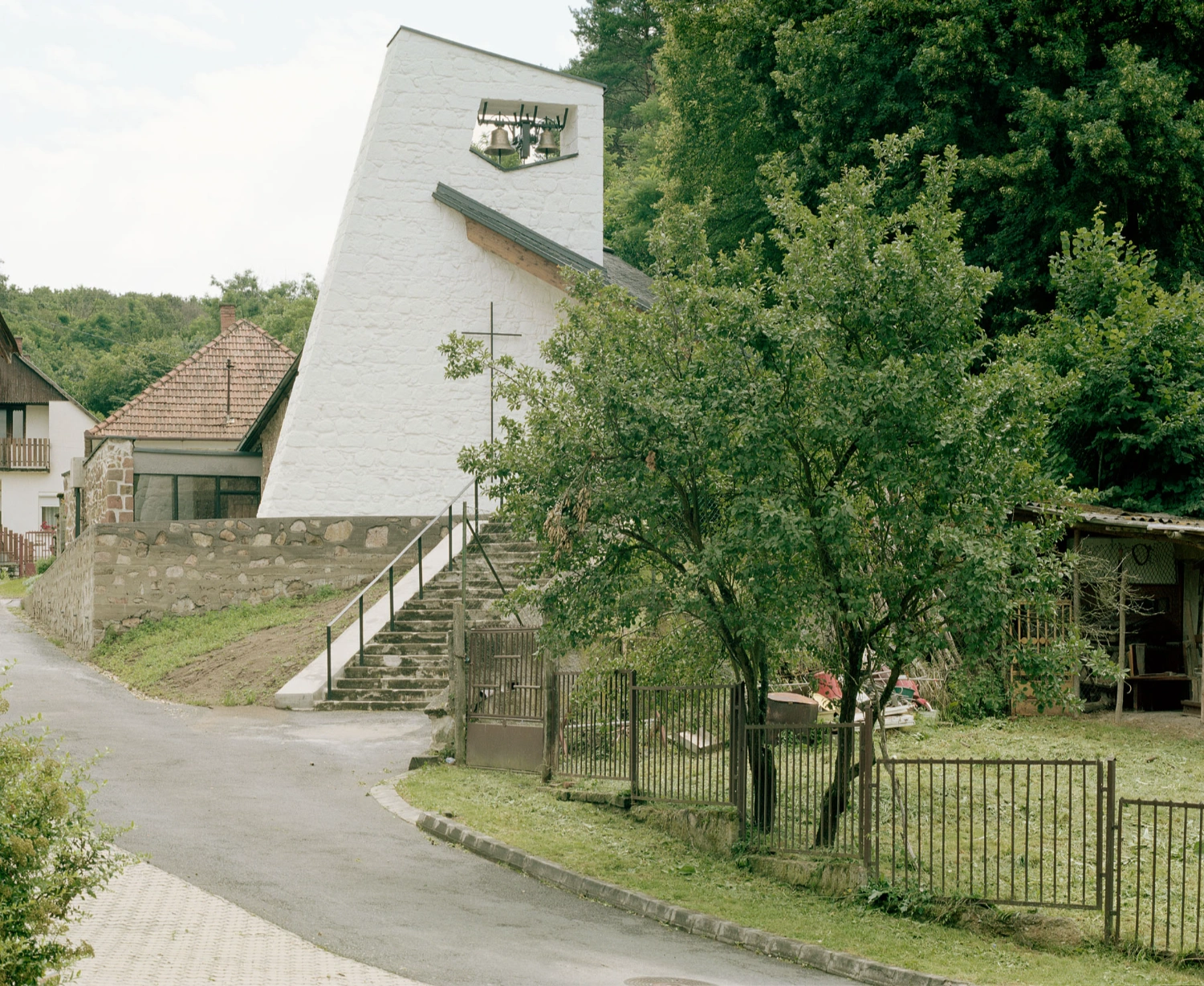
In 1962, when the last stones were laid on a small church in the Hungarian village of Cserépváralja, the country was deep in its socialist era and religious construction was nearly impossible. That a church was built at all speaks to the particular stubbornness of rural communities; that it was built well, with an inverted roofline and carefully considered material progression, suggests ambitions beyond mere shelter. The building became, against odds, a modest landmark of Hungarian modernism.

Sixty years later, Partizan Architecture faced the particular challenge of heritage work: how to address the needs of a contemporary congregation without betraying the original vision. The village had aged alongside its church. Stairs that once posed no difficulty now prevented elderly parishioners from attending mass. The structure itself had weathered decades of thermal stress, water infiltration, and the slow accumulation of well-meaning but architecturally incongruous modifications.

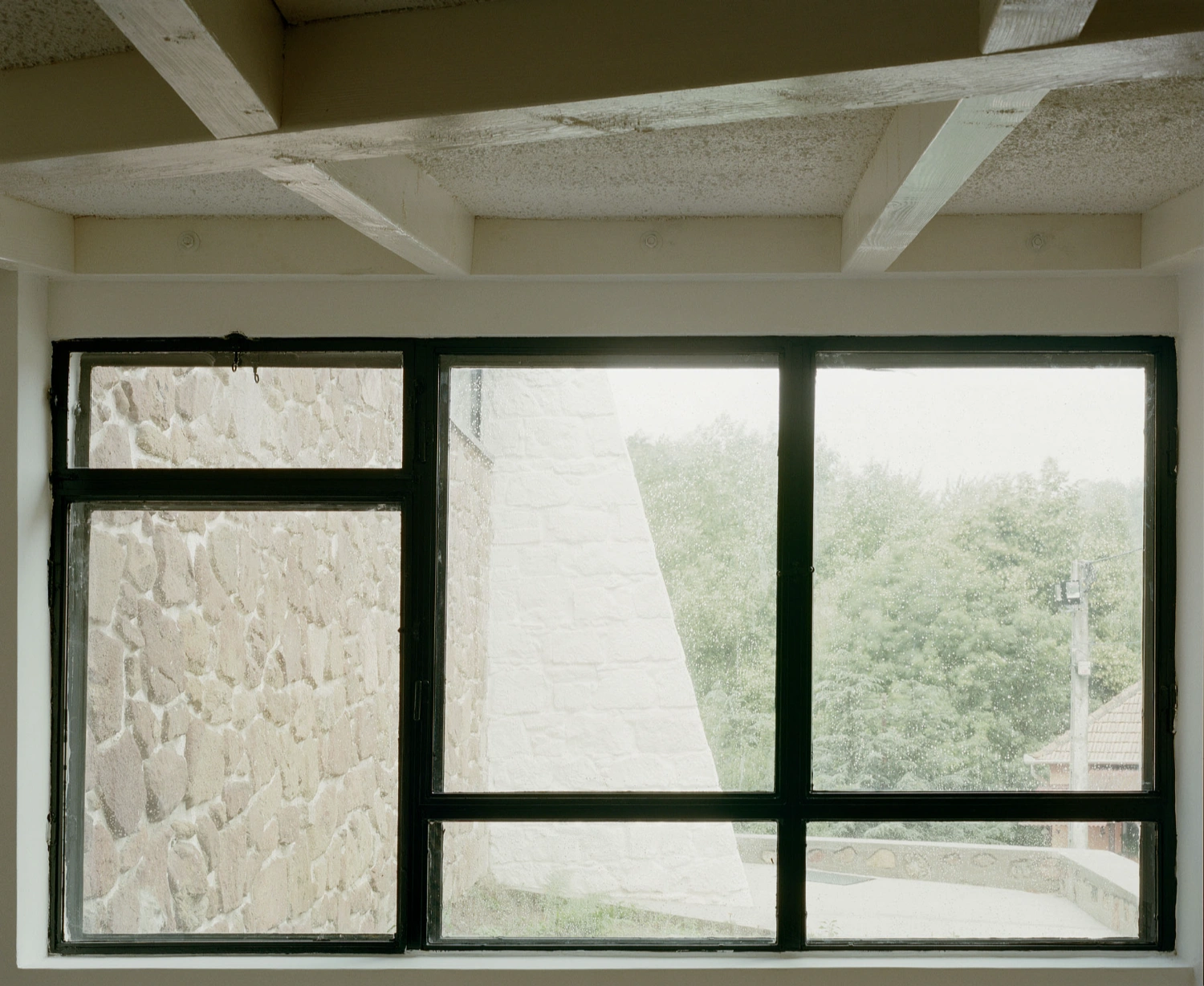
The solution arrived at is less restoration than translation. A new concrete ramp angles up the hillside, its surface embedded with local stone matching the original walls. The material is the same; the grammar is clearly contemporary. Where old and new meet, there is no attempt at seamless fusion. The concrete bears its date as honestly as the 1962 masonry bears its own.

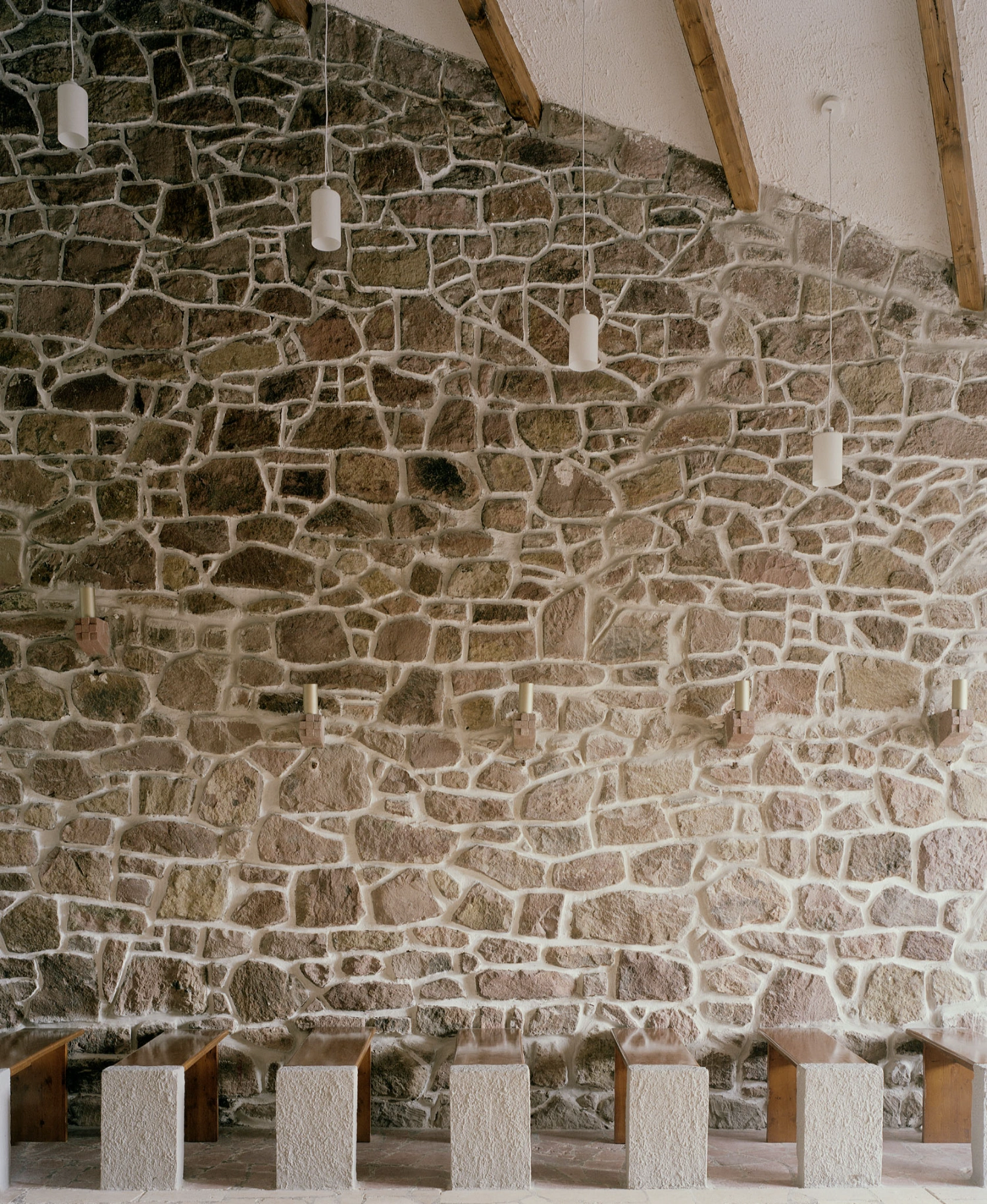
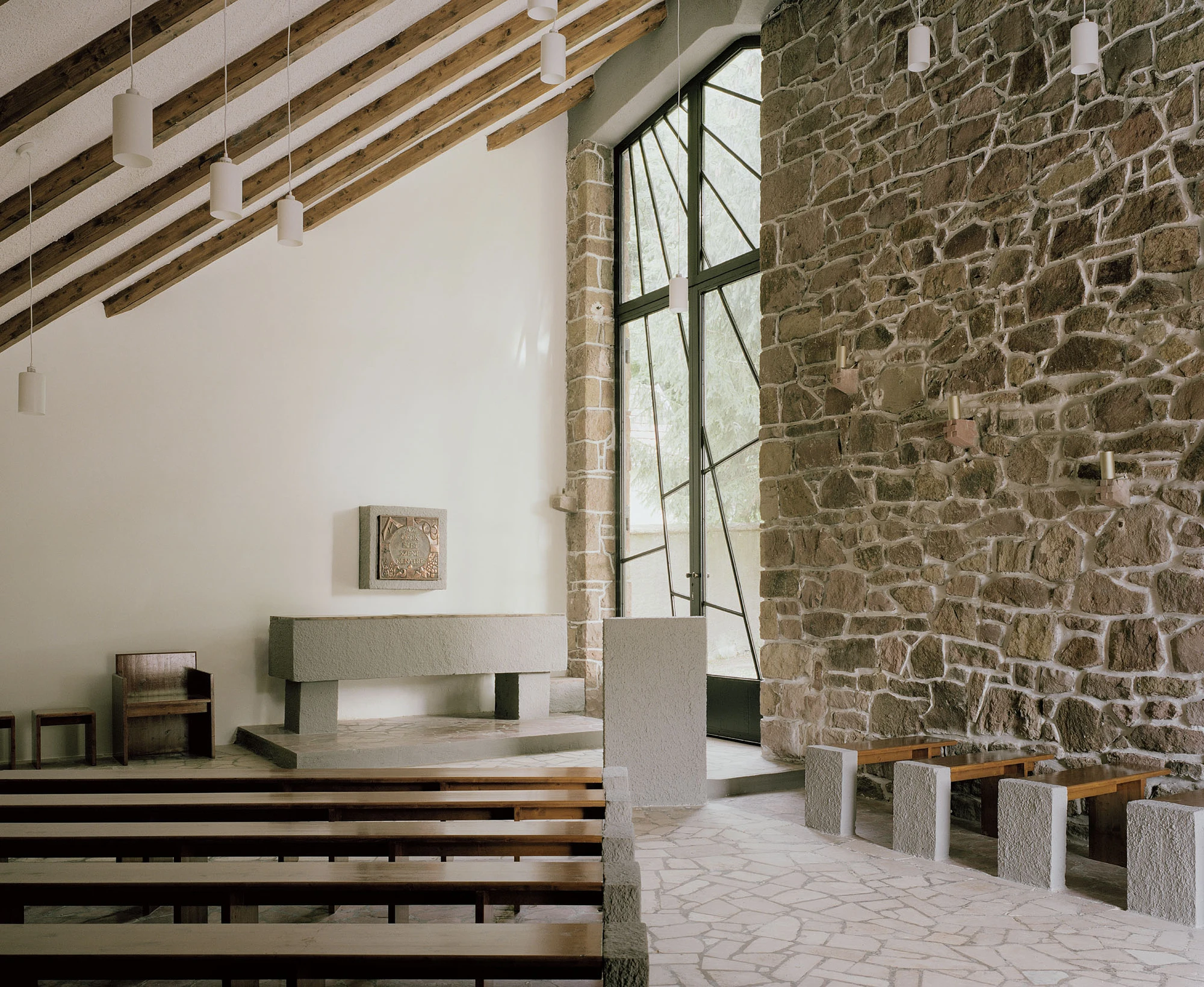
Inside, the intervention is more subtle. The original designers had created a careful progression of finishes—rougher at the threshold, increasingly refined as one approaches the altar. Partizan has restored this sequence while adjusting the liturgical furniture to reflect post-Vatican II practice. The ambo, repositioned and rebuilt, now addresses the congregation directly rather than from the side.

What emerges is a building that contains its own history visibly, layer upon layer. The original stone speaks to the faith that built it under duress. The new concrete speaks to the faith that maintains it today. Between them, the church continues its work: gathering a village, marking time, holding open a space for the ineffable in the Hungarian hills.

Interested in Showcasing Your Work?

If you would like to feature your works on Thisispaper, please visit our Submission page and sign up to Thisispaper+ to submit your work. Once your submission is approved, your work will be showcased to our global audience of 2 million art, architecture, and design professionals and enthusiasts.
No items found.
We love less
but there is more.
Become a Thisispaper+ member today to unlock full access to our magazine, advanced tools, and support our work.
Get two months FREE
with annual subscription
We love less
but there is more.
Become a Thisispaper+ member today to unlock full access to our magazine, advanced tools, and support our work.
Get two months FREE
with annual subscription
No items found.
Alexander Zaxarov
Feb 2, 2026

The Church of Cserépváralja restoration by Partizan Architecture in Hungary layers new concrete against old stone—a conversation across sixty years of faith and form.

In 1962, when the last stones were laid on a small church in the Hungarian village of Cserépváralja, the country was deep in its socialist era and religious construction was nearly impossible. That a church was built at all speaks to the particular stubbornness of rural communities; that it was built well, with an inverted roofline and carefully considered material progression, suggests ambitions beyond mere shelter. The building became, against odds, a modest landmark of Hungarian modernism.

Sixty years later, Partizan Architecture faced the particular challenge of heritage work: how to address the needs of a contemporary congregation without betraying the original vision. The village had aged alongside its church. Stairs that once posed no difficulty now prevented elderly parishioners from attending mass. The structure itself had weathered decades of thermal stress, water infiltration, and the slow accumulation of well-meaning but architecturally incongruous modifications.

The solution arrived at is less restoration than translation. A new concrete ramp angles up the hillside, its surface embedded with local stone matching the original walls. The material is the same; the grammar is clearly contemporary. Where old and new meet, there is no attempt at seamless fusion. The concrete bears its date as honestly as the 1962 masonry bears its own.

Inside, the intervention is more subtle. The original designers had created a careful progression of finishes—rougher at the threshold, increasingly refined as one approaches the altar. Partizan has restored this sequence while adjusting the liturgical furniture to reflect post-Vatican II practice. The ambo, repositioned and rebuilt, now addresses the congregation directly rather than from the side.

What emerges is a building that contains its own history visibly, layer upon layer. The original stone speaks to the faith that built it under duress. The new concrete speaks to the faith that maintains it today. Between them, the church continues its work: gathering a village, marking time, holding open a space for the ineffable in the Hungarian hills.

Interested in Showcasing Your Work?

If you would like to feature your works on Thisispaper, please visit our Submission page and subscribe to Thisispaper+. Once your submission is approved, your work will be showcased to our global audience of 2 million art, architecture, and design professionals and enthusiasts.
Thisispaper+
Sacral Journey
70+ Locations
Web Access
Link to Maps
This channel is a global survey of some of the best sacral spaces of the last few decades. A final step of this research will be creating a digital and print publication of all featured destinations.
Explore
Sacral Journey

Join Thisispaper+
Unlock access to 2500 stories, curated guides + editions, and share your work with a global network of architects, artists, writers and designers who are shaping the future.
Get two months FREE
with annual subscription
Atlas
A new and interactive way to explore the most inspiring places around the world.
Interactive map
Linked to articles
300+ curated locations
Google + Apple directions
Smart filters
Subscribe to Explore+
Travel Guides
Immerse yourself in timeless destinations, hidden gems, and creative spaces—curated by humans, not algorithms.
Explore All Guides +
Curated Editions
Dive deeper into carefully curated editions, designed to feed your curiosity and foster exploration.
Off-the-Grid
Jutaku
Sacral Journey
minimum
The New Chair
Explore All Editions +
Submission Module
Submit your project and gain the chance to showcase your work to our worldwide audience of over 2M architects, designers, artists, and curious minds.
Learn More+
Become a Thisispaper+ member today to unlock full access to our magazine, submit your project and support our work.
Join Thisispaper+Join Thisispaper+
€ 9 EUR
/month
Cancel anytime
Get two months FREE
with annual subscription