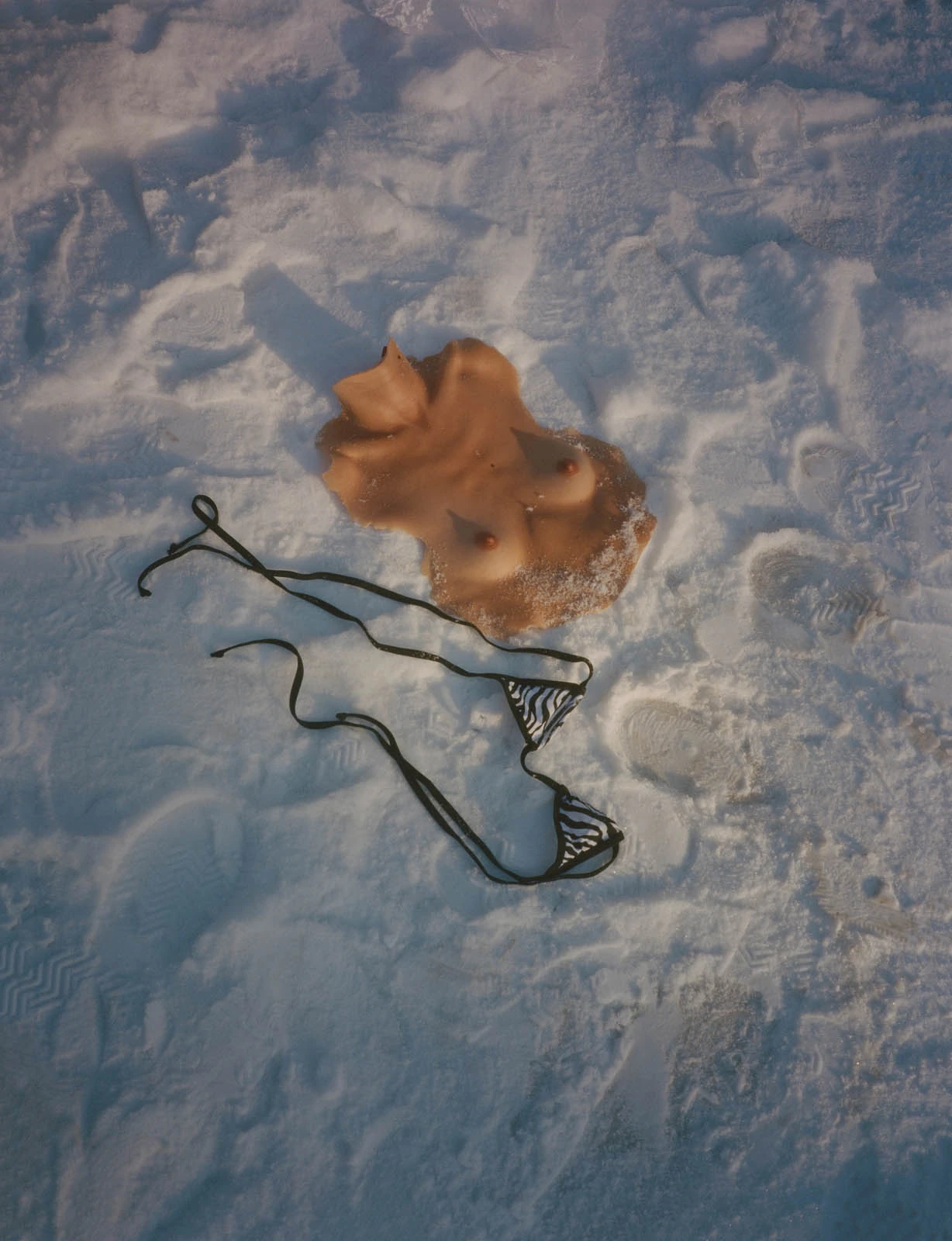
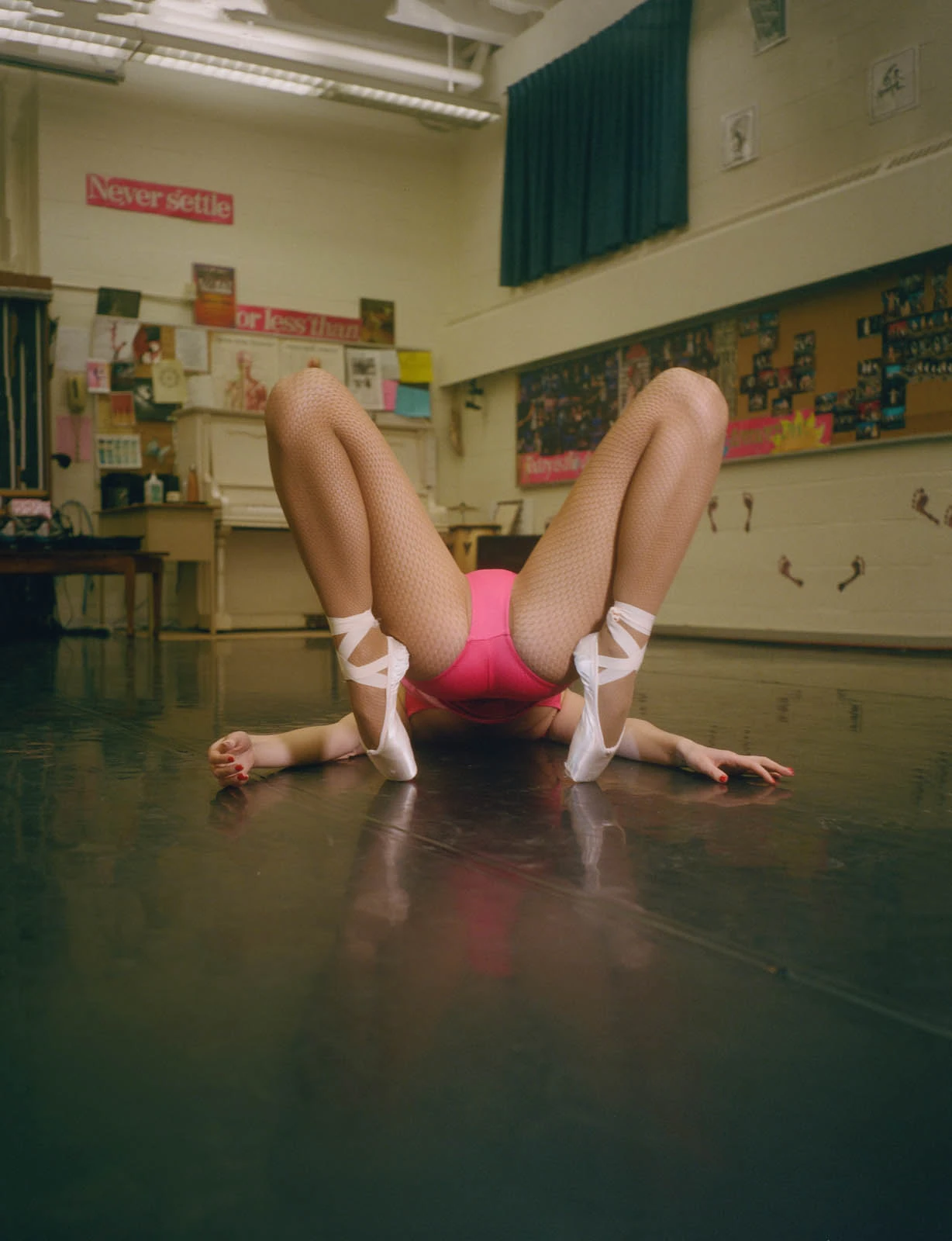
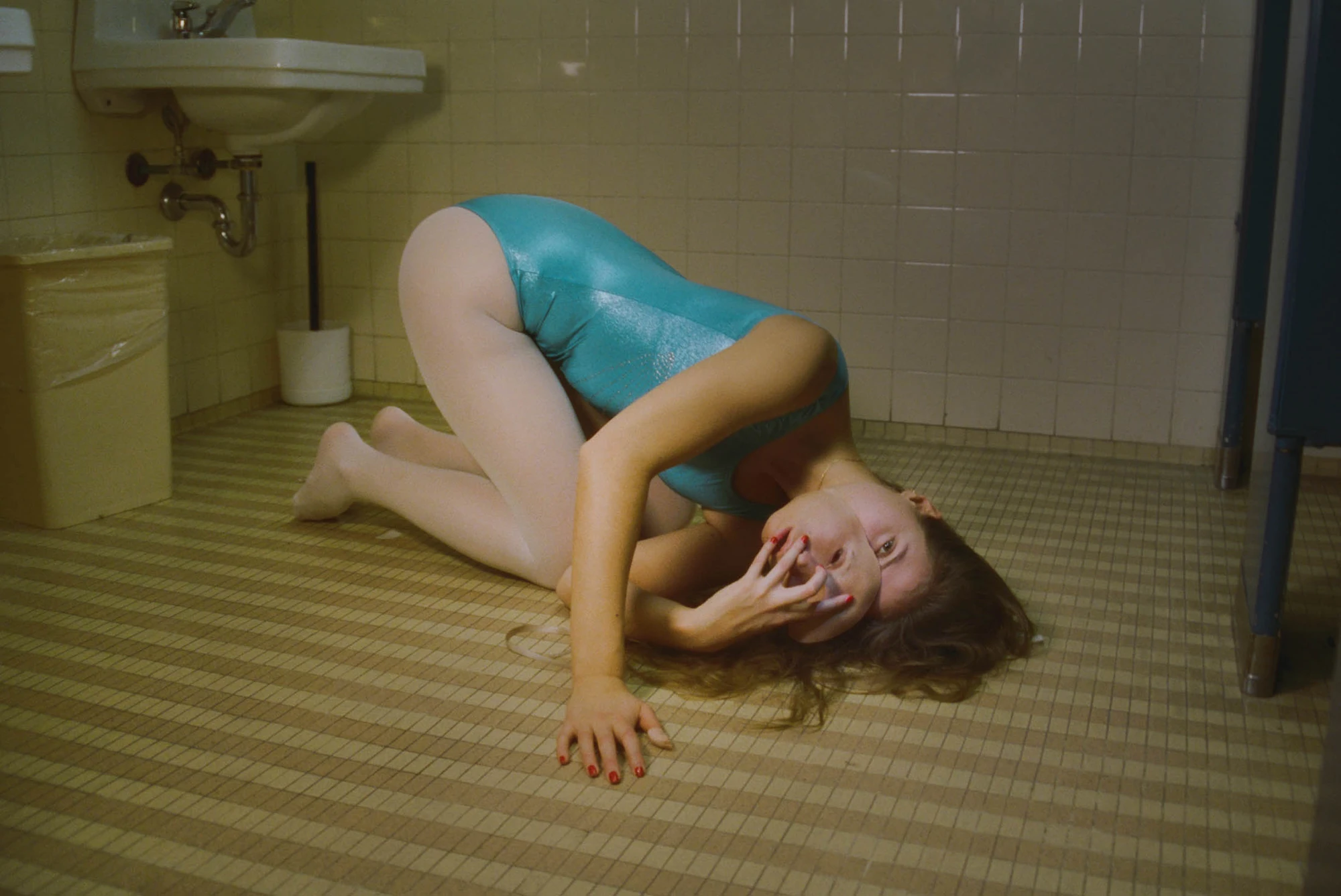
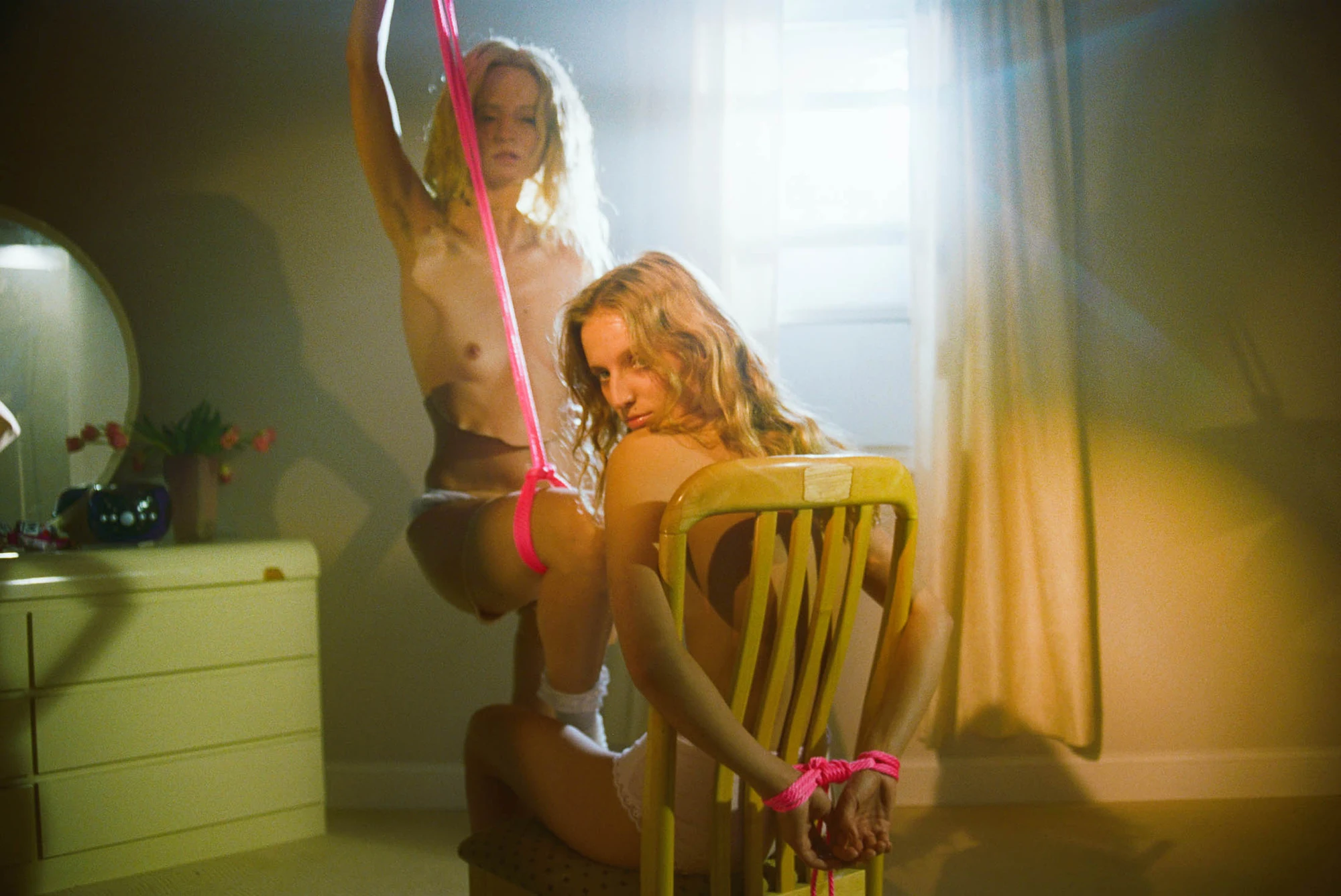
Self-portraiture at one remove: in Petra Collins' Baron, her sister and friends wear silicone casts of her body, on built sets and in the parts of Toronto where she grew up.
Baron begins by setting the reader a small task. Its title is in Hungarian, Collins' first language: Miért vagy te, ha lehetsz én is? In English: why be you, when you can be me? The line comes from a television commercial of Collins' Canadian childhood, in which two girls walk into a shop that remakes them while a woman on screen repeats the question. Anyone who wants the meaning has to translate it. "You have this title that is removed from its reality," Collins says.
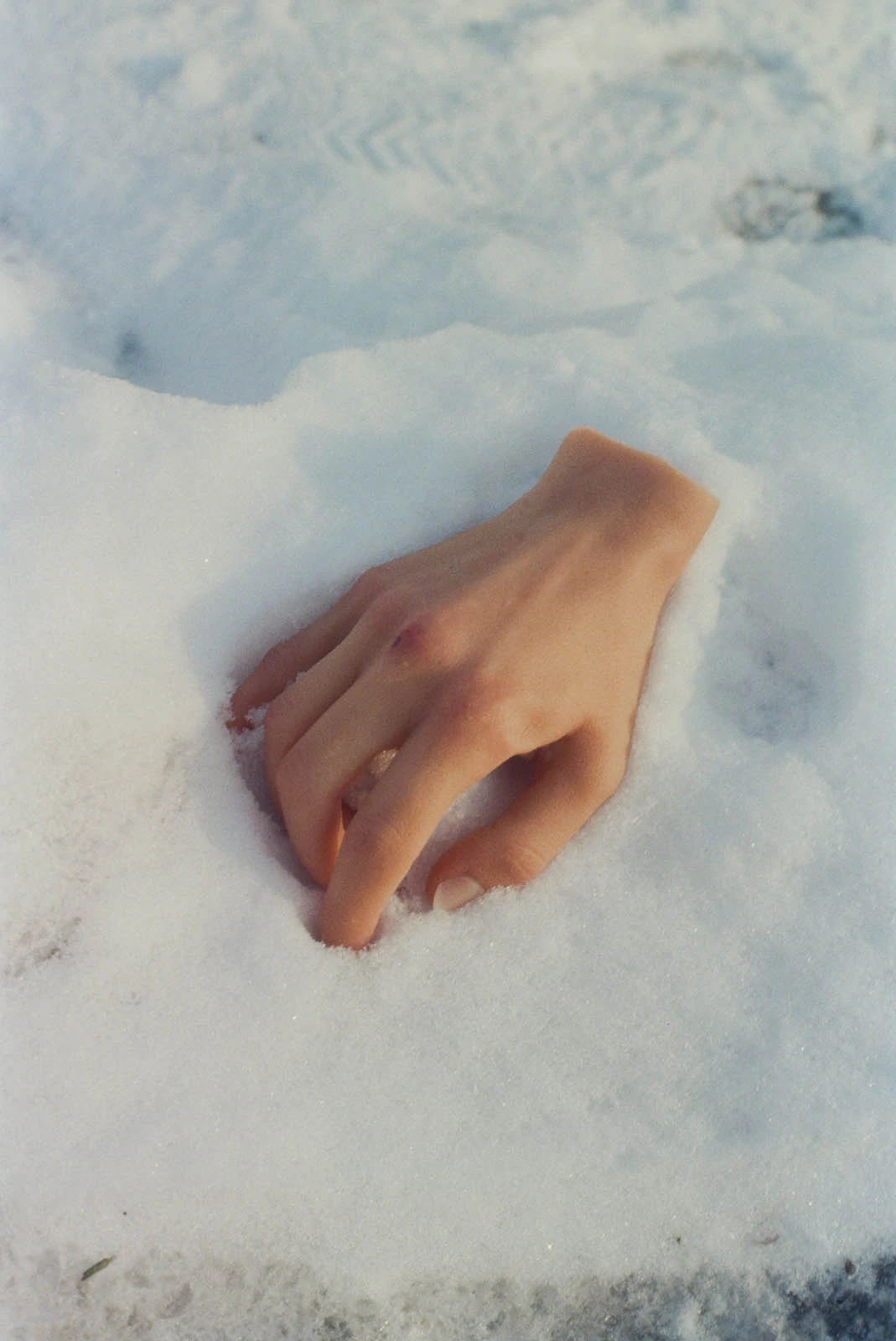
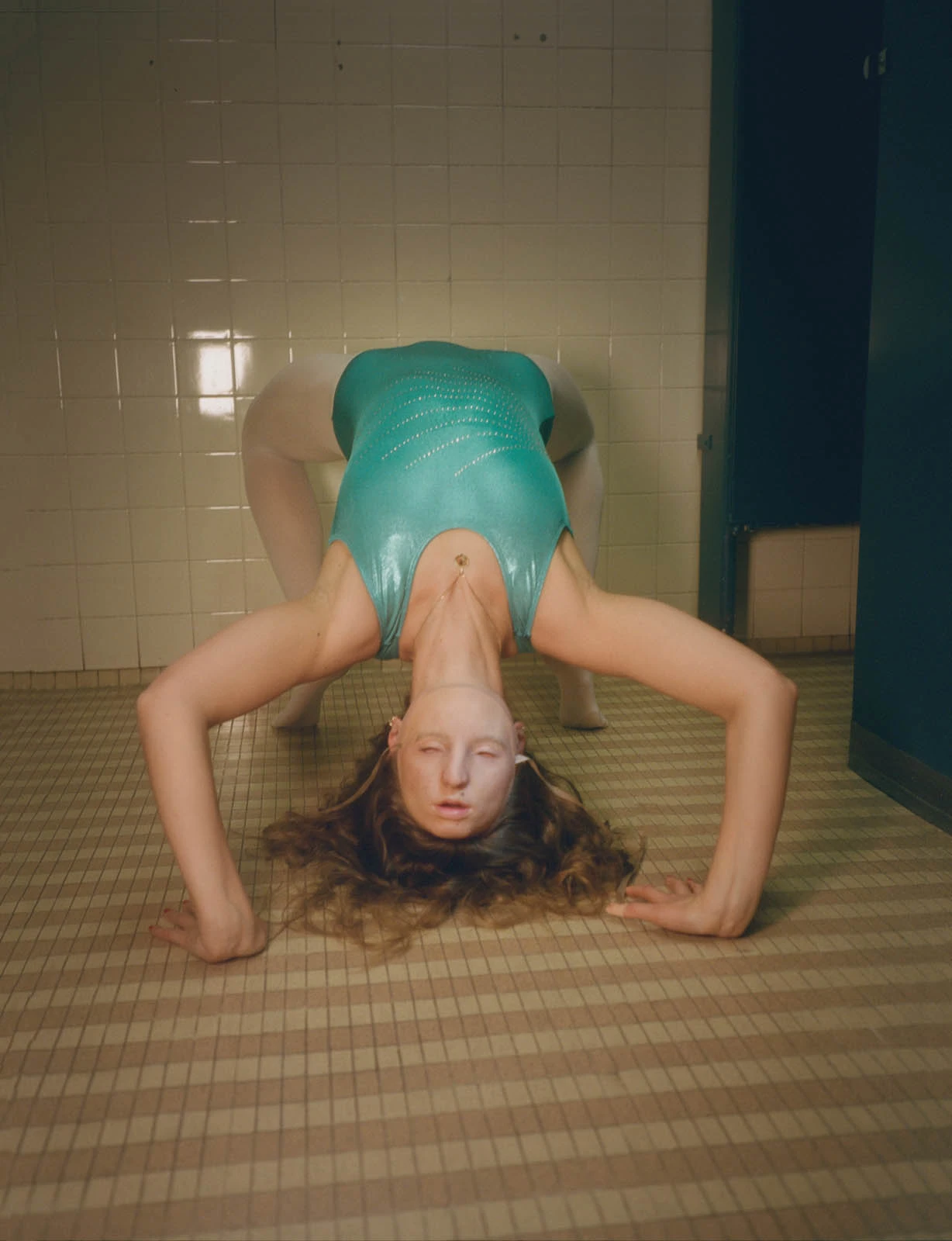
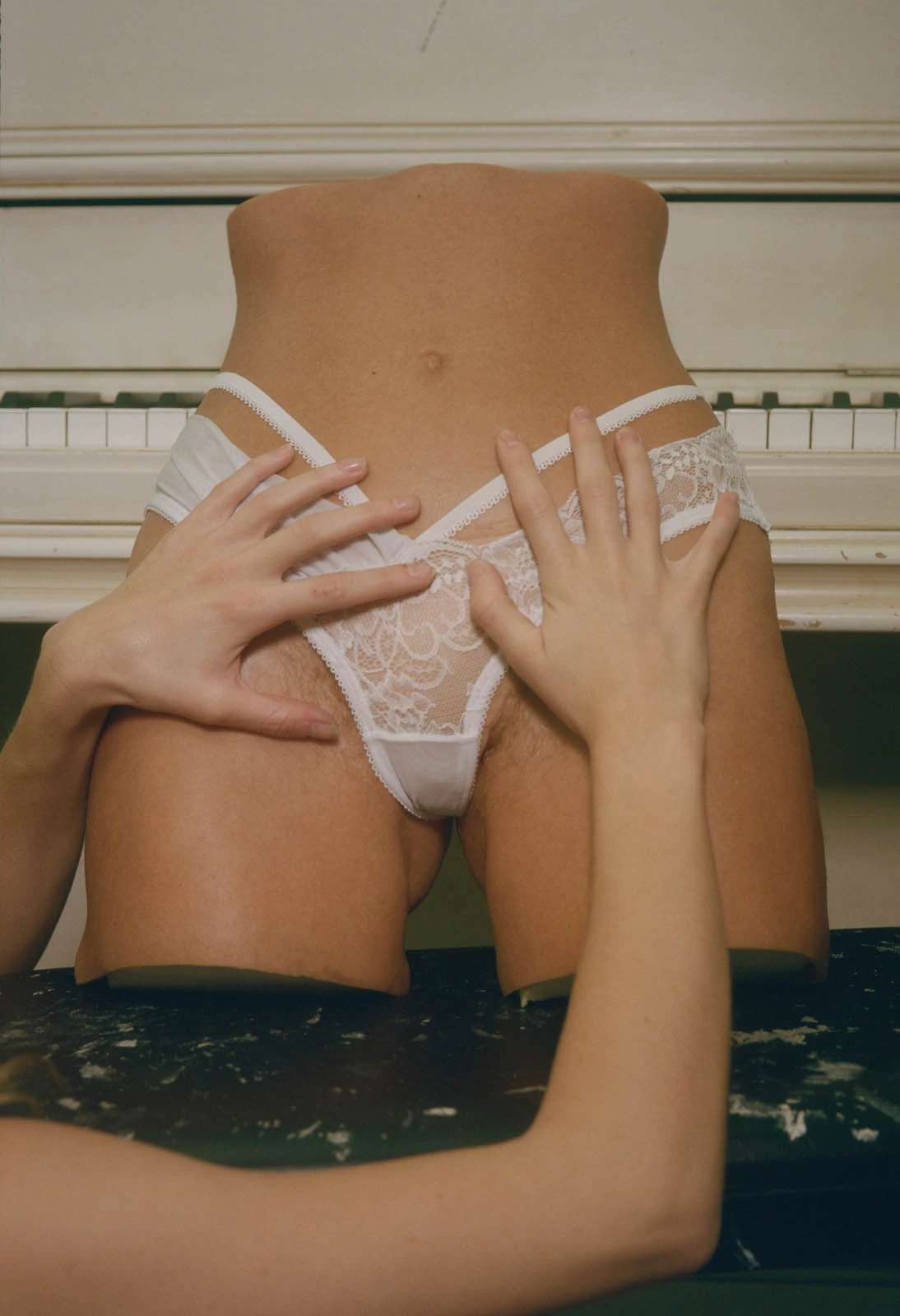
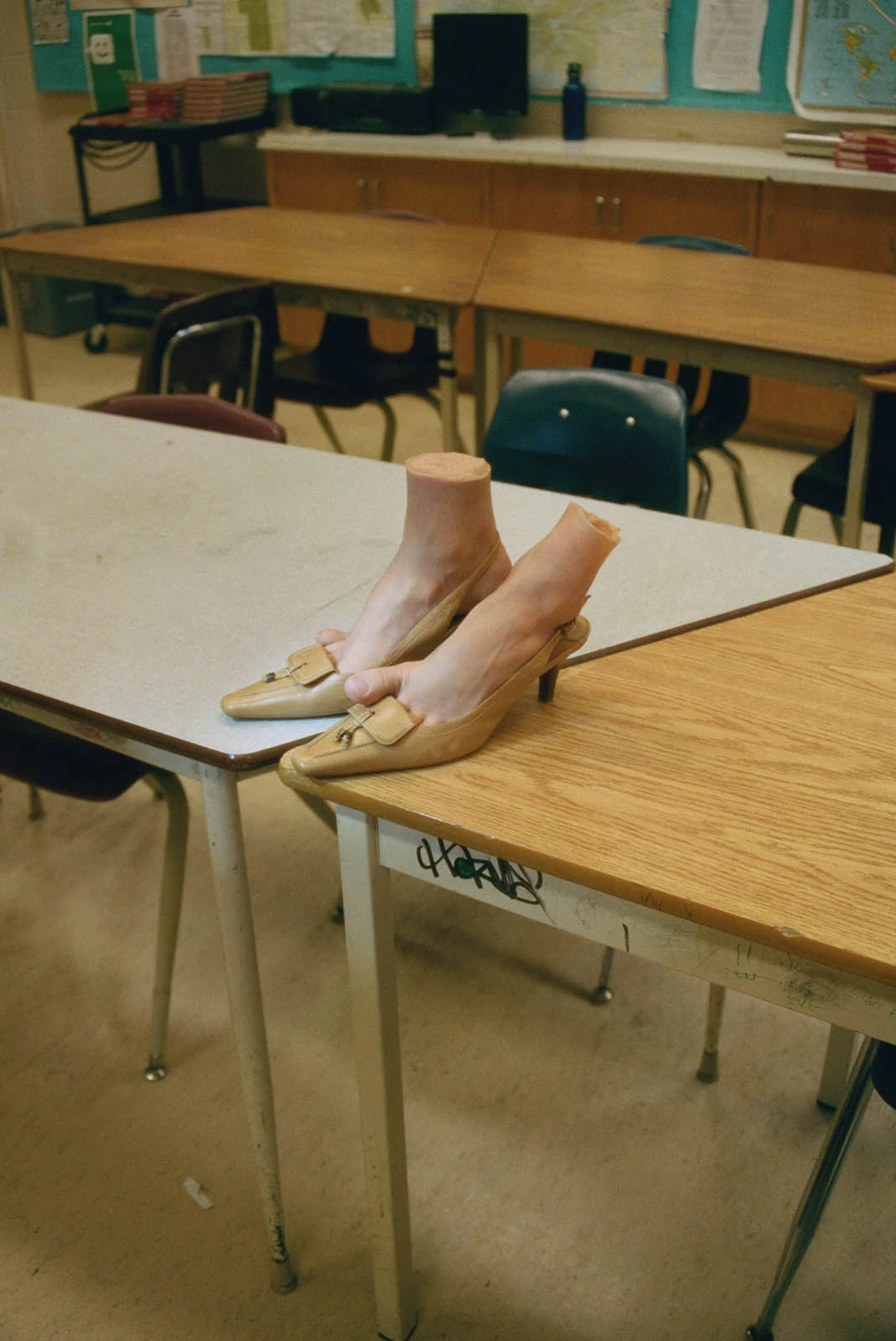
Until this book, Collins had trained the camera on other people. Baron is her first turn toward self-portraiture, and she took it at an angle. The sculptor Sarah Sitkin moulded her body and reproduced it in silicone, a mask, separate body parts, a cast of each hand, exact down to every pore and vein. Collins shot Sitkin's test pieces and scraps, some missing eyebrows and lashes, as readily as the finished casts, since she does not see herself as one complete version.
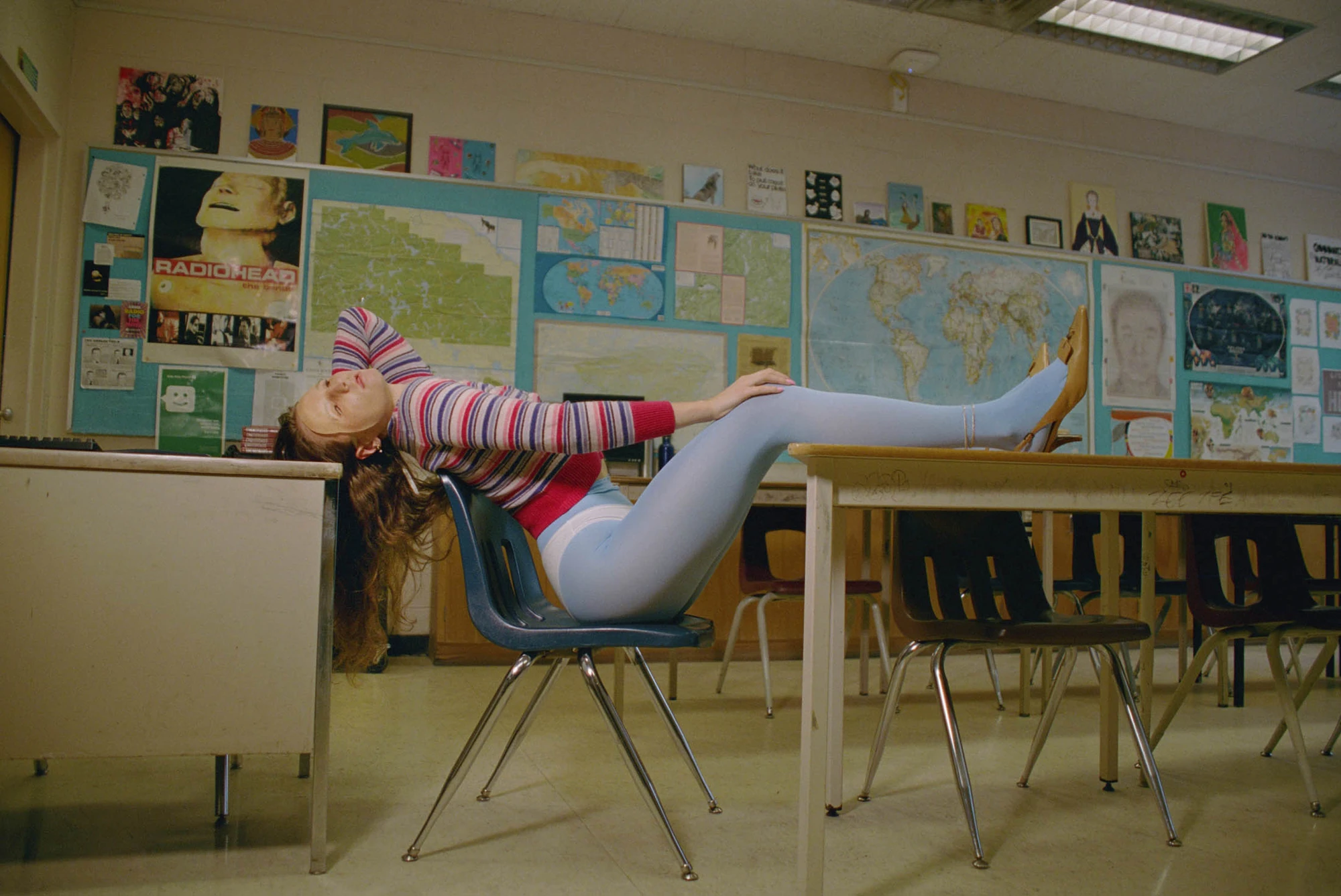
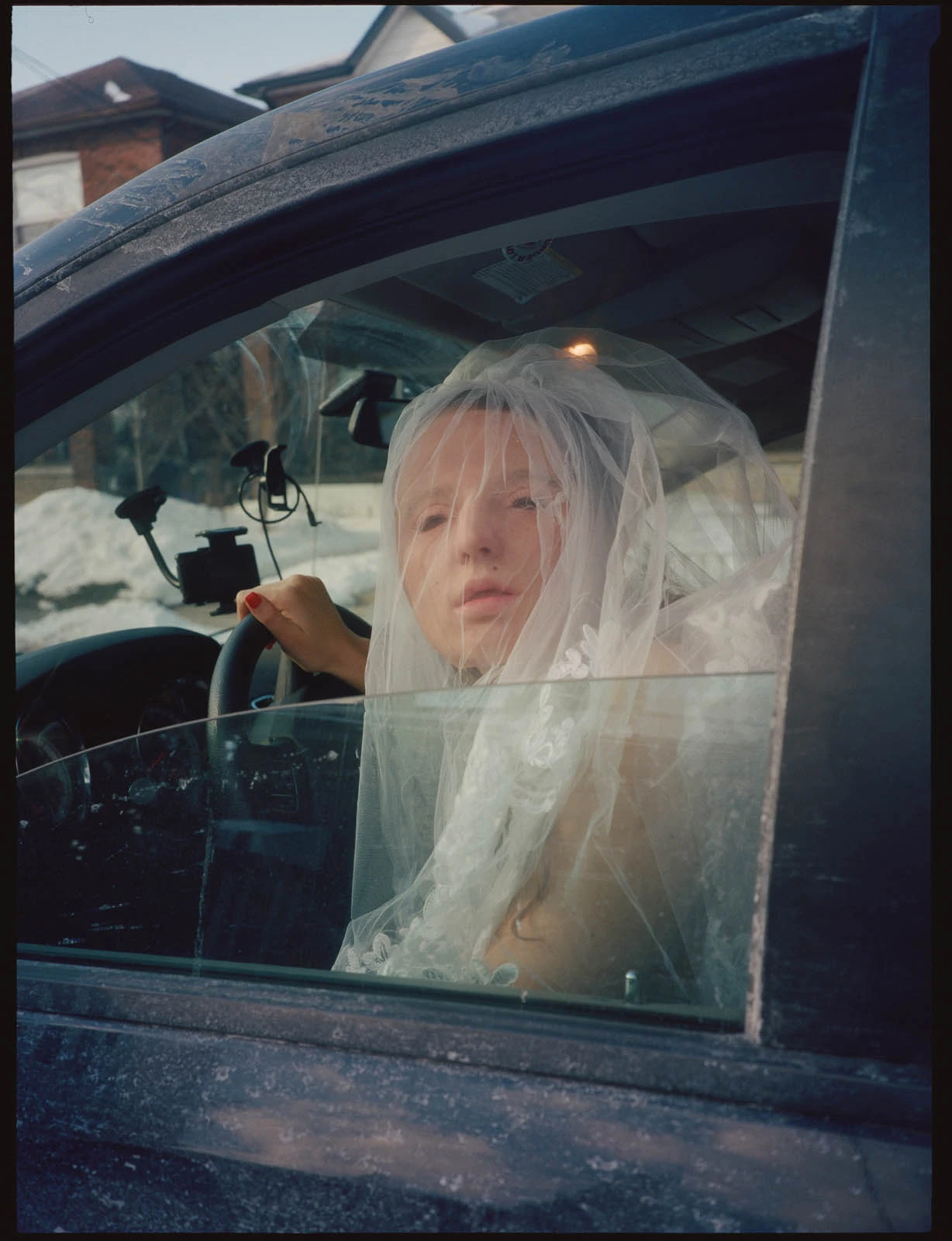
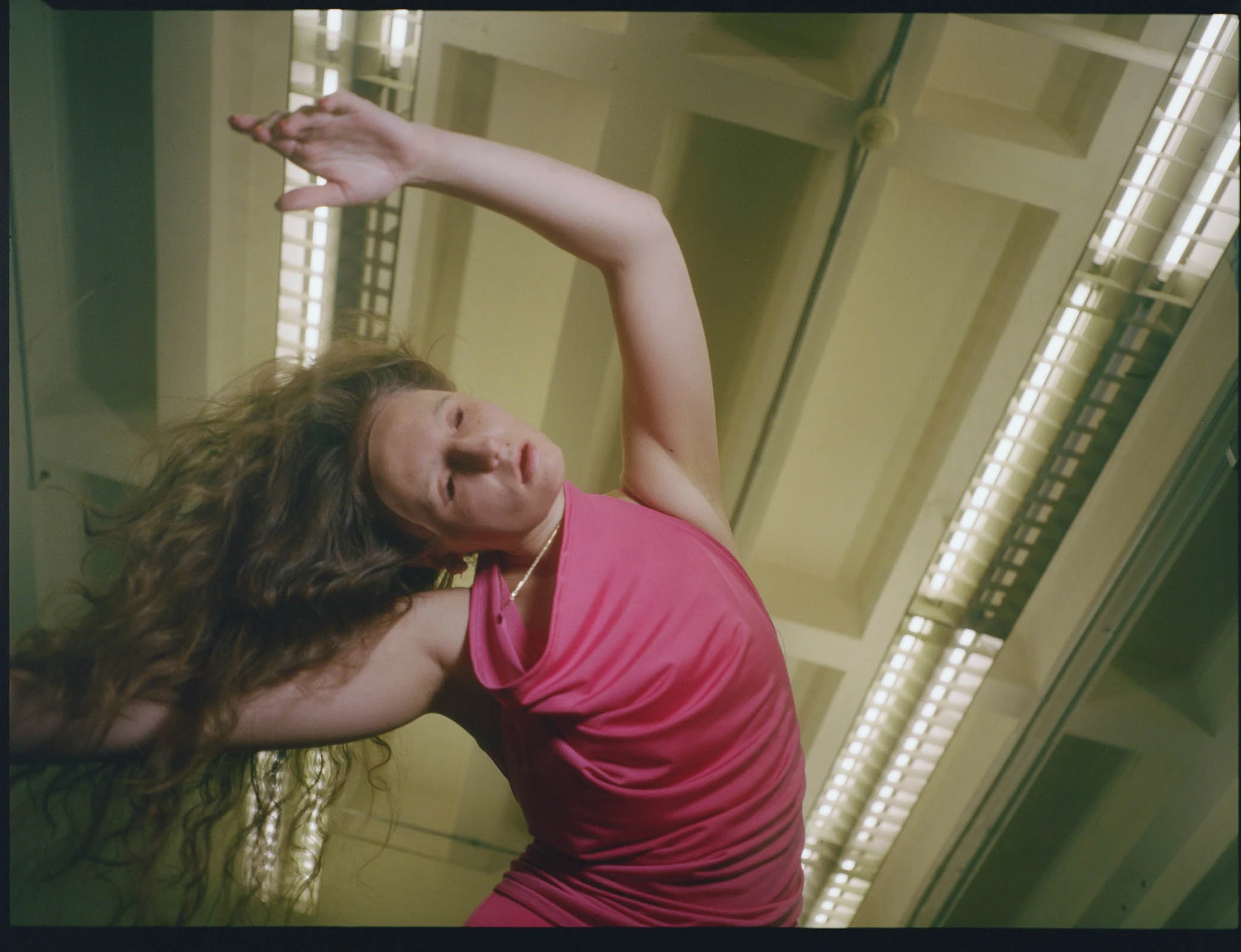
Then she gave the body away. Her sister, Anna, and friends wore the casts; Collins also photographed the pieces alone, and photographed herself. Sitkin notes that some versions read plainly as masks while others pass for a face. Anna is also the person Collins leans on to know what is real, and Collins finds it all the more insidious that the one wearing her face is her sister. The aim, as she frames it, was to set down how she felt about her body: "my sexual desires, my hatred and my confusion." The camera stands in as a third party.
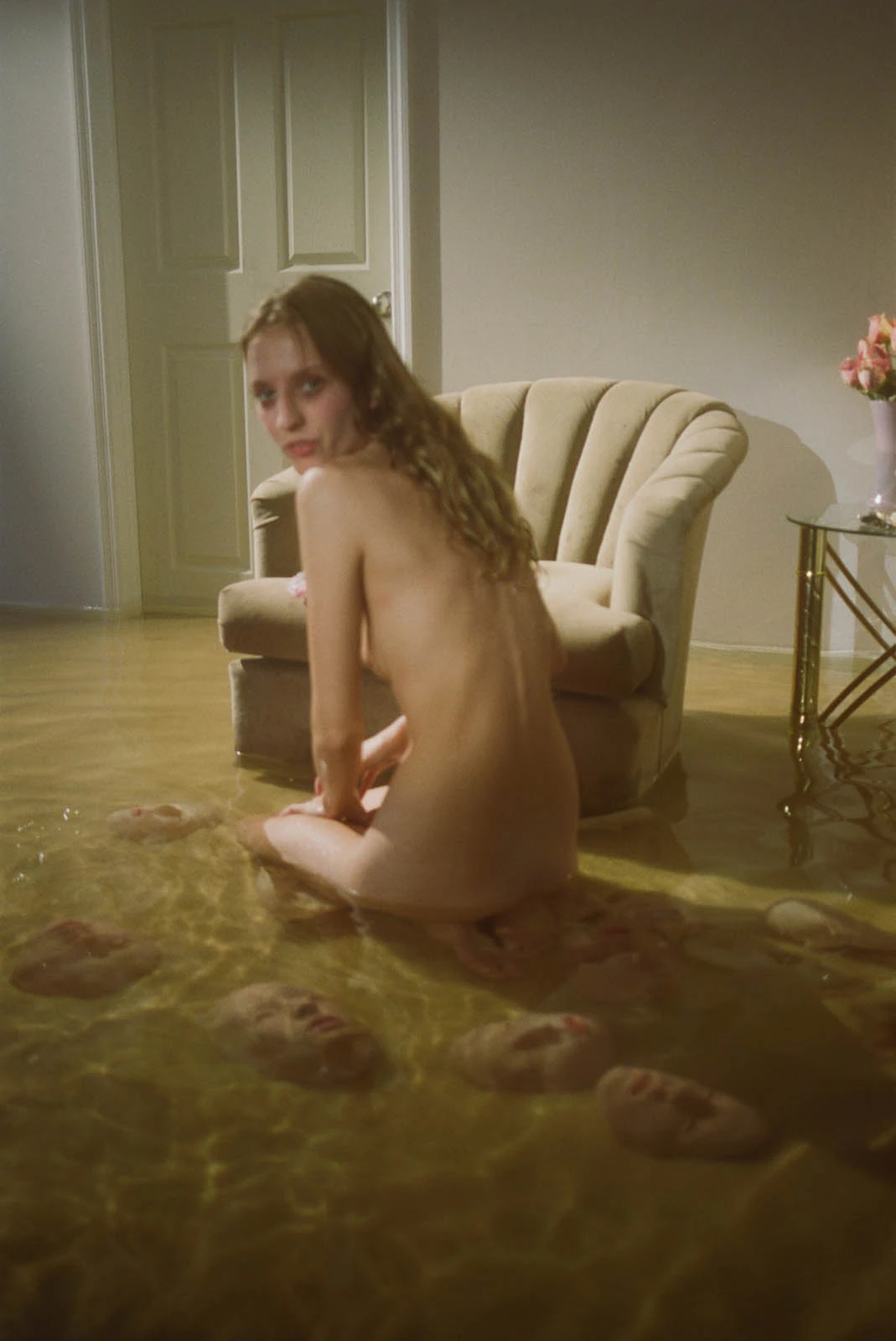
The shoot ran for about a year, half of it in Toronto: where her sister and father live, the streets around them, her old high school, where the body parts arrived in a box. The other half was made on studio sets, among them a copy of her childhood bedroom where three women put on her masks, three versions of Collins in one room, before the whole set went under water. With art director Sandra Leko, Collins laid out the pages after Japanese Kinbaku magazines, in a sequence broken and ambiguous by design.
None of it, Collins insists, is make-believe. She set out "to document it as if it was real, because to me, it is," and she turns down the usual label for staged images of this kind. Asked whether the book merges several realities, she calls it closer to a mirror; asked why the pictures frighten and arouse at once, she says that for her, the two are the same thing. Collins places all this against face-editing apps and filters, in a time when the pictures people post of themselves come loose from the physical body. She went the other way: rather than edit how she pictured her body, she had it copied to the pore and let other people wear it.