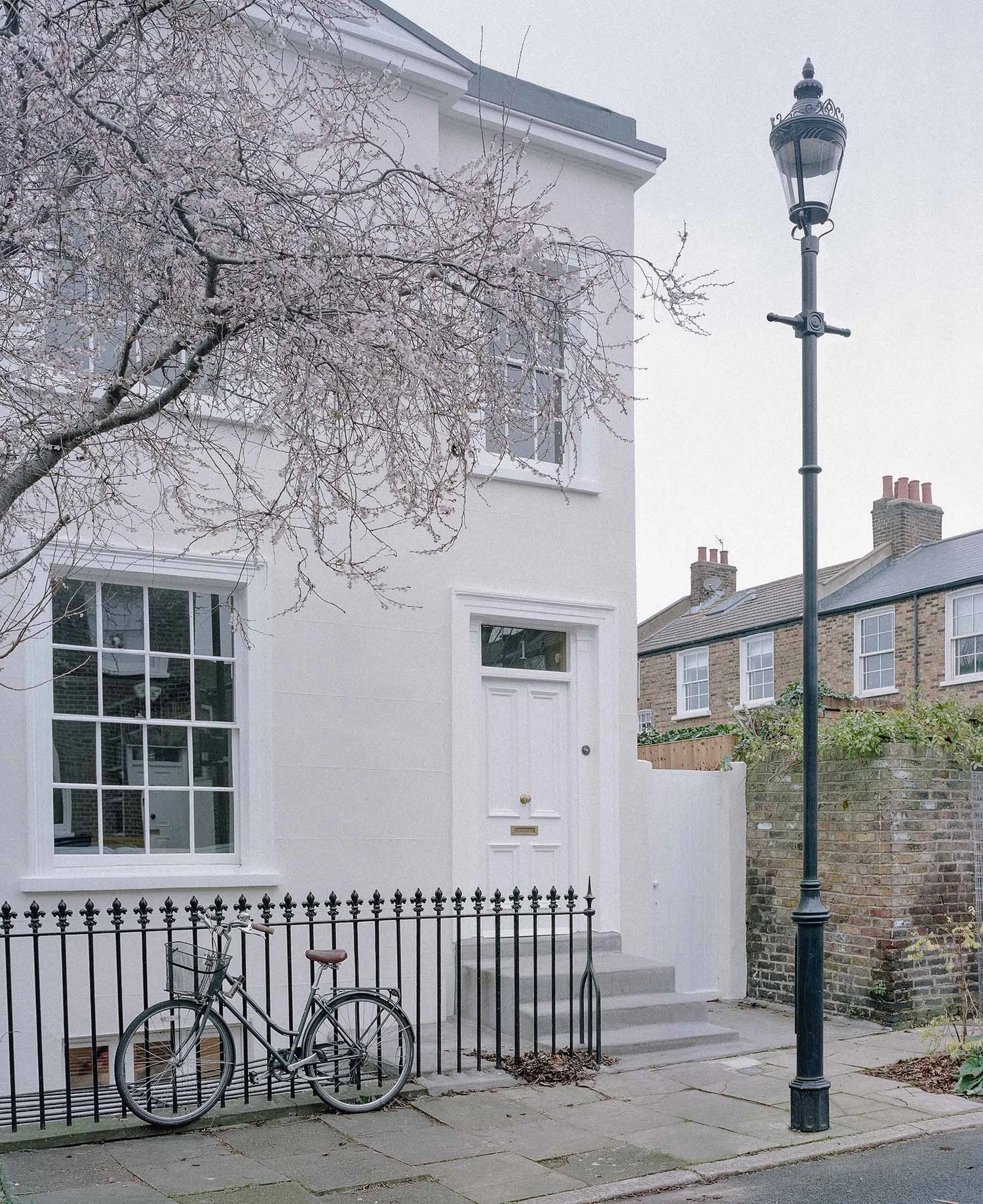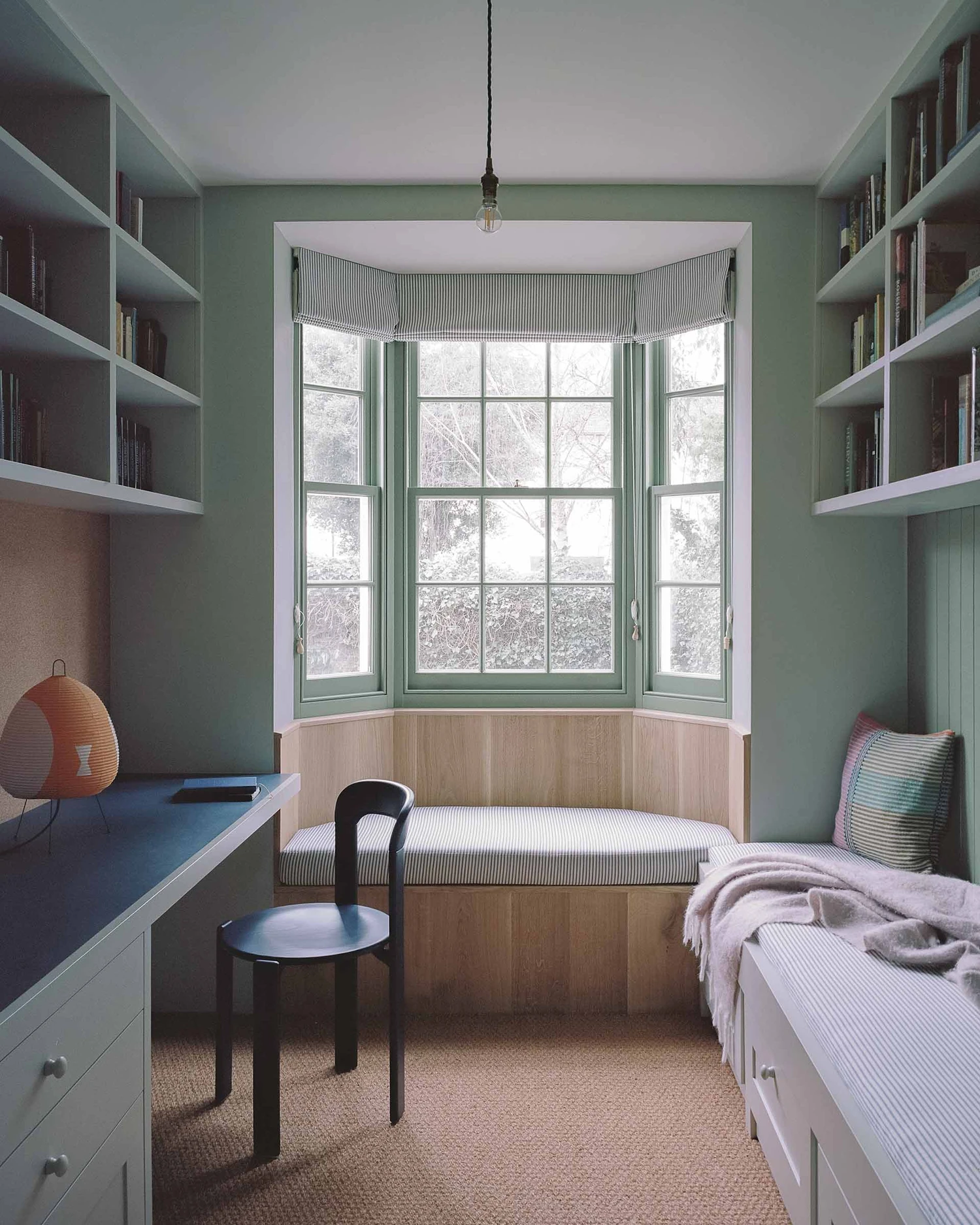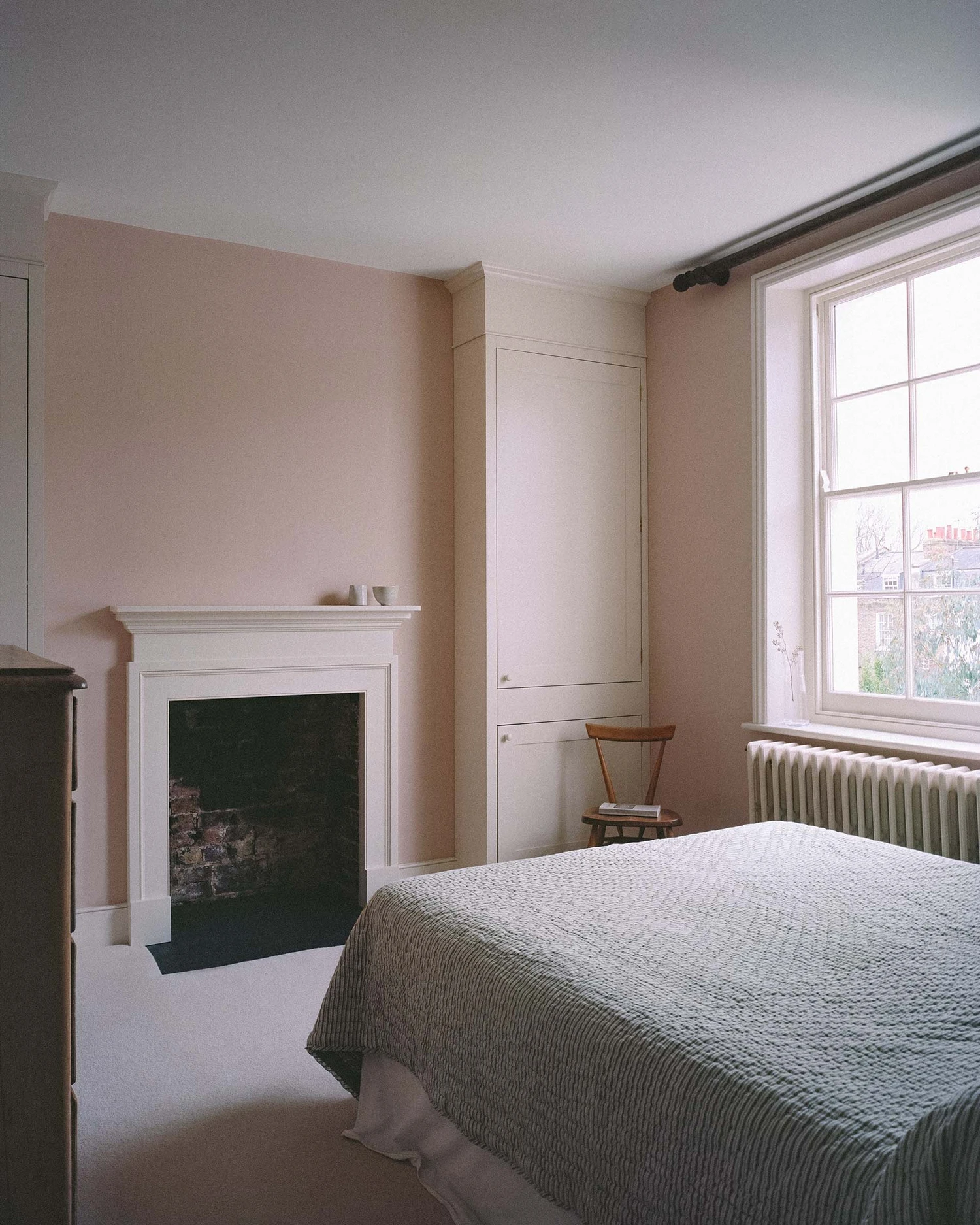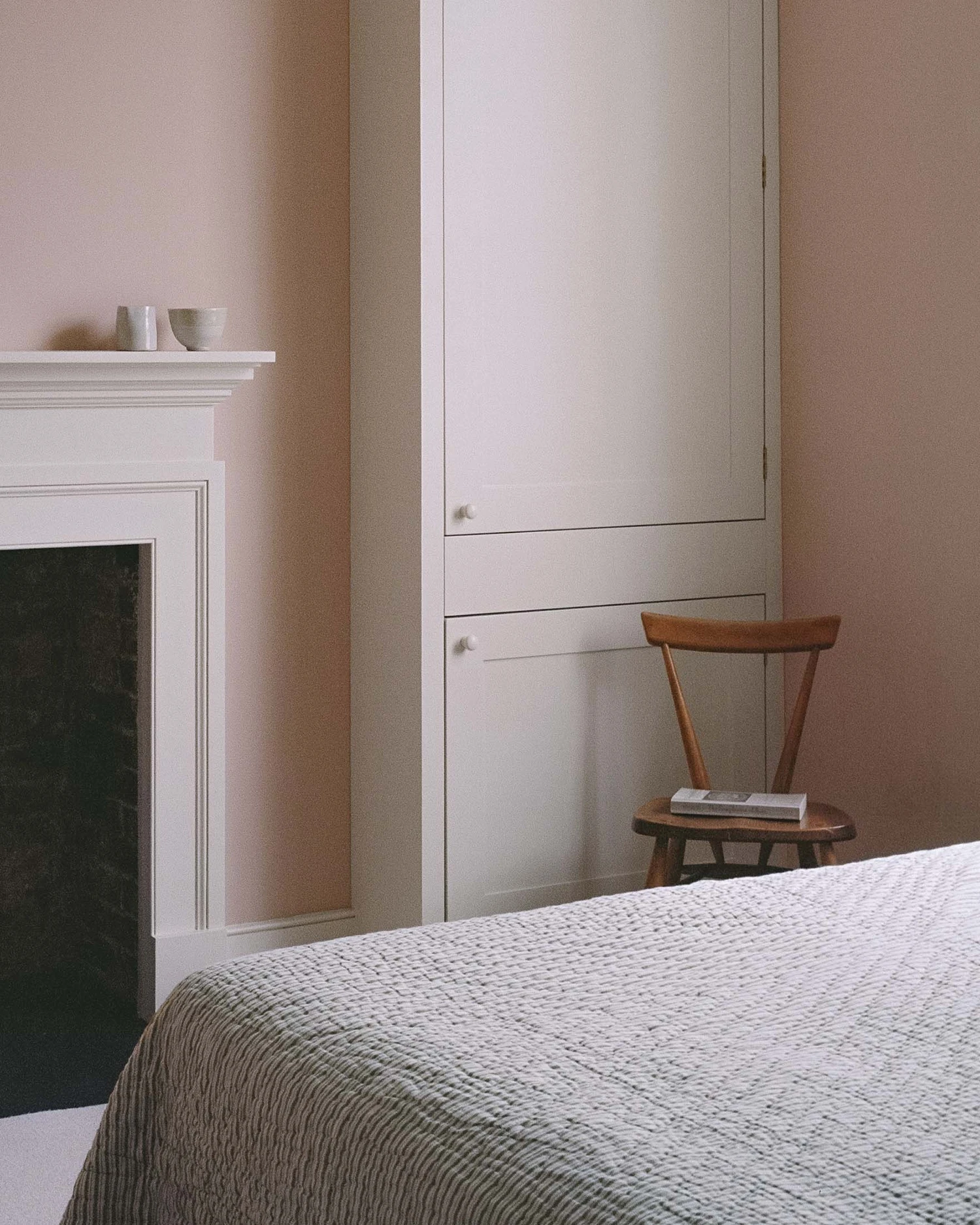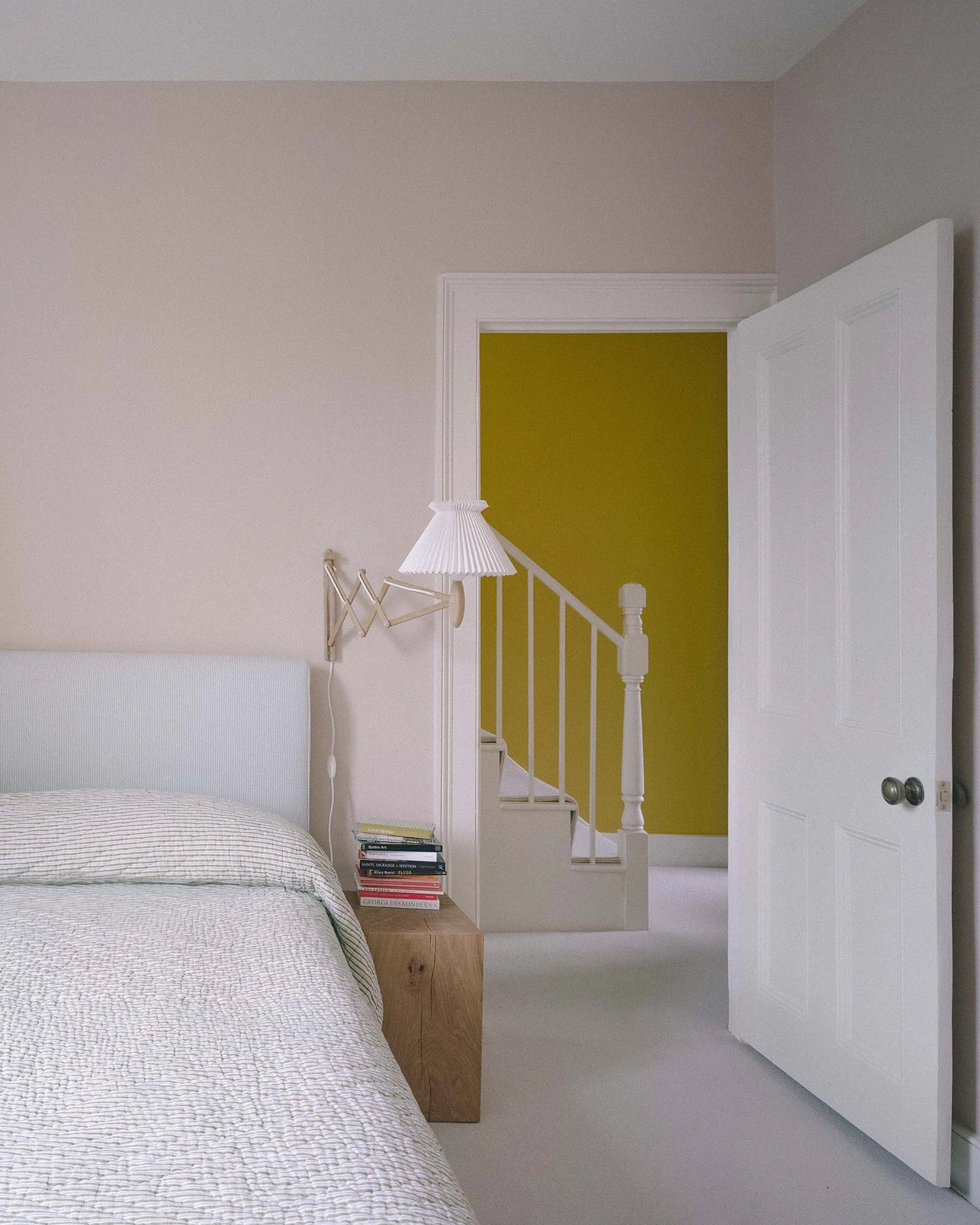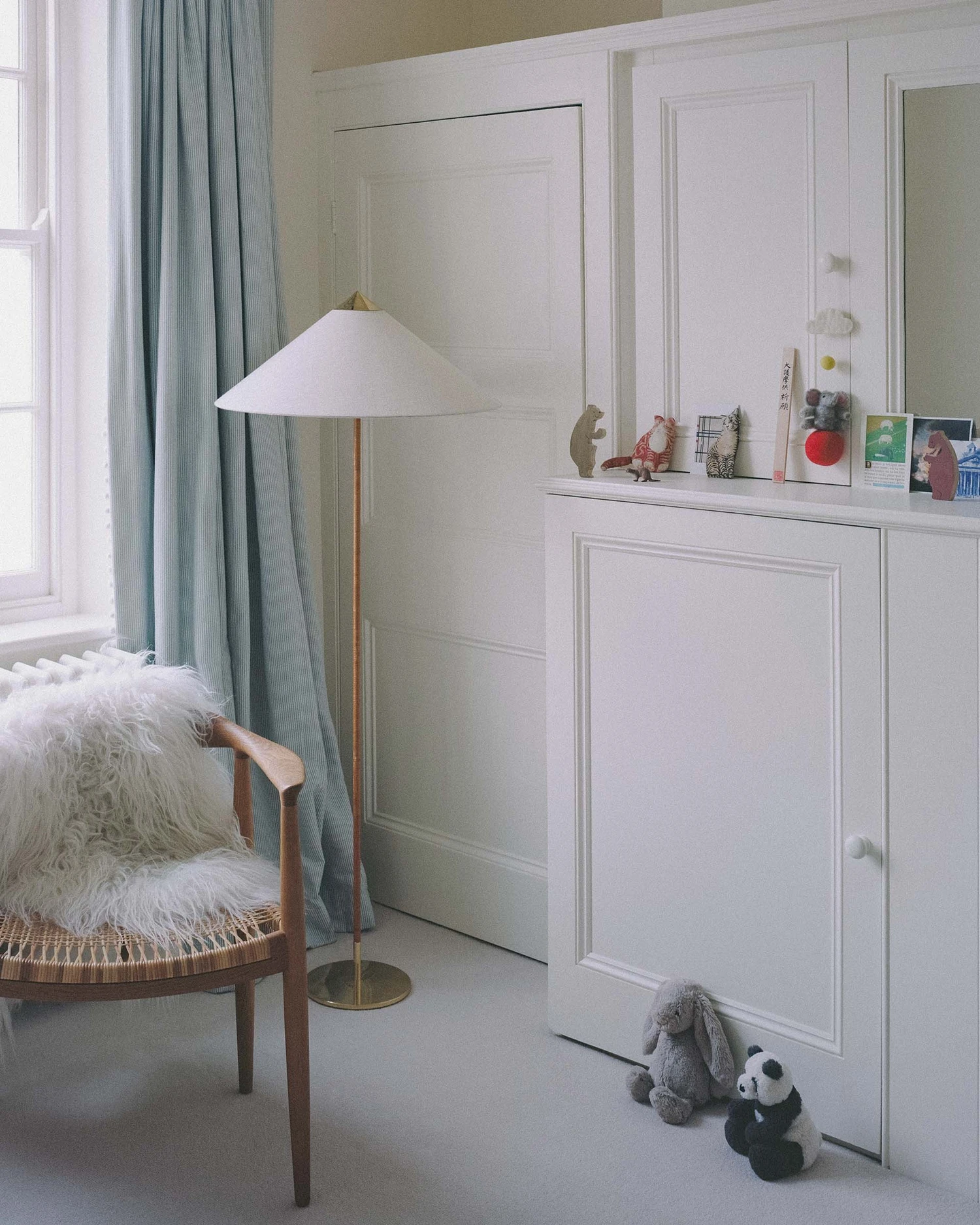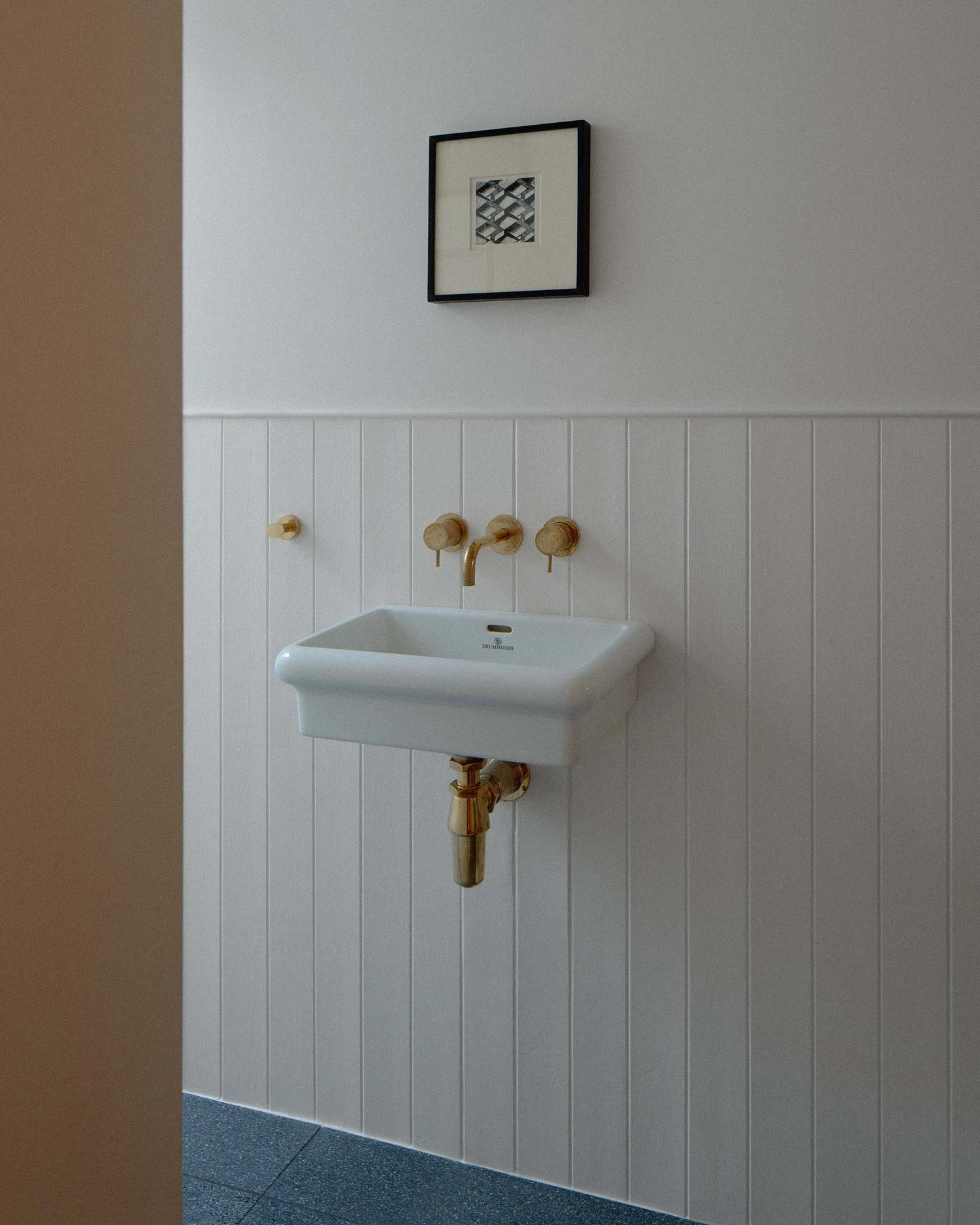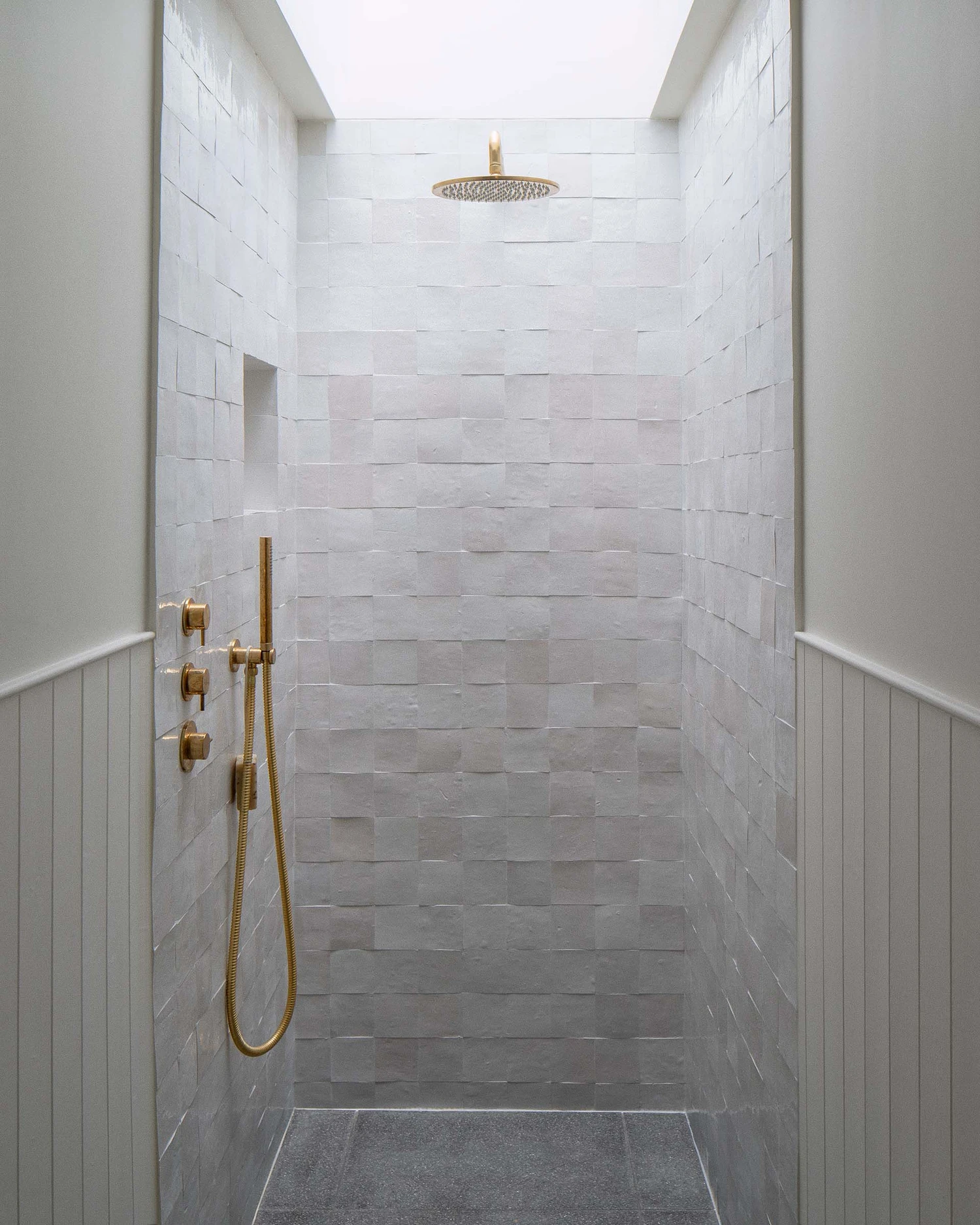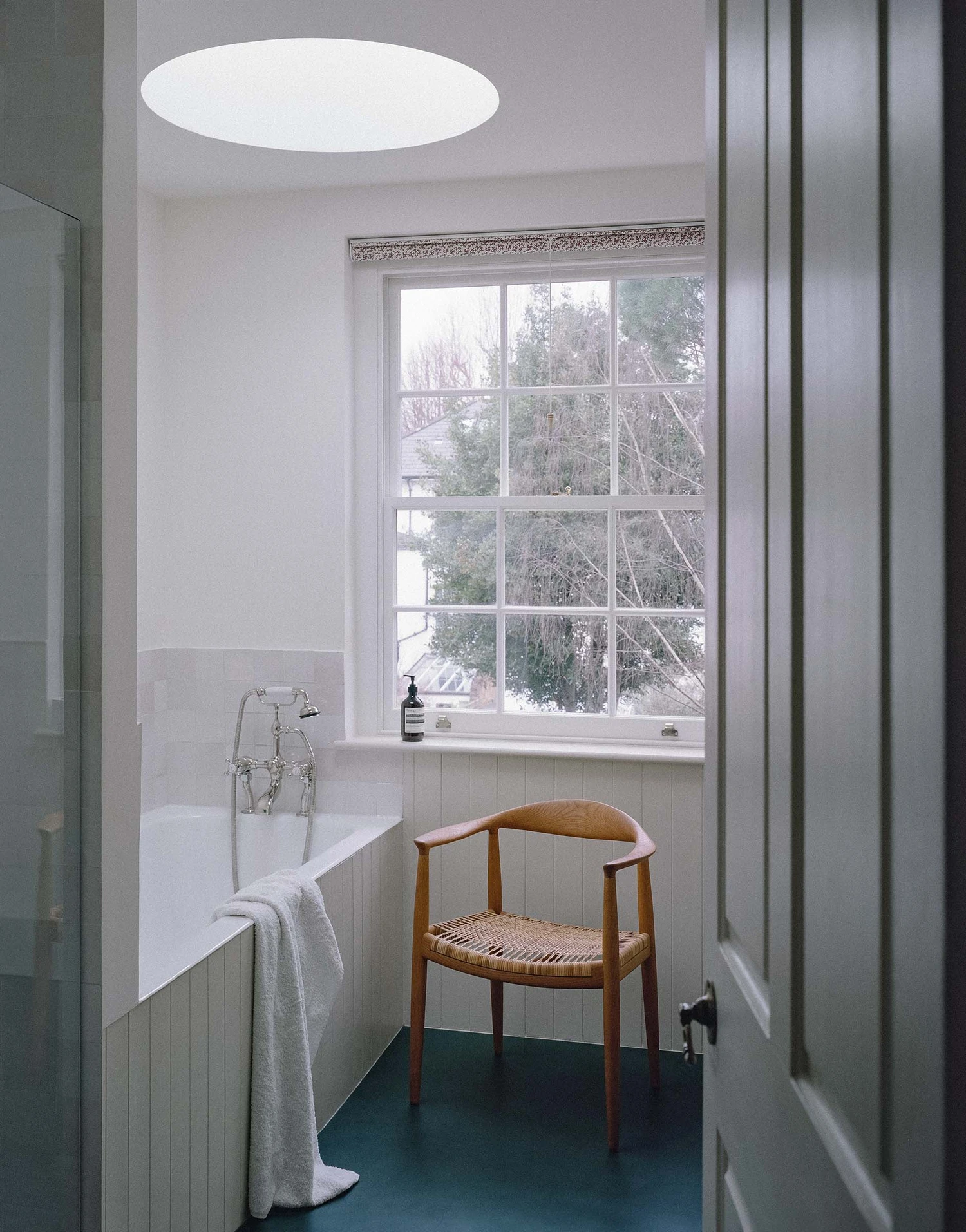
Barnsbury House by Architecture for London in London quietly rewrites the rules of heritage renovation—not by imposing, but by listening to what the building already knew.
There is a particular kind of restraint required when working with listed buildings. Too timid, and the intervention disappears into pastiche. Too bold, and the conversation becomes a monologue. For the refurbishment of this Grade II listed Georgian townhouse in North London's Barnsbury Conservation Area, Architecture for London found a third way: architecture as archaeology, each decision guided by what the walls themselves revealed.
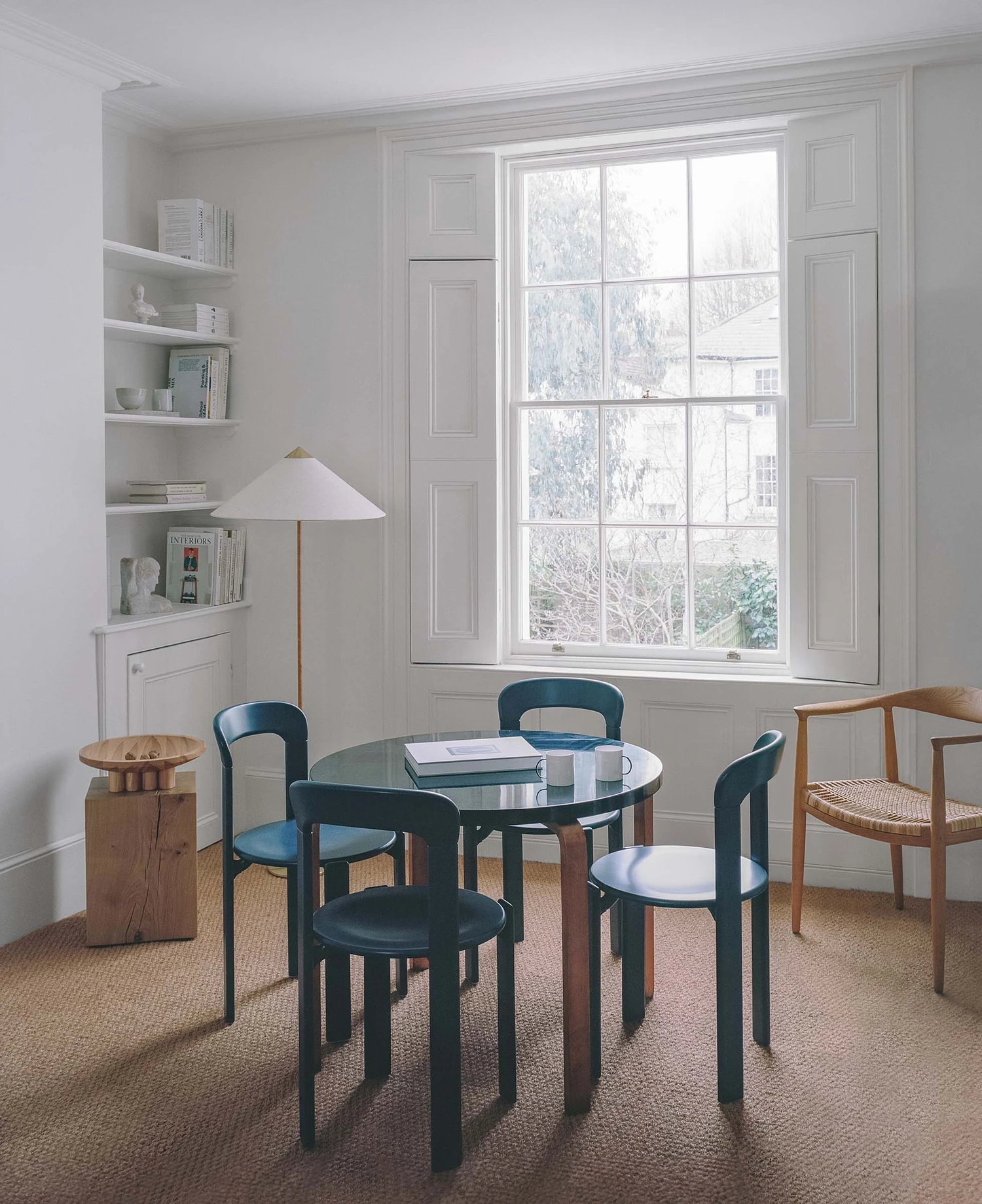
The client—an art historian and museum curator—arrived with a reference that would shape everything: Jim Ede's Kettle's Yard in Cambridge, where art and domestic life exist in fluid dialogue. This wasn't a request for reproduction but for resonance. The house needed to feel lived-in before anyone moved in, curated without appearing arranged.
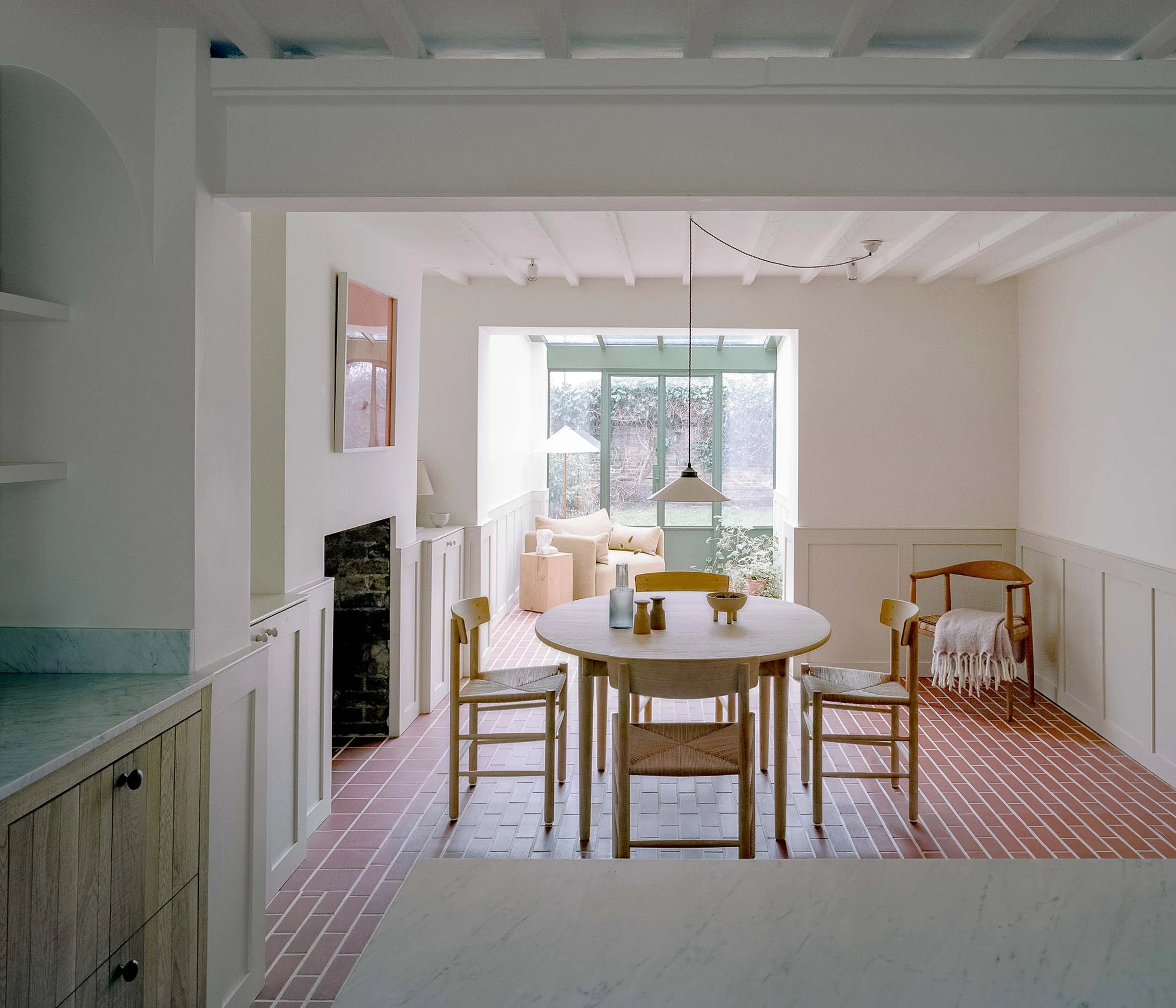
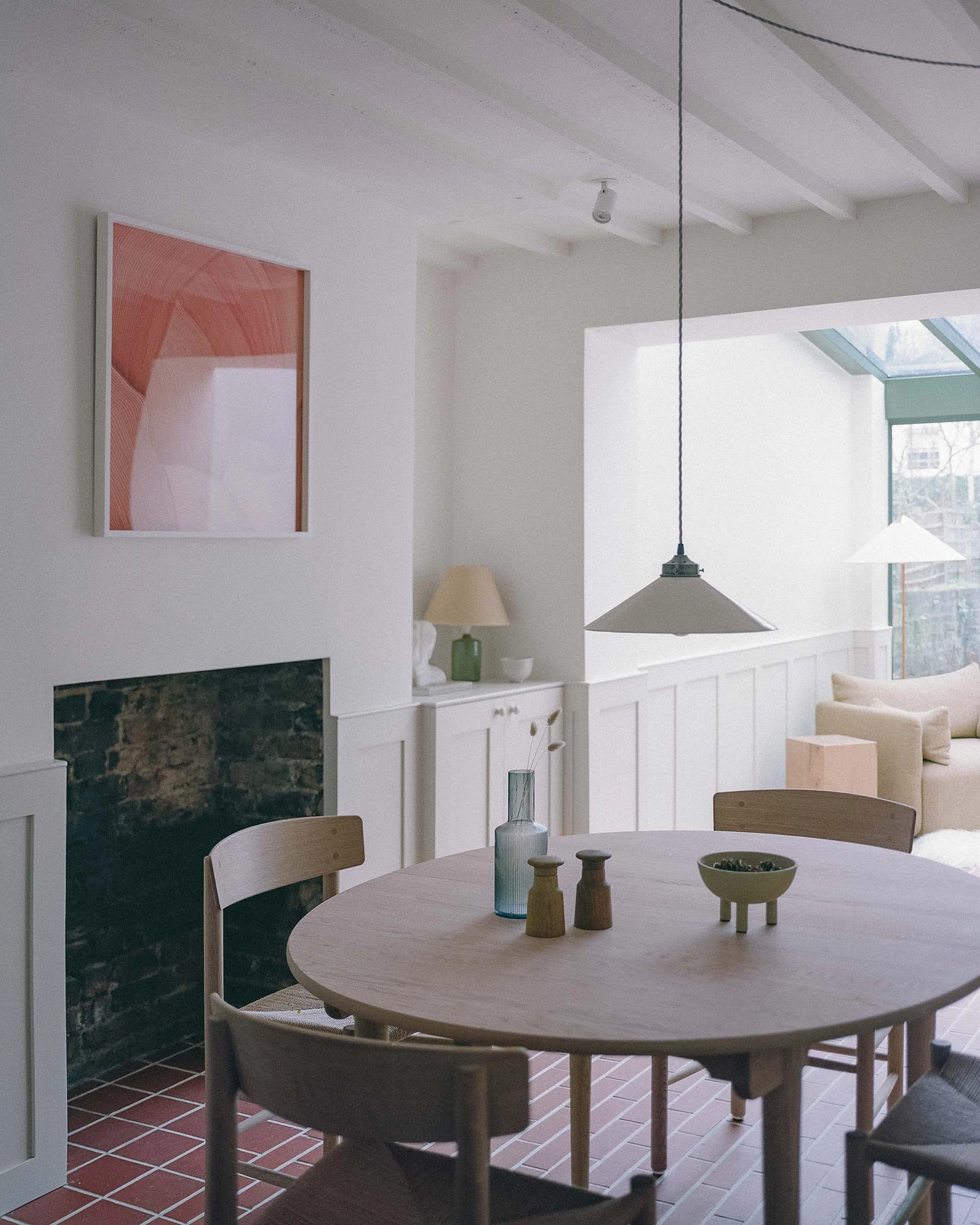
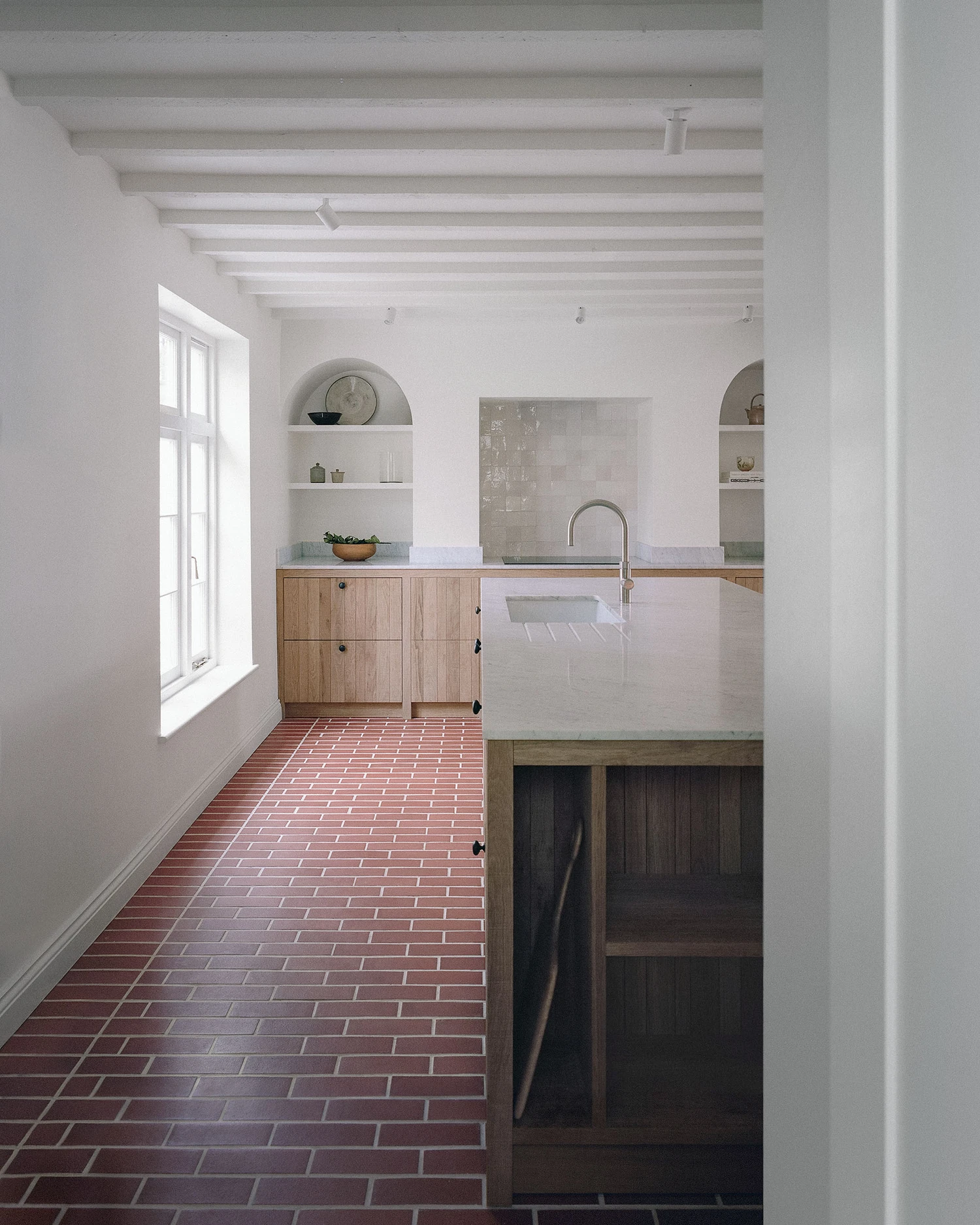
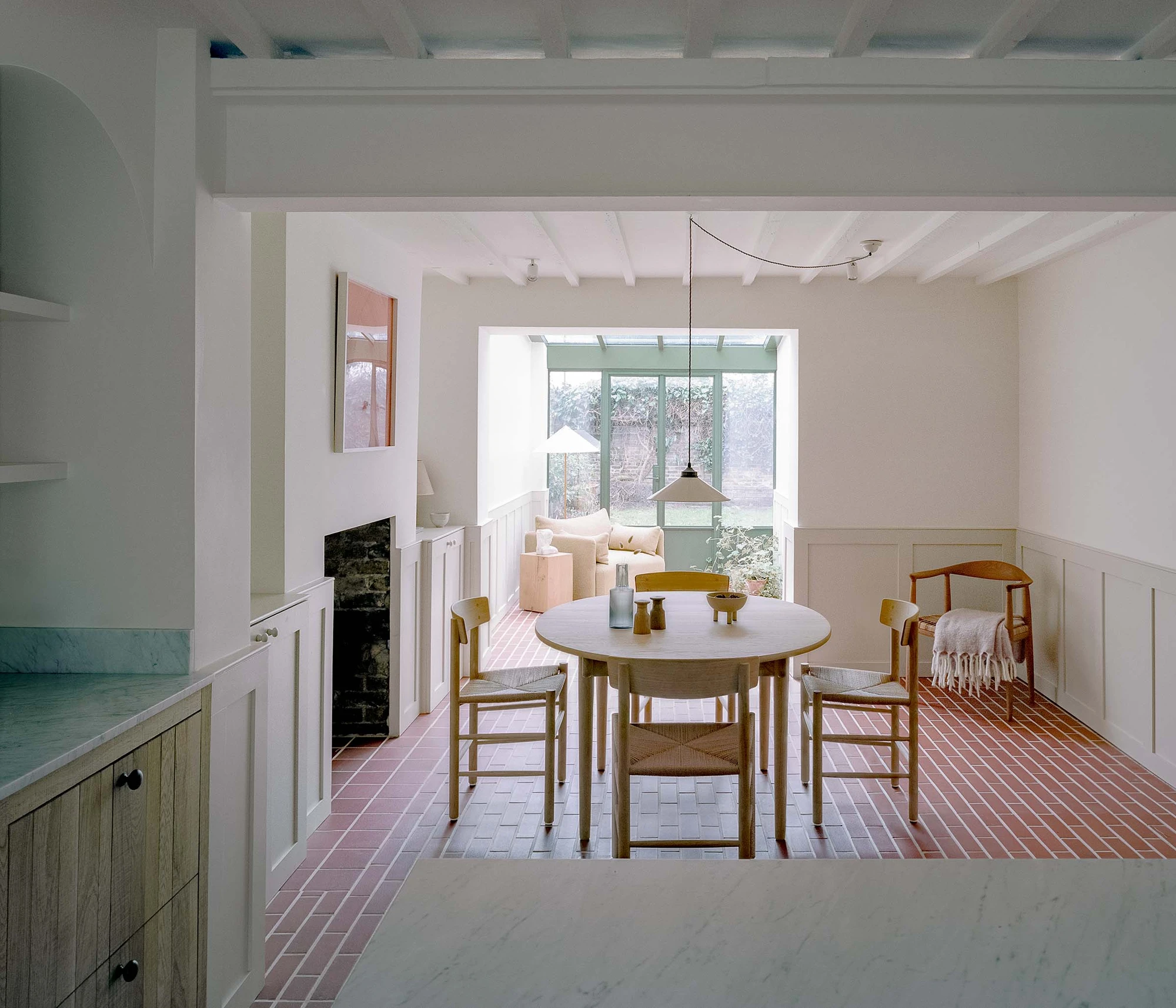
Below ground, the transformation is most dramatic. What had been a dark, cellular basement emerged into a light-filled family space after careful excavation. Brick tile floors replaced forgotten Victorian surfaces. Original timber joists, previously concealed behind plasterboard, now span the ceiling as honest structure. A series of historic fireplaces, discovered during strip-out, anchor the room with their accumulated presence.
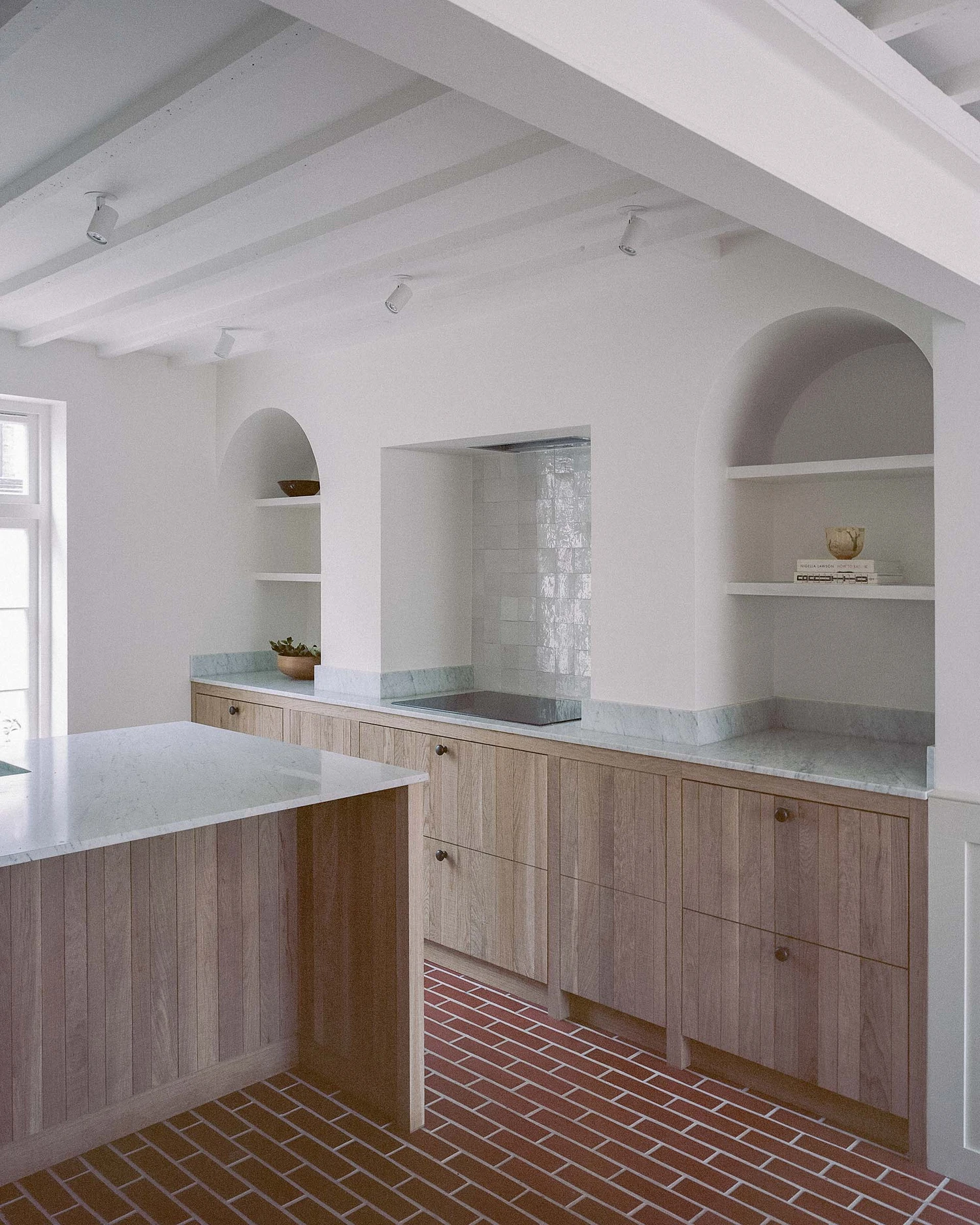
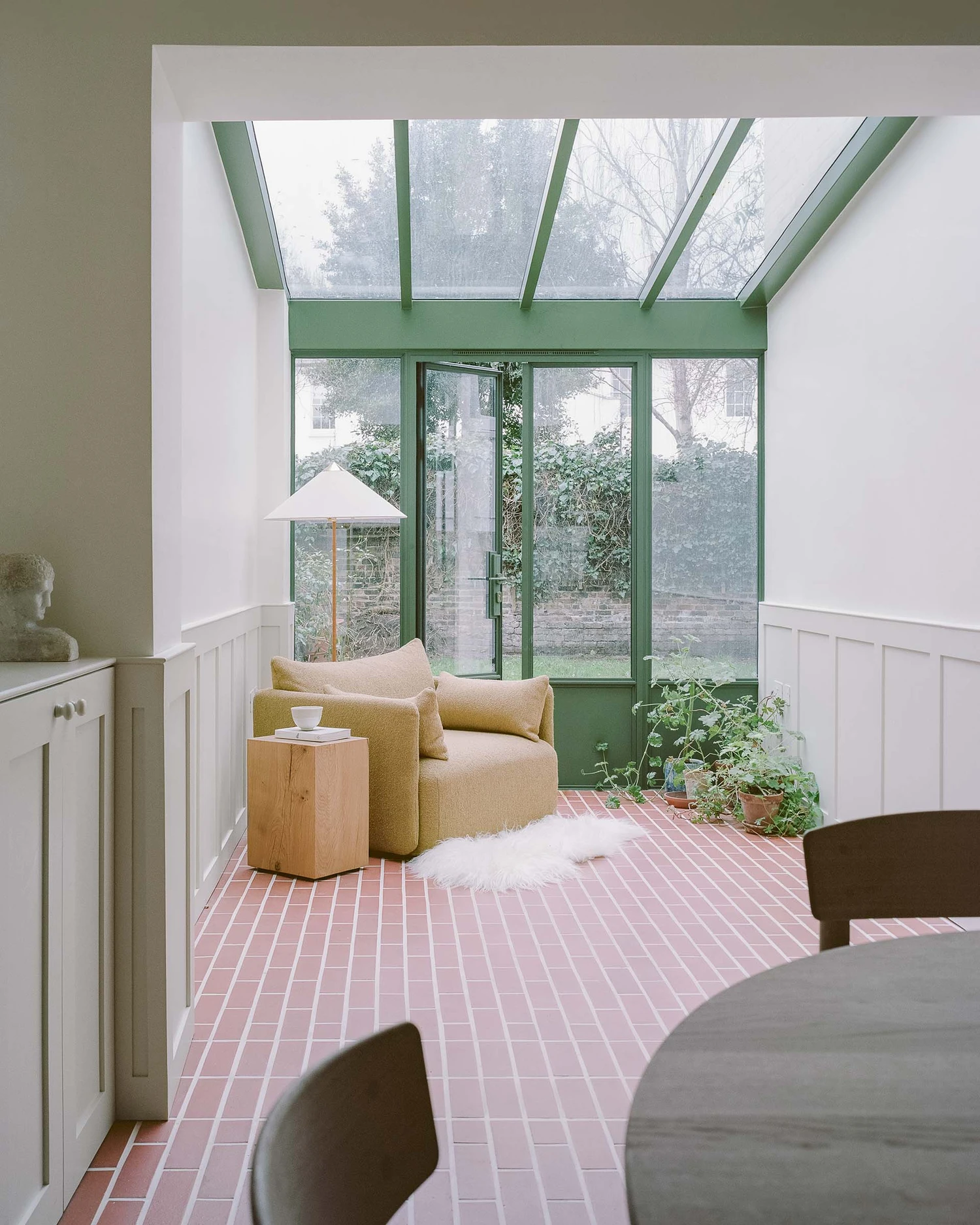
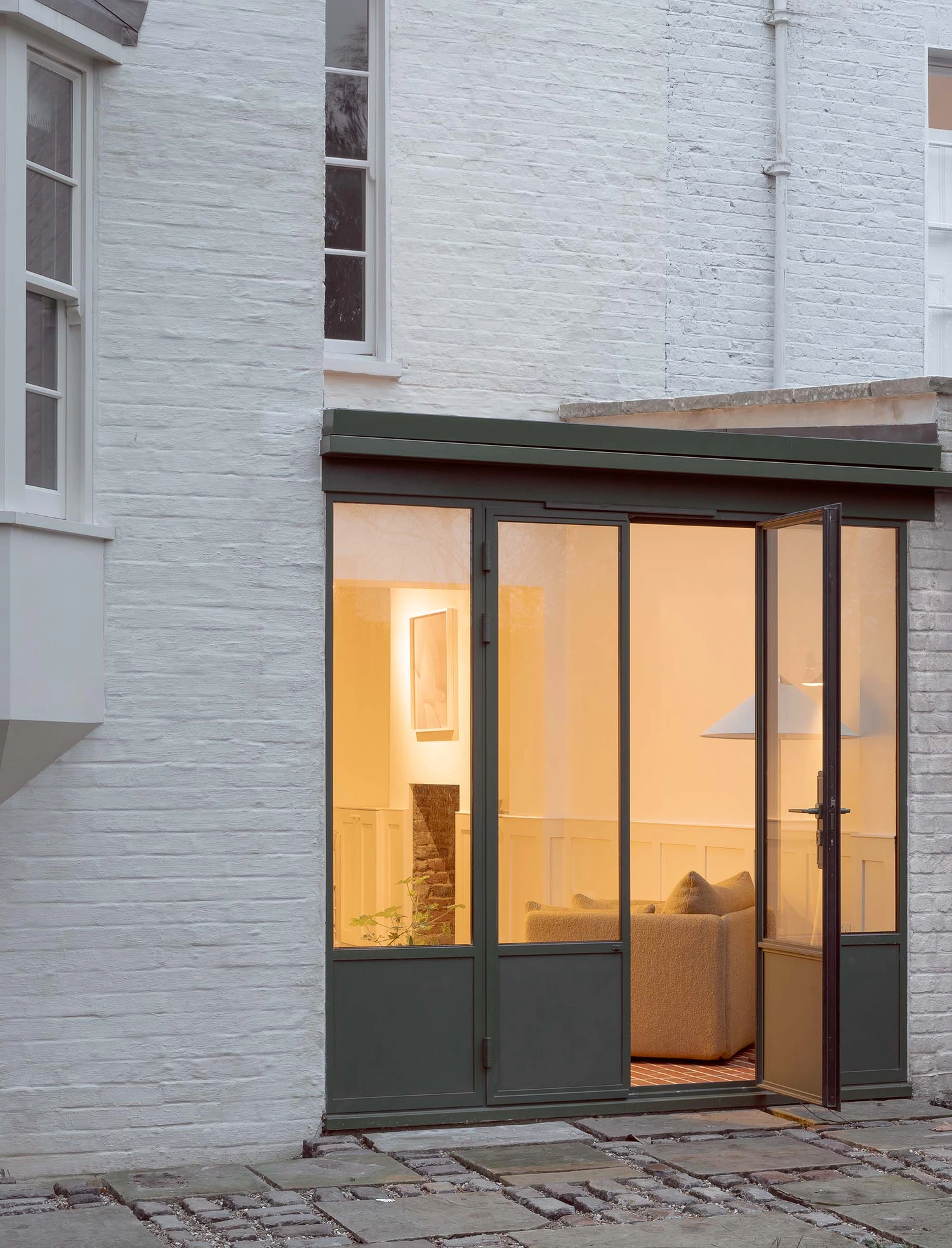
The kitchen speaks the same bilingual fluency. Carrara marble worktops meet English oak cabinetry in a composition that could have existed for decades or arrived yesterday. At the rear, a metal-framed extension replaces an ageing conservatory, its glazed walls pulling garden light deep into the plan. Upstairs, a mezzanine study tucks a concealed guest bed into the eaves—space borrowed without being stolen.
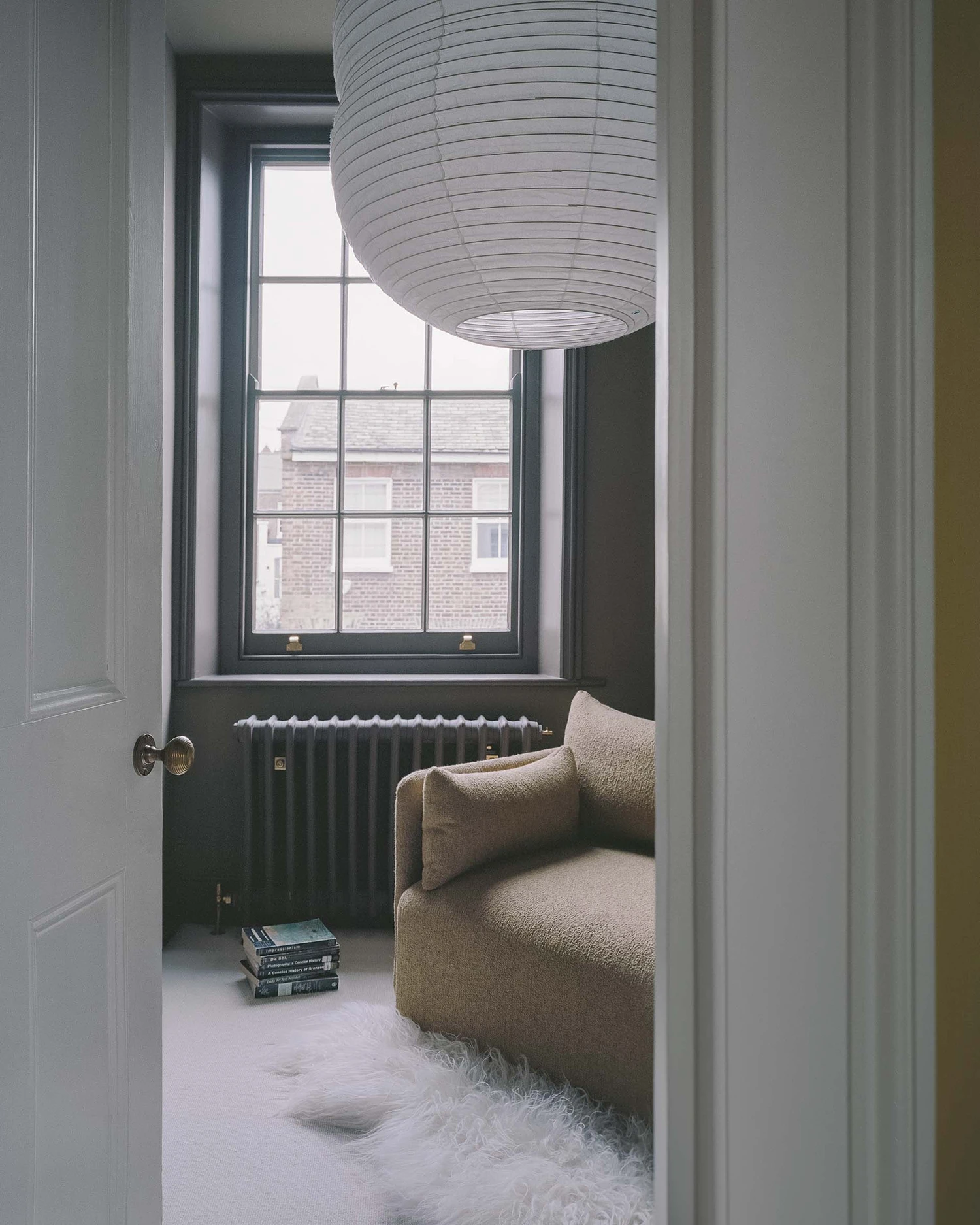
Throughout, reclaimed materials carry their own histories into the present. Nothing is quite new; nothing is merely old. The house operates as a kind of temporal collage, where Georgian proportions frame contemporary life without either apologizing for the other. It is restoration understood not as return but as continuation—the building's next chapter written in the same slow hand as all the ones before.