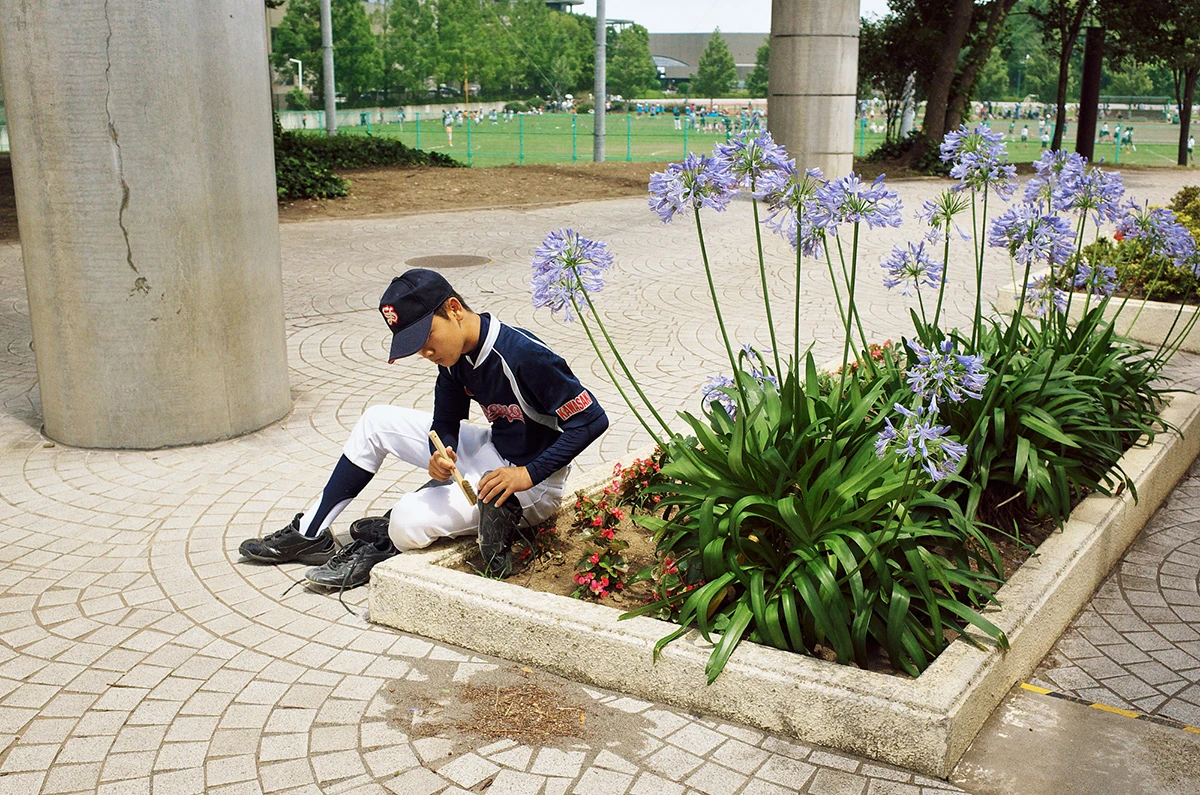
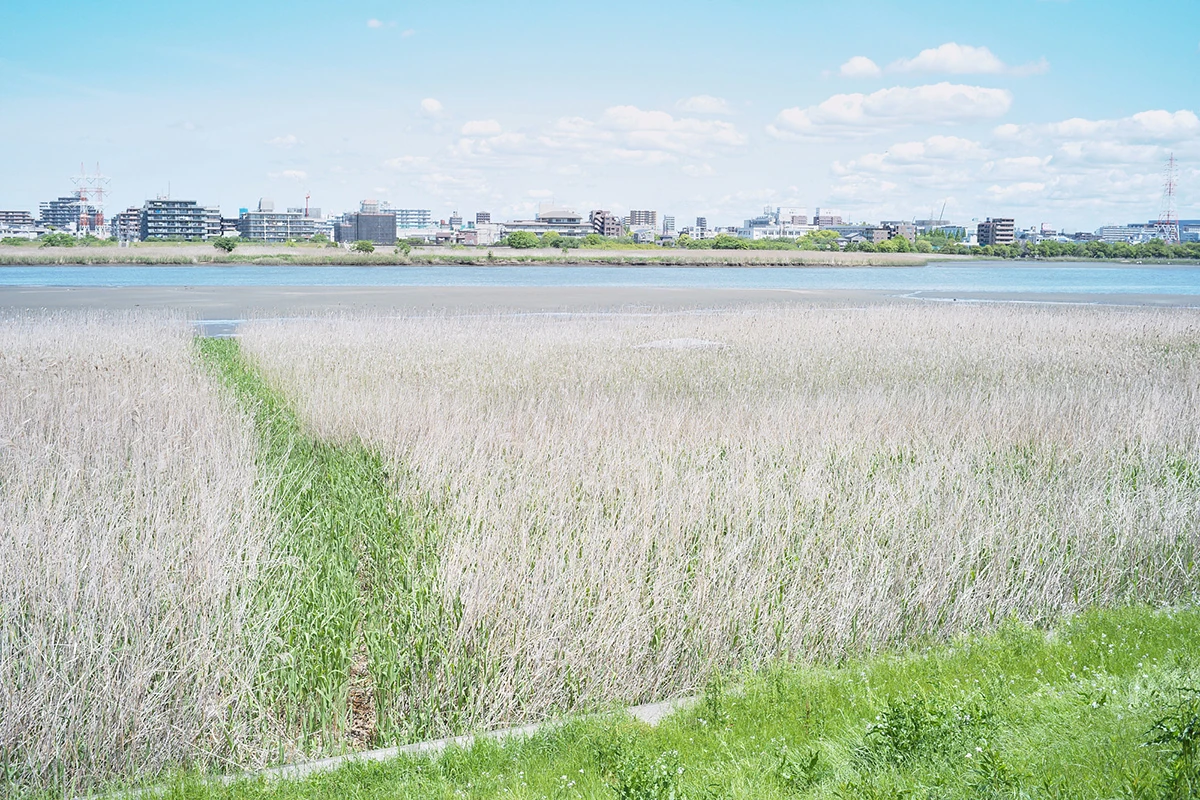
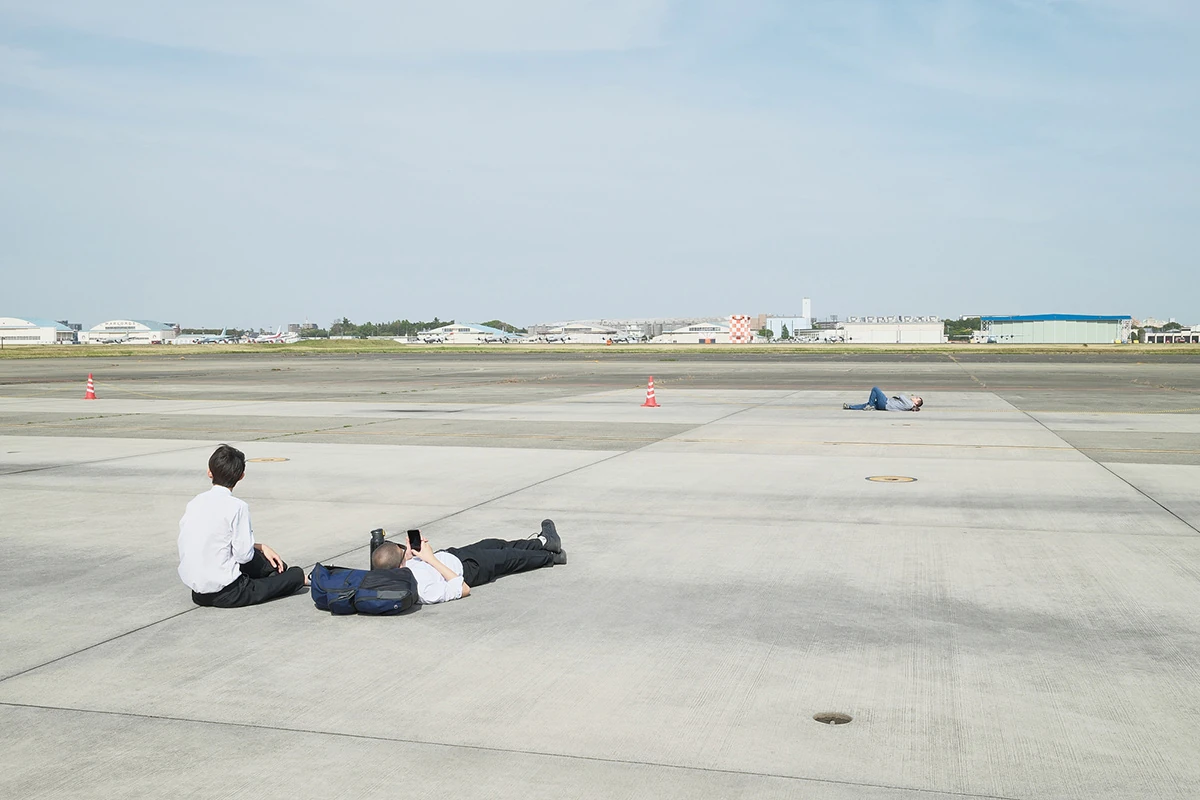
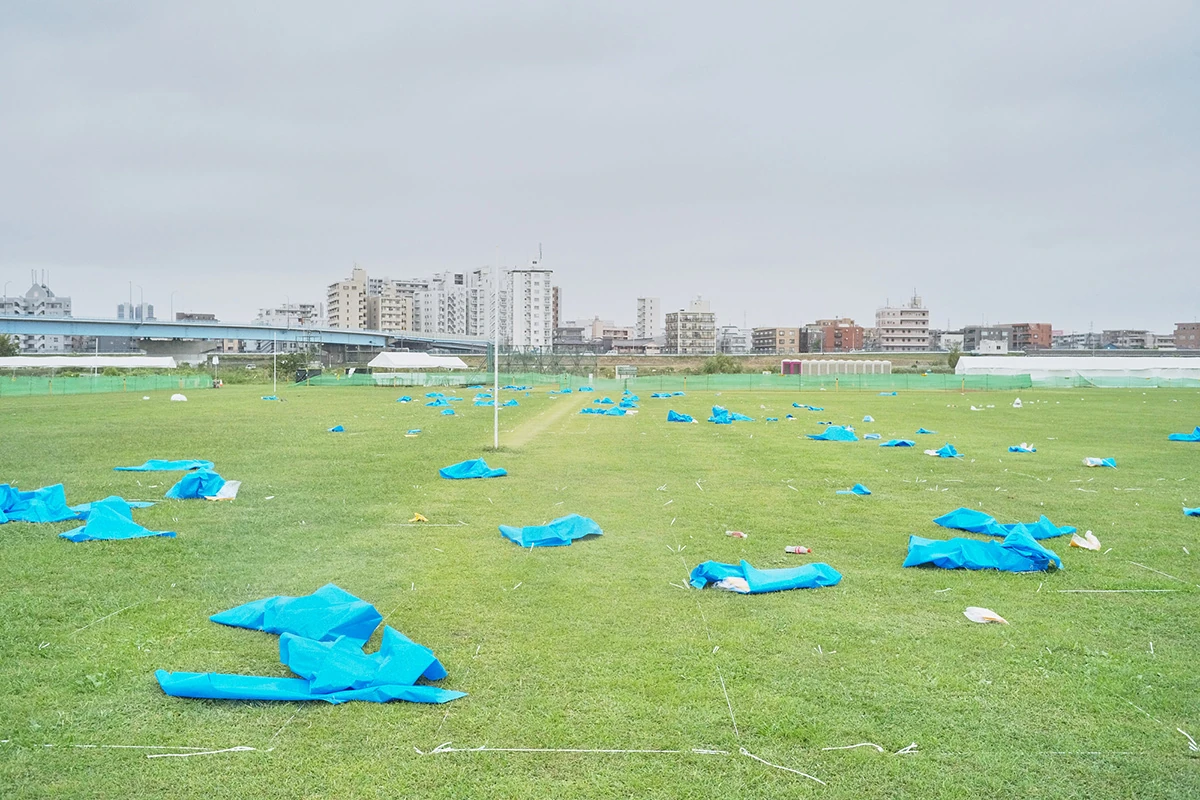
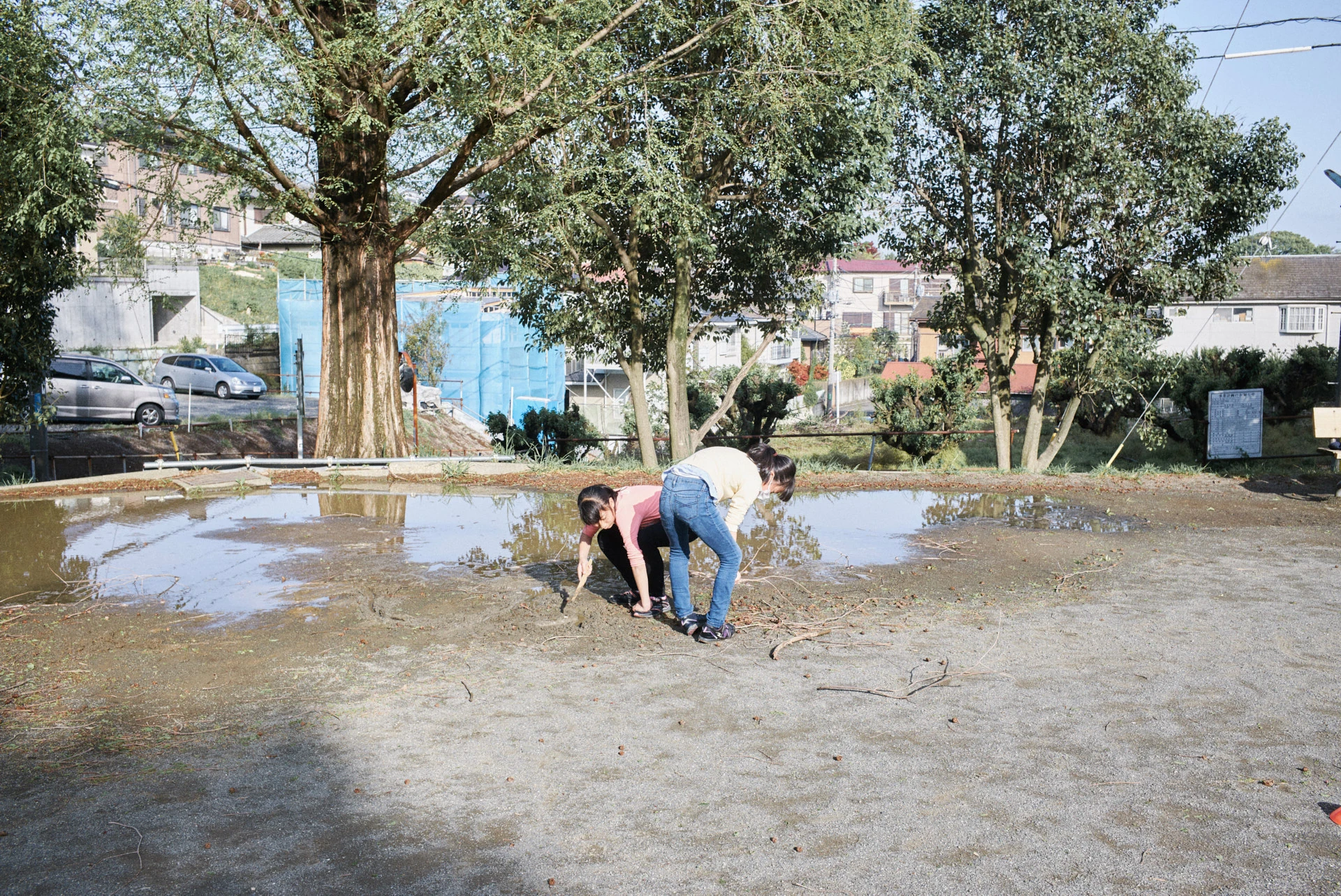
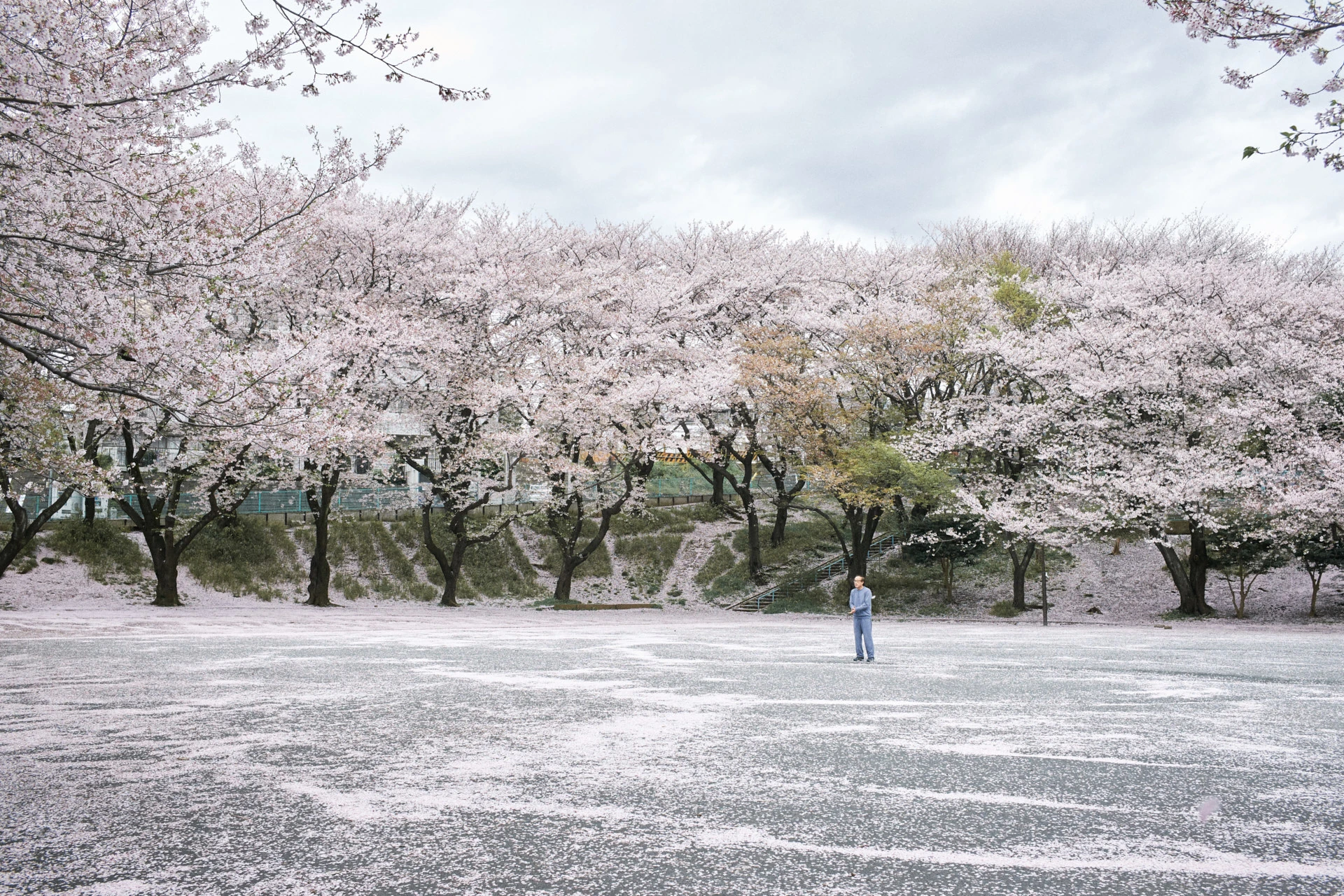
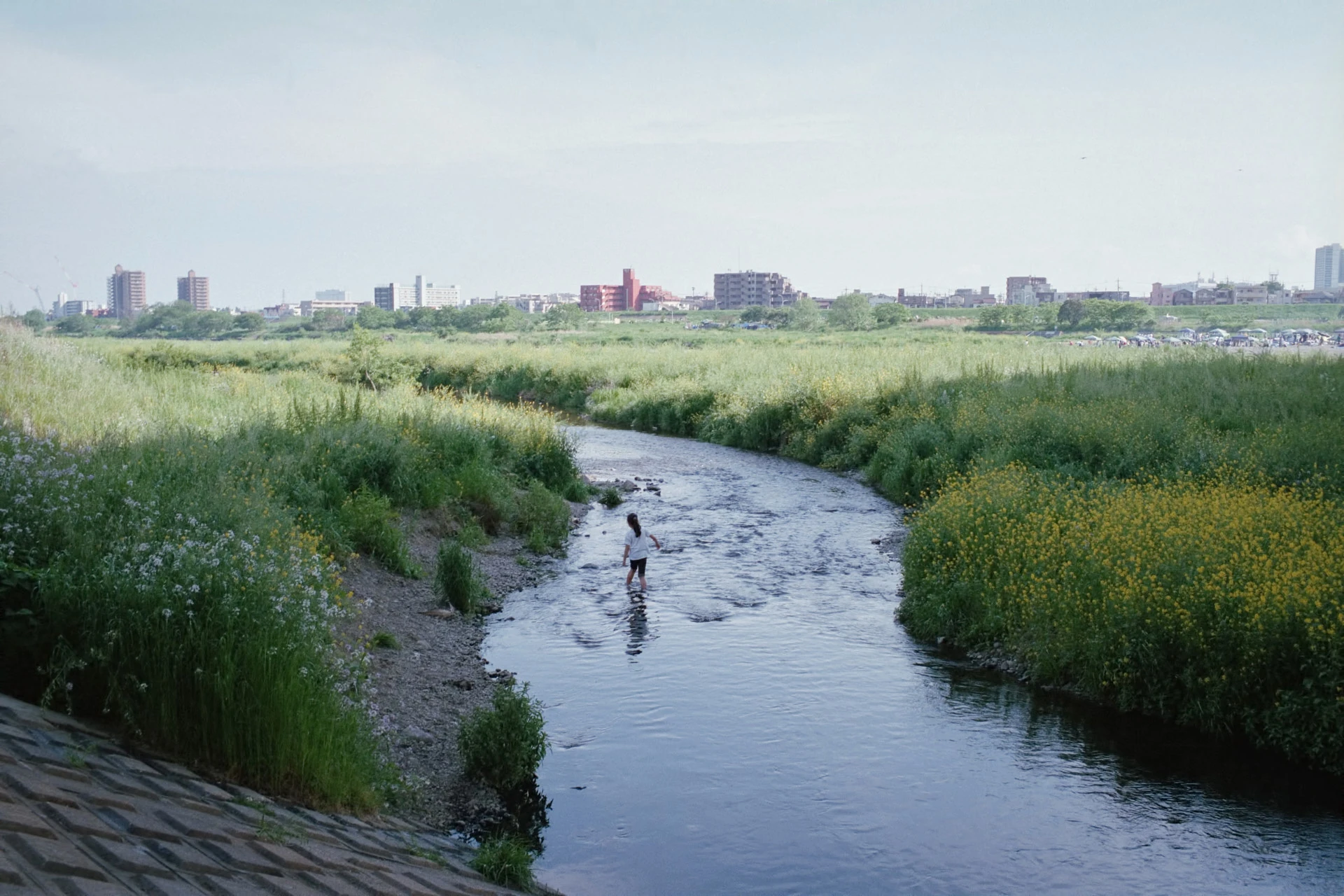
In Aesthetic of After, a series that starts from the plain fact that nothing lasts, the photographer Junya Suzuki turns to what is left behind in everyday life once things have formed and dissolved.
Aesthetic of After begins with a look back. Going through his own photographs, Junya Suzuki began to notice a quality they shared, and his statement for the series considers where it might come from. Perhaps, he writes, he is unconsciously drawn to “what remains in the quiet after”: to places in constant formation and dissolution, where nothing stays as it was. The last word of that phrase is also the last word of the title.
Midway through, the statement narrows to two short sentences: “Nothing endures. Life itself is finite.” The next sentence draws a conclusion from them. It may be precisely within this impermanence, Suzuki suggests, that a harmony is sensed in simply existing together. The statement then ends on the series itself: “This project listens for that presence within the everyday.” The presence is that harmony of existing together, and the everyday is where the series looks for it.
Presented in 2026, the edit folds in photographs from an earlier body of work, some of them taken in 2016, and the statement that accompanies it is a rewritten version of the one Suzuki wrote for that work.