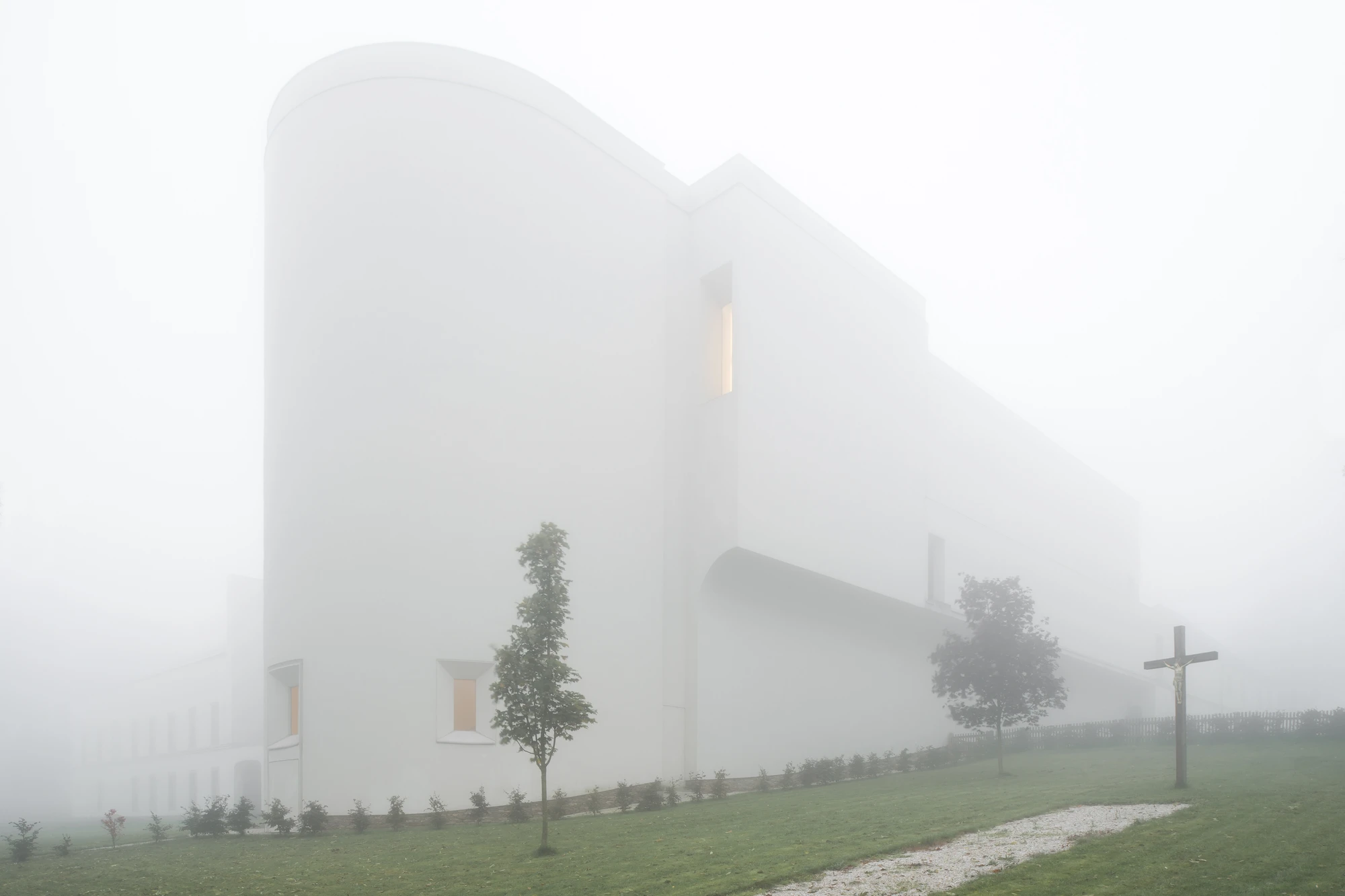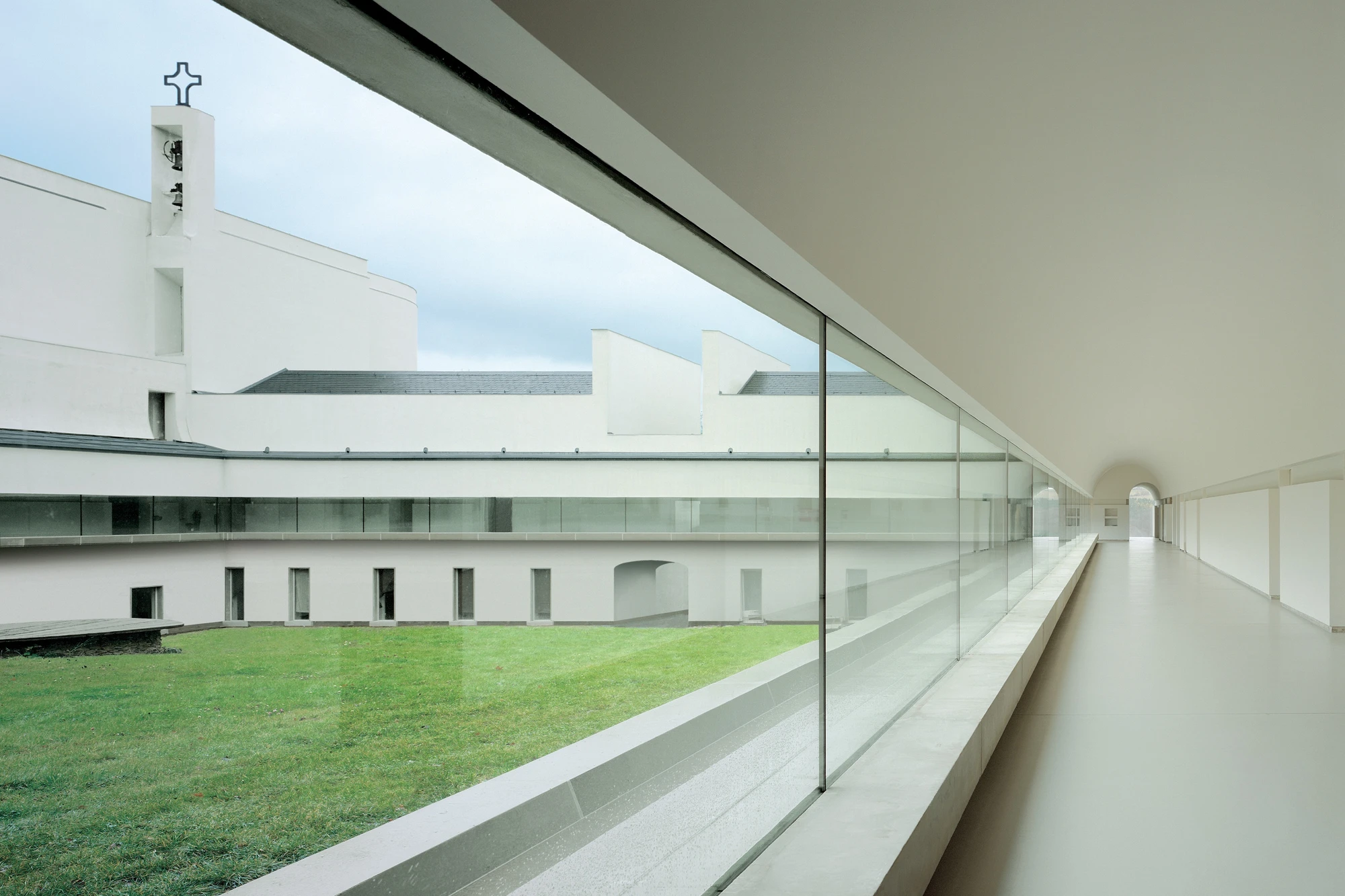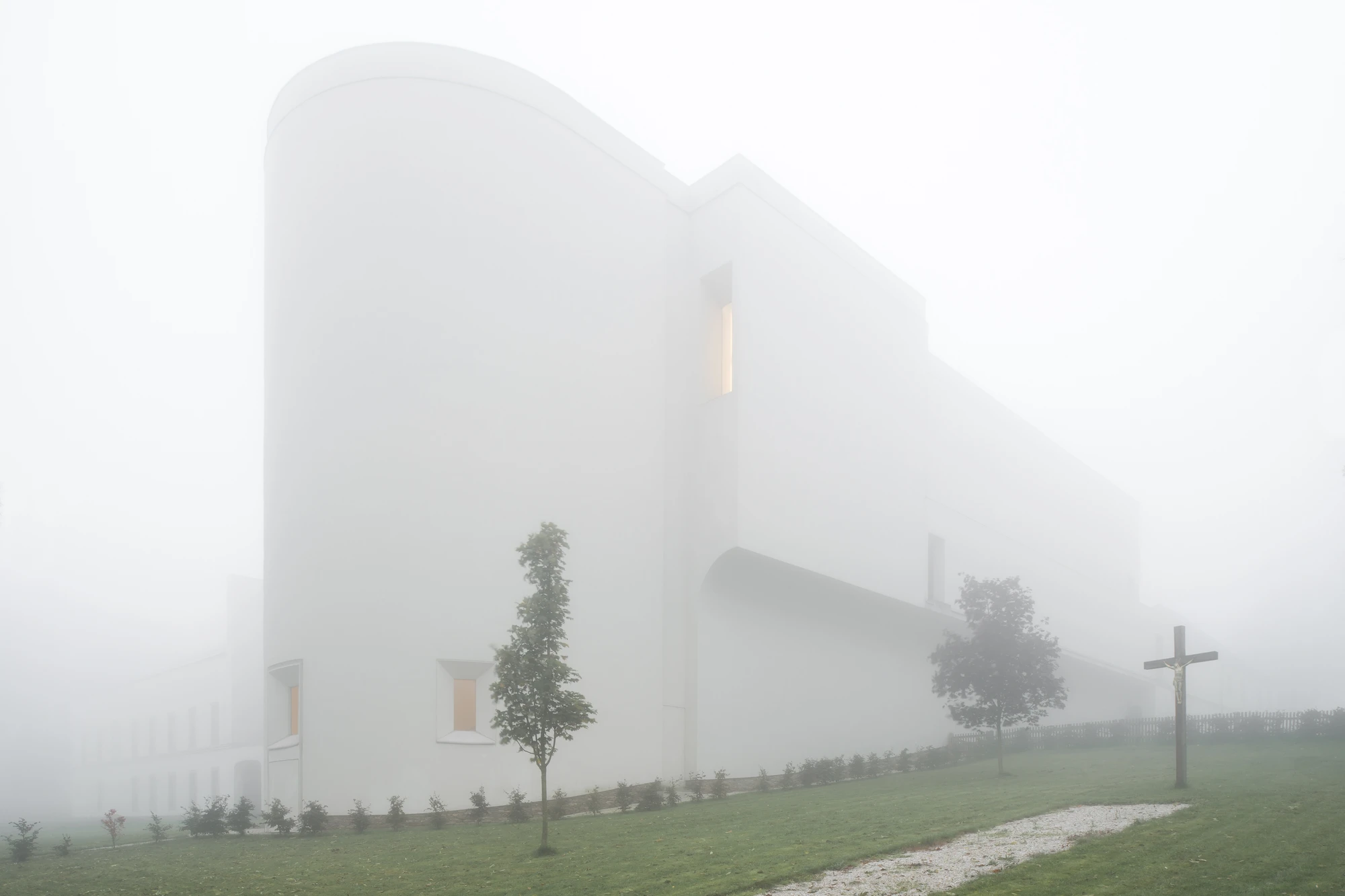
Abbey of Our Lady of Nový Dvůr by John Pawson in Bohemia achieves what the Cistercians have always known—that light, proportion, and absence can constitute a form of prayer.
The Cistercian order has built monasteries for nine centuries, and their architectural requirements have changed little since St. Bernard of Clairvaux first articulated them: simplicity of proportion, clarity of space, light as primary ornament. When a community of French monks sought to establish the first convent in the Czech Republic after communism's fall, they found both a site—a hundred-hectare estate of farmland and forest in western Bohemia—and an architect whose minimalism had always carried spiritual undertones.
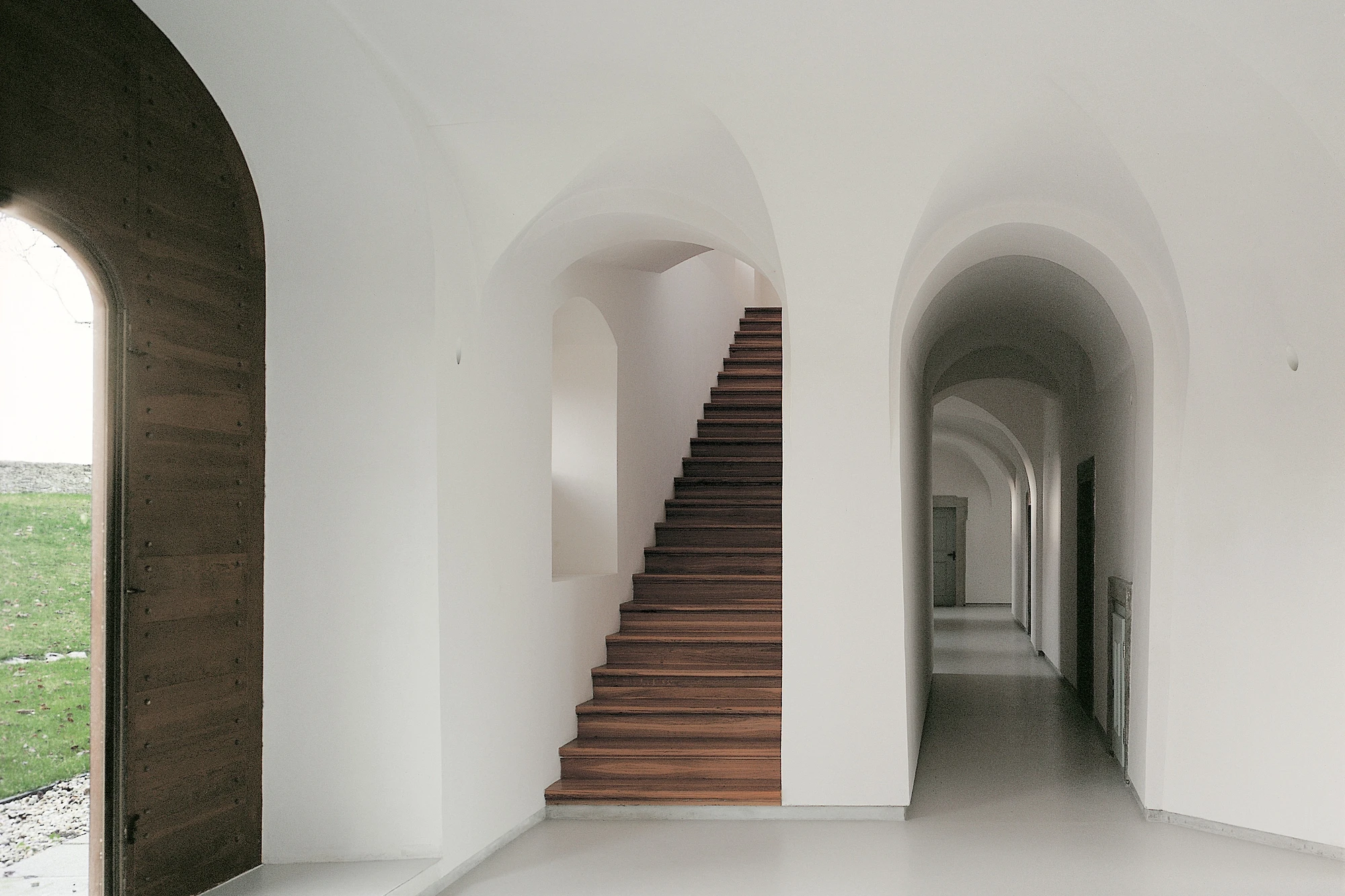
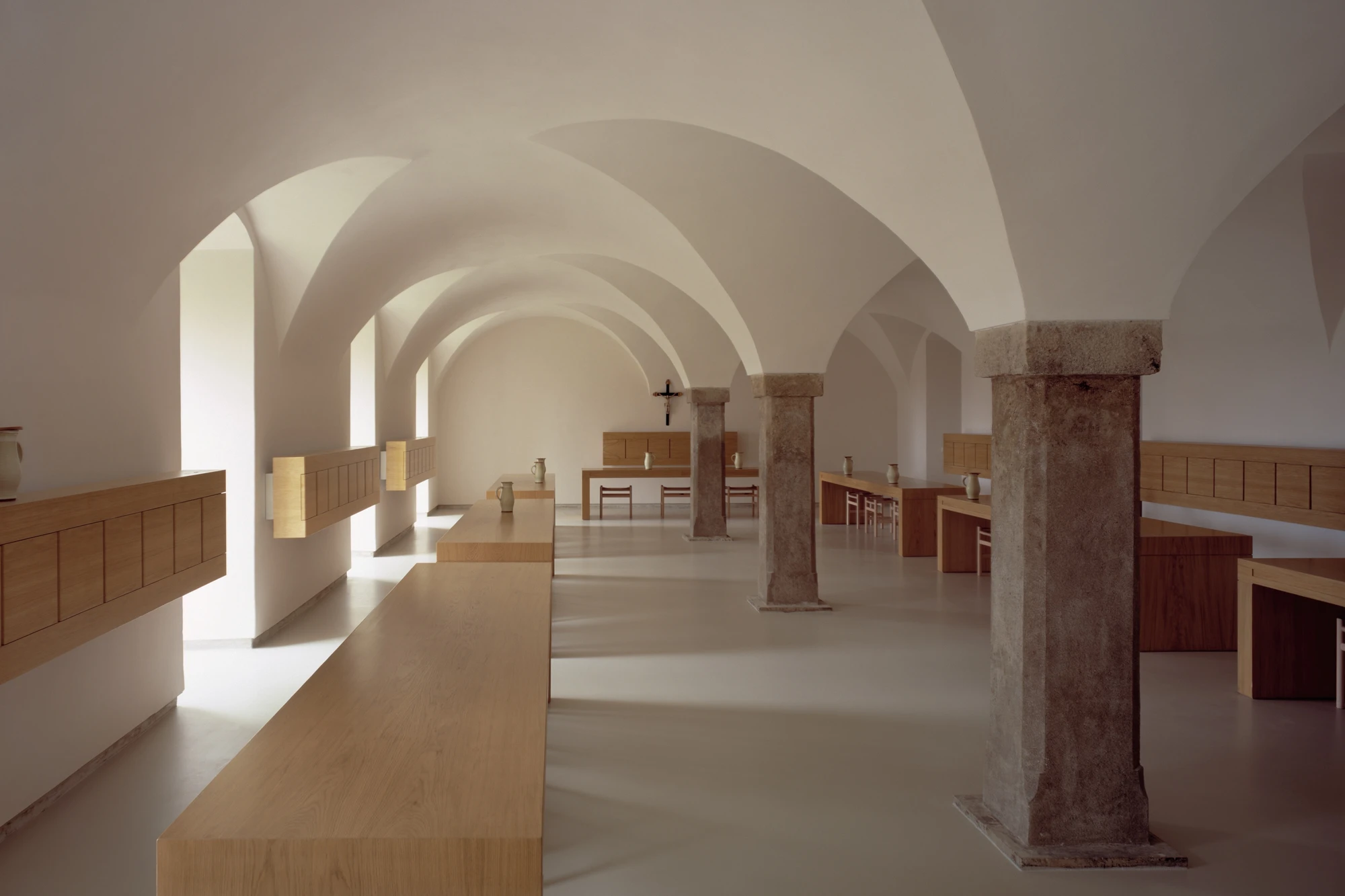
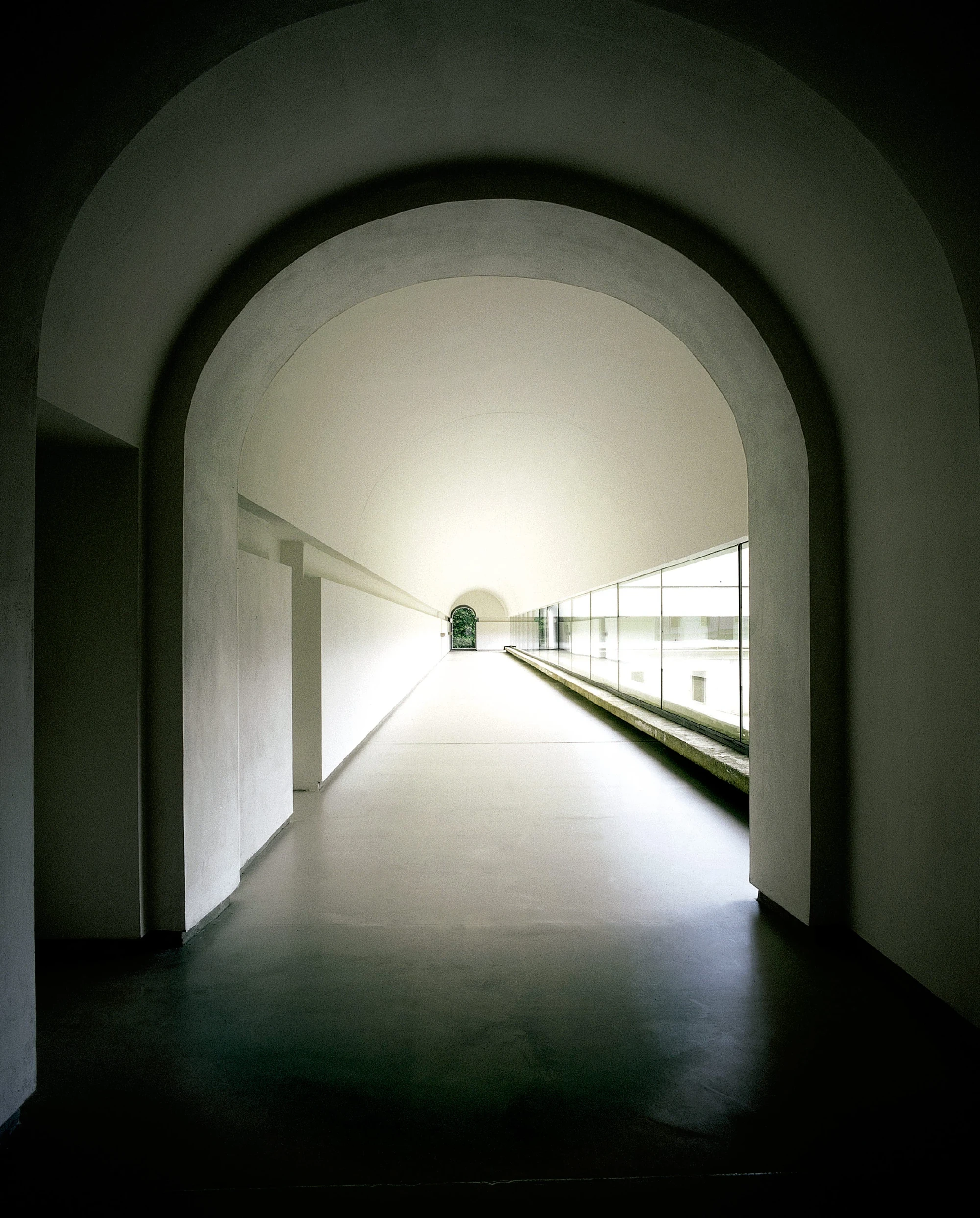
John Pawson's intervention preserves and extends a ruined baroque manor house, adding the abbey church and monastic buildings that complete the complex. The existing structure, with its thick walls and regular fenestration, provided a material and proportional vocabulary that Pawson honored through continuation rather than contrast. New walls rise in the same white plaster; new openings maintain the rhythm of old.
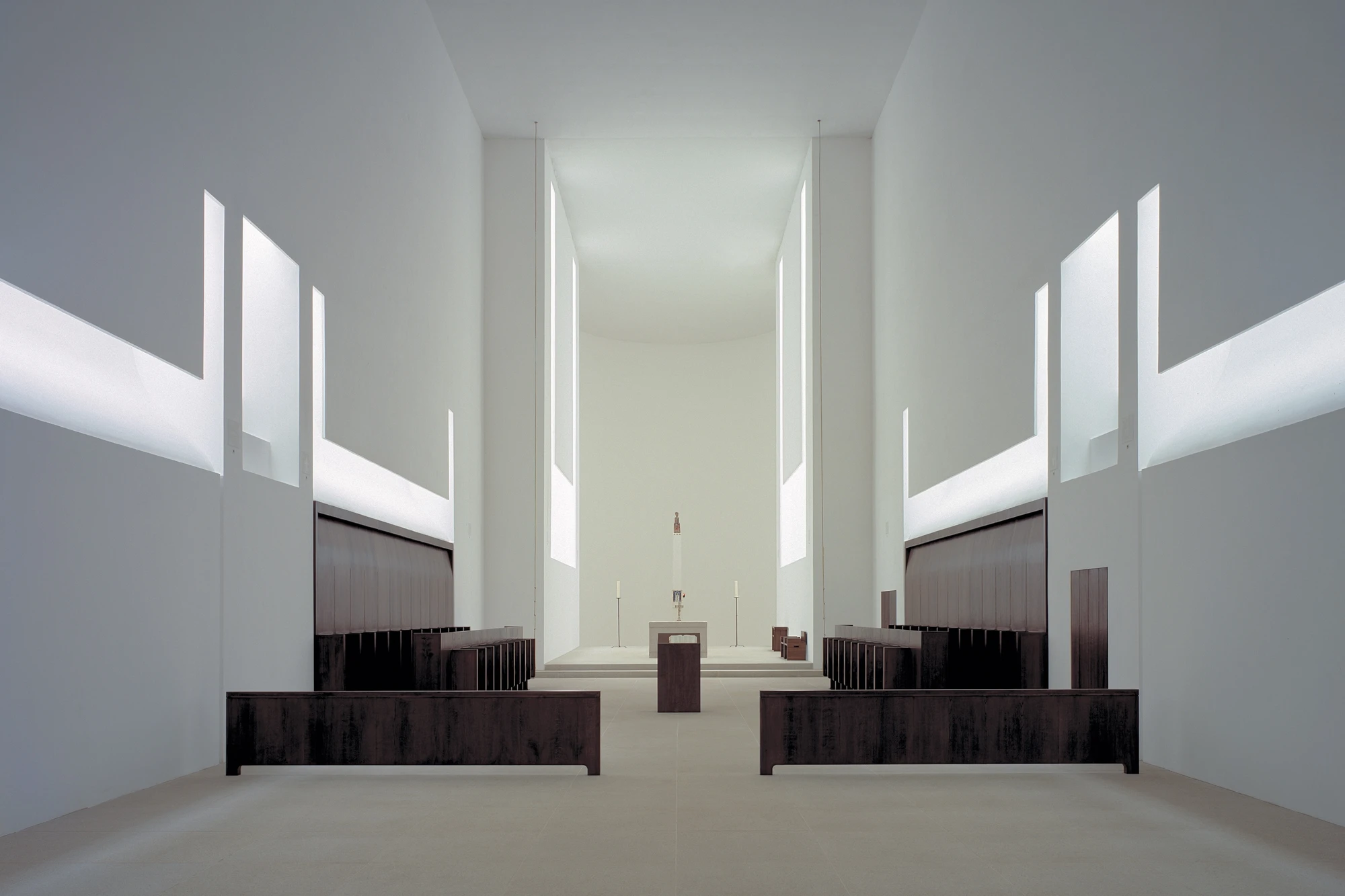
The church stands as the project's culmination—a long nave of such austere beauty that photography struggles to convey its effect. Light enters from high clerestory windows, falling across surfaces that carry no decoration whatsoever. The monks' choir stalls, built from dark oak, provide the only visual counterpoint to prevailing whiteness. Here, the Divine Office unfolds seven times daily, punctuating the silence that otherwise fills the space.
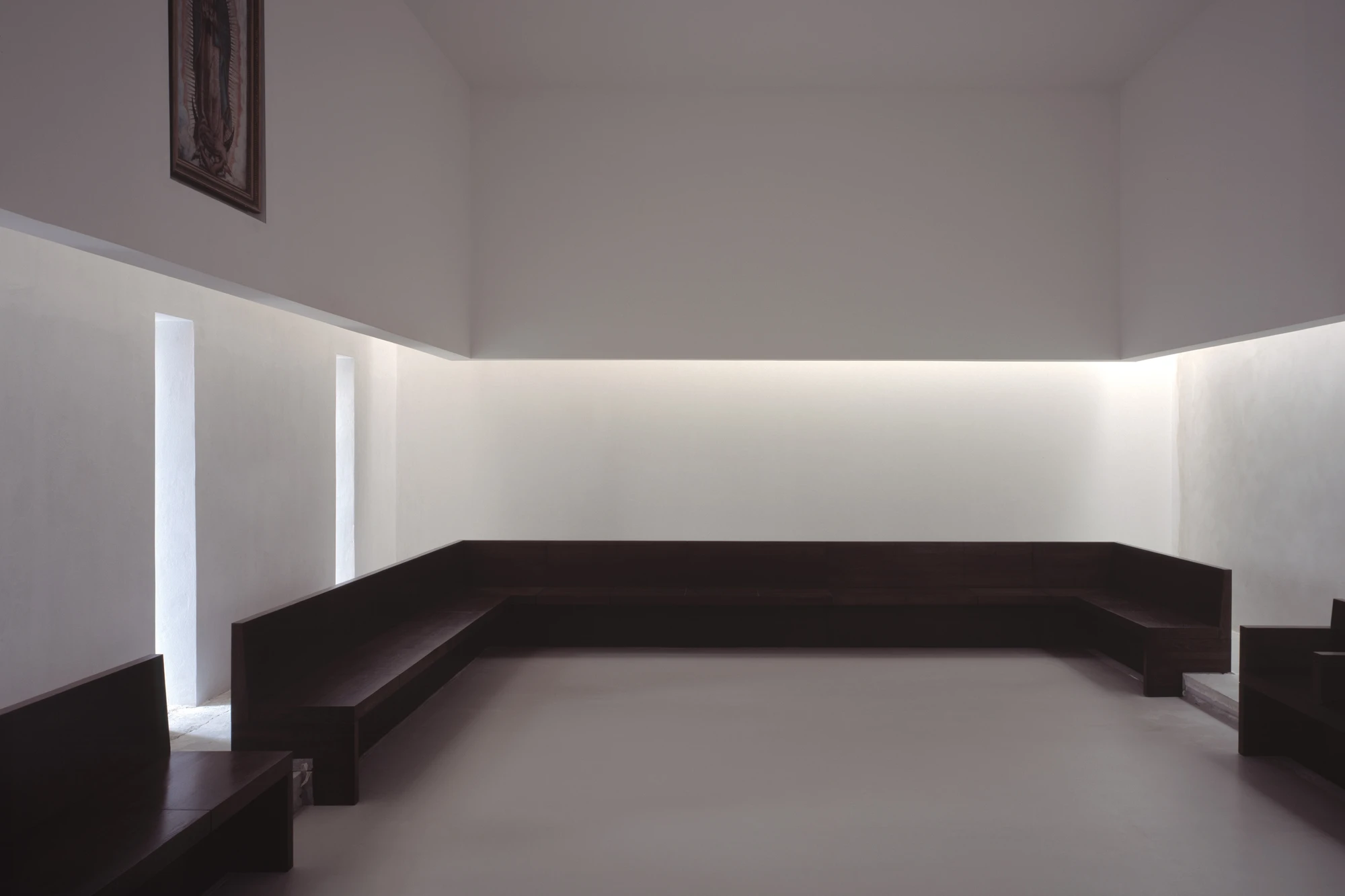
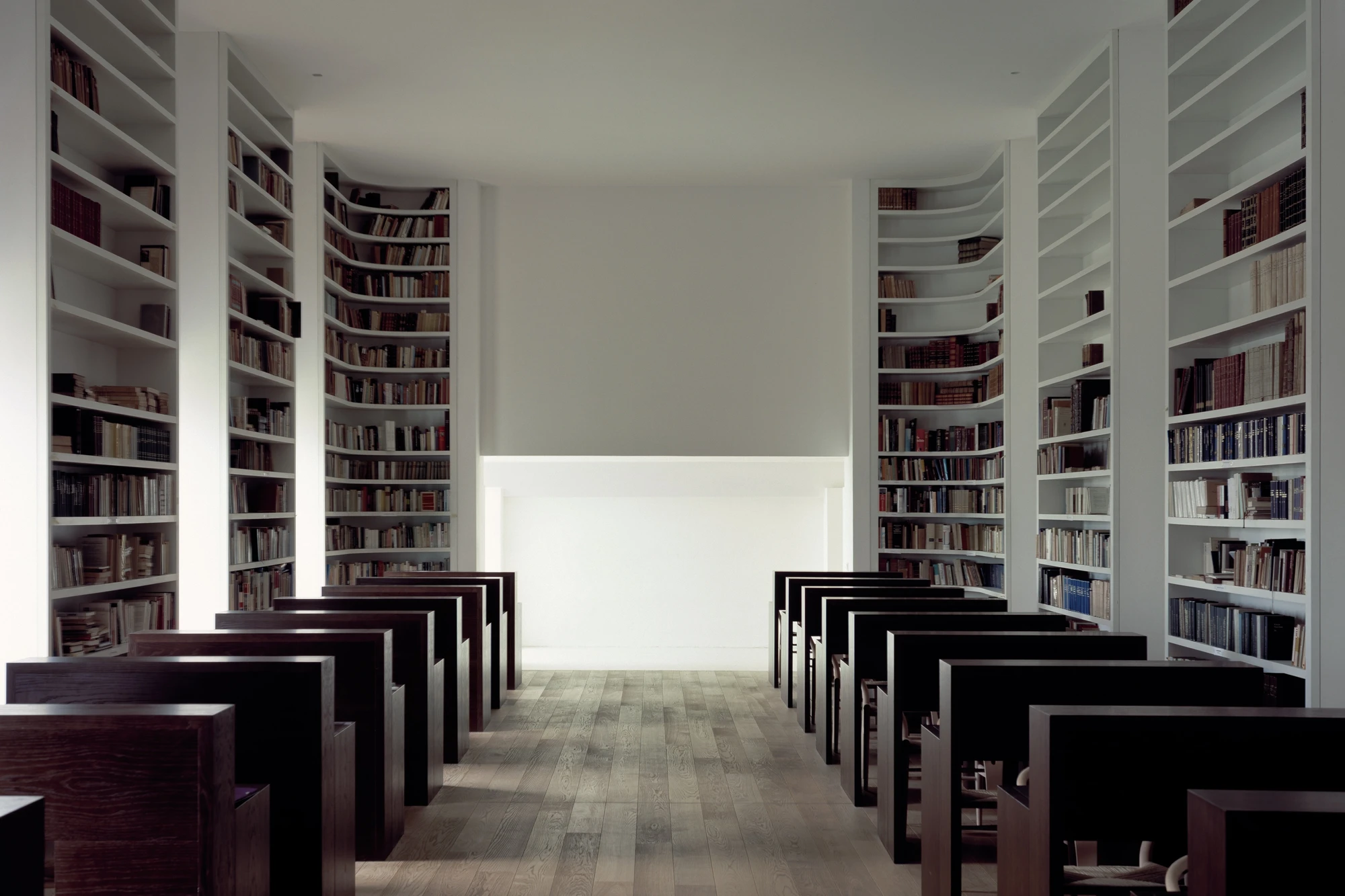
The library offers a different mode of contemplation. Floor-to-ceiling shelving lines opposing walls, their white frames containing centuries of theological study. Between them, reading desks of the same dark oak as the choir stalls create a rhythm of vertical and horizontal, wood and void. Natural light falls from above, as if the knowledge contained in these books required heaven's illumination.
What Pawson achieved—working across five years from 1999 to 2004—transcends style or even architecture. The abbey operates as a functioning monastery where twenty monks follow rules established in the twelfth century. The building serves their liturgical needs as completely as it serves aesthetic ones. That these two forms of service align so precisely is the project's deeper achievement: evidence that reduction and devotion might be aspects of the same discipline.